300 steps and cliffside shrines. That’s what makes this Gunung Kawi Temple & Pakerisan tour such a different Bali day. You start with a shaded descent into a sacred valley near Ubud, then move through the Pakerisan River Valley, a UNESCO-listed area where the water, stone, and rituals feel linked instead of staged.
I really like two things here. First, the 300 stone steps create a natural sense of arrival, so the site feels quieter once you’re down there. Second, the tour isn’t just sightseeing: a live local guide (English or Indonesian) puts Balinese religion and history into plain, human terms, and you may hear it from guides such as Raka, Agus, Andrian, Ketut, Kar, or Sana, based on past tour experiences.
The main thing to consider is physical effort and access. If you’re dealing with heat, breathing issues, low fitness, or mobility limits, the climb back up can be rough, and the tour isn’t suitable for people who fall into the activity’s safety limits (including pregnancy and epilepsy).
In This Review
- Quick hits before you go
- A calm start: the 300 steps to Gunung Kawi
- Cliffside candi shrines: what you’re really looking at
- Pakerisan River Valley: UNESCO time in the “in-between” moments
- The guide’s role: turning stone and cloth into meaning
- Temple etiquette: sarong, no shorts, and why timing changes everything
- Getting there: flexible meetups from Ubud and easy drop-offs
- Price and value: what $18 buys (and what it doesn’t)
- Who this suits best (and who should skip it)
- My booking advice: pick the right time, bring the right items
- Should you book this Gunung Kawi Temple & Pakerisan UNESCO tour?
- FAQ
- How long is the Gunung Kawi Temple & Pakerisan tour?
- Do I need to wear a sarong, and are shorts allowed?
- What should I bring for the 300 steps?
- Where can I meet the tour?
- What does the tour include for the price?
- What is the language of the guide?
Quick hits before you go
- 300 stone steps down to Gunung Kawi, then the climb back (plan for it).
- Cliffside candi shrines carved into the rock face, connected to Balinese royal memorial traditions.
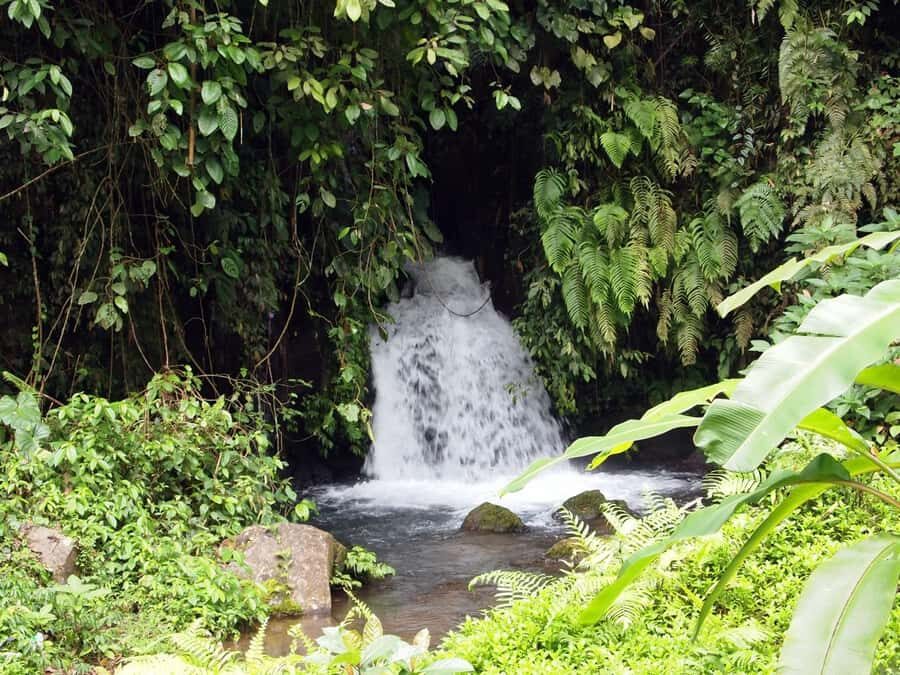
- Pakerisan River Valley UNESCO setting with mossy paths, courtyards, and sacred-spring bathing pools.
- Respectful temple rules: sarong required and shorts not allowed.
- Flexible meetup points: Gunung Kawi Temple, Ubud Palace, or optional hotel transfer in/near central Ubud.
- Small, focused time window (about 2–4 hours) that fits well between Ubud plans.
A calm start: the 300 steps to Gunung Kawi
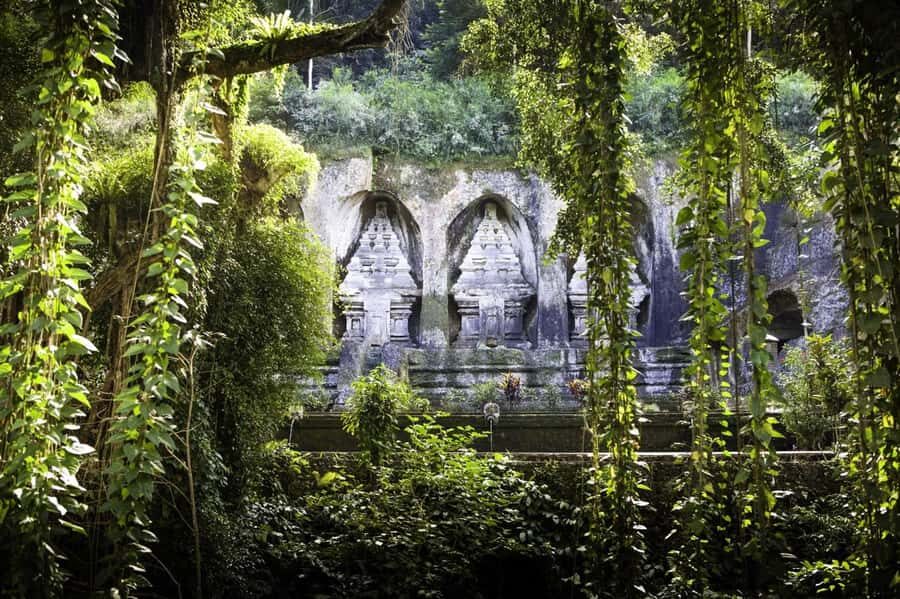
This tour’s mood is set immediately. You begin at Gunung Kawi Temple and head down the 300 steps, with palm shade and fragrant frangipani trees along the way. It’s not a slow stroll where you chat through everything; the steps shape your pace and make the whole place feel more intentional.
I like this structure because it filters the experience. By the time you reach the lower area, you’re past the “arrive, take photos, leave” stage, and the valley feels more like a place people come to be quiet.
There’s also a practical takeaway: wear comfortable shoes. The steps are part of the charm, but they’re still stone, and you’ll want traction for the descent and the climb. And bring water, because even when it’s cool in Ubud, the walk can warm you up.
You can also read our reviews of more tours and experiences in Ubud.


Cliffside candi shrines: what you’re really looking at
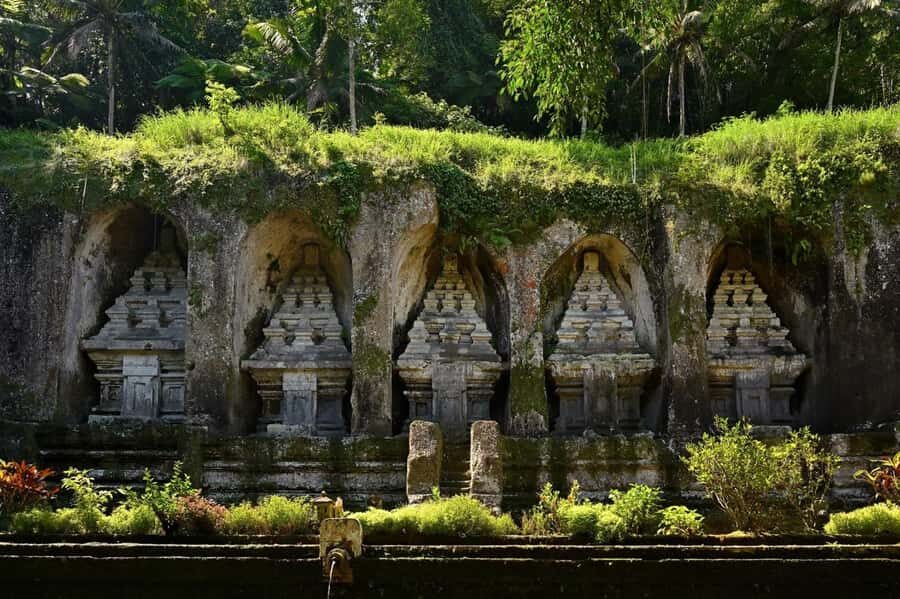
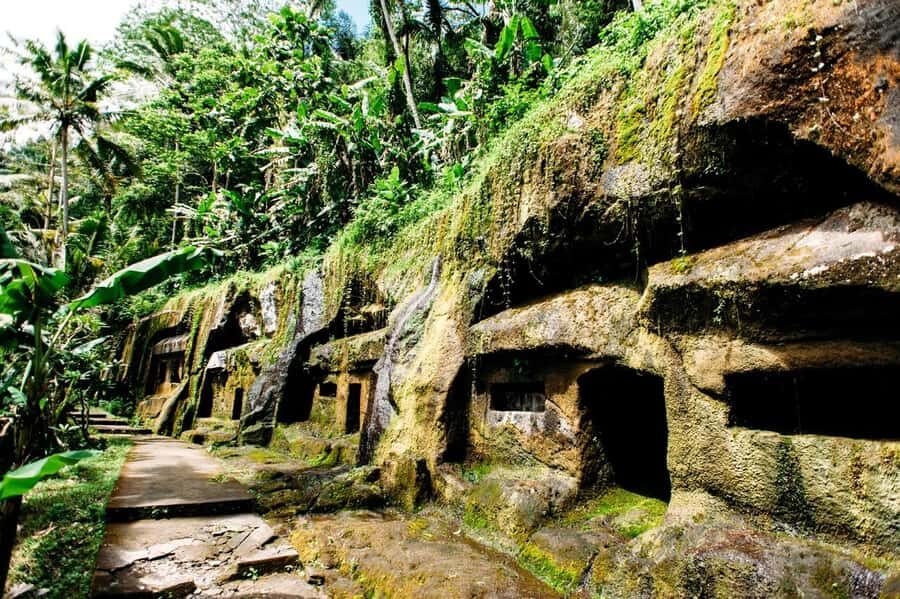
At the bottom, the big wow is the candi shrines carved directly into the cliff face. You’ll see multiple massive memorial structures cut into the rock, traditionally dated to the 11th century, and connected to Balinese royalty and high-ranking court figures.
The reason this matters isn’t just age. It’s the setting—shrines built into the hillside instead of placed on flat ground—that makes the history feel physical. You’re not reading a museum label; you’re standing beside monuments that were designed for stillness and ceremony.
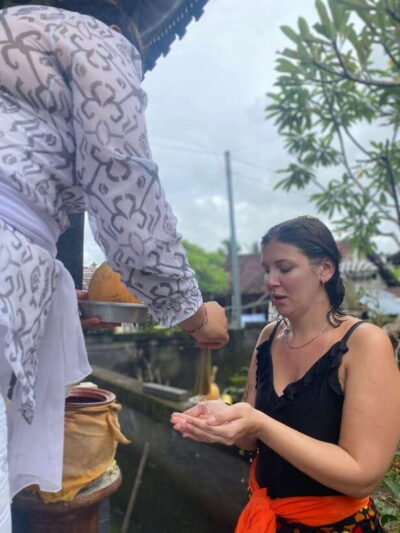
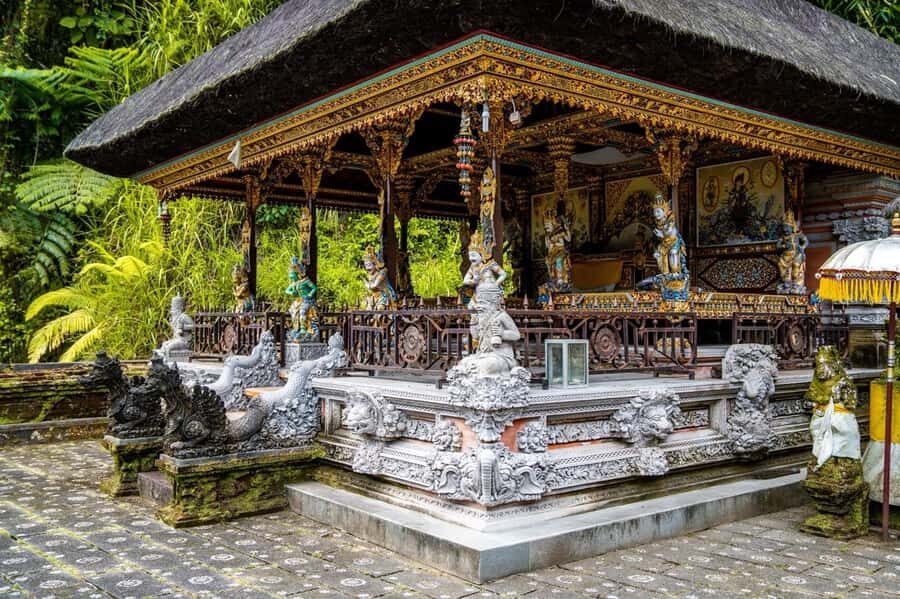
As you move through the lower temple areas, you’ll also notice how devotees live the tradition in real time. Look for flowers and incense offerings left by local worshippers, plus stone gates and inner shrines draped in cloth. If you’d like, you can make a small offering too, or simply keep it quiet and respectful—either way, the space encourages a slower mindset.
Pakerisan River Valley: UNESCO time in the “in-between” moments
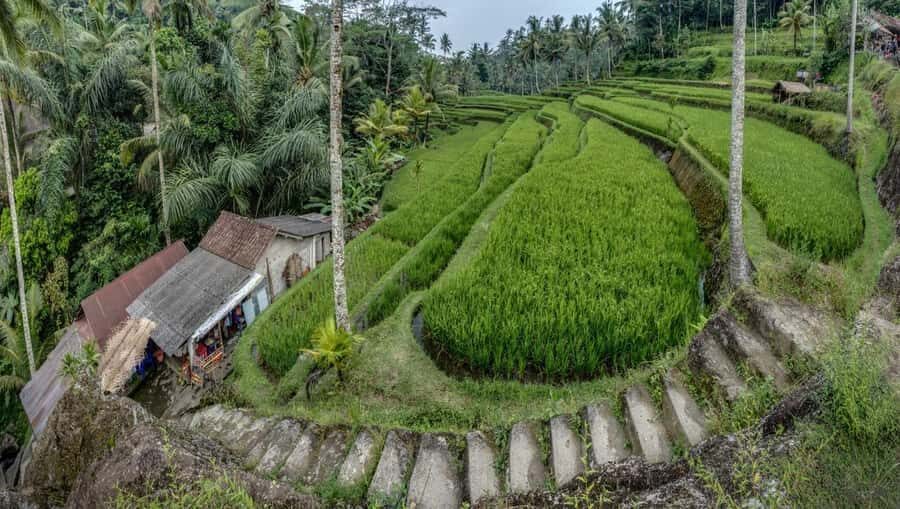
After Gunung Kawi, you shift into the Pakerisan River Valley, a UNESCO World Heritage Site. This is where the day stops feeling like one attraction and starts feeling like a corridor of sacred routines, river life, and temple water traditions.
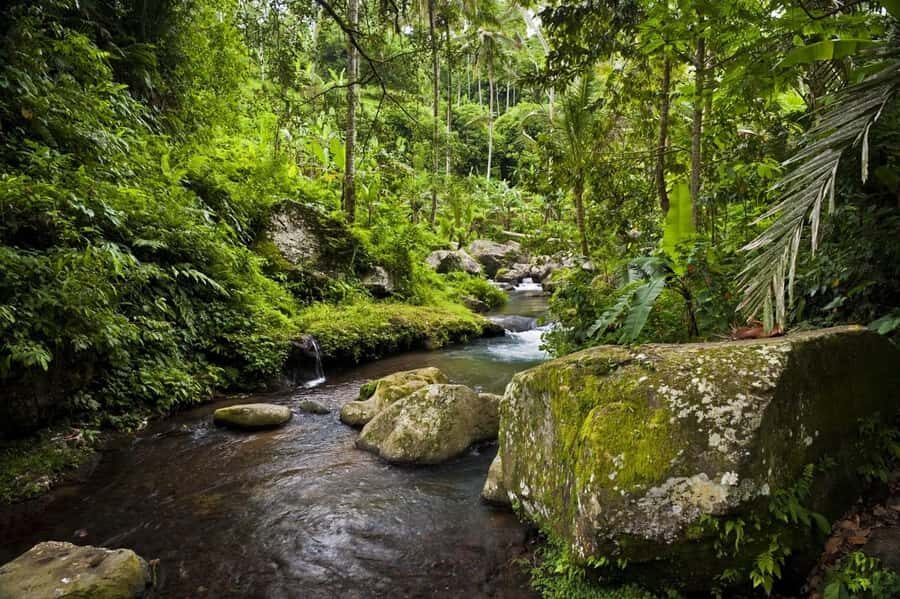
You’ll follow guided paths through areas with moss and quiet courtyards. Some spots include ancient bathing pools fed by sacred springs associated with the Pakerisan River system. The water sound is gentle, and birds do a lot of the soundtrack work for you.
I like the way this section is paced. The valley has room for pauses, and that’s the point. Instead of forcing constant movement, the walk gives you time to stand, look, and let the environment do its job. If you want a “zen break” in Ubud, this is one of the more natural ways to get it—less performance, more atmosphere.
The guide’s role: turning stone and cloth into meaning
The best tours here don’t just point; they explain. A live guide—typically in English and Indonesian—helps you connect what you see to how Balinese life works: religion, royal memorial traditions, and the everyday rhythm of offerings.
From past experiences, guides such as Raka and Agus have a habit of telling the story with context, not just dates. Andrian has been praised for explaining Hindu, Balinese, and Indonesian history in a way that stays grounded. Ketut and Kar also come up as people who answer questions and add practical local insight, including how people live around these sacred areas.
What you’ll feel in the moment is clarity. For example, when you see cloth draped on shrines or offerings near gates, a good guide helps you understand what’s happening and why. Without that, it can still be beautiful, but it risks turning into scenery. With it, the temple feels like a living system.
Temple etiquette: sarong, no shorts, and why timing changes everything
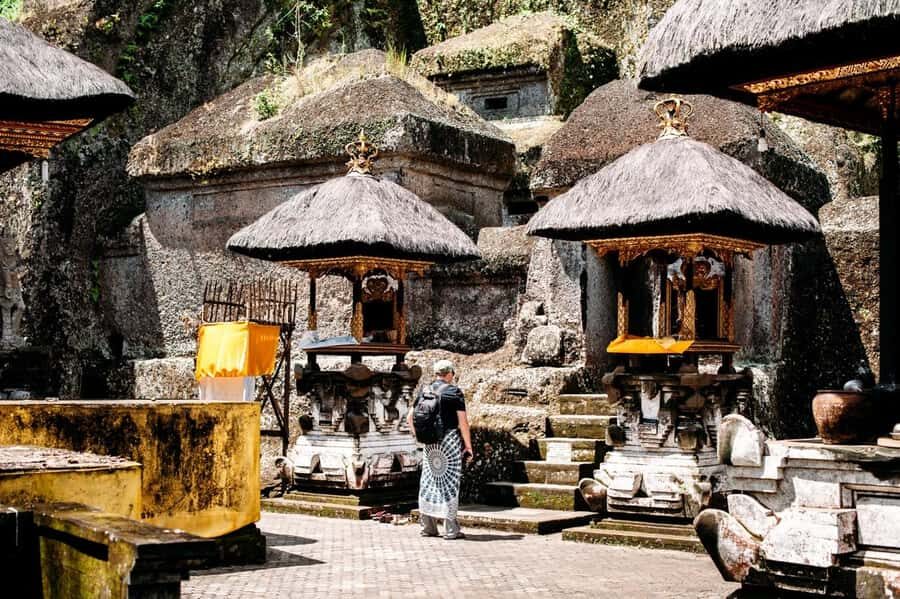
Bali temples have rules, and this one is specific. Plan on bringing a sarong (and, as requested, a sash as a sign of respect). If you don’t have one, you can rent at the entrance. Also note the no-shorts rule—wearing shorts isn’t allowed.
This isn’t just bureaucracy. Following the rules is part of why the site can feel calm. The more people respect the environment, the more the valley stays quiet and focused instead of becoming a costume parade.
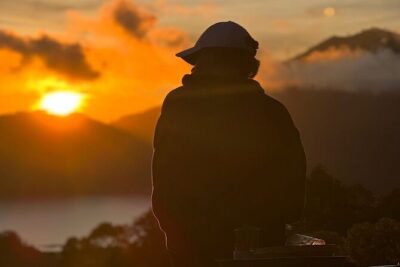
Timing helps even more. Early morning or late afternoon visits are where you get the most tranquility and avoid harsher heat. It also makes the steps more manageable, especially if you’re sensitive to sun. If you can, pick the time slot that matches your energy level, not your perfect photo plan.


Getting there: flexible meetups from Ubud and easy drop-offs
This tour offers flexibility, and it actually matters in Ubud, where traffic and route timing can shift your day fast. You can meet at Gunung Kawi Temple, meet at Ubud Palace, or choose hotel transfer from Ubud central (if that option is selected).
Pickup details are confirmed by WhatsApp the day before or up to 1 hour before the activity. You’ll want to be ready in the lobby about 15 minutes early, because late arrivals can disrupt the schedule.
When the tour ends, drop-off options include Pura Gunung Kawi Sebatu, Ubud, or Ubud Palace. That’s useful if you still want to keep planning inside the Ubud area without forcing an extra long ride.
Price and value: what $18 buys (and what it doesn’t)
At about $18 per person for a 2–4 hour experience, the value comes from three things. First, you get a live guide plus interpretation (English or Indonesian), not just transport. Second, you get site time in a quieter sacred setting that doesn’t feel like a quick stop. Third, you’re provided mineral water, plus insurance and tax are included.
What’s not included is also important. Food and drinks are on you, so you’ll want a plan—either eat before you go or budget for a snack after. Also note that you’ll be spending energy on steps, so having water and proper shoes is part of the real cost.
If you’re comparing this to a “drive and photo” style tour, the difference is time quality. A guided walk through cliff shrines and the UNESCO river valley is the kind of experience that gets better when you understand what you’re seeing.
Who this suits best (and who should skip it)
This tour is built for people who can handle stairs and temple conditions. It’s a great match if you want an authentic-feeling Ubud day that includes spirituality, not just scenic viewpoints.
I’d particularly recommend it for:
- travelers who enjoy history and want it explained clearly
- people who like slower walking and quiet spaces
- anyone visiting Bali who wants a break from crowds and Instagram circuits
On the flip side, it’s not suitable for pregnant women, people with mobility impairments, respiratory issues, epilepsy, low fitness, and babies under 1 year. It’s also not meant for seniors over 70 (and specifically over 95). If any of those apply, you’ll likely get more stress than reward from the 300-step format.
My booking advice: pick the right time, bring the right items
This is one of those Bali tours where the timing decision changes the whole day. If you can, choose early morning or late afternoon to avoid heat and keep the site calm. When the valley is cooler, the steps feel less like a chore and more like part of the experience.
Pack like you’re going for a real walk:
- comfortable shoes you trust on stone steps
- water for the climb and descent
- a sarong and sash for temple respect (or rent at the entrance)
Also plan your expectations. You’re not signing up for a beach day or a “sit and cruise” schedule. You’re signing up for a structured, meaningful visit to Gunung Kawi and the Pakerisan River Valley, with the guide keeping the experience readable and respectful.
Should you book this Gunung Kawi Temple & Pakerisan UNESCO tour?
Yes, if you want a quieter, more meaningful side of Bali that still stays efficient enough for a half-day plan. The value is strong for the price, especially because the guide experience and temple etiquette are built into the flow, not added after.
Book it when you can choose a cooler time window and when you’re comfortable with stairs. Skip it if you’re not confident about the physical demands, because the beauty here comes with a real climb.
If your goal is to understand Balinese spiritual heritage in a place where stone shrines and sacred springs shape the atmosphere, this tour is a smart pick. It’s short on time, but it doesn’t feel shallow.
FAQ
How long is the Gunung Kawi Temple & Pakerisan tour?
The duration is about 2–4 hours, depending on the starting time you select.
Do I need to wear a sarong, and are shorts allowed?
You should wear a sarong and sash as a sign of respect. Shorts are not allowed, and sarongs may be available for rent at the entrance if you need one.
What should I bring for the 300 steps?
Bring comfortable shoes and water, since you’ll be walking down and then climbing back up 300 stone steps.
Where can I meet the tour?
Meeting points can vary. Options include meeting at Gunung Kawi Temple, meeting at Ubud Palace, or choosing optional hotel pickup from Ubud central.
What does the tour include for the price?
Included items are a guided tour of Gunung Kawi Temple, optional transfers (depending on your selected option), mineral water, insurance, and tax.
What is the language of the guide?
The live tour guide speaks English and Indonesian.