Silver looks better when you make it.
What I like most is the hands-on private silver jewelry class in Delodsema Village, where you shape, cut, clean, and finish a piece you design. I also like the added culture-food stops: a guided coffee plantation tasting plus a visit to Bali’s oldest batik gallery to watch batik style work in action. A fair consideration: the full day can run 3 to 8 hours, so it is not a quick in-and-out activity.
In This Review
- Key points before you go
- A Hands-On Ubud Day: Silver Jewelry, Batik, and Bali Coffee
- How the Silver Jewelry Class Really Works (And What You’ll Bring Home)
- Your piece: design first, then the making
- Gemstones are purchaseable
- What the class feels like in practice
- Private Pickup, Minivan AC, and How to Plan Your Day Around It
- Drop-off coverage is wide
- The Silver Gallery Stop: Why You Go Before You Make
- Coffee Plantation Tasting: Luwak Story, Tea Samples, and the Civet Connection
- What you should expect from tastings
- Why this stop is worth keeping
- Batik at Tohpati: Wax-Resist Fabric Art Up Close
- What makes batik special for first-timers
- Shopping and collections
- Lunch and Food Reality: What’s Included vs Optional
- Transport, Timing, and Who This Fits Best
- Accessibility note (double-check before booking)
- Value for $21: What You’re Really Paying For
- A Note on Reliability: The One Bad Booking Story
- Guides and the Day’s Tone: When It Goes Right
- Should You Book This Ubud Silver Jewelry Class?
- FAQ
- How long is the silver jewelry class?
- What time does the class start?
- Is pickup available from my hotel?
- How much silver is included in what I make?
- Do I get coffee and tea tastings?
- Is there batik included?
- What should I bring?
Key points before you go
- Private class in Delodsema Village: Most of the day centers on making your own piece with a local instructor next to you.
- Max 10 grams of silver (included): Your finished keepsake is built around a set silver allowance.
- Coffee plantation tasting (free samples): You can try different coffees and teas, with the local palm civet story included in the experience.
- Old batik gallery visit: You’ll see traditional wax-resist batik techniques and how the patterns get made.
- Schedule starts either 09:00 or 12:00: Your class start time changes how the rest of the day feels.
- Optional pickup and minivan with AC: If you pick the transport option, you avoid Bali’s traffic stress.
A Hands-On Ubud Day: Silver Jewelry, Batik, and Bali Coffee
This is the kind of Bali day you book when you want more than a photo stop. The core of the experience is simple: in a silver-making village, you learn the steps to create a real silver jewelry piece and take it home. That village context matters. Silver is not just a craft there; it is a way of earning income, and the program is built to support locals with work and visibility for visiting foreigners.
On top of that, the day is structured like a mini cultural course. You get a look at how silver and gold are made in a local gallery setting, then you move into your own workshop time. After that, you shift gears to Bali’s other big tradition: batik—wax-resist fabric art that depends on steady hands and patience. And because Bali days should taste as good as they look, you finish with coffee and tea tasting on a plantation.
You can also read our reviews of more tours and experiences in Delodsema Traditional Village.

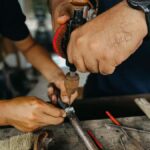
How the Silver Jewelry Class Really Works (And What You’ll Bring Home)
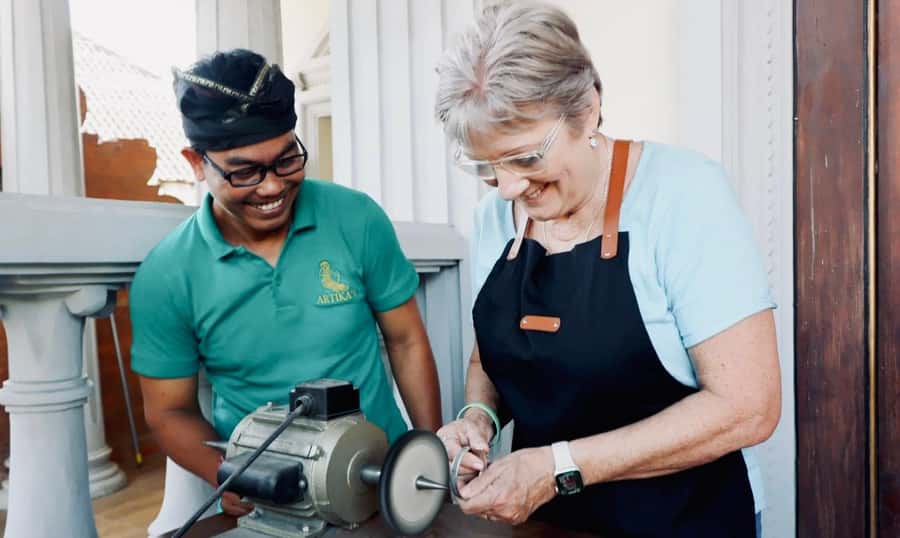
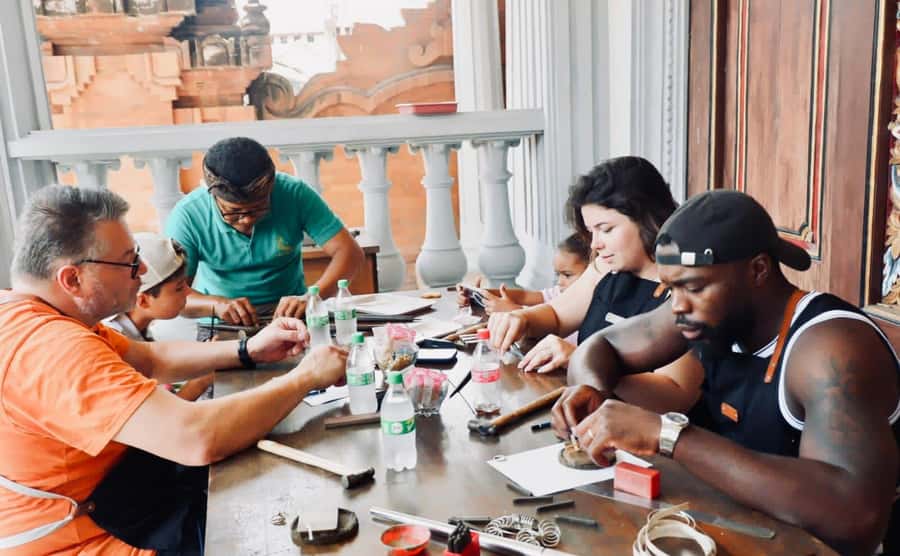
The silver class is 2 hours of direct instruction with a professional instructor, and the full experience can stretch to 3 to 8 hours depending on timing and included optional stops. You will start at the workshop location in Delodsema Village, where the team explains what silver jewelry making involves and helps you move from ideas to a finished item.
Your piece: design first, then the making
You typically begin with samples of jewelry to spark ideas. If you already have a design in mind, that is fine too. Once you choose the item type and design, the class guides you through the practical steps:
- preparing the silver,
- shaping and cutting,
- cleaning the piece,
- and finishing it so it is wearable and looks right.
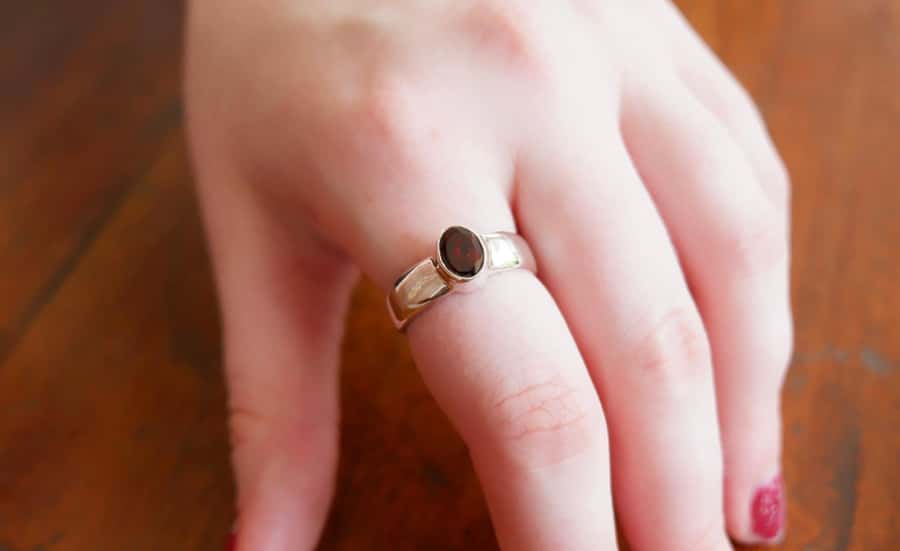
The program states you can make a piece using up to 10 grams of silver. That cap is important because it shapes what kinds of designs work best within the allowance. If you are the type who wants something ultra elaborate with lots of silver mass, you may need to simplify your design so it stays within that limit.
Gemstones are purchaseable
The materials note includes gemstones for purchase. The data does not say they are included, so assume gemstones are optional upgrades. If gemstones are a must for you, ask what is available and the pricing structure before you decide on the final design.
What the class feels like in practice
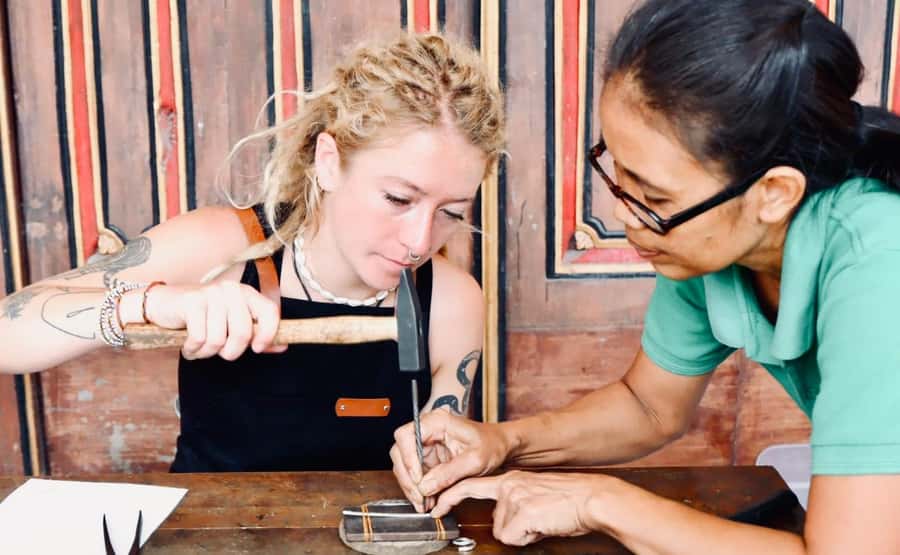
Even without the workshop tools described in detail, the emphasis is clear: you are working right next to the instructor, not watching from across a room. Safety is mentioned too, which matters when you are working with metal tools. If you like doing real work with your hands—measuring, shaping, and finishing—you’ll enjoy this more than a sit-and-watch demonstration.
Also, the included keepsake angle is the real value point: you leave with a piece you made yourself, not just a certificate.
Private Pickup, Minivan AC, and How to Plan Your Day Around It
This is offered as a private guided experience, and pickup is optional. If you choose pickup, you should expect a private minivan with AC, plus hotel-to-activity transport and then the drive back to your hotel. For Bali, that matters. Travel times can swing, and AC helps you keep your energy for the workshop.
Your class start time depends on the option you select:
- First class: 09:00 AM
- Second class: 12:00 AM
Either way, you should plan to arrive early. The meeting instruction says: come about 15 minutes before the class start. If pickup is included, build in a little buffer for hotel lobby timing so you do not feel rushed.
Drop-off coverage is wide
The experience lists many possible drop-off areas, including spots like Gianyar, Denpasar, Badung Regency, and Candi Dasa. That suggests they are set up to serve multiple hotel zones. Still, because drop-off depends on your booking option, confirm your exact location so you get the nearest return point.
The Silver Gallery Stop: Why You Go Before You Make
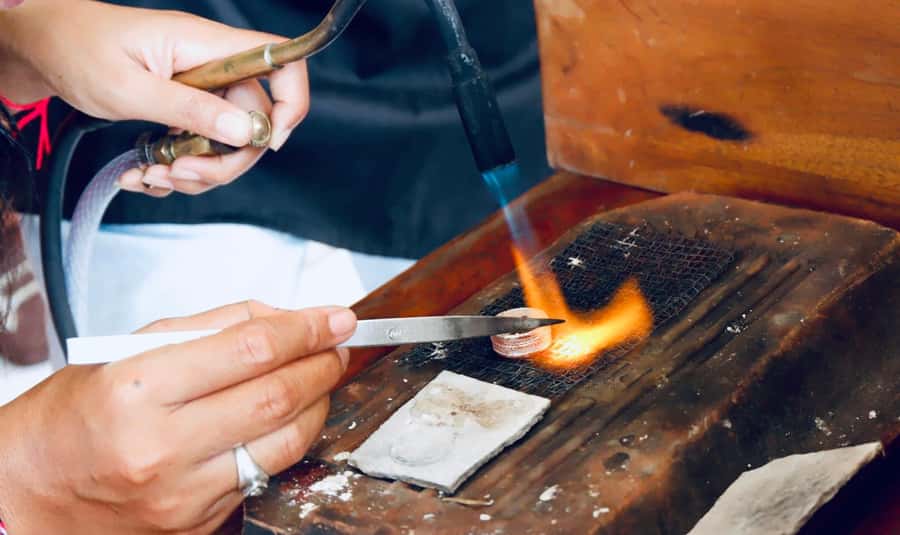
One highlight is visiting the biggest silver gallery to see how local artisans make silver and gold. This is not filler. It gives you context before you pick up tools.
When you see how other items are produced—at least at a high level—you can better understand what is realistic in a short class. You also get the sense of the skill scale: these crafts rely on repeated steps and careful finishing. That helps if your own design idea is a little ambitious. You can adjust your expectations early and focus on a final result that looks good.
Coffee Plantation Tasting: Luwak Story, Tea Samples, and the Civet Connection
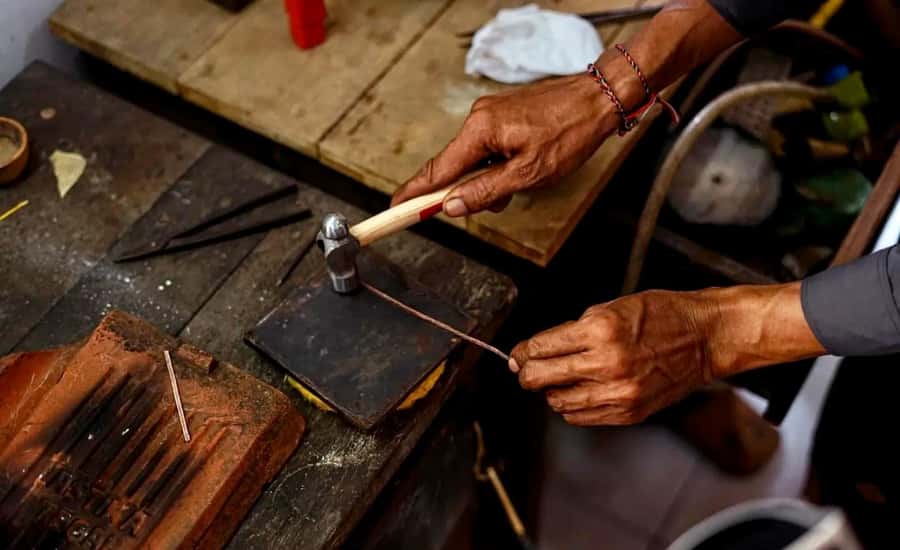
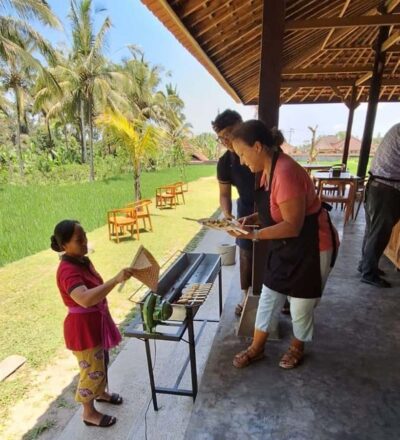
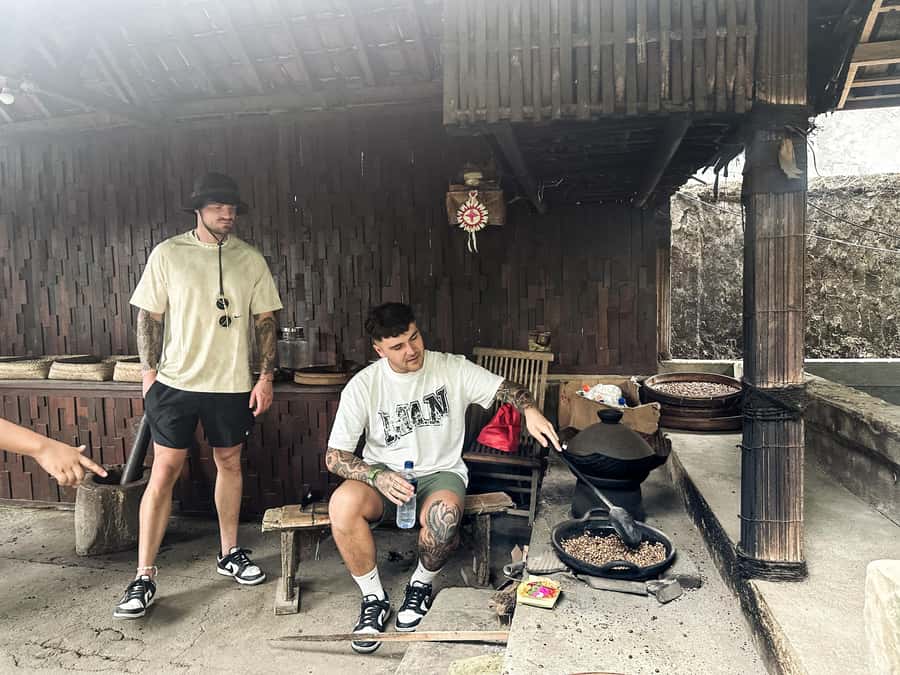
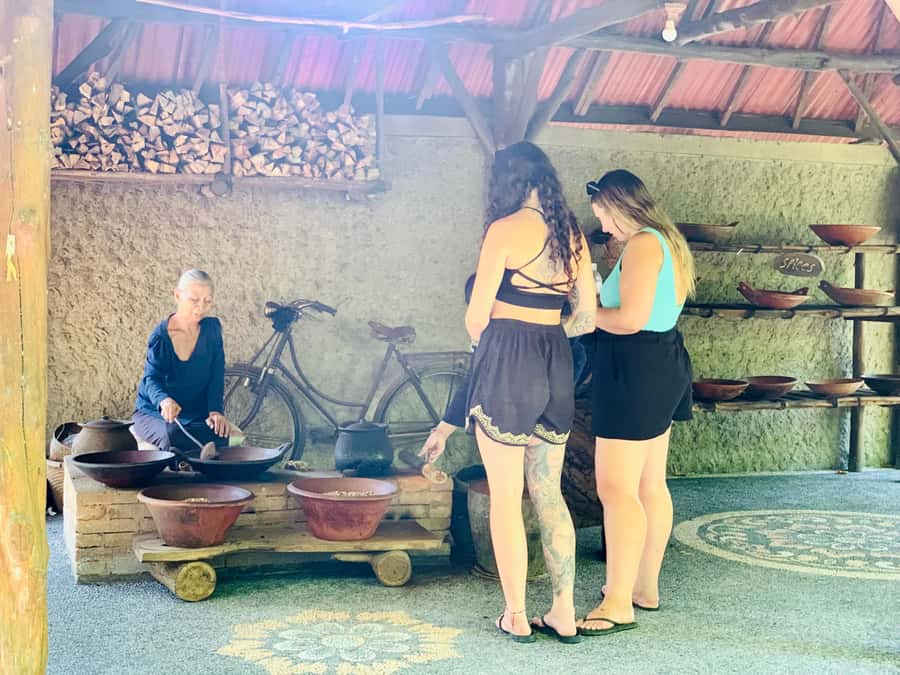
The coffee stop is guided and includes free tasting. The included write-up specifically mentions the unique animal-poo process linked to coffee production. One of the reviews adds an extra detail you might care about: the coffee origin story includes meeting the Asian palm civet as part of the experience.
What you should expect from tastings
The data says you get free tastings of different coffee and tea flavors. If you like variety, this part is fun because it turns coffee into a guided tasting flight instead of a single drink. If you do not like coffee, the tea tasting is still the point—you are not stuck with one flavor choice.
A practical note: if you are sensitive to caffeine, try fewer coffee samples first, then decide. Tastings are offered in sequence, so pacing is on you.
Why this stop is worth keeping
If the rest of your day is metalwork and batik, tasting coffee and teas is a nice reset for your senses. It also helps justify the longer day length. You’re not just moving locations; you’re getting food culture plus a story about how Bali’s plant-and-animal systems connect to what ends up in your cup.
Batik at Tohpati: Wax-Resist Fabric Art Up Close
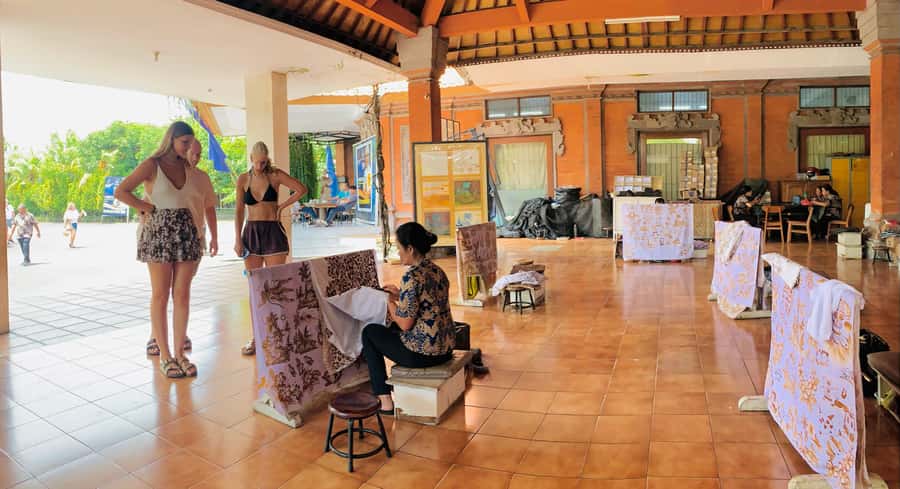
After coffee, the experience includes a visit to Tohpati Batik Art Village and the oldest batik gallery in Bali. The batik tradition here is described as fabric painting using dots and lines of wax to create patterns.
What makes batik special for first-timers
Batik is not just decoration. The wax-resist method is a process with results that only fully show after dyeing. The best part is how it looks while it is being made: steady work, careful patterning, and the sense that every dot and line has a job.
You can expect an environment full of sensory cues—colors, patterns, and that distinct smell of batik work. That helps explain why batik villages feel like more than a shop. It is craft work in progress.
Shopping and collections
The information notes that you can view collections and buy if you want. If you shop, decide what you want to optimize for:
- a wearable piece,
- fabric for a future project,
- or art you can hang.
Because prices are not included in the provided details, shop with the mindset that you are paying for labor and design, not just fabric.
Lunch and Food Reality: What’s Included vs Optional
There is mention of lunch at a local authentic restaurant overlooking rice terraces. But the pricing section also lists Food as not included, and lunch is labeled optional.
So here’s the practical approach: if lunch is important to you, treat it like a planned extra rather than guaranteed. Ask what is included with your specific booking and whether lunch cost is covered or separate.
If you arrive hungry, you might be able to time it so lunch lines up naturally after coffee or batik—one review story describes a guide stepping in to help with lunch timing and halal needs, which suggests food logistics can be handled smoothly when you ask.
Transport, Timing, and Who This Fits Best
This experience is best if you want a day that blends making something with seeing how Bali crafts are made. It works for:
- couples and friends who like hands-on activities,
- travelers who want a creative souvenir with meaning,
- anyone spending time around Ubud who wants culture plus a craft they can actually try.
It may not be the best match if you are short on time, because the full day can run long and the activity is described as involving more than 5 hours.
Accessibility note (double-check before booking)
The data says wheelchair accessible, but it also lists not suitable for people with mobility impairments. Because those statements conflict, I’d treat this as a must-clarify situation. Ask the operator what the actual on-site steps are like and how they handle mobility limitations before you commit.
Value for $21: What You’re Really Paying For
At $21 per person, the value is strongest when you compare the included items:
- instruction for making a silver jewelry piece,
- a max 10-gram silver keepsake allowance,
- and guided cultural stops like coffee tasting and batik viewing (depending on your selected options),
- plus bottled mineral water and a welcome drink.
For many travelers, the real reason to book is not the raw cost. It is that you leave with a physical object you created yourself, and you also get context for the crafts through gallery viewing and batik demonstration.
That said, the value depends on your exact option choices. Pickup, minivan, and certain entrance visits are labeled optional, so you should check your add-ons so you know what you are actually paying for.
A Note on Reliability: The One Bad Booking Story
The review data includes a negative case where the activity reportedly did not happen because the local provider did not conduct the booked positions and requested more money. That is the kind of red flag you should take seriously.
You can reduce the risk with simple steps:
- confirm your pickup time and the exact meeting point shortly after booking,
- keep your confirmation details handy,
- and verify any extra payment requests in writing before you agree.
I’d also aim to book with a clear plan for how you will contact the operator if the driver is late or the schedule changes.
Guides and the Day’s Tone: When It Goes Right
When this kind of craft day works, the guide is the difference. One review praised a driver named Eddie for being patient during early timing and for helping solve a lunch need. Another review credited a guide named Putu for going beyond typical art stops with extra cultural context and a refreshing waterfall dip at Ulu Petanu.
You can’t count on extra stops every time, but those names are useful. If you value a calm, helpful guide who communicates well and keeps the day moving, you should look for strong guide matching in your booking notes.
Should You Book This Ubud Silver Jewelry Class?
If your goal is a creative Bali souvenir you actually made, this is a solid choice—especially if you like learning by doing. The combination of silver workshop time plus coffee tasting and batik craft viewing makes it feel like a full-culture day rather than a single activity.
I’d book if:
- you want a personal silver keepsake (up to 10 grams),
- you enjoy guided cultural craft experiences,
- you are okay with a day that can run past 5 hours.
I’d be cautious if:
- you need strict accessibility support and can’t clarify the logistics,
- you prefer very short experiences,
- or you want zero payment surprises on the day—then confirm all inclusions clearly ahead of time.
In short: this is worth your time if you want your Bali day to produce something you can wear.
FAQ
How long is the silver jewelry class?
The class itself is listed as 2 hours. The overall experience can run from 3 to 8 hours.
What time does the class start?
There are two start options: 09:00 AM and 12:00 AM (listed as a second class time).
Is pickup available from my hotel?
Pickup is optional. If you choose it, you’ll be picked up by a driver using a private minivan with AC.
How much silver is included in what I make?
Your class includes silver for your piece up to a maximum of 10 grams.
Do I get coffee and tea tastings?
Yes. There is a visit to a coffee plantation with free tasting of coffees and teas, guided as part of the experience.
Is there batik included?
Yes. The experience includes a visit to the oldest batik gallery in Bali, and you’ll see the batik process.
What should I bring?
Bring a camera.