Rinjani’s summit starts in the dark. What makes this trek so appealing is the mix of real mountain altitude work and the comfort of sleeping in Senaru both nights, with camping gear handled for you. You’re not just doing a checklist hike—you’re climbing through volcanic terrain, then dropping back down to village life each evening.
Two things I really like: the plan includes a mountain guide and porter, so you don’t have to drag along cooking gear or carry water; and the overall package price covers the permits and insurance, which makes the experience feel simpler than a DIY Rinjani attempt. One caution: in busy periods, you may end up trekking alongside people arranged by other operators, so organization and guide matching can feel uneven—ask clear questions up front.
In This Review
- Key Points Before You Go
- Entering the Rinjani Experience: Sembalun Up, Senaru Back
- Price and Value: What $235 Really Buys on Rinjani
- The Setup at 7:00 am: Meeting Point and Pickup Reality
- Day 1: Crater Rim Trek Day (the Long First Layer)
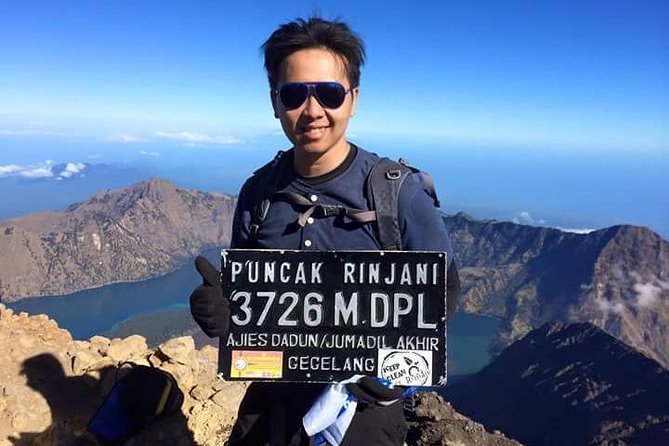
- Day 2: The 2:00 am Wake-Up and the 3,726 m Summit Moment
- Day 3: Rainforest Descent, Senaru Return, and a Black Monkey Chance
- Camping, Equipment, and What Lighter Carry Means
- Guides, Organization, and Why You Should Ask One Extra Question
- Who This Trek Fits Best (and Who Might Struggle)
- Should You Book This Mount Rinjani 3D/2N Summit + Lake Trek?
- FAQ
- FAQ
- How long is the Mount Rinjani 3D-2N trek?
- Where do you stay during the trek?
- Is a guide and porter included?
- What time is the summit attempt on Day 2?
- Is the price all-inclusive for permits and insurance?
- How big is the group?
Key Points Before You Go
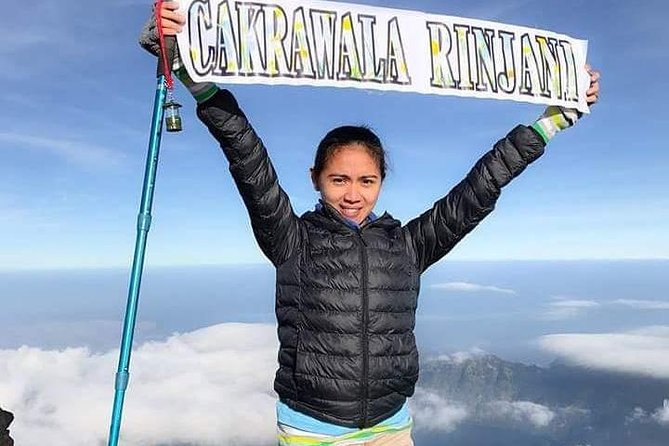
- Senaru on both nights: you return each day after the big walking hours.
- Guide + porter support: you hike, they help handle the heavy stuff (including cooking-related carry).
- Permits and insurance included: fewer headaches around paperwork and coverage.
- Early summit rhythm: a 2:00 am wake-up for sunrise timing is part of the deal.
- Max 10 people: small-group feel, not a massive cattle-call trek.
- Black monkey possibility on the descent: if conditions are right, you may see one.
Entering the Rinjani Experience: Sembalun Up, Senaru Back
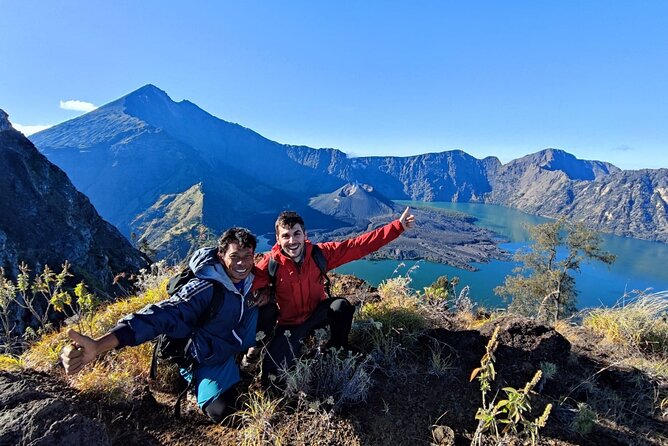
Mount Rinjani is famous for the summit view, but what makes a route like this one practical is how it handles the “big trek” fatigue. You start from the Senaru-area meeting point (Cakrawala Rinjani Trekking) at 7:00 am, and the hiking sequence is designed to take you from Sembalun toward the crater rim, then up and back down.
The best part for most hikers is the ending: you come back down to Senaru village every evening for your two nights. That means you’re not sleeping in a random outpost for multiple days. It also makes the trek feel more like a short expedition with a base camp rhythm, not a constant “where do we sleep” puzzle.
One detail that affects your planning: the title mentions hotspring, but the information provided here focuses on the summit and Lake Segara Anak with descent back to Senaru. If hot-spring time is important to you, confirm what’s included before you pay.
You can also read our reviews of more tours and experiences in Lombok.
Price and Value: What $235 Really Buys on Rinjani
At $235 per person, this trek can be good value because several major costs are handled for you. You’re paying for the services and logistics that usually blow up a DIY plan: a guide, porter support, camping equipment, and the official trail permissions and insurance coverage.
Here’s the practical math from a traveler’s point of view:
- When you don’t carry cooking gear or water, your hike feels more manageable and less chaotic.
- When permits and insurance are included, you’re not scrambling last-minute.
- Camping gear provided reduces the risk of showing up underprepared.
So yes, it’s not the cheapest trek on Lombok. But if you price in the time, stress, and equipment hassle of doing this independently, it starts to look like a fair deal—especially if you like the small-group structure and guided safety on a demanding trail.
The Setup at 7:00 am: Meeting Point and Pickup Reality
The experience begins back at the provider’s meeting point at Jl. Pariwisata, Senaru. Start time is 7:00 am, and pickup is offered, which matters if you’re staying outside the immediate area.
What I’d do: before your trek day, confirm exactly where the pickup vehicle meets you and who holds your group once everyone arrives. On active volcano treks, small confusion early can turn into big stress at night when you’re relying on timing for sunrise.
Also, note the group limit: this is capped at 10 travelers, so you’ll likely feel like part of a small team instead of a crowd. Still, because it’s described as private/small group with multiple operators possible, I recommend asking how your hiking team will be composed in peak season.
Day 1: Crater Rim Trek Day (the Long First Layer)
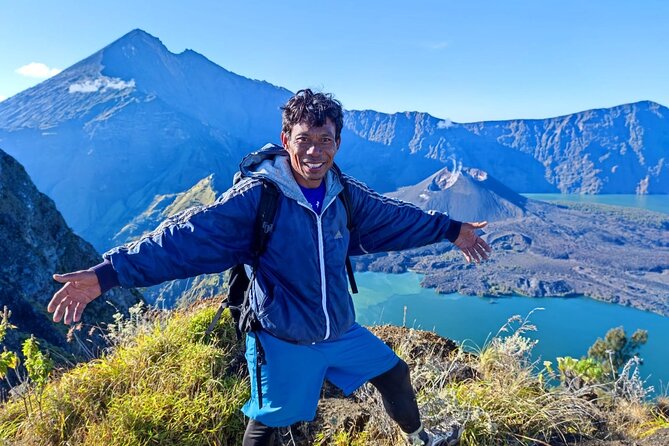
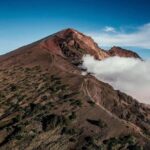
Day 1 is the “build your legs” day. The program is designed as a multi-day route from Sembalun toward the crater rim, with hiking time listed around 7 hours. You’ll be moving long before you fully feel the altitude game, so it’s smart to treat this first day as pacing practice.
What you can expect on this kind of Day 1:
- Longer walking hours where steady effort beats sprinting.
- Volcanic terrain where footing matters, even when you’re not scrambling.
- Time spent getting your body used to the early start structure.
The good news: the tour setup aims to remove some of the burden. Since you’re not responsible for carrying cooking equipment or water, your energy goes into hiking instead of logistics.
A drawback to keep in mind: your first day sets your “fatigue baseline.” If you go out too hard, the pre-dawn push on Day 2 will feel worse. Keep your pace controlled, especially on rough sections.
Day 2: The 2:00 am Wake-Up and the 3,726 m Summit Moment
Day 2 is where Rinjani grabs you by the collar—in a good way. You wake around 2:00 am, with a hot drink and light breakfast, then you start heading for the summit.
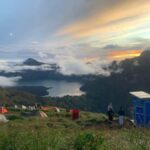
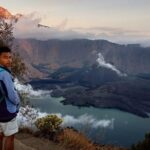
You’re told that by 6:00 am you can reach the top at 3,726 m, which is timed for sunrise. Even if you’ve climbed before, this is still a special feeling: cold air, darkness at the start, and then the sky shifting as the effort pays off.
A few practical points that matter on summit mornings:
- You’ll want to move efficiently. When you stop too much, cold can drain you fast.
- Sunrise timing means you’ll be on a tight schedule. If you’re slow, you don’t want to be surprised by how quickly the group expectations move.
- The summit day is not just about bravery. It’s about footwork, footing decisions, and controlling your pace at altitude.
If you’re doing Rinjani for the adrenaline, this is the part. Scrambling and steep sections are part of what makes the trek famous, and the guide and porter team exist to help the trip stay on track while you focus on your footing and breathing.
And about that “hotspring” name in the tour title: Day 2 here is clearly about the summit timing. So if hot-spring time is a must-do for you, treat it as a bonus, not the core plan, unless your operator confirms otherwise.
Day 3: Rainforest Descent, Senaru Return, and a Black Monkey Chance
Day 3 is the payoff day in another form: recovery energy meets rainforest walking. You’ll have breakfast with another beautiful sunrise, then start descending toward Senaru village through rainforest.
The hiking time is listed around 5 hours, with lunch included partway through. The descent being shorter than Day 2 helps, but don’t assume it’s easy. Descents can be tough on knees, and rainforest conditions can make footing slippery.
One specific nature highlight mentioned: if you’re lucky, you might see the rare black monkey while moving through the rainforest. That’s not something you can count on, but it’s a good reminder that your day isn’t only “get down safely.” You’re also in a living ecosystem where wildlife encounters are possible.
Once you reach Senaru, you get the best ending style for many trekkers: return to village life and the comfort of your evening base—rather than ending in a different remote camp location.
Camping, Equipment, and What Lighter Carry Means
This is one of those trekking packages where the logistics directly improve the experience. You’ll stay in Senaru on both nights, and the tour provides camping equipment. That matters because a lot of the stress in volcano treks comes from the gear uncertainty.
Also, the tour explicitly states you don’t need to carry cooking equipment or water. Translating that into real-world feel: you hike with less weight, which helps you keep pace on steep sections and reduces the strain that can show up as fatigue late in the day.
The tradeoff is that you still need to handle your own personal items. Even when porters carry key needs, you should expect you’ll carry whatever you personally need for sun protection, warmth, and your day pack.
Guides, Organization, and Why You Should Ask One Extra Question
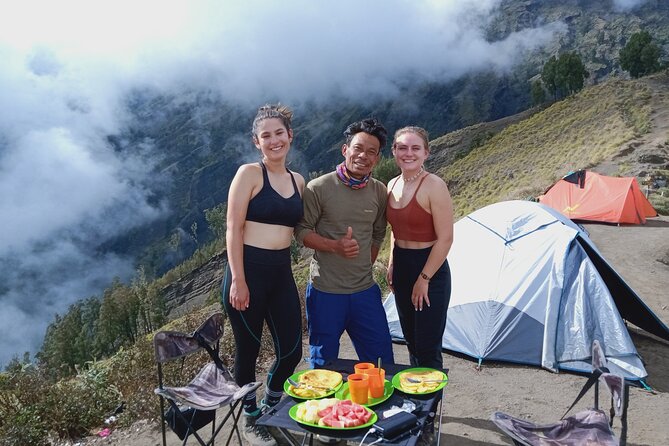
A top-rated trek is a strong sign. This one shows a 4.9 rating with a very high recommendation rate, and that usually means guides and operations do the job well.
But the one thing I’d watch for—based on how real operations work—is team assignment during peak periods. The trek may be composed with participants from other operators, which can affect how smoothly the group settles in and how well your guide-to-hiker expectations match up.
So here’s the one extra question I think you should ask before you start:
- How will your guide and porter team be assigned for the specific dates you’re booked?
It’s a small question that can prevent a lot of awkward waiting when you’re trying to start a pre-dawn summit push.
Who This Trek Fits Best (and Who Might Struggle)
This trek is for people with moderate physical fitness. “Moderate” in a Rinjani context usually means you can handle long hikes, early mornings, and steep sections without needing a recovery day after.
It also suits you if:
- You want a guided experience with permits and insurance included.
- You prefer sleeping in a known place (Senaru) rather than scattered camps.
- You like small-group trekking (max 10 travelers) and a structured schedule.
It might be harder if:
- You’re sensitive to very early starts and cold pre-dawn conditions.
- You need perfectly predictable logistics every minute, especially during high season.
Should You Book This Mount Rinjani 3D/2N Summit + Lake Trek?
If your goal is the summit sunrise, Lake Segara Anak, and a guided, supported trek that doesn’t make you carry cooking gear or water, then this is an easy yes. The value is strongest when you appreciate that key costs—permits, insurance, and equipment—are handled, and when you want a Senaru-based overnight rhythm.
I’d book it if you’re comfortable with a demanding hike and you like the structure of waking at 2:00 am for a timed summit push. I’d be cautious if you’re the type who gets stressed by group coordination during busy dates. In that case, confirm how your exact guide team will be organized and go in with flexible expectations.
FAQ
FAQ
How long is the Mount Rinjani 3D-2N trek?
It runs for 3 days (about 3 days / 2 nights), with long hiking days and early starts, including a summit push on Day 2.
Where do you stay during the trek?
You stay safely in Senaru on both nights of the tour.
Is a guide and porter included?
Yes. You hike with a mountain guide and porter, and you do not need to carry cooking equipment or water.
What time is the summit attempt on Day 2?
You wake around 2:00 am, and the plan reaches the summit at about 6:00 am for sunrise.
Is the price all-inclusive for permits and insurance?
Yes. The cost of the tour covers permits and insurance.
How big is the group?
This experience has a maximum of 10 travelers.