Bali’s rituals reset your day fast. This Bali Pure tour mixes a countryside trek with Balinese Hindu temple life, then caps it with a Melukat-style purification and a local healer/priest visit in the Ubud area. It’s an early start, yes, but the day is packed with small moments—water rituals, temple stops, village conversation—that feel far more local than typical sightseeing.
I love the way the morning begins with a coffee plantation breakfast—you get coffee and tea tasting plus fruit, which is a nice warm-up before walking and waiting around for ceremonies. I also like how the guide weaves history and everyday culture into the day, so you’re not just checking boxes.
One consideration: you should be comfortable with a long day on the move (about 8 hours, starting around 7:30am) and with ceremonies that are meaningful and active. If weather is bad, the experience can be rescheduled or refunded, so plan for a bit of flexibility.
In This Review
- Key highlights you’ll actually feel
- Kintamani Morning: Bamboo Forest, Volcano Views, and Coffee Tasting
- Countryside Trek: Jungle Paths, Villages, Secret Temples, and Rice Terraces
- Tampaksiring Melukat Purification: River Temple Water and a Calm Reset
- Meeting a Local Priest/Healer: What This Portion Is Really For
- Ubud Temple Stops and Secret Spots on the Way Back
- Price and Value: Does $95 Make Sense for a Full-Day Spiritual Trek?
- Who This Bali Pure Spiritual Journey Fits Best
- Things to Know Before You Go (So the Day Feels Easy)
- Should You Book This Bali Pure Trek and Spiritual Journey?
- FAQ
- What time does the tour start?
- How long is the Bali Pure trek and spiritual journey?
- Where does the tour take place?
- What’s included in the price?
- What is not included?
- What should I know about weather?
Key highlights you’ll actually feel
- Coffee plantation breakfast and tasting to kick off the day with local flavors and easy energy
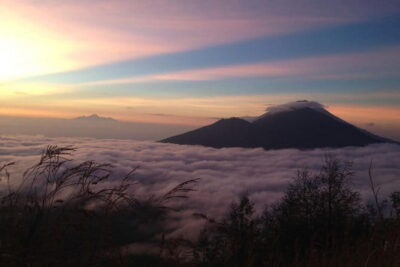
- Kintamani bamboo forest + volcano and lake views before the walking starts
- Countryside trek through villages, secret temples, and rice terraces, with cultural explanations on the way
- Private purification at Tampaksiring using free-flowing water at an ancient Hindu river temple
- A visit with a local priest/healer to finish the spiritual side with calm, guided guidance
- Towel and sarong provided so you’re ready for the ritual without scrambling last minute
Kintamani Morning: Bamboo Forest, Volcano Views, and Coffee Tasting
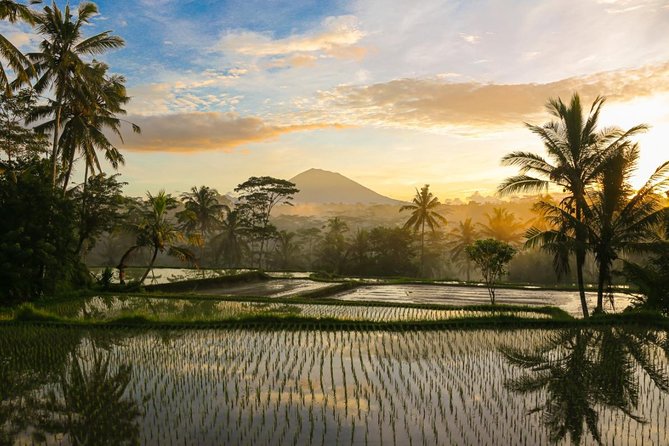
Your day starts bright and early, with pickup offered and a target start time of 7:30am. From Ubud, you head toward Kintamani, and the first wow moment is the drive into a big bamboo forest area. Even before you start trekking, you’re already looking out at volcano and lake views, so your photos won’t just be “temple again” all day.
Then comes breakfast at a coffee plantation, and this isn’t just a sad little snack. You get coffee and/or tea, plus tasting and fruit. It’s a smart start because you’ll be walking and spending time outside, and this meal helps you avoid the usual Bali trap: getting hungry, then rushing through everything.
Practical tip: treat breakfast like your “checkpoint meal.” If you’re a light eater, still take fruit and a bit of coffee/tea so you don’t crash later during the trek portion.
You can also read our reviews of more tours and experiences in Ubud.

Countryside Trek: Jungle Paths, Villages, Secret Temples, and Rice Terraces
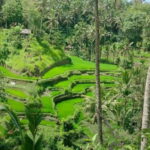
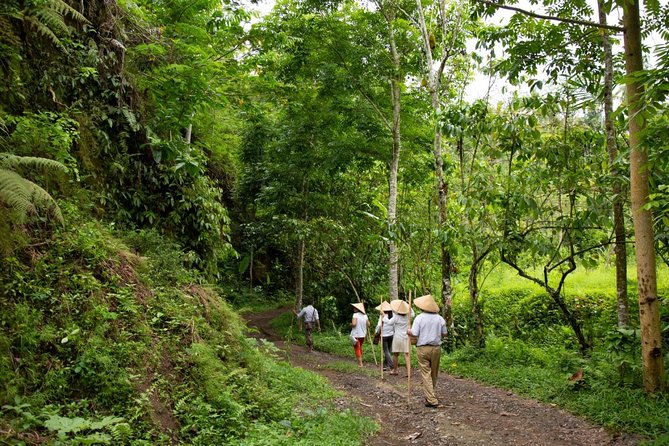
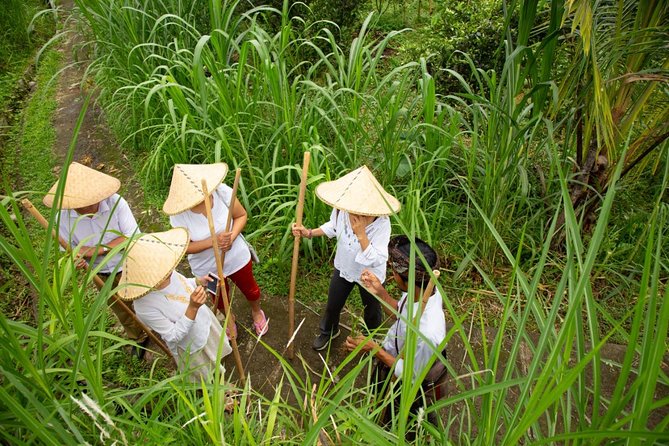
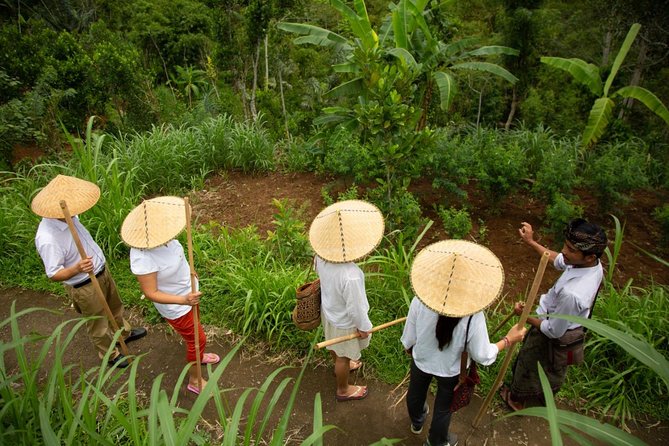
After breakfast, you move to the trekking start point somewhere around Kintamani. This is the part that changes the feel of the day. Instead of staying parked at viewpoints, you get a walking experience through lush jungle-like areas, local villages, and rice terraces.
Along the way, you’ll pass secret temples and protected village areas tied to World Cultural and Natural Heritage. That matters because it gives context: you’re seeing how people live near sacred spaces, not just walking past them like they’re decorations.
The guide’s job here is important. They explain history, culture, and religion while you walk, so the trek becomes something like “learning in motion.” If you prefer learning by doing—watching how locals move through daily life while you’re physically there—you’ll probably enjoy this section more than a standard drive-and-spot-stop.
A fair caution: trekking means time on your feet. The tour doesn’t promise a flat, easy stroll, so wear supportive footwear and plan for the possibility of uneven ground, especially in rainy conditions.
Tampaksiring Melukat Purification: River Temple Water and a Calm Reset
Once the trekking portion settles down, you shift gears to the most spiritual moment of the day: a private water purification at a temple in Tampaksiring. The setting is an ancient Hindu temple on the river, where the ritual uses free-flowing water and a waterfall-like flow.
This is the core of the Melukat concept in the tour description: water is used to ward off disease and to purify the mind and body. You’re not just observing from a distance. You participate as the ritual guides you through a cleansing process beneath flowing water.
What I like about this part is that it’s not presented as a performance for tourists. It’s a local religious practice, and the private aspect means you’re more likely to follow the flow without feeling rushed or crowded.
Consideration: wear items you’re comfortable getting wet or changing out after. The tour provides towel and sarong for the ceremony, which helps a lot, but you still want to be practical about how you’ll feel after water contact.
Meeting a Local Priest/Healer: What This Portion Is Really For
After purification, the tour moves to a visit with a local priest/healer in Tampaksiring. The idea is that you leave feeling relaxed and rejuvenated, with a more personal connection to Balinese spiritual traditions.
This part is less about spectacle and more about conversation and guidance. In many Bali spiritual experiences, people want a deeper explanation of what they just did (the ritual) and how it connects to day-to-day beliefs. This tour’s priest/healer stop is designed to give you that bridge.
You also stop in the village for lunch, with time to learn more about Balinese culture and chat with locals. That village lunch is a useful pacing tool. You go from active ritual participation to a calmer break, which helps the whole day feel less like nonstop “activities” and more like a journey.
Small practical note: this is a spiritual day, so keep your questions respectful. If you’re curious about Balinese Hindu practice, this is the moment to ask—without turning it into a debate.
Ubud Temple Stops and Secret Spots on the Way Back
After lunch, you head back toward Ubud. On the return, the tour includes additional temple visits and “secret spots” along the route. These are shorter stops compared with Kintamani and Tampaksiring, but they still help you understand how temple life repeats across the landscape and within local routines.
This stretch is a good wind-down phase. You’re not trekking now, and the time is more about walking through sacred spaces, seeing how offerings and ritual spaces appear in everyday surroundings, and letting the earlier purification moment settle in.
Then the tour ends with drop-off at your hotel in Ubud. The last leg is about finishing smoothly rather than squeezing in one more big thing.

Price and Value: Does $95 Make Sense for a Full-Day Spiritual Trek?
At $95 for a full day (about 8 hours), this tour can feel like good value—especially because you’re getting a lot bundled together. The tour includes private transportation, bottled water, lunch, coffee/tea with small breakfast, and the towel and sarong used for the purification ceremony. It also covers all fees and taxes, which often adds up on Bali tours when you start comparing separate bookings.
What makes the price feel more reasonable is the structure: transportation plus multiple meaningful stops. You’re not just buying a short temple walk; you’re paying for a full sequence—coffee breakfast, trek, purification ceremony, and a priest/healer visit.
One place you should mentally budget beyond the base price: donations/gratitudes are not included. In many Bali spiritual contexts, people offer something as a sign of appreciation. The tour is clear about this, so you won’t be surprised later.
Group discounts are mentioned too, which can be nice if you’re traveling with friends and can share the private day while keeping costs under control.
Who This Bali Pure Spiritual Journey Fits Best
This tour is a great match if you want Bali that goes beyond beaches and big-ticket temples. You’ll probably enjoy it if you like:
- Spiritual experiences that are tied to local practice, not just stories
- Walking through real countryside—rice terraces, villages, and secret temple stops
- A guide who explains history and culture while you’re moving
It may not be your best fit if you want a strictly relaxed day with no ceremonies. Also, if you hate the idea of participating in a water-based purification, you should think carefully before booking.
Language and communication are not described in detail, but the day depends on following a ritual flow and listening to explanations. If you’re someone who can go with the moment—ask questions, accept that it’s not a theme park—you’ll likely have a smoother time.
Things to Know Before You Go (So the Day Feels Easy)
Start with the obvious: it begins early, around 7:30am, and runs about 8 hours. Bring a mindset that this is a full-day rhythm: walk, ceremony, conversation, then more stops.
Next, think about comfort. The tour includes a countryside trekking portion, so wear shoes that handle dirt and uneven paths. The purification ceremony includes flowing water, so plan for damp conditions afterward.
Also, keep your “spending habits” aligned with the tour’s setup. Donations aren’t included, and the tour doesn’t promise gratitudes are covered either. If you’d like to give, set aside a little cash.
Finally, note the weather reality. The experience requires good weather; if it’s canceled due to poor conditions, you’ll be offered a different date or a full refund. That’s exactly what you want to hear for a day that includes walking and outdoor ritual elements.
Should You Book This Bali Pure Trek and Spiritual Journey?
Book it if you’re craving Bali with a human center—water purification, a priest/healer meeting, and walking through places where temple life and farming landscapes overlap. The $95 price feels fair because you’re not just paying for transport; you’re paying for food, ceremony readiness (towel and sarong), and a guide-led day that connects each stop.
Skip it if you want a low-effort vacation day, or if ceremonies with spiritual meaning feel uncomfortable to you. Also, if you’re traveling with tight timing for later that same day, remember the long stretch between stops.
If you do book, I’d treat the day like a sequence: show up hungry, walk patiently, be respectful during purification, and save your biggest questions for the priest/healer portion. That’s where the day tends to click.
FAQ
What time does the tour start?
The tour starts at 7:30am.
How long is the Bali Pure trek and spiritual journey?
The duration is about 8 hours.
Where does the tour take place?
It runs in the Ubud area, including stops around Kintamani and Tampaksiring, then returns to Ubud for the end/drop-off.
What’s included in the price?
Included items include towel and sarong for the purification ceremony, all fees and taxes, bottled water, coffee and/or tea with a small breakfast, lunch, and private transportation.
What is not included?
Donations and gratitudes are not included.
What should I know about weather?
The experience requires good weather. If it’s canceled due to poor weather, you’ll be offered a different date or a full refund.