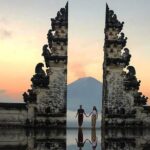
A driver-powered afternoon in Ubud makes planning feel easy. This private day pairs practical routing with local culture, so you’re not just hopping from spot to spot. It’s built as a tailor-made route, with a driver who maps the order to cut driving time and adds context as you go.
I love the air-conditioned vehicle and the included bottled water for a stress-free start. I also like that the driver goes beyond driving—think local historical culture traditions and real village daily life along the roads.
The main drawback to plan for: entrance fees and lunch are not included, so your final day cost depends on how many sites you choose to enter and what you eat.
In This Review
- Key highlights at a glance
- Why this Bali driver day feels more personal than a bus tour
- Price and logistics: what $38.47 per person really covers
- Your morning start: how the 8:30 route keeps momentum
- Puseh Batuan Temple: what to notice beyond the photos
- Celuk Village: goldsmith and silversmith craft that you can watch
- Tohpati Village batik: wax-resist fabric art in real time
- Tegenungan Waterfall: a nature stop that can be active
- Mas Carving Center: why wood art belongs on a Ubud day
- Sacred Monkey Forest Sanctuary: a Ubud landmark inside town
- Tegalalang Rice Terrace: the subak system behind the view
- Bali Pulina Coffee Plantation: a coffee break with a sense of place
- What the driver adds: beyond driving, into context
- Where this day trip fits best (and where it might not)
- Should you book this Ubud Bali driver service?
- FAQ
- How long is the Bali driver tour in Ubud?
- What time does the tour start?
- Is pickup included?
- Are entrance fees included for the stops?
- Is this a private tour?
- Can I get a refund if I cancel?
Key highlights at a glance
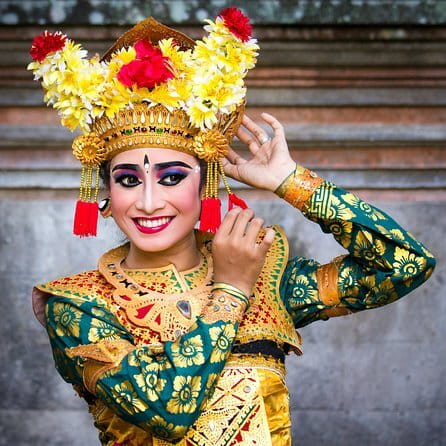
- Private group experience: only your group rides and stops
- Smart routing for less wasted time: the driver maps the best way between sites
- A full mix of Bali styles: temple details, craft villages, nature, monkeys, rice terraces
- Craft-focused villages: gold and silver work in Celuk, wax-resist batik in Tohpati, wood carving in Mas
- Coffee plantation stop: a break at Bali Pulina for a drink and scenery
Why this Bali driver day feels more personal than a bus tour
Ubud is great, but moving around can eat your time. This service solves that with an AC car, a dedicated driver, and a day plan you can shape around what you want to see. You’re not stuck with a rigid script, and the route is designed to reduce backtracking.
The best part is the way the day is framed: it’s not just a checklist of landmarks. You’ll hear practical context about Balinese Hindu traditions and what daily life looks like in the villages you pass through. That turns short stops into something you can actually connect to.
And if you’ve ever visited Bali and felt like you missed the meaning behind what you were seeing, this style helps you get your bearings fast.
You can also read our reviews of more tours and experiences in Ubud.


Price and logistics: what $38.47 per person really covers
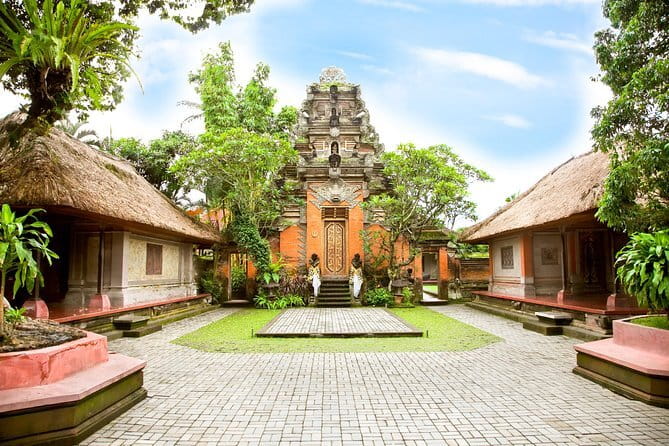
At $38.47 per person for about 8 hours, you’re paying for transportation, parking, and the driver’s time—not the site tickets. Included basics like fuel surcharge, bottled water, and parking make the day smoother because you don’t keep estimating costs on the fly.
Also, it’s offered as a private tour/activity, so the value is strongest when you’re traveling with at least one other person who can share the vehicle cost. There are also group discounts, which can make it even more budget-friendly if your timing and group size line up.
What to budget beyond the price:
- Site entrance tickets (not included)
- Lunch (not included)
- Optional tipping (not required, but common)
Your morning start: how the 8:30 route keeps momentum
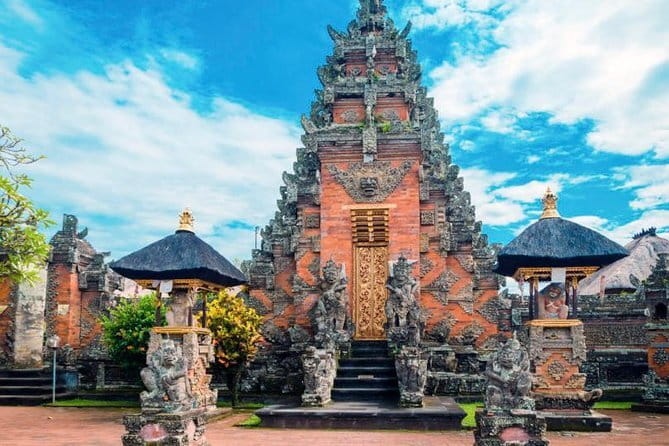
The day starts at 8:30 am, which is a smart move in Ubud. You’ll have daylight for temples, crafts, and outdoor stops, and you’re less likely to feel rushed later.
What makes a driver day work is pacing. This plan gives about 1 hour per stop, which is long enough to look around, ask questions, and move on without feeling trapped. For you, that means you can enjoy each place rather than speed-running it.
One more practical win: you’re riding in a vehicle that’s air-conditioned, so you’re not melting between stops. That matters a lot when you’re doing a full circuit across central Ubud and nearby areas.
Puseh Batuan Temple: what to notice beyond the photos
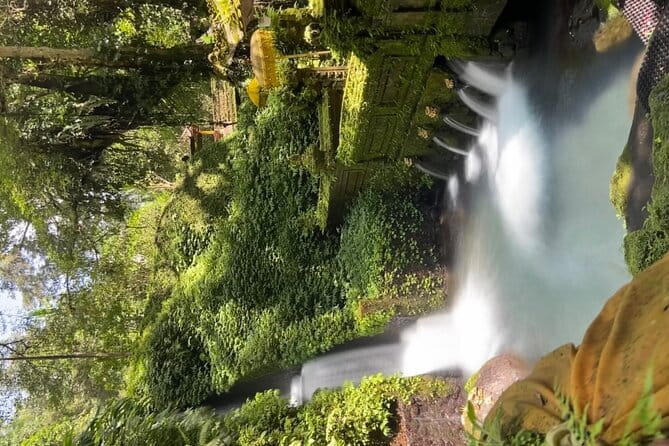
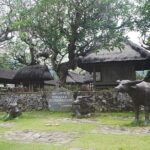
Your first stop is Puseh Batuan Temple, a local Balinese Hindu temple maintained by residents of the Batuan countryside. Temples like this aren’t built to impress travelers first—they’re part of ongoing community life. That’s why it feels different from a purely tourist-oriented stop.
Look closely at the Balinese ornaments and the roof building, which are described as especially beautiful. These details are where you’ll see the craftsmanship and local design language at work. Take your time with the ornamentation, because that’s the point of visiting a temple like this.
A consideration: admission tickets are not included, so you’ll want a little cash or card ready for entry. Also, temple viewing often has its own pacing—don’t plan this stop like a quick photo stop only.
Celuk Village: goldsmith and silversmith craft that you can watch
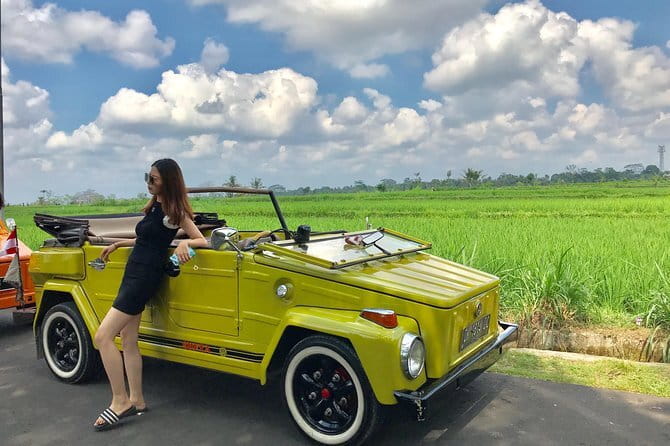
Next up is Celuk Village, about 4 km southwest of Sukawati District. Celuk is Bali’s major center for goldsmiths and silversmiths, and the main road along Jalan Raya Celuk is lined with galleries and workshop-style storefronts.
This is the kind of stop that’s great even if you don’t plan to buy. You can watch how artisans build and shape pieces, then compare designs across shops. It’s also one of the easiest places to understand the difference between “pretty souvenir” and craft-driven work, because you’re surrounded by the real materials and tools.
A drawback to factor in: because entry tickets aren’t included and Celuk is more of a gallery/shop area, your cost may be mostly what you choose to spend. If shopping isn’t your thing, go in with a clear mindset: you’re there to look, not to commit.



Tohpati Village batik: wax-resist fabric art in real time

Then you’ll head to Tohpati Village, known for a Batik wax and weaving center style of textile making. Batik is described as a traditional painting fabric technique using dots and lines from wax to decorate cloth.
What makes this stop worthwhile is the technique focus. You’re not just seeing finished pieces—you’re getting exposed to the process and the idea behind it: wax-resist patterns, then the dye work that reveals the design.
Consideration: you’ll still be making choices. Since entrance tickets are not included, you may pay entry at the weaving/batik area depending on how the stop is set up that day. If you care about watching the process, arrive ready to spend the full hour looking closely.
Tegenungan Waterfall: a nature stop that can be active

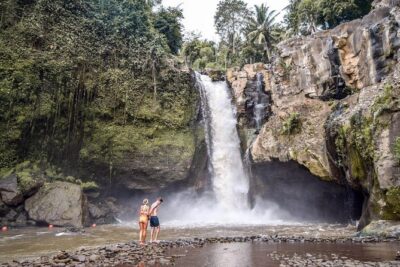
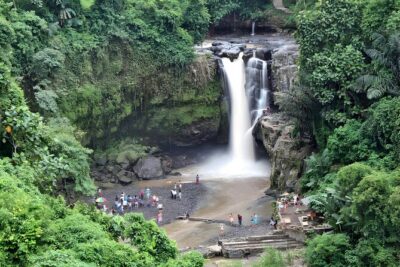
For nature lovers, the day includes Tegenungan Waterfall in the area of Tegenungan Village south part of Kemenuh Village. It’s located at the sacred river of Petanu River and described as a fun visit with nice swimming potential.
This is one of the most sensory stops on the route—sound, mist in the air, and that physical sense of water dropping sharply. Even if you don’t swim, you can enjoy the views and the setting while you cool down from the road time.
A reality check: the stop is about 1 hour, and waterfalls can eat time if you want photos, changing conditions, and a bit of relaxing. Also, entrance fees are not included, so build that into your budget. Bring a plan for wet weather comfort, because standing near a waterfall can change your temperature fast.
Mas Carving Center: why wood art belongs on a Ubud day

Your next cultural craft stop is Mas Carving Center in Mas Village, within Ubud sub district and Gianyar Regency. Mas is identified as an artistic countryside area focused on wood carving, which means you’re likely to see lots of work styles in one place.
This stop works especially well because it contrasts with Celuk and Tohpati. You’re seeing craft across different materials—metal, fabric, and now wood. That gives you a wider picture of why craft is central to everyday Balinese creativity.
A small drawback: similar to other craft areas, your main expense may be what you choose to buy. If you’re shopping, compare prices and sizes carefully and don’t feel pressured to decide on the spot. If you’re not shopping, treat it like a look-only gallery and enjoy the workmanship.
Sacred Monkey Forest Sanctuary: a Ubud landmark inside town
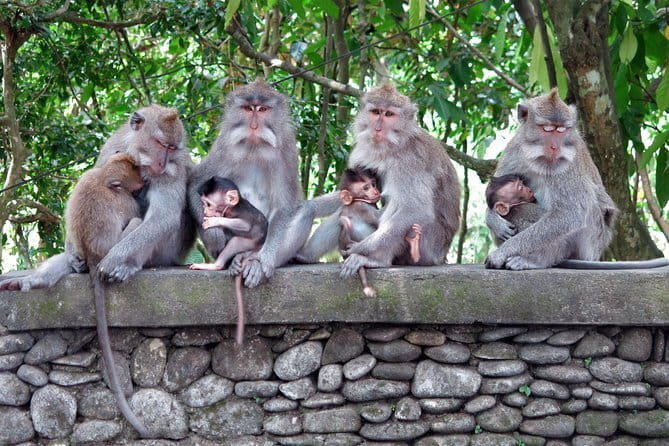
Next is Sacred Monkey Forest Sanctuary, located right in the heart of Ubud Village. This area is described as home to about 1053 monkeys, split into 5 groups: in front of the main temple, Michelin, eastern, central, and cemeterie.
This place can feel like a highlight because it mixes nature with culture in the middle of the city. You’re not driving far out to find greenery—you’re stepping into a sanctuary environment with temples and monkey areas all in one.
A consideration: entrance tickets are not included, so you should expect an additional cost. Also, because there are many monkeys and multiple groups, your experience will depend on where the monkeys are at that moment. Plan to move slowly, because the sanctuary can feel busy in a way that’s hard to predict.
Tegalalang Rice Terrace: the subak system behind the view
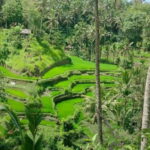
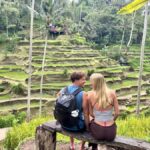
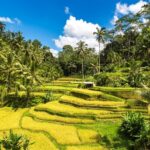
Then you’ll reach Tegalalang Rice Terrace, one of the famous Ubud rice-paddy scenes. The view is known for rice paddies shaped by subak, a traditional Balinese cooperative irrigation system passed down through generations.
What makes this stop worth your time is understanding the system behind what you see. It’s not just a pretty hillside. The geometry of fields, water flow, and how farmers coordinate is what creates the look that people come to photograph.
Since entrance tickets are not included, factor that into your stop cost. Also, because it’s an outdoor scenic area, it can be affected by weather and light. If you’re aiming for the best photos, use your hour wisely—arrive with your camera settings ready and take a quick walk to find the angles you like.
Bali Pulina Coffee Plantation: a coffee break with a sense of place
Your last named stop is Bali Pulina Coffee Plantation. It’s positioned as a place to enjoy coffee while taking in Bali’s natural wealth, turning the final stretch of the day into a calm payoff.
This stop is valuable because it gives you a different pace. You’re transitioning from active viewing (crafts, monkeys, waterfall) into a more relaxed break where you can sit, taste, and reset.
Consideration: entrance fees aren’t included, so you’ll likely pay at the plantation depending on what’s offered. If coffee isn’t your thing, you can still use it as a scenic pause and a way to plan your energy for the ride back.
What the driver adds: beyond driving, into context
The whole point of this service is that the driver isn’t only there to move the car. The approach is described as providing historical culture traditions and daily life context during the drive between sites.
That’s not a small detail. When you hear why a temple exists, what a craft village is known for, or how a landscape is shaped, your stop time becomes more meaningful. You’ll also get help shaping the order so you spend less time sitting in traffic.
There’s also a strong human element. One example shared by a guest highlights a driver named Mawa being respectful and helpful, including when a traveler had a disability. That doesn’t mean every driver will be identical, but it’s a good sign that the service understands care and manners matter.
If you have specific needs—mobility limits, pacing preferences, or comfort concerns—tell your driver early in the day so they can steer the timing and stop behavior in a way that fits you.
Where this day trip fits best (and where it might not)
This tour style is perfect if you want:
- A one-day sampler across temples, crafts, and nature without dealing with logistics
- A flexible-feeling plan that still covers key Ubud-area highlights
- A comfortable vehicle base with water and parking handled
It may not be the best fit if you want:
- A long, slow deep exploration at just one or two places
- Everything paid for upfront (because entrance tickets and lunch are not included)
- A day with zero walking or stairs, since multiple stops are outdoors and you’ll likely move around to see things
Should you book this Ubud Bali driver service?
I’d book it if you want a smooth, efficient day that feels guided without taking away your freedom. The mix of stops—temple, craft villages (gold, silver, batik, wood carving), a waterfall, monkey sanctuary, rice terraces, and a coffee plantation—covers a lot of Bali flavor in one afternoon. At $38.47 per person with AC transport and bottled water included, the value is solid as long as you plan for tickets and lunch.
I’d skip or re-think it if you already have your own transport and you prefer self-paced wandering with no added narration. Also, if you’re counting on entrance fees being fully covered, you’ll be surprised by the extra costs.
If you do book, set your budget for tickets and lunch before you go. Bring comfortable shoes, expect short stop times, and use the driver’s cultural context to turn quick looks into real understanding.
FAQ
How long is the Bali driver tour in Ubud?
It runs for about 8 hours.
What time does the tour start?
The start time is 8:30 am.
Is pickup included?
Yes, pickup is offered.
Are entrance fees included for the stops?
No, entrance tickets are not included.
Is this a private tour?
Yes, it’s a private tour/activity, so only your group participates.
Can I get a refund if I cancel?
Yes. You can cancel for a full refund up to 24 hours before the experience start time.