Ubud can hit you fast, in the best way. This private day tour strings together the big Ubud names plus the stuff behind them, with a guide like Wayan Weta who knows how to keep the pace fun and the stops meaningful. I especially like the door-to-door comfort from your hotel and the sense that you’re moving through the real Ubud rhythm, not just ticking boxes. The one thing to plan around: women who are menstruating are not allowed to visit the temple.
What I love most is the mix of animal encounters and sacred culture. You’ll meet the long-tailed macaques at the Sacred Monkey Forest Sanctuary and then watch purification rituals at Tirta Empul, where people bathe in holy spring fountains. One practical consideration: food and drinks are not included, so you’ll want to budget for it during the Ubud lunch break.
In This Review
- Key highlights you should care about
- A very Ubud day: monkeys, water temples, and rice-terrace wisdom
- Price and value for a 9-hour private Ubud loop
- Private door-to-door transfers: how the pacing feels
- Tegallalang Rice Terrace: views are great, but the Subak lesson makes it click
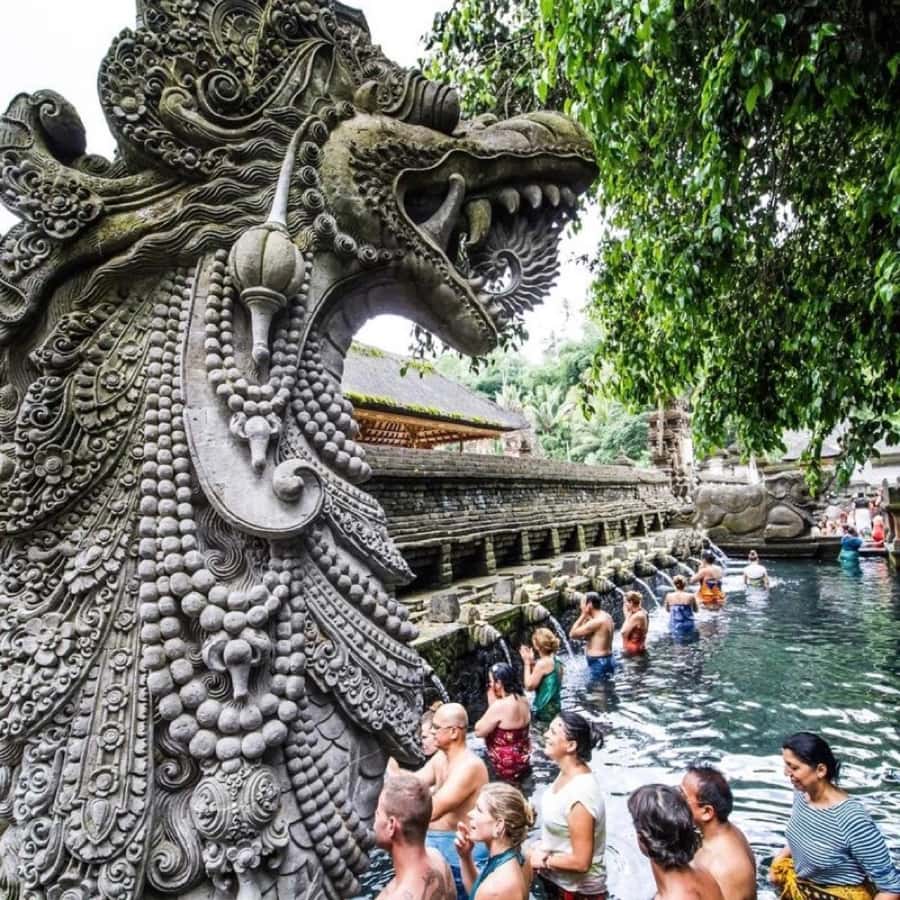
- Tirta Empul Temple: Hindu purification rituals at the holy springs
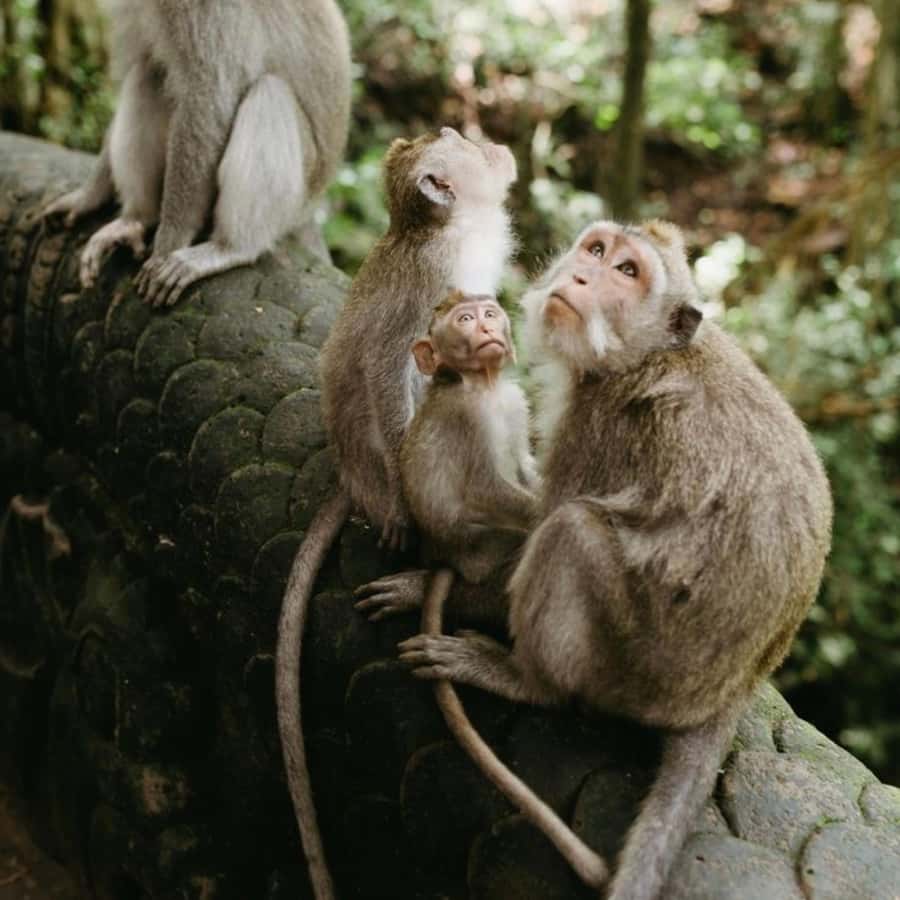
- Sacred Monkey Forest Sanctuary: 900 long-tail macaques and how to behave
- Coffee tasting and Ubud lunch: a midday reset that keeps the day moving
- Tegenungan Waterfall: a classic 15-meter stop with good photo angles
- Guide quality makes or breaks Ubud (and this one is a strong selling point)
- Who this tour suits best
- Should you book this Ubud highlight tour?
Key highlights you should care about
- Private air-conditioned transfers with pickup and drop-off options across Ubud and southern Bali
- Sacred Monkey Forest Sanctuary with around 900 long-tail macaques and several temple-style areas
- Tirta Empul Temple and its Hindu purification bathing rituals fed by a volcanic holy spring
- Tegalalang Rice Terraces plus the Subak irrigation system explanation tied to Ubud water history
- Tegenungan Waterfall as a classic, scenic stop with a quick walk and great photo angles
A very Ubud day: monkeys, water temples, and rice-terrace wisdom
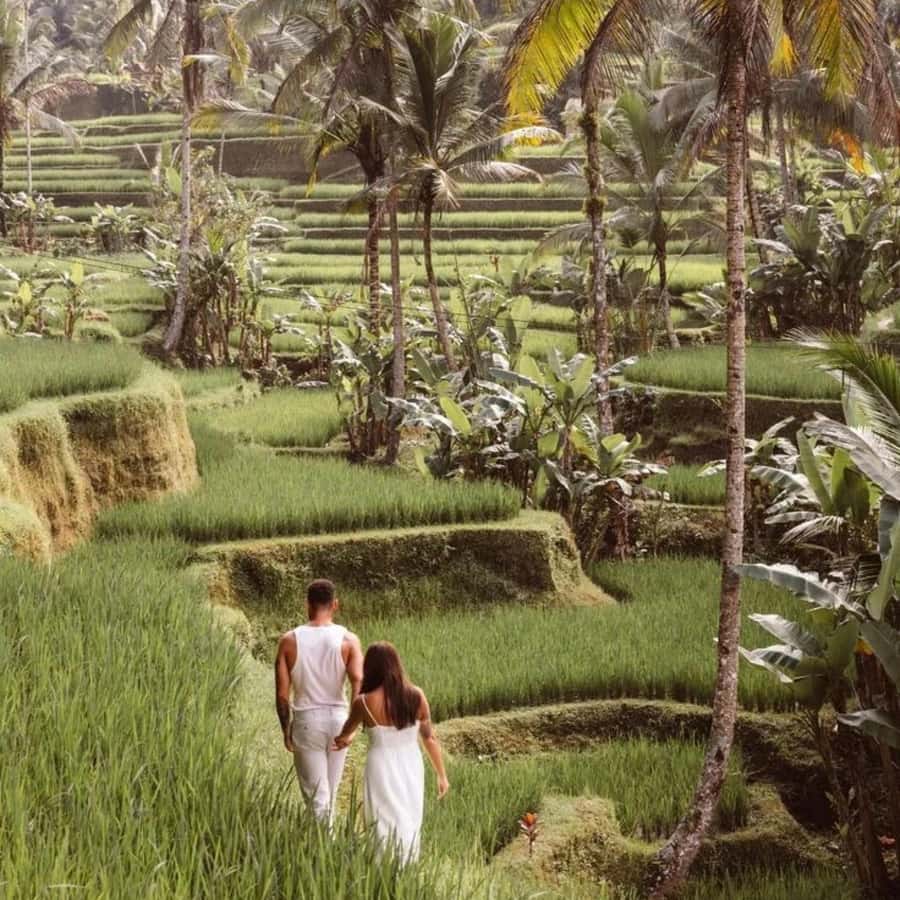
If you’re choosing only one “best of Ubud” style day, this route makes sense because it balances nature and culture instead of leaning too hard on either one. You get animals and jungle paths, then you switch gears to a serious spiritual site, and you end with a waterfall that feels like a reset button before you head back to the coast.
I also like how the day is built around explanations, not just scenic time. You’re not only looking at Tegalalang Rice Terrace from a viewpoint; you’re shown how the Balinese irrigation system called Subak works and why it mattered for the way Ubud developed. That context turns the rice terraces from postcard scenery into a living system you can actually picture.
Finally, the “private” part matters more than people expect. With hotel pickup and a private guide, you’re not stuck waiting around for slow walkers or getting herded with a crowd. You move when it makes sense, and you can ask questions without feeling like you’re interrupting a big group schedule.
You can also read our reviews of more tours and experiences in Ubud.

Price and value for a 9-hour private Ubud loop
At about $26 per person for roughly 9 hours, this is one of the more budget-friendly ways to do a high-impact Ubud circuit with a guide and private air-conditioned transport. For this money, you’re paying for three big things: a guide (English or Indonesian), hotel pickup/drop-off, and a private vehicle.
The trade-off is what’s not included: food and drinks. That’s normal on Bali day tours, but it does affect the real cost. If you’re the type who grabs snacks and a drink between stops, set aside extra cash so you don’t feel stuck later when the coffee tasting and lunch timing come up.
Also, because it’s a full-day itinerary, you’ll get the most value if you come with a clear mindset: you’re there to see a lot, not to linger for hours. If that’s your style, the price feels like a bargain. If you hate time pressure, you might want a slower Ubud day with fewer stops.
Private door-to-door transfers: how the pacing feels
The day starts with pickup, and you can be collected from several areas—Denpasar, Gianyar, Kuta, North Kuta, Kuta Selatan, Badung Regency, or Ubud itself. Then you’ll cycle through the Ubud area and return to drop-off in spots like Kuta Selatan, Ubud, Gianyar, Kuta, Denpasar, Badung Regency, or North Kuta.
That routing is useful because it avoids the “you meet the group somewhere far away” headache. You save time and energy, and you start with fewer moving parts—especially helpful if you’re not comfortable driving or navigating.
The itinerary is timed for short guided walks at multiple sites: each main stop is about an hour, with shorter blocks for coffee tasting and lunch. You’ll likely do some walking and sightseeing along the way, so wear shoes you can trust on uneven paths.
Tegallalang Rice Terrace: views are great, but the Subak lesson makes it click
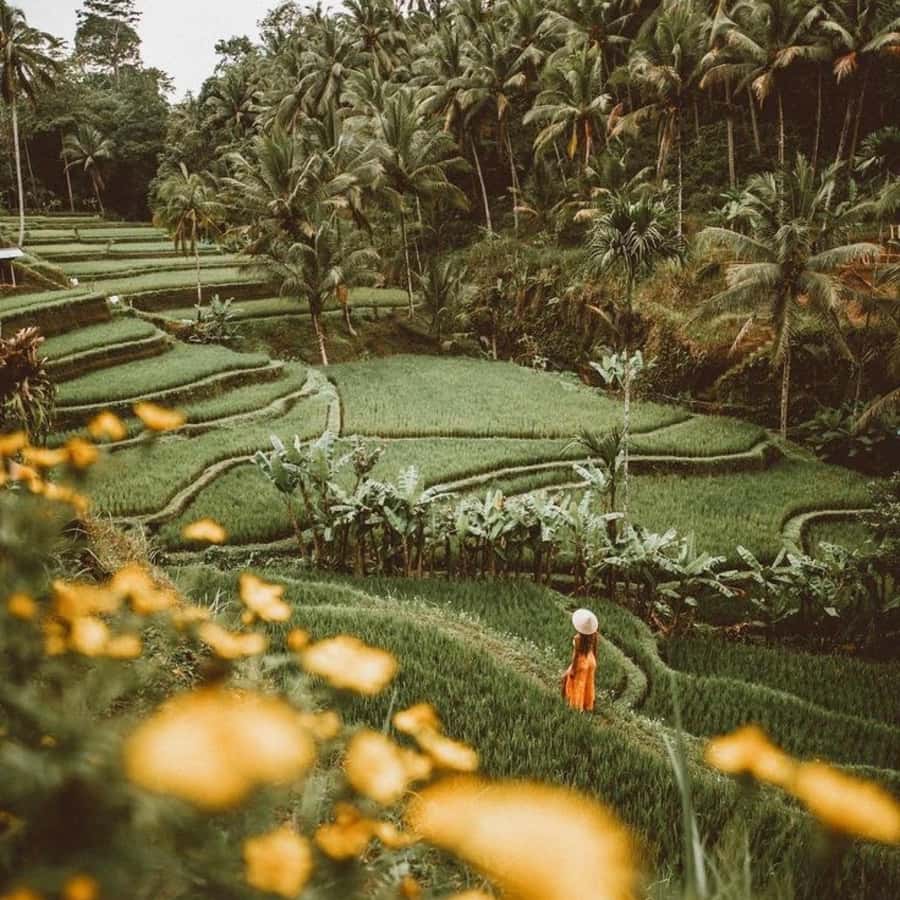
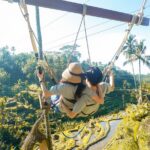
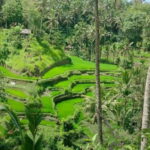
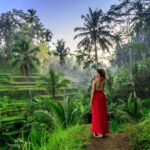
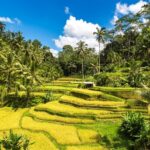
Tegalalang Rice Terrace is one of those places that looks beautiful from the start, but it becomes even better once you understand why it looks the way it does. You’ll spend time at the terrace with guided sightseeing and a walk that helps you see the terracing from different angles instead of only standing in one spot.
Here’s what I’d watch for: the terraced fields aren’t just “pretty steps down the hill.” The guide ties it to the Subak irrigation system, the ancient Balinese water management approach that connects farms, temples, and community decisions. When you understand Subak, the terrace design starts making logical sense. You can picture the water moving through channels and coordinated schedules rather than thinking it’s just a scenic farming style.
One small practical note: the terrace area can mean stair-like paths and viewpoints with drop-offs. Take your time on the walk sections. Bring a water bottle if you tend to get thirsty, since food and drinks aren’t included.
Tirta Empul Temple: Hindu purification rituals at the holy springs
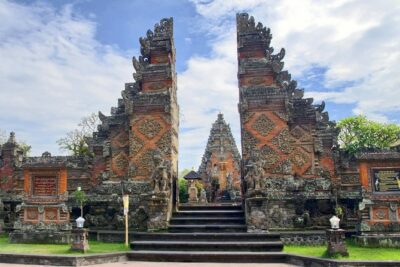
Next comes Tirta Empul, and this is where the tour shifts from “look around” to “watch something sacred.” You’ll have guided time at the holy water temple, with walking and sightseeing included.
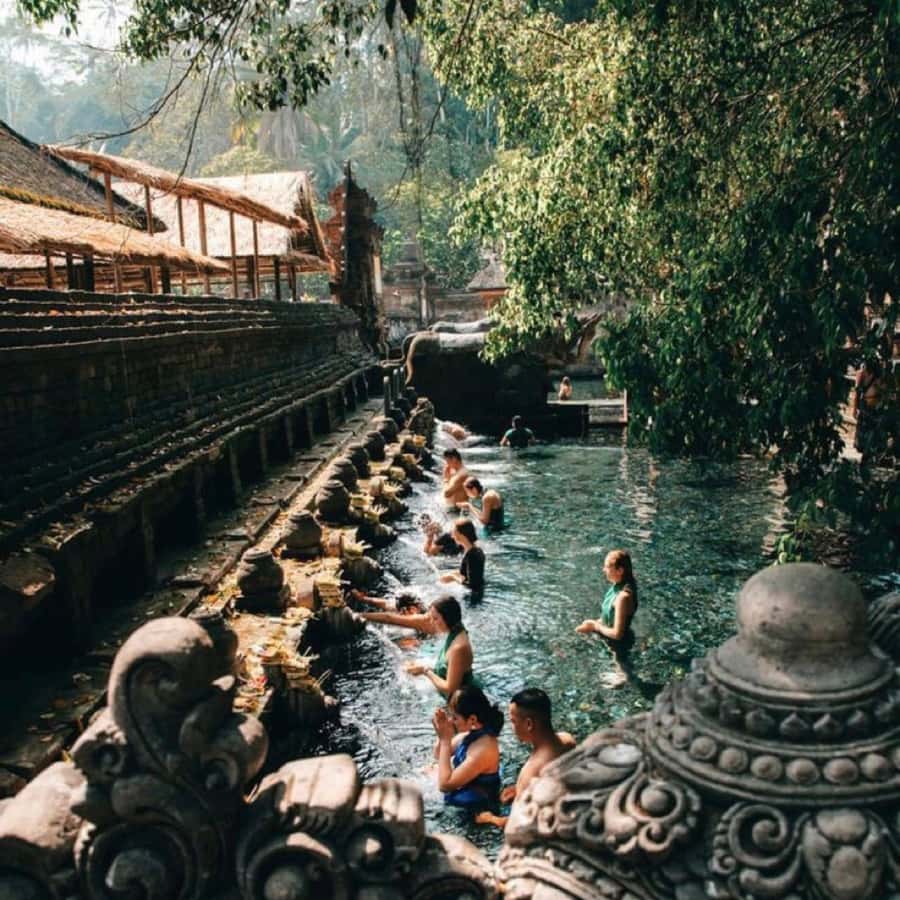
Tirta Empul is known for purification bathing rituals at the holy spring fountains. The water comes from a volcanic spring site that dates back to 969 and is listed as UNESCO-listed, and it’s also described as the source linked to ancient Ubud irrigation.
When you visit, you’ll want to be respectful and observant. This isn’t a casual photo stop. People come here for spiritual purification, and the flow of ritual helps create a sense of order in what you’re seeing. Your guide can help you understand what’s going on so you don’t feel lost.
Important practical consideration: women who are menstruating are not allowed to visit the temple. If that applies to you or someone in your group, this would be a deal-breaker for this specific tour route.

Sacred Monkey Forest Sanctuary: 900 long-tail macaques and how to behave
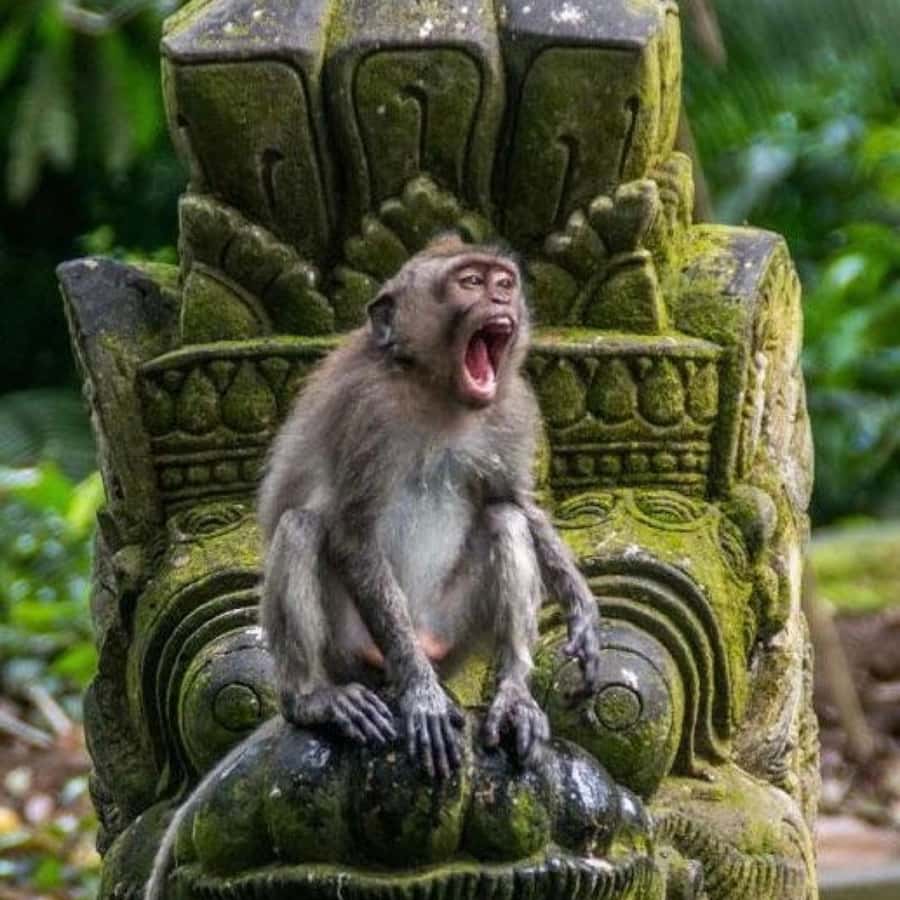
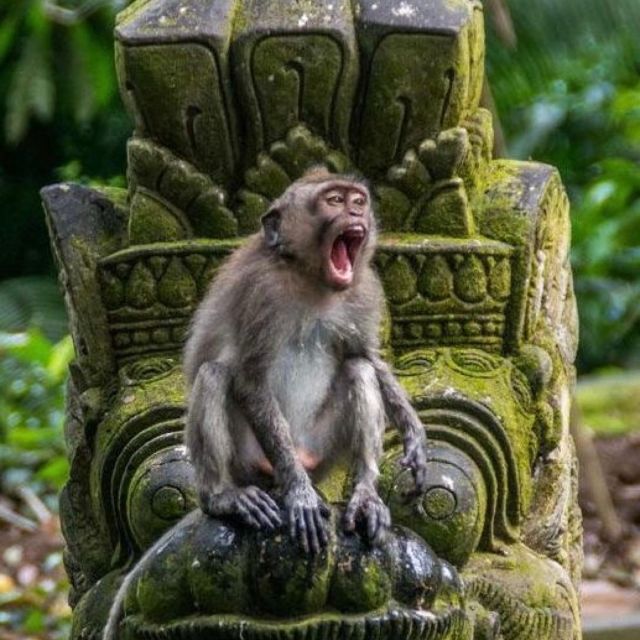
The Sacred Monkey Forest Sanctuary is famous, and for good reason. You’ll walk through the area with a guide and spend about an hour there, with time to see the monkey temple area and move past the river canyon-style scenery.
The big detail is the number: you’re likely to encounter around 900 Bali long-tail macaques in their natural habitat. That doesn’t mean they’re all surrounding you at once, but it does mean you should treat it like a place with active wildlife, not a calm zoo.
If you want an easier experience:
- Keep your hands and pockets simple. Don’t dangle things.
- Watch where you step near monkey activity areas.
- If a monkey gets close, stay still and let it pass rather than trying to out-maneuver it.
You’ll also pass through the kinds of features people associate with the sanctuary: lush forest paths, canyon-like scenery, and temple elements that tie the monkeys to local spiritual life.
Two good reasons to include this stop: you get a genuine wildlife experience, and it adds variety after the rice terraces and before the temples. It’s a different kind of sensory input—sound, movement, and lots of quick interactions.
Coffee tasting and Ubud lunch: a midday reset that keeps the day moving
After the terraces, there’s a coffee tasting stop in the Tegalalang area with about 30 minutes allotted. This is a short window, so it’s best approached as a sample and a cultural moment, not a deep coffee course. If you’re curious about Balinese coffee styles, you’ll likely enjoy learning what’s offered and how locals describe flavors.
Then there’s lunch in Ubud with about 30 minutes. The timing is right for most people: after two big sightseeing blocks (terraces and Tirta Empul), you need a breather before the sanctuary and waterfall.
Because food and drinks are not included, treat lunch like part of your personal budgeting. If you’re picky about meals, pick something simple and easy so you’re not rushed later. The rest of the day still includes a walk-and-view stop at the waterfall.
Tegenungan Waterfall: a classic 15-meter stop with good photo angles
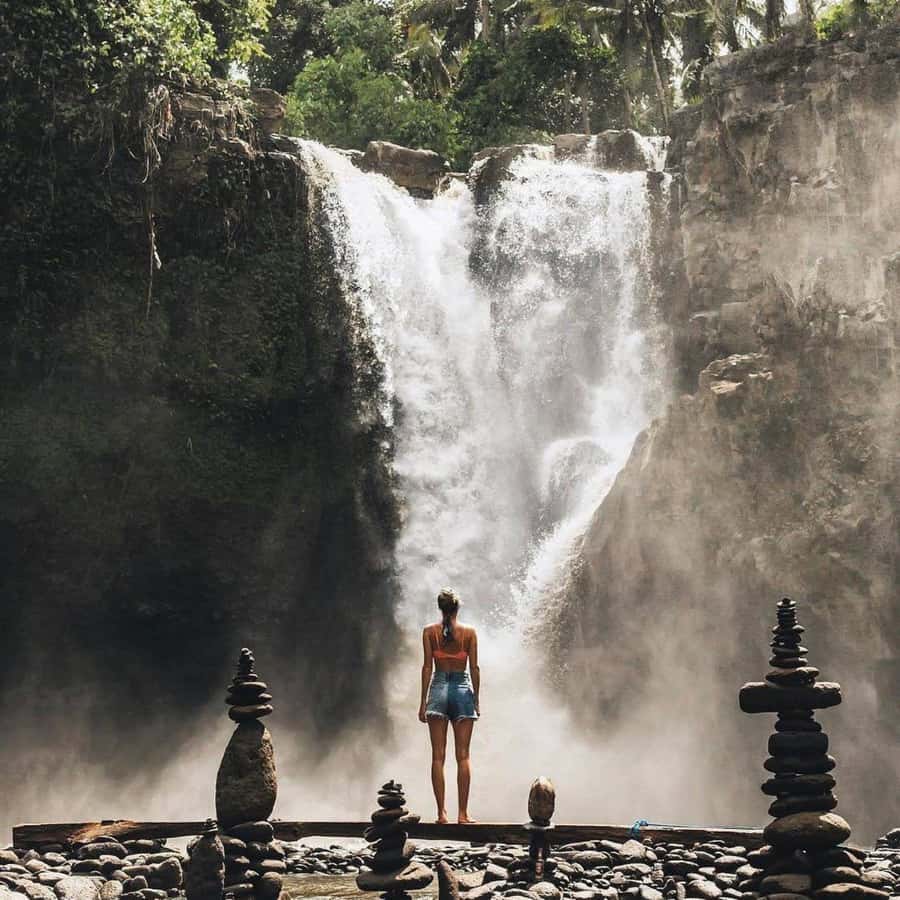
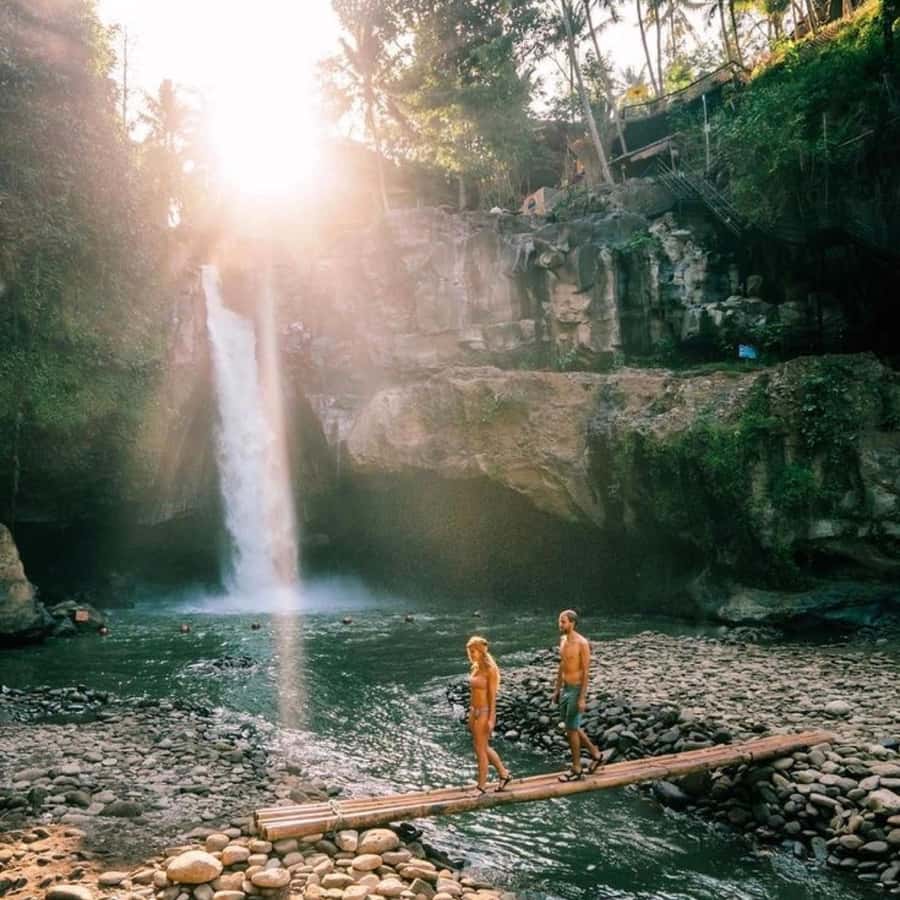
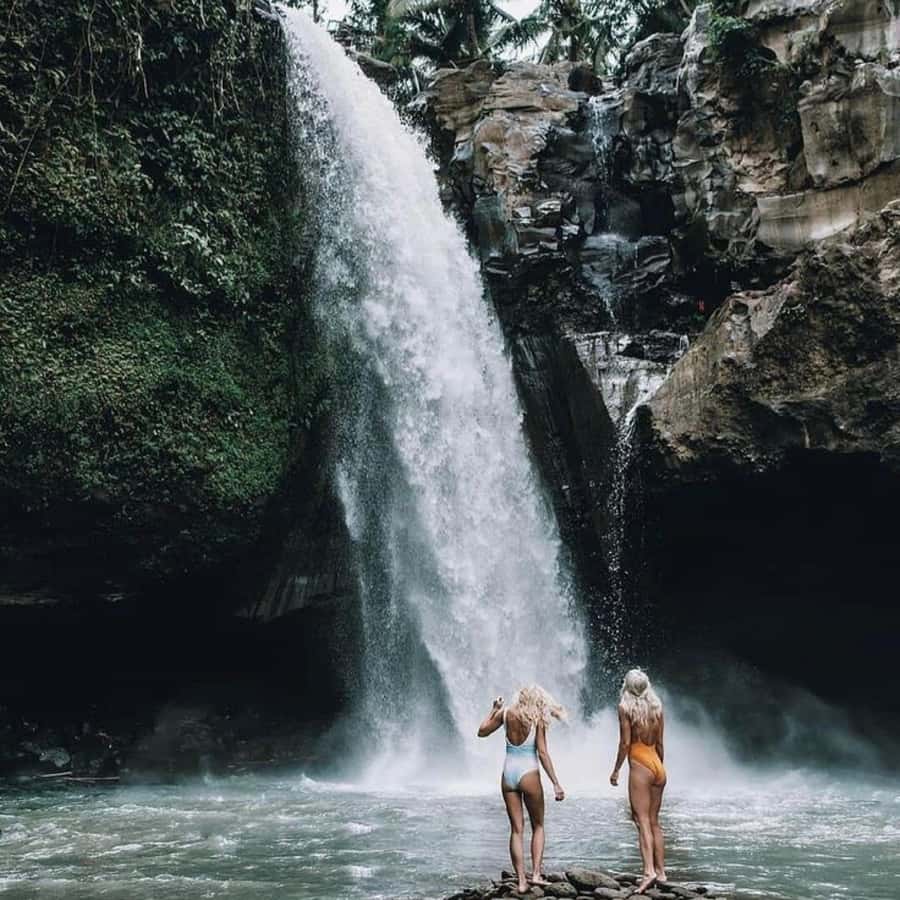
The final major attraction is Tegenungan Waterfall, listed at about 15 meters high. You’ll visit with sightseeing time and a guided walk section.
This stop works well at the end of the day because it’s a visual “release.” You’ve spent hours on cultural sites and walking through sacred paths; the waterfall shifts you back to nature-only impressions: sound, misty air, and the kind of views you don’t get from temples or rice terraces.
One practical caution: waterfalls can mean slippery footing near damp areas. Choose shoes that won’t fight you, and keep an eye on where you’re standing if you’re aiming for pictures.
If you’re the type who likes a clean photo opportunity, ask your guide about safe viewing angles. With a private setup, you can usually get a better spot than if you’re just following a crowd.
Guide quality makes or breaks Ubud (and this one is a strong selling point)
The standout theme in the feedback for this tour is the guide experience. Wayan Weta comes up as a strong name—people describe him as perfect, very knowledgeable, friendly, and pleasant to talk with. Another note highlights the driver’s quality too, which matters on a day like this when you’re bouncing between multiple sites.
Here’s why that matters: Ubud rewards curiosity. If you only see the exterior of things, you’ll still have a good day. But if someone explains the meaning behind Subak or what you’re witnessing during purification, your day feels more like understanding a place rather than just collecting it.
A good guide also helps you move with local logic—timing, walking routes, and when to look or when to pause. With a private guide, those small decisions add up.
Who this tour suits best
This fits you best if:
- You want a high-impact day that covers the major Ubud hits
- You care about explanations, not just scenery
- You want private hotel pickup/drop-off and a private air-conditioned vehicle
- You enjoy walking a bit and being outdoors
It may not be the best choice if:
- You need a very slow pace (this day is packed)
- You strongly dislike temple settings and ritual spaces
- You need food included in the price (it isn’t)
Should you book this Ubud highlight tour?
I’d book it if you want a smart, efficient Ubud overview with a real guide and smooth transfers. At around $26 for a 9-hour private day with pickup, drop-off, and a guide, it’s strong value—especially if you’re excited about the combination of rice terraces, Tirta Empul, and the Sacred Monkey Forest.
One last check before you decide: confirm everyone who will visit Tirta Empul is eligible. If the temple restriction applies, you’ll be forced to change plans anyway.
If you’re going to Ubud for a first visit and you want one day that feels like it explains the region, this is a solid pick.