Cliff views and quad bikes in one day. I like the mix of adrenaline and culture: you get an ATV ride through Uluwatu first, then a guided temple visit on the cliff above the Indian Ocean, and finally the Kecak dance with chanting tied to the Ramayana story. I also like how the experience is set up for different comfort levels—guides provide safety equipment, and you can choose a full combo tour or an ATV-only option. One consideration: you should expect dust or mud from the ATV track, and the Kecak seating is outdoors with limited capacity, so timing and what you wear really matter.
The best part of Uluwatu is that the day feels like it’s changing gears every hour—engine roar, then temple walking, then sunset energy in a performance space. In the small details, guides make a difference too. In past bookings, guides like Made and Bayu were singled out for making the ride feel easy, telling stories, and handling the tricky monkey zone at the temple.
In This Review
- Key points before you book
- ATV Quad Bike Through Uluwatu: what the ride is really like
- Uluwatu Temple on the cliff: photos, myths, and the monkey reality
- Kecak dance at Uluwatu: chanting, Ramayana storytelling, and sunset energy
- Price and logistics: does $22 feel like a deal?
- What’s included, what’s not, and what to pack in Bali
- Safety and fit: who should skip the ATV day
- The guide matters: stories, monkey control, and a safer feel
- Should you book this Uluwatu ATV + Temple + Kecak tour?
- FAQ
- How long is the ATV quad bike ride?
- Is Uluwatu Temple entry included?
- Is the Kecak dance ticket included?
- What should I bring for the ATV portion?
- Does the tour include hotel pickup and drop-off?
- What’s included for lunch?
- Are there restrictions for temple entry?
- What’s the dress and safety guidance?
Key points before you book
- ATV ride first (about 1 hour): you’ll want closed-toe shoes and a change of clothes ready.
- Uluwatu Temple is a cliff-top visit (about 1 hour): plan for stairs, wind, and great photo spots.
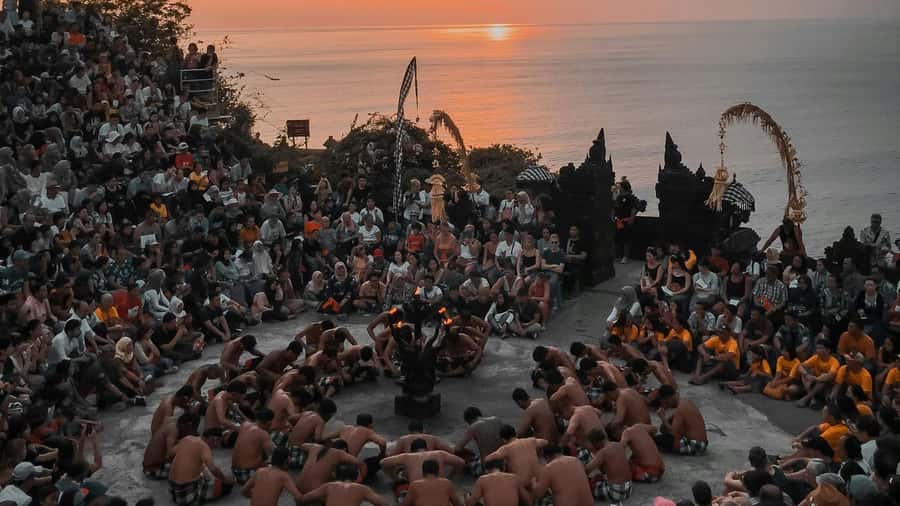
- Kecak at Uluwatu (about 1 hour): outdoors, limited seating, and it’s tied to the Ramayana through chanting.
- Some guides stand out for the monkey situation: keep small items secure, and listen to your guide’s instructions.
- You can choose ATV-only or the full temple + dance day: entry fees are included only if you select those parts.
- Photo and food add-ons exist: optional Polaroid, luwak coffee tasting, massage, and a set seafood dinner.
ATV Quad Bike Through Uluwatu: what the ride is really like
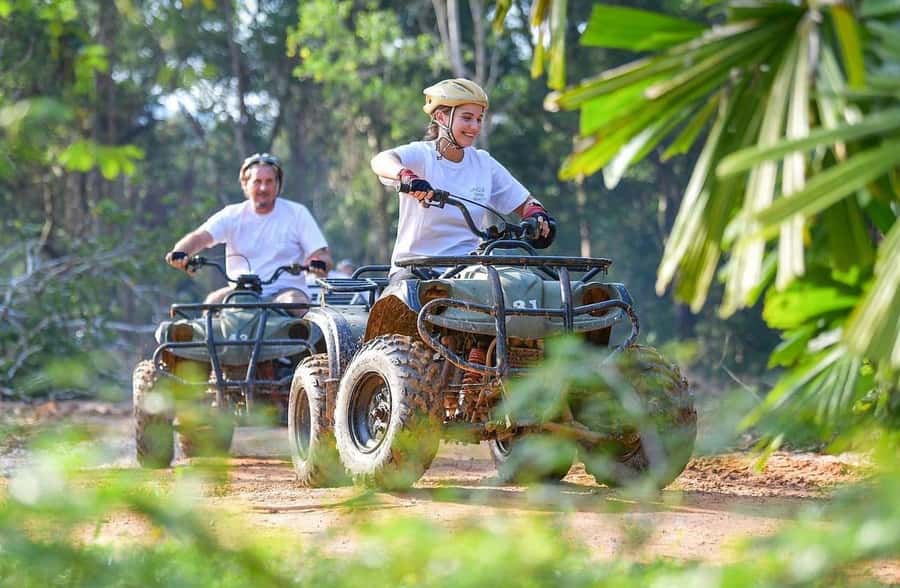
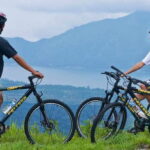
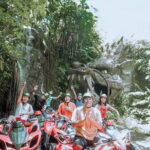
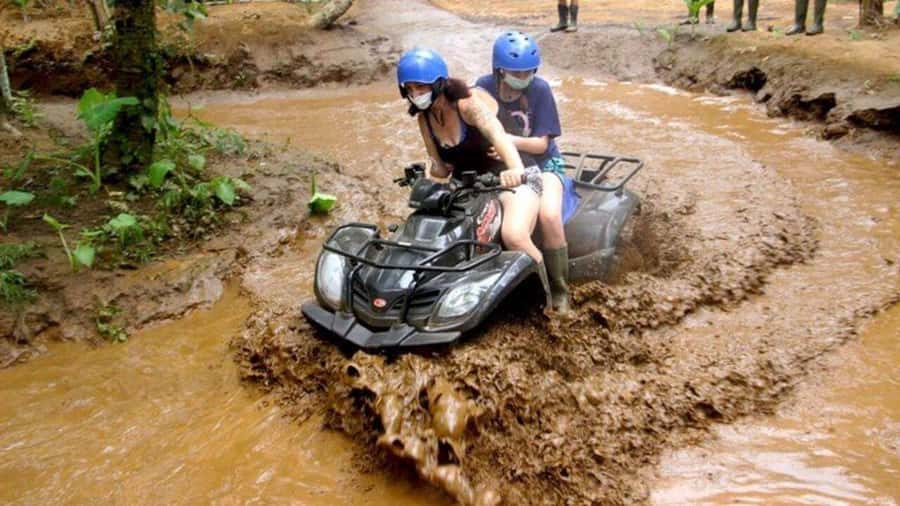
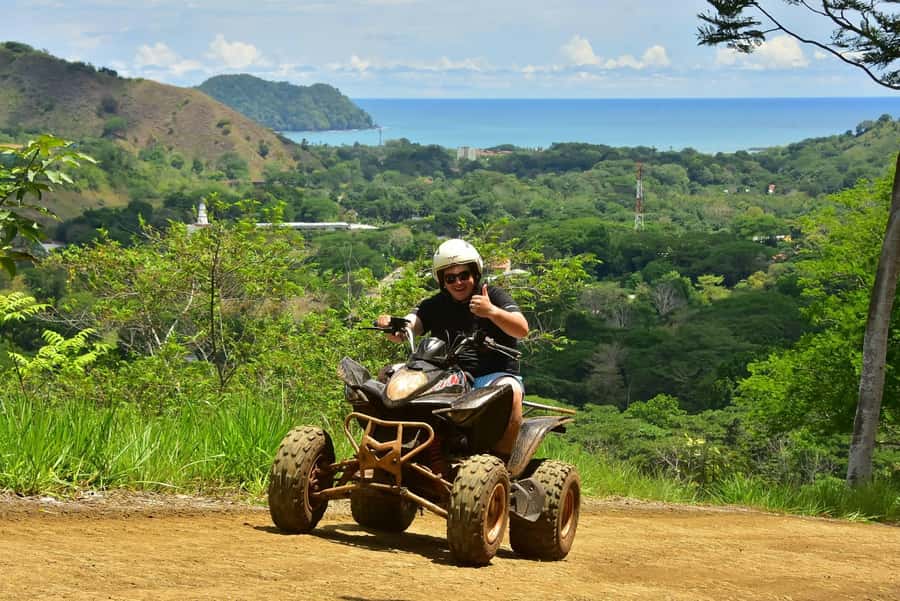
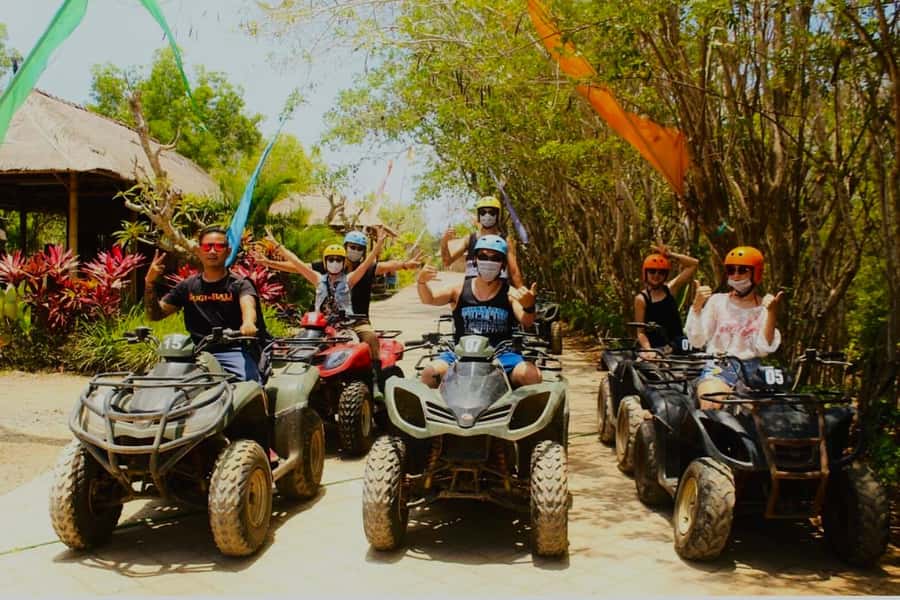
The day starts with the ATV part—typically 1 hour of quad biking in the Uluwatu area. This isn’t a “drive on a flat road and take selfies” setup. You’re riding over rugged tracks with the possibility of dust or mud, so you should treat it like real outdoor riding, even if you’re a beginner.
What I like about this segment is that the tour gives you the gear you need to feel less exposed. You’ll get a helmet, boots, and elbow and knee protection. There’s also ATV insurance provided by the operator, which matters because ATV activities are where risk and discomfort can spike fast.
Practically, the ride format matters too: you’re doing a single-ride quad bike experience. That means you’re not splitting attention with a second rider, which can make beginners feel calmer. It also means you should be honest with yourself about comfort and control—if you’ve got back issues or mobility limitations, this part may not be a good match.
One small-but-important detail: the operator reminds you that Bali weather changes. Expect possible rain or strong sun. If it rains, tracks can get slick; if it’s sunny, you’ll feel it. Bring water if your schedule allows, and dress for both heat and sudden weather shifts.
You can also read our reviews of more tours and experiences in Bali.

Uluwatu Temple on the cliff: photos, myths, and the monkey reality
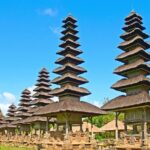
After the ATV, the pace turns to walking and looking. You’ll head to Uluwatu Temple, with about 1 hour for photo stops, a guided tour, and time to walk around and sightsee.
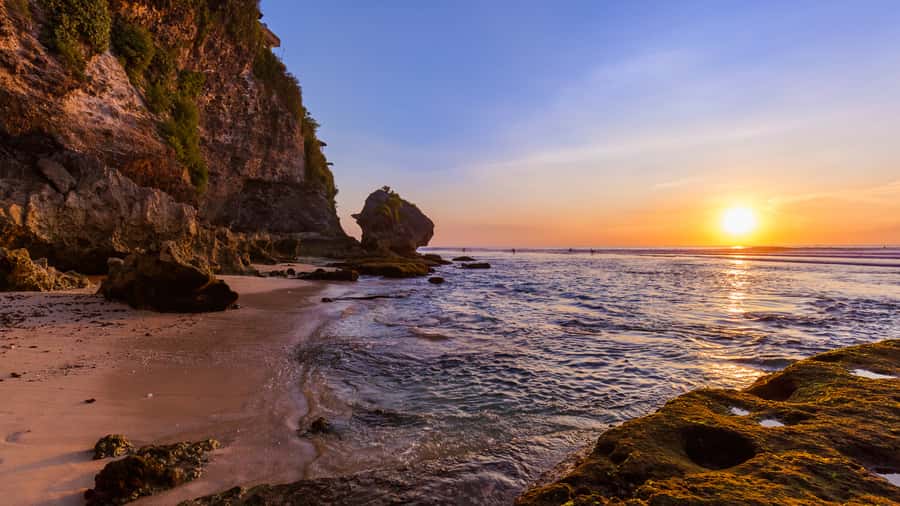
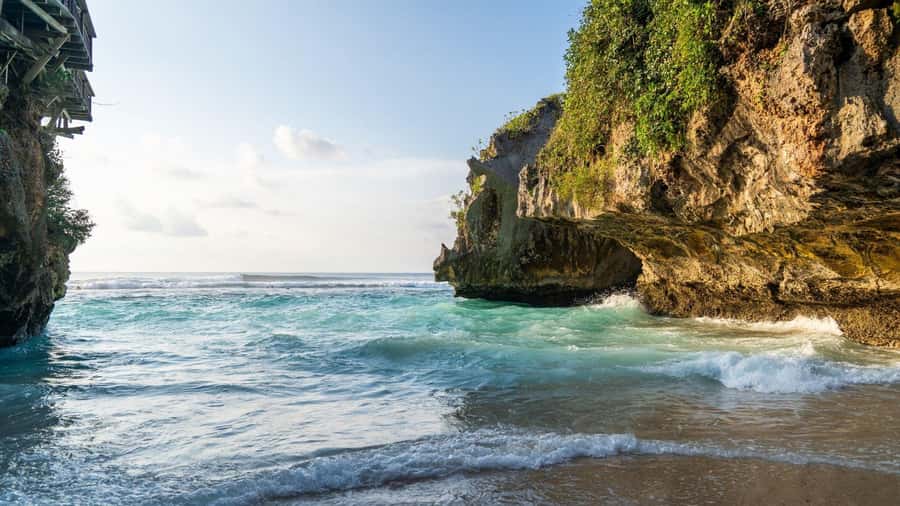
This temple is special because it’s perched high above the sea—about 70 meters above the Indian Ocean. The viewpoint is why people come: you get classic ocean-off-the-cliffs angles, and on a good day the light makes everything feel dramatic. It’s also one of Bali’s six key sea temples, and your guide explains why it matters, including local myths and significance tied to the site.
Two practical notes that can save you stress:
- Women on their period are restricted from entering the temple premises. If this applies to you, you’ll want to plan alternative photo angles and enjoy the outside views instead.
- Monkeys live here. Your best move is to keep small items secure and follow your guide’s advice. In past bookings, a guide named Made was specifically praised for helping handle the monkey situation, even returning sunglasses that were taken.
If you care about photos, think about timing. You’ll have a guided photo stop and walking time, so don’t spend the full hour only at one viewpoint. Rotate between sea views and temple details while you still have good light.
Kecak dance at Uluwatu: chanting, Ramayana storytelling, and sunset energy

When evening arrives, you’ll switch from temple walking to performance mode. The Kecak Dance portion lasts about 1 hour and is typically held at Uluwatu with a sunset backdrop.
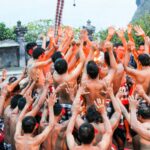
This is one of those shows where the structure matters. Kecak is built around chanting and group vocal rhythms that support the story. The performance narrates the Ramayana epic, so even without speaking the language, you can usually follow the emotional arc through pacing, costume, and dramatic storytelling.
The value here isn’t just entertainment. It’s a direct cultural expression tied to place and timing. Kecak at Uluwatu works because the audience is surrounded by atmosphere—sea air, evening light, and an open-air performance setup.
The only drawback I’d flag is simple: seating is outdoors and limited. If you want a better view, plan to arrive early within the constraints of the tour schedule. Also dress for temperature changes. Even if the day is hot, the evening cools down quickly on the cliff.
Price and logistics: does $22 feel like a deal?
At around $22 per person, this tour can feel like a bargain—mainly because you’re bundling three big parts that each cost time and money on their own: ATV riding, Uluwatu Temple entry (if selected), and Kecak entry (if selected).
Here’s where the value really shows:
- Safety equipment is included for the ATV.
- Entry fees are covered for the temple and dance when you choose the combo option.
- There’s a buffet lunch provided by the ATV company.
- You get hotel pickup and drop-off if your hotel is in certain areas (Ubud, Sanur, Seminyak, Kuta, Nusa Dua, Jimbaran, Uluwatu, Canggu, and Sanur).
The tradeoff with any “good value” package is that you’re usually moving on a schedule. The total duration is listed as 2 to 7 hours depending on which option you pick and when you start. That range is wide, so you should check your starting time when you book.
Also, know that the meeting point can vary. You’ll be told where to meet for your specific option, and if you get hotel pickup, you’ll be asked to wait in your hotel’s main lobby about 5 minutes before departure. Your pickup is confirmed via WhatsApp, which is useful—just make sure you check it.
If you’re weighing options:
- Choose full tour if you want the sunset temple + Kecak night piece.
- Choose ATV-only if you’d rather spend the evening in Uluwatu, Jimbaran, or nearby areas on your own.
What’s included, what’s not, and what to pack in Bali
The included list is solid and practical, especially for an ATV day:
- English-speaking guide
- ATV quad ride with helmet, boots, elbow and knee gears
- ATV insurance from the operator
- Hotel pickup and drop-off (in eligible areas)
- Temple and Kecak entry fees (only if your option includes them)
- Buffet lunch (from the ATV company)
Then there are add-ons you can choose if you want to extend the day:
- Polaroid photo session
- Luwak coffee tasting
- Bali traditional massage
- Set menu seafood dinner
Not included:
- Personal spending
- Meals (beyond the buffet lunch that’s included)
- Towel
For packing, follow the simple checklist:
- Change of clothes (you will likely need it)
- Camera, plus a waterproof camera option if you have one
- Closed-toe shoes for riding
- Optional: bring cash for personal expenses (small things add up)
One extra “don’t get caught off guard” tip: if you’re not a confident swimmer, the tour guidance says to use a life jacket if you’re in the water. That’s not a guarantee you’ll swim, but it’s a reminder to think safety-first rather than bravado-first.


Safety and fit: who should skip the ATV day
This activity has clear limits, and I’m glad they’re stated upfront. ATV riding is not recommended for:
- Pregnant travelers
- People with back problems
- People with mobility impairments
- Wheelchair users
- People with epilepsy
- People over 264 lbs (120 kg)
If you fit any of those categories, you should skip the quad bike part and look for a temple-and-dance focused alternative. Even if you feel okay at the start, ATV riding taxes balance, hips, and core—small stumbles can become big discomfort fast.
Also take the “gear and rules” seriously. You’ll be given safety equipment, but you’re still responsible for:
- Listening to your guide before you ride
- Wearing the protective gear properly
- Keeping an eye on your surroundings (tracks can have uneven sections)
The guide matters: stories, monkey control, and a safer feel
Two guide names came up in a very positive way: Made and Bayu. Made was praised for storytelling and fun facts, plus helping manage the monkey situation at Uluwatu. Bayu was noted for being kind and friendly, with safe and comfortable driving, and for using a clean, modern vehicle.
You don’t control who you get, but you can control how you prepare: ask questions at the start, pay attention during safety briefing, and follow the monkey rules at the temple. That’s how you turn a potentially chaotic area into a smooth photo stop.
Should you book this Uluwatu ATV + Temple + Kecak tour?
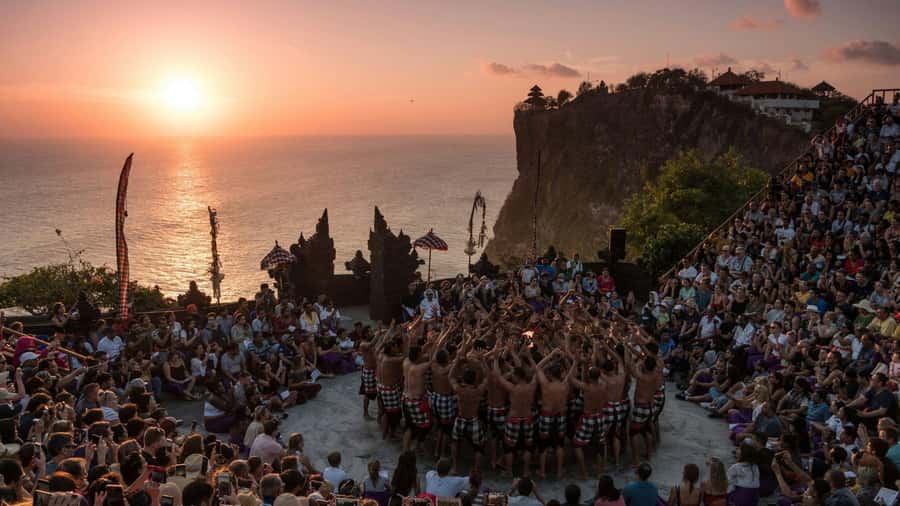
Book it if you want a day that hits three goals at once: adventure, a true cultural stop, and a show at sunset in a dramatic setting. The included lunch, temple/dance entries (when chosen), and the fact that safety equipment and insurance are handled makes the value feel strong.
Skip or reconsider if:
- ATV riding isn’t a good fit for your body or health limits
- You hate outdoor seating with limited visibility
- You know you’ll struggle with the dust/mud reality and don’t want to change clothes
- Temple access restrictions apply to you (for women during their period)
If you do book, plan smart: bring a change of clothes, secure small items from the monkeys, and arrive with enough time/energy for the Kecak seating situation.
FAQ
How long is the ATV quad bike ride?
The ATV quad bike ride is listed as 1 hour.
Is Uluwatu Temple entry included?
Entry fees for Uluwatu Temple are included only if you select the option that includes the temple visit.
Is the Kecak dance ticket included?
Entry fees for the Kecak dance are included only if you select the option that includes the dance show.
What should I bring for the ATV portion?
Bring a change of clothes, a camera, and a waterproof camera if you have one. You should expect the track to be dusty or muddy.
Does the tour include hotel pickup and drop-off?
Pickup is optional and available for Ubud, Sanur, Seminyak, Kuta, Nusa Dua, Jimbaran, Uluwatu, and Canggu. You wait in your hotel main lobby about 5 minutes before the tour starts, and pickup is confirmed via WhatsApp.
What’s included for lunch?
A buffet lunch is provided by the ATV company.
Are there restrictions for temple entry?
The tour notes that women during their period are restricted from entering the temple premises.
What’s the dress and safety guidance?
Wear comfortable clothing and closed-toe shoes for ATV riding. You’ll receive helmet and protective gear. The guidance also warns that Bali weather can change quickly, so be ready for sun or rain.