A temple day with village culture hits hard. This Eastern Bali tour from Ubud strings together Penglipuran, a bamboo walk, and Besakih on Mount Agung’s slopes.
I love the practical way the day is built: village culture first, then temples, then a waterfall that’s all about atmosphere and photos. I also like that the guide work is strong—clear explanations of Balinese traditions, plus the ability to adjust timing when weather changes.
One thing to watch is the cost of entry sites. The tour lists an entrance ticket fee of USD 20 per person that’s not included, and lunch isn’t included either.
In This Review
- Key highlights at a glance
- Eastern Bali’s best “one-day mix” from Ubud
- Price and value: what your $80 actually buys
- Timing: a long day that stays manageable
- Stop 1: Penglipuran Village and the quiet power of routine
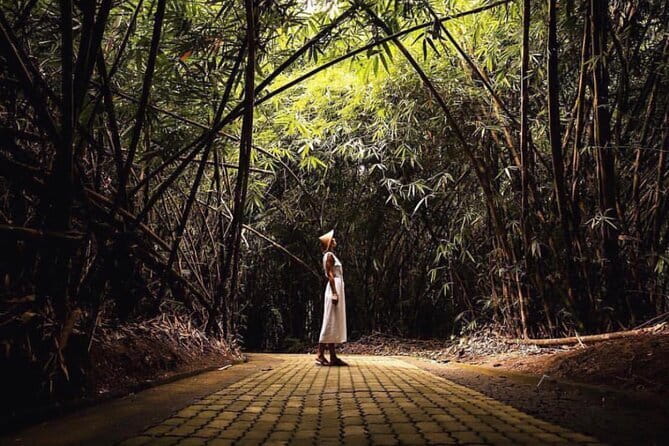
- Stop 2: Bamboo forest near Penglipuran, 7 hectares of bamboo-only calm
- Stop 3: Besakih Temple, Bali’s main pilgrimage center on Mount Agung’s slopes
- Stop 4: Rendang (Karangasem) for lunch with a view
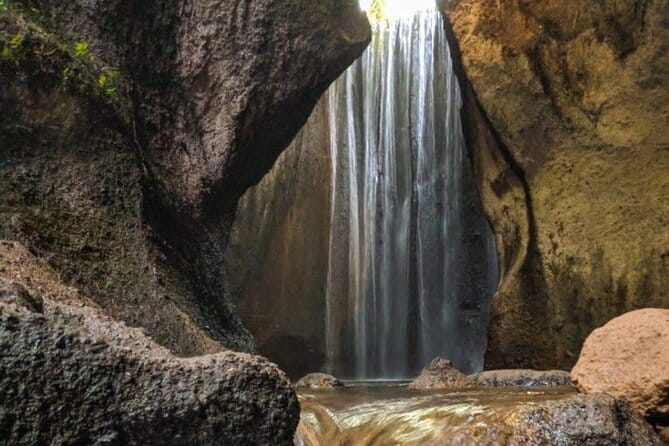
- Stop 5: Tukad Cepung Waterfall, viewed from inside a cave
- Guide and driver: where the day often gets won (or lost)
- What to budget beyond the tour price
- Who should book this tour (and who might skip it)
- Should you book the Eastern Bali and Besakih Temple Tour?
- FAQ
- What is the tour duration?
- Where does the tour start?
- How much does the tour cost?
- Is hotel pickup and drop-off included?
- Do I need to pay entrance fees?
- Is lunch included?
- What attractions are included in the itinerary?
- Is bottled water included?
- Is the tour private?
- What is the cancellation policy?
Key highlights at a glance
- Penglipuran Village: a traditional Balinese village visit with a full 2 hours to wander and understand local life
- Bamboo Forest near Penglipuran: a bamboo-only area covering 7 hectares, just about 5 meters away from the village
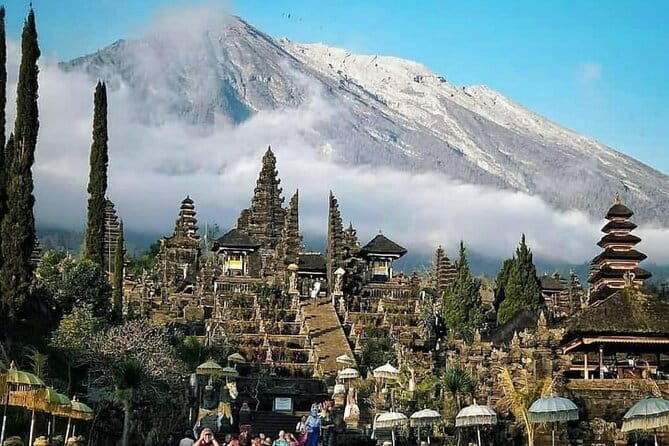
- Besakih Temple complex: Bali’s most important pilgrimage site, with 22 temples high on Mount Agung’s slopes
- Tukad Cepung Waterfall: a waterfall you reach inside a cave setting in the Bangli region
- Private, guided comfort: hotel pickup and drop-off with an English-speaking guide and an air-conditioned vehicle
- Route flexibility: reviews note guides who shift the timeline for weather so your day stays on track
Eastern Bali’s best “one-day mix” from Ubud
Eastern Bali doesn’t feel like a copy-paste day of temples. You start in a real traditional village, take a slow walk through a bamboo forest, then hit Bali’s most important temple complex, and finish with a waterfall that feels cinematic because it’s inside a cave.
This is the kind of itinerary that helps you connect dots. In one day you get culture (Penglipuran), calm nature (bamboo forest), major religion (Besakih), and then a dramatic end point (Tukad Cepung). It’s not just sightseeing; it’s a storyline for your eyes.
If you like your travel days active but not exhausting, this one makes sense. It’s built around short, focused stops (mostly 1.5 to 2 hours) with a driver handling the hard part: getting you from place to place safely and on time.
You can also read our reviews of more tours and experiences in Ubud.


Price and value: what your $80 actually buys
The tour costs $80 per person, and it includes hotel pickup and drop-off, transport by a private air-conditioned vehicle, an English-speaking guide, bottled water, and a private/exclusive setup for your group.
That base value is strongest when you compare it to what you’d spend doing the same route on your own: multiple entry tickets, plus the cost and hassle of coordinating transport, plus the time you lose figuring out where to go and how long it takes.
Also, the tour mentions group discounts and a mobile ticket, which usually helps with smoother check-in. The private vehicle matters here because Eastern Bali destinations can be spread out. You don’t want to spend your day negotiating rides while you’re trying to enjoy temples and waterfall time windows.
Just be honest about the extra costs:
- The tour notes an entrance ticket fee of USD 20 per person (not included).
- Lunch isn’t included.
- Other expenses are not included (so keep some cash or card available for small needs).
So the “true” day cost for most people will be your $80 plus site entry and whatever you choose for lunch.
Timing: a long day that stays manageable
The schedule runs about 8 to 10 hours and starts with pickup around 9:00 am from your hotel. That means you’ll spend a good chunk of your day on the move, even though the stops themselves are reasonable.
Here’s the good part: the day is paced by planned time blocks. You’re not doing nonstop walking or sitting in traffic for hours at a time without breaks. You get:
- 2 hours at Penglipuran Village
- 2 hours in the bamboo forest area
- 2 hours at Besakih Temple
- 1.5 hours for the Karangasem/Rendang lunch stop
- 1.5 hours at Tukad Cepung Waterfall
Reviews also point to a guide who can adjust the timeline to the weather. That’s a big deal in Bali, where a single rain window can change driving conditions and site conditions. If you’re hoping for photos at the waterfall, this flexibility helps.
Stop 1: Penglipuran Village and the quiet power of routine
Your first major stop is Penglipuran Village, where you’ll spend about 2 hours. This is a traditional Balinese village visit focused on culture and how people live, not just a quick look-and-leave photo moment.
What I like about putting Penglipuran first is how it sets your expectations for the rest of the day. Later you’ll be standing at Besakih, with its large religious complex. Starting with a functioning village makes the temple stop feel less like a separate world and more like part of a bigger living culture.
A practical note: the tour lists admission ticket not included for this stop, so budget for the entry fee at the village.
During the visit, plan to keep your camera ready but your pace slow. Village time is about noticing small details: how space is arranged, how the place feels, and how daily life shapes the visitor experience.
Stop 2: Bamboo forest near Penglipuran, 7 hectares of bamboo-only calm
Right after Penglipuran, the tour heads to the bamboo forest area linked to this region. It’s described as being approximately 5 meters from the traditional village of Penglipuran, so this feels like one continuous experience rather than a separate trip.
You get about 2 hours here, and it’s described as:
- a 7-hectare bamboo area
- only bamboo (no other plant types in the described area)
- a forest that is safe for walking
That “safe to walk” point matters. A bamboo walk can be magical, but it can also be awkward if the paths feel slippery or confusing. This one is framed as easy to experience at visitor pace.
Why this stop works in the middle of the day: it’s a decompression break before Besakih. Your eyes reset from village shapes and human-made structures to a more repetitive natural pattern. It also gives you time for photos with a more shaded, soft-light feel—useful if you’re trying to capture the waterfall later.


Stop 3: Besakih Temple, Bali’s main pilgrimage center on Mount Agung’s slopes

Then comes the big one: Pura Besakih, described as Bali’s most important pilgrimage center. You’ll spend about 2 hours here.
This temple complex is notable for scale and setting:
- 22 temples make up the complex
- it sits high on the slopes of Mount Agung
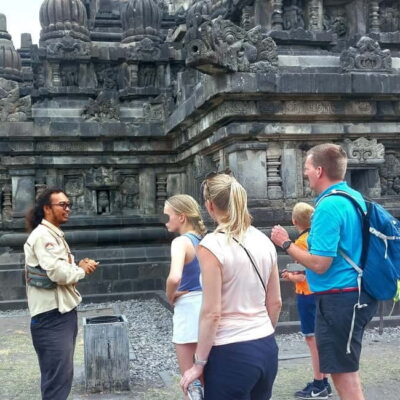
Besakih can feel overwhelming in the best way—too much to see at once. Having a guide who can explain what you’re looking at makes a huge difference. Reviews back this up with comments about guides sharing insight into Balinese traditions and lifestyle.
It’s also one of those places where timing matters. When you arrive, the lighting and the crowd level can shape your experience. The tour runs a structured day, so you’re not wandering without a plan—you’re getting a guided, time-boxed temple visit.
Admission for Besakih is not included in the tour listing, and the tour also notes an overall entrance ticket fee (USD 20 per person) not included. In other words: bring extra budget for this stop, even if you’ve already paid for the tour itself.
Stop 4: Rendang (Karangasem) for lunch with a view
After the temple stop, you move toward Karangasem and into the Rendang area for a meal. The itinerary gives 1 hour 30 minutes for this part, and it’s described as a local favorite spot with stunning views while you eat.
Lunch not being included is normal for this kind of tour, but the value here is that you’re not stuck hunting for food right after Besakih. The guide handles the pacing, which keeps the day from getting messy.
Because lunch time is fixed at about 90 minutes, it’s also easier to plan your energy. You’ll have enough time to eat, rest a bit, and still make it to Tukad Cepung without rushing.
What to keep in mind: you’ll likely want to hydrate well before heading to the waterfall. The tour includes bottled water, but plan to drink and pace yourself.
Stop 5: Tukad Cepung Waterfall, viewed from inside a cave

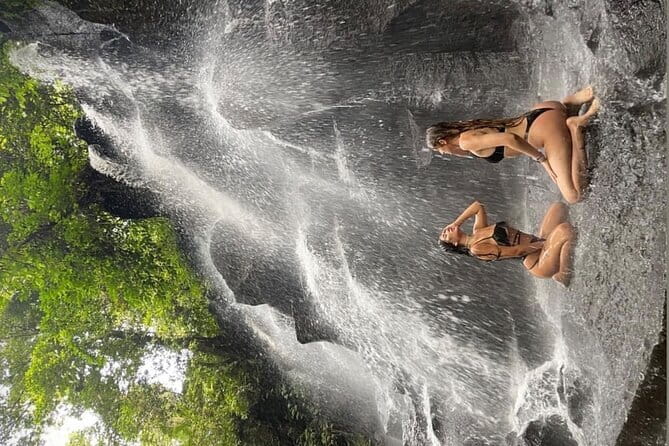
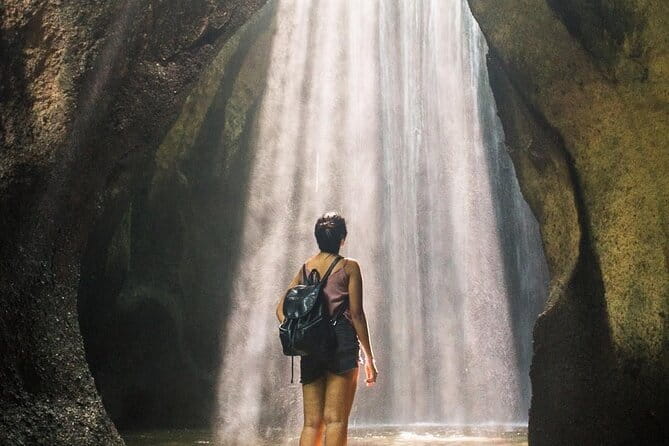
The final stop is Tukad Cepung Waterfall, described as hidden inside a cave in the Bangli region. You’ll have about 1 hour 30 minutes here.
This is the kind of location that benefits from a guide for one reason: getting the timing and route right. Cave waterfalls can mean narrow viewing areas and changing light. Even if you don’t chase the perfect photo angle, you’ll want time to find a good spot and just watch the waterfall do its thing.
The tour lists this stop’s admission ticket not included, so plan to pay entry on site.
What makes Tukad Cepung special in this itinerary is the contrast. You finish with something more atmospheric than Besakih’s structured grandeur. After temples and village culture, the cave setting gives the day a different emotional tone: quieter, cooler, and very visual.
Guide and driver: where the day often gets won (or lost)
This tour really hinges on the people running it—especially the guide. Reviews repeatedly highlight guides who do two things well:
1) they explain Balinese traditions and day-to-day life in a way that makes sense, and
2) they keep the schedule flexible if conditions shift
Specific guide names show up in the feedback, including Esa, Wayan Birawyan, Nyoman Victor, and Komang Alu. You shouldn’t expect to get the exact same person, but the pattern is consistent: guides who know the culture and can adjust timing when needed.
The driver experience also gets praise. One review notes a driver who was friendly and helpful and on time, plus good contact through an app. That matters more than people think, especially for a full-day route that depends on arriving at each stop before the day slips away.
A private setup is also a quiet win. You’re not stuck with a group pace that doesn’t match yours. Your guide can spend a little extra time where it counts—like pausing longer at Besakih if you’re still absorbing what you’re seeing.
What to budget beyond the tour price
Here’s the honest money picture, based on what’s listed:
- Tour price: $80 per person
- Entrance ticket fee: USD 20 per person (not included)
- Lunch: not included
- Other expenses: not included
So if you’re budgeting, think of your total as:
- tour + temple/village entry fees + lunch + small extras
Even with the extra costs, the value stays solid because transport, guide time, and the private route are included.
Also, pack light but smart. You’ll be moving through temples and a cave waterfall setting, so bring what you’ll actually need for comfort—water, sun protection, and a small bag you can keep with you.
Who should book this tour (and who might skip it)
Book this if:
- you want a big taste of Eastern Bali in one day
- you like the mix of village culture + major temple + waterfall
- you appreciate a guide who explains the meaning behind what you see
- you’d rather sit back in an air-conditioned car than coordinate transport across multiple sites
Consider skipping (or picking a shorter itinerary) if:
- you only want one or two stops and don’t want a full 8 to 10 hour day
- you don’t want to pay additional entrance fees on top of the tour price
- you’re the type who hates schedule structure, even if the guide can adjust for weather
Should you book the Eastern Bali and Besakih Temple Tour?
Yes, if you want a day that feels like Bali’s real stuff—village life, the big pilgrimage center at Besakih, and an unusual waterfall experience inside a cave. The price is fair for a private, guided route that saves you time and stress, especially when you factor in pickup, air-conditioned transport, and the full day of planning.
My recommendation: treat it as a full-day cultural outing, not a quick hit. Arrive ready for a long day, bring extra budget for entrances and lunch, and lean on your guide. If you get a guide like the ones mentioned in reviews—people who can explain traditions and adjust for weather—you’ll walk away with more than photos. You’ll understand what you saw and why it matters.
FAQ
What is the tour duration?
The tour runs about 8 to 10 hours.
Where does the tour start?
Pickup is offered from your hotel, and the itinerary begins with pickup around 9:00 am.
How much does the tour cost?
The price is $80.00 per person.
Is hotel pickup and drop-off included?
Yes. Hotel pickup and drop-off are included.
Do I need to pay entrance fees?
Yes. Entrance ticket fee is listed as USD 20 per person and is not included. Some stops also specifically note admission ticket not included.
Is lunch included?
No. Lunch is not included.
What attractions are included in the itinerary?
The itinerary includes Penglipuran Village, a bamboo forest area near Penglipuran, Pura Besakih Temple, a lunch stop in the Rendang/Karangasem area, and Tukad Cepung Waterfall.
Is bottled water included?
Yes. Bottle of water is included.
Is the tour private?
Yes. It’s described as a private and exclusive tour/activity, with only your group participating.
What is the cancellation policy?
Free cancellation is available up to 24 hours in advance for a full refund. Changes less than 24 hours before the start time aren’t accepted, and late cancellations aren’t refunded.