Banyumala Waterfall is the star, and the private pickup makes it easy. I like how this route links Bali’s big icons and quiet jungle moments in one 8-hour loop, so you’re not just stuck driving. One drawback: the day is packed, and like any Bali tour, it depends on good weather for the waterfall stops.
You’ll start with the famous Ulun Danu Beratan Temple on Lake Bratan, then bounce to Wanagiri Hidden Hills for twin-lake views. After that comes the practical stuff—lunch time, coffee education, and the UNESCO rice terraces—before ending at Banyumala Twin Waterfalls, where there’s a natural pool and clean water.
If you’re the type who likes slow mornings and long hangs at one place, this might feel a bit fast. The trade-off is that you get a lot of variety, and the included transport helps keep it from turning into a logistics headache.
In This Review
- Quick hits before you go
- Why this Bali waterfall circuit works (even if it’s a long day)
- Ulun Danu Beratan Temple on Lake Bratan: a misty icon with real presence
- Wanagiri Hidden Hills: twin-lake views in a quick viewpoint window
- Banyumala Twin Waterfalls: the jungle swimming pool moment
- Nadi Farm Cafe lunch time: scenic break, but check what you pay for
- Jati Wangi Luwak Coffee: learn the process, then decide what to buy
- Jatiluwih Rice Terraces (UNESCO): subak irrigation you can actually see
- Banyumala after the rice terraces: why the order matters
- Transportation and timing: the private-car advantage from Ubud
- Guides and driver style: what “smooth and helpful” looks like in practice
- Price and value: where the $75 really goes
- Who this tour fits best (and who should reconsider)
- Should you book Bali Waterfall Wonders? My call
- FAQ
- What places are included in the Bali Waterfall Wonders tour?
- How long is the tour?
- Is pickup available from Ubud?
- What is included in the price?
- Is lunch included?
- Does the tour depend on weather?
Quick hits before you go
- Banyumala Twin Waterfalls includes time at a three-side waterfall setting with a natural swimming pool
- Ulun Danu Beratan Temple is a classic Lake Bratan stop with admission built in
- Wanagiri Hidden Hills gives you a quick viewpoint break over Bali’s twin lakes
- Jatiluwih Rice Terraces (UNESCO) is included, with time to appreciate the subak irrigation system
- A/C private vehicle + bottled water helps you stay comfortable during the long day
- Guides often come in with strong local knowledge, and names like Made and Ngurah show up often
Why this Bali waterfall circuit works (even if it’s a long day)
From Ubud, this kind of day trip makes sense because it groups sights that aren’t in the same tiny neighborhood. You’re basically doing a north/central loop: temple by the lake, viewpoint over twin waters, then rice-terraces country, and finally jungle waterfalls.
The big value here is that transport is private and handled up front. You’re not negotiating rides between scattered stops or losing time figuring out directions. The vehicle is air-conditioned, and bottled water plus parking fees are included, which matters on a full day when the bill creep can get annoying.
Also, the structure is built for momentum: short-ish stops at the iconic places, then longer time where it counts—especially the waterfall time. You’ll want to keep your expectations realistic: you’re seeing multiple highlights, not staying all day at just one.
Pricing-wise, $75 per person feels fair for a full itinerary with several admission tickets included. The savings is partly in the included entries (not every stop charges the same way), and partly in convenience. If you tried to DIY this route, you’d likely pay similar entry costs plus extra costs and time for rides, which is what kills day-trip value.
You can also read our reviews of more tours and experiences in Ubud.


Ulun Danu Beratan Temple on Lake Bratan: a misty icon with real presence
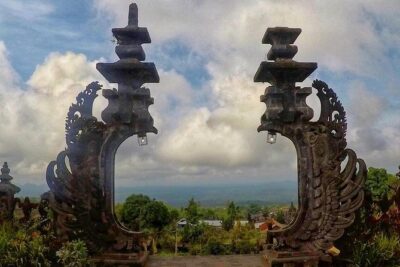
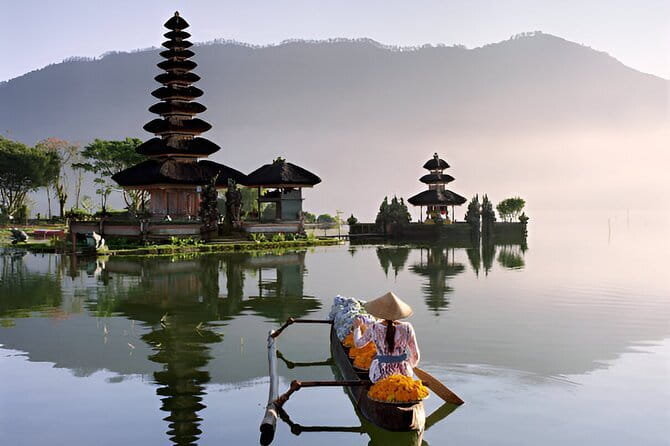
Ulun Danu Beratan Temple is the kind of Bali landmark you recognize before you even get out of the car. It’s famous for its look on the lake, and it’s also one of those places where the scenery feels tied to the temple, not just nearby.
You’ll get about 50 minutes here, and admission is included. That’s enough time to walk around, take photos, and get a feel for why this temple is treated like one of Bali’s signature sights. If you’re going for atmosphere, I’d treat it as a slow first stop. Start calm. Save your energy for Banyumala later.
If you care about avoiding crowds, consider requesting an early start from your driver. In past trips with the operator, departures have happened early (like 7am), with drivers arriving a bit ahead of time—helpful if you want the temple before tour groups peak.
Wanagiri Hidden Hills: twin-lake views in a quick viewpoint window

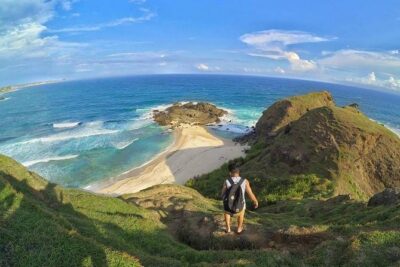
After the temple, you’ll head to Wanagiri Hidden Hills, a popular viewpoint. The payoff is the view—Bali’s twin lakes spread out below you, and on a clear day the whole scene feels wide and airy.
This stop is about 30 minutes, and admission is included. That time window is short on purpose. It keeps the schedule moving, and it gives you just enough time to take photos and enjoy the sight without making the day feel like one long standstill.
Practical tip: wear comfortable footwear. Even if you’re only at a viewpoint, you’ll likely be walking along uneven areas. Also, bring your camera settings ready. Viewpoints reward quick decisions: once you step back toward the car, the best angles are gone for good.
Banyumala Twin Waterfalls: the jungle swimming pool moment

Now for the reason most people book this tour: Banyumala Twin Waterfalls. This is where the day changes tempo.
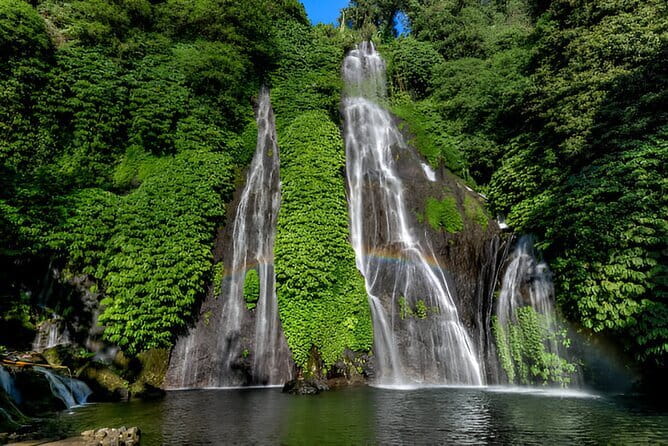
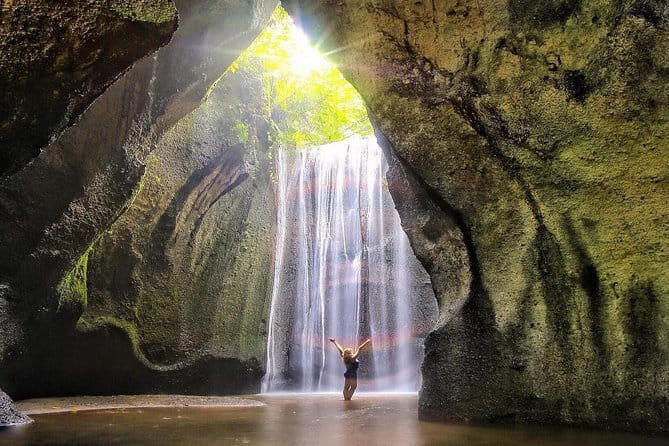
Banyumala sits in a valley with waterfalls on three sides—one highest and largest in the center, plus smaller falls on the left and right. What makes it feel special is the natural pool, fed by clean, pure water. The overview for this stop specifically notes that the water is clean and that you’ll likely feel safe swimming around the pool.
You’ll have about 1 hour here, and admission is included. That hour is important because waterfall time isn’t just about photos. It’s when you decide whether you want to get close, cool off, or just enjoy the view from the edges.
What I’d do in your shoes: plan for weather. If it’s raining, water conditions change and some areas can be slippery. Bring a practical attitude—this is nature, not a theme park. And if you’re bringing swimwear, make it easy to change quickly.
Also, keep an eye on how your energy feels. The day already includes multiple stops, so it’s easy to show up tired. Banyumala is the place to actually slow down and reset.
Nadi Farm Cafe lunch time: scenic break, but check what you pay for

Next comes Nadi Farm Cafe, slotted for about 1 hour. The point of this stop is the break: lunch surroundings with natural views, plus a chance to sit down before you move on to the coffee plantation and the UNESCO rice terraces.
Here’s the key financial detail: lunch is listed as not included. So you’ll likely pay for your meal when you’re there. The stop itself includes entry for the location, but your food bill is on you.
Even if lunch is extra, I like this break because it’s not just a rushed stop at a random roadside place. You’re getting a planned viewing environment, and that makes the meal feel more like part of the experience.





Jati Wangi Luwak Coffee: learn the process, then decide what to buy
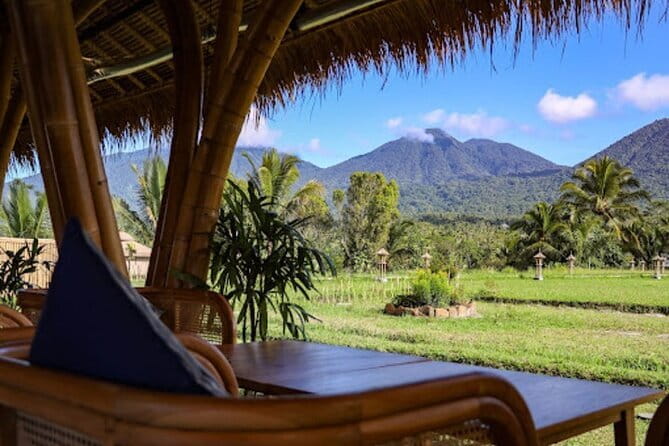
After lunch, you’ll visit the Jatiwangi Coffee Plantation for about 1 hour. The good news: admission here is listed as free, and the itinerary includes time to explore traditional coffee-making methods.
This stop tends to appeal to two types of travelers: the curious ones who like how things are made, and the people who want something less “picture-only” than temples. Coffee education can still feel like a sales pitch in some places, so I recommend treating it like a learning stop. Ask questions, watch the steps, and only buy if it’s something you genuinely want to take home.
One thing you’ll appreciate on a full tour day: it’s a structured break. You’re out of the car, you’re learning something simple and local, and the time fits cleanly before the final big nature stop.
Jatiluwih Rice Terraces (UNESCO): subak irrigation you can actually see

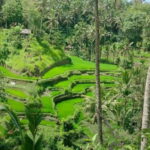
Jatiluwih Rice Terraces is UNESCO-listed, and it’s famous for showing Bali’s traditional subak irrigation system in action. This is one of those places where you can’t fully understand it from a postcard—you have to stand there and look at how the water and terraces work together.
You’ll have about 50 minutes, and admission is included. That’s just enough time to walk the area at a comfortable pace and take in the terraced geometry. It’s also a nice contrast after waterfalls and viewpoints. Waterfalls bring you the drama; rice terraces bring you patience.
If you like photography, give yourself a moment before you start taking pictures. Choose one or two angles first, then move. That prevents the classic mistake of rushing from spot to spot, only to realize you missed the best light.
Banyumala after the rice terraces: why the order matters
Even though the itinerary logic can feel like a lot—temple, viewpoint, cafe, coffee, terraces, then waterfalls—the order is practical.
You end with Banyumala Twin Waterfalls when your schedule is already set. By the time you reach the jungle, you’ve had the cultural and scenic stops that don’t require wet shoes or changing plans. Then you get your cooling-off payoff at the end.
It also helps you pace the day. Rice terraces are usually easier to enjoy calmly. Once you’re at Banyumala, you can decide whether you want to swim, linger by the pool, or simply take photos and let the water do the talking.
Transportation and timing: the private-car advantage from Ubud
This is a private tour, meaning it’s only your group, not a shared bus with strangers squeezing in beside you. That matters because it gives your driver room to set a comfortable pace.
The vehicle is air-conditioned, and you get bottled water. Parking fees are covered too. Those details sound small, but on Bali roads—where stops, turns, and timing can get tricky—they reduce stress.
The pickup is offered, and the tour starts at Bali Cheap Car & Scooter rental on Jl. Goutama Street No.16 in Ubud. You’ll return to the meeting point at the end.
One more thing I like: the operator uses mobile tickets. Less paperwork. Less fumbling.
Now, the honest consideration: you still need to account for real-world road time. A full day itinerary across multiple attractions can feel tighter if you’re used to half-day plans. If you’re booking, I’d plan to stay flexible with your morning start.
Guides and driver style: what “smooth and helpful” looks like in practice
A big part of getting value from a day trip is the driver-guide. In the experiences I’ve seen, drivers like Made, Wayans Yogi, Ngurah, and Gioke show up often, and the common thread is a calm, helpful approach.
What that usually means for you:
- your pickup can happen early to help you avoid crowds
- you get thoughtful recommendations, not just a drive-by drop-off
- you don’t feel rushed; the day stays comfortable
- the ride feels smooth, with drivers who handle Ubud traffic without drama
If you want to get the most from Banyumala, this style matters. The longer you linger at the waterfall pool (within reason), the more the day feels like a real nature break instead of a checklist.
Price and value: where the $75 really goes
At $75 per person, the value comes from how the day is stitched together. Several admissions are included (temple, viewpoints, rice terraces, Banyumala), and the coffee plantation stop is listed as free for admission. Add in private A/C transport, bottled water, and parking fees, and you’re getting a lot packaged into one price.
Lunch is not included, so you should budget for food at Nadi Farm Cafe. Also, landing and facility fees are listed as not included. Those usually mean optional charges depending on how a site operates on the day you visit.
Here’s the practical math: if you’d have to pay for every entry separately and hire your own car with fuel and parking, DIY can cost as much or more—then you lose the time-saving value of a coordinated route.
Who this tour fits best (and who should reconsider)
This day trip is a strong match if you:
- want a waterfall-focused Bali day with real nature time
- like seeing multiple highlights without managing transportation
- enjoy a mix of temples, viewpoints, and UNESCO sights
- prefer a private car so you can move at your pace
It may be less ideal if you:
- hate packed schedules and long ride time
- want only one main attraction and hours of downtime
- are booking during shaky weather, since the experience notes it requires good weather
Should you book Bali Waterfall Wonders? My call
I’d book this if you want a well-paced Ubud-based day that hits the big visual icons plus Banyumala’s swimming-pool waterfall. The price feels fair for the mix of included admissions and private, air-conditioned transport, and the itinerary order makes it practical to end with nature.
Before you hit confirm, decide on two things:
1) Can you handle a long day (about 8 hours) with multiple stops?
2) Are you comfortable building plans around good weather?
If your answer is yes, this tour is a solid way to get that “Bali variety” day without turning it into a logistics project.
FAQ
What places are included in the Bali Waterfall Wonders tour?
The tour includes Ulun Danu Bratan Temple, Wanagiri Hidden Hills, a stop at Nadi Farm Cafe, Jatiwangi Coffee Plantation, Jatiluwih Rice Terraces (UNESCO), and Banyumala Twin Waterfalls.
How long is the tour?
The duration is about 8 hours.
Is pickup available from Ubud?
Yes, pickup is offered, and the tour starts at Bali Cheap Car & Scooter rental on Jl. Goutama Street No.16, Ubud. It ends back at the same meeting point.
What is included in the price?
Included items are private transportation, bottled water, parking fees, and an air-conditioned vehicle. Some admissions are included across the stops as listed in the itinerary.
Is lunch included?
Lunch is not included, even though there is a stop at Nadi Farm Cafe with time set aside.
Does the tour depend on weather?
Yes. The experience requires good weather. If it’s canceled due to poor weather, you’ll be offered a different date or a full refund.