Three courses, two cook sessions, one big win.
This Ubud Balinese cooking experience at The Kumbuh Restaurant turns a cultural meal into a hands-on class, then ends with lunch or dinner served in an open lounge deck. I love that it’s private (just your group), and I also like the simple pace: coffee or tea first, then the cooking rounds, tastings, and dessert. One thing to consider is communication and timing—if you try to make it work last-minute, you’ll want to confirm early.
Chef-led lessons can be a gamble in some places, but the instructor experience here has a strong reputation. Chef Risma gets specifically praised for being skilled and attentive while keeping the class fun and doable, not intimidating. And yes, you’ll take part in a real meal outcome—think a three-course feast you help create, plus a recipe gift to bring home.
The main drawback is logistical: if your booking needs changes, don’t assume same-day will run smoothly. One past participant reported zero communication after trying to sort it out and ended up canceling, so build in a buffer and confirm directly rather than hoping.
In This Review
- Key highlights at a glance
- Ubud cooking class at The Kumbuh Restaurant: the setting that matters
- Price and what $52 really buys you
- Where you’ll be picked up, and how timing stays simple
- Morning vs. afternoon: how to choose
- The morning class (around 11:00 to 14:00): coffee, two cook rounds, dessert
- Afternoon class (around 15:00 to 18:00): same format, different energy
- What you’ll actually do in the kitchen
- The meal afterward: where “open lounge deck” turns into part of the memory
- The chef factor: what to expect from the teaching style
- Small practical tips so you enjoy the class more
- Who this Ubud cooking experience is for
- A quick note on communication and last-minute changes
- Should you book this Balinese cooking class in Ubud?
- FAQ
- What is the duration of the Balinese cooking experience?
- Where does the Balinese cooking experience take place?
- Is pickup included?
- What time does the morning class start?
- What time does the afternoon class start?
- Is this tour private?
- Does the class include lunch or dinner?
- Is there a recipe to take home?
- Can I cancel for a full refund?
Key highlights at a glance
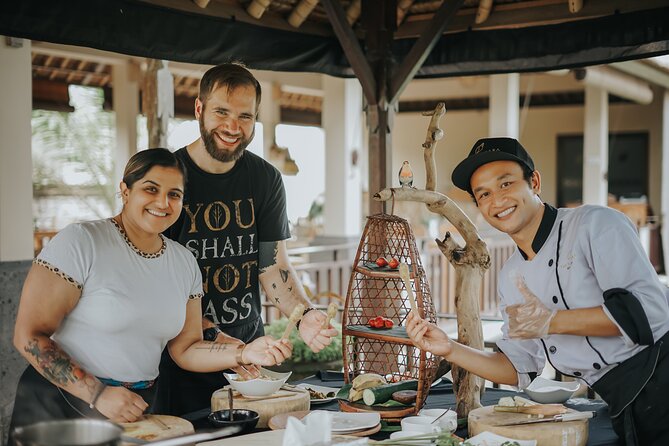
- Two cooking sessions plus tastings so you actually get time to cook, not just watch
- Chef-led instruction with clear explanations, including the kind of coaching that makes you feel confident
- Lunch or dinner timing options built into the same format, so you can match your day
- Open lounge deck meal after class, so you eat in the same laid-back setting
- Take-home secret recipe as a gift, perfect for impressing friends later
- Private group experience, typically just your party, which keeps the pace relaxed
Ubud cooking class at The Kumbuh Restaurant: the setting that matters
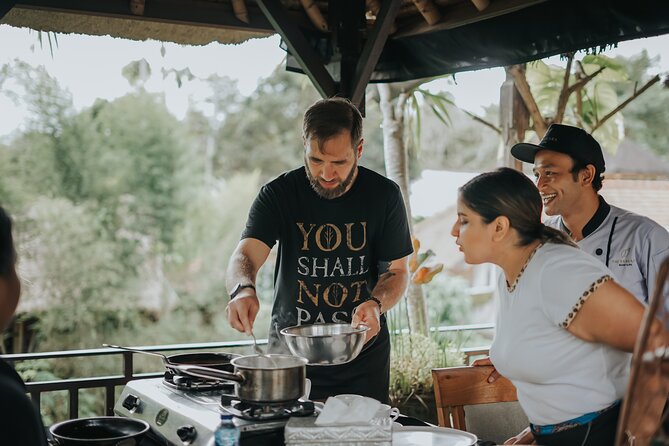
This class is based in the resort area of Ubud, with the cooking experience taking place at The Kumbuh Restaurant. That matters more than you might think. In Ubud, you can spend half a day traveling between places and half a day waiting around. Here, the plan is compact, and you spend most of your time on the main event: learning, cooking, tasting, then eating what you made.
The structure is built around two cooking sessions and then a dessert session. That gives you a clear rhythm: you don’t get dumped into one long cooking marathon. Instead, you cook, taste, adjust, and then keep going. For a visitor who likes to learn by doing, it’s a format that holds attention.
It also helps that the chef teaches in a way that shows results. One theme that comes through is that instruction makes cooking feel easy and fun, not like you’re trying to survive a culinary boot camp. If that’s your vibe, you’ll likely enjoy this.
You can also read our reviews of more tours and experiences in Ubud.



Price and what $52 really buys you
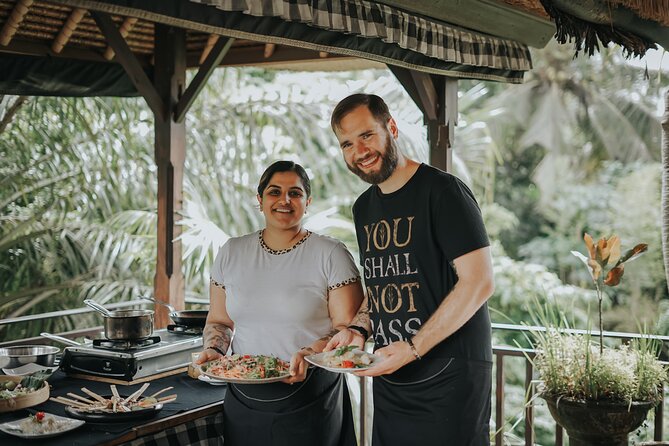
At $52 per person for about 1 hour 30 minutes, you’re paying for the whole package: pickup (offered), private group format, chef instruction, tastings, and a full meal experience (lunch or dinner depending on the time slot). You’re also getting a take-home recipe gift, which turns the class into something you can repeat later.
So what’s the real value? It’s not just the food—it’s the coaching and the sequence. Cooking classes can be expensive when they’re mostly for show. This one is designed to keep you active across multiple sessions, then to reward you with what you made.
One more value point: because it ends with a meal you enjoy right away, you avoid the common problem of cooking classes where you leave hungry. Here, the “class” and the “meal” feel connected.
If you like your travel days practical—one ticket, one block of time, and a memorable outcome—this format is a good match for the price.
Where you’ll be picked up, and how timing stays simple
The experience starts from The Sankara Resort & Spa by Pramana (Jl. Cempaka, Kumbuh, Ubud). Pickup is offered, and the activity ends back at the meeting point.
If you’re staying outside Ubud, you meet at the Ubud Tourist Information Centre at the stated pickup time (different times for the morning and afternoon sessions). That’s useful because it removes guesswork about where you need to be—and it keeps the “day plan” from falling apart if you don’t know the area well.
You also get a mobile ticket, which is a small convenience but a real one. Less paper to manage, fewer last-minute issues.
Morning vs. afternoon: how to choose
You get two options:
- Morning class tied to lunch
- Afternoon class tied to dinner
Pick morning if you want an early win and like eating your big meal in daylight. Pick afternoon if your Ubud day runs long with temples, markets, or a slow coffee stop—and you want a later dinner anchor without planning extra restaurant time.
The morning class (around 11:00 to 14:00): coffee, two cook rounds, dessert
Morning pickup happens at 11:00 a.m. if you’re staying in the pickup zone, or you meet at the Ubud Tourist Information Centre at 11:10 a.m. if you’re staying outside Ubud.
From there, the day runs like this:
- 11:15 a.m. arrive at the resort
- 11:30 a.m. intro and coffee or tea served
- 11:40 a.m. Cooking Session 1 and tasting
- 12:30 p.m. Cooking Session 2 and tasting
- 1:00 p.m. dessert session, then time to enjoy your dish
- 1:45 p.m. class ends and you head back
- 2:00 p.m. back in Ubud
Why this pacing works: it gives you a warm-up (coffee/tea and intro), then you get two separate cooking blocks. That reduces “stressed-out student” energy. You’re tasting along the way, so you can understand what the flavors should feel like before you finish.
Also, the dessert session plus time to enjoy what you made makes this feel like a complete eating experience, not just skill practice.




Afternoon class (around 15:00 to 18:00): same format, different energy
The afternoon option starts with pickup at 3:00 p.m. (or 3:10 p.m. meeting point if you’re outside Ubud).
Then the timing is:
- 3:15 p.m. arrive at the resort
- 3:30 p.m. introduction and coffee or tea served
- 3:40 p.m. Cooking Session 1 and tasting
- 4:30 p.m. Cooking Session 2 and tasting
- 5:00 p.m. dessert session and time to enjoy your dish
- 5:45 p.m. class ends and you return
- 6:00 p.m. back in Ubud
If you’re doing temple visits or shopping earlier in the day, the afternoon slot can feel like a reset button. You get guided cooking, then dessert, and then dinner is effectively handled—so you don’t have to hunt for food right when you’re tired.
This is also a good choice if you prefer cooler hours for activities. And because it still runs about 1 hour 30 minutes of active time, you aren’t losing a huge chunk of your day.
What you’ll actually do in the kitchen
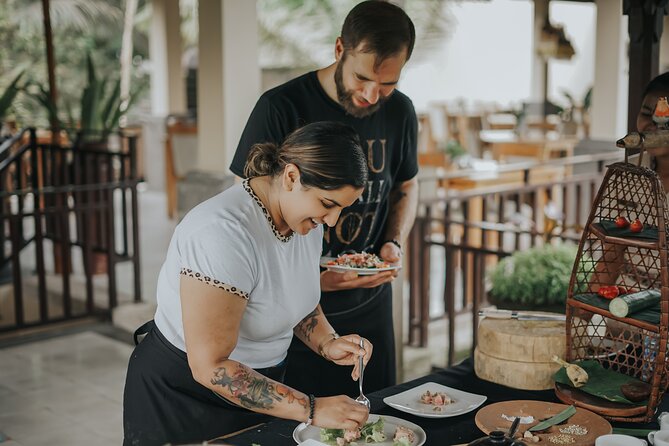
The core experience is that your chef shares his secret dish recipes while you cook and taste. The class includes two main cooking sessions, then dessert.
Here’s the practical reality of a format like this: your goal isn’t to memorize steps like a robot. It’s to understand the logic behind the flavors, then to get the feel for how the dish should progress across cooking stages. Cooking sessions that include tastings help you adjust earlier rather than realizing at the end that something is off.
Even better, instruction is described as clear and supportive. One praised point is that chefs explain everything well, so you’re not just copying motions—you’re learning what you’re doing and why.
The meal afterward: where “open lounge deck” turns into part of the memory
After cooking, you’ll enjoy a memorable lunch or dinner at an open lounge deck. That detail is small, but it affects your whole mood at the end. You’re not eating your results while standing in a rush. You get a proper sit-down experience in the same overall setting as the class.
And because your meal is tied directly to your effort, it feels more personal. When you help make the dishes, tasting becomes more than just eating—it becomes feedback. You notice the flavors more because you’ve been working toward them.
One standout theme from the experience: people were impressed by the outcome, describing a three-course feast they couldn’t believe they’d made. That’s the kind of “I did this” satisfaction that sticks after Ubud.
The chef factor: what to expect from the teaching style
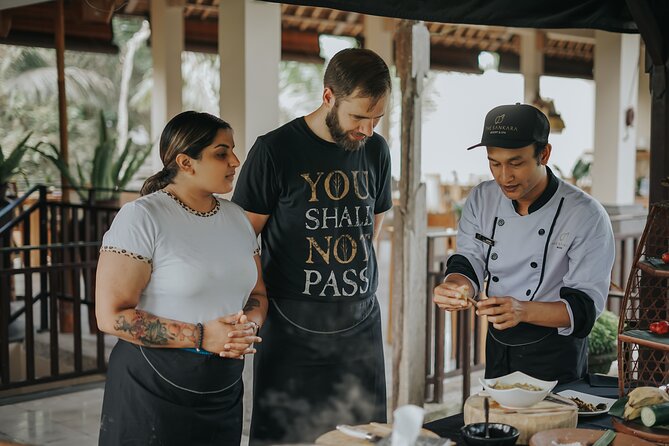
A cooking class lives or dies by the chef’s teaching. In this experience, Chef Risma is one name that comes up as a standout teacher—skilled, knowledgeable, and attentive, with a style that makes cooking feel easy and fun.
Even if you don’t get the same chef, the emphasis on instruction and attentiveness is clearly part of the experience. You should expect explanations that help you move through each cooking step. The goal is for you to leave able to recreate at least some of what you learned.
Also, don’t ignore the take-home part. The class includes a secret recipe gift. That means you’re not only leaving with a full stomach—you’re leaving with a concrete reminder you can use later.
Small practical tips so you enjoy the class more
You can make the day smoother with a few smart moves:
- Arrive with some hunger, not starvation. You’ll taste during cooking and then eat your meal afterward. If you start overly full, it’s harder to enjoy the flavor steps.
- Wear something you can cook in. Even if the class is well-run, you’re still handling ingredients. Comfortable shoes also help, since cooking spaces can be busy.
- Bring a curious mindset. The tastings and dessert session are part of the learning flow, not just filler.
- Ask questions during the session. If you’re confused about a step, the class works best when you clarify early.
- Plan for communication if you’re changing anything. One issue reported was lack of communication when the booking plan changed late. If your schedule is tight, confirm early and keep a paper trail message.
Who this Ubud cooking experience is for
This class is a good fit for:
- People who want a cultural experience that’s active, not just sightseeing
- Food lovers who learn best by cooking rather than reading
- Couples or small groups who prefer a private format and a calmer pace
- Visitors who want a meal outcome they can feel proud of
- Anyone who likes the idea of bringing a recipe home—not just a souvenir
If you’re the type who loves learning from local teachers and you don’t mind getting hands-on, this will likely land well. It’s also a nice option when Ubud feels like too much planning and you want one clear activity that resolves into a full meal.
A quick note on communication and last-minute changes
Here’s the honest travel-life advice: when an activity depends on a kitchen schedule, last-minute changes can be tricky. One experience was impacted by no communication after a same-day attempt, and the result was cancellation.
So if you’re planning this within a busy itinerary, do two things:
- Book with enough lead time so the kitchen can accommodate you
- Confirm directly if you need any change, especially if your plan is flexible
It’s not about being paranoid—it’s about being practical.
Should you book this Balinese cooking class in Ubud?
I’d book it if you want a high-value, chef-led Balinese cooking experience that ends in a real lunch or dinner and includes a take-home recipe. For $52, the mix of private format, two cooking sessions with tastings, and a dessert finale is exactly the kind of “do something memorable” activity that makes Ubud feel personal.
Skip it or be extra cautious if you know you’ll need last-minute schedule changes. In that case, give yourself buffer time and confirm early.
If you want one activity that blends culture, food, and a hands-on skill you can repeat at home, this Ubud class at The Kumbuh Restaurant is a strong choice.
FAQ
What is the duration of the Balinese cooking experience?
The cooking class is about 1 hour 30 minutes.
Where does the Balinese cooking experience take place?
The cooking experience takes place at The Kumbuh Restaurant in the Ubud area.
Is pickup included?
Pickup is offered. If you stay outside Ubud, you can meet at the Ubud Tourist Information Centre at the scheduled pickup time.
What time does the morning class start?
The morning class starts at 11:00 a.m. pickup, with cooking beginning shortly after you arrive at the resort.
What time does the afternoon class start?
The afternoon class starts with pickup at 3:00 p.m., with the cooking sessions beginning after you arrive at the resort.
Is this tour private?
Yes. This is a private tour/activity, and only your group will participate.
Does the class include lunch or dinner?
Yes. The morning arrangement is for lunch, and the afternoon arrangement is for dinner.
Is there a recipe to take home?
Yes. You receive a secret recipe as a gift.
Can I cancel for a full refund?
Yes. You can cancel up to 24 hours in advance for a full refund. Cancellation less than 24 hours before the start time is not refunded.