You’re chasing Blue Fire under a jet-black sky. This guided Banyuwangi trek takes you to Ijen Crater for the rare glowing flames, then times your hike for the sunrise that lights up the turquoise crater lake. One thing to consider: this is a strenuous, early-morning style climb, and the crater area involves sulfur gas—so it’s not for everyone.
I love that the trip is set up like a real field operation: pickup from Banyuwangi, a professional local guide, and safety gear that includes a headlamp and gas mask, plus first aid and a portable oxygen tank. The possible drawback is that Ijen’s conditions and access rules can change (including scheduled closures), so you should double-check timing before you commit.
In This Review
- Key things I think you’ll care about
- Why Midnight Ijen and the Blue Fire Are Worth the Grind
- What the 9-Hour Schedule Feels Like From Pickup to Return
- Gear, Safety, and Health Rules at Kawah Ijen
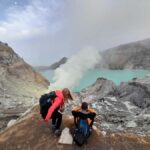
- At the Crater: Blue Fire, Crater Lake, and Sulfur Miners
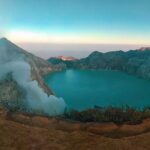
- Sunrise Over Kawah Ijen: When the Lake Turns Turquoise
- Hike Notes: Steep Sections, Crowds, and Staying With Your Group
- Price and Logistics: What $25 Really Buys You
- Who This Tour Suits (and Who Should Skip It)
- What to Pack (Without Overthinking It)
- The Guide Makes the Difference: Sulliman, Sule, Soufian, and the Pace Game
- Should You Book This Banyuwangi Ijen Blue Fire Sunrise Trek?
- FAQ
- How long is the Banyuwangi Ijen Crater Blue Fire and Sunrise trek?
- Is pickup from my hotel in Banyuwangi included?
- What safety equipment is provided for the Ijen Crater area?
- Do I get an entrance ticket to Kawah Ijen?
- What languages are the guides speaking on this tour?
- When is Ijen closed?
- Is this tour suitable for children or people with health issues?
Key things I think you’ll care about
- Blue Fire timing: the guide pushes the pace so you have a shot at seeing it in time
- Safety kit included: headlamp, gas mask, first aid, and a portable oxygen tank
- Sunrise payoff: the first light turns the crater lake turquoise and makes the whole scene feel unreal
- Miners in action: you’ll see traditional sulfur work up close from the crater area viewpoint
- Fitness matters: expect a steep, demanding trek and a tough descent in the dark and at crowds
- Group hike reality: crowds and different walking styles can affect how often you stay right with your guide
Why Midnight Ijen and the Blue Fire Are Worth the Grind
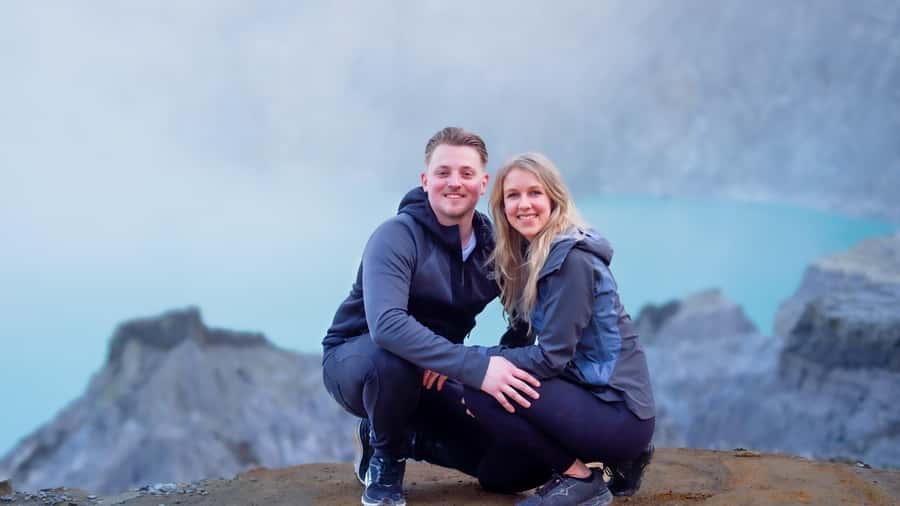
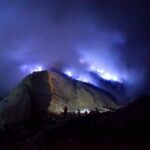
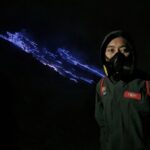
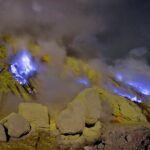
The whole point of this tour is simple: you’re leaving Banyuwangi before most people even think about breakfast, hiking into the night, and arriving at Ijen just as the sky is darkest. That’s when Blue Fire becomes possible, a rare phenomenon caused by sulfur-related gases. Even if you’ve seen photos before, the effect is different in person. The glow looks almost too bright against the black crater walls, like something from a special-effects scene.
I also like that the experience isn’t only about a single moment. The tour gives you a sequence: nighttime crater viewpoints, the Blue Fire spectacle, then the long wait for sunrise, and finally the descent with big panoramic views. You’re not just standing around waiting for a photo op.
The consideration: the trek is strenuous. One review note that it’s not ideal if you’re afraid of heights, since the crater route includes steep sections and big drops. Also, the air near Ijen can include toxic sulfur gas, which is why you get a gas mask and oxygen support.
You can also read our reviews of more tours and experiences in Banyuwangi.
What the 9-Hour Schedule Feels Like From Pickup to Return
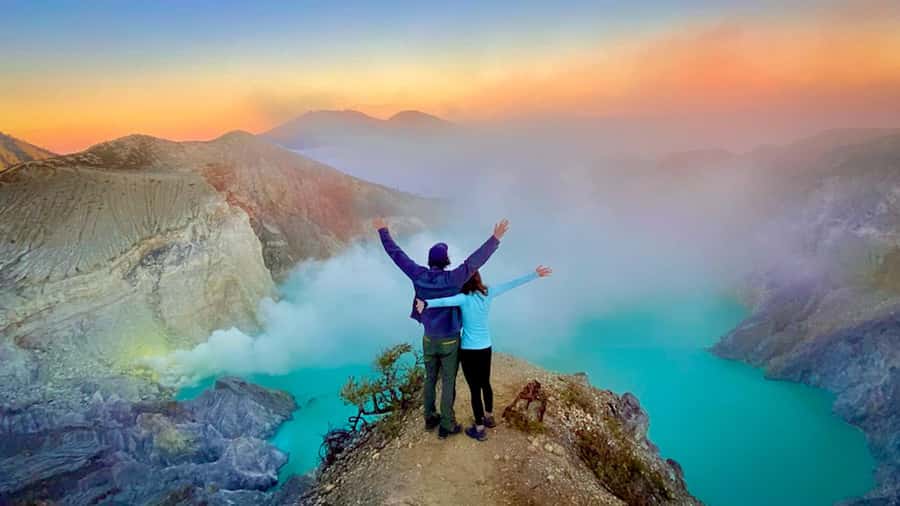
This is billed as a 9-hour day, with pickup in Banyuwangi and a full round trip. The exact start times vary, so check availability for your preferred departure. What stays consistent is the pacing: midnight-style trekking, a crater stop, sunrise timing, then a return drive back to Banyuwangi.
Here’s how the day usually unfolds in practical terms:
Pickup and transfer
You’ll be picked up from your hotel in Banyuwangi (waiting in the lobby). Then you ride to the Ijen starting area. This drive matters because it sets your energy level. You’re going to be cold and awake for a while, so going there comfortably helps.
The crater block (cool night, then sunrise)
Once you start hiking, you’ll climb in the dark with a headlamp. The route is long enough that you’ll notice your breathing. But you also get the fun parts: starry sky above you and the cool night breeze along the way.
Break time and crater time
At the crater, you’re not just walking through. There’s time for viewing and for the Blue Fire moment. You’ll also watch miners working as part of what makes Ijen real—not staged, not distant.
Sunrise and return descent
Sunrise happens during the crater portion. The first rays bring color to the crater lake, and it can feel like the landscape changes in fast-forward. After that, you descend back toward the starting point, where the crowds are thick and the route is one of those “everyone moves the same way” corridors.
Back to Banyuwangi
You’ll return by vehicle and get dropped off at your hotel. The tour also builds in time to rest and refresh at the end, with local snacks or drinks available at the area.
Gear, Safety, and Health Rules at Kawah Ijen
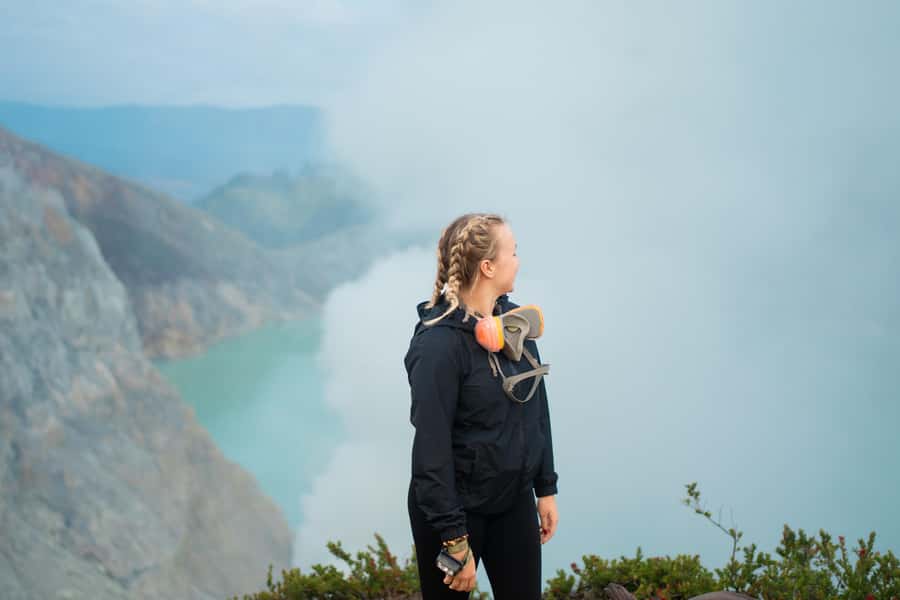
Ijen safety isn’t a marketing line—it’s built into how this trek runs. You receive gas mask and headlamp equipment for the crater area, plus first aid and a portable oxygen tank. There’s also Ijen crater insurance included, and mineral water is provided during the trip.
A few health and access points you should treat seriously:
- You need a valid health certificate (a medical statement is also listed as something to bring).
- Mount Ijen reopened on 8 September 2024 after closure due to earthquake tremors and toxic gas. The important part: toxic gases can potentially harm participants at any time, so follow your guide’s instructions without improvising.
- Ijen is closed every Friday in the first week. If your dates land in that window, you may need alternative plans.
- Not suitable for children under 12, pregnant women, and people with respiratory issues.
- Jewelry is listed as not allowed. That’s usually about safety and practical handling near the crater environment, so leave it at home.
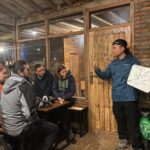
One more thing I found valuable from the way the trip is described: guides aren’t just “walk and chat.” They brief you, check safety needs, and keep people moving. If you’re trying to see Blue Fire, you also need someone who manages pace and timing in the dark.
At the Crater: Blue Fire, Crater Lake, and Sulfur Miners
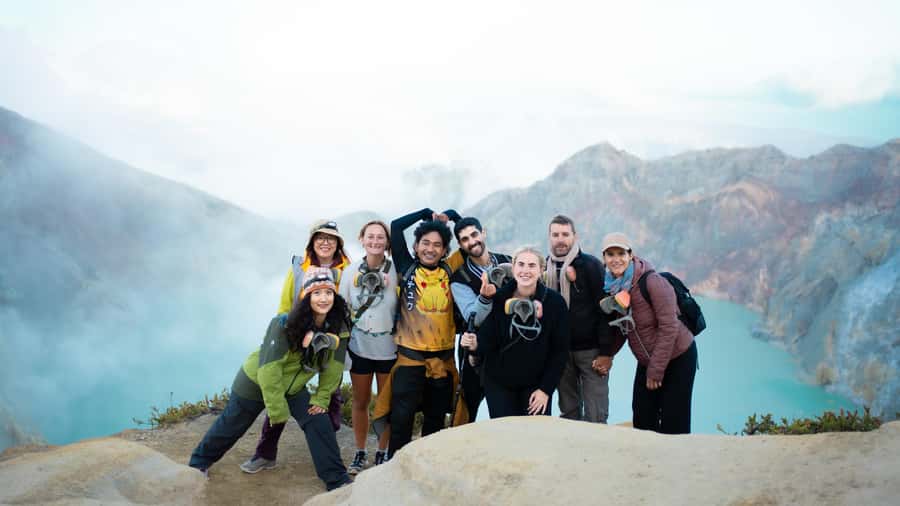
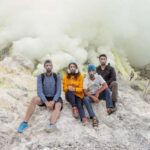
Let’s talk about what you actually go there for. At the crater viewpoint area, you’ll witness the Blue Fire phenomenon—one of only two places in the world where it can be seen. The visual impact is the main event: the flames glow against the dark volcanic landscape, and it feels almost unreal when you’re standing close enough to notice how it plays off the sulfur atmosphere.
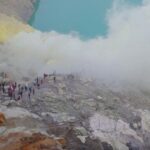
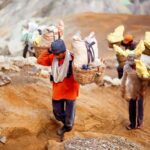
Right alongside that, you’ll observe traditional sulfur miners at work. This part matters because it turns the experience from “nature show” into “human place.” You’ll see how people work the crater environment, and it adds weight to what you’re looking at. It’s not only spectacular—it’s also practical and hard.
A realistic note: the glow depends on conditions and timing. That’s why the guides tend to move quickly once you’re near the viewpoint zone. In multiple guide accounts, the guides (including Sulliman and Sule) are praised for keeping the group motivated and moving so you have a chance to see the Blue Fire in time.
Sunrise Over Kawah Ijen: When the Lake Turns Turquoise
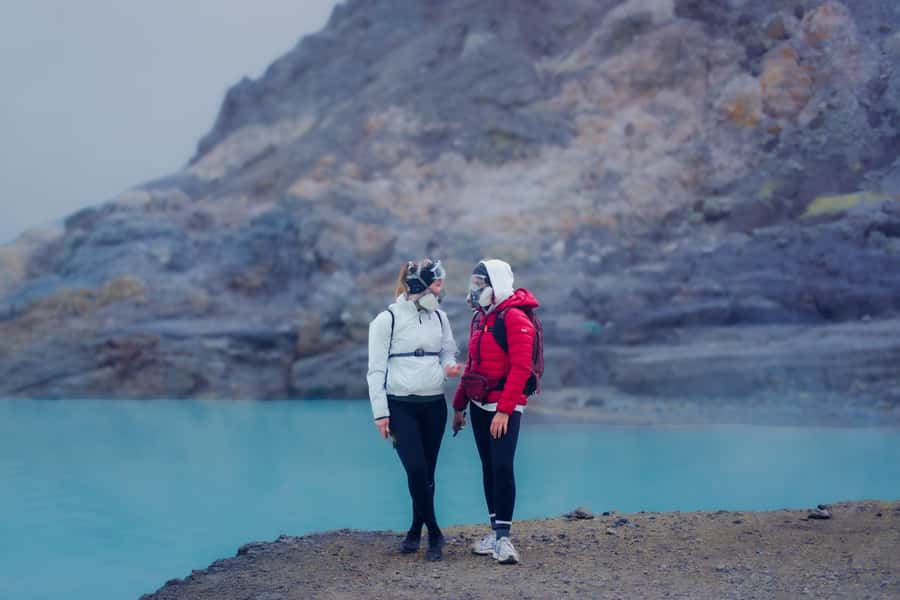
The sunrise is where the whole hike starts to pay off visually. As you wait, it’s not instant gratification. You’re watching light build while you’re still at crater height, still in a mineral-and-sulfur environment, and still surrounded by the energy of people moving into position.
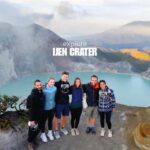
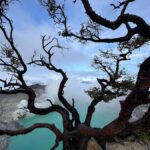
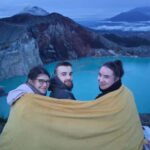
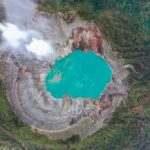
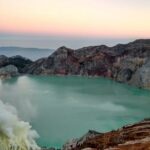
When the first rays hit, the crater lake’s surface becomes turquoise. The color contrast—dark rock, pale mineral tones, and then sudden color—makes sunrise at Ijen one of those rare travel moments that sticks in your memory because it looks like it shouldn’t exist.
If you’re going because you want the Blue Fire and the sunrise, understand this: sunrise planning is the reason you do the hike at night. You’re trading sleep for a bigger visual payoff later. If you’re the type who rushes through attractions, you’ll actually benefit here by slowing down and letting your eyes adjust to the change.
Hike Notes: Steep Sections, Crowds, and Staying With Your Group
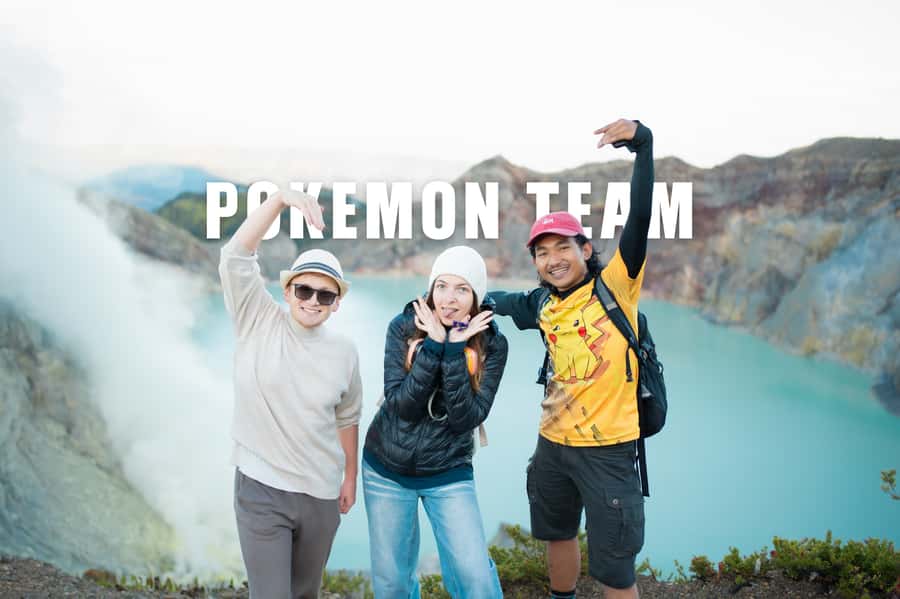
This trek is described as strenuous, and I agree with the common sense advice: don’t underestimate the walk down and up into a volcanic crater. Even fit travelers can feel it in their legs after a long night climb.
A few practical realities to keep in mind:
- Pace varies. One review described that the group had different walking styles, and with crowds, people sometimes got separated, leaving gaps where the guide couldn’t be right beside everyone.
- Descent is one-way. The route down can be busy and funnel-like. If you end up separated, it’s not always easy to backtrack or find another safe path.
- Heights anxiety matters. If you’re afraid of heights, treat this as a real risk. The crater terrain includes steep, exposed viewpoints, and you’ll be dealing with both movement and emotion at the same time.
- Bring snacks. Even with water provided, you’ll likely want something small for energy later.
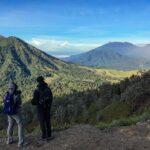
The upside of the hike is that the scenery keeps changing—night sky, then crater viewpoints, then sunrise color, then broad landscape views during the descent. It’s not a single flat photo stop. It’s a long, changing route.
Price and Logistics: What $25 Really Buys You
At around $25 per person, the headline is the low price. But the real value is what you don’t have to arrange yourself. This package includes:
- Round-trip transport from Banyuwangi to Kawah Ijen
- Entrance ticket
- Local guide
- Safety gear (headlamp and gas mask)
- First aid and a portable oxygen tank
- Ijen crater insurance
- Mineral water
- Hotel pickup and drop-off
That’s a lot of bundled logistics for the cost. The transport alone is usually one of the biggest headaches if you try to DIY, because timing matters for sunrise. The guide is also a big part of the value: you want someone who can manage pace, keep the group safe, and get you to the viewpoint areas when timing counts.
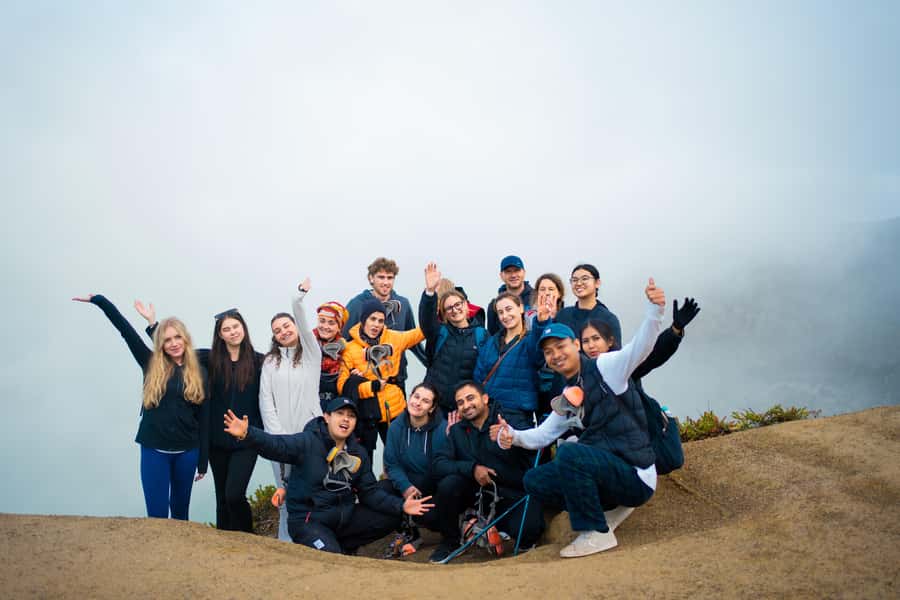
A minor tradeoff for low price can be group management. One review noted a slowdown and some waiting due to how the group was handled in crowded conditions. That doesn’t mean the tour fails, but it does mean you should stay flexible and patient—and plan to follow instructions even when the crowd causes delays.
Also worth noting: the experience is described as a combined group package with pickup included. That usually means you’ll be one of several groups or several participants sharing the same route flow.
Who This Tour Suits (and Who Should Skip It)
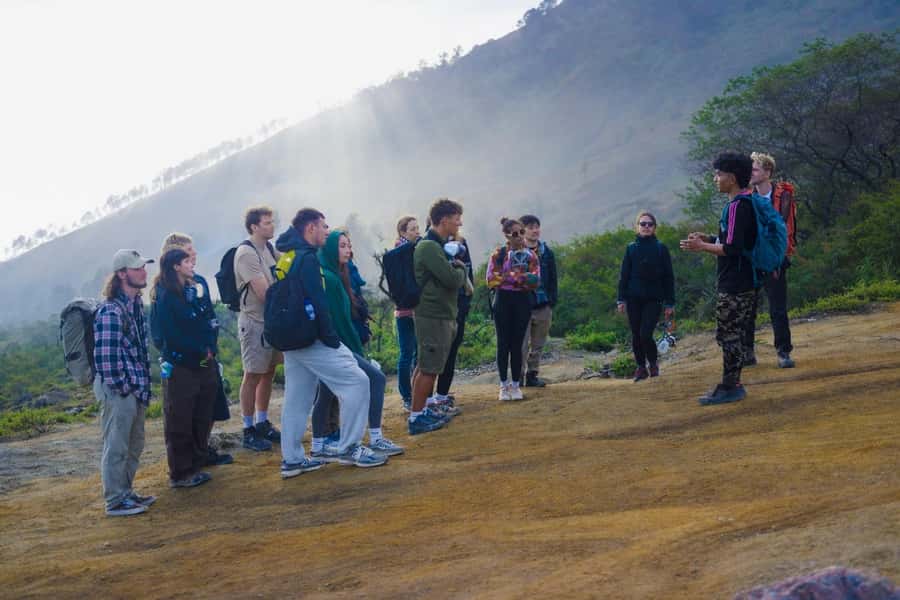
This is a great fit if you:
- Want an early-night adventure tied to a specific natural event
- Are comfortable with physical effort and a steep, long hike
- Like guided explanations and safety-focused handling
- Prefer a structured plan over arranging transport and timing on your own
It may not fit you if:
- You’re not comfortable with steep terrain or you have heights anxiety
- You have respiratory issues or conditions sensitive to air quality
- You’re traveling with children under 12
- You’re pregnant
- You’re arriving without the required health certificate/medical statement paperwork
If you’re on the fence, think about one thing: at Ijen you’re trading comfort for a rare phenomenon. If you can’t safely handle the environment, skip it. This tour’s safety gear and oxygen support help, but they can’t replace basic health compatibility.
What to Pack (Without Overthinking It)
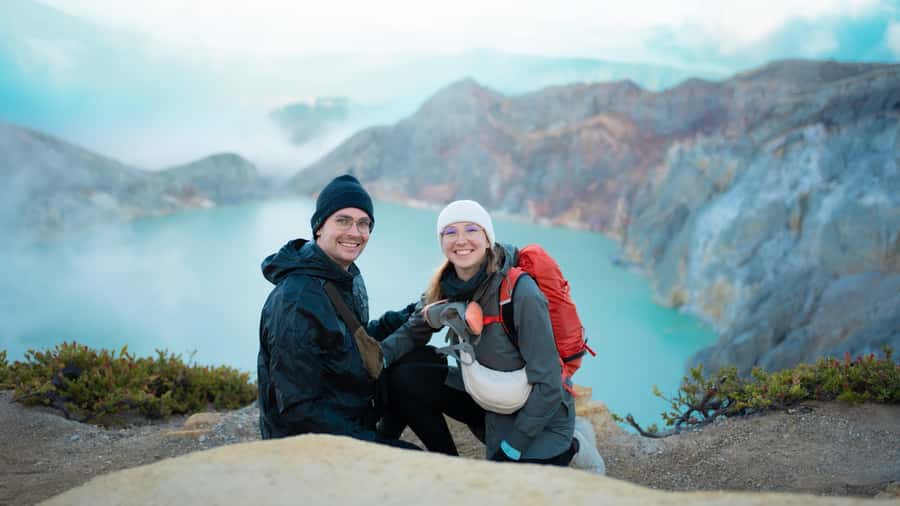
The tour info is straightforward on what matters. Bring:
- Camera (you’ll likely want to shoot both the Blue Fire glow and sunrise colors)
- Snacks (helpful on a long, cold start and for energy during the day’s effort)
- Passport or a copy accepted
- Medical statement (and make sure you meet the health certificate requirement)
Avoid:
- Jewelry (not allowed)
If you’re sensitive to cold, remember: it’s a midnight-style start with night hiking. Even if you’re from a warm climate, bring a layer. The tour includes water and safety equipment, but it doesn’t replace personal comfort items like warm clothing.
The Guide Makes the Difference: Sulliman, Sule, Soufian, and the Pace Game
One of the most consistently praised parts of this experience is the people leading it. Names show up repeatedly, and the themes are clear: energy, humor, and timing.
Guides like Sulliman and Sule are mentioned for keeping groups upbeat during the long walk. Another guide reference includes Soufian and Suleiman, with credit for helping make the trek feel more manageable through encouragement and information.
Why this matters for you: at Ijen, the hard part isn’t only the physical climb. It’s also the waiting, the cold, and the crowd flow. A guide who can keep you moving and keep everyone on track can make a big difference in your stress level—especially if you’re trying to catch Blue Fire before the moment passes.
Should You Book This Banyuwangi Ijen Blue Fire Sunrise Trek?
Book it if you want a once-in-a-lifetime natural spectacle and you’re willing to work for it. The value is strong for the price because you’re getting transport, entrance, safety gear, insurance, and a guide—without having to coordinate timing yourself. The sunrise payoff and the real-life sulfur miners add depth that goes beyond a single photo moment.
Skip it (or look for another plan) if you don’t meet the health requirements, have respiratory issues, or you know crater terrain will trigger panic for you. This isn’t the kind of trip where you can casually “see if you can manage.” It’s a serious guided hike with real environmental risk.
If you do book, give yourself a little buffer. Get ready for early hours, crowds, and a pace-driven route. Follow your guide’s safety instructions, keep your energy up with snacks, and you’ll put yourself in the best position to enjoy both the Blue Fire glow and the sunrise transformation.
FAQ
How long is the Banyuwangi Ijen Crater Blue Fire and Sunrise trek?
The experience lasts about 9 hours, including pickup, the trek, crater viewing time, sunrise, and the return drive.
Is pickup from my hotel in Banyuwangi included?
Yes. Pickup is included, and you should wait in the hotel lobby.
What safety equipment is provided for the Ijen Crater area?
You’ll be provided with a headlamp and a gas mask. The package also includes first aid and a portable oxygen tank.
Do I get an entrance ticket to Kawah Ijen?
Yes. The entrance ticket to Kawah Ijen is included.
What languages are the guides speaking on this tour?
The live tour guide offers English and Malay.
When is Ijen closed?
Ijen is closed every Friday in the first week.
Is this tour suitable for children or people with health issues?
No. It’s not suitable for children under 12, pregnant women, or people with respiratory issues. A valid health certificate is required.