The hike starts in the dark. This Banyuwangi sunrise trip to Mt. Ijen sends you out with an English guide to watch sunrise over the biggest acid lake in Java, with a shot at the famous crater blue flames.
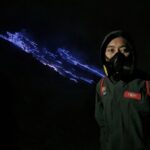
I love that the essentials come with the tour: a gas mask for the crater area and a headlamp for the steep, nighttime climb. You also get a guide who talks you through what you’re seeing, including the sulfur miners carrying rock and the early-morning views from above.
One thing to think about: the hike is steep and cold, and it’s not suitable for people with heart or respiratory issues; one participant also reported a headlamp battery problem during the dark section.
In This Review
- Key highlights you’ll remember
- Mt. Ijen Sunrise: why this feels different
- The overnight pickup and the health check that keeps things sane
- The 1.5-hour climb: steep, cold, and why shoes matter more than courage
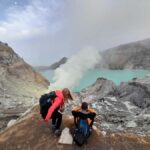
- Reaching the top: crater views and what you’re actually looking at
- Blue fire at Ijen: the best gamble on the schedule
- The descent and getting back by 8:30 AM
- Gear, guide, and safety: what’s included and what you should watch for
- Price and value: is $28 a fair deal for 8 hours?
- Who should book this Ijen sunrise hike?
- What to bring (so you don’t regret it at 2 AM)
- Should you book this Mt. Ijen sunrise hike?
- FAQ
- How long is the Mt. Ijen sunrise hike tour?
- What’s the pickup like from Banyuwangi?
- Is seeing the blue fire guaranteed?
- What’s included in the price?
- What should I bring?
- Is the hike suitable for everyone?
Key highlights you’ll remember
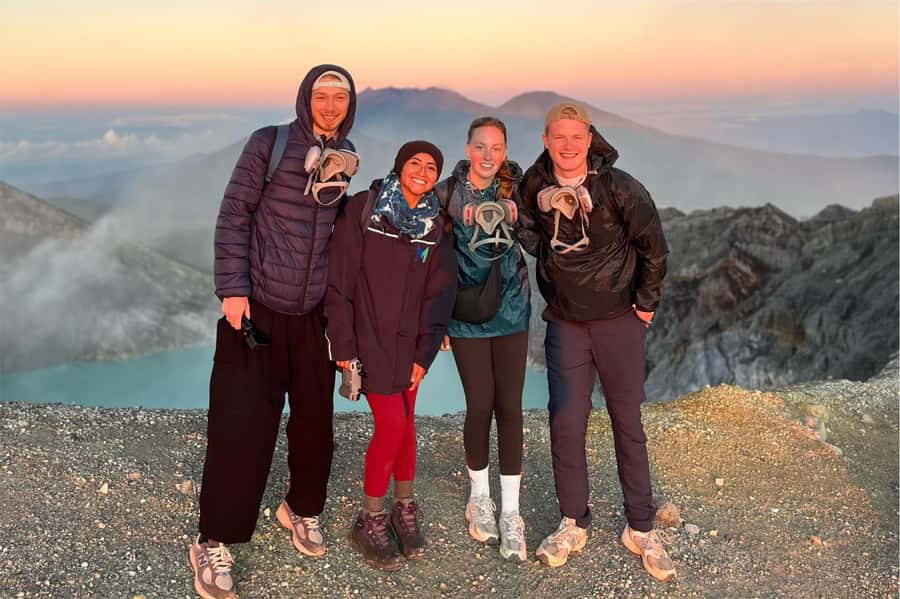
- Sunrise over Ijen’s acid lake with wide crater views as the sky lightens
- Gas mask + headlamp included so you’re not scrambling last minute
- A real chance at blue fire (not guaranteed) inside the crater
- Sulfur miners at work carrying rock as part of the daily routine
- English-speaking guides who help keep the group together on tough stretches
- Hotel pickup and a health check certificate, plus entry fee covered
Mt. Ijen Sunrise: why this feels different
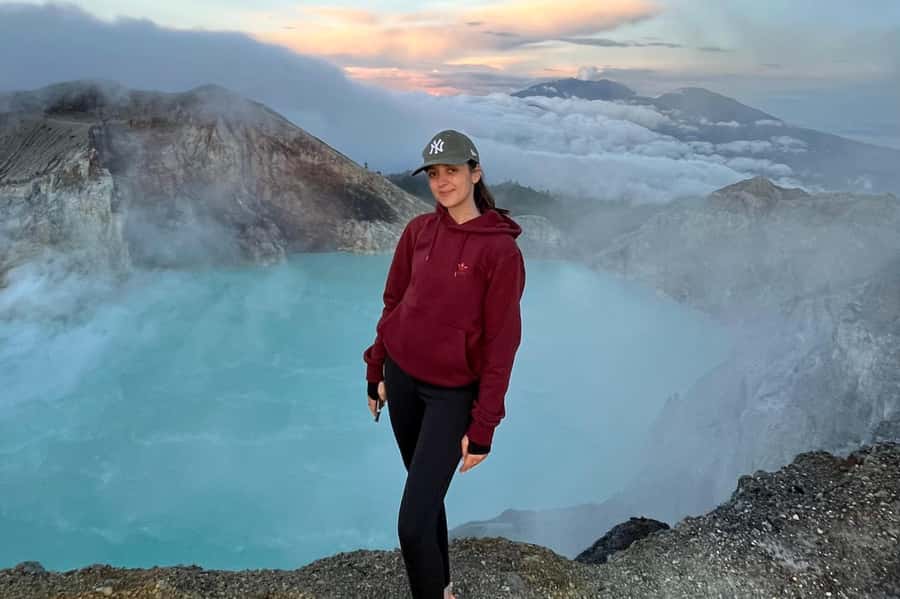
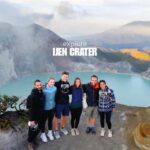
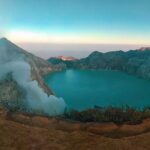
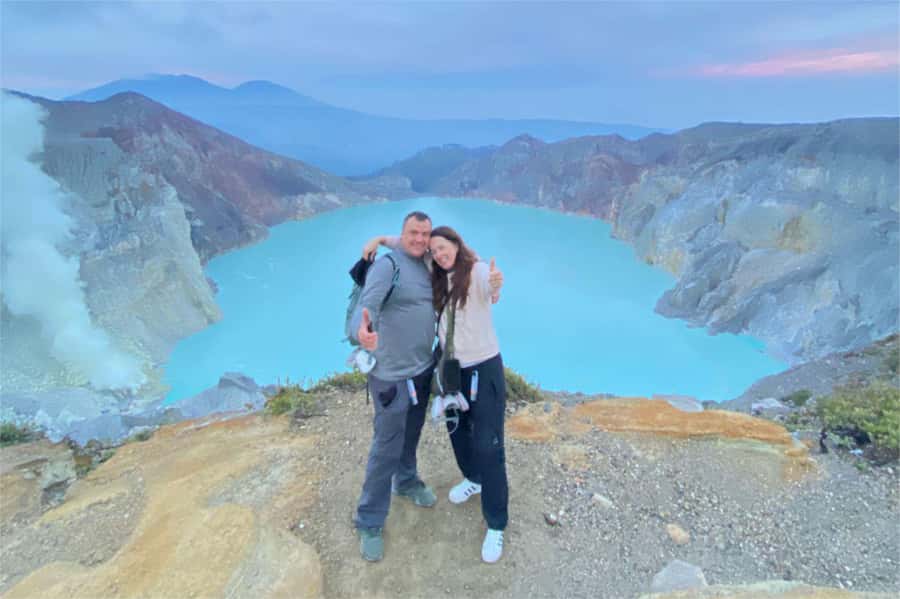
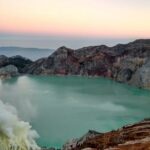
Ijen is one of those places that’s hard to describe until you’re standing there. You’re not just “seeing a volcano.” You’re arriving in the pre-dawn dark, climbing while the air is still cool, and then watching sunrise roll over the crater lake—the largest acid lake in Java—turning the whole scene from eerie to electric.
What makes this hike click for me is the mix: sunrise timing, the crater itself, and the human scale of the sulfur mining below. The tour also gives you the tools to do it safely, with a gas mask and headlamp provided for the main crater moments.
You can also read our reviews of more tours and experiences in Banyuwangi.
The overnight pickup and the health check that keeps things sane
Most Ijen mornings don’t start at a reasonable hour. You get picked up from Banyuwangi (within the city area) from your accommodation in the middle of the night, then it’s about an hour by van toward the volcano area.
A nice detail here is the included health check and the health check certificate. In practical terms, that means you’re not scrambling to figure out what the rules are right before you hike. It also helps the whole trip run smoother when people have different comfort levels with steep, cold conditions.
The 1.5-hour climb: steep, cold, and why shoes matter more than courage
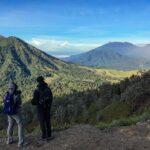
The main hiking part is about 1.5 hours to reach the summit area. This isn’t an easy stroll; it’s a moderately challenging climb with steep sections, and you’ll be moving before sunrise in low light.
This is where your planning pays off. Comfortable hiking shoes matter more than you think, and warm clothing is key because temperatures can be quite low. You’ll also rely on the tour’s headlamp for footing in the dark.
What I find reassuring is how much guide support seems to matter on this route. Multiple people praised guides for keeping the group together, pacing breaks, and staying with anyone who needed to slow down. If you’re worried about the climb, this kind of hands-on guidance can turn “I’m nervous” into “I can do this.”
Reaching the top: crater views and what you’re actually looking at
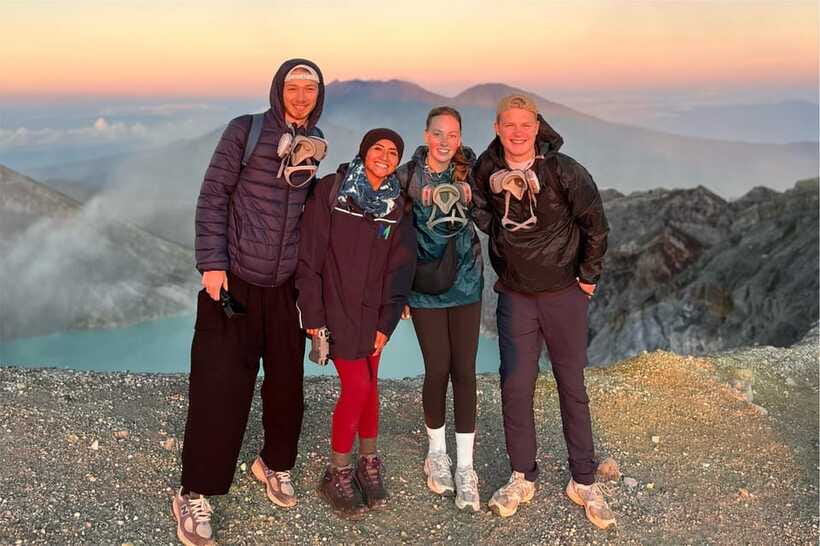
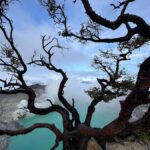
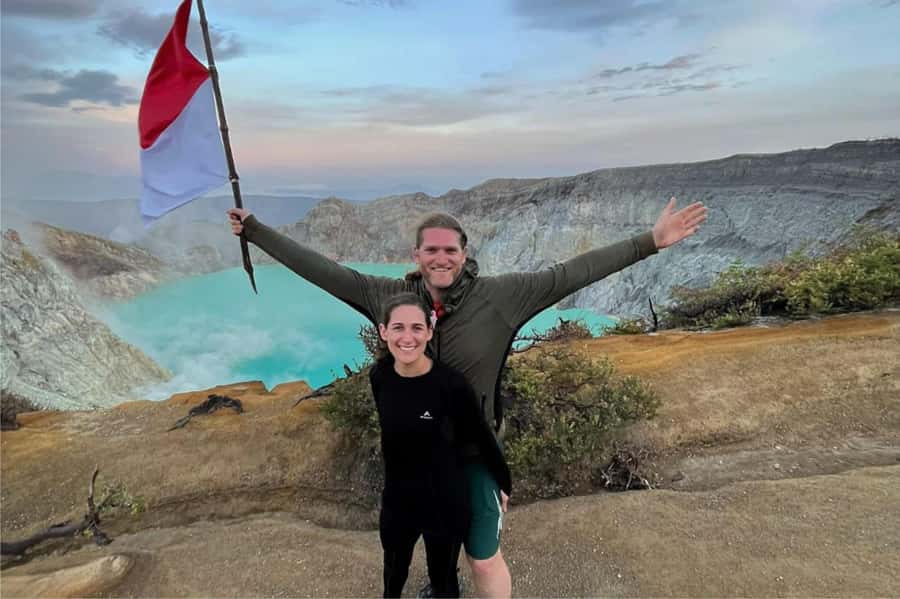
Once you’re up, there’s time for about an hour of sightseeing around the crater area. This is when the big visuals start to make sense: the crater setting, the geometry of the slopes, and the stark contrast between the steam, the dark rocks, and the early light.
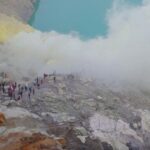
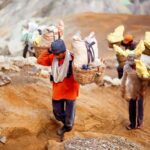
You’re also close enough to observe how sulfur mining works in real life. The tour experience includes seeing local miners carrying sulfur rock—work that’s physically demanding and done to support their families. Seeing that human labor up close changes the feeling of the trip. It stops being just a photo mission and becomes a moment you watch carefully, then remember.
Blue fire at Ijen: the best gamble on the schedule
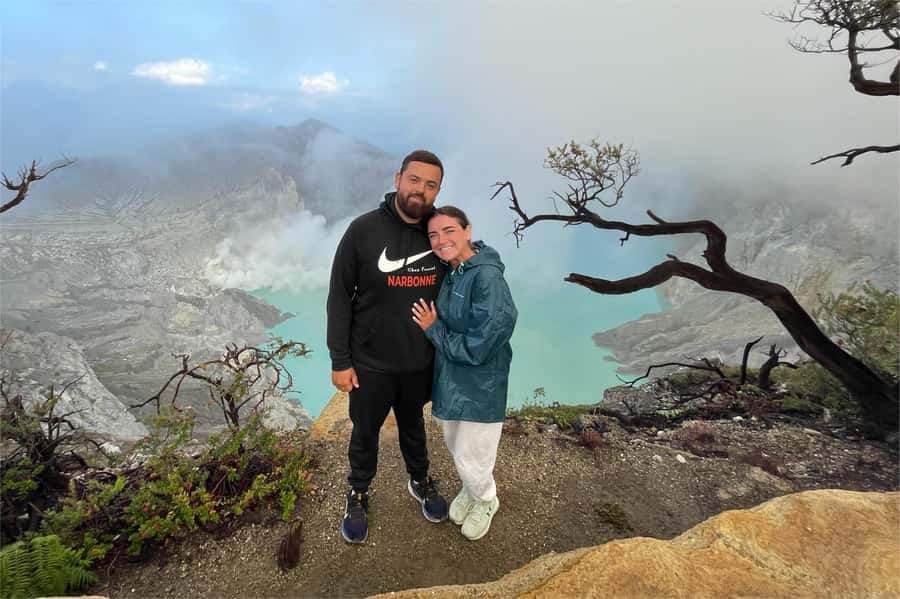
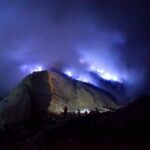
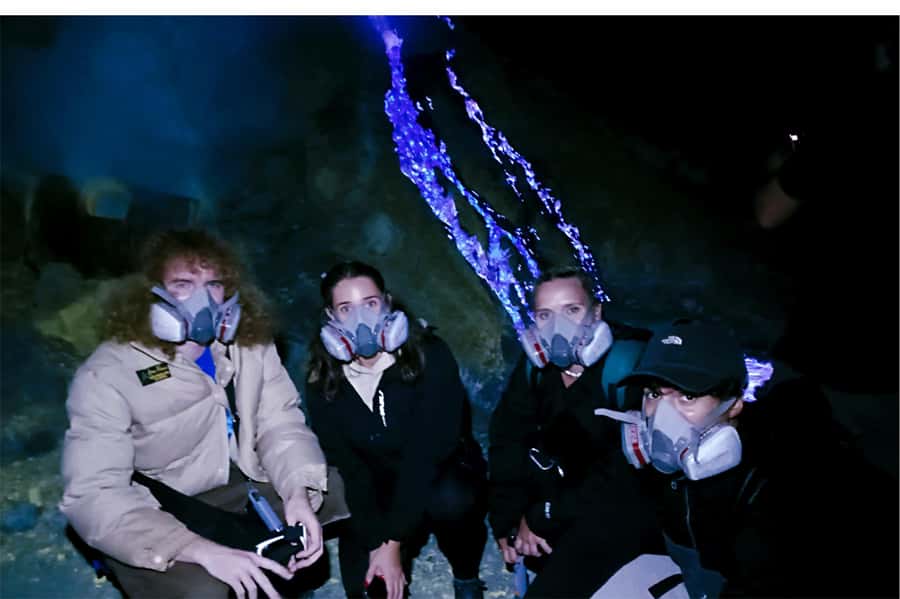
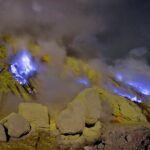
The crater’s famous “blue fire” is the highlight people talk about. In this tour format, you get the chance to see it on a clear, lucky day—but it’s explicitly not guaranteed. That matters because you’re likely paying for the whole sunrise experience, not only for a specific outcome.
To have the best odds, you need to be ready for the crater conditions and follow your guide’s instructions. You’ll also have that gas mask for the crater area, which is there for a reason. Even if you’re hoping for blue flames, the safer mindset is to focus on what you can control: timing, gear, and staying with your guide.
If you do spot it, you’ll understand why people get emotional about it. The effect is surreal—an otherworldly glow in a place that already looks like the end of the world. And even when blue fire isn’t visible, sunrise over the acid lake and the miners’ activity still make the visit worth it.
The descent and getting back by 8:30 AM
After your crater time, you hike down and return to the parking lot. The downhill walk can feel harder than expected because it’s steep and you’re tired—especially after a cold nighttime climb.
The tour then brings you back to Banyuwangi, with arrival around 8:30 AM. That’s a practical finish time. You can still use the rest of your day without losing it entirely to the volcano.
Gear, guide, and safety: what’s included and what you should watch for
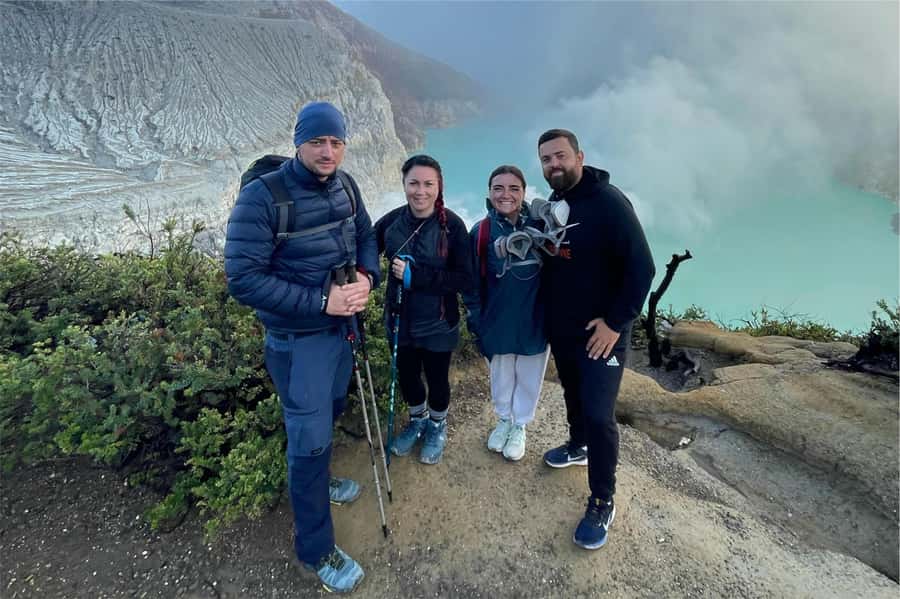
This tour includes a lot of the items that matter for Ijen mornings:
- Gas mask
- Headlamp
- Hiking guide
- Entry fee
- Health check certificate
- Hotel pickup & drop-off
Having the gear included is a real value point. Instead of buying or borrowing equipment in a town you might only visit once, you show up and start the night hike with what you need.
One caution: the route depends on visibility. A reported issue in one past experience was a headlamp battery failing on the dark portion, which turned into an unsafe feeling moment for that person. You can’t eliminate every risk, but you can reduce it by being alert to how your headlamp is performing and telling your guide if anything feels off.
Price and value: is $28 a fair deal for 8 hours?
At $28 per person for roughly 8 hours, the value comes from three places: transportation, professional guidance, and the gear/fees bundle.
You’re getting:
- pickup and drop-off from Banyuwangi
- a guide for the climb and crater time
- a headlamp and gas mask
- entry fee and health check certificate
That means your cost isn’t just paying for views. You’re also paying for logistics that would be annoying (and sometimes confusing) to handle on your own, especially with the early start and safety requirements.
If you’re the type who likes to show up and follow a plan, this price feels reasonable. If you’re an experienced hiker who already has crater-ready equipment and knows the timing well, you might question the cost—but most people don’t start Ijen mornings that way.
Who should book this Ijen sunrise hike?
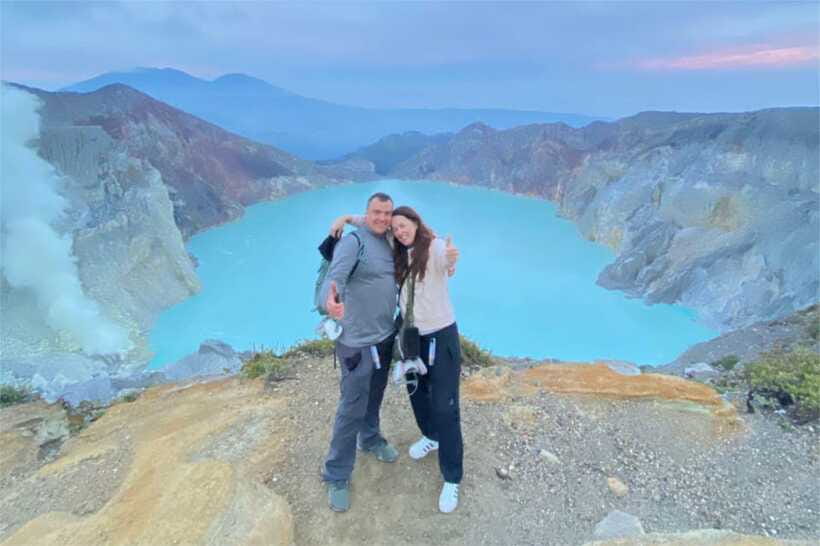
This tour fits best if you:
- want sunrise over Ijen and a shot at blue fire
- are comfortable with a steep climb and a moderate fitness level
- appreciate a guide who keeps the group together and helps with pacing
- want a straightforward day with pickup and drop-off handled
It’s not a good fit if you have heart problems or respiratory issues. The tour itself flags this clearly, and it’s because the conditions at Ijen demand physical effort and caution.
Also, if you’re prone to getting cold in early hours, plan for it. Warm clothing is recommended, and you’ll appreciate layers that stay effective while you wait for sunrise.
What to bring (so you don’t regret it at 2 AM)
Keep your packing simple and practical. The tour recommends:
- Comfortable shoes
- Warm clothing
- Passport (a copy is accepted)
That’s the core list. If you treat those three items like non-negotiables, you’ll feel more confident on the climb, during crater time, and on the descent.
Should you book this Mt. Ijen sunrise hike?
Book it if you want the full Ijen morning experience: the dark-to-dawn rhythm, guided safety support, crater views, miners at work, and the chance—never the promise—to see blue fire.
Skip it if you can’t handle steep, cold conditions or if you fall into the heart/respiratory categories the tour doesn’t recommend. And if you’re sensitive to night hiking logistics, don’t ignore that: the route relies on headlamps and clear guidance.
If you match the fitness level and want a well-run, gear-included sunrise trip, this one is a strong choice.
FAQ
How long is the Mt. Ijen sunrise hike tour?
The duration is about 8 hours total.
What’s the pickup like from Banyuwangi?
You’ll get hotel pickup in Banyuwangi, and the schedule starts in the middle of the night. It includes transport by van toward Ijen.
Is seeing the blue fire guaranteed?
No. There’s a chance to see the mystical blue fire on a clear lucky day, but it is not guaranteed.
What’s included in the price?
Hotel pickup and drop-off, gas mask, headlamp, entry fee, hiking guide, and a health check certificate.
What should I bring?
Bring comfortable shoes, warm clothing, and your passport (a copy is accepted).
Is the hike suitable for everyone?
No. It is not suitable for people with heart problems or respiratory issues. The climb is moderately challenging and needs a good level of fitness.