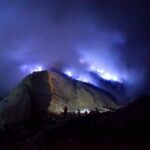
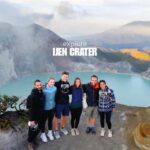
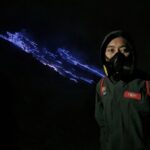
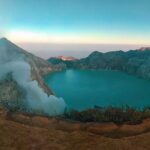
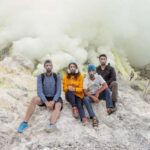
Blue fire in Java feels unreal. This guided Mt Ijen hike is a long night drive, a tough trek, and then the kind of otherworldly crater scene that makes you blink twice—blue fire (not guaranteed), sulfur miners at work, and that famous turquoise lake. I also love how the experience is led with serious energy from guides like Qim Qim (also seen as Haqim), plus backup support such as Malik and Raffi, so you’re not just wandering in the dark.
I like the balance here: you get a real cultural look at volcanic mining, not only a photo stop. The sunrise portion is timed for crater-rim views, and the guide’s explanations turn the cold wait into something you actually understand. The main drawback is the crater descent piece: after recent instability, going down toward the bottom depends on conditions, sulfur fumes being judged safe, and your physical fitness for a steep drop (900 meters). If you’re not up for that, you’ll need to take the safest option your guide allows.
In This Review
- Quick Highlights: What Makes This Ijen Tour Worth Your Early Wake-Up
- How the Mt Ijen Blue Fire Hike Runs From Banyuwangi
- Night Trek Gear: What’s Included and What You Must Bring
- Arriving at Ijen: Briefing, Volcano Monitoring, and the Descent Call
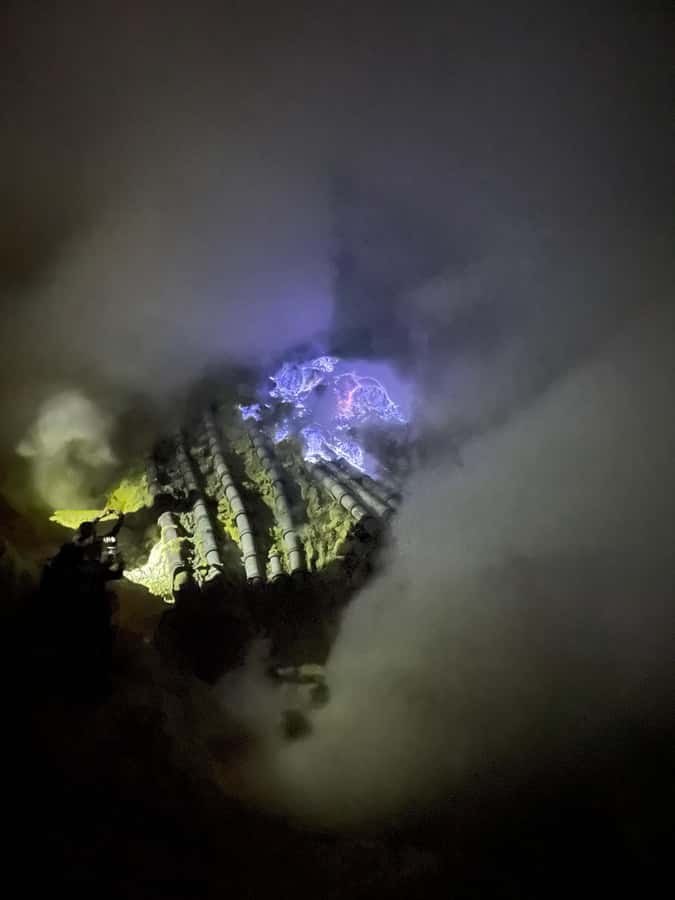
- Sulfur Miners, Turquoise Lake Views, and the Blue Fire Odds
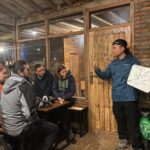
- The Sunrise Viewpoint: Coffee, Photos, and Explanations in the Cold
- Crowds, Timing, and Why This Tour Keeps the Group Moving
- Difficulty and Fitness: Who This Is For (and Who Should Rethink It)
- Price and What About $20 Really Covers
- Practical Tips to Make Your Ijen Morning Less Painful
- Should You Book This Mt Ijen Guided Tour?
- FAQ
- What time does pickup happen?
- How long is the tour?
- Where do you start the hike?
- Is blue fire guaranteed?
- Can you go down into the crater?
- What’s included in the price?
- What should I bring?
- Is there a food plan during the tour?
- Are there any days when the volcano is closed?
- Is the tour suitable for everyone?
Quick Highlights: What Makes This Ijen Tour Worth Your Early Wake-Up
- First-group timing: you’re set up to reach the important spots early, before the big rush.
- Blue fire is a bonus, not a promise: miners sometimes dampen it to keep work efficient.
- Sulfur miners up close: you’ll see traditional harvesting methods right on the volcano.
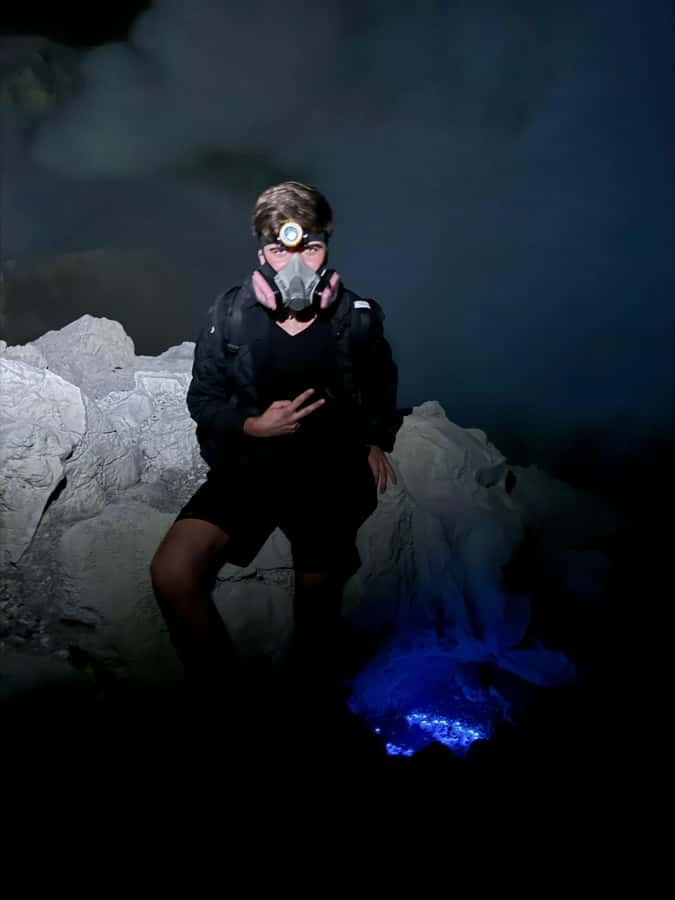
- Safety gear included: gas mask, headlamp, and a guide who keeps you on schedule.
- Sunrise viewpoint + coffee: warm coffee/tea at the viewpoint while you watch the crater come alive.
- Cold, steep, and slippery: night temperatures can be around 8–13°C, and traction matters.
How the Mt Ijen Blue Fire Hike Runs From Banyuwangi
This tour is built around one simple idea: you can’t see much at Mt Ijen unless you’re there before the crowd and before the world turns bright. Expect pickup from several Banyuwangi-area locations in the 23:00–23:30 window, then a shared-car drive toward the Ijen area. You arrive at the parking spot around 01:30, get a briefing, and then begin the climb just after 02:00.
The rhythm is clear once you’re moving. You’ll hike up in darkness with a headlamp, reach the main crater area early enough for the first wave of activity, then descend back to the parking area and shift into a second push: the sunrise viewpoint. The whole thing is about 9 hours door-to-door, ending with return to Banyuwangi around 09:00.
That long schedule is not a gimmick. It’s the whole value. Blue fire tends to be hardest to catch as crowds, flashlights, and timing chaos increase. And sunrise is best when you’re already in position with time to look, not sprint for it.
You can also read our reviews of more tours and experiences in Banyuwangi.
Night Trek Gear: What’s Included and What You Must Bring
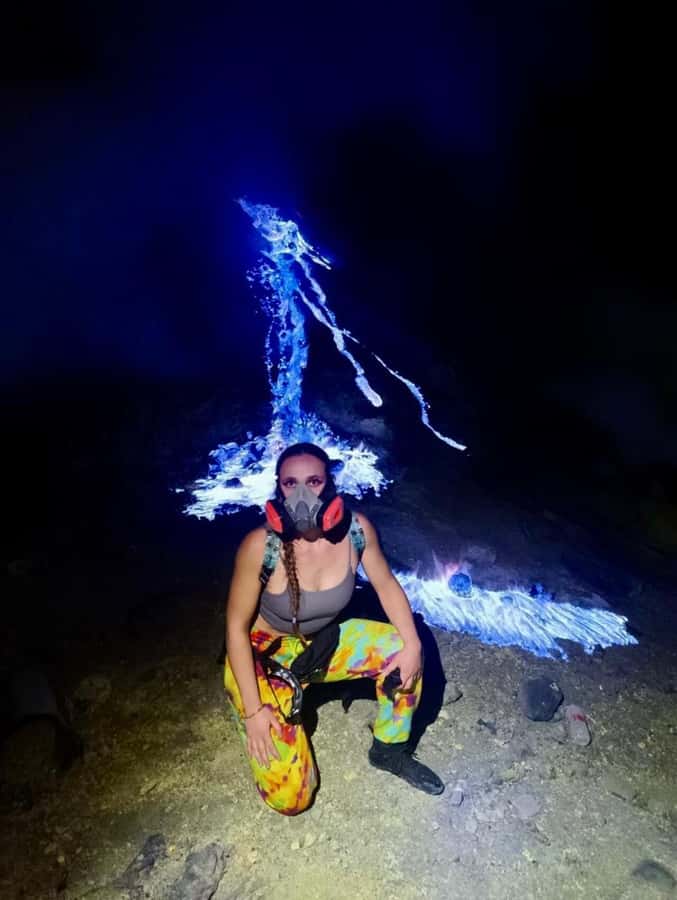
The tour hands you the key survival tools. You’ll get a headlamp and a gas mask, plus entry into the Mount Ijen National Park and parking fees. An English-speaking guide (with Indonesian and Malay also used) handles the route, timing, and the safety call if crater conditions change.
Still, the gear list you pack matters just as much. Night starts are cold. Plan for early-morning temperatures around 8–13°C, and bring warm layers: a jacket plus warm clothing that you can keep on during the hike. Long pants are a must, and hiking shoes are strongly recommended. Wear something grippy—one review specifically called out that old trainers can feel sketchy on loose ground.
Bring drinks and some cash. Food and drinks are not included, so if you’re thinking you’ll snack your way through the wait, you’ll want to bring something yourself. Also bring a jacket even if you think you’re tough. The cold hits differently at the crater rim.
Arriving at Ijen: Briefing, Volcano Monitoring, and the Descent Call
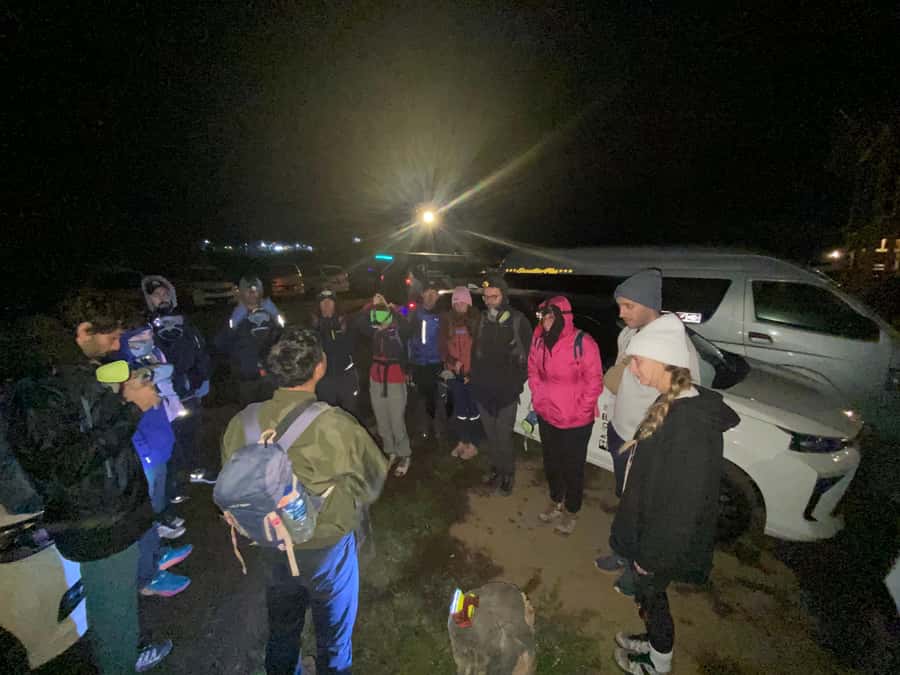
At about 01:30, you’ll reach the Ijen parking area and do a briefing session. You get time to relax before the hike starts. This is also where the reality of Mt Ijen kicks in: it’s an active volcano with shifting conditions.
There’s an important safety notice tied to recent earthquake impacts. If conditions are judged unsafe, you might not be allowed to go all the way down. Even when descent is permitted, it’s only allowed if sulfur fumes are considered safe and if you’re physically fit for the steep 900-meter descent. You also need no fear of heights, and asthma or heart conditions are flagged as issues.
So what happens if descent isn’t allowed? You’ll still do the core tour—hike, crater observation area, miners you can see from the right viewpoints, and sunrise from the crater rim area. The experience may feel a bit different depending on conditions, but the focus stays on safe access and seeing what you can at the time you’re there.
Your best move is to listen fast, follow instructions, and avoid turning the safety rules into a debate. On Ijen, that’s how you get to see more, not less.
Sulfur Miners, Turquoise Lake Views, and the Blue Fire Odds
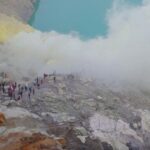
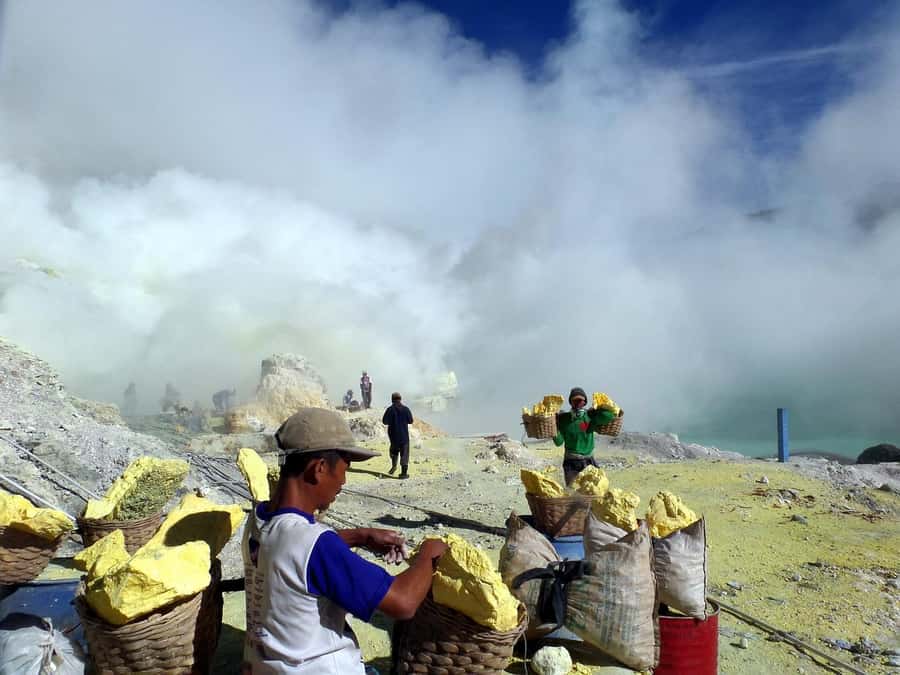
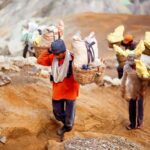
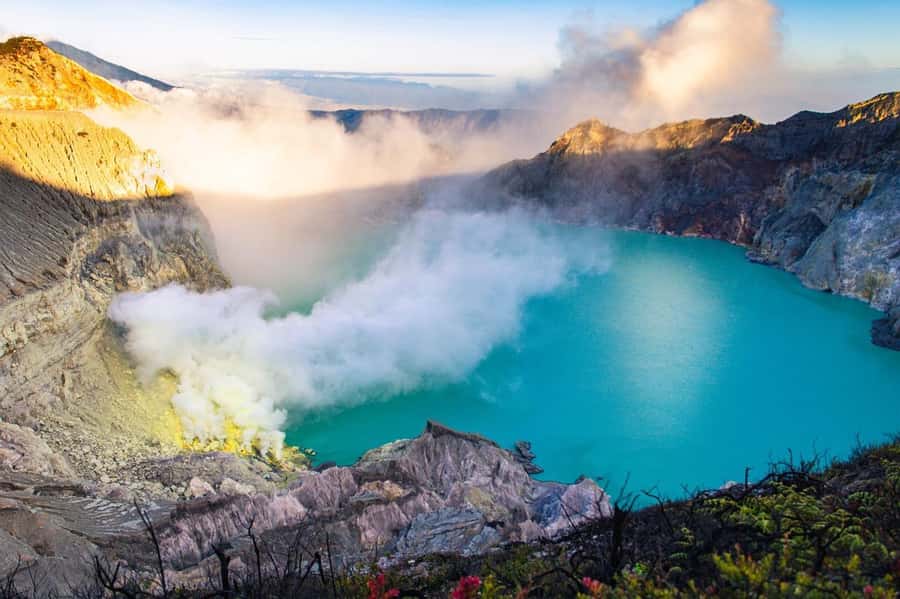
This is the main reason people do Mt Ijen. You’ll walk into a volcanic world where sulfur mining is still done with traditional methods. You’ll see miners harvesting sulfur at work, and your guide explains how the volcano behaves and why the crater environment is so harsh for people (and for your lungs).
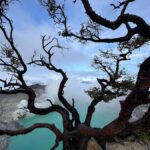
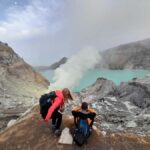
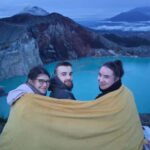
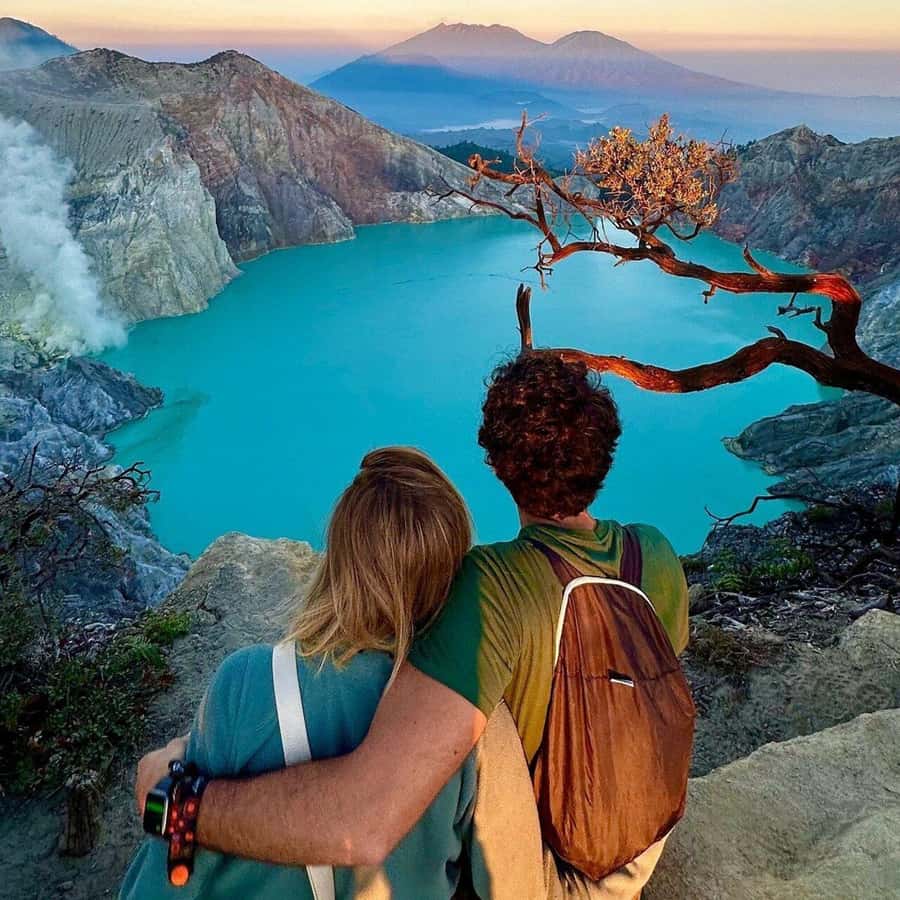
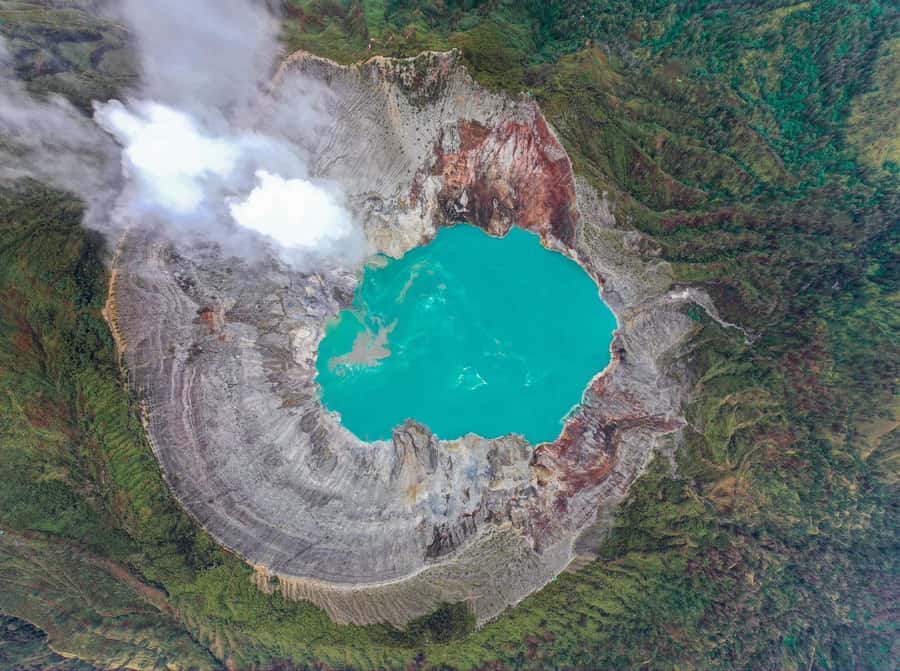
The lake is one of the most striking features. From the viewpoint areas around the crater, it’s described as a stunning turquoise lake set inside the Ijen setting. Even when you’re cold and tired, that color tends to stop the group chatter.
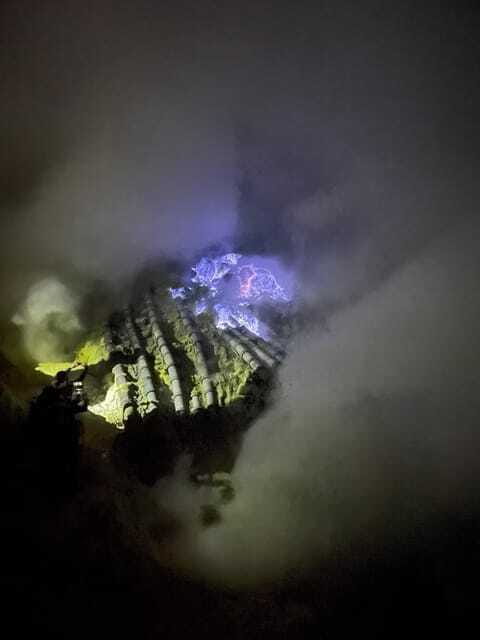
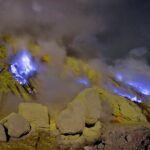
Now the blue fire. You can be lucky—or you can get a crater scene without it. Blue fire is not guaranteed and depends on volcanic activity. Add in another real-world factor: miners sometimes extinguish the flames to preserve sulfur mining productivity. That means you’re paying for a guided crater experience that includes a chance at blue fire, not a guaranteed fireworks show.
The other practical truth: the blue fire area is also the area where fumes are strongest. That’s exactly why the tour includes a gas mask and why descent rules exist. Think of the mask as part of the show, not an inconvenience.
The Sunrise Viewpoint: Coffee, Photos, and Explanations in the Cold
After reaching the crater area early morning hours, the tour shifts you into the sunrise plan. You’ll start climbing toward the sunrise viewpoint around 04:00–04:30. Around 05:00, there’s a coffee break at the viewpoint, with hot coffee or tea prepared and served by the guide.
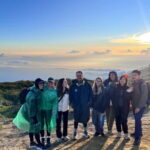
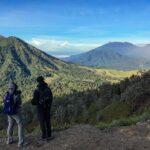
Then comes the best part for many people: sunrise between about 05:00 and 06:00. This is where you get panoramic crater-rim views from roughly 2,386 meters above sea level. Your guide shares history of Ijen Volcano and points out what you’re seeing, so the sunrise is not just pretty—it’s informative.
In the dark, you’ll be taking photos and getting your footing. In the dim-to-bright transition, you’ll be looking outward and trying to spot the textures of the crater walls, the mining activity below, and the lake color changing in the light. Even if weather isn’t perfect on your day, you’ll still get time for photos and guided context during that sunrise window.
And yes, some days sunrise might not fully show. That doesn’t erase the crater experience. The crater at first light is still a strong payoff.
Crowds, Timing, and Why This Tour Keeps the Group Moving
Mt Ijen gets busy. The climb is narrow in places, and once crowds pile in, you can end up waiting. This tour’s schedule is designed to help you avoid the worst timing: you go early enough to reach the important areas before the biggest waves.
That early access is one of the most praised parts of the experience in the guidance style and team pacing. Guides like Qim Qim are known for keeping the group moving and for building morale while you’re tired. The goal is simple: get you to the blue fire spot window and the sunrise viewpoint with enough time to actually see things, not just pass through them.
One practical caution: even with early timing, you may still face some waiting. If your plan depends on a totally empty crater, build in some flexibility. The tour helps, but Ijen is one of Indonesia’s most famous volcano experiences, so crowds are part of the deal.
Also note a key calendar point: Mount Ijen is closed every Friday of the month. If you’re planning around that day, you’ll need another option.
Difficulty and Fitness: Who This Is For (and Who Should Rethink It)
This is not a casual walk. The trek to the crater is physically challenging, and the tour specifically recommends moderate fitness. If you’re comfortable with hills and steep, uneven ground, you’ll likely be fine if you pace yourself.
But the descent rules raise the stakes. If the guide decides descent into the crater bottom is permitted, it’s only if sulfur fumes are deemed safe and you can handle a steep 900-meter descent. That’s where fear of heights becomes a dealbreaker. Asthma and heart conditions are listed as reasons you should not join.
The tour also isn’t suitable for children under 7, pregnant women, people with mobility impairments, or wheelchair users. If you’re worried about your ability to climb and descend safely, be honest before you book.
A couple of small choices make a big difference:
- Wear grippy shoes (loose ground can feel slippery).
- Don’t start fast. Start steady, then keep the pace consistent.
- Keep your mask on as instructed. Don’t treat it like a safety accessory you can ignore.
For me, the best part of this “difficulty” is that it’s earned. When you reach the crater and sunrise viewpoints, you feel the payoff in your legs and lungs. It’s earned, not handed to you.
Price and What About $20 Really Covers
At about $20 per person, this tour is priced low enough to be tempting—but it’s also priced fairly given what’s included. You get pickup and drop-off, entry fees to Mount Ijen National Park, a guide (English-speaking), gas mask, headlamp, health certificate, parking fees, and coffee or tea at the viewpoint.
What’s not included is food and drinks, plus tipping for the guide. Since you’re hiking for hours and you’ll be outdoors in cold conditions, you’ll want to plan snacks and hydration so you don’t feel empty later in the day.
Here’s the value logic: if you were to piece together transportation, park access, and basic gear, the cost would likely jump. The guide is also not just for direction. They manage safety calls, timing, and how long you spend at key spots—especially important when blue fire can’t be guaranteed.
So I’d think of this tour as: you’re paying for access plus competence plus timing. Blue fire is a chance, not a product feature you can demand.
Practical Tips to Make Your Ijen Morning Less Painful
A midnight start can feel wild on paper. In practice, the guide’s job is to keep you awake, keep you together, and keep you safe. Still, you can help yourself.
Bring warm clothing and long pants. Temperatures around 8–13°C can make you feel stiff fast. Pack hiking shoes with solid grip. Loose rock and slopes are no joke.
Also plan for schedule reality. You’ll be up and moving early, and you might be hungry when you’re done. Add snacks to your bag so you don’t have to rely on buying food there (food isn’t included).
If your accommodation is in the Ijen resort villas in the Licin area, there’s an extra cost noted: 150,000 IDR per group for pick-up. Plan for that if your hotel is there.
Finally, remember Friday closure. If you book for a Friday, you’ll be caught in the wrong timing window.
Should You Book This Mt Ijen Guided Tour?
Book it if you want the full Mount Ijen experience: the sulfur miners, the turquoise crater lake views, and sunrise from the rim—plus a structured, safety-first plan that gets you there early. This is also a great choice if you like guides who explain what you’re seeing and keep morale up while you hike in the dark.
Skip or rethink if you know you can’t handle steep climbs and possible descent, or if you have asthma/heart issues. Also reconsider if you hate cold mornings and you’re not willing to dress for it. And if your entire goal is only blue fire, keep expectations realistic—blue fire is possible, not guaranteed, and miners may extinguish it.
If you’re okay with a long, cold, challenging night for a volcano that feels otherworldly, this is one of the best ways to do it. You’ll come home tired. You’ll also come home with photos and stories that don’t feel like typical sightseeing.
FAQ
What time does pickup happen?
Pickup is from your Banyuwangi hotel area in the 23:00–23:30 (midnight) window. You should wait in the hotel lobby about 10 minutes before your scheduled pickup time.
How long is the tour?
The tour duration is about 9 hours total.
Where do you start the hike?
You arrive at the Ijen parking area around 01:30, then the hike to Mt Ijen begins around 02:00.
Is blue fire guaranteed?
No. Blue fire depends on volcanic activity, and miners sometimes extinguish the flames to support sulfur mining productivity.
Can you go down into the crater?
Crater descent depends on conditions and safety. After recent instability, descent is only allowed if sulfur fumes are judged safe and if you are physically fit to handle the steep 900-meter descent. You must follow the guide’s instructions.
What’s included in the price?
Included are pick-up and drop-off, entry fees (Mount Ijen National Park), an expert English-speaking guide, gas mask, headlamp, health certificate, coffee or tea, and parking fee.
What should I bring?
Bring warm clothing, hiking shoes, a jacket, long pants, drinks, and cash.
Is there a food plan during the tour?
No. Food and drinks are not included.
Are there any days when the volcano is closed?
Yes. Mount Ijen is closed every Friday of the month.
Is the tour suitable for everyone?
It is not suitable for children under 7, pregnant women, people with mobility impairments, wheelchair users, or those with low fitness. People with asthma or heart conditions and those with fear of heights are also flagged as not suitable for crater descent.