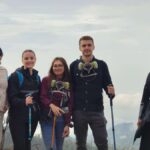
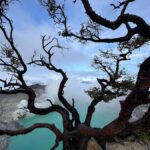
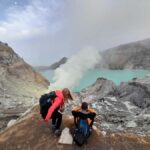
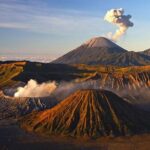
Savanna to sunset, all in one calm afternoon. Baluran National Park in East Java is one of those places where savanna feels worlds away from the city, and the sky turns into a photo-ready show at golden hour. You’ll also get plenty of time in different habitats, so it’s not just one view; it’s wildlife chances across savanna, forest, and mangroves.
What I really like is the small-group feel and the way the guide helps you slow down and actually look. You’ll get air-conditioned pickup/drop-off, an English-speaking driver/guide team, fresh coconut, and binoculars for spotting deer and birds. The one thing to plan for: Baluran’s national park ticket is not included, and you’ll also be walking and standing in tropical heat (around 28–35°C), so sunscreen and water matter.
In This Review
- Key things that make this Baluran sunset tour worth it
- Entering Baluran: how the timing sets you up for wildlife
- Bekol View Point and the evergreen forest stops: your first real “spotting game”
- Merak Hijau and Bekol Savana: where the park starts feeling like Africa
- Bama Mangrove Beach: the calm break that makes the sunset feel even better
- Padang Savana sunset: chairs, coffee, and the slow magic of golden hour
- Wildlife you should realistically hope for (and how to spot it without chasing)
- Price, value, and what you’ll add on for Baluran tickets
- Comfort tips that will make your afternoon smoother
- If weather disrupts things, here’s what typically happens
- Should you book the Authentic Sunset of Baluran tour from Banyuwangi?
- FAQ
- How long is the Baluran sunset tour?
- Where do they pick up and drop off?
- Is the Baluran National Park ticket included in the price?
- What wildlife and nature should I expect to see?
- What’s included in the tour price?
- How big is the group?
- What should I bring for the tour?
Key things that make this Baluran sunset tour worth it
- Small group (up to 5) means more time with the guide and fewer rush moments when animals appear
- Binoculars included so you can scan for birds and deer without guessing
- Three habitats in one trip: savanna lookouts, evergreen forest areas, and Bama Mangrove Beach
- Sunset viewing at Padang Savana with a real wait for the sky to change, plus coffee/tea at the viewing spot
- Guides work the wildlife rhythm (pausing, scanning, and moving quietly) so you have better odds than a stop-and-go drive
Entering Baluran: how the timing sets you up for wildlife
This tour is built around late-day conditions, which is exactly what you want for Baluran. You start in the early afternoon from the Banyuwangi area (pickups include Kalipuro as an option), then you head into the park for a mix of walking and viewpoint time. By the time you reach the main savanna areas, the light shifts from bright and hot to softer and more forgiving.
That timing matters because animal activity often changes as the day cools. In Baluran, deer and buffalo are the kind of animals you’ll want to watch patiently rather than sprint after. If you’re the type who enjoys slow observation—watching herds, scanning treetops for movement, and taking photos with a bit of breathing room—you’ll get more out of this.
It also helps that the group is small and the route includes multiple stops instead of one long drive and one quick viewpoint. You aren’t paying just to see a sunset; you’re buying time in the park’s different zones before the sky goes gold.
You can also read our reviews of more tours and experiences in Banyuwangi.
Bekol View Point and the evergreen forest stops: your first real “spotting game”
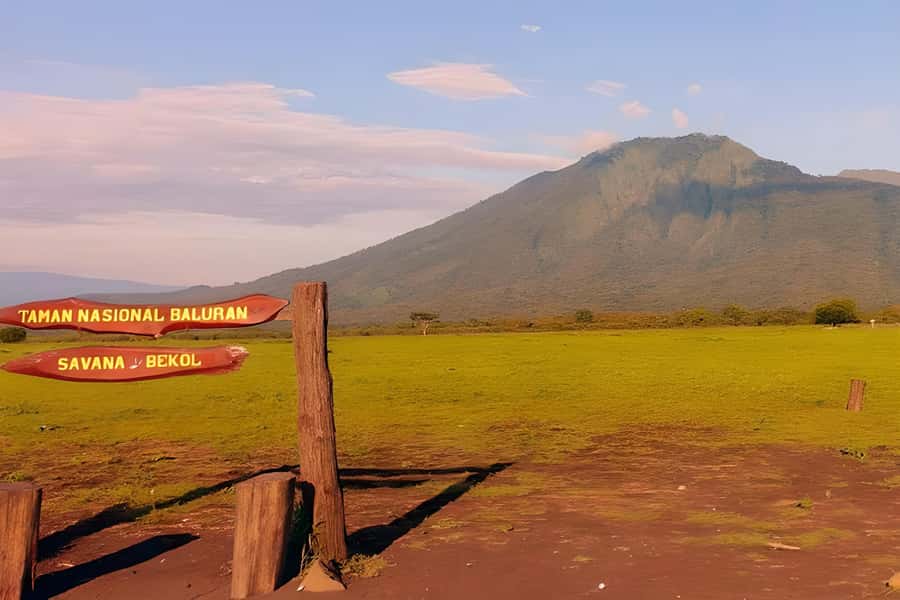
Early in the park visit, you’ll hit a viewpoint area around Bekol View Point. This is a classic “get your bearings fast” moment. Expect a mix of guided time and self-guided scanning, plus a short walk and chances to look out over the area with binoculars. This is where you start seeing the savanna rhythm: animals moving through golden grass, birds landing in open areas, and the park feeling bigger than you thought from the road.
Next comes a stop in the evergreen forest area. This part is important for two reasons. First, it adds variety: the forest changes what you see and where you see it. Second, birds and monkeys often show up in ways you can’t spot immediately unless you slow down and look up and across.
Based on what guides have done for past groups, your best strategy in these forest stops is simple: pick a spot, scan slowly, and let the guide point out what to watch for (tree lines, movement, calls, and bird behavior). You don’t need to be an expert. The binoculars do a lot of the work for you.
A possible drawback here is physical comfort. Even though the stops aren’t marathon-level trekking, you’ll still be in a tropical environment with sun and humidity. If you don’t pace yourself, the heat can steal your patience. Bring water from outside the park and reapply sunscreen during long viewing stretches.
Merak Hijau and Bekol Savana: where the park starts feeling like Africa
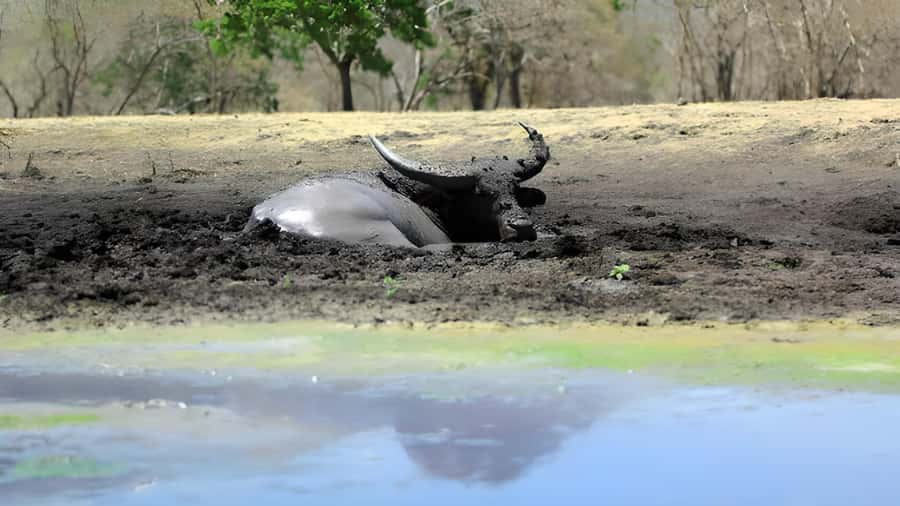
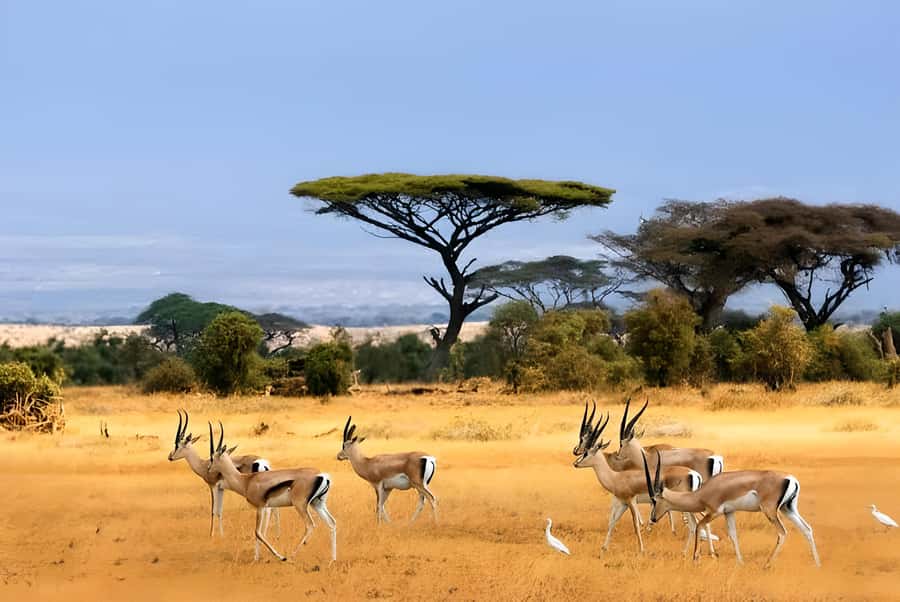
Once you’re deeper into the savanna side, the trip shifts into open-country viewing. This is where you get the “wow, savanna really exists in Java” feeling. You’ll move through areas that are known for big open vistas and animal sightings, including spots connected with Merak Hijau and Bekol Savana.
This is also a good phase for photography. The light is changing by late afternoon, and you get wide angles plus close-up moments if you find animals near the path or on open ground. The key is to keep your camera ready but your focus flexible. Animals don’t follow your shot schedule. The best photos usually come after a few patient minutes.
This is where the guide’s wildlife approach becomes obvious. In past trips, the guide team has worked hard to spot animals hidden in trees or grazing calmly on the plains. You’ll likely hear explanations about the animals’ behavior, and you’ll get conservation-focused context too—how Baluran’s ecosystem works as a system rather than a random collection of creatures.
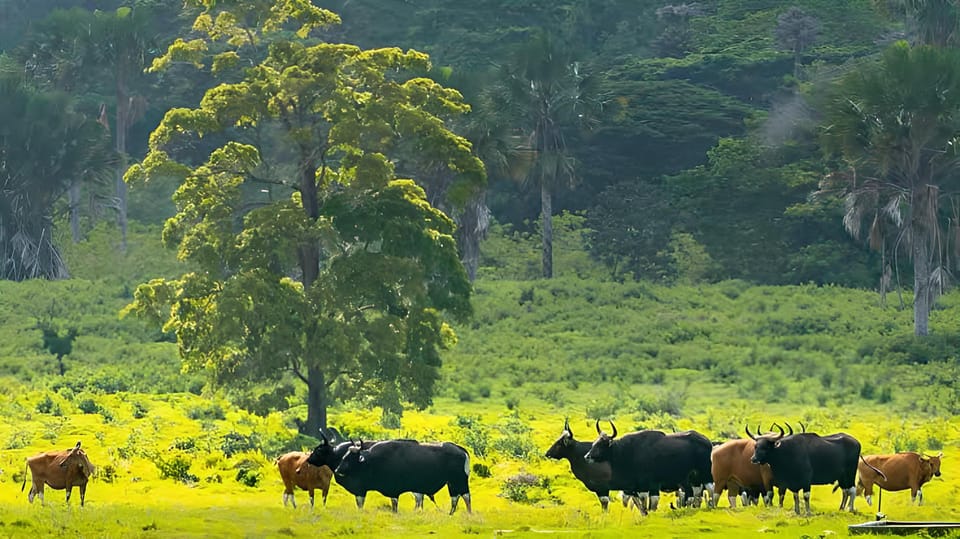
If you want to see more than the “obvious” animals, stay attentive between major photo stops. Deer and buffalo can appear around the savanna edges, and birds may pop up when you shift your scan area from ground level to mid-height branches.
Bama Mangrove Beach: the calm break that makes the sunset feel even better
Around late afternoon, you’ll head to Bama Mangrove Beach for a longer break. This is not just a quick pass-by. You get time to walk, take photos, and enjoy a slower pace near the mangroves.
The mangrove area is valuable because it changes the wildlife mix. Instead of focusing only on the open savanna, you shift to shoreline birds and mangrove-associated activity. You might also spot monkeys near the coast depending on the day. The vibe here is often quiet, which makes it a great reset after forest scanning and walking in the sun.
This stop also gives you breathing room from the heat. You’ll still want to keep water handy, but the beach-and-mangrove setting tends to feel more relaxed than the open plains. And since you’re later returning to the savanna for sunset, Bama works like a mental palate cleanser: you calm down, look around, and then you’re ready to fully focus when the light turns dramatic again.
One small practical note: this is a “bring your own pace” moment. If you’re hungry, snack, and if you’re thirsty, refill your bottle whenever you can. The tour includes a short food/drink setup later during sunset viewing, but the beach time is still your chance to handle your own energy.
Padang Savana sunset: chairs, coffee, and the slow magic of golden hour
The centerpiece is sunset time at Padang Savana. You’ll head out for the main viewing window in the late afternoon and settle in as the sky starts painting the savanna. This is the moment you came for: the wide views, the silhouettes, and that Baluran feeling of quiet grandeur.
What I like about this setup is that it’s not a 10-minute “snap and leave.” You’re given time to watch the sky change, and it’s the kind of viewing where you can actually notice wildlife reacting to the light shift. In past trips, people have seen animals appear at or after sunset—herds of deer and buffalo especially—so the best move is to stick around for the full show instead of rushing your departure the second the sun touches the horizon.
Some guides bring chairs and coffee/tea for the sunset wait, which turns it from a stressful timing mission into a comfortable viewing experience. Even if you’re not a “sit and watch sunsets” person, the savanna atmosphere makes it hard not to slow down.
If it’s cloudy or rainy, you may still get dramatic light changes and reflections. Baluran is tropical, so weather can change fast. The good news is the guide team can adjust timing when needed, and they’ve handled real weather disruptions like heavy rain without turning it into a wasted afternoon.
Wildlife you should realistically hope for (and how to spot it without chasing)
Baluran’s appeal is biodiversity you can actually see. From the tour experience, you should expect chances to see animals tied to the park’s mix of habitats, including:
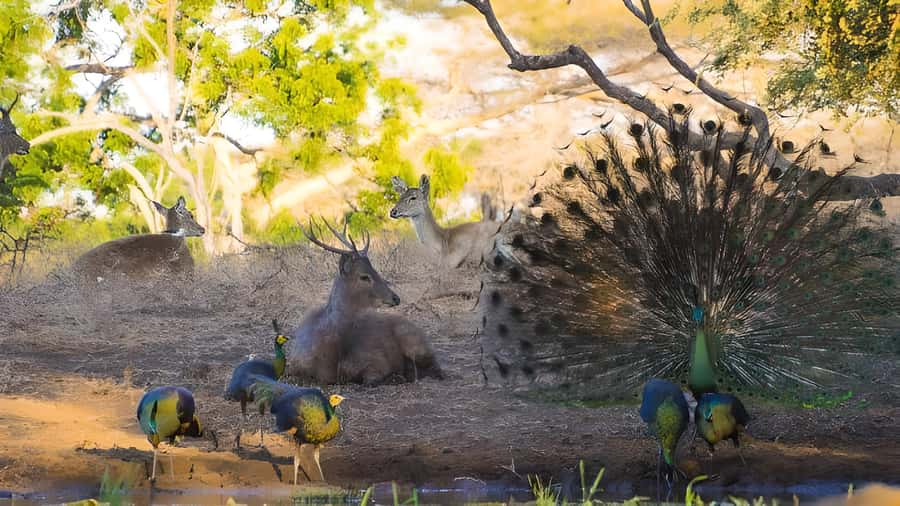
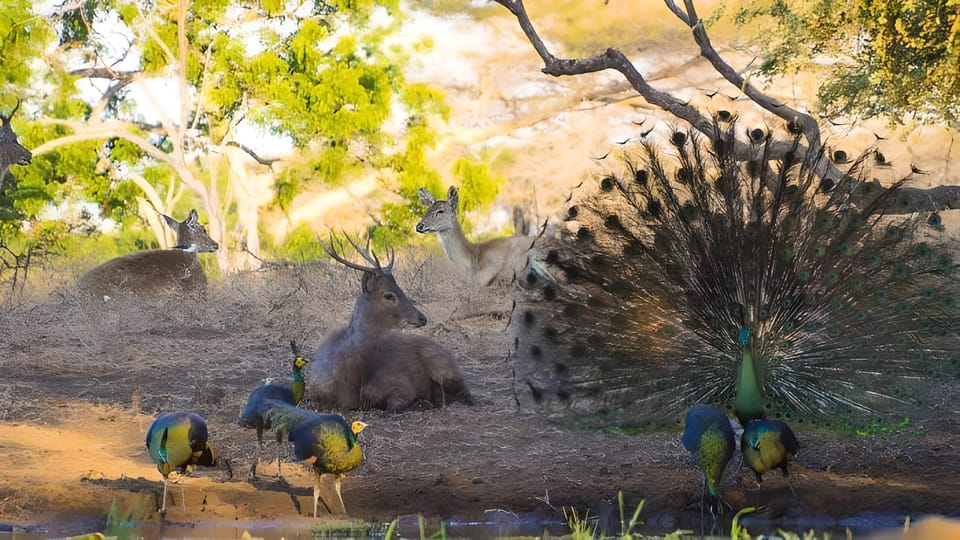
- Javanese deer
- Javanese monkeys, including lutung (and you may hear about langur as well)
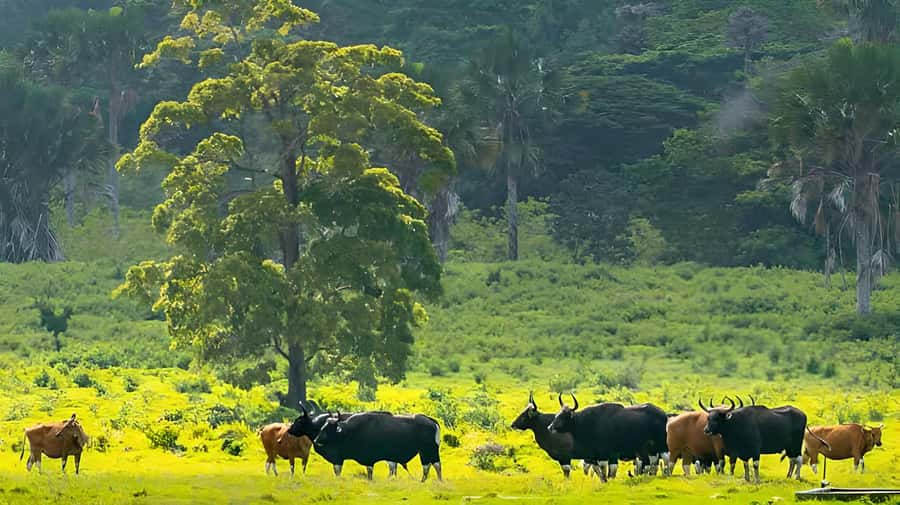
- Javan buffalo (often described as water buffalo in some contexts)
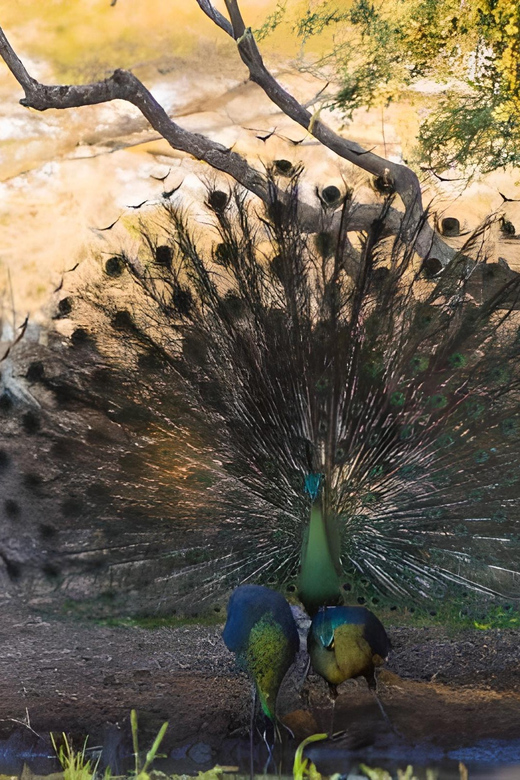
- Peacocks and other birds, including hornbill-type sightings in some cases
What you’ll do that makes these sightings more likely is simple: scan and pause. Use your binoculars during viewpoint moments, and rely on the guide for what to look for in trees, along edges of open ground, and near water. The guide approach used on successful trips leans toward working quietly and patiently—less noise, fewer sudden moves—so animals are more likely to keep doing what they were doing.
Also, don’t assume you’ll see the full menu instantly. Some animals are easier in forest edges; others show up more in open plains. If you go in expecting the day to be a sequence of small wins, you’ll enjoy it more.
Price, value, and what you’ll add on for Baluran tickets
The listed price is $35 per person for a 7-hour tour, which covers a lot of practical stuff: air-conditioned pickup and drop-off, transportation during the day, an English-speaking guide/driver, fresh coconut, and binoculars. That’s not nothing—especially in a region where getting around between stops can take time and effort.
The main extra cost is the Baluran National Park ticket, which is paid separately on the spot (IDR 225,000 per person). So, when you budget, remember you’re adding that ticket on top of the $35.
Is it good value? For me, it is when you care about more than one photo stop. You’re paying for a guided route that hits savanna viewpoints, an evergreen forest area, and Bama Mangrove Beach, then tops it off with sunset time. If you wanted to DIY this solo, you’d be dealing with park logistics and timing on your own. Here, the guide does the heavy lifting in planning the sequence and helping you watch, not just travel.
Comfort tips that will make your afternoon smoother
This tour is active in the “hot-weather way,” not the “trekking” way. You’ll be walking a bit and standing for viewing times, so pack smart:
- Bring water and small snacks
- Wear sunscreen and reapply if you’re staying out at the savanna viewing spot
- Bring your own light protection (hat/shades can help, even if the guide provides the viewing chairs)
Also, expect the day to include some shared transport, depending on how many people are in the schedule. That can add minor pick-up timing variations, but it’s normal for a shared small-group style day out.
If weather disrupts things, here’s what typically happens
Baluran weather can be unpredictable. There are examples of trips continuing during heavy rains, and there are also situations where an area can get temporarily affected (like wildfire closures). When that happens, the guide team’s job is to keep you safe and make the time count as much as possible—sometimes by waiting nearby and adjusting the route once access improves.
Your best move is psychological: don’t plan your entire East Java day around a perfect sunset moment being guaranteed. Think of the sunset as a goal, not a guarantee. You’ll still get wildlife spotting time across habitats.
Should you book the Authentic Sunset of Baluran tour from Banyuwangi?
Book it if you want an easy-to-manage day that mixes wildlife viewing with a real sunset payoff. This is a strong choice for nature lovers who enjoy small-group guidance, and for photographers who want savanna-and-mangrove variety instead of only one viewpoint.
Skip it or reconsider if you hate heat and standing still for long stretches, or if you want a hard schedule with no flexibility. Baluran is tropical, and the park day can shift with weather or temporary access issues.
One more deciding factor: guides matter here. Based on the names associated with high-rated trips (Denish, Qim Qim, Kiki, Ronron, and others), the most successful days combine patient animal spotting with friendly, practical guiding. If you’re the type who values being told what to look for—rather than just being dropped at a sunset spot—this tour fits.
FAQ
How long is the Baluran sunset tour?
The duration is 7 hours.
Where do they pick up and drop off?
Pickup is from hotels or homestays in the Banyuwangi city area, with two pickup location options including Kalipuro and Banyuwangi. Drop-off also includes Banyuwangi and Kalipuro.
Is the Baluran National Park ticket included in the price?
No. The Baluran National Park ticket is not included. You pay it on the spot (IDR 225,000 per person).
What wildlife and nature should I expect to see?
You can expect chances to see Javanese deer, Javan lutung monkeys, Javan buffalo, peacocks, and diverse bird species. The tour also includes mangrove and forest habitats where birds and monkeys may be seen.
What’s included in the tour price?
Included are air-conditioned pickup and drop-off, transportation between stops, an English-speaking guide/driver, fresh coconut, and binoculars.
How big is the group?
It’s a small group limited to 5 participants.
What should I bring for the tour?
Bring snacks, sunscreen, and water. The park is tropical, with temperatures around 28–35°C.