Kintamani descent: villages, rice terraces, and coffee. What I like most is the mostly-downhill route with two guides managing the pace and watching for hazards, and the way you get real village home visits plus coffee, lunch, and snacks. The main consideration is that some rural lanes are narrow and can be bumpy, so you’ll want good bike confidence and comfortable shoes.
You’ll get round-trip pickup from Ubud, then ride out toward Kintamani and back through areas that feel away from the main tourist traffic. Plan on a full day, roughly 7 to 9 hours, with lots of short cultural stops and a downhill push that makes the day feel more like countryside cruising than a big fitness grind.
In This Review
- Key highlights worth planning for
- Ubud to Kintamani: why this route feels more real
- What the pickup really changes for you
- The ride style: mostly downhill, but don’t treat it like a park path
- What to do before you roll out
- Stop-by-stop: coffee, temples, terraces, and village visits
- Stop 1: Greenbike Adventure coffee break with dietary options
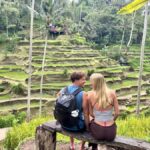
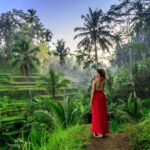
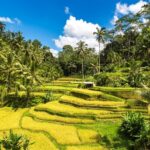
- Stop 2: Tegalalang rice terraces photo stop
- Stop 3 & 4: Abuan Kintamani ride start and a local home visit
- Stop 5: Taro village coffee and Gunung Raung Temple
- Stop 6: Bresela rice fields and irrigation systems
- Stop 7: Payangan finish at Hyang Api Temple
- Stop 8: Greenkubu lunch and the swing for photos
- Food and coffee: how it supports the day
- Guide quality: what “two guides” feels like on the road
- A small but real tip: listen for hazard warnings
- Manual bikes, comfort, and what to bring
- Wear and carry
- Fitness level: most people can do it, but bike comfort counts
- Price and value: why $33 can make sense here
- When to go and how weather affects your day
- Who this tour suits best
- Who should think twice
- Quick FAQ
- FAQ
- How long is the cycling tour from start to finish?
- Does the tour include pickup from Ubud?
- What food and drinks are included?
- Is the ride mostly downhill?
- What are the main stops during the day?
- What should I wear or bring?
- Should you book the Kintamani Cultural and Nature Cycling Tour?
Key highlights worth planning for
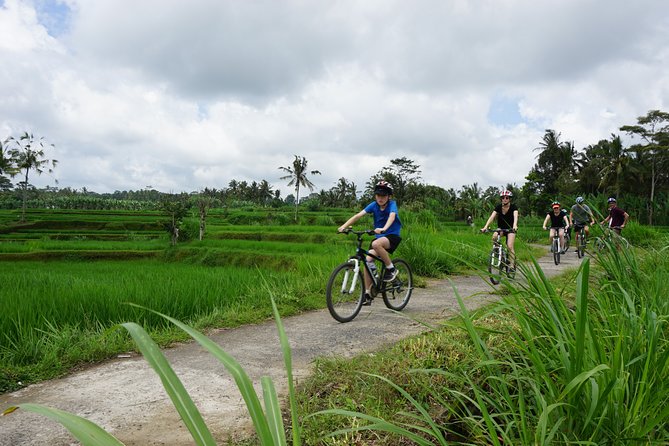
- Mostly downhill: the ride is built for an easy-going day, often described as about 95% downhill
- Two-guides safety setup: a lead guide up front and a sweep guide in back to keep people together
- Coffee stops that aren’t just a break: plantation coffee with options like pancake or smoothie bowls (including gluten-free requests)
- Rice-terrace photo time in Tegalalang: quick, scenic, and timed so you don’t lose the day
- Cultural stops beyond viewpoints: home visits and temple stops (Gunung Raung Temple and Hyang Api Temple)
- Lunch at Greenkubu plus a swing: end your day with food and an extra photo moment
Ubud to Kintamani: why this route feels more real
This tour works because it starts where most people in Bali base themselves—Ubud—then shifts you into a very different rhythm. Instead of staying in traffic and photo crowds, you’re driven up first, then you cycle downhill away from the busiest feel.
The “manual bike” part matters. This isn’t an e-bike day where you barely pedal. You’ll still be able to enjoy the ride, but you should be comfortable with basic bike control. If you can handle a normal road bike and keep your balance on uneven surfaces, you’ll be happy here.
You can also read our reviews of more tours and experiences in Ubud.

What the pickup really changes for you
Round-trip transport from Ubud means you don’t waste your limited energy (or scooter rental time) on getting out to the start area. You also show up with fewer logistics headaches: the guides handle the meeting point, and you can focus on the ride.
Also, you’ll likely bike with a small-to-medium group. There’s a stated max of 50 travelers, and the guides typically run with a front leader and a sweep. That setup tends to keep the day calm and reduce long stretches where someone gets left behind.
The ride style: mostly downhill, but don’t treat it like a park path
In practical terms, this is an easy-direction day: you’re descending for most of the route, so you’re not fighting steep uphill grades the whole time. Many people describe it as close to 95% downhill, which is exactly the kind of effort level that pairs well with a hotel spa appointment afterward.
Still, Bali countryside roads are not always smooth. Expect parts that can be narrow, with potholes or uneven patches. The guides do point out hazards, and that’s a big deal when you’re riding close to other bikes, vehicles, or just dealing with foot traffic near villages.
What to do before you roll out
Before you start pedaling for real, I’d do two simple things:
- Check the gears and shifting (a few riders have had mechanical issues reported, like gears slipping)
- Ask the lead guide about the trickiest lane sections and where to watch your line
You don’t need to micromanage the bike. Just treat it like any “manual bike” day: confirm it’s working, then ride smart.
Stop-by-stop: coffee, temples, terraces, and village visits
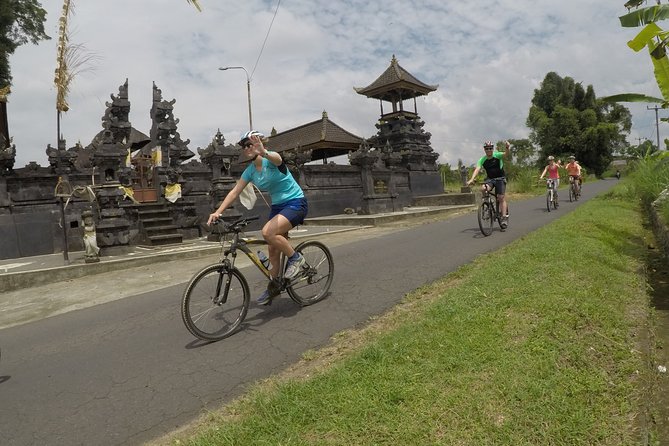
The stops are what make this more than a scenic downhill. They’re spaced so you get frequent moments to learn, snack, and see Bali beyond rice-terrace viewpoints.


Stop 1: Greenbike Adventure coffee break with dietary options
Your day typically kicks off with hotel pickup in Ubud, then a drive up for a coffee break at Greenbike Adventure. You’ll have coffee plus food like pancake or a smoothie bowl, and gluten-free can be requested.
This first stop is useful because it gets you fueled before the bike time starts. It also sets the tone: your guide’s stories are usually easier to follow after you’ve had something to eat and your body isn’t cold or stiff.
Potential drawback: if you’re sensitive to timing, try to stay ready for pickup changes. One review noted a driver arriving late, so keep your phone charged and be flexible.
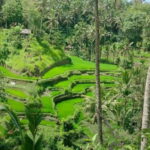
Stop 2: Tegalalang rice terraces photo stop
Next comes a short stop at Tegalalang for photos of the rice terraces. It’s quick—just enough time to capture the views and move on without turning the day into a sightseeing marathon.
Why this works: Tegalalang is famous for a reason, but long terrace wandering can slow the whole cycling schedule. Here, it’s treated as a moment, not a whole second tour.
Stop 3 & 4: Abuan Kintamani ride start and a local home visit
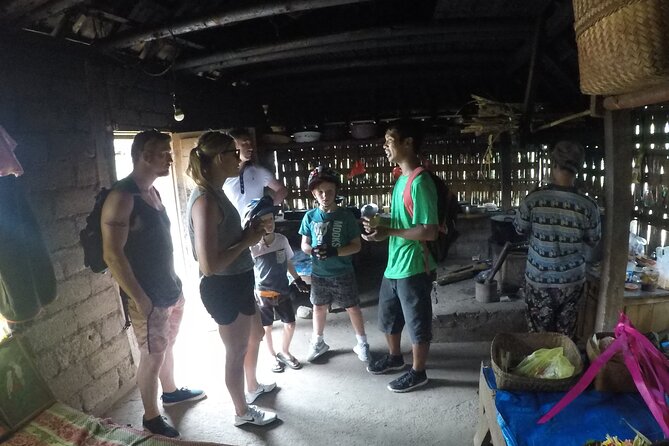
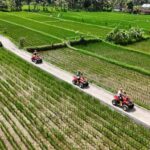
You begin the cycling portion from Abuan Kintamani village, then continue into another Abuan area stop that includes visiting a local house. These are the parts that most people remember because they show day-to-day life, not just postcard angles.
A home visit is also where your guide’s explanations land best: you see how daily routines and local values connect to what you’re passing—especially around agriculture and community life.
What to watch for: keep your pace relaxed during these stops. It’s tempting to rush photos and then feel behind later. A little calm helps you ride better in the slower village lanes afterward.
Stop 5: Taro village coffee and Gunung Raung Temple
In Taro village you’ll get another coffee break, plus a look at Gunung Raung Temple. This stop adds a strong cultural layer: the temples aren’t just scenic backdrops; they’re tied to daily practice and local belief systems.
The coffee break here is also a practical recharge. After you’ve cycled through rice-field edges and village paths, it’s nice to sit, sip, and reset before the next stretch.
Stop 6: Bresela rice fields and irrigation systems
At Bresela you stop in the rice fields to see the irrigation system—how water is managed for crops. This is one of the most educational stops because it helps you understand what you’re actually looking at, not just admire it.
Even if you don’t remember every explanation, the mental model sticks: rice terraces rely on water management, not magic. Once you grasp that, every terrace view starts making more sense.
Stop 7: Payangan finish at Hyang Api Temple
Your finish point is Hyang Api Temple in Payangan. A temple finish gives the day a clear ending—an intentional place to stop moving and let the final photos happen without feeling like you’re being rushed.
Stop 8: Greenkubu lunch and the swing for photos
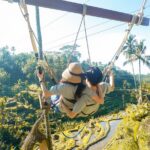
The day ends at Greenkubu Restaurant and Swing, where lunch is included. It’s also where you’ll likely take the last set of fun photos—especially with the swing feature—then you’re done with the hard part of the day: staying alert on the bike.
I love end-of-tour meals like this because they feel earned. After a mostly-downhill ride with stops along the way, lunch hits better than if you’d been sightseeing all day on foot.
Food and coffee: how it supports the day
This tour includes coffee, lunch, and snacks. That’s not just a nice bonus—it affects your comfort and energy.
- Coffee breaks keep you from getting tired too early, especially if you’re sensitive to heat
- Lunch at the end keeps you from needing to chase food afterward
- Snacks along the route help you avoid the energy crash that can happen after a long day
Bring a small backpack for your camera/video, as recommended. It helps you avoid carrying everything in your hands during stops.
Guide quality: what “two guides” feels like on the road
The guides are one of the biggest reasons this tour earns such high marks. Names that show up in the guide roster and rider stories include Gede, Ben, Wayan, Amin, Gudday, Yoga, and Madi.
What you care about as a rider is how they handle two things:
- Pacing and safety across narrow lanes
- Keeping the group together so no one feels stranded
A common pattern is a lead guide up front and a sweep guide behind. That means you’re not constantly waiting at each turn, but you also don’t get dropped into a new street alone.
A small but real tip: listen for hazard warnings
Guides often point out possible trouble spots—vehicles, tight corners, rough patches. It’s worth listening closely. Even if the ride is easy-direction, your best experience depends on smooth decision-making in the moment.
Manual bikes, comfort, and what to bring
This is the “ride it, not fight it” kind of cycling, but comfort matters.
Wear and carry
The tour recommends walking/sport shoes, and sunscreen is advised. I’d add bug spray because that comes up in rider advice too. Some rural sections can mean insects, especially during warmer months.
Bring:
- Sunscreen
- Bug spray
- A small camera bag or light backpack
- Something you can wipe down quickly after dusty roads
Fitness level: most people can do it, but bike comfort counts
The tour notes that most people can participate. Also, age categories are given: adults are age 12+, and children are ages 6 to 12.
But if you’re unsure about riding a manual bike smoothly—especially turning or balancing at lower speed—consider practicing a bit beforehand. A bumpy lane is not the place to learn shifting or braking.
Price and value: why $33 can make sense here
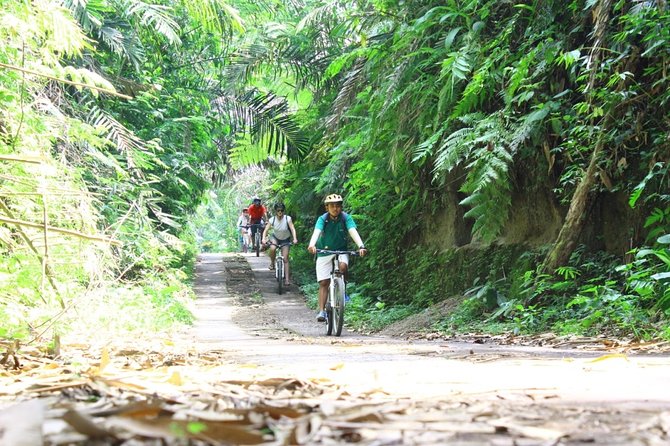
At $33 per person, this isn’t a luxury tour—it’s a value-focused day. The value comes from combining several things into one package:
- Round-trip transport from Ubud
- Multiple coffee/snack moments
- Lunch included
- Temple and stop admissions in the mix (some stops list admission tickets, and the day is structured around paid stops like the lunch and initial coffee break)
- A guide-led route designed to be manageable
If you tried to recreate this on your own—transport out to the route, a local guide, and the timing of food and stops—you’d likely spend more than $33 once you add bike logistics and guide time.
My take: it’s best value for people who want a guided cultural day with real countryside time, without paying big-day tour prices.
When to go and how weather affects your day
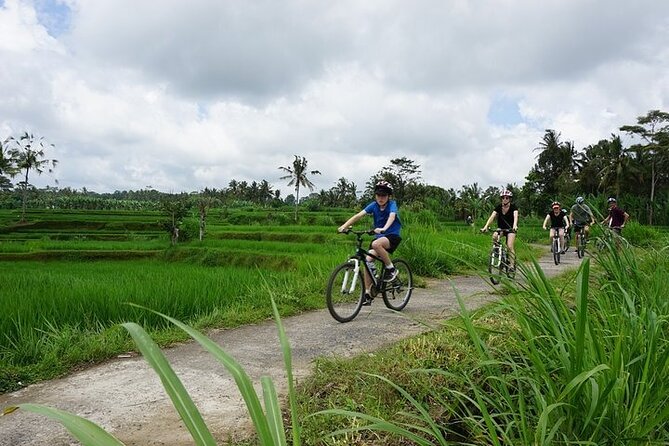
The tour runs in a day format (7 to 9 hours). Weather matters, because you’ll be outside for hours and cycling through villages and fields.
If you’re visiting in cooler months, it can feel more comfortable on the bike. In warmer periods, plan for more sweat and more need for sunscreen and water. Since the exact weather isn’t controlled by the operator, your job is simple: dress for the conditions and protect your skin.
Who this tour suits best
This is a great match if you want:
- A mostly-downhill cycling experience
- Real culture stops: home visits and temple visits
- Rice-terrace scenery with less crowd time
- Food included so you’re not hunting for meals during the day
It also suits families with children who can ride a bike confidently and handle short stops. Just keep expectations realistic: this is still a long day in the saddle with multiple photos and waiting moments.
Who should think twice
This tour may feel like a mismatch if:
- You’re not comfortable riding a manual bike on uneven or narrow paths
- You’re extremely sensitive to pickup timing (one report mentioned a late driver)
- You want a highly structured “sit down, see everything” schedule rather than a mix of cycling and short village stops
Also, if you get sick easily from shared vehicles or close quarters, be smart about basic hygiene and hand-washing during the day. Transportation happens, and that’s always a factor on group tours.
Quick FAQ
FAQ
How long is the cycling tour from start to finish?
It’s listed as about 7 to 9 hours.
Does the tour include pickup from Ubud?
Yes. Round-trip transport from Ubud is provided, and pickup is offered.
What food and drinks are included?
You’ll get coffee, lunch, and snacks during the tour.
Is the ride mostly downhill?
Yes. It’s commonly described as mostly downhill, with many people estimating around 95% downhill.
What are the main stops during the day?
You cycle from Abuan Kintamani, then stop at places including Tegalalang (photo stop), Abuan local home visit, Taro (coffee and Gunung Raung Temple), Bresela (rice irrigation), and Payangan (Hyang Api Temple). Lunch happens at Greenkubu Restaurant and Swing.
What should I wear or bring?
Wear walking or sport shoes. Bring sunscreen (and bug spray is a good idea). A small backpack is useful for your camera or video.
Should you book the Kintamani Cultural and Nature Cycling Tour?
If you want a Bali day that mixes countryside cycling with genuine cultural stops, this is an easy yes. The mostly-downhill route makes it accessible, and the two-guide approach is built for safety and keeping the group together.
Book it if you like rural village scenes, rice terraces, and temple visits, and you’re comfortable riding a manual bike on roads that aren’t always smooth. Skip it if uneven paths will stress you out or if you only want a low-effort, pavement-only ride.
Overall: for the price, the combination of transport, food, and guided countryside time is hard to beat—especially when your goal is to see Bali beyond the busiest streets.