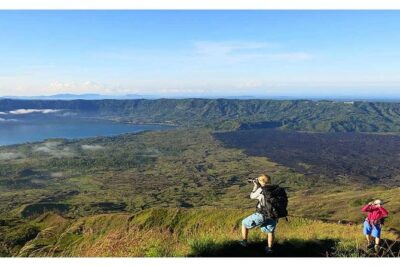
Rinjani hits hard, then pays back. This supported Mount Rinjani trek is built for active hikers who want real time on the crater rims, sunrise/sunset moments, and a night under the stars without juggling logistics. You’ll move through Sembalun and Senaru areas, reach Segara Anak Lake, and still get waterfall time on the way in and out.
I love two things right away: the way the route stacks big views into a compact schedule, and how much support you get so you can focus on the hike instead of carrying everything yourself. Crater rim sunsets and sunrises are a highlight, and meals plus porter help take a lot of strain off your day-to-day.
One drawback to weigh carefully: this is a challenging altitude trek, and cold can be serious. Long pants matter, and the cold may even reach minus temperatures up high, so packing wrong is not a small mistake. Cold-weather readiness is the difference between tough and miserable.
In This Review
- Key highlights worth knowing
- Price and what you’re really buying for $243.92
- How the route is paced: Senaru nights, summit effort, crater-rim rewards
- Day 1: Arrival and a real start from Senaru
- Day 2: Out to Sembalun rim and first high-camp night
- Day 3: Summit push, then Segara Anak Lake and the Senaru rim night
- Day 4: The descent back to Senaru, plus waterfall time
- Sembalun and Senaru crater rims: where the timing and cold really matter
- Summit day reality: why porters and the guide make or break your experience
- Food, camping comfort, and the bring-your-own snacks lesson
- Stop details: what you’ll notice at each major viewpoint and break
- Mt. Rinjani and the park entry
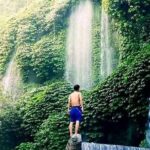
- Sindang Gila Waterfall
- Sendang Gile and Tiu Kelep Waterfall
- Segara Anak Lake
- Gear checklist: the cold is your real enemy
- Who this trek suits best (and who should think twice)
- Should you book this Mount Rinjani 3D2N summit trek?
- FAQ
- How long is the trek?
- Do they include transfers to and from the mountain?
- Are meals included during the trek?
- What about camping gear?
- Is the Mount Rinjani National Park entry fee included?
- What should I bring for cold weather?
Key highlights worth knowing
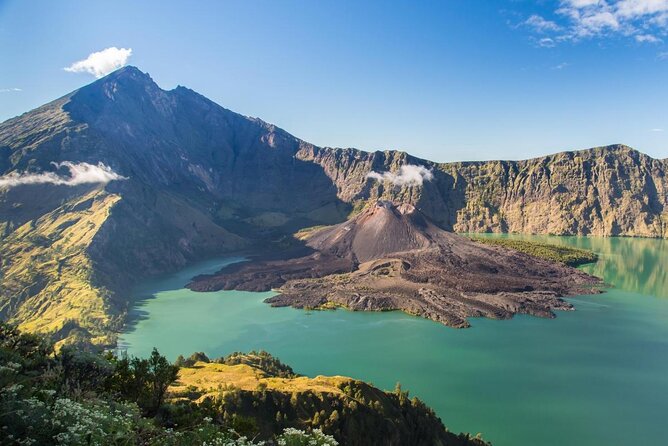
- Crater-rim timing for sunset and sunrise views at Sembalun and Senaru
- Porters and a local guide so your main job is walking
- Segara Anak Lake on the higher side of the route
- Waterfall stops that break up the hike with real scenery
- Park fee + all camping gear included, so your budget is less guesswork
Price and what you’re really buying for $243.92
At $243.92 per person, this trek isn’t cheap in the way a budget day tour is cheap. But it can feel fair because the package covers the stuff that usually adds up fast when you do it yourself: return transfers, a guide, porters, park entry fees, and a full support setup for camping.
Here’s what “value” looks like in practical terms. You’re not just paying for trail time. You’re paying for:
- A 1-night hotel stay in Senaru village
- All camping gears
- Full board meals and drinks
- National park fees
- Local guide and porters
If you’ve ever priced out a Rinjani trek DIY, you know the hidden costs: transport, permits/entry fees, and the fact that you still need support when you’re tired and cold. This tour bundles a lot of that. On top of that, it’s often booked about a month in advance, which usually means the logistics are running regularly.
One more detail: the group size can reach up to 100 people. That doesn’t mean you’ll all march together all day, but it’s useful to know if you’re hoping for total quiet and small-group vibes.
You can also read our reviews of more tours and experiences in Lombok.
How the route is paced: Senaru nights, summit effort, crater-rim rewards
This trek is structured around moving in stages, with nights that help you recover before the harder parts.
Day 1: Arrival and a real start from Senaru
You get picked up in Lombok from any place or even a port within Lombok, then you spend the night in Senaru village. This matters because you start your trekking days with fewer moving pieces and you’re already based in the right area.
If you like to sleep early before hard days, this layout helps. You also get a normal bed for the first night instead of going straight into tent life.
Day 2: Out to Sembalun rim and first high-camp night
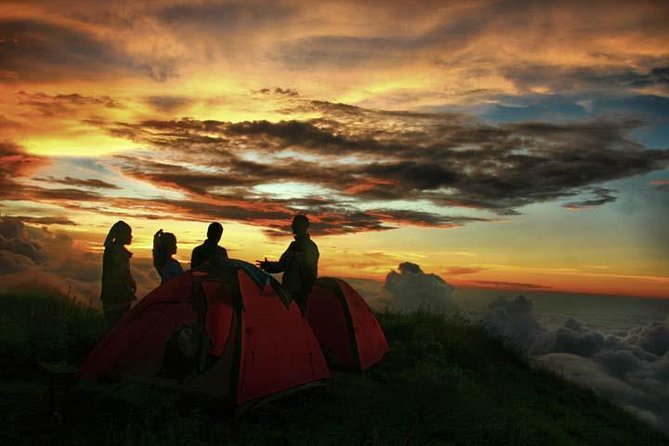
On the second day you begin the trekking, and the overnight is at a campsite on the Sembalun crater rim. This is your “work up the altitude rhythm” day—hard enough to set the tone, but it’s also the day that positions you for the big viewpoint payoffs.
What I like about this pacing is that you don’t just do one long grind. You hike, you reach an elevated rim area, then you sleep with that progress locked in.
Day 3: Summit push, then Segara Anak Lake and the Senaru rim night
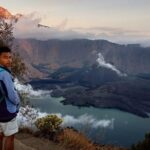
Day three is the day most people remember. You trek to the summit of Mount Rinjani, then head toward Segara Anak Lake. You’ll also spend the night at a campsite near the Senaru crater rim, with sunrise and sunset moments along the way.
The important thing here is effort management. Summit routes change your breathing and your energy fast. Having porters carrying your gear is one of the biggest reasons this style of trek is doable for more people who are fit but not ultra-trained.
Day 4: The descent back to Senaru, plus waterfall time
You come down to Senaru village and then you’re dropped off (private option: to any location within Lombok; shared option: areas around Mataram, Senggigi, Pemenang, plus certain harbor areas). This final day can feel long because your legs are still processing the altitude work, but the payoff is that you finish in a known base.
Waterfall stops are built into the overall experience, including Sindang Gila and Sendang Gile and Tiu Kelep waterfalls. If you’re hoping to see more than just mountains, these breaks help the trek feel like a rounded Lombok adventure instead of a one-note summit quest.
Sembalun and Senaru crater rims: where the timing and cold really matter
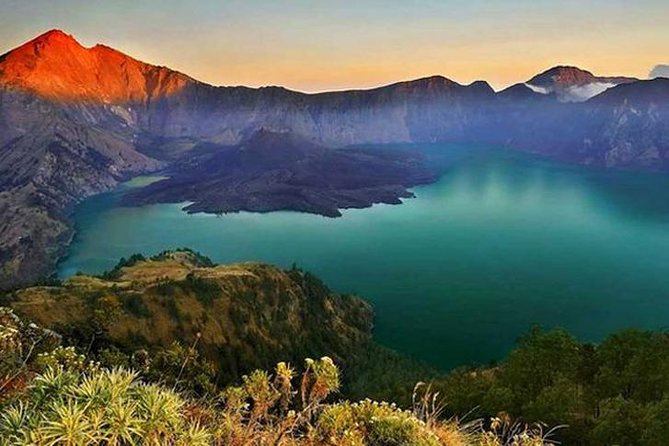
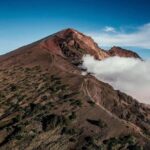
The crater rims aren’t just scenery. They’re part of how this trek “works” for your senses. You’re high enough to feel changes in temperature, and you’re also positioned for the best moments: sunset and sunrise.
Here’s what that means for your planning:
- Your body will be working hard while the environment turns colder.
- Your timing needs to be good even if the pace is manageable.
- The view is the reward for the effort, so it’s worth taking a minute to pause instead of rushing.
I also like that the trek sets you up for both rims: Sembalun first, then Senaru later. You’re not stuck with one elevated viewpoint. You get more than one “big moment,” and that makes the hard parts feel more worth it.
Summit day reality: why porters and the guide make or break your experience
The summit day is the centerpiece, and the support system is what turns it from a random hardship into an organized hike.
This is where local guides and porters matter. Porters carry your gear, which keeps your hands free and reduces the load on your legs and back. That might sound like a small difference, but on summit day, it’s huge. It lets you focus on steady movement and breathing instead of thinking about straps, balance, and pack weight.
And in the feedback you’ll find a consistent theme: the guide experience can seriously elevate the trek. One guide name you should keep an eye out for is Radu, who was specifically praised for taking great care of the group. That kind of attention matters on tough days—especially when conditions are cold and you’re trying to stay focused.
Bottom line: if you go into this with the mindset of teamwork and steady effort, the summit becomes a goal you can reach. If you go in chasing speed, you’ll feel the cost fast.
Food, camping comfort, and the bring-your-own snacks lesson
The trek includes full board meals and drinks, plus camping gear. So you’re not scrambling for food at high altitude, and you’ll have what you need for day-to-day survival on trail.
From the practical side, the food is described as simple but tasty, and there’s a clear tip that helps: bring snacks. That doesn’t mean the meals aren’t enough. It means you’ll have extra insurance for long stretches and low-energy moments.
Now, comfort: camping is part of the deal. You should expect a basic setup. If you’re hoping for extra comfort like pillow/chairs, choose the option that’s more comfortable—there is a private tour option described as more deluxe, while shared tends to be more budget-focused in service level. In other words, you can pay a bit more for comfort, but you’ll get the core trekking experience either way.
Also note the clothing and temperature angle: the trek requires you to bring your own clothing, boots, and swimwear. It also notes rentals on the spot for cold gear like a tick coat or jacket if you don’t have one, so you’re not completely trapped if you forgot something—but you’ll save stress by packing well before you arrive.
Stop details: what you’ll notice at each major viewpoint and break
I like how this trek mixes high-altitude moments with more familiar nature scenery.
Mt. Rinjani and the park entry
You’re hiking inside Mount Rinjani National Park, and the entry fee is included. That’s a win because permits can be a hassle to coordinate. It also signals you’re not on a random route—this is the real park experience.
Sindang Gila Waterfall
This is a dedicated waterfall stop, and it gives you a mental reset from altitude work. Even if you’re tired, it’s a nice change of pace: you can slow down, hydrate, and enjoy a different kind of scenery.
Sendang Gile and Tiu Kelep Waterfall
This pairing is another reason the trek feels like more than just one destination. Waterfall stops are often where your group mood improves because the trail is less about pushing for the next altitude milestone.
Segara Anak Lake
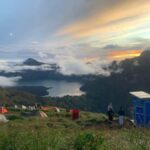
Reaching Segara Anak Lake adds variety to your “high” experience. It’s not just crater rims and summit effort. You get water at altitude, which changes the whole feeling of the day.
Gear checklist: the cold is your real enemy
You need to pack for mountain cold and fast-changing conditions. A few key items are explicitly called out, and they’re worth taking seriously.
Bring your own:
- Trekking boots or hiking shoes with good grip
- Warm layers and enough for high altitude cold (long pants are emphasized, and minus temperatures are mentioned)
- Swimwear (the trek expects you to have it)
- Small towels are not included
Rental/extra options:
- If you don’t have a tick coat or jacket, you can rent one on the spot
- Short pants are mentioned for nature sauna use, if that’s part of your plans
What I’d add as a practical mindset: treat clothing as “function first.” Comfort matters, but warmth and grip matter more. If your footwear slips on rocky surfaces, your whole day slows down. If your layers fail in the evening or early morning, you’ll feel it during sunrise and sunset timing.
Who this trek suits best (and who should think twice)
This is a hike for active travelers. The route involves a challenging ascent and summit effort, and you should be honest about your fitness.
This trek tends to fit well if you:
- Are comfortable with demanding hikes and altitude conditions
- Want a guided trek where porters handle your load
- Prefer a structured experience with food, camping gear, and transfers handled
It might not fit if you:
- Get cold very easily and you don’t plan to pack properly
- Want a fully comfortable camping setup without basic outdoor realities
- Are looking for an easy stroll with minimal exertion
Should you book this Mount Rinjani 3D2N summit trek?
If you want a real Mount Rinjani experience with crater-rim sunrise/sunset, a summit goal, lake time, and waterfall scenery—and you’d rather pay for support than DIY the hard parts—this is an excellent candidate.
I’d book it if you match the hiking level and treat packing as non-negotiable, especially for cold conditions. I’d also lean toward the more comfortable option if you know you’ll struggle with basic camping setups.
One last decision tip: if you’re the kind of person who needs comfort to stay positive, spend the extra for the private/deluxe service. If you’re happy with simple meals and standard camping as long as the views and logistics are solid, the core package should feel like good value for the amount it includes.
FAQ
How long is the trek?
The experience runs for about 4 days (with 3 nights total), including 1 night in Senaru village and 2 nights camping on the mountain.
Do they include transfers to and from the mountain?
Yes. You’ll get pickup in Lombok and return drop-off from Senaru area after the trek. The shared option drop-off is limited to specific areas, while the private option can drop you to any location within Lombok.
Are meals included during the trek?
Yes. Full board meals and drinks are included.
What about camping gear?
All camping gears are included.
Is the Mount Rinjani National Park entry fee included?
Yes. The Mount Rinjani National Park fee is included.
What should I bring for cold weather?
Bring long pants and warm clothing for high altitude, where temperatures can reach minus. You should also bring your own boots/shoes with good grip, and the trek notes that a jacket or tick coat can be rented on the spot if you don’t have one.