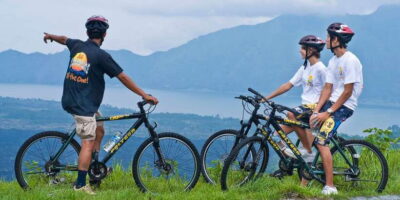
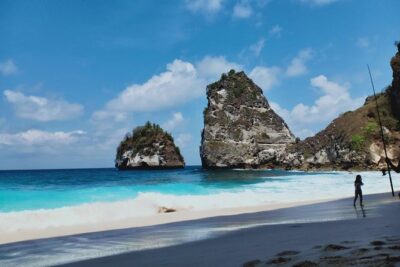
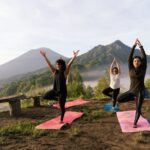
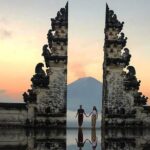
Sunrise on Mt. Batur beats the crowd. This trek is interesting because you watch dawn from the caldera top after an early start, plus you get a calmer feel than the standard viewpoint scene. I like the small-group setup (max 15) and I love the simple reward at the top: hot tea/coffee and breakfast right as the sky changes over the caldera.
One consideration: it is early and physically real. You’ll be up around 4:00 am, walking in darkness at the start, and the climb and descent require moderate fitness, especially if you’re not used to steep steps.
In This Review
- Quick takeaways before the 4:00 am start
- Why this Mt. Batur sunrise trek feels easier than the standard viewpoint
- The early timetable: how your morning starts at 4:00 am
- Lake Batur crossing: a short ride that changes the tone
- Climbing the caldera wall: what the trek section really demands
- Sunrise on the caldera top: tea, timing, and that calm feeling
- The descent and the second half of the morning
- When you get back: a smooth finish around 10:00 am
- Price and value: is $120 fair for this setup?
- Who this tour fits best (and who should think twice)
- What to bring so you’re not miserable at the top
- Weather and why it matters for Mt. Batur sunrise
- Should you book this Batur Caldera Sunrise Trekking tour?
- FAQ
- What time does the Mt. Batur sunrise trekking start?
- Where does the tour start and end?
- How long is the tour?
- Is hotel pickup included?
- How big is the group?
- Is there a fitness requirement?
- What happens if weather is bad?
Quick takeaways before the 4:00 am start
- Small group (max 15): more breathing room than the usual crowds.
- Hotel pickup from Ubud or Kintamani: you’re not hunting transport before dawn.
- Boat ride on Lake Batur: part of the experience, not just a transfer.
- Hot drinks early: tea and coffee at the start and again up top.
- At-the-top sunrise pause: you don’t just glance and go; you wait for dawn and eat.
- Guides named Wayan, Nano, Adi, and Gede: repeatedly praised for pace, timing, and support on the descent.
Why this Mt. Batur sunrise trek feels easier than the standard viewpoint
Mt. Batur is one of those Bali morning rituals people talk about all year. The tricky part is logistics: the popular sunrise options can feel crowded on the trails and at the top. This version is built as a less-crowded alternative, with a maximum of 15 travelers, so you’re less likely to feel like you’re herded into position.
The other thing I like is how the tour is designed to keep you busy and moving forward. You’re not left standing around waiting for pickup or scrambling to arrange a boat. The rhythm is clear: early meet-up with hot drinks, a short run to the lake, a crossing, then the climb. That structure matters when your wake-up call is still dark.
You can also read our reviews of more tours and experiences in Ubud.

The early timetable: how your morning starts at 4:00 am
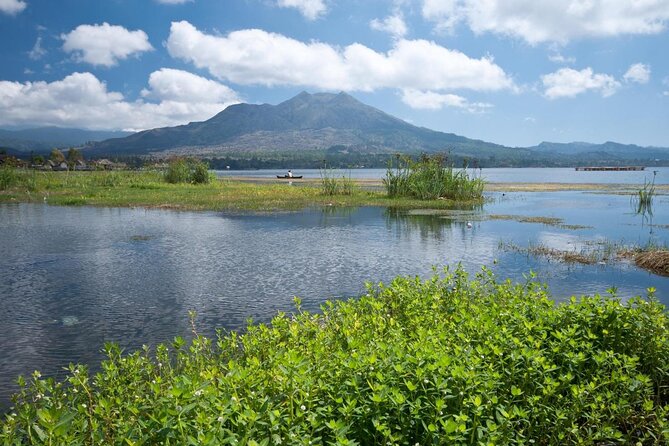
Your day starts fast. Pickup is offered from hotels in Ubud or Kintamani, with English-speaking guides who give a quick briefing and safety notes. Around 04:00 to 04:30, you’ll be served hot tea or coffee, and you’ll get the basics you need before stepping into the night-time walking.
Then you head toward Lake Batur. In the schedule, there’s a walk down to the shores to meet your boat and start the crossing to the tiny traditional Balinese village area of Pulak, which is where the trek begins. This matters because it turns the experience into a real morning circuit rather than a single long scramble from one parking spot.
You’ll be ready to start climbing around 05:30 to 05:45. Expect the early minutes to feel quiet and cool, with the first light still hours away. If you’re the type who gets nervous with steep steps, plan to lean on your guide early. More than one guide in this operation—names like Wayan, Nano, Adi, and Gede—is known for encouraging you and managing pace so you’re not gasping before the steepest section.
Lake Batur crossing: a short ride that changes the tone
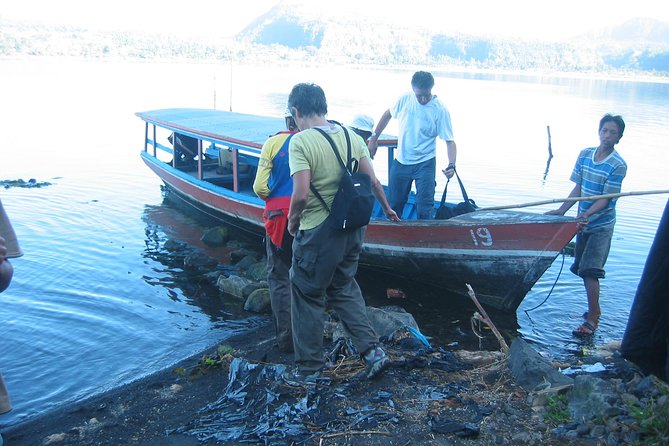
The boat segment across Lake Batur isn’t just scenic padding. Crossing the water early helps you settle in, and it gives the whole morning a different pace than the usual “straight up the mountain” feel.
You’ll use a traditional canoe/boat on the way back as well, after the sunrise and descent. The pattern is:
- Boat out early to reach the trail start area
- Trek up for sunrise
- Descent and then another lake crossing back toward Toya Bungkah
That means you’re not stuck on foot for the entire time. It’s a practical break built into the day.
Climbing the caldera wall: what the trek section really demands
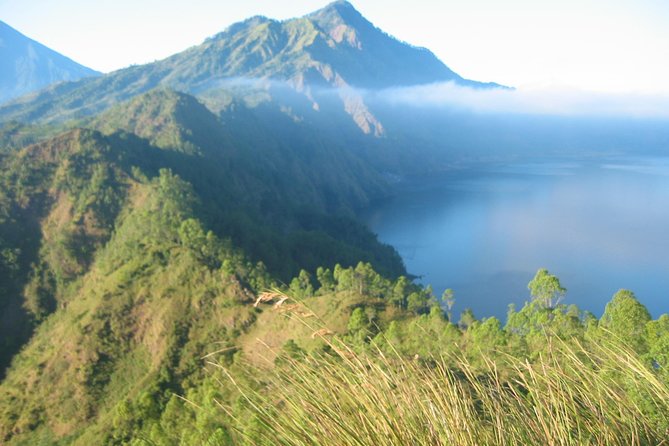
Once you start, you’re walking up the caldera wall toward the top. The schedule has you arriving roughly around 05:45 to 06:00, which is where the timing starts working in your favor. You’re not spending hours on the summit without a plan—you’re aiming for sunrise, and the guide’s pace is meant to get you there.
A few things make this climb feel “worth it” instead of simply hard:
- It’s steep enough to feel like a real hike, not a stroll.
- You’re moving through dark conditions at the start, so your footing and balance matter.
- Your guide’s job isn’t just direction—it’s pacing and safety on the slope.
In the feedback I’ve seen for this experience, guides like Wayan and Nano are praised for helping people get up and especially down the hill. If you’ve ever had that moment of fear on a rocky descent, you’ll understand why this part matters. The descent is usually where legs get tired and where small slips can become bigger problems. Having a guide who helps you step-by-step—without rushing you—turns the trek from stressful into manageable.
Sunrise on the caldera top: tea, timing, and that calm feeling
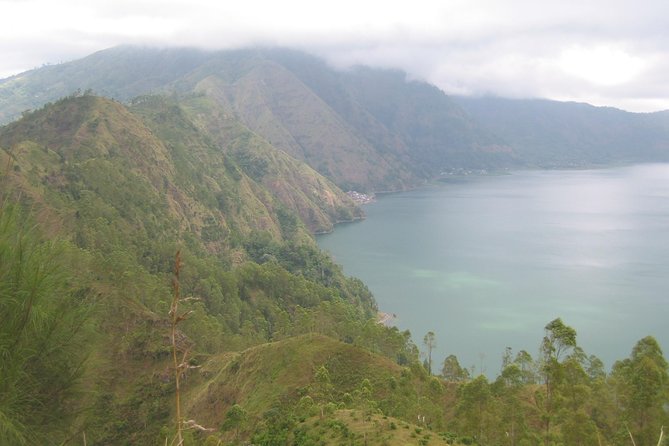
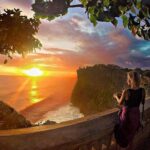
The payoff is the summit sunrise over Mt. Batur caldera. When you reach the top around 06:00, you get the moment you came for: sunrise views, plus hot drinks—tea and coffee—while you wait for the sky to brighten.
The schedule also includes breakfast at the top. It’s not a fancy buffet; it’s the kind of simple meal that hits the spot when you’re cold from early-morning air. Think warm food + warm drinks + waiting for dawn, with a guide keeping things organized so you can focus on seeing rather than micromanaging your timing.
This is also where the small-group advantage shows. With fewer people around, the experience tends to feel more personal. I like that you’re not constantly stepping around strangers to catch a photo. You can actually stand, watch the color change, and breathe for a minute.
Guides such as Adi are noted for photography help, including taking photos for you without you needing to ask. That’s a small detail, but it changes the experience if you don’t want to spend half the morning playing camera operator.

The descent and the second half of the morning
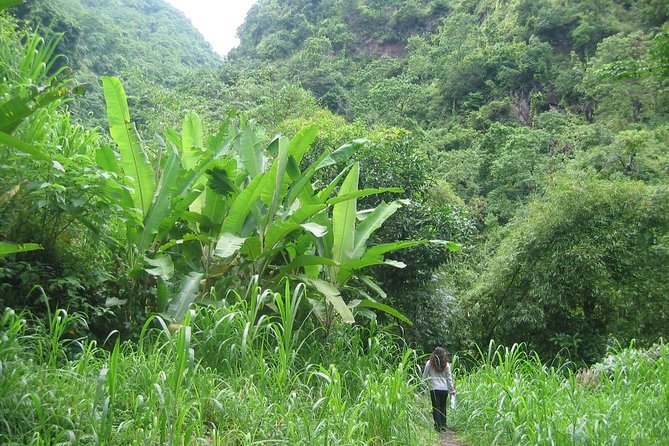
After sunrise, you don’t just sit there and wait for the next group to show up. The schedule has you trekking onward for a bit and then beginning your return descent to Pulak around 06:30 to 07:00.
This is the part that often decides whether you’ll feel great at the end or wiped out. Your legs are tired, and downhill movement can be awkward. That’s why I’d treat your pace as a success metric, not your speed. The guides in this program are repeatedly praised for timing and for being supportive on the way down—people mention feeling steadier and less likely to trip when a guide adjusts how you move.
Once you reach Pulak, the day shifts back to water. You leave the village on the traditional canoe/boat and cross Lake Batur toward Toya Bungkah, with arrival around 09:30 to 10:00.
When you get back: a smooth finish around 10:00 am
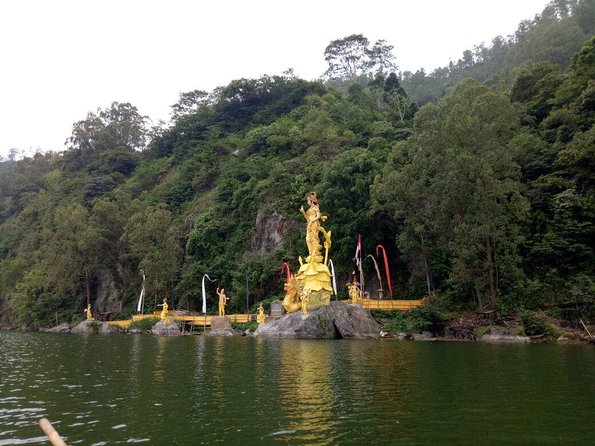
The tour is designed to end in the morning, not drag into the afternoon. The schedule shows arrival around 09:30 to 10:00, then you’re taken to Bali Sunrise Villas at the meeting point area, where the activity ends.
For most visitors, that’s a major value point. You still get the sunrise experience, but you’re not trapped into a half-day that steals your entire day. It’s perfect if you want to pair this with a relaxed Ubud afternoon afterward.
Price and value: is $120 fair for this setup?
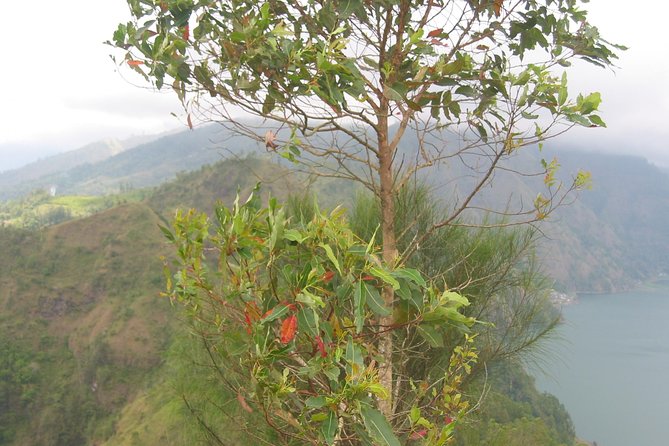
At $120, the question isn’t just the hike. It’s what’s included and how the time is managed.
Here’s what you get that usually costs extra when you DIY:
- Hotel pickup from Ubud or Kintamani
- English-speaking guides
- Tea/coffee in the early part of the morning and again at the top
- Breakfast at the summit
- Boat transfers across Lake Batur (out and back)
- A small group with a maximum of 15 travelers
- A mobile ticket and confirmation at booking
The small-group size is the biggest “value multiplier.” Crowds don’t just spoil photos; they mess with pace, waiting time, and your overall comfort. If you’re paying for sunrise, paying for a calmer experience makes sense.
Who this tour fits best (and who should think twice)
This trek suits you if:
- You want sunrise and a real caldera hike, not a quick viewpoint stop.
- You like the idea of a small group and a guide who keeps pace steady.
- You can handle early starts and uneven terrain with moderate fitness.
It might not fit as well if:
- You dislike waking up very early and walking in the dark.
- You have trouble with steep steps or balance issues on descents.
- You’re expecting a leisurely walk with minimal physical effort.
If you fall into the careful camp, don’t panic. The guide support matters. The experience is built around safety briefing and pace adjustment, and multiple guide names in this operation—like Wayan and Nano—are associated with helping people down smoothly.
What to bring so you’re not miserable at the top
The schedule is fixed, but comfort is up to you. Since the trek starts around 05:30-ish in darkness and you’ll be waiting for sunrise, you’ll want to be ready for cooler conditions.
Here’s practical advice based on how these treks typically run (and what’s been provided in some cases):
- A flashlight/headlamp can be a lifesaver. Some participants report getting one.
- Sturdy shoes with grip for the steep parts.
- Layers you can shed as the morning warms.
- Water and a light snack if breakfast won’t feel like enough for you.
- If you get offered a hiking stick during meet-up, grab it. It helps on steep, uneven sections.
Also: bring a phone and a charged camera, because sunrise timing can be fast and the light changes quickly once it hits the caldera.
Weather and why it matters for Mt. Batur sunrise
This experience requires good weather. If it’s canceled due to poor weather, you’ll be offered a different date or a full refund. That’s not just fine print—it’s essential for sunrise visibility and safety on steep terrain.
If you’re flexible with your dates, you’ll be happier. If your Bali schedule is tight, you might find yourself juggling plan B, so build in a little wiggle room.
Should you book this Batur Caldera Sunrise Trekking tour?
I’d book it if you want Mt. Batur sunrise with a calmer feel, guided support, and the comfort of included transport. The early pickup, boat crossings, summit tea/coffee, and breakfast add up to a full morning experience that doesn’t feel like you’re paying just for a view.
I’d think twice if you’re very sensitive to steep descents or you hate dawn starts. But if you’re reasonably fit and open to waking early, this is one of the more thoughtful ways to do Batur: guided, paced, and set up so you can focus on sunrise instead of logistics.
FAQ
What time does the Mt. Batur sunrise trekking start?
The activity starts at 4:00 am.
Where does the tour start and end?
It starts at Bali Sunrise Villas, Jalan Songan No.001 Songan, Songan A, Kec. Kintamani, Kabupaten Bangli, Bali 80652, Indonesia. It ends back at the meeting point.
How long is the tour?
The duration is about 6 hours.
Is hotel pickup included?
Yes. Pickup is offered from any hotel in Ubud or Kintamani.
How big is the group?
The experience has a maximum of 15 travelers.
Is there a fitness requirement?
You should have moderate physical fitness for the climb and descent.
What happens if weather is bad?
The experience requires good weather. If it’s canceled due to poor weather, you’ll be offered a different date or a full refund.