One day, and Bali hits you from five angles. This private full-day tour strings together culture and nature in a way that feels coherent: a major traditional dance show, temple stops, rice-terrace views, coffee tasting, and a waterfall to close the loop.
I especially like the way the day starts with the Barong & Kris Dance, so you get Bali’s spiritual story right away, before you move into the softer, slower parts of Ubud. I also love the Tegalalang stop, where the famous terraces come with context about the traditional subak irrigation system, not just a photo-op line.
One possible drawback: entrance fees aren’t included, so you’ll want a little extra cash in your pocket for each site, especially if you’re doing everything on schedule.
In This Review
- Key Things You’ll Notice
- Price and Logistics: What You Get for $35
- Jambe Budaya Barong & Kris Dance: Good vs Evil, Balinese Style
- Sacred Monkey Forest Sanctuary: Temples, Shade, and 700+ Long-Tailed Macaques
- Tegallalang Rice Terrace Views and the Subak Lesson
- Satria Agrowisata 2 Coffee Culture and the Kopi Luwak Tasting
- Tirta Empul Temple: The Holy Spring and Your Choice to Participate
- Tegenungan Waterfall: A Final Reset Before the Drive Back
- The Guide Factor: Friendly, Flexible, and Good With Photos
- Who This Tour Is Best For
- Should You Book This Best of Ubud Tour?
- FAQ
- How long is the tour?
- What is the price per person?
- Is hotel pickup and drop-off included?
- What’s included in the tour package?
- Are entrance fees included?
- Is this a private tour?
- Does the schedule include a coffee tasting?
- Can I participate in the Tirta Empul purification ritual?
- What should I bring?
- Is there a cancellation option and flexible booking?
Key Things You’ll Notice
- Barong & Kris first, so the day has a theme that ties the rest together
- Private guiding with hotel pickup and drop-off, so your day runs on rails
- Skip the ticket line, which helps when you’re jumping between sites
- Tegalalang rice terraces with subak irrigation context, not just views
- Kopi Luwak tasting at Satria Agrowisata 2, built into the coffee stop
- Tirta Empul includes a purification option, plus time to simply look around
Price and Logistics: What You Get for $35
At about $35 per person for a roughly 10-hour private guided day, this is one of those deals where the math mostly works—as long as you budget separately for entrance fees. You’re paying for organization: hotel pickup and drop-off, bottled water, an English-speaking guide, and a day plan that moves you between several top Ubud-area highlights.
The private-group format matters more than it sounds. With your own guide, you can ask quick questions on the spot, get practical timing advice, and shift a little if someone in your group needs a shorter walk or more time at a view. You also avoid the worst kind of group-energy loss—standing around while everyone finishes buying something.
The tour also includes a skip-the-ticket-line advantage. That doesn’t mean you’ll skip every fee (entrances aren’t included), but it does help you spend more of your day inside the experiences instead of queuing.
You can also read our reviews of more tours and experiences in Ubud.


Jambe Budaya Barong & Kris Dance: Good vs Evil, Balinese Style
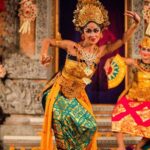
You start with the Barong & Kris Dance at Jambe Budaya. This is one of those performances that’s easier to understand once you know what you’re watching. The dance depicts the eternal battle between good and evil—so even if you don’t speak a word of what’s being sung or chanted, the story is readable through movement, costume, and drama.
What I like about beginning here is that it sets a tone. Before you’re dealing with monkeys, rice terraces, coffee, and temples, you’re already in the spiritual lane. The gamelan music and the costume work do a lot of the heavy lifting for you, and it’s a real chance to see Balinese performance culture up close rather than trying to squeeze meaning out of a quick browse.
Practical tip: wear light clothes you can move in and bring your camera plan. The performance is a set moment, and you’ll want both your phone and your main camera charged.
Possible consideration: because this is a performance stop, you’ll likely be sitting or standing in one spot for a while. If you’re someone who hates waiting, it can feel like a pause—but it’s the kind of pause that pays off later when you connect the rest of the day to what you saw.
Sacred Monkey Forest Sanctuary: Temples, Shade, and 700+ Long-Tailed Macaques
Next comes the Sacred Monkey Forest Sanctuary in Ubud, home to over 700 long-tailed macaques. This stop is not just about animals. You’re walking through a sacred, temple-and-forest complex where nature and spirituality share the same space.
You get shaded paths, old temple corners, and plenty of chances to see how these macaques behave in a lived-in environment. The experience works best if you let it be what it is: a busy sanctuary with its own rhythm, not a quiet museum.
What I’d watch for (and this is practical, not alarmist): keep your focus on where you step, and keep your belongings secure. You’re in a place where wild-ish animals are around, and that changes the rules from a normal walking tour.
Also, plan for time to wander. One hour is enough to see the main areas and get your temple-and-monkey moments, but if you’re the type who slows down for photos, build in extra attention for the shaded spots.
Tegallalang Rice Terrace Views and the Subak Lesson
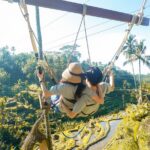
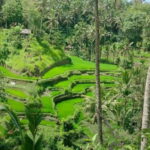
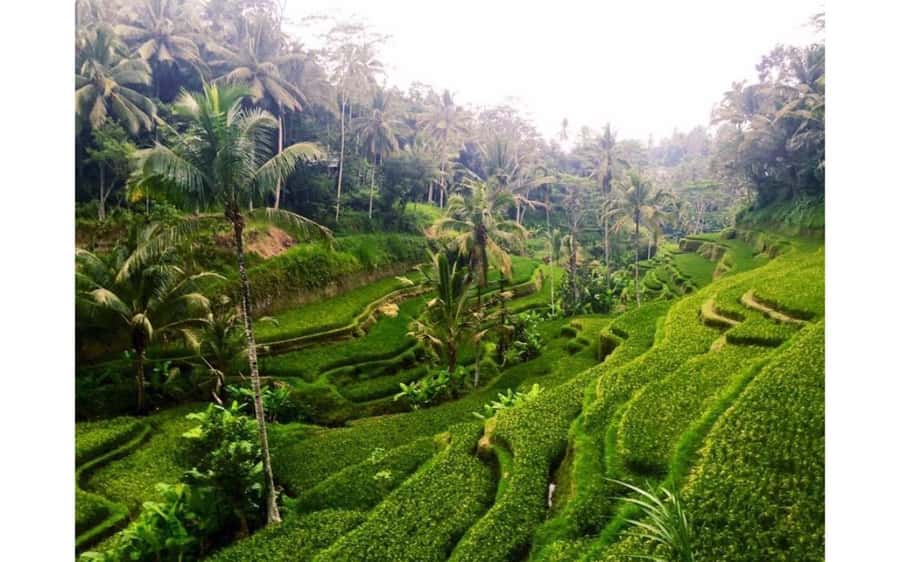
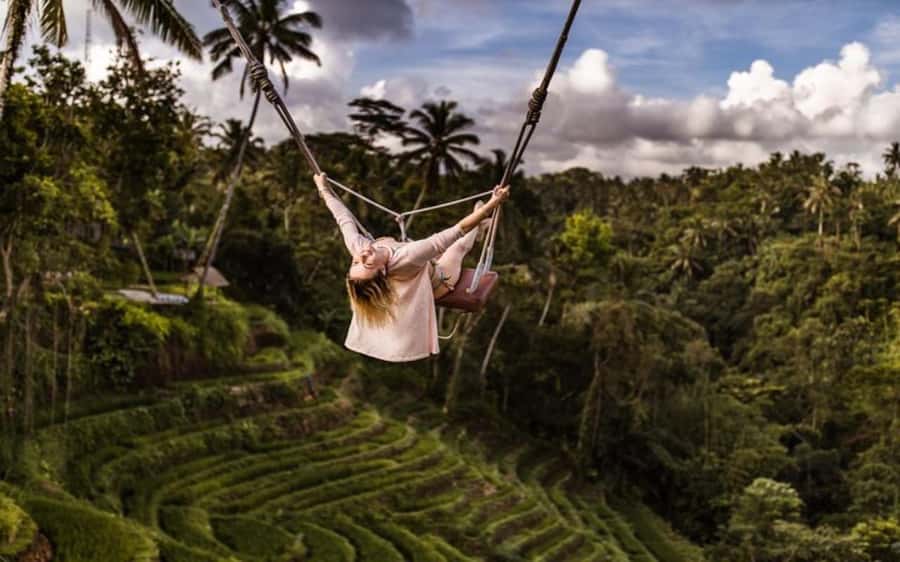
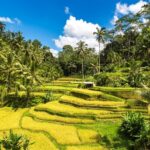
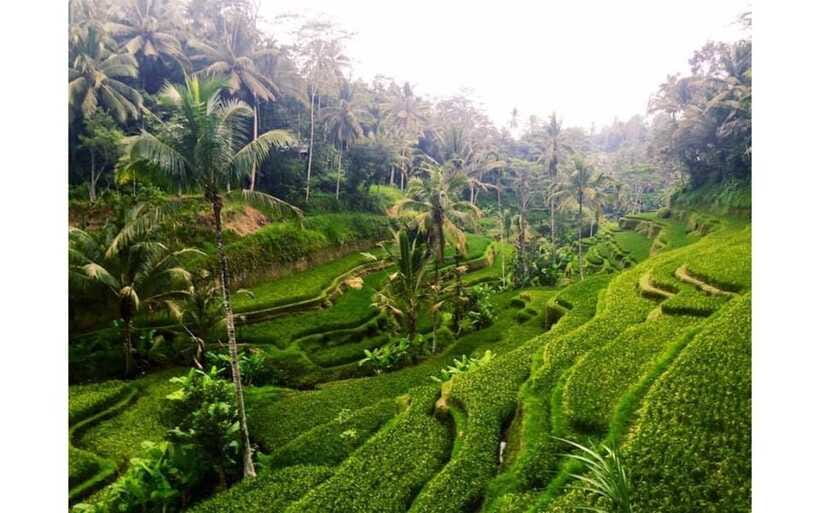
Then you hit the Tegalalang Rice Terrace, one of Bali’s best-known rice scenery areas. Yes, the views are the headline. But the real value is the explanation of the subak irrigation system.
In plain terms, subak is how communities organize water for rice farming. That matters because it changes how you look at the terraces. Instead of thinking of them as an Instagram backdrop, you start seeing them as an active, human-built system that’s been managed for generations.
This stop is UNESCO-recognized, and you can feel why when you look across the layered fields. If weather is clear, the terraces look especially dramatic from the viewpoints. If it’s cloudy or rainy, don’t panic: the green tones can still be impressive, and the humidity can make you grateful for the covered shade breaks.
Practical tip: bring a hat and sunscreen. Even on cooler days, the sun can be relentless around open viewpoints. Comfortable walking shoes help here too, because you’ll move over uneven ground and paths.
Satria Agrowisata 2 Coffee Culture and the Kopi Luwak Tasting
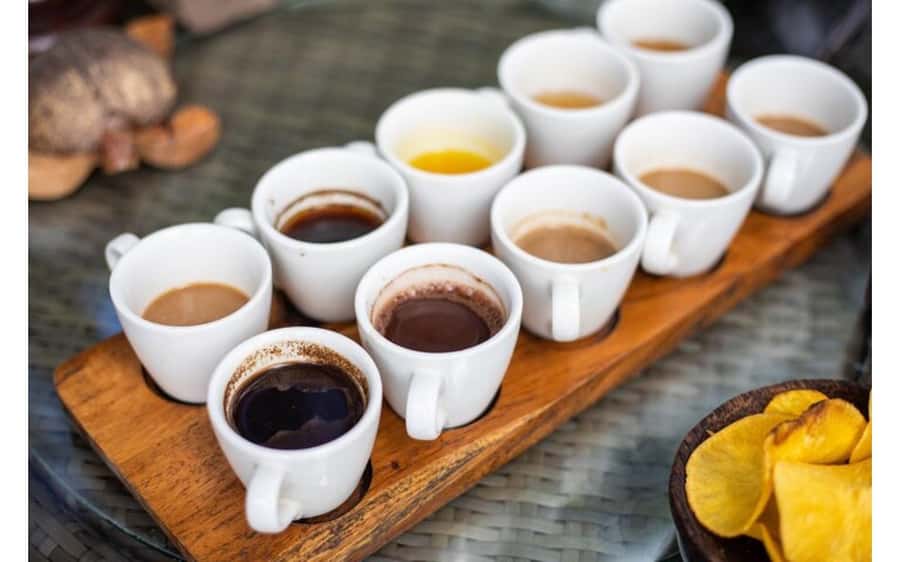
At Satria Agrowisata 2, the day turns from scenic to sensory. You’ll learn about Bali’s coffee culture and taste Kopi Luwak, one of the island’s most famous brews.
This isn’t just about drinking something hot. A coffee plantation visit is basically a mini lesson in local agriculture and how food becomes a story people share with visitors. You’ll stroll through the plantation area, hear the basics of how coffee-making works, and then sample local brews in a setting that’s designed for slow tasting.
Why I think this is a good use of time: it gives you a flavor of how tourism and daily life overlap in Bali. Coffee is personal here—people buy it, talk about it, and bring it home as a souvenir that feels tied to the island, not just a label.
Possible consideration: if you’re sensitive to strong flavors, you might want to pace your tasting. It’s easy to get swept up in the sampling. Also, coffee plantations involve walking, even if it’s casual walking.

Tirta Empul Temple: The Holy Spring and Your Choice to Participate
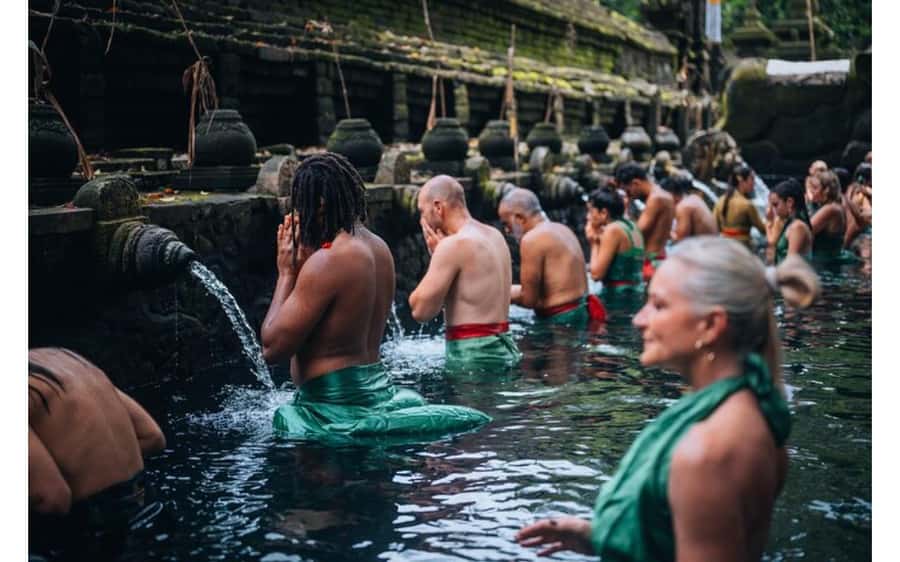
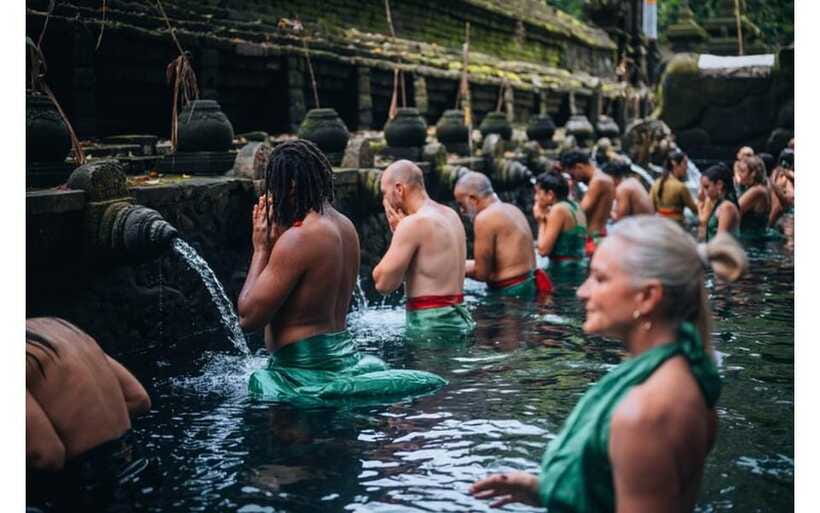
After coffee, you go to Tirta Empul Temple, a sacred water temple centered on a holy spring. The big thing here is choice. You can take part in the purification ritual, or you can simply explore and soak in the atmosphere.
That flexibility is smart. Ritual participation isn’t for everyone, and the tour respects that by letting you decide what kind of experience you want. If you do join in, it’s the kind of cultural practice where you’ll learn by watching and following guidance, not by reading a sign for ten seconds.
If you prefer exploring instead, you still get plenty from the setting: the temple’s water-focused spiritual purpose is visible, and you can spend time observing the flow of people moving through the ritual areas.
Practical tip: bring a change-ready mindset if you’re participating, and dress in a way that’s comfortable for a temple setting. The tour focuses on what you can do and what you can observe, so you can tailor the intensity.
Tegenungan Waterfall: A Final Reset Before the Drive Back
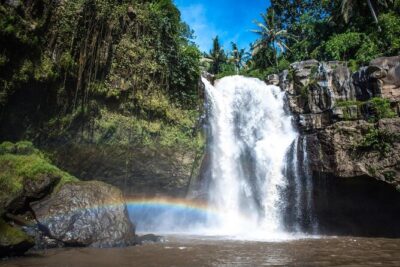
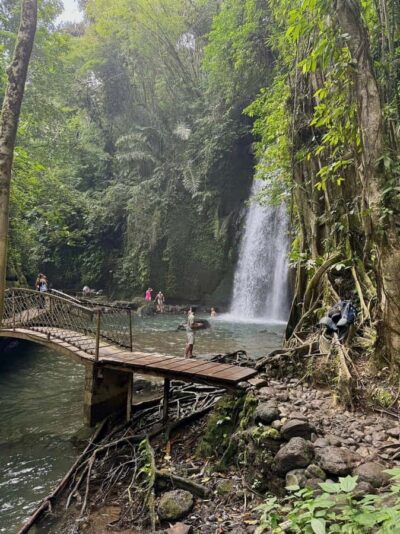
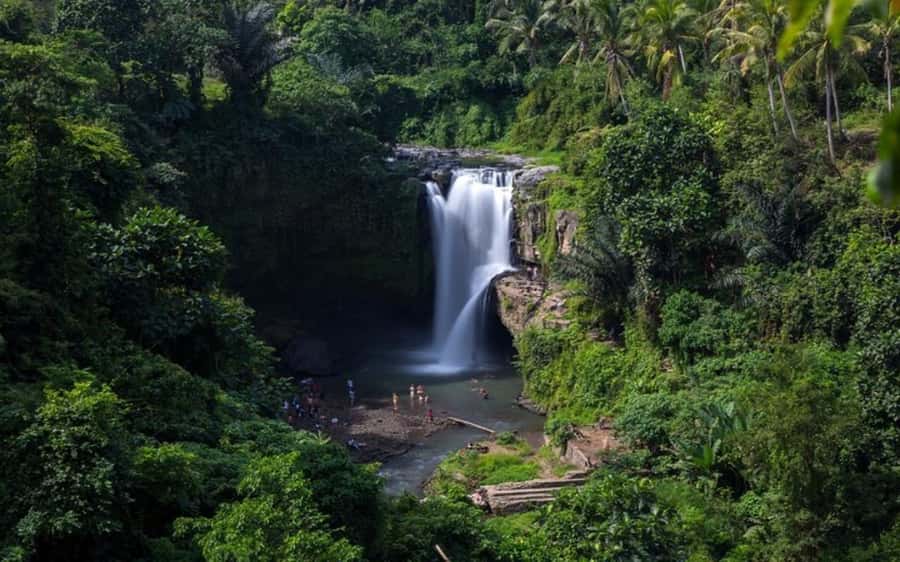
To close the day, you stop at Tegenungan Waterfall. This is the relaxing finish. You can refresh in the natural pool or just admire the jungle surroundings.
One hour is just enough to cool down and take photos without making the waterfall stop feel like an endless hike. If you’re tired from walking and sun earlier, this is a nice payoff: water and a chance to stand somewhere that doesn’t demand constant attention.
What to do here: choose one main viewpoint for photos, then spend your remaining time either in the natural pool or lingering near the water. Trying to do everything at once makes the waterfall stop feel stressful instead of fun.
Practical tip: wear shoes you trust for slick surfaces, and keep your phone and camera protected if you plan to get close to the pool.
The Guide Factor: Friendly, Flexible, and Good With Photos

This tour’s biggest “soft” feature is the human one: your guide. English-speaking guides run the day, and the names that come up for this route include Anggra, Anngra, Weh, and Nyoman. The common thread is practical help—being friendly, fitting the day to your preferences, and even helping with photos.
That matters because Bali is visual, and you often need small coaching to get the right angle or to understand what a stop is really about. When your guide can share context and also make the day feel easy, the tour feels less like a checklist and more like a guided day you’d want to repeat.
Who This Tour Is Best For
You’ll probably love this tour if you want a single day that covers a lot of Bali’s “greatest hits,” but you still want meaning behind the stops. It suits:
- First-timers who want culture plus nature without planning five separate tours
- People who like structured days with hotel pickup and drop-off
- Anyone who wants coffee culture and a proper sacred-temple stop, not just scenic driving
- Small groups who benefit from private pacing and photo help
If you hate long road time, or you prefer fully unhurried days at one place, you might find the schedule a bit tight. But for many visitors, the 10-hour format is the sweet spot between seeing a lot and still getting a waterfall reset.
Should You Book This Best of Ubud Tour?
I’d book it if you’re the type who wants a day that feels like Bali, not Bali-by-accident. The combination works: dance first for meaning, monkeys and temples for spiritual texture, rice terraces for the “how” behind the beauty, coffee for a local taste story, and Tirta Empul plus a waterfall for the emotional arc.
Before you go, do two things:
- Budget for entrance fees so the day doesn’t surprise you.
- Pack for sun and walking: comfortable shoes, hat, sunscreen, camera, and water.
If that sounds like your kind of day, this is a strong value private option.
FAQ
How long is the tour?
The tour runs for about 10 hours.
What is the price per person?
The price is $35 per person.
Is hotel pickup and drop-off included?
Yes, hotel pickup and drop-off are included.
What’s included in the tour package?
Included items are hotel pickup and drop-off, bottled water, and an English-speaking guide. It also includes skip-the-ticket-line.
Are entrance fees included?
No. Entrance fees are not included, so you should plan to pay them separately.
Is this a private tour?
Yes, it’s a private group tour.
Does the schedule include a coffee tasting?
Yes. You’ll visit Satria Agrowisata 2 and taste Kopi Luwak as part of the coffee culture stop.
Can I participate in the Tirta Empul purification ritual?
Yes, you can participate in the purification ritual, or you can simply explore the temple area.
What should I bring?
Bring comfortable shoes, a hat, a camera, sunscreen, and water.
Is there a cancellation option and flexible booking?
Free cancellation is available up to 24 hours in advance for a full refund, and there’s a reserve now & pay later option (you can reserve without paying today).