Sacred water and rice views in one day. I love the melukat purification at Mengening Temple and the standout beauty of Tegalalang Rice Terrace as the guide explains what you’re seeing. One big consideration: women on their period aren’t allowed to enter the temple area for the ritual.
After that spiritual reset, the day turns gorgeous and practical: you also get a proper look at Tegenungan Waterfall, with time to view from above or go down for the mist. I especially like how guides such as Kadek and Ade Made Bendesa seem to take the day seriously, adjusting to your questions and even helping with photos and videos along the way, not just moving you to the next stop.
In This Review
- Key highlights you’ll care about
- Why this Ubud purification day feels different
- Mengening Temple melukat: what the cleansing really involves
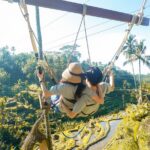
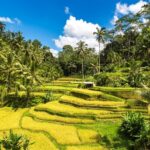
- Tegalalang rice terrace: more than postcard views
- Tegenungan Waterfall in 1 hour: how to time the best views
- Guide quality: why names like Kadek and Ade Made Bendesa matter
- Price and value: what $41 includes (and what it doesn’t)
- Timing, duration, and how to plan your day
- What to bring and how to dress for Bali temple rules
- Who should book this tour (and who should skip it)
- The bottom line: should you book Best of Ubud Purification, Rice Terrace, and Waterfall?
- FAQ
- How long is the Best of Ubud Purification Rice Terrace and Waterfall tour?
- Where can I be picked up and dropped off?
- What spiritual experience is included at Mengening Temple?
- Are entrance fees included?
- Is food included?
- What should I wear or bring?
- Can women on their period visit the temple?
- Is the tour private and in English?
Key highlights you’ll care about
- Mengening Temple melukat with holy water from a natural spring, led by a local guide or priest
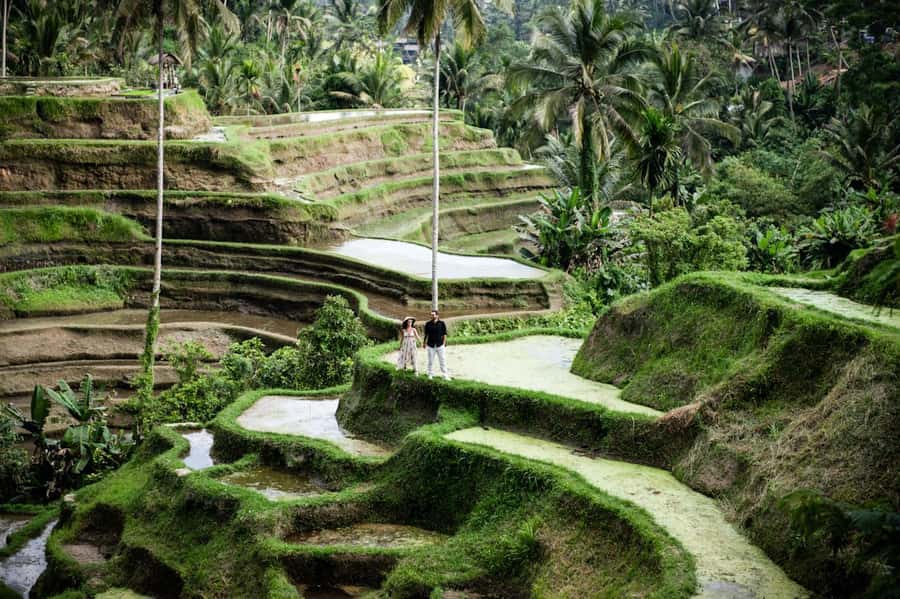
- Tegalalang Rice Terrace and the working subak irrigation system, with time to walk and take photos
- Tegenungan Waterfall with options to view from the top or descend for cooling air and sound
- Private guide + English audio so you get context, not just scenery
- Entrance fees and transport included, so the day feels straightforward
- Sarong provided for the temple visit (borrowed), which saves hassle
Why this Ubud purification day feels different
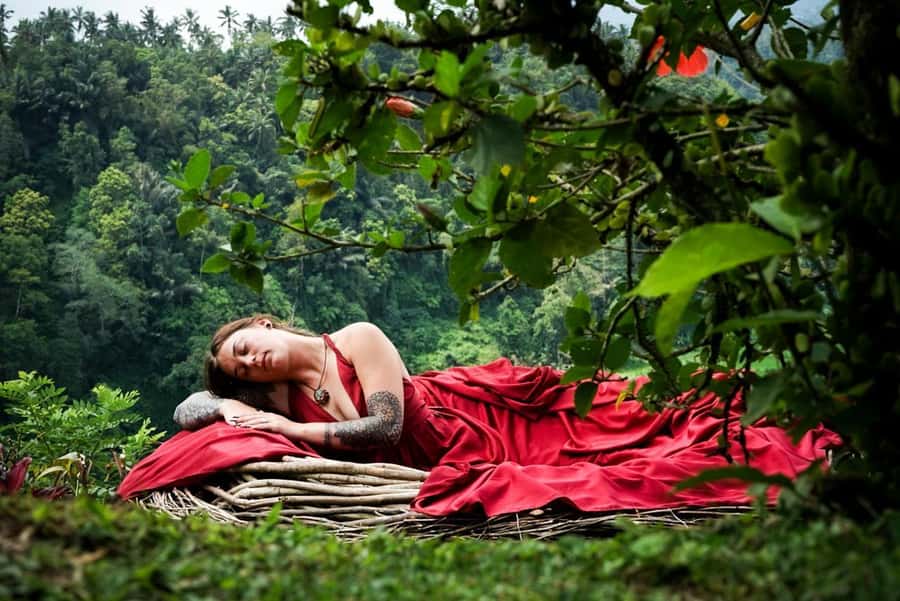
Most Ubud tours try to stack temples and viewpoints. This one adds something more personal: a ritual meant to clear mental noise and negative energy through spiritual cleansing at a sacred temple. Then you shift from ceremony to scenery, with two of the area’s most iconic natural stops.
The mix is what makes the day work. You’re not rushing through three random photos. Instead, you’re moving from meaning (Mengening Temple) to daily-life beauty (rice terrace systems) to raw nature (waterfall spray).
And yes, you’ll still get the classic Ubud moments. But the purification gives the day a reason to slow down.
You can also read our reviews of more tours and experiences in Ubud.

Mengening Temple melukat: what the cleansing really involves
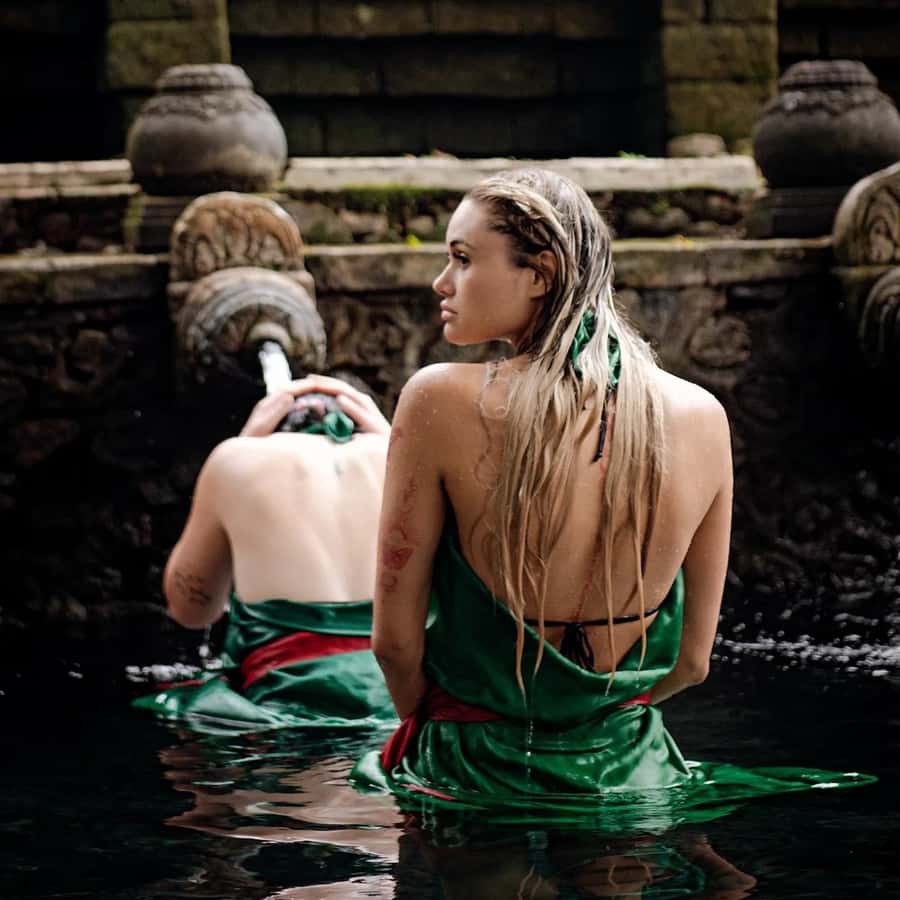
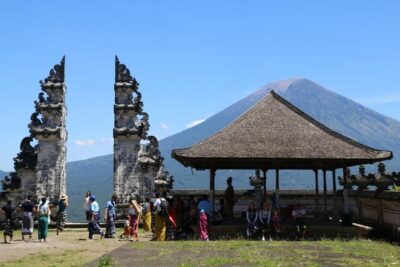
Mengening Temple (Pura Mengening) is where the tour’s heart is. You spend time at the site, and then you participate in melukat, a cleansing ritual using holy water from a natural spring. Your guide or a local priest leads you through it, and the whole thing is framed as a way to bring peace of mind and clear negative energy.
What I like about this setup is that it’s not presented like a quick performance. You’re given enough time to understand what you’re doing and why. Also, the tour includes a photo stop at the temple area, so you can capture the moment respectfully rather than sprinting and hoping for a decent shot.
Two practical notes matter a lot:
- You’ll be given a traditional sarong to wear for the temple visit (on loan).
- Women on their period are not allowed to go into the temple.
If you’re comfortable with cultural rules and you don’t mind a bit of ceremony, this stop can feel genuinely moving. In past experiences with guides like Kadek and Ade Made Bendesa, the ritual support seems especially helpful when you have questions or want to do things correctly.
Tegalalang rice terrace: more than postcard views
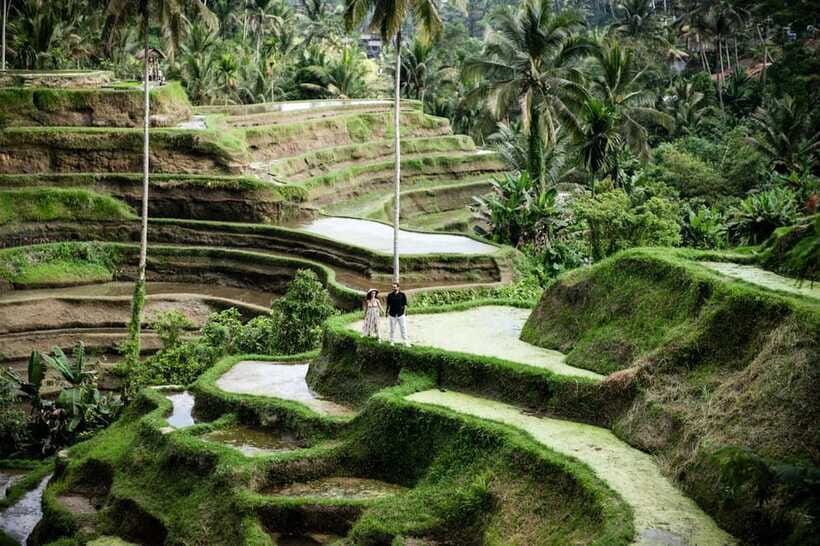
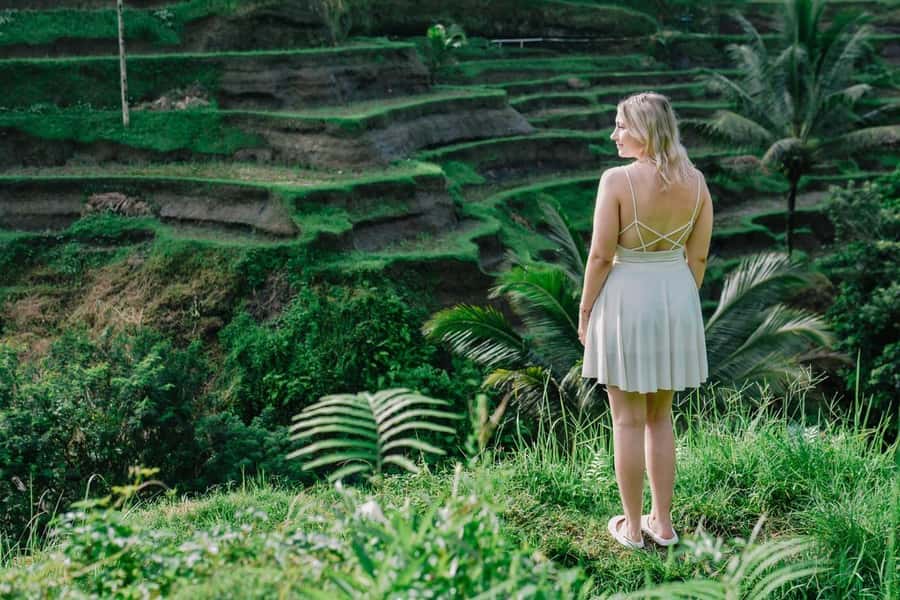
After pickup, the tour includes Tegalalang—Ubud’s best-known rice terrace scene. You get around 45 minutes there, which is short enough to keep the day from dragging, but long enough to actually walk and look.
The main point isn’t just the green. It’s the subak irrigation system, the traditional way farmers organize water to grow rice. When your guide explains it, the terraces stop being a pretty background and start making sense as a working landscape—literally built by generations of farmers coordinating water.
You’ll likely want to bring your camera, but also keep a little time for slow looking. The terraces are layered, and the angles change fast depending on where you stand. If you like photos, this is where you’ll get them. If you don’t, this is still where you can feel the cool air and watch daily agricultural rhythm.
A small expectation check: this is a famous area, so you’ll want to move smart, not just stand in one spot. Wear comfortable clothes and shoes you trust on uneven ground.
Tegenungan Waterfall in 1 hour: how to time the best views
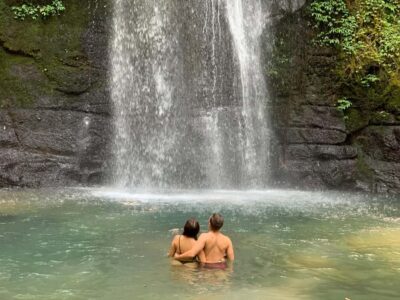
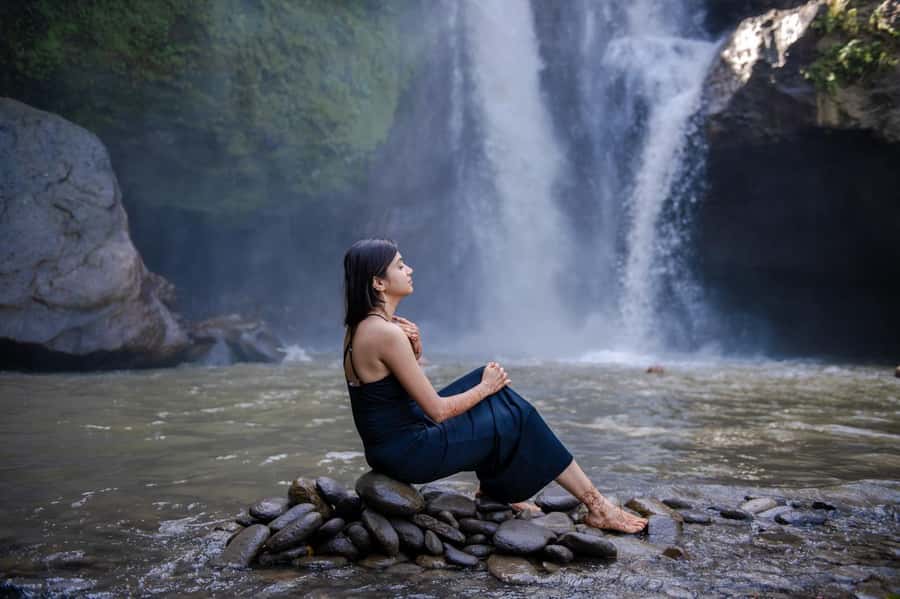
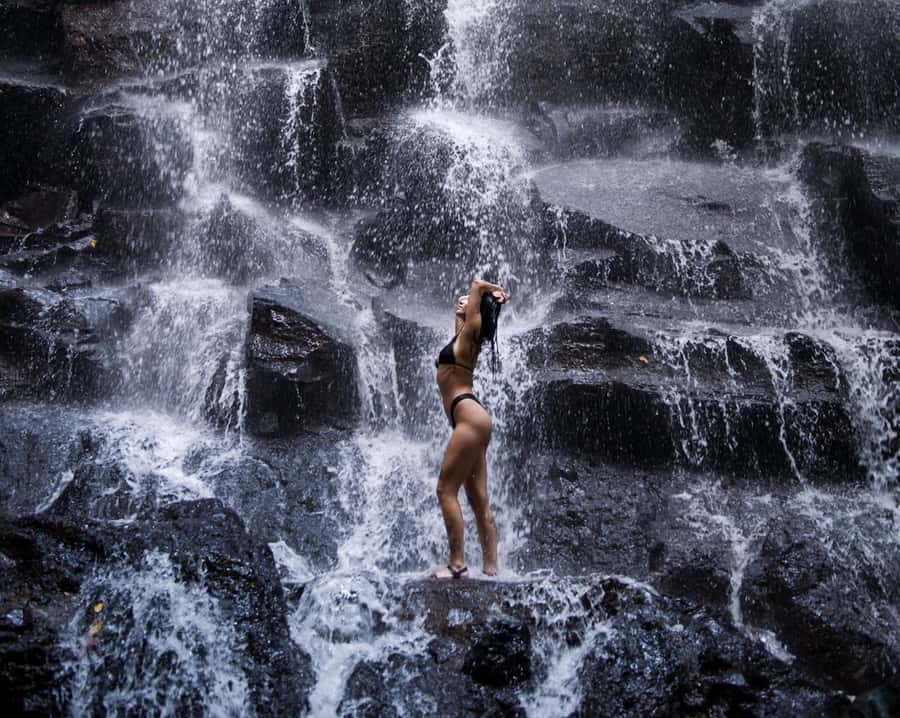
The final big nature stop is Tegenungan Waterfall. You get about an hour, and the description gives you two choices: view from the cliff top or descend to the bottom to catch the breeze and the sound of rushing water.
That’s a big deal because the experience changes depending on where you stand. From above, you get the full waterfall shape and a wide view of the forest setting. Down below, you trade the wide view for motion and mist, and the sound becomes part of the moment.
Here’s my practical advice: decide early how adventurous you want to be. If you’re traveling with limited mobility, stick with the top view. If you like being close to the action and don’t mind getting a bit damp, go down—just plan for slippery surfaces and uneven steps.
You’ll feel the payoff even with just an hour. The waterfall is the kind of stop that makes your whole day feel like it had a destination.
Guide quality: why names like Kadek and Ade Made Bendesa matter

A tour like this lives or dies on the guide. You need someone who can explain what you’re seeing at rice terraces, support you during a purification ritual, and keep the day moving without losing the meaning.
In real-world examples, guides such as Kadek and Ade Made Bendesa are praised for being responsive and taking time with questions. People also note that they help with the ceremony process and take a lot of photos and videos, which is useful if you’re traveling solo or you don’t want to spend the day handing your phone to strangers.
One more thing I value: flexibility. Some experiences include extra cultural stops arranged by the guide, such as a coffee stop, and in some cases optional add-ons like meeting a healer or someone who reads palms. Those are not guaranteed in the official core plan, but they show a pattern: when you have time and your guide can fit it in, the day can grow beyond the three main hits.
Bottom line: you’re not just buying transport. You’re buying context and pacing.
Price and value: what $41 includes (and what it doesn’t)
The price is listed at $41 per person for a 10-hour day. What makes that feel reasonable is what’s included: a private air-conditioned vehicle, a professional English-speaking guide, hotel pickup and drop-off in the Ubud area, and entrance fees for each main stop.
Also included are the practical costs people often forget:
- parking fees and tolls
- the sarong loan for the temple visit
- the spiritual cleansing ritual at Mengening Temple
What’s not included is food and drink. So if you book this, plan for a mid-day meal on your own. Bring water, and consider a small snack so you’re not negotiating hunger during the quiet parts of the temple ritual.
When you look at it this way, you’re paying for three major locations plus private transport and guided interpretation. That’s why this tour can feel like a good value compared to piecing together a car, tickets, and separate guides.
Timing, duration, and how to plan your day
The tour is described as a 10-hour experience, with flexible duration stated as up to 8 hours. You’ll also want to think about that in terms of real Bali time: pickups, short visits, and driving between Ubud-area sights add up.
The schedule structure is pretty clear:
- Tegalalang with about 45 minutes
- Mengening Temple with time for the ritual and a photo stop
- Tegenungan Waterfall with about an hour
This is not a slow, spend-the-afternoon kind of trip. It’s a full day that keeps each stop meaningful without letting any single part swallow your entire schedule.
If you hate rushed timelines, treat this as a “focused hits” day, not a long linger-and-nap day.
What to bring and how to dress for Bali temple rules
This is where simple planning saves stress. The tour asks for comfortable clothes, and the temple portion requires the right coverage.
You’ll get a sarong loan for the temple visit, which helps a lot. Still, wear clothing that won’t irritate you during ceremony and that you can move around in during rice terrace walking and waterfall steps.
Also:
- Bring footwear you can trust on uneven, possibly wet ground at the waterfall.
- Bring water since food and drink aren’t included.
- Keep a light layer if you run cold in vehicles with air-conditioning.
Most problems people face on days like this are not “big surprises.” They’re just small discomforts that good packing would avoid.
Who should book this tour (and who should skip it)
This tour is a strong fit if you want a day in Ubud that combines spirituality and nature without feeling like separate random outings. It’s especially appealing if you care about cultural context, because the guide is there to explain Balinese spiritual life and the rice terrace system, not just point.
Book it if you:
- want to experience melukat cleansing with a local-led ritual
- enjoy iconic Ubud sights like Tegalalang and Tegenungan
- prefer a private setup with an English-speaking guide and English audio support
Consider skipping it if:
- you need temple access rules to be flexible, because women on their period aren’t allowed at the temple
- you’re sensitive to ceremonies or ritual expectations and can’t do it respectfully
- you have mobility limits, since the waterfall option includes descending if you choose to go down
- you’re over 95 years old, since the tour notes it’s not suitable
The bottom line: should you book Best of Ubud Purification, Rice Terrace, and Waterfall?
If you want one Ubud day that feels complete—meaning, working culture, and real nature—this is a good pick. The value comes from the mix of spiritual cleansing, major Ubud sights, and private guided interpretation, all wrapped into one day with entrances and transport handled for you.
I’d book it if you’re open to temple rules and you want a guided day rather than DIY navigation. I’d think twice only if the period restriction affects you, or if you dislike ceremonies and shorter time-boxed stops.
FAQ
How long is the Best of Ubud Purification Rice Terrace and Waterfall tour?
The duration is listed as 10 hours. The tour also notes flexible tour duration up to 8 hours, depending on the schedule and starting time.
Where can I be picked up and dropped off?
You can choose from pickup locations in Sanur, Ubud, or Nusa dua. Drop-off is also available in those same three areas.
What spiritual experience is included at Mengening Temple?
The tour includes a spiritual cleansing ritual (melukat) at Pura Mengening, using holy water from a natural spring and led by a local guide or priest.
Are entrance fees included?
Yes. Entrance fees are included for Mengening Temple, Tegalalang Rice Terrace, and Tegenungan Waterfall.
Is food included?
No. Food and drink are not included in the tour price.
What should I wear or bring?
Wear comfortable clothes. The tour includes a traditional Balinese sarong for the temple visit (on loan), but you should still dress for comfort during walking.
Can women on their period visit the temple?
No. Women on their period are not allowed to go to the temple.
Is the tour private and in English?
Yes, it’s a private group. You’ll have a live English-speaking tour guide, and English audio guide support is included.