Ubud can be a birdwatcher’s shortcut to lifers, if you know where to pause. This 5-hour countryside tour mixes rice-terrace walks with Petulu Village heron watching, and the best part is how much the guides help you spot birds by eye and by sound. I especially like the small-group feel and the included viewing gear, but you should also know sightings can be hit-or-miss with weather and timing.
What makes it work in real life is the way guides run the day: names like Agung, Andre, Dwipa, Suker, and Yogi show up in the guide roster, and their common strength is finding birds from surprising distances and explaining what you’re seeing. Still, this isn’t a back-to-back, all-day “expert only” safari. A couple of reviews point to a mixed emphasis (some more sightseeing than hardcore birding), so go with the right expectations.
In This Review
- Key things to love about this Ubud birding tour
- Why Ubud’s countryside is prime birdwatching territory
- The 5-hour route: rice terraces, ridge walks, and Petulu Village
- Tjampuhan Ridge: where listening turns into spotting
- Petulu Village: white-plumed herons and Java pond heron focus
- Rice terraces and village trails: where you spot kingfishers and sunbirds
- Binoculars, telescope, and guide skills that actually help you
- Price and value: what $48 includes and why it can be worth it
- Add-ons and customization: coffee tasting, massage, and timing reality
- When you’ll see more birds: season, time of day, and weather
- Who this Ubud bird-watching tour is best for (and who should skip)
- Should you book this Bali countryside bird-watching tour?
- FAQ
- How long is the Bali countryside bird-watching tour?
- Is hotel pickup and drop-off included?
- What birding gear comes with the tour?
- What’s the group size?
- What does the price include, and what doesn’t?
- What language is the guide?
- Can I cancel for a full refund?
Key things to love about this Ubud birding tour
- Petulu Village herons up close: white-plumed herons and Java pond herons in the same area you can scan for flocks and nesting behavior.
- Tjampuhan Ridge birdwatching stops: a good spot for watching calls turn into visible sightings.
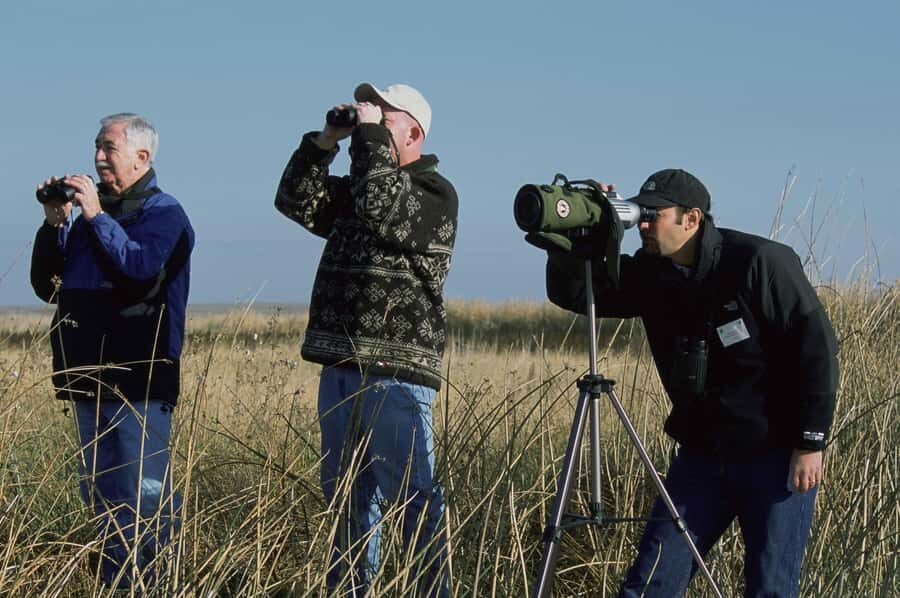
- Binoculars and telescope included: you’re not stuck squinting at treetops and reeds.
- Guides who read bird behavior: spotting from afar and identifying by call is a big help, especially if you’re a beginner.
- Hotel transfer plus small group (max 10): easier logistics, less crowd pressure, better chances for quiet listening.
Why Ubud’s countryside is prime birdwatching territory
Ubud’s backyard is made for birding because birds don’t just live in one dramatic place. You get a mix of rice fields, village edges, wooded areas, and water-adjacent habitats—all within a short radius. That matters for you because birdwatching isn’t only about luck; it’s about putting your eyes in the right micro-habitats.
This tour leans into that practical reality. You’re not only looking for pretty birds perched on postcard trees. You’re walking the same kinds of paths that birds use for feeding and moving—along village trails and through fields where herons and kingfishers can show up when you least expect it. And because it’s a guided walk, you learn why each turn matters: water edges for hunting, ridge areas for scanning, and village zones like Petulu for repeatable bird activity.
One more thing I like: the species list isn’t treated like trivia. You get a framework for what to look for in the open grass, at water edges, and in the canopy. That makes the whole 5 hours feel purposeful.
You can also read our reviews of more tours and experiences in Bali.
The 5-hour route: rice terraces, ridge walks, and Petulu Village
This is a half-day tour, and half-days reward planning. You’ll typically start early morning or late afternoon depending on the tour time you choose, because that’s when bird activity tends to be strongest. That also means the “start time” you pick can change your day more than you’d think—bird calls ramp up, then visibility and feeding behavior follow.
The core rhythm of the day goes like this:
1) You head into the Ubud countryside on natural paths and rice-field trails.
2) You stop at Tjampuhan Ridge, a well-known viewing area for scanning and listening.
3) You visit Petulu Village, famous for heron activity—especially white-plumed herons and Java pond herons.
4) You wrap with more time walking and scanning around rice fields and nearby habitat.
What’s good for you is that it’s not a “drive-by photoshoot.” You actually walk, stop, and listen. What to watch for: the terrain includes inclines, uneven ground, and sections that may get muddy after rain. Comfortable shoes with grip are not optional here.
Also, bird sightings can’t be guaranteed. One solid theme from the experience data is that even when the number of birds is lower, the morning nature time still lands well—because you’re learning the area and building bird-spotting skills as you go.
Tjampuhan Ridge: where listening turns into spotting
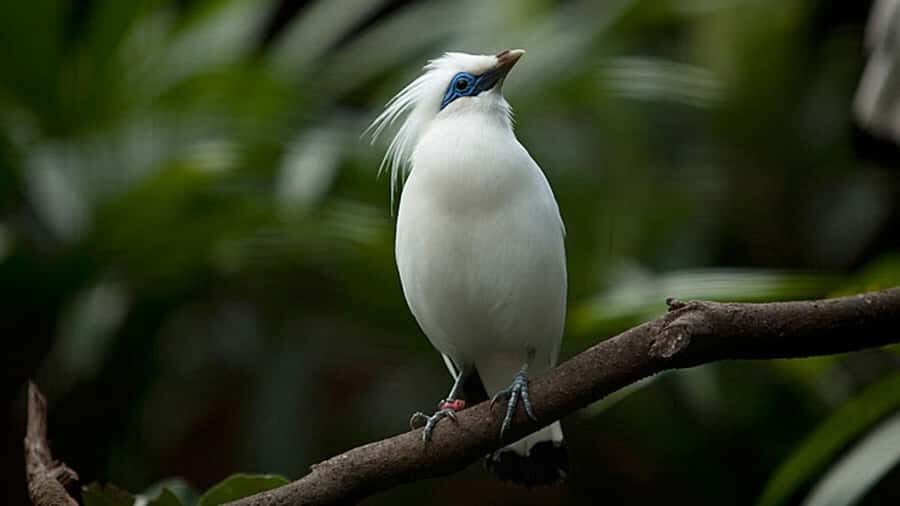
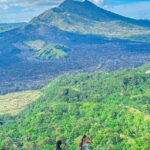
Tjampuhan Ridge is one of those Ubud places where the view is only part of the story. The practical win is altitude and exposure: you can scan wider, and you can hear calls carry a bit farther. That matters if you’re trying to match the sound to the bird in the trees.
On this tour, the ridge stop is designed for birdwatching. You’re not just admiring the valley; you’re using the ridge to pick out movement and then confirm with binoculars. In several guide-led stories, the big skill isn’t only eyesight—it’s quick interpretation: what the call suggests, where the bird likely is, and how to wait without stomping noise and scaring everything off.
For your camera, think strategy, not spray-and-pray. Flash is discouraged because it can scare birds, and many sightings will be at awkward angles through leaves or reeds. Bringing a camera you’re comfortable adjusting quickly helps.
If you’re a beginner, this is a great stop for building confidence. The ridge gives you a chance to practice “look-listen-wait” in a way that feels less frantic than crawling through thick foliage.
Petulu Village: white-plumed herons and Java pond heron focus
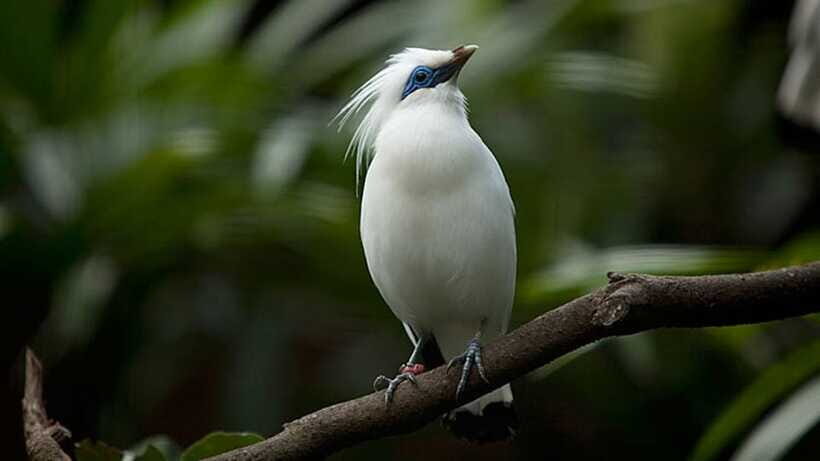
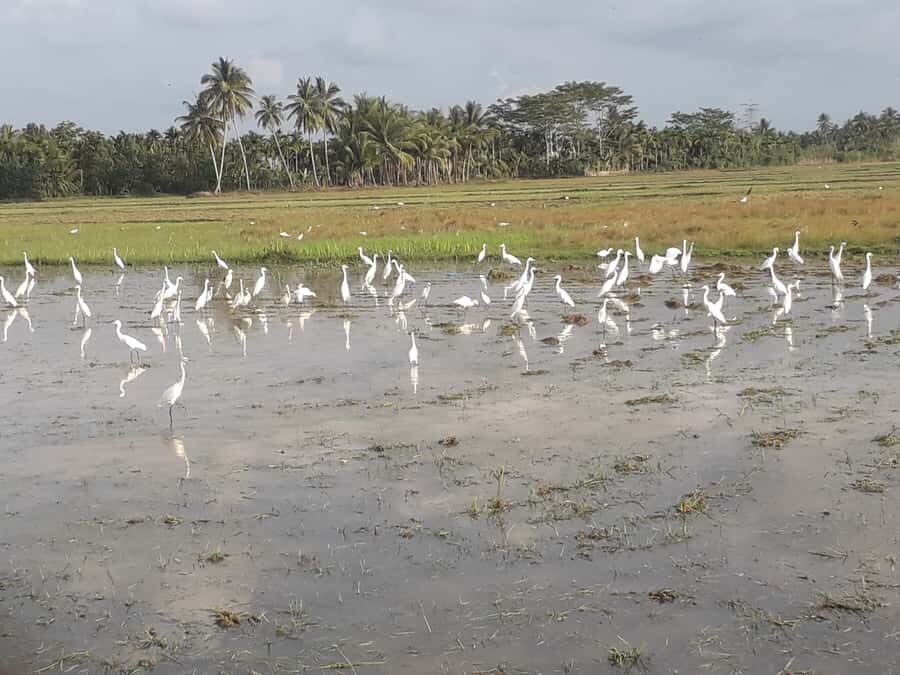
Petulu Village is the birding anchor on this itinerary. It’s famous because it hosts consistent heron activity, which means you can spend your time looking at behavior instead of endlessly searching for a needle in a haystack.
Here, the tour’s bird goals are clear:
- White-plumed herons
- Java pond herons (also called Javan herons)
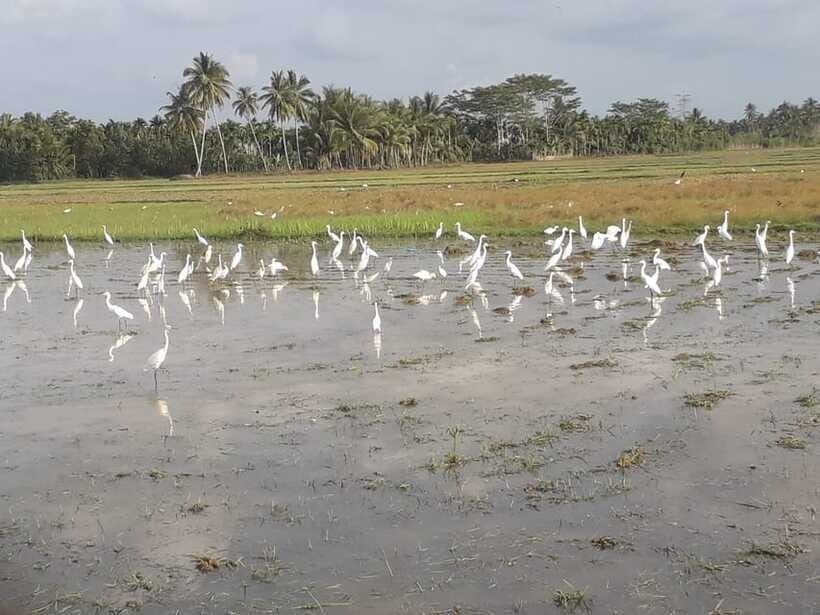
What makes Petulu special for you is the chance to see patterns. Instead of one bird popping up for ten seconds, you may find flocks and nesting activity—especially when you arrive at the right time of day. One review described hundreds of egrets nesting in trees here, which is exactly the kind of “stick around and watch” experience that birders love.
Practical note: because this is a village area, keep noise low and don’t wander off from your guide’s suggested viewing spots. If you push into someone’s space or move too loudly, birds shift behavior fast.
If you’re hoping for classic Bali bird photography, Petulu offers a better odds pattern than many jungle-style locations because herons are often more visible and predictable in their positioning. Still, the exact species and counts change with day and conditions.
Rice terraces and village trails: where you spot kingfishers and sunbirds
Ubud’s rice-growing countryside is visually stunning, but the bird angle is what you’re really here for. On this walk, rice terraces and nearby fields bring you into contact with birds that feed in open areas, at field edges, and around water pockets.
From the experience details, you may encounter birds such as:
- Javan pond heron / Javan heron
- Kingfishers darting near water bodies
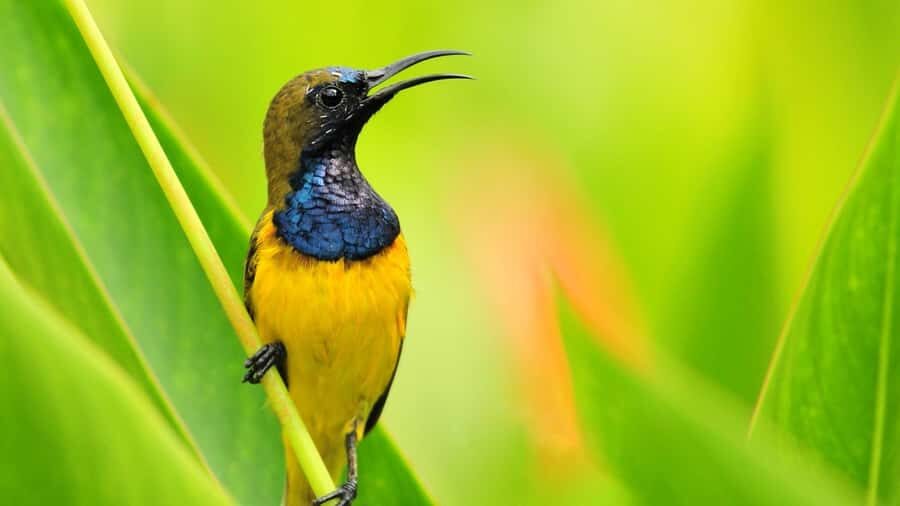
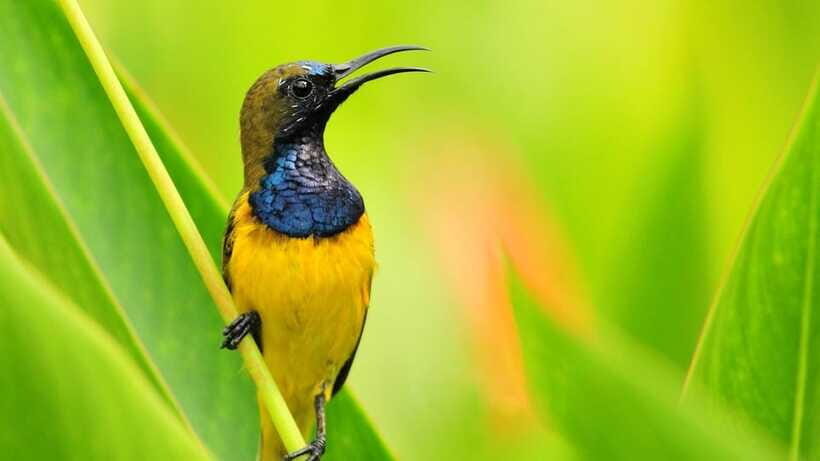
- Sunbirds (including olive-backed sunbird) feeding near flowers
- Black-naped orioles moving through canopy gaps
- White-headed munias foraging in grassy areas
- Yellow-vented bulbuls calling and hopping in trees
The key for you: don’t only scan for the biggest bird. Smaller birds can be easier to miss because you’re staring at one “main target.” Instead, use the guide’s pacing. When your guide stops, it usually means a bird call you can’t pick out yet is becoming visible. That’s where binoculars and a telescope earn their keep.
Also, bring an insect repellent. Rice fields and jungle edges can mean mosquitos, especially at dawn or dusk when your tour may run.
And because you’ll be walking on natural paths, neutral-colored clothing helps. The goal is to avoid startling birds with bright colors or sudden movement.




Binoculars, telescope, and guide skills that actually help you
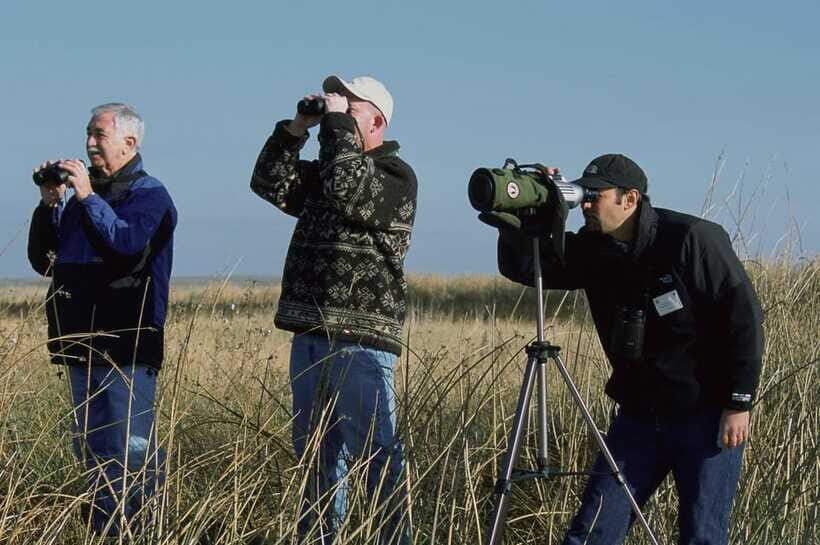
This tour includes binoculars and a telescope, which is a big value factor. You’re not renting gear on arrival, and you’re not relying on luck to find birds that are far away or partially hidden.
But gear alone doesn’t make a bird trip good. The guide skills do:
- Spotting birds from great distances
- Identifying species by calls as well as by sight
- Knowing where to pause so birds feel safe enough to show themselves
In the guide stories, names like Agung, Suker, and Dwipa come up repeatedly for this “eagle eyes” approach. Many also focus on how birds behave—what they do right before they take off, how they move between trees, and where they tend to land after a burst of flying.
For you as a beginner, this kind of teaching turns a walk into progress. One review mentioned having a post-tour species list and photos shared after the trip. Even if you don’t get the same exact format every time, this is the kind of added value that helps you learn for your next birding outing.
Photography tip from the field: avoid flash, and be ready for quick adjustments. Bird behavior can change suddenly when the light shifts or when another bird calls.
Price and value: what $48 includes and why it can be worth it
At about $48 per person for a 5-hour tour, the price feels reasonable when you look at what’s included:
- Experienced live guide (English)
- Hotel pickup and drop-off
- Entry tickets and a donation included
- Binoculars and a telescope
- Mineral water
Meals and optional add-ons are not included, so you’ll likely want to plan a snack or eat after. But compared with booking separately—transport, guide time, and any paid entry portions—this package structure can save you hassle and money.
One more value layer: the tour is a small group capped at 10. That matters because birdwatching needs quiet. Smaller groups mean you spend more time watching and less time managing people talking loudly over calls. Also, the transport performance is strong, with many reviewers giving it top marks.
Where the math gets tricky for some people: if you only want intense, nonstop birding with zero commercial detours, you should communicate your priorities. A couple of reviews flagged the presence of a coffee stop that felt more commercial than bird-focused. If that’s a dealbreaker, ask your guide to keep time tight and bird-first.
Add-ons and customization: coffee tasting, massage, and timing reality
The tour offers optional add-ons (and some are only available for certain options). Common add-ons mentioned include coffee tasting and traditional massage. This is a chance to shape the day into a culture-plus-birding mix.
Here’s the balanced way to use that option:
- If you want a short, light cultural stop, a coffee tasting can work because it breaks up the walking without killing the morning.
- If you’re chasing a specific bird (for example, kingfishers), protect your time. One review specifically suggested skipping a coffee establishment because it felt like a fixed commercial arrangement rather than something tied to bird sightings.
If you book, send your guide what you actually want to see and what you consider non-negotiable. A good guide can usually adjust the route around calls and your interests, within the reality of time and habitat.
Massage add-ons can be a nice end-cap after walking on uneven paths, especially if you’re staying in Ubud and want an easy recovery plan.
When you’ll see more birds: season, time of day, and weather
Birding is not a vending machine. The tour clearly sets expectations: sightings vary by season, weather, and time of day, and nothing is guaranteed. Still, you can improve your odds with smart choices.
Use these rules:
- Go early morning or late afternoon when bird activity tends to be best.
- Expect quieter, more active behavior around those times, which also makes calls easier to hear.
- Plan for weather changes. If it’s unseasonal or the ground gets slippery, the guide may adjust timing or focus. That adaptability is often what keeps the day enjoyable even when wildlife is quieter.
Also, keep expectations realistic. You may get plenty of common Bali species and a few special surprises. If your goal is strictly rare birds only, you’ll need deeper planning and likely more than half a day.
Who this Ubud bird-watching tour is best for (and who should skip)
This tour suits you best if you want:
- A guided way to see Bali birds without doing everything solo
- A mix of rice-field nature, village atmosphere, and bird-specific stops
- Beginner-friendly support, especially help identifying birds by call and behavior
- A compact 5-hour hit if you’re short on time in Ubud
It’s also a good match for photographers who want better odds of a variety of scenes—heron areas, ridge scanning, and field-edge moments.
Skip it if you:
- Have significant mobility issues, because terrain includes inclines and uneven ground
- Use a wheelchair, since it’s not designed for that
- Want something that’s purely birding with no sightseeing blending, especially if you’re an advanced birder and time matters every minute
One more caution: the tour isn’t recommended for pregnant women. That’s tied to the outdoor walking and uneven paths.
Should you book this Bali countryside bird-watching tour?
If you’re in Ubud and you want a simple, well-supported way to focus on birds, I’d say this is a strong pick. The included binoculars/telescope, the Petulu Village heron focus, and the ridge walk all point to a day built around actual viewing—not just driving past scenery. And the repeated praise for guide spotting skills (including identifying birds by call) makes it feel beginner-to-intermediate friendly.
That said, book it with two clear expectations: bird sightings vary, and the day can mix birdwatching with some cultural/sightseeing components like coffee stops. If you communicate your priorities and aim for the right time of day, you’ll get far more out of the experience.
If you’re fit enough for rural walking and you like learning while you watch, this is the kind of Bali half-day that sticks with you.
FAQ
How long is the Bali countryside bird-watching tour?
The tour lasts 5 hours.
Is hotel pickup and drop-off included?
Yes. Pickup and drop-off are included, and you should be ready in the hotel lobby about 5 minutes before the tour starts.
What birding gear comes with the tour?
The tour includes binoculars and a telescope.
What’s the group size?
It’s a small group, limited to 10 participants.
What does the price include, and what doesn’t?
The tour includes the guide, entry tickets (including entry and donation), hotel transfer, binoculars/telescope, and mineral water. Meals and optional add-ons are not included.
What language is the guide?
The live tour guide is in English.
Can I cancel for a full refund?
Yes. Free cancellation is available up to 24 hours in advance for a full refund.