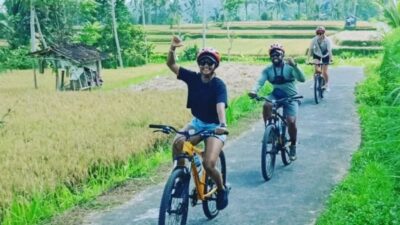
Pedal through Jogja’s lesser-known life. This MOANA Bike Tour style ride takes you off the big sights and mixes flat 11 km cycling with temples, an old palace, and sultanate-linked areas. I also like how the road captain, Alfat (you may see the name written as Alpha), ties what you see to Javanese culture and even local writings. One drawback to flag: it is still cycling, so it is not a fit if you are pregnant or you have back problems.
Another thing I like is the pacing. You start at the Moana Bike Tour sign outside the fence, and Alfat will be in a blue jacket, so it is usually easy to spot the right group. You spend real time on the Kalicode riverside and through everyday kampong streets, with refreshment breaks built in instead of treating food like an afterthought.
If you only have a few hours in Yogyakarta and you want a more local-feeling route, this works well. It is about movement, conversation, and heritage you can reach without cramming your day full of tickets and transfers.
In This Review
- Key Points You Should Know Before You Roll
- Why This Jogja Bike Ride Feels Different Than Usual Sightseeing
- The Route: 11 Flat Kilometers Along Kalicode
- Heritage Stops You Can Reach on Two Wheels
- Kampongs and Local Conversations: The Best Part for Many People
- Refreshment Breaks and a Taste of Local Industry
- Alfat’s Culture Stories: Why the Guide Matters
- Pace, What to Wear, and Who This Is For
- Price and What You’re Actually Paying For
- Eco-Friendly Extras: Mangrove Planting and the String Bag
- Where You Start and End (So You Don’t Waste Time)
- Should You Book This MOANA Bike Tour in Yogyakarta?
- FAQ
- How long is the cycling tour?
- How far will I cycle?
- Where do I meet the tour?
- Is the guide available in English?
- What’s included in the price?
- Who is the tour not suitable for?
Key Points You Should Know Before You Roll
- A flat, short ride: 11 km total, designed to be manageable at a steady pace.
- English + Indonesian guidance with a road captain who explains Javanese culture and writings.
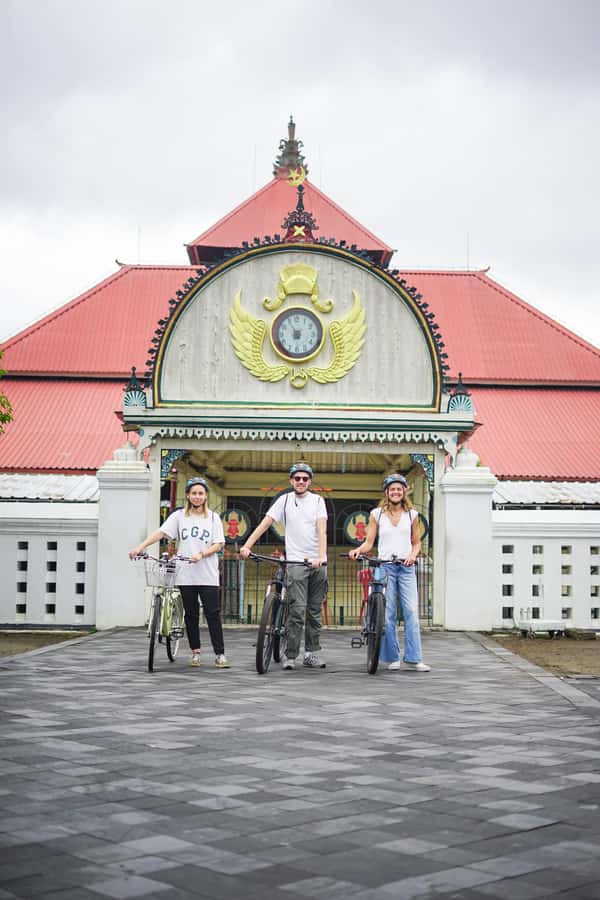
- Heritage beyond the main checklist: temples, an old palace, and sultanate-linked areas (including a Chinese temple and sultan’s palace mentioned by name).
- Local signature refreshments stop(s), plus a taste of daily life through kampongs.
- Eco-minded extras: an eco string bag and a mangrove planting charity component.
Why This Jogja Bike Ride Feels Different Than Usual Sightseeing
Yogyakarta can overwhelm you fast if you try to see everything in one shot. This tour makes a different bet: use a bicycle to slow your thinking down and let the city come to you. In practical terms, that means less time figuring out transport and more time paying attention to street texture—who is working, who is chatting, and how people live beside heritage sites.
The tour is also built around storytelling, not just photo stops. With Alfat as your road captain, you get context for what you are seeing and how it connects to Javanese culture. That matters because many heritage areas can feel like isolated monuments if you only read a plaque. Here, you get cultural threads you can follow while you cycle.
I’ll be honest about the “value” side too. For $46 you are not just renting a bike for a quick spin. You’re getting cycling time, English/Indonesian interpretation, refreshments, and included support for an environmental charity (mangrove planting). That bundle is where the tour earns its price.
You can also read our reviews of more tours and experiences in Yogyakarta.


The Route: 11 Flat Kilometers Along Kalicode
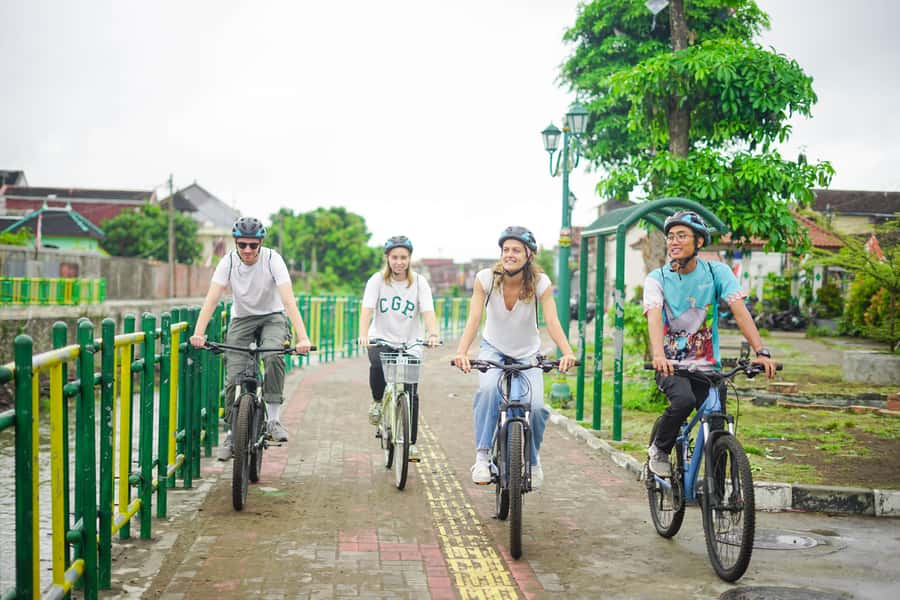
This ride is 3 hours total with 11 km of cycling, and the route is flat. That combination is the sweet spot for a lot of visitors: you get motion and fresh air without needing to train for a mountain stage.
You’ll also get a very Yogyakarta kind of view: not only monuments, but the riverside life along Kalicode, plus nearby rural-feeling streets. The tour description calls this a diverse rural area, and you can expect the vibe to be calmer than the most famous corridors. The practical benefit is simple. You spend your energy on one steady path rather than constantly braking for steep grades, stairs, or chaotic crossings.
Also, because it’s an 11 km route, you can actually talk while riding. That sounds minor until you try a tour where the pace forces everyone into silent suffering mode. Here, conversation is part of the point, especially when Alfat is explaining culture and local writings.
Heritage Stops You Can Reach on Two Wheels
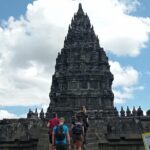
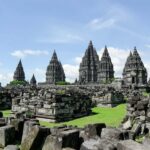
The tour’s heritage approach is the best reason to book. It’s not only temple-and-go. You cycle through sections of Yogyakarta that don’t always show up in the quick sightseeing script, including temples, an old palace, and areas linked to the sultanate.
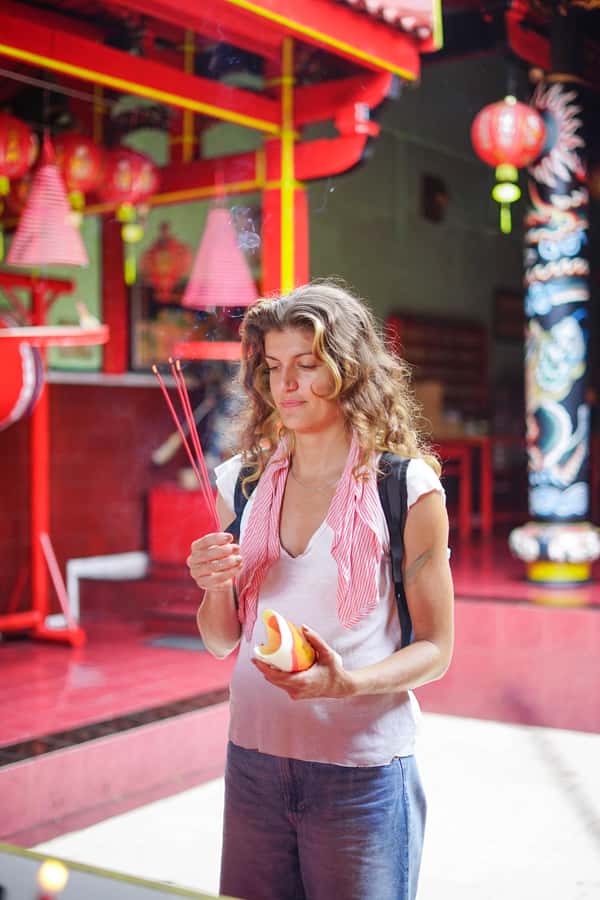
From the guide-focused comments tied to this experience, two names come through clearly: a Chinese temple and the sultan’s palace. Even without a huge amount of ticket-hunting, these stop types give you a range of architectural and cultural cues in a short time window.
Here’s what I’d expect each heritage stop to do for you:
- Temples: You’re not just looking at shapes. With a road captain explaining the cultural framing, temples become part of the city’s lived identity, not just skyline decoration.
- Old palace areas: Palace-related spots usually come with a lot of symbolism, and having guidance on what you’re seeing helps you notice details you’d miss if you were only scanning for photo angles.
- Hidden sultanate areas: The tour description explicitly calls out Sultanate-linked areas you won’t find in guidebooks. Whether that means lesser-visited rooms, quieter compounds, or just zones outside the usual foot traffic, the value is the same: you learn the “why,” not just the “what.”
One practical caution: heritage sites often mean uneven edges, steps, and short walking segments around entrances. The tour is bicycle-focused, but you should still be comfortable stepping on and off paths.
Kampongs and Local Conversations: The Best Part for Many People
The tour spends time in kampong areas—neighborhoods where daily life is the main event. That is where you get the city’s personality in a way that no itinerary map can fully capture.
The description emphasizes engagement with friendly locals and learning about Javanese culture. In plain terms, that means you’re not treating the tour like a drive-by parade. You’re cycling at a pace that lets you notice details and ask questions.
I especially like how this is framed as meeting locals and learning cultural ideas through real conversation. You get the sense that you are being guided toward cultural understanding, not just handed a checklist of attractions. When you have a guide who can explain the meaning behind everyday things, you tend to remember the trip longer.
And because you are moving through neighborhoods rather than only stopping at major points, you also get a better sense of geography. Jogja starts to feel connected, not like separate islands of interest.
Refreshment Breaks and a Taste of Local Industry
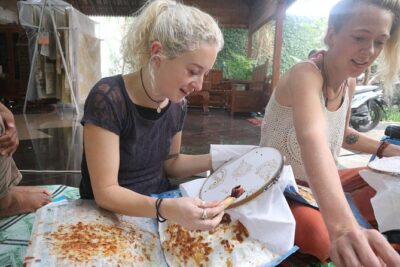
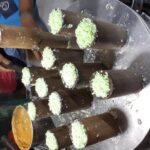
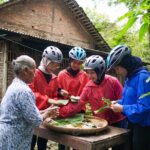
One of the tour’s smart design choices is the inclusion of signature refreshments. Food stops aren’t always done well on tours—they can become rushed handoffs with little explanation. Here, the refreshment breaks are part of the learning flow.
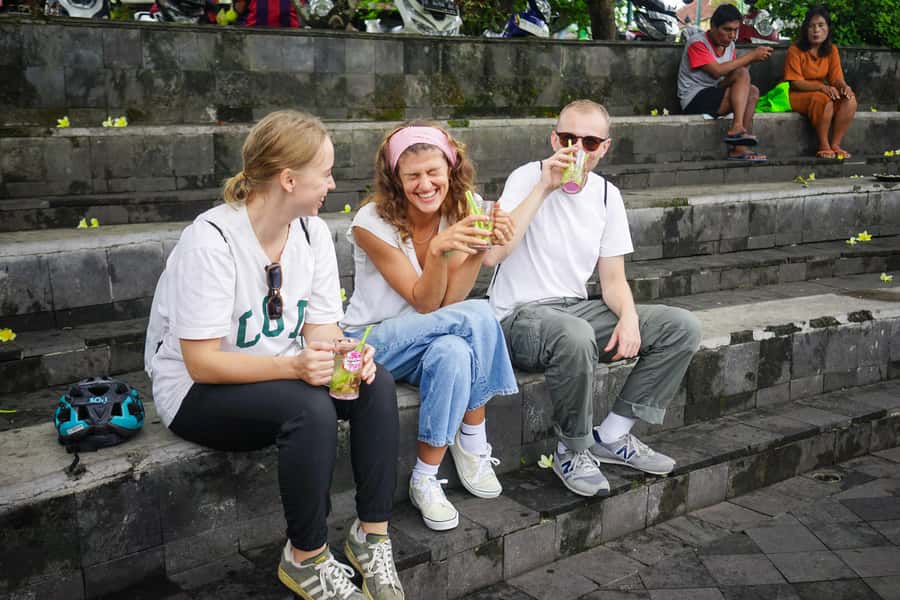
What you’ll get matters less than the role food plays. When you pause to try local drinks or snacks, you build a human connection to the places you just rode past. You also get a moment to reset your legs and regroup, especially since the cycling distance is short enough that you can comfortably enjoy the stops without feeling like you’re constantly behind schedule.
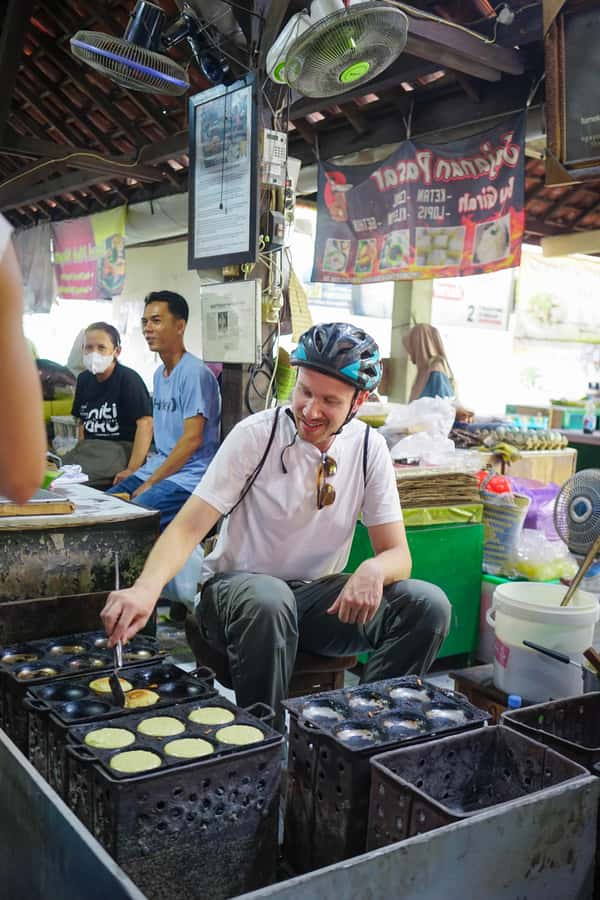
The tour also includes a visit to local industry. You don’t get details like which workshop or product line in the information you provided, so you should treat this as a flexible stop where you’ll likely see how people make or process something locally. The value of an industry visit on a bicycle tour is that it’s anchored in place—you are there, in the area where it happens, not reading about it later from a book.

Alfat’s Culture Stories: Why the Guide Matters
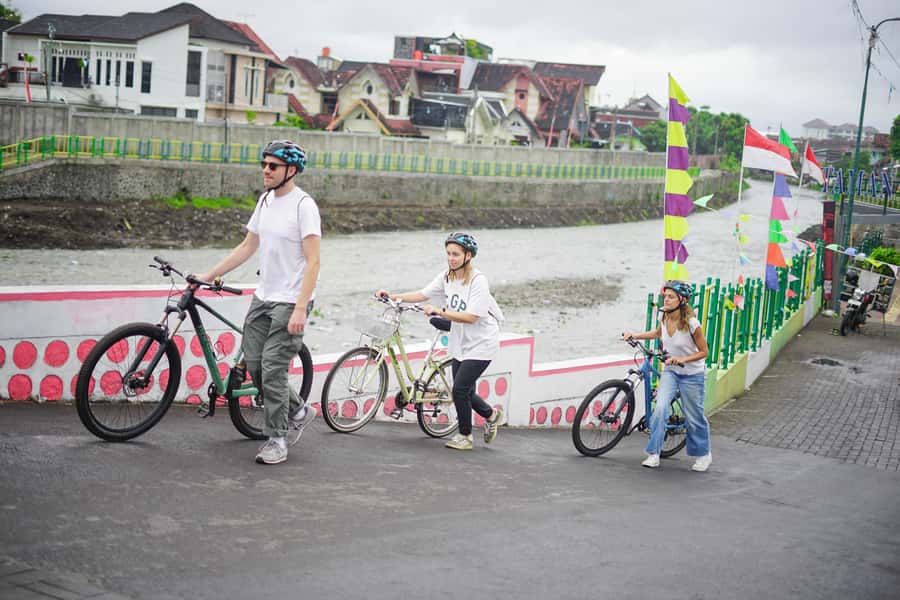
I’ll say it directly: on a tour like this, the road captain is the difference between a nice ride and a meaningful one.
Alfat is described as entertaining and knowledgeable, and the tour is set up so he can explain Javanese culture and writings as you go. That matters because Yogyakarta’s heritage can be layered—religion, tradition, local identity, and royal history all overlap in everyday life. If you only look, you get images. If someone explains while you ride, you get understanding.
From the comments tied to this experience, Alfat is specifically praised for knowing interesting things about kampongs, a Chinese temple, and the sultan’s palace. That lines up perfectly with the tour format: you cycle through neighborhoods, then you reach heritage sites, then you cycle again while the guide connects the dots.
Also, the tour runs with live guidance in both English and Indonesian. If you’re comfortable speaking in English, you’ll still likely get moments of back-and-forth. Even if you keep your questions simple, a bilingual guide can still help you interpret what’s happening.
If you like tours where you learn while moving, this one hits the mark.
Pace, What to Wear, and Who This Is For
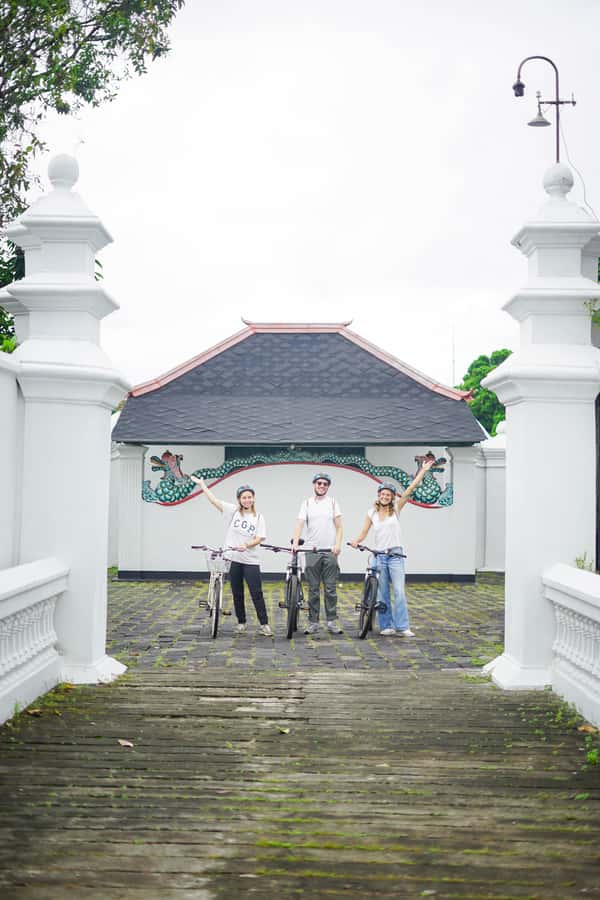
The route is flat and totals 11 km, with 3 hours on the clock. That makes it a strong option for people who want to be active but don’t want a strenuous day. You’ll still want to dress for real outdoor cycling—sun, heat, and a bit of roadside dust are typical in Java-style conditions.
Because the tour is not suitable for pregnant women and not suitable for people with back problems, choose something else if your doctor has advised against cycling or if sitting on a bike triggers pain. Short distances do not automatically make it comfortable for everyone.
Who it suits best:
- First-timers who want more of Jogja’s neighborhoods, not only big landmarks
- Visitors with limited time who want a single, coherent route
- People who enjoy guides who explain culture and meaning, not just directions
- Anyone who likes local food stops and short pauses for conversation
Price and What You’re Actually Paying For
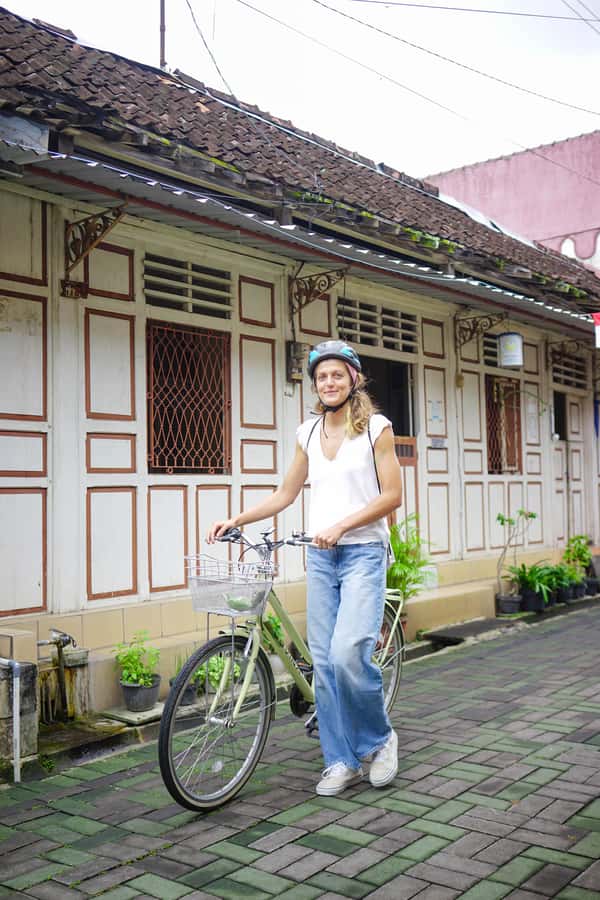
At $46 per person for a 3-hour ride, you’re paying for more than a bicycle.
Here’s what’s included in the experience info:
- Bike
- Refreshment snack and drinks
- Eco string bag
- Local experience (guided cultural connection)
- Visit local industry
- Mangrove planting charity component
When you tally that up, the value feels more reasonable. You are covering guide time, transport-by-bike for 11 km, and built-in stops that would cost extra time (and often money) if you tried to DIY it.
Also, the “small group feel” is implied by the format—this isn’t described as a massive bus tour. Even if the group size isn’t stated, the length and the structure suggest it’s designed for manageable conversation and stop-and-go pacing.
The main cost risk is personal comfort. If you can’t bike for even short distances, the included bike won’t help you much. If you can ride comfortably, this price looks like a fair trade for guidance, food, and meaningful areas in a short window.
Eco-Friendly Extras: Mangrove Planting and the String Bag
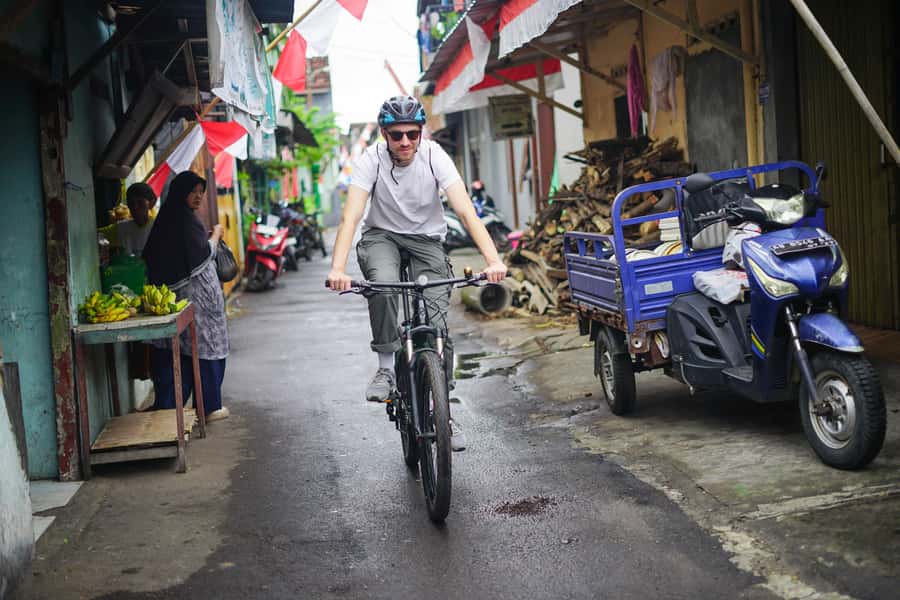
Two details in the included list deserve a moment.
First: the eco string bag. It sounds small, but it’s a practical souvenir you’ll use later. It also signals the tour provider isn’t only focused on photos and checkboxes.
Second: mangrove planting charity. Even though the exact on-the-ground timing isn’t described, the inclusion means your booking ties into environmental support. If that matters to you while traveling, it’s an easy green flag.
Where You Start and End (So You Don’t Waste Time)
You meet outside the fence at the Moana Bike Tour sign. The road captain will be wearing a blue jacket—use that as your visual anchor. When the tour ends, you return back to the meeting point, so you’re not stuck figuring out how to get across town at the end.
If you’re trying to fit this into a tight schedule, the 3-hour duration is the key piece of planning. The route is short enough that it usually stays manageable around other plans.
Should You Book This MOANA Bike Tour in Yogyakarta?
Yes—if you want a short ride that mixes neighborhoods, heritage sites, and food, this is a strong pick. The flat 11 km route is ideal for most visitors who want to move without stressing, and the guide-led culture explanations (with Alfat in the blue jacket) are the glue that makes the stops feel connected.
Skip it if cycling is uncomfortable for you, especially if you’re dealing with back problems or pregnancy restrictions. And if you only want the absolute most famous monuments with zero learning and zero questions, this style of tour may feel too conversational and too local for your taste.
If you’re the type of traveler who likes real city life—kampongs, riverside areas like Kalicode, and heritage sites explained with context—this tour is a very workable use of a few hours in Jogja.
FAQ
How long is the cycling tour?
The tour lasts 3 hours.
How far will I cycle?
You’ll cycle 11 km. The route is described as flat.
Where do I meet the tour?
You start outside the fence at the Moana Bike Tour sign. The road captain will be wearing a blue jacket.
Is the guide available in English?
Yes. The live tour guide works in English and Indonesian.
What’s included in the price?
The included items are the bike, refreshment snack and drinks, an eco string bag, local experience, a visit to local industry, and a mangrove planting charity component.
Who is the tour not suitable for?
It is not suitable for pregnant women and not suitable for people with back problems.