Cooking in a Balinese home beats studio classes. This private class pairs a Payangan market walk with hands-on cooking in a family compound kitchen, including traditional spice prep with stone mortars and wooden blocks. I love how family-run it feels, and I love that you do the real work—chopping, pounding, grilling, and building sauces—rather than just watching. One consideration: this is not a sit-and-snack class. You’ll be on your feet and doing hands-on prep the whole way.
You’ll start with a welcome drink (Bali coffee or tea) plus Balinese cake, then move from market ingredients to a full meal you assemble and eat. The session runs about 6 hours, with pickup and drop-off in the Ubud area, and you leave with recipes and a workshop certificate.
In This Review
- Key Things You’ll Notice Right Away
- A Private Balinese Cooking Class That Starts With Real Ingredients
- Payangan Market: Where You Learn What Balinese Cooking Really Uses
- Welcome Drink and Balinese Cake: The Easy Start Before You Work
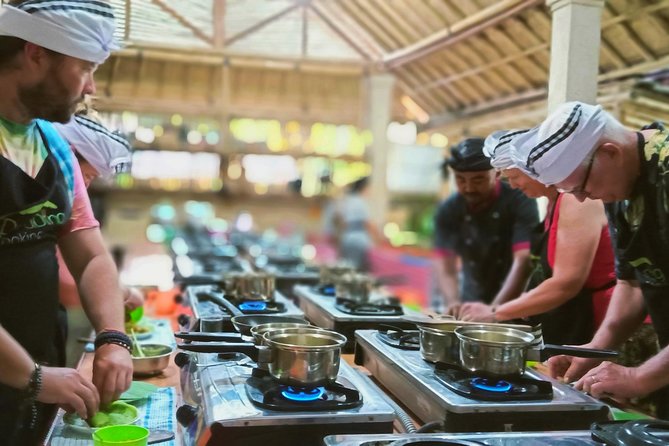
- The Balinese Compound Kitchen: Open Air, Lots of Stations, Real Setup
- The Best Part: Traditional Spice Processing (Stone Mortar + Wooden Blocks)
- Your Menu: What You’ll Cook and Why It’s a Smart Mix
- Morning Lunch vs Afternoon Dinner: Two Ways to Do the Same Magic
- The Instructors and Teaching Style: Guided, Not Taken Over
- Price and Value: What $75 Buys in Ubud
- Group Size and Comfort: When Private Feels Really Private
- Practical Tips So You Enjoy the Full Class
- Should You Book This Exclusive Balinese Cooking Class at a Family Home?
- FAQ
- How long is the cooking class?
- Where does the class start?
- Is pickup and drop-off included?
- What meals are included?
- Can I choose vegetarian dishes?
- How many people are in the class?
- What dishes are included in the menu?
- Is bottled water provided?
- What’s the minimum age to join?
Key Things You’ll Notice Right Away
- Payangan Market up front: see ingredients and everyday food choices before you cook
- Family home, open kitchen style: a real compound setting with multiple cooking stations
- Traditional spice method: stone mortar grinding and wooden-block chopping for pastes and sauces
- Hands-on cooking for your whole menu: you process, cook, then enjoy the results
- Vegetarian-friendly options: just tell them ahead so they can prep correctly
A Private Balinese Cooking Class That Starts With Real Ingredients
Most Ubud cooking classes feel like a workshop. This one starts closer to daily life. You meet at Payangan Market, then you cook in a family compound with an open kitchen setup. That matters, because Balinese food isn’t just “spicy.” It’s built on technique—how you prepare aromatics, how pastes turn into sauce, and how each dish balances richness, brightness, and heat.
You’ll likely cook as part of a small private group (up to 12 people). That size is big enough to have fun energy, but small enough that you’re not lost in the crowd. If you’ve done other cooking classes where the chef does all the chopping, you’ll notice the difference here: they guide you, but you do the work.
And yes, you’ll probably leave hungry—in a good way. The structure is market → kitchen → full feast, with lunch for morning sessions and dinner for afternoon sessions.
You can also read our reviews of more tours and experiences in Ubud.



Payangan Market: Where You Learn What Balinese Cooking Really Uses
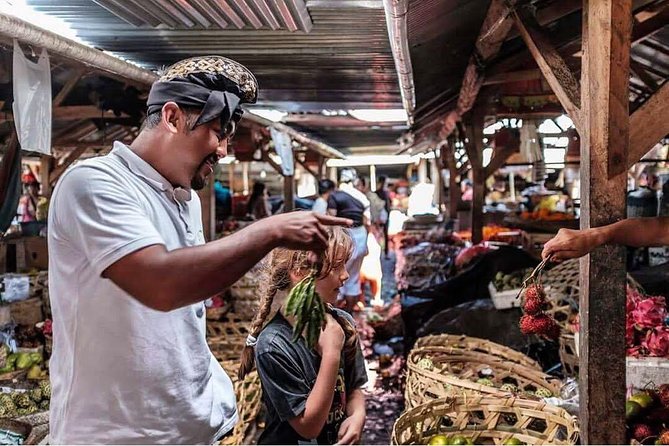
The first stop is Payangan Traditional Farmer Market. This isn’t just “look at colorful produce.” It’s your introduction to how Balinese cooking selects ingredients and how many flavors start long before the stove.
In the market, you’ll get a close encounter with local food life. You can expect to test spice ingredients and learn how different produce and seasonings fit into Balinese dishes. This is useful because later, in the kitchen, you’re not guessing what you’re holding. You understand why it’s there.
What makes this market stop valuable
- You learn ingredients in context, not as a mystery bundle.
- You get spice familiarity early, so the kitchen steps make more sense.
- You see how a local market actually supports everyday cooking.
Possible drawback: markets can be lively and less “controlled” than packaged cooking ingredients. If you’re sensitive to crowds or strong food smells, arrive with patience. If you’re excited by local food, you’ll enjoy it.
Welcome Drink and Balinese Cake: The Easy Start Before You Work
Before cooking starts in earnest, you’ll be welcomed with Bali coffee or tea and Balinese cake. This is a small detail, but it helps you reset your pace after the market portion.
Then you move into spice prep and ingredient testing—part of the class flow that sets you up for the hands-on cooking segment. Think of it like the warm-up before the serious technique.
If you’re caffeine or tea-driven, good news: you can refill your bottle water at the class for free during the session. They also encourage you to bring your own bottle to reduce single-use plastic, which is a nice touch in Bali.
The Balinese Compound Kitchen: Open Air, Lots of Stations, Real Setup
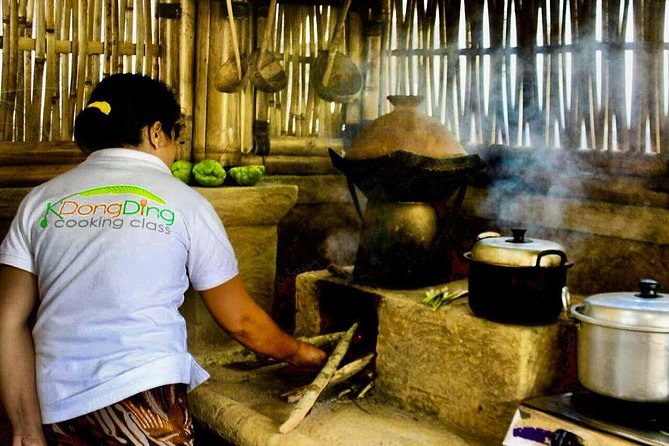
After the market, you head to the family compound house and open kitchen area. This is where the experience stops feeling like a demo and starts feeling like you’re joining in.
You’ll likely see multiple cooking stations. The program emphasizes that every participant has their own station, along with cooking tools and kitchen set tools. That means you’re not sharing one cutting board while the chef makes the real moves.
From what’s been shared by people who’ve done this class, the instructors are hands-on with guidance but allow you to perform each step. One theme that shows up again and again: they explain and steer, but they don’t take over your hands.
And because it’s held in a family home compound, you may also get a glimpse of daily life beyond cooking. Some classes include introductions to family members and pets (one person mentioned a rescued pet monkey). If that kind of spontaneous moment appeals to you, this format is a strong match.
The Best Part: Traditional Spice Processing (Stone Mortar + Wooden Blocks)
Balinese cooking leans hard on paste and sauce. And this class teaches that core idea directly, not as a buzzword.
You’ll practice traditional spice processing with two main methods:
- Chopped on a wooden chopping block
- Ground in a stone mortar
That choice affects texture. It affects how aromatics release while cooking. In other words, this step isn’t cosmetic—it changes the final dish.
As you work, you’ll learn why paste and sauce preparation is one of the most important parts of Balinese cuisine. You’ll do the prep yourself: testing spices, processing ingredients, and then cooking them into the dishes.
If you like food science in a practical form (not lectures), you’ll enjoy this section. Even if you’ve never cooked Balinese food, this structure gives you repeatable technique you can use later at home.





Your Menu: What You’ll Cook and Why It’s a Smart Mix
The class menu is designed to cover multiple styles of Balinese flavor: vegetables and tofu, grilled or pan-cooked elements, and sweet crepe-style dessert. Vegetarian options are built into the menu, with tofu substitutions available (just request it in advance).
Here’s what you can expect to cook:
- JUKUT URAB (Vegetarian)
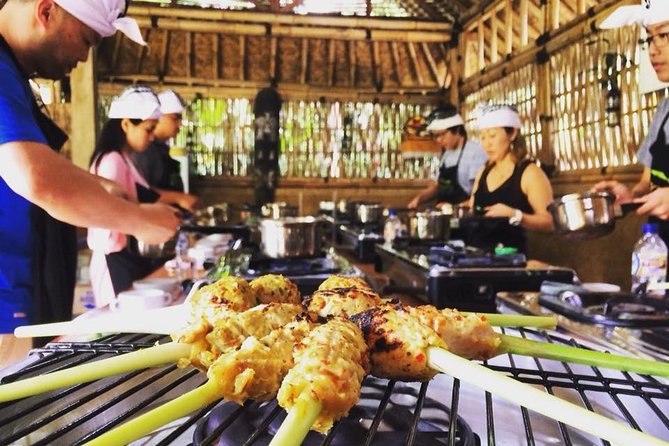
- SATE LILIT AYAM (Vegetarian/TOFU option)
- CALON BE SIAP WITH CHAYOTE SOUP (Vegetarian/TOFU option)
Chayote is described as low in calories and fibrous, and the info shared also notes anti-inflammatory properties that may support health goals like digestion and weight management.
- TAHU MESANTEN (Vegetarian)
- DADAR GULUNG (Vegetarian) ala kdongding
Why this menu works for most people:
- You taste multiple “building blocks” (sauces, pastes, coconut-based elements, and balanced savory plates).
- You get a vegetarian-focused set without feeling like you’re eating an afterthought.
- You end with a dessert that helps the meal feel complete, not just like a cooking assignment.
What to watch for: you’ll want to flag allergies or specific dietary needs before the class. They ask you to let them know in advance so they can prepare vegetarian correctly and handle your preferences.
Morning Lunch vs Afternoon Dinner: Two Ways to Do the Same Magic
The class can run in a morning or afternoon format, and it changes what you eat at the end.
- Morning class: includes a morning market experience and a lunch that you make yourself.
- Afternoon class: includes an afternoon night market experience and a dinner you make yourself.
This is practical if you’re planning your Ubud day. If mornings feel too rushed, go afternoon. If you’d rather eat earlier and avoid late-day crowds, choose the morning slot.
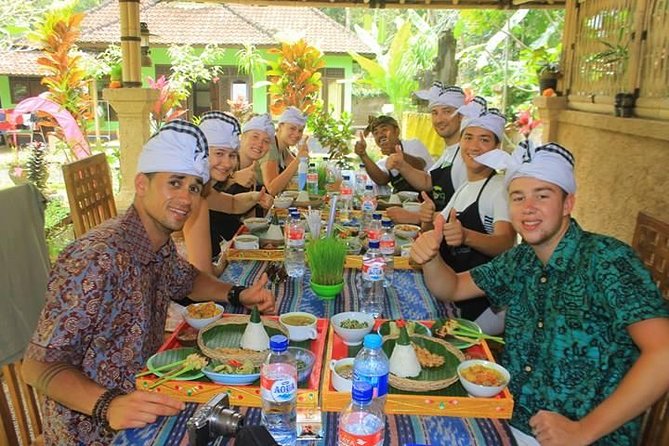
In both formats, the core promise stays the same: you cook the menu by hand, then you savor what you made. That’s the difference between a class and a memory.
The Instructors and Teaching Style: Guided, Not Taken Over
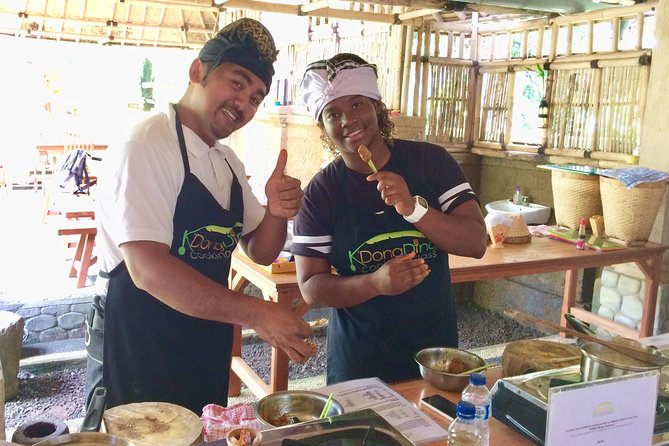
Different people may have different instructors, and you may hear names like Nyoman Mahendra in the experience. Others have mentioned Wayan as well. What doesn’t seem to change is the teaching philosophy: instructors love sharing knowledge, and they make sure you actually learn steps, not just recipes.
Expect lots of explanation in plain language, plus real-time support while you:
- process ingredients
- prepare spice pastes and sauces
- grill or cook the dishes
- assemble and eat your final plates
One strong advantage of the “hands-on first” style: it’s easier to recreate these dishes at home. You’ll remember the texture shifts from chopping vs grinding, and you’ll remember how pastes behave during cooking.
Price and Value: What $75 Buys in Ubud
At $75 for about 6 hours, the biggest value is what you get beyond the meal. This price point covers:
- a private class format (small group, max 12)
- market visit
- free pickup and drop-off in the Ubud area (and Payangan area)
- ingredients, tools, and a cooking station for each participant
- a welcome drink, snacks, and the meal you cook
- recipe book and a culinary workshop certificate
- air-conditioned vehicle transport
You’re paying for time with an expert local chef and a family-run setting, not just for a plate of food. If you compare that to taking a cooking class that’s mostly a demonstration, this one gives you more “hands per minute,” so your money turns into a skill set you can bring home.
A small cost note: if you’re staying outside the Ubud and Payangan zone (like parts of Sanur or farther), extra transfer fees may apply. If your hotel is outside central Ubud, double-check the pickup cost before you book.
Group Size and Comfort: When Private Feels Really Private
This is advertised as private, with minimum 1 person and maximum 12 per booking. The instructor to student ratio is part of the value. You’ll have your own station and space to work.
There’s also a transport detail to keep in mind: the vehicle is described as fitting up to 6 passengers. If your party is larger than 6, extra costs may apply for guest 7–12. For most couples, solo travelers, and small families, you should be fine. For bigger groups, it’s worth coordinating so nobody shows up thinking it’s one seamless car.
If you’re traveling as a family: the minimum age is 12, so plan accordingly.
Practical Tips So You Enjoy the Full Class
Here’s how to get the most out of the day.
- Wear shoes you don’t mind for an open-air compound and market areas.
- Expect to get a little messy. You’ll be chopping, pounding, and processing spices.
- If you’re vegetarian, tell the organizer in advance. They note that you can’t assume vegetarian prep is automatic.
- Bring your own water bottle if you can. The class provides refills, but they ask you to help reduce single-use plastic.
- If you have allergies, send them ahead of time. They ask for special requests and allergy info before class.
If you like hands-on learning, this class is built for you. If you hate kitchen work, you’ll probably feel frustrated. The good news: even beginners report that the step-by-step guidance makes it doable.
Should You Book This Exclusive Balinese Cooking Class at a Family Home?
Book it if you want a Balinese cooking experience that feels local from minute one. This class is strong for:
- couples and solo travelers who want a small-group setting
- people who love markets and ingredient learning
- vegetarians who want a real meal built around Balinese flavors (and not just a substitute plate)
- anyone who wants to actually cook, not watch
Skip it (or choose a different style) if you’re looking for a mostly observational experience. You’ll do hands-on prep throughout, and you should be comfortable with that rhythm.
If you want a fun Ubud day that ends with food you made yourself—plus a clear cooking technique you can repeat later—this is a solid choice.
FAQ
How long is the cooking class?
It runs for about 6 hours (approx.).
Where does the class start?
The start point is Payangan Market (Unnamed Road, Melinggih, Kec. Payangan, Kabupaten Gianyar, Bali 80572, Indonesia). The activity ends back at the meeting point.
Is pickup and drop-off included?
Yes, free pickup and drop-off are provided in the Ubud area (and Payangan area). Additional pickup transfer charges may apply if you stay outside of those areas.
What meals are included?
For the morning class, lunch is included. For the afternoon class, dinner is included. In both cases, you make the menu yourself.
Can I choose vegetarian dishes?
Yes. Vegetarian options are available, but you need to let them know in advance so they can prepare it correctly.
How many people are in the class?
It’s private, with a minimum of 1 person and a maximum of 12 people per booking.
What dishes are included in the menu?
The menu includes JUKUT URAB (V), SATE LILIT AYAM (V/TOFU), CALON BE SIAP WITH CHAYOTE SOUP (V/TOFU), TAHU MESANTEN (V), and DADAR GULUNG (V) ala kdongding.
Is bottled water provided?
Bottled water is not included. They encourage you to bring your own bottle to reduce single-use plastic, and you can refill your bottle water at the class for free.
What’s the minimum age to join?
The minimum age is 12 years, and children must be accompanied by an adult.