Blue fire waits for the brave. This Bali-to-Ijen overnight trip is interesting because you’re taken from night drive to the crater floor for sunrise glow. I especially like the clear safety setup (gas mask and headlamp included) and the fact that you’re guided to the right spots so you can see the sulfur miners at work. One real drawback: it’s a long day that starts late, and the hike is not gentle.
The experience runs like a well-run field trip: a professional, English-speaking guide handles timing, terrain, and safety so you don’t have to guess. In the group, guides like Sopi, Nido, Usi, Uzi, and even driver Abi show up in the stories for being organized, attentive, and good at keeping energy up in the cold hours.
If you want an easy outing, this is not it. If you want one of Java’s most famous sights—Kawah Ijen bluefire at dawn—and you’re ready for a serious trek, this tour makes a strong case for your time and money.
In This Review
- Key things that make this Ijen trip different
- Why Kawah Ijen’s bluefire is worth the long 23 hours
- Getting from Bali to East Java: late pickup and ferry timing
- The rim climb to the crater: what the hike demands
- Crater floor at dawn: bluefire, sulfur miners, and the acid lake
- Safety gear isn’t optional here: headlamps and gas masks
- Guide and driver teamwork: what “organized” looks like in real life
- Price and value: what you’re paying for at $107 per person
- When to go, and when to skip: closure and visibility reality
- What to pack for cold dawn and steep steps
- Who this tour suits best
- Should you book this Bali to Ijen overnight sunrise trip?
- FAQ
- What time does pickup happen in Bali?
- Is the ferry included in the tour?
- What gear is included for the hike and crater area?
- Do I get breakfast and refreshments at Ijen?
- Is bluefire guaranteed?
- What should I bring?
Key things that make this Ijen trip different
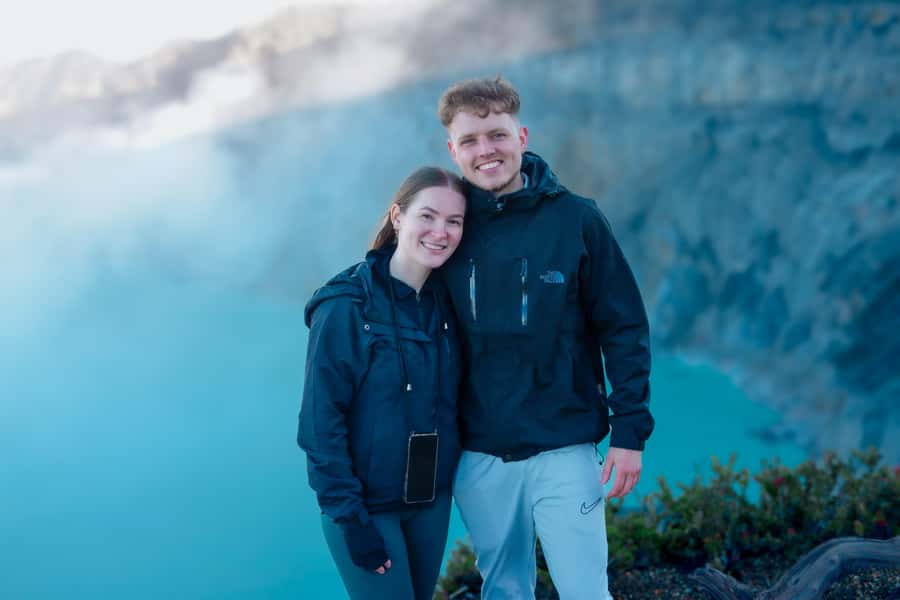
- Blue fire timing: You’re brought to the crater floor for dawn transition, when conditions and light matter most.
- Safety gear included: Gas mask and a headlamp are part of the package, not an add-on.
- You get a guided hike plus narration: The guide helps you understand what you’re seeing while you move.
- Small group feel: Limited to 15 people, so you’re not lost in a crowd.
- A real local moment at the crater: You can watch sulfur miners harvesting while the sun rises behind the big acid lake.
Why Kawah Ijen’s bluefire is worth the long 23 hours
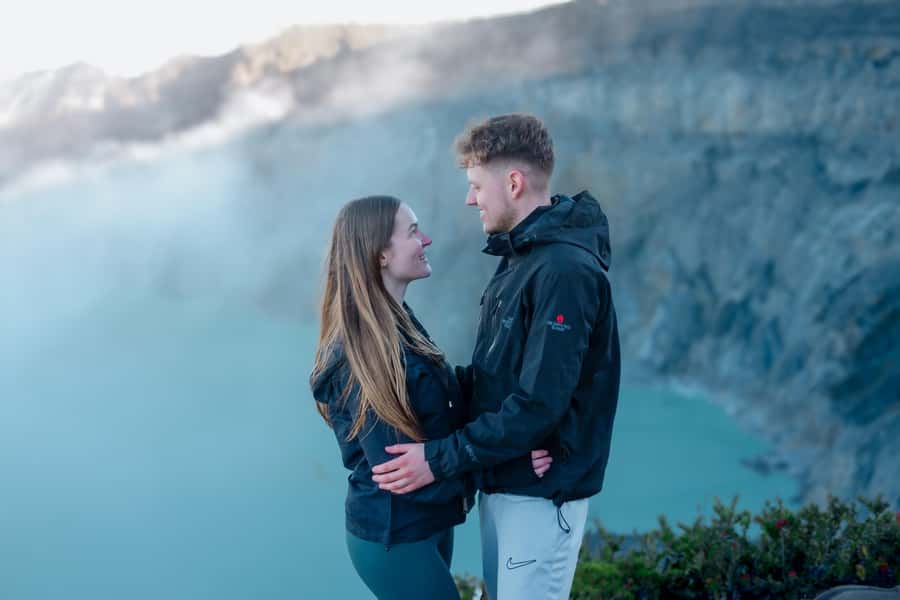
Kawah Ijen is one of those places that sounds unreal until you’re actually there. The famous part is the blue sulfur fires, and the second famous part is that you’re not just watching nature—you’re watching people work in an intense environment.
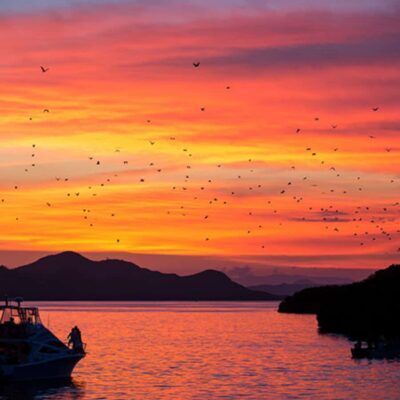
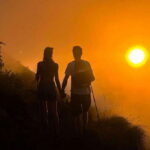
What makes this tour feel worthwhile is the pacing. You leave Bali in the evening, move through the travel portion overnight, then start hiking so you reach the right elevation before dawn. The goal is to position you beside the crater so you can experience the color shift as sunrise hits. When the light changes, the scene goes from dark drama to sharp, detailed reality—then you’re walking back out again with the day’s main event behind you.
I also like that the experience is designed around viewing, not random sight stops. You’re not wandering around for hours hoping you’ll stumble onto something interesting. You’re climbing to the rim, descending to the crater floor, and then moving with the sunrise.
You can also read our reviews of more tours and experiences in Indonesia.
Getting from Bali to East Java: late pickup and ferry timing
This trip is built on early-morning success, so the logistics start the night before. Departure from Bali is in the evening—around 6:00 PM depending on your pickup area, with some regions starting at 6:30 PM. You’ll be collected from several Bali locations including Ubud, Kuta, Denpasar, and more.
Then you cross by ferry (about 1 hour). That ferry ride matters more than it sounds. It breaks up the route and helps you arrive ready for the hike instead of arriving totally fried. It’s also part of why the whole plan stretches close to 23 hours, especially since the pickup and drop-off are timed for multiple Bali neighborhoods.
When this works well, it feels easy. You get picked up, you drive, you ferry, you’re guided once you’re in position. When it doesn’t work, it’s usually because people show up unprepared—wrong shoes, not enough warm layers, or forgetting that night travel turns your morning into “cold and focused” territory.
The rim climb to the crater: what the hike demands
Once you’re on the Java side of things, the climbing starts. The route takes you up to the rim of Ijen, which reaches 2,370 meters. From there, you descend toward the crater floor.
This is where guides earn their pay. You’re dealing with uneven footing, steep sections, and low visibility at the start. The tour includes a safety briefing, and that’s not fluff. It sets expectations for where to place your feet, how to move as a group, and how to handle the visibility challenges before sunrise.
The hike is challenging enough that the tour is not suitable for certain travelers: pregnant women, people with back problems, people with heart problems, people with altitude sickness, babies under 1 year, and people over 95 years. If you’re in any borderline category, be honest with yourself. This trip is about getting to the crater floor at the right moment, not about taking long, relaxed breaks.
Crater floor at dawn: bluefire, sulfur miners, and the acid lake
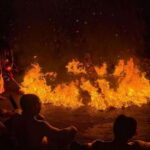
This is the heart of the whole thing. The plan brings you down beside the crater so you can see the ethereal blue sulfur fires and observe Javanese sulfur miners harvesting sulfur.
As dawn breaks, the light changes fast. That’s why timing is everything here. The bluefire phenomenon is tied to the conditions around the crater, and the sunrise light reveals more details of the scene than you can appreciate in darkness. One review story even noted that the group didn’t see blue flames, but still described the view as unforgettable. Translation: even if visibility isn’t perfect, being in the right place at the right hour is still a big payoff.
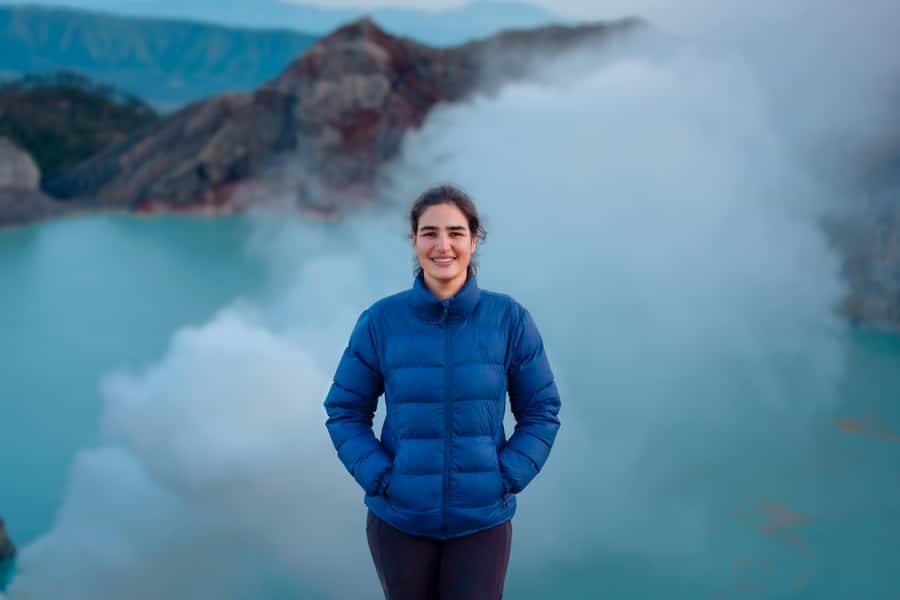
You’ll also experience the crater’s extreme setting. The biggest acid lake in the world is part of what defines Kawah Ijen, and your viewing position gives you dramatic context—steam, colors in the rocks, and the scale of the crater around you.
After the peak viewing time, you return toward the top and continue the day back toward Bali. On the way, there’s coffee, tea, and breakfast included at Ijen, plus local snacks and mineral water. That meal matters. It’s how you recover from cold, wind, and a lot of uphill effort.
Safety gear isn’t optional here: headlamps and gas masks
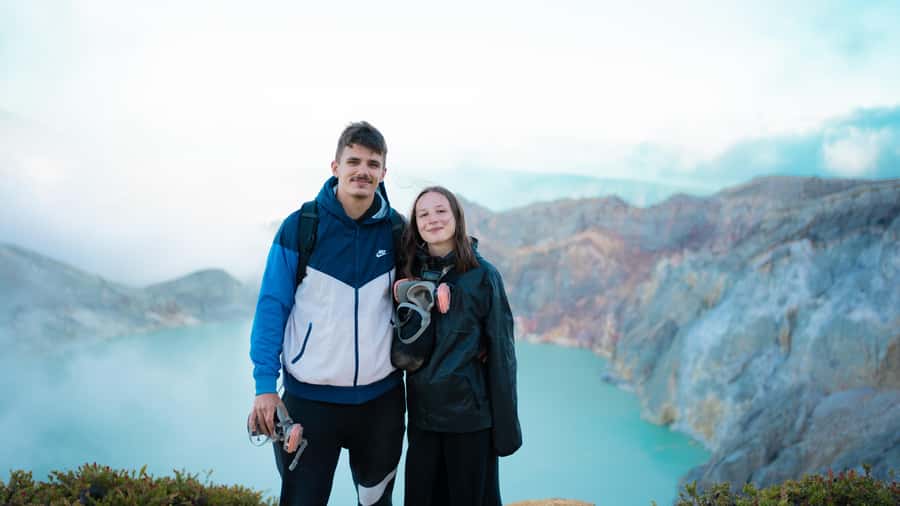
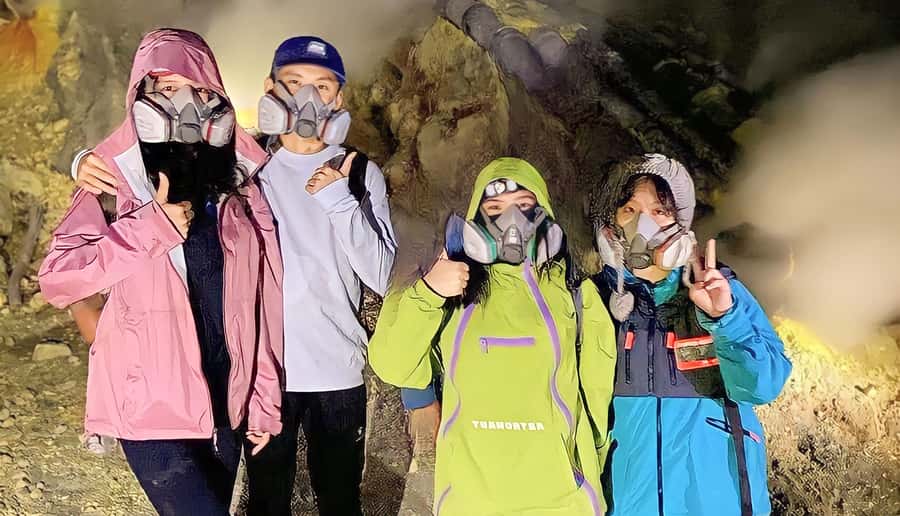
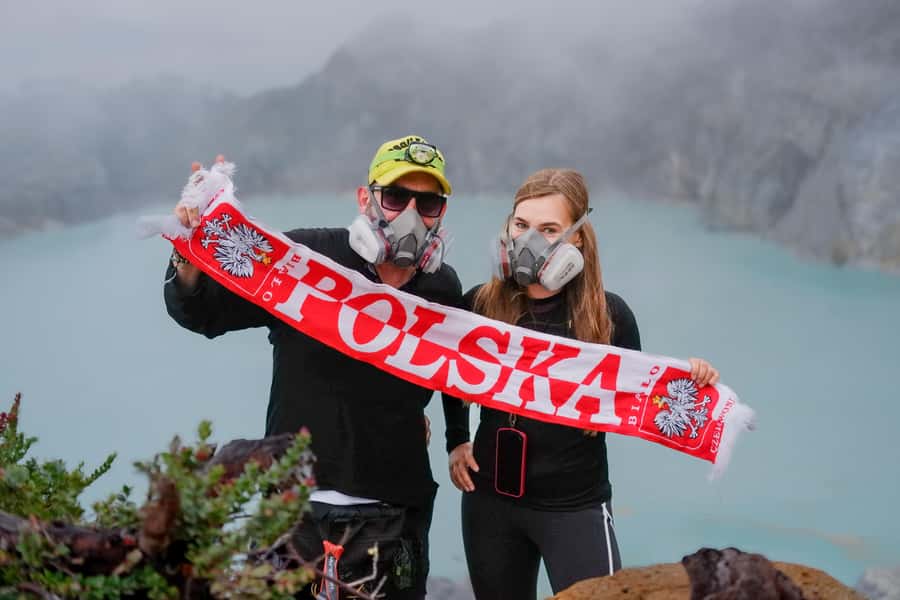
Kawah Ijen means sulfur fumes and low-light walking. This is why I’m glad the tour includes a gas mask and headlight. It’s not just for convenience; it’s there so you’re not improvising under pressure.
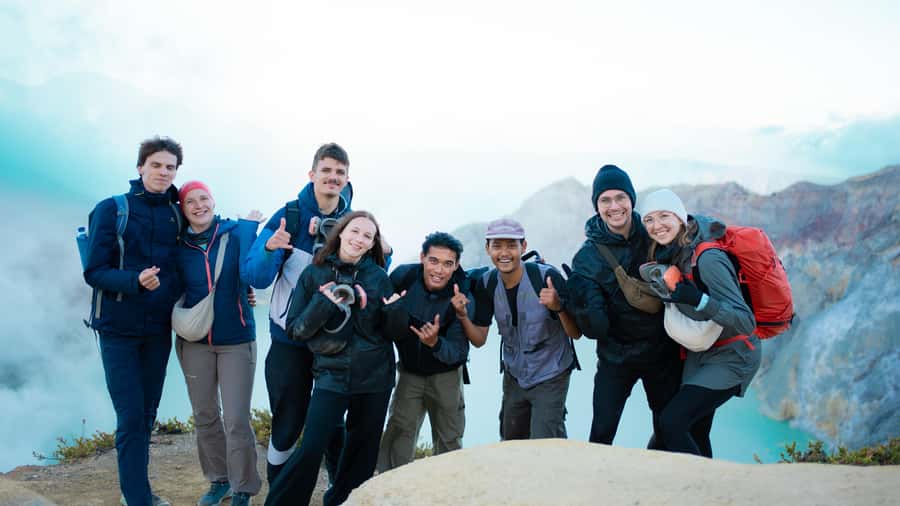
The guide team also plays a major role. In the best tours, the guide doesn’t just recite rules. They actively manage the group—checking that people can keep up, watching footing in darker sections, and keeping you on track for the viewing windows. Several guide names show up in the feedback: Sopi, Nido, Usi, Uzi. One theme that pops is energy and care—people described guides as funny, fast-moving when needed, and constantly checking that everyone stays safe.
Also, the tour includes crater insurance. That doesn’t remove risk, but it’s a useful layer of reassurance for an environment that’s inherently demanding.

Guide and driver teamwork: what “organized” looks like in real life
One thing you can’t fake on a trip like this is coordination. The drive from Bali is long, and the ferry adds another moving part. Then you have the hike, the crater floor timing, and the return schedule. The tour is set up with that chain of events in mind.
In the feedback, professional and punctual drivers are praised, and Abi is one name that comes up. That matters because if the road timing slips, the hike timing slips, and the best viewing hour becomes a gamble.
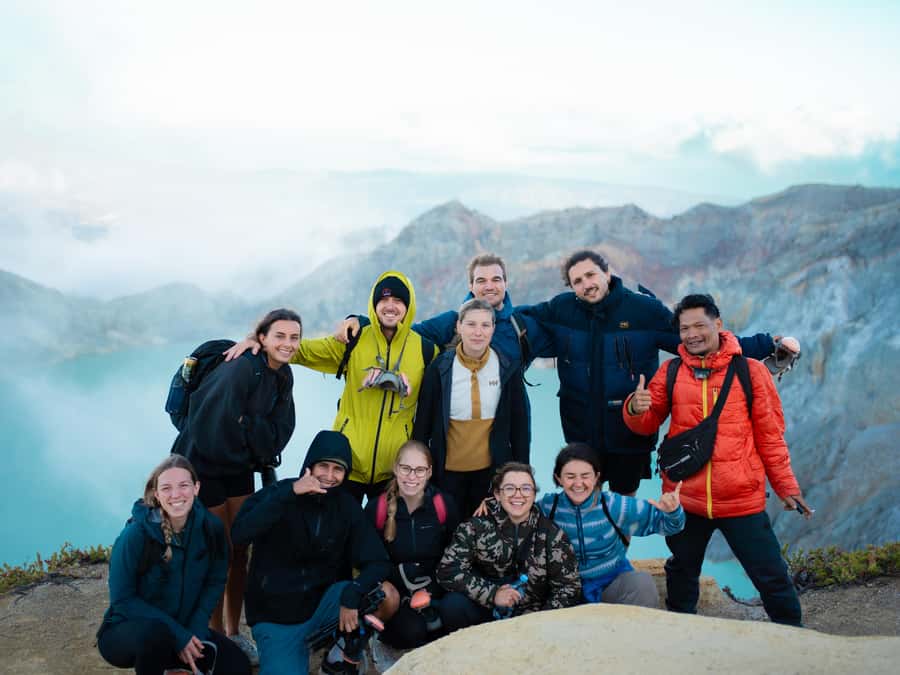
On the hike side, the guides are often described as energetic and attentive. Sopi stands out repeatedly, with Nido mentioned alongside him. The common thread: they explain what you’re seeing, set expectations, and keep morale up—especially when the early hours feel long and your body is focused on survival, not sightseeing.
If you’re traveling alone, small group size and good guide attention can be a big deal. One solo traveler story highlighted that the guide helped with photos, which is a practical service when you’re hiking with your own camera gear.
Price and value: what you’re paying for at $107 per person
At $107 per person, this isn’t a cheap day trip, but it also isn’t overpriced for what’s included. You’re paying for a full overnight schedule that covers:
- Pickup and drop-off from Bali (multiple areas)
- Ferry ticket
- Entrance fees to Kawah Ijen
- An English-speaking guide
- Gas mask and headlight
- Mineral water, snack, coffee/tea, and breakfast at Ijen
- Safety briefing and crater insurance
- Documentation support
When you compare that to trying to cobble together independent transport plus local guides plus entrance fees plus safety gear, the package starts to look like better value. You’re buying reduced stress, coordinated timing, and the equipment that keeps this hike manageable.
Where the money equation changes is if the hike is a bad fit for your fitness. If you’re not prepared for cold, steep walking, and a long schedule, no deal price will feel like value. On the other hand, if you’re ready and you want the crater-floor dawn experience, $107 starts to look like a fair bargain for a very specific once-in-a-while itinerary.
When to go, and when to skip: closure and visibility reality
A couple of timing rules can matter more than any packing list. The tour notes that every first Friday of the month Mount Ijen is closed. If your dates fall on that day, you should expect the plan to be unavailable.
Weather and visibility are also a reality check. The tour is designed to bring you into position for bluefire viewing, but the phenomenon can be unpredictable. Even when blue flames aren’t seen, the crater and sunrise experience can still feel dramatic. Still, if bluefire is your top priority, go into the planning with flexible expectations and good clothing.
Finally, check what you’re allowed to bring. Pets are not allowed, and alcohol and drugs are not allowed. It’s a practical note, but it affects the vibe and safety.
What to pack for cold dawn and steep steps
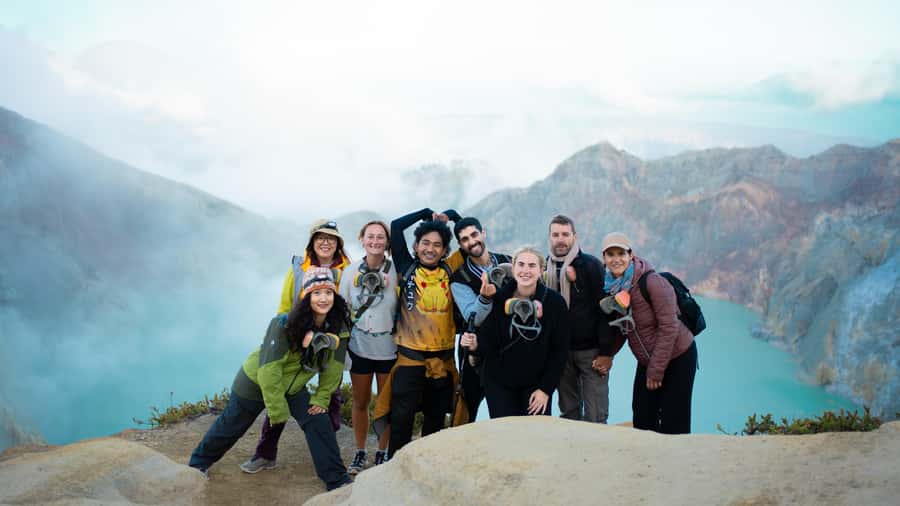
You don’t need fancy gear, but you do need the right basics. Bring:
- Comfortable shoes (non-slip is your friend)
- Warm clothing
- A jacket
During the late evening and early morning, the air around volcanic areas can feel harsh even when daytime in Bali is warm. You’ll be moving, but you’ll also pause at viewpoints and in darker sections. Dressing for cold is not optional.
Who this tour suits best
This is a strong match for you if:
- You want the Kawah Ijen sunrise experience with bluefire-focused timing
- You’re comfortable with a steep, demanding hike and cold early hours
- You value a guided setup with safety gear and clear instructions
- You like a small group pace (limited to 15 participants)
It’s not a good match if you’re affected by altitude issues, have heart or serious back problems, or if you’re traveling with constraints around pregnancy or age. If any of those apply, it’s better to choose a different Java itinerary that fits your body and safety needs.
Should you book this Bali to Ijen overnight sunrise trip?
Book it if you’re ready for a long, structured overnight day and you want to get to the crater floor for sunrise. The included gas mask, headlight, guide support, and ferry/entrance coverage make this the kind of trip where “not planning” would cost you time and probably stress.
Skip or reconsider if:
- Your travel dates include the first Friday of the month (closure)
- You’re not comfortable hiking for extended steep sections
- You know you’re sensitive to altitude or have medical limitations listed as unsuitable
- You hate early departures and long schedules
If you can handle the cold mornings and the uphill effort, this trip is a very direct path to one of Java’s most striking natural spectacles—bluefire at dawn, plus the human side of sulfur mining in an unbelievable setting.
FAQ
What time does pickup happen in Bali?
Pickup starts from Bali in the evening. It’s listed as 7:00 PM for areas like Ubud, Seminyak, Canggu, and Denpasar, and 6:30 PM for Kuta, Sanur, and Nusa Dua. Lovina and Pemuteran pickups are listed at 8:00 PM.
Is the ferry included in the tour?
Yes. The trip includes a ferry ticket, and the ferry time is listed as about 1 hour.
What gear is included for the hike and crater area?
You receive a gas mask and a headlight, plus mineral water and snack. There is also a safety briefing included.
Do I get breakfast and refreshments at Ijen?
Yes. The schedule includes coffee, tea, breakfast, and local snacks during the Ijen portion.
Is bluefire guaranteed?
The experience is designed to take you to the crater floor for sunrise and blue sulfur fires, but the information provided does not promise guaranteed bluefire in every condition.
What should I bring?
Bring comfortable shoes, warm clothing, and a jacket.