A silver workshop in Ubud can be surprisingly practical. This small-group Silver Class with 7gr Hand Made turns traditional Balinese techniques into something you can actually do with your own hands. You’ll learn the craft story first, then get guided step-by-step on how to shape and finish silver.
What I like most is the focus on authentic tools and materials and the way the class is designed to get you from raw metal to a finished, polished keepsake. I also love that the group is limited to 8 participants, so the instruction stays personal instead of feeling like a demo.
One thing to consider: this is a 2-hour experience. If you’re hoping for a very complex custom design, you’ll need to keep your expectations realistic about what can be completed in that time.
In This Review
- Key Points You’ll Care About
- Ubud Center Workshop: Getting Started in the Right Frame of Mind
- What 7gr of Silver Changes (and Why It’s Better Than a Demo)
- The Craft Lesson: How Balinese Silver Making Is Passed Down
- Shaping, Soldering, Polishing: The Hands-On Part That Makes It Worth It
- Shaping
- Soldering
- Polishing
- Designing Your Piece: From Pendant to Bracelet (and Rings)
- Small Group Guidance: Why Up to 8 People Feels Different
- The Location Advantage: Easy Access in Central Ubud
- Included vs Not Included: What You Should Budget
- Price and Value: Is $35 Fair for 2 Hours?
- Who This Workshop Fits Best (and Who Might Skip It)
- Practical Tips So Your Piece Turns Out Well
- Book It or Skip It: My Advice for Your Ubud Day
- FAQ
- How long is the Silver Class Experience with 7gr Hand Made?
- What is included in the price?
- What designs can I make?
- Is the class available in English?
- How big is the group?
- Where do I meet the team?
- Do I need pickup or drop-off?
- Can I cancel if my plans change?
- Is the workshop suitable for children?
Key Points You’ll Care About
- 7gr of silver included so you’re working with real material, not just watching
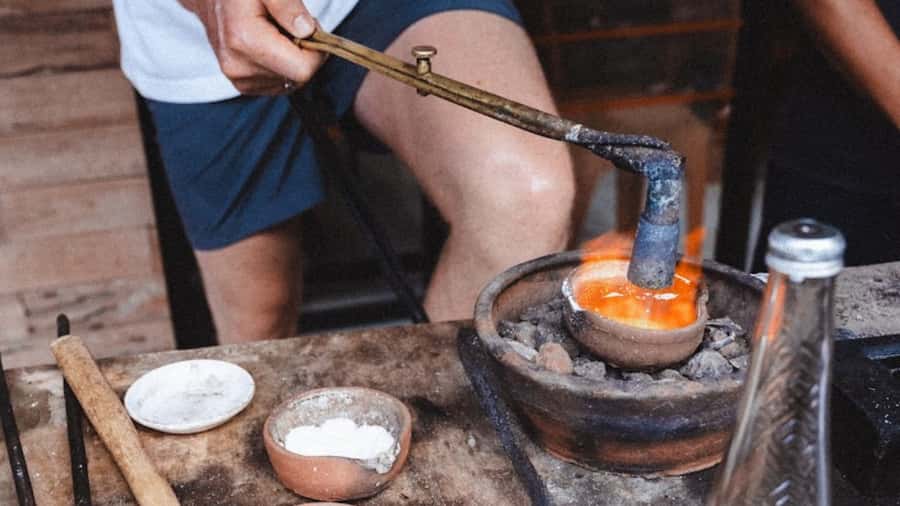
- Guided by 7gr Hand Made artisans through shaping, soldering, and polishing
- Small group up to 8 people, which makes questions easier and feedback faster
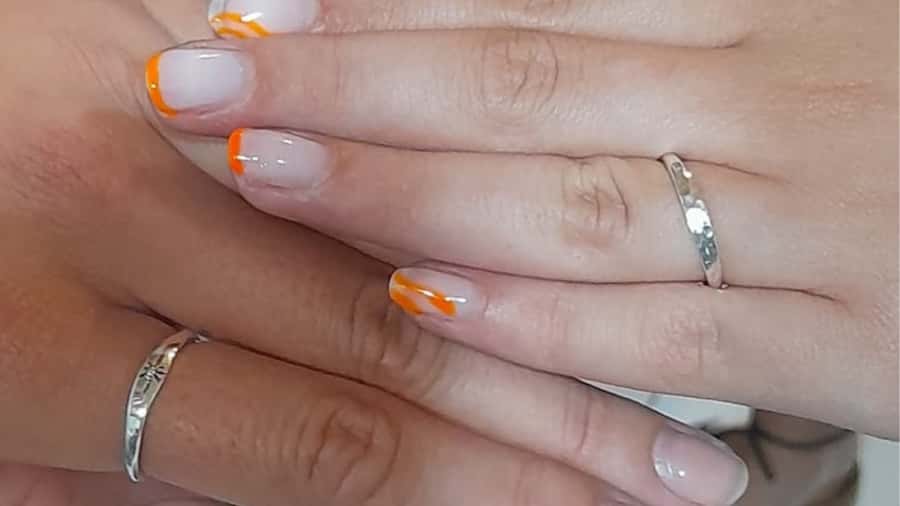
- You take home your own solid silver piece, finished and ready to keep
- All equipment included, plus a drink to make the session feel like a proper workshop
Ubud Center Workshop: Getting Started in the Right Frame of Mind
This class runs out of a workshop inside the Ubud Center area. When you arrive, you just go inside and tell the team your booking name. That’s it. No mystery.
The vibe matters here. Silver work takes patience, and the session is set up to feel calm rather than rushed. You’ll start with a short orientation from the artisans, and that’s not just formality. It gives you context for why the techniques matter in Balinese craft culture, instead of treating the activity like a generic souvenir factory.
Since the host/greeter is English-speaking and there’s also an English audio guide included, you’re not left piecing things together. You can follow the steps and understand the purpose behind each one, which makes your final piece feel more meaningful.
Also, timing is clear: this is about 2 hours total. So you’ll leave with something finished, not just started.
You can also read our reviews of more tours and experiences in Ubud.



What 7gr of Silver Changes (and Why It’s Better Than a Demo)
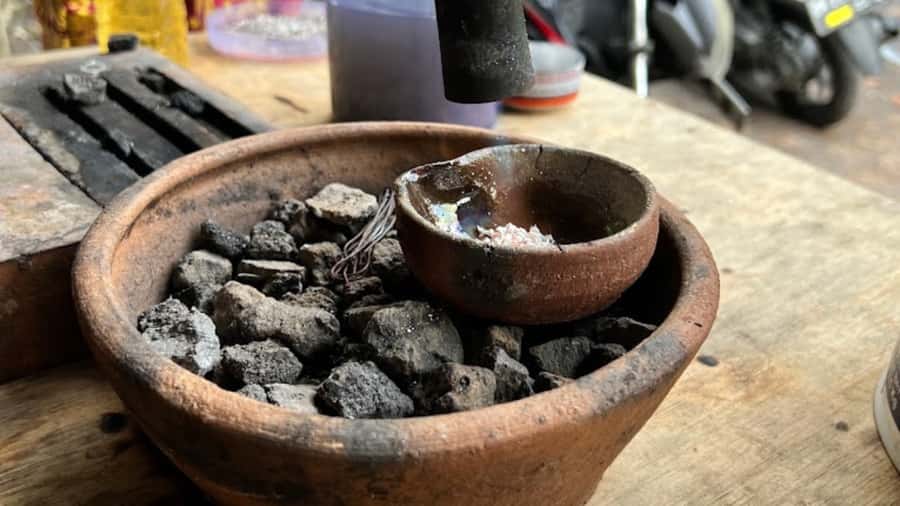
A lot of workshops market creativity, but you only get so far. Here, the class includes 7gr of silver. That detail is important because it means your time isn’t only about learning theory. You’re working with the metal itself and using the included supplies and equipment to create something you can actually wear or display.
You also get a guided structure that covers the core phases of making silver jewelry or a small decorative item:
- shaping
- soldering
- polishing
Those are the steps that separate craft from craft-show. If you want a hands-on souvenir with real effort behind it, this setup is built for that.
And because silver is included (not an upsell later), you can judge value more confidently. At $35 per person, you’re paying for instruction, tools, and materials—plus the finished outcome you get to take home.
The Craft Lesson: How Balinese Silver Making Is Passed Down
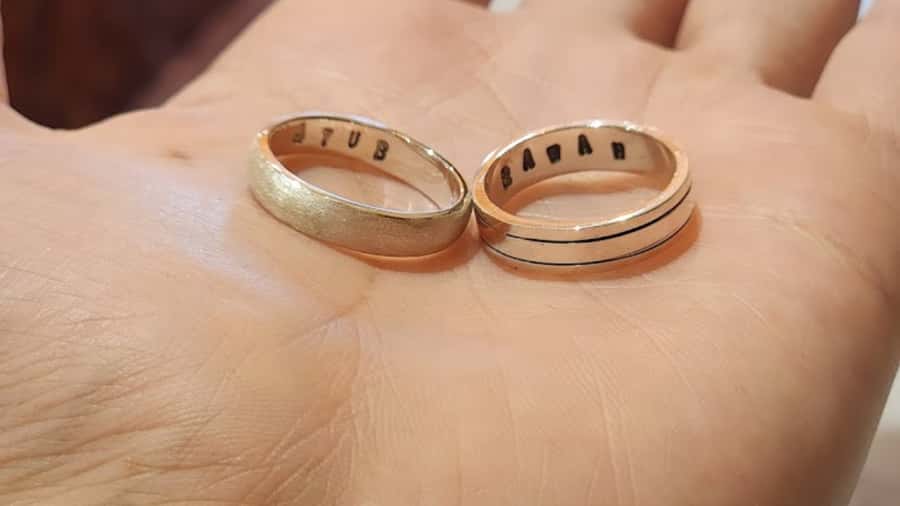
Before you pick up tools, you’ll learn about the craft’s cultural significance and how techniques are passed down through generations. This part matters for two reasons.
First, it helps you understand why the artisan method uses specific movements and timing. Silver work isn’t random; it’s about control—heat, form, and finishing. Second, it frames your piece as part of a living tradition rather than a quick buy-and-go item.
The class is designed around that authenticity angle. You’re told up front that what sets this experience apart is authenticity, and the later hands-on section supports that with the use of authentic tools and materials.
If you’re the type who likes to know what you’re doing and why, you’ll enjoy this “start with context, then go to the bench” structure.
Shaping, Soldering, Polishing: The Hands-On Part That Makes It Worth It
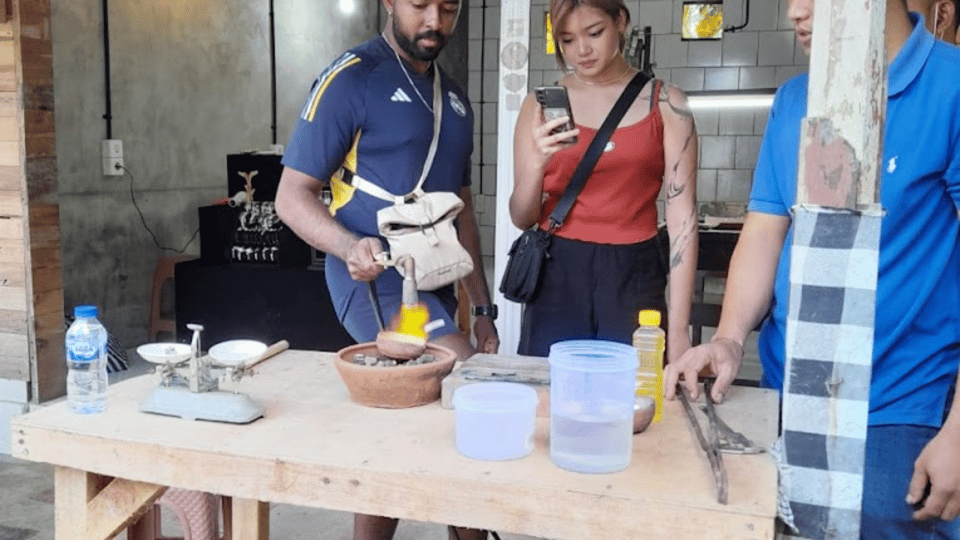
This is the core of the experience, and it’s where most people decide whether the workshop felt real or not.
Shaping
You’ll roll up your sleeves and work on shaping the silver. This is where you start translating your idea into form. Even if you haven’t done anything like this before, the guidance is meant to walk you through what to do and what to watch for.






Soldering
Next comes soldering, which is one of the key techniques in metalwork. It’s also the step that can feel intimidating if you’ve only seen jewelry on shelves. The benefit here is that an artisan guides you through the process while you’re doing it, so you’re learning with real feedback rather than guessing.
Polishing
Finally, polishing turns “made” into “finished.” Polishing is the part that makes the metal look crisp and reflective. It’s also the part you can feel immediately, because you see the surface change as you work.
By the time you get to the end, you’re not just leaving with a story. You’re leaving with something that looks complete, which is a big deal for a short workshop.
Designing Your Piece: From Pendant to Bracelet (and Rings)
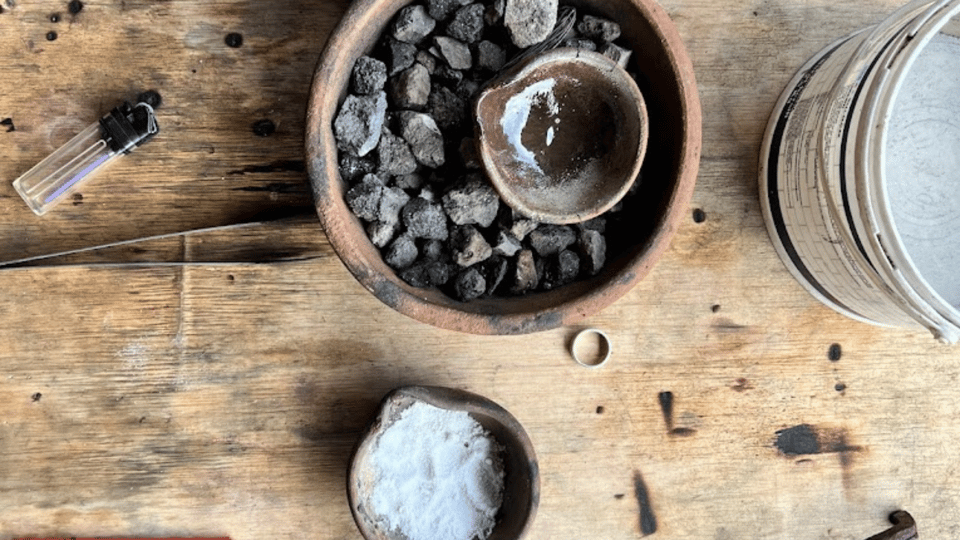
The workshop gives you a chance to design your own unique item using the time and materials provided. You’re not locked into one template.
Based on what the session teaches, you can expect to make something like:
- a pendant
- a bracelet
- an ornament or decorative piece
- a solid silver ring (a popular choice)
Your instructors help you bring your idea to life. That’s not a small detail. In workshops, the difference between good and great is whether you’re supported enough to actually finish your plan.
Also, because you’re working within a two-hour window, it helps to have a clear idea in mind when you start. If you go in with something simple and wearable, you’ll likely feel more confident about getting it into the finishing stage.
Small Group Guidance: Why Up to 8 People Feels Different
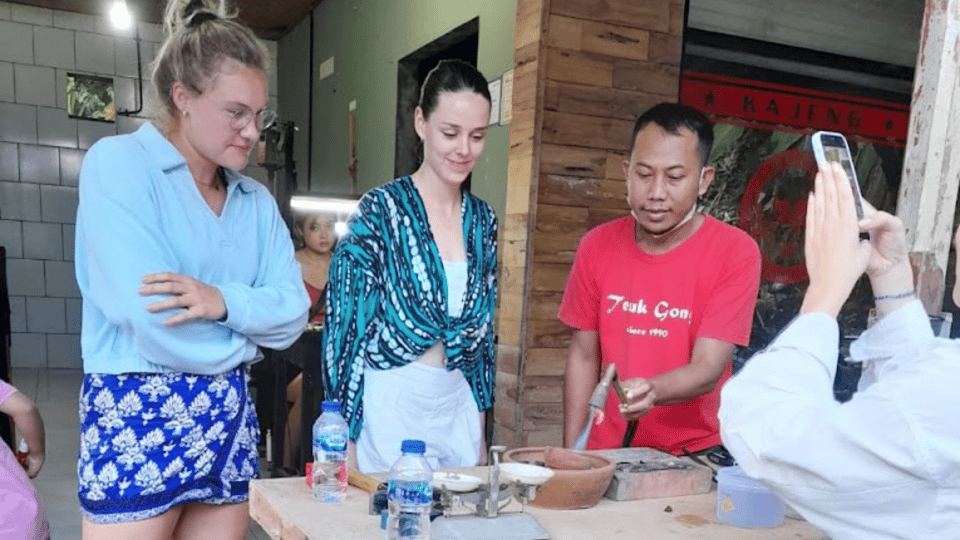
This is capped at 8 participants, which changes the entire workshop experience. With a small group, it’s easier for the artisans to notice when something needs adjustment.
You’ll get direct support as you work, and you’re not stuck waiting for attention while other people catch up. That matters in metalwork, where timing and technique can affect results.
Language support is also practical here. The host/greeter is English-speaking, and you also have an English audio guide. So even if you’re not a fluent metalwork listener, you can still follow the process.
If you want a workshop that feels hands-on and personal, this group size is part of the value.
The Location Advantage: Easy Access in Central Ubud
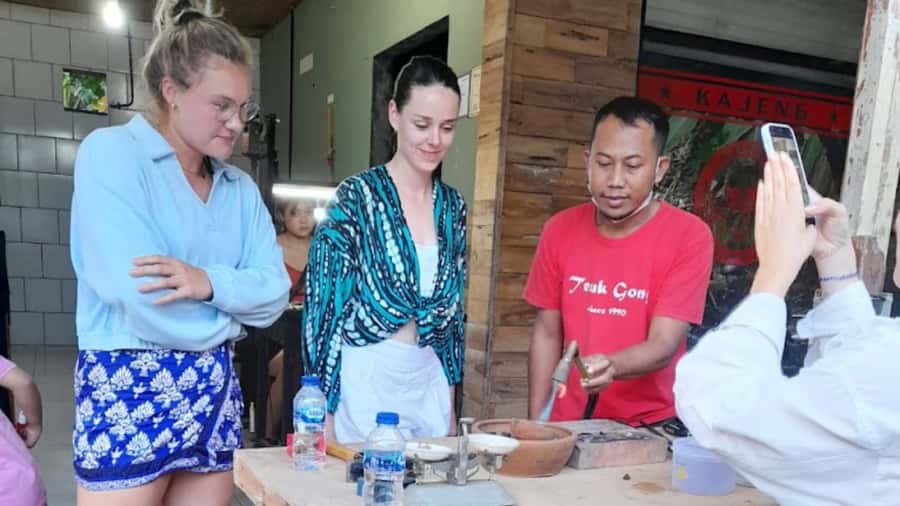
This class is in the Ubud Center area, and it’s conveniently close to central Ubud—about a short walk, not a long taxi mission.
That makes it a smart add-on day activity. You can fit it between exploring markets, temples, or cafés without losing half your day to travel logistics.
It’s also a good option if you want to do something cultural but not too time-consuming. You’re spending your morning or afternoon learning a craft skill, and you’re leaving with a tangible item that reminds you of the workshop itself.
Included vs Not Included: What You Should Budget
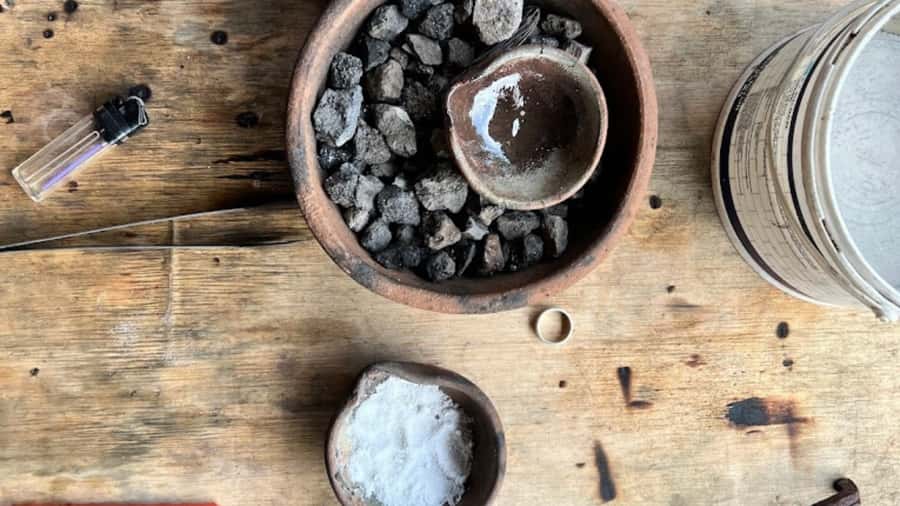
Here’s what you can count on as part of the class:
- 7gr of silver
- guided class instruction
- a drink
- all equipment
Not included:
- personal expenses
- pickup and drop-off
That “all equipment included” detail is underrated. It means you don’t need to bring tools or worry about whether you have the right materials. You show up, work, and finish.
Personal expenses are the only true variable you’ll control—snacks, extra purchases, or anything you decide you want afterward.
Price and Value: Is $35 Fair for 2 Hours?
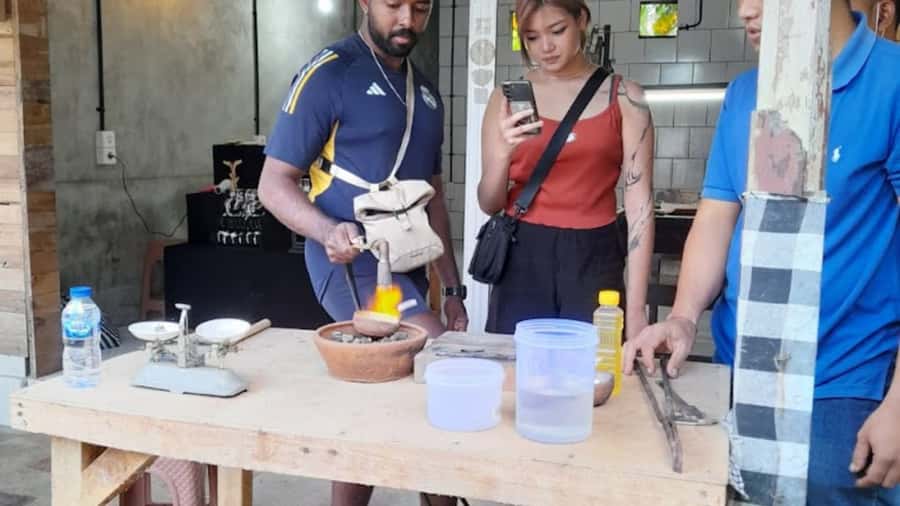
At $35 per person for a 2-hour hands-on session, the value depends on one thing: whether the materials and guidance are included for you, not just for the group.
In this case, you get 7gr of silver plus instruction and equipment. That’s a meaningful cost component. You’re also taking home a finished piece, which turns the session from a paid lesson into a “lesson plus product.”
You should still consider two value trade-offs:
- You have limited time, so your piece will likely be simpler than what you could make with days in a studio.
- You’ll do best if you show up ready to focus, ask questions, and follow technique closely.
If that sounds like your style, this price feels reasonable for what you get: real making time, real material, and real craftsmanship guidance.
Who This Workshop Fits Best (and Who Might Skip It)
This workshop is a great match if you:
- want a hands-on craft experience in Bali
- like learning processes, not just buying items
- want a take-home keepsake you personally shaped and finished
- enjoy small-group settings with real guidance
It also tends to work well for families when kids can handle focused instruction. One person even described doing it with a 5-year-old child, which suggests the workshop can be welcoming when the child is engaged and can follow directions.
But it’s not for everyone. It’s not suitable for children under 2 and it’s not recommended for people over 70. If you fall outside that range, it’s smart to look for an alternative activity with less physical strain and shorter attention demands.
Practical Tips So Your Piece Turns Out Well
To help you enjoy the workshop and leave with something you like, keep these practical points in mind:
- Think about your design before you arrive. A simpler wearable item can be finished more cleanly in the allotted time.
- Pay attention during the first teaching steps. The early guidance affects everything you do later.
- Use the instructor support. If something feels off during shaping or soldering, ask sooner rather than later.
- Don’t rush the polishing. This is where your work becomes visually satisfying, and you’ll see the result as you go.
Also, if you want to keep your piece looking its best after you finish, handle it gently and store it carefully until you’re back in your hotel.
Book It or Skip It: My Advice for Your Ubud Day
I’d book this silver class if you want a short, structured workshop that results in a real take-home silver piece made with your own hands, supported by skilled artisans, and guided in English in a small group.
Skip it if you:
- only want to watch (because this is hands-on)
- expect a very complex custom piece in two hours
- are traveling with mobility or age limitations that make fine-motor work uncomfortable
If you’re staying in Ubud and you want one memorable craft activity that feels authentic rather than commercial, this is a solid choice.
FAQ
How long is the Silver Class Experience with 7gr Hand Made?
The experience lasts about 2 hours.
What is included in the price?
You get 7gr of silver, guided class instruction, a drink, and all equipment.
What designs can I make?
You can design your own piece, such as a pendant, bracelet, ornament, or a solid silver ring.
Is the class available in English?
Yes. The host or greeter is English-speaking, and an English audio guide is included.
How big is the group?
It’s a small group limited to 8 participants.
Where do I meet the team?
After you arrive, go inside and say your booking name.
Do I need pickup or drop-off?
No. Pickup and drop-off are not included.
Can I cancel if my plans change?
Free cancellation is available up to 24 hours in advance for a full refund.
Is the workshop suitable for children?
It’s not suitable for children under 2 years old.