Blue flames at Ijen feel like science fiction. This overnight Mount Ijen trek takes you from Bali to Java so you can watch blue flames and the sulfur lake deep inside Kawah Ijen. It’s the kind of early-morning, long-drive plan that turns into a full-throttle adventure by sunrise, with English-speaking guides like Nunu and Mufidah often praised for keeping everyone on track.
I love two things most. First, the crater moment itself: volcanic gases glow into that eerie, hypnotic blue, while sulfur extraction happens right where you’re looking. Second, the people running the trip. Reliable drivers such as Vico, Ajik, Eka, and Komang keep the long night drive clear and calm, and guides like Rohim and Mufi are repeatedly described as focused on pace, safety, and getting you to the best sunrise viewpoint with time for photos and even video recaps.
One drawback to plan for: the schedule is intense. Pickup can start as early as 6:00 PM (some areas) and the hike begins around 2:00 AM, so this is not a casual outing. If you’re sensitive to cold, altitude, or long dark hours, you’ll feel it.
In This Review
- Key things Ijen Sunrise does especially well
- Why Mount Ijen Sunrise feels different from other treks
- The long Bali-to-Java night drive: what the timing really means
- From Paltuding to the crater: where the trek starts feeling real
- Blue flame at Kawah Ijen: the moment that sells the whole trip
- The sulfur lake and the sunrise viewpoint: how to make the last hours count
- Trolley taxi option: when skipping the hard part makes sense
- Price and value: what you pay for on this 1-day Java trip
- Who this trek fits best (and who should think twice)
- Health and safety you should take seriously before you go
- Should you book the Mount Ijen Sunrise Trek from Bali?
- FAQ
- What time are pickups from different Bali areas?
- When does the hiking start at Mount Ijen?
- How do you travel from Bali to Java?
- What gear is included for the crater area?
- Do I need a doctor’s certificate for Ijen?
- Is the trek always open?
- Can I skip part of the hike?
- What’s not allowed during the tour?
- What’s included and what’s not included in the price?
Key things Ijen Sunrise does especially well
- Overnight ferry crossing: Gilimanuk to Ketapang, so you reach Ijen before daybreak
- Crater-ready gear included: gas mask and flashlight come with the tour
- Blue flame + sulfur lake focus: you’re not just hiking for views
- Safety-first guidance: guides are praised for keeping people together and on schedule
- Sunrise viewpoint timing: you reach the sunrise after the crater highlights, not before
Why Mount Ijen Sunrise feels different from other treks
Plenty of sunrise hikes are about being on a hill at the right hour. Mount Ijen is different. You’re going to a working volcanic crater system, where the air is harsh, the ground is steep, and the visuals are unreal in a way that’s hard to fake in a photo.
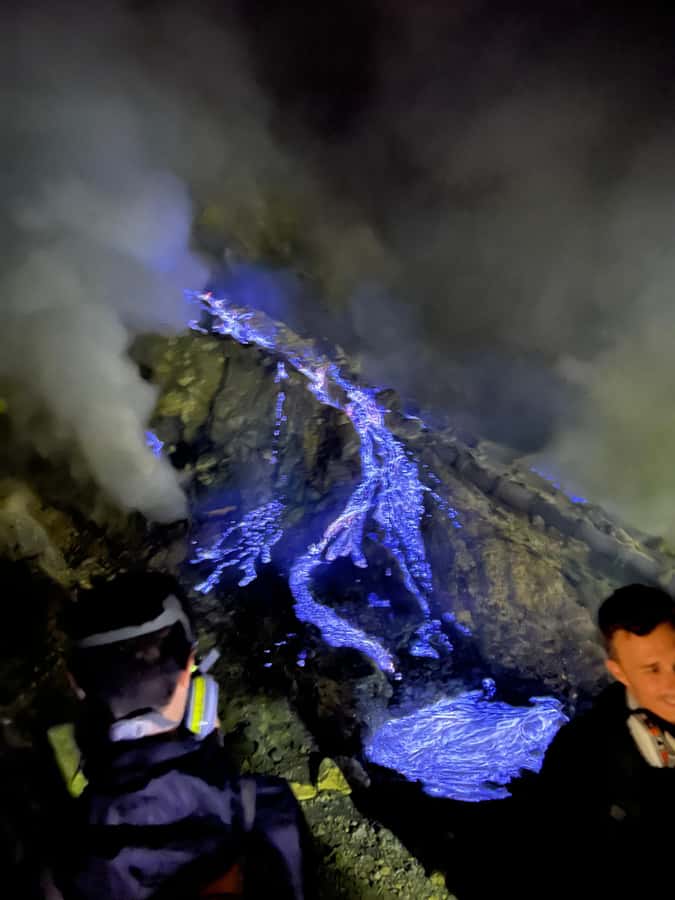
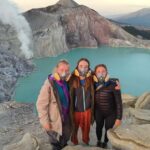
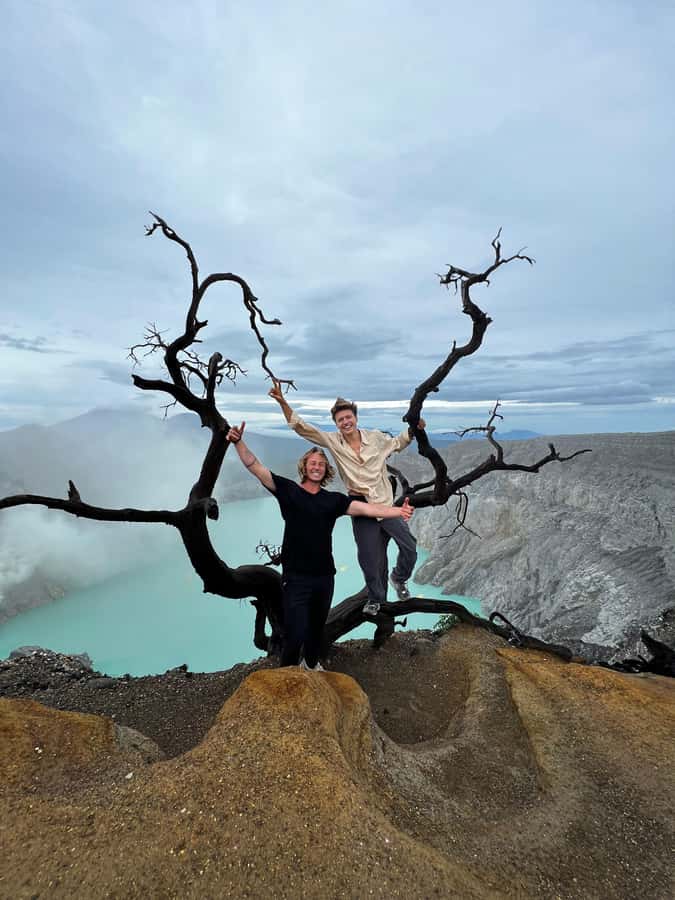
The big draw is the blue flame caused by volcanic gases. It’s not a campfire trick. It’s something you have to see up close to understand why people call it ethereal. And right beside that glow, sulfur mining is part of the lived reality around Kawah Ijen. Watching miners work while you’re standing in the same sulfur environment gives the whole experience weight, not just wow-factor.
Add the sunrise angle and you get a second kind of magic. The change from night to morning transforms what you’ve been watching all hours earlier. Even if you’re tired, the first light across the crater gives you a reset moment.
You can also read our reviews of more tours and experiences in Indonesia.
The long Bali-to-Java night drive: what the timing really means
This tour is built around one reality: Kawah Ijen is far from Bali, and the best viewing happens before dawn. That’s why you start in the late evening, then cross by ferry, then hike at night.
From Bali, your driver picks you up from your area—timings vary by location. For example, Ubud pickup is typically 7:00 PM, Sanur is 6:30 PM, and Kuta or Jimbaran are often 6:30 PM. Some areas start even earlier, like Uluwatu at 6:00 PM. If you’re trying to squeeze this into a relaxed vacation day, it won’t feel relaxed. It feels planned and efficient instead.
The crossing is also part of the experience. You’ll travel from Gilimanuk to Ketapang by ferry (about an hour), then continue to the Ijen start point. The ferry leg matters because it reduces travel time compared with alternative routes, and it helps explain why the trek can start around 2:00 AM.
What I like about this structure is that it’s one continuous plan. There’s less chance of getting stuck waiting around. Drivers like Vico (reported as polite and friendly) and Ajik/Eka/Komang (reported as reliable and clear) are repeatedly mentioned in a way that suggests you’ll be guided through the handoffs without confusion.
From Paltuding to the crater: where the trek starts feeling real
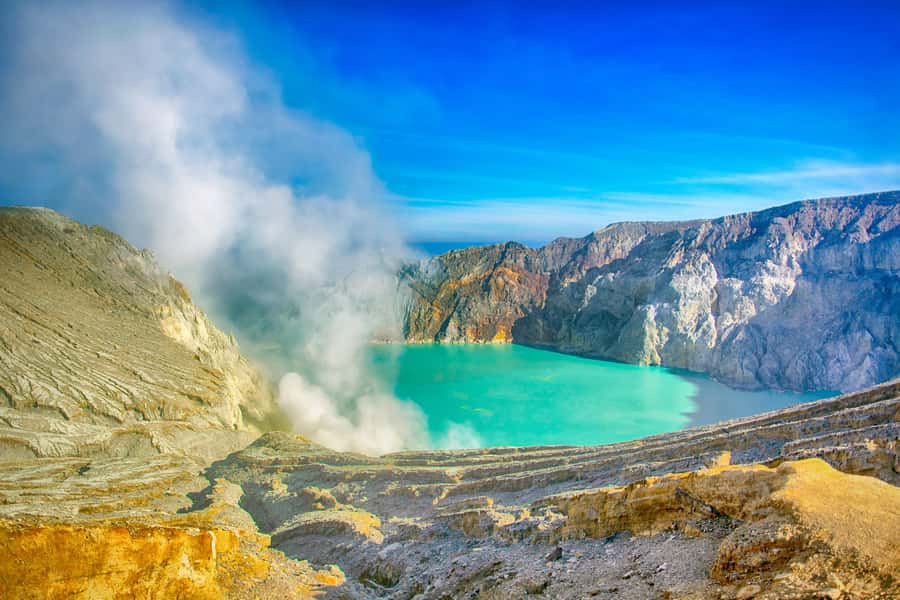
Once you reach the Ijen area, you’ll get coffee or tea and a safety briefing at Bumi Perkemahan Paltuding. This sounds basic, but for a night hike it’s a big deal. You’re waking up to cold air and darkness, so a warm drink and instructions help you shift from travel mode to trekking mode fast.
Then the hike starts at around 2:00 AM. Expect roughly six hours for the main crater journey and sunrise timing, which matches how long it takes to reach the crater viewpoints and get through the key highlights before morning.
The route itself isn’t described in detail step-by-step, but the tour experience centers on reaching the blue flame crater area and the sulfur lake zone. This is the part where your gear matters most. You’ll be provided a gas mask and a flashlight. The goal is simple: keep you functional in low light and reduce exposure while you’re near volcanic gases.
One practical consideration: it’s not just a long walk. It’s a long walk with altitude and volcanic conditions in the mix. The tour isn’t suitable for wheelchair users, and it also flags people with altitude sickness and high blood pressure as not good candidates. Even if you’re fit, those factors are bigger than fitness.
Blue flame at Kawah Ijen: the moment that sells the whole trip
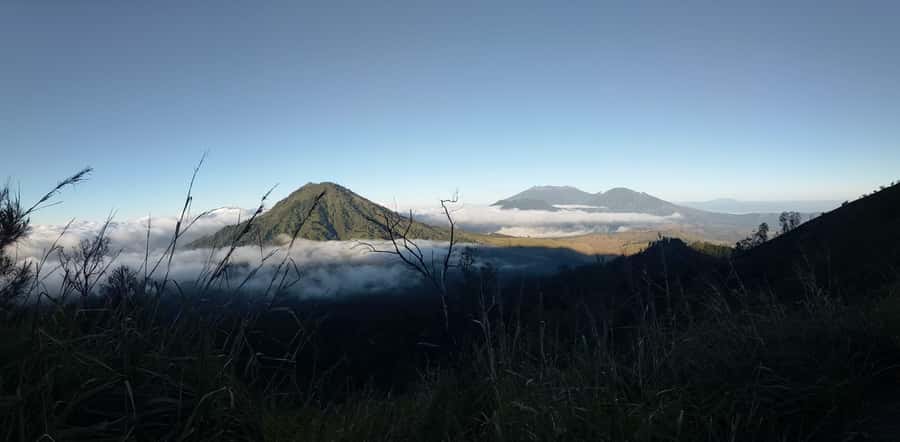
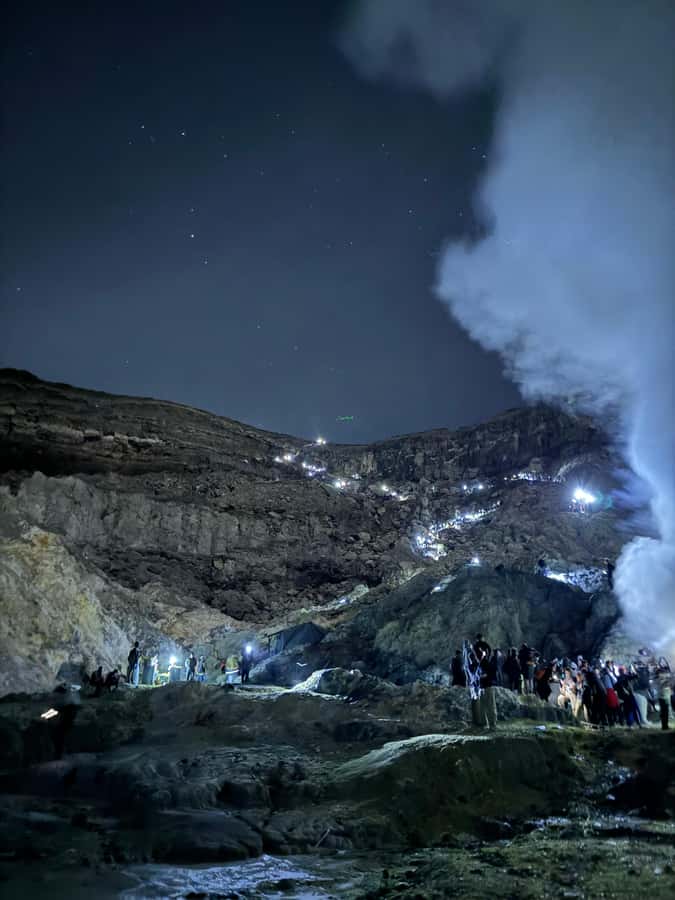
The blue flame is the headline, but the way the tour frames it is important. This isn’t a quick stop for a “seen it” photo. It’s a planned focus during the night portion, right when the crater activity makes the phenomenon possible.
You’ll also encounter sulfur mining during this phase. That changes how you experience the glow. Instead of thinking only about the spectacle, you’re also watching work happening in the same harsh environment. The contrast is striking: glowing gases above, sulfur labor below, and you in the middle with instructions and protective gear.
Guides are repeatedly praised for pacing and attention. People describe guides checking on the group during the ascent and descent to make sure everyone arrives at the blue flame area and returns safely. That matters because a crater hike isn’t just legs—it’s spacing, footing, and timing in the dark.
If you go, I’d treat the blue flame like a serious viewing window. Move carefully. Follow the guide’s cues. If your headlamp flickers or your gas mask feels uncomfortable, stop and fix it. The value of this tour is being in place for the phenomenon, not rushing past it.
The sulfur lake and the sunrise viewpoint: how to make the last hours count
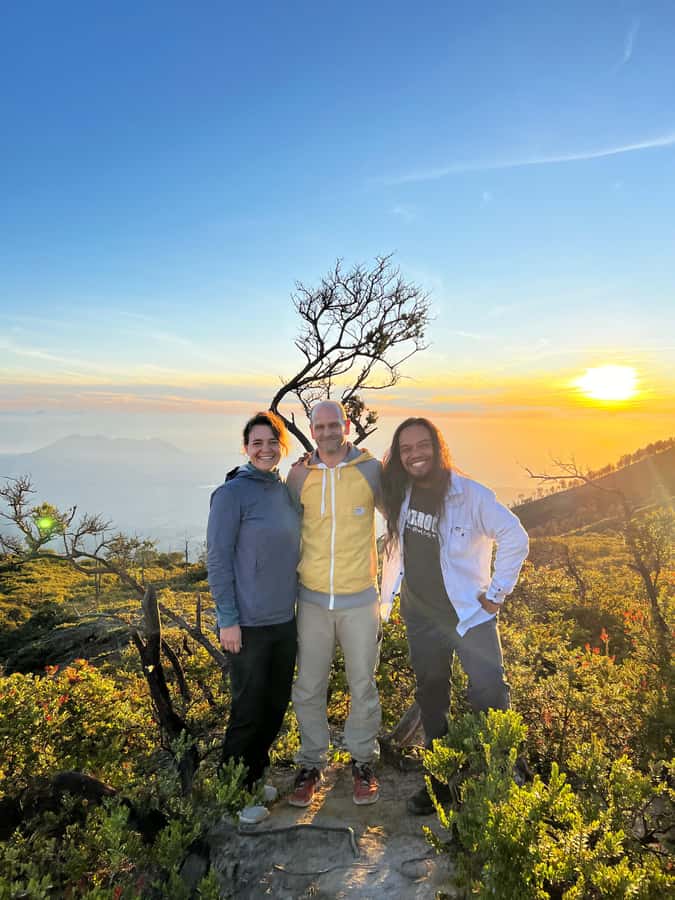
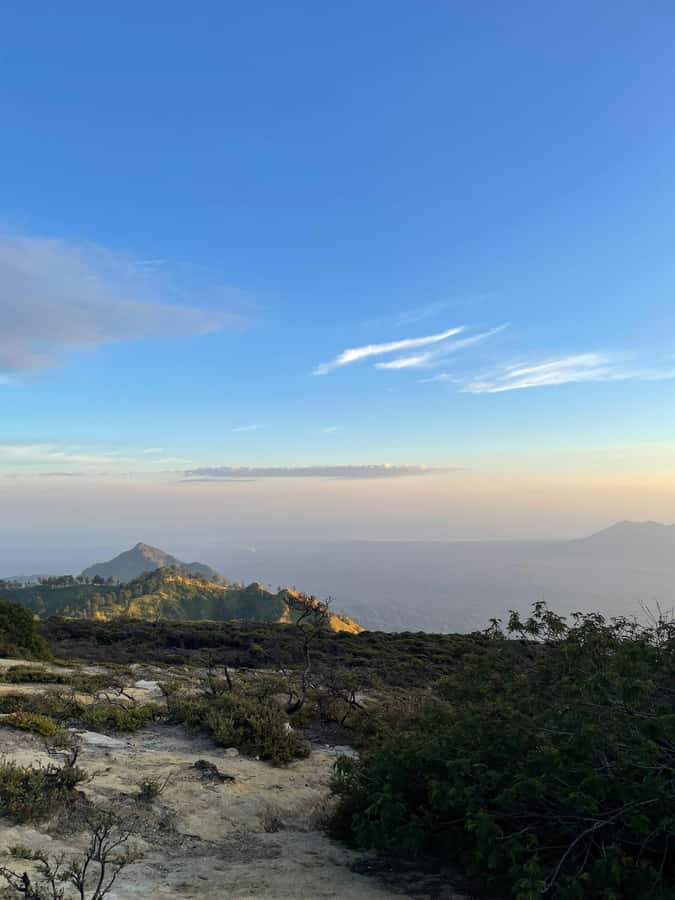
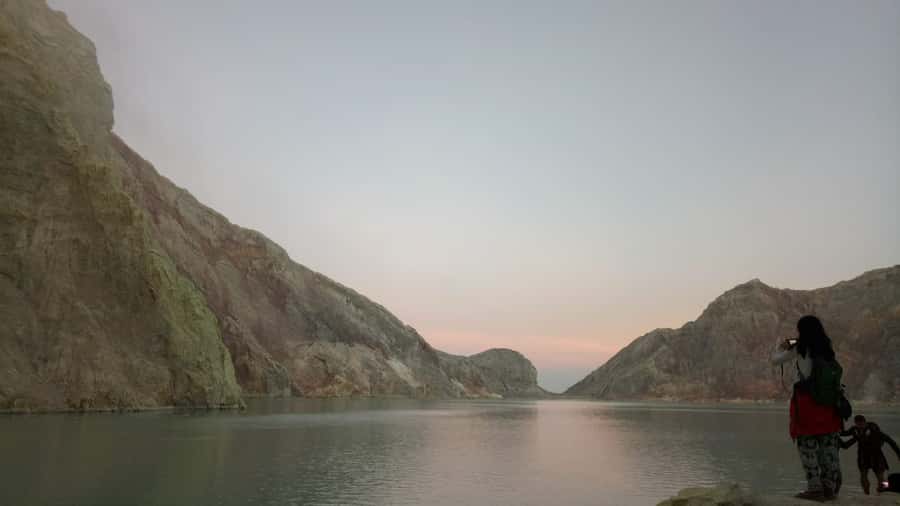
After the blue flame section, the plan builds toward sunrise over Kawah Ijen. You’ll climb to a summit or key viewing area for sunrise vistas, then spend time at a break period before the day’s logistics roll forward again.
Why this sequencing works: you get the night event first, then the morning reward. Many treks scramble for sunrise at the expense of the special night highlight. Here, the crater glow is treated as the main attraction, and sunrise becomes the payoff after you’ve already done the intense part.
Sunrise can make you feel emotional, even if you don’t usually get sentimental on trips. The views in morning light are easier to process than at night, when you’re focused on steps and safety. People also report that guides help with photos and videos during the approach, and some guides even provide a self-made video compilation afterward. It’s a nice touch if you want something beyond your own shaky night footage.
One thing to watch: keep your expectations realistic. This is still a crater and still volcanic. Cold air, steep walking, and the smell environment are part of the package. If you’re looking for a gentle hike with a lounge vibe, you’ll be disappointed. If you want a memorable natural phenomenon, it’s right on target.
Trolley taxi option: when skipping the hard part makes sense
The tour includes an option for those who want to avoid the toughest foot section. Locals can help with a trolley taxi service to skip some of the more tiring hiking. There’s an additional fee for this.
Use this option strategically. If you’re strong enough for the night but worried about long steep segments, trolley support can keep you in the sweet spot: seeing the blue flames and sunrise without burning all your energy on the hardest stretches. But if you skip too much, you might miss some of the timing and pacing that helps the group stay together.
My practical advice: choose the option only if it preserves your ability to stay alert near the crater viewing areas. The crater conditions are the real focus here, so don’t let exhaustion from shortcuts turn into clumsy mistakes.
Price and value: what you pay for on this 1-day Java trip
At $133 per person, this trek is priced like a premium “long-distance sunrise experience,” not like a casual local hike. You’re paying for several things at once:
- Pickup and drop-off from multiple Bali areas
- A private driver handling the long night ride
- Ferry ticket and the basic transport route across Bali and Java
- An English-speaking guide for the full experience
- Gear (gas mask and flashlight)
- Free parking and free highway entrance fees
Lunch and dinner are not included, so you’ll still budget for meals. Also, if you want the trolley taxi shortcut, expect an extra charge.
So is it good value? For the kind of phenomenon you’re chasing, yes, because the cost is tied to logistics. The overnight schedule, ferry timing, and guide attention are what make this work. Without that structure, you’d be stitching together transport, timing, and crater safety on your own, and that’s where sunrise plans often go sideways.
Who this trek fits best (and who should think twice)
This is not a “see the volcano someday” tour. It’s an early-night, steep, crater-focused plan.
You’ll probably love it if you:
- want a rare phenomenon like the blue flame and a sulfur lake experience
- enjoy sunrise adventures and can handle long dark hours
- prefer guided coordination over figuring out timing alone
- value an English-speaking guide who keeps pace and safety in mind
It’s likely a poor fit if you:
- have altitude sickness or a high sensitivity to elevation
- deal with high blood pressure
- use a wheelchair
- are traveling with babies under 1
Also, if you wear metal jewelry, be careful. The tour specifically warns to avoid jewelry or accessories made from certain metals, especially gold or silver, because they can change color from chemical reaction on the sulfuric crater.
Health and safety you should take seriously before you go
Ijen is special, but it’s not gentle. The tour requires a health certificate from a doctor/clinic/hospital issued the day before the scheduled activity. There’s also an option to have the team prepare it for a cost of €8 per person.
That’s not just paperwork. It’s your way to confirm you can safely handle early hours, exertion, and the environment near volcanic gases.
Also follow the rules on what to bring and what not to bring. Pets are not allowed. Jewelry is not allowed. Alcohol and drugs are not allowed. These aren’t “nice-to-haves.” They reduce complications around a hazardous environment.
If you’re unsure about your health readiness, don’t guess. Get the certificate, read your doctor’s advice, and treat the night hike like a serious physical event.
Should you book the Mount Ijen Sunrise Trek from Bali?
Book it if you want the blue flame and sulfur lake experience with a guide who’s designed the route and timing around it. The repeated praise for drivers and guides like Vico, Nunu, Rohim, Eka, Mufi, and Mufidah points to real on-the-ground organization: clear handoffs, solid pacing, and people being watched during the climb so you actually reach the highlights.
Skip it if your main goal is comfort, flexible timing, or a low-effort morning. This trek starts late, hikes early, and asks you to handle crater conditions. If that sounds like your kind of challenge, it’s a memorable pick.
One more decision helper: check calendar timing. The activity is closed on the first Friday of every month due to local cleansing by authorities. If your dates land there, the experience won’t run.
FAQ
What time are pickups from different Bali areas?
Pickup times vary by location. Examples include Ubud at 7:00 PM, Sanur at 6:30 PM, and Kuta at 6:30 PM. Some areas like Lovina are listed with a 9:30 PM pickup, and Uluwatu can be as early as 6:00 PM.
When does the hiking start at Mount Ijen?
The hiking activity starts at around 2:00 AM after arriving at the Ijen start point.
How do you travel from Bali to Java?
You’ll drive to the ferry port at Gilimanuk, cross to Ketapang by ferry (about 1 hour), then continue by land to the Ijen start point.
What gear is included for the crater area?
Gas mask and flashlight are provided as required equipment for the activity.
Do I need a doctor’s certificate for Ijen?
Yes. A health certificate from a doctor/clinic/hospital is required, issued the day before the scheduled activity. There’s also an option for the team to prepare it for a cost of €8 per person.
Is the trek always open?
No. The activity is closed on the first Friday in every month due to regular cleansing by local authority, and typically operates normally again the following day.
Can I skip part of the hike?
Yes. Locals can arrange a trolley taxi to skip some of the tiring hiking, but it requires an additional fee.
What’s not allowed during the tour?
Pets are not allowed. You should also avoid bringing jewelry, and the tour does not allow alcohol and drugs.
What’s included and what’s not included in the price?
Included: hotel pickup and drop-off, private driver, ferry ticket, English-speaking guide, parking fees and highway entrance fees, and gas mask/flashlight equipment. Not included: lunch and dinner, trolley taxi fees (if used), and travel insurance.
If you tell me your pickup area in Bali and your fitness comfort level for a 2:00 AM start, I can help you sanity-check whether the trolley taxi option is worth considering for your situation.