Bali in one long day feels like a highlight reel. This route stacks the Gates of Heaven view of Mount Agung, the calm water gardens at Tirta Gangga, and the dramatic cave waterfall at Tukad Cepung, plus Tirta Empul’s purification ritual and rice-terrace walking. I especially like that the stops are varied—temples, water, farming—and you’re driven in comfort the whole way. The main thing to watch is that entrance tickets and the lunch stop are extra, so your final cost can creep up.
A good guide makes this kind of day work. When your driver is paired with someone like Pande or Wayan Agus (names I’ve seen connected to this route), you tend to get more context than just photo timing, including safety reminders and cultural explanations. If you’re aiming for a slower, more independent pace, this may feel packed.
In This Review
- Key Things That Make This Bali Day Work
- How This 9-Hour Route Feels On the Ground
- Gates of Heaven at Lempuyang Temple: The Mount Agung Framing Shot
- Tirta Gangga Water Palace: Royal Water Gardens Without the Rush
- Lunch Stop: A Practical Break That Can Affect Your Total Cost
- Tukad Cepung Waterfall: Cave Sunbeams and the Swim Option
- Tirta Empul Temple: Purification at the Holy Spring Water
- Abian Desa Rice Terraces: Subak Irrigation and a Photo-Walk Finale
- Price and Value: Is $61 a Good Deal?
- Timing and Logistics: Early Pickup, Tight Stops, and the Best Prep
- What to Wear and What’s Not Allowed (So You Don’t Get Stopped)
- Who This Bali Day Trip Fits Best
- Should You Book This Tour?
- FAQ
- How long is the Bali trip to Tirta Gangga and Tukad Cepung?
- What areas do you pick up and drop off in?
- Is this a private group tour?
- What’s included in the price?
- Are entrance tickets and lunch included?
- Can I swim during the tour?
- Is it suitable for people with mobility or health limitations?
Key Things That Make This Bali Day Work
- Gates of Heaven photo timing with Mount Agung framed in the famous split gate
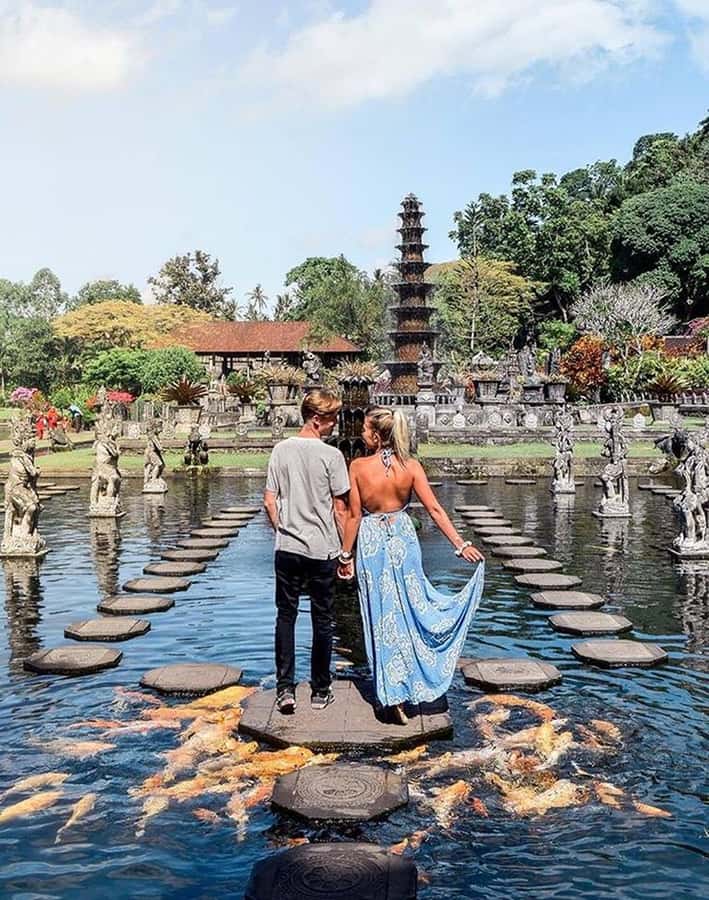
- Tirta Gangga’s stepping stones and koi ponds for a quiet, postcard-calm break
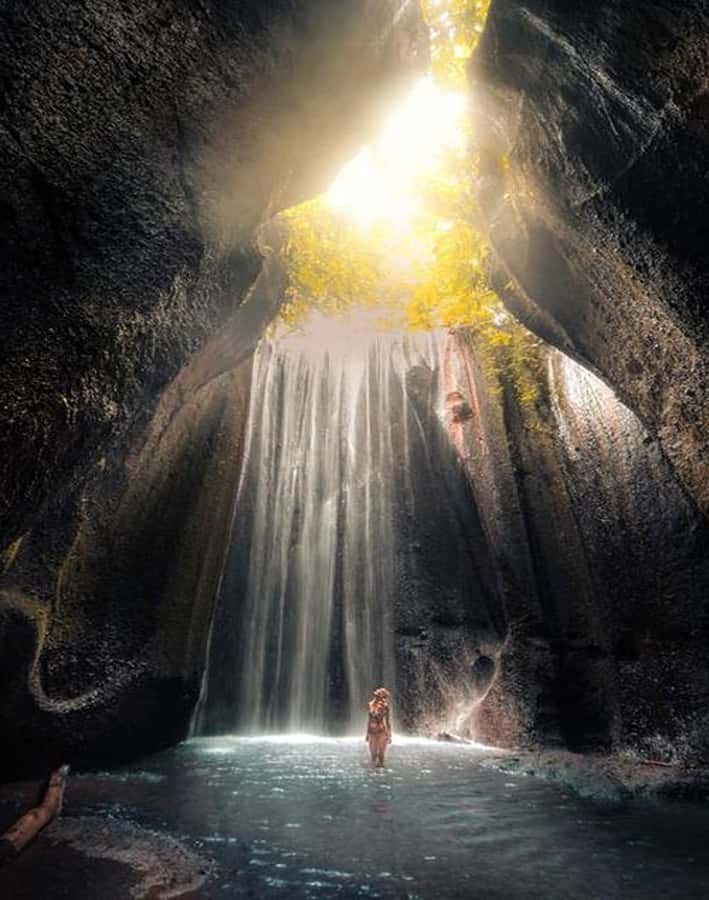
- Tukad Cepung in a cave where sunlight beams turn a waterfall stop into a light show
- Tirta Empul purification at the holy spring if you want the spiritual side, not just views
- Rice terraces plus Subak irrigation lessons that connect the scenery to how Bali feeds itself
- Private-group comfort with an AC car, hotel pickup/drop-off, and an included photographer
How This 9-Hour Route Feels On the Ground
This is a full, busy day in a straight line: up at the iconic temple viewpoints, then through two water-focused stops, then into a sacred spring temple, and finally to rice terraces. The rhythm is travel-heavy, but it’s also efficient: you get a lot of Bali in one day without having to plan transit between scattered areas.
You’ll start with hotel pickup (from a list of nine areas) and you’ll end with hotel drop-off back in one of those same zones. The transport is in an air-conditioned car, and the package includes a driver plus an English-speaking guide, with the option of Malay or Indonesian too. There’s also an included photographer and a welcome drink (mineral water), which matters because it takes some pressure off your own camera work.
You can also read our reviews of more tours and experiences in Ubud.

Gates of Heaven at Lempuyang Temple: The Mount Agung Framing Shot
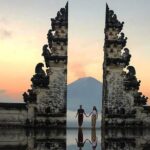
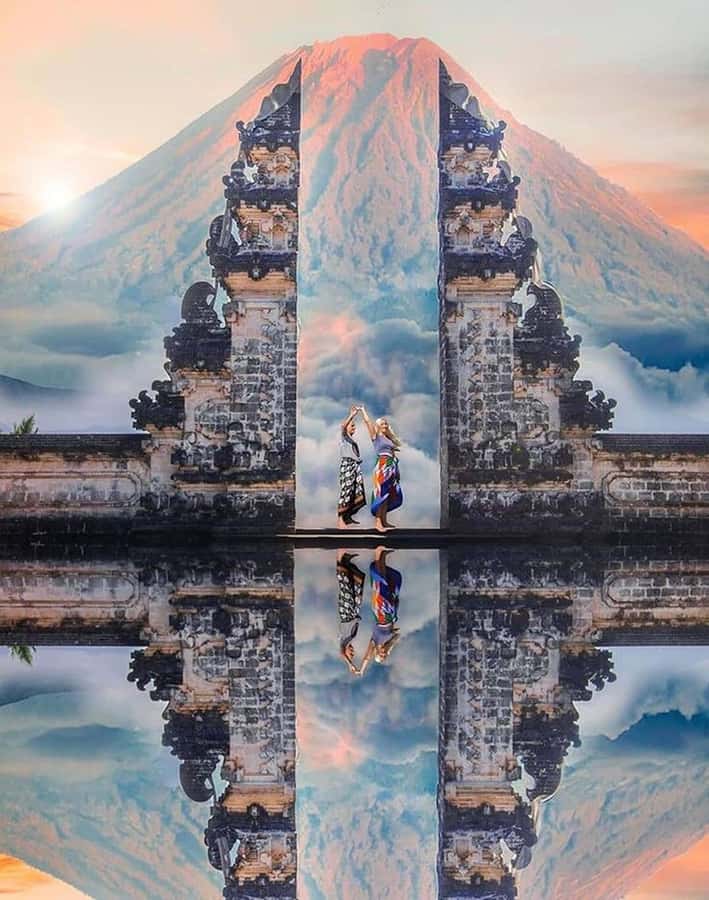
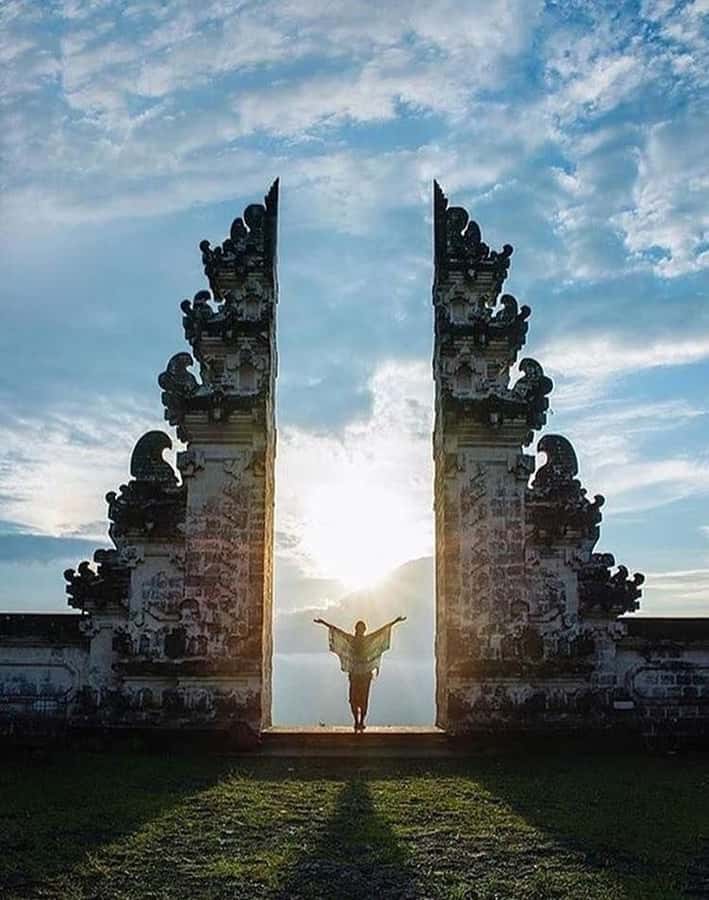
Lempuyang Temple is famous for one thing: that dramatic view where the temple gates frame Mount Agung. You’ll get a dedicated photo stop here, plus time to visit and soak in the sacred atmosphere.
What I like about this stop: it gives you a clear payoff early in the day. Once you’ve seen that symmetrical gate-and-volcano view, the rest of the itinerary feels like it’s building toward a theme—Bali as a mix of spirituality, nature, and carefully built sacred spaces.
What to consider: it’s a temple visit, so plan for modest clothing and comfortable shoes. You’ll also want sunglasses and sunscreen because temple areas can still be bright and hot, even when you’re not in the water.
Tirta Gangga Water Palace: Royal Water Gardens Without the Rush
Next comes Tirta Gangga, a former royal palace known for water features, fountains, and tiered garden design. This part of the day is calmer than the gate viewpoint. You’ll walk along stepping stones over koi-filled ponds and take your time around the water and gardens.
I like the pace here because it’s a reset. After the iconic-photo energy of Lempuyang, Tirta Gangga is all about quieter viewing and slow wandering—watching koi in the ponds and letting the fountains and fountains’ layout guide your steps.
If you’re the type who enjoys how places are arranged (paths, water levels, sightlines), this is where you’ll feel rewarded. Also, because the stop includes a guided explanation, it’s not just pretty water—you’ll get context for the palace design and how Balinese water architecture fits into the broader cultural picture.
Lunch Stop: A Practical Break That Can Affect Your Total Cost
Between the sights, you’ll hit a local restaurant for lunch time. You get about an hour here with free time, so you can eat at your own rhythm rather than being rushed into a set meal.
The practical reality: lunch is not included in the package price, and the restaurant you’re taken to can have pricing that feels higher than what you’d pick on your own. If you’re cost-conscious, scan menus quickly, decide early, and keep it simple.
Tukad Cepung Waterfall: Cave Sunbeams and the Swim Option
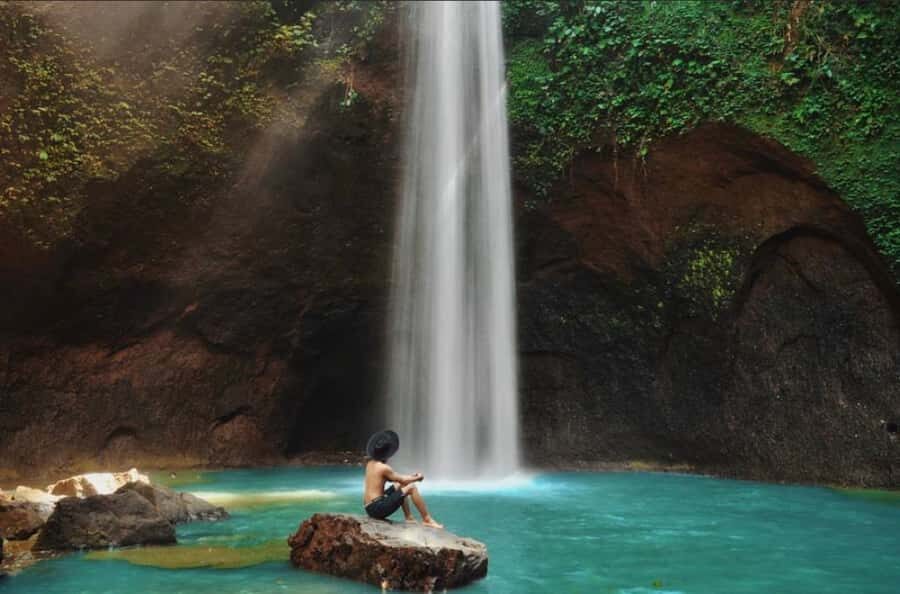
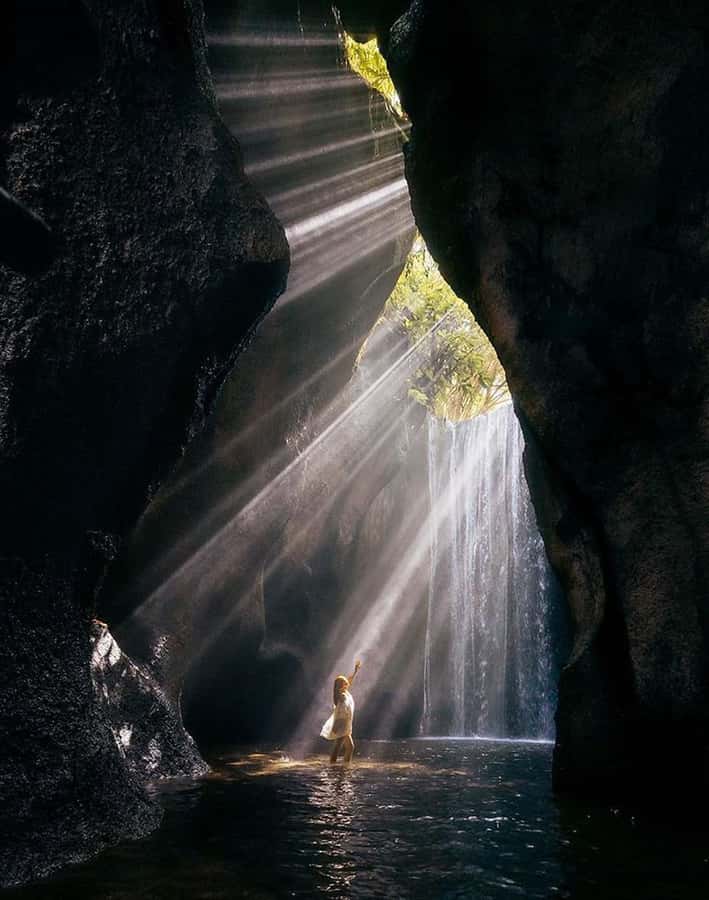
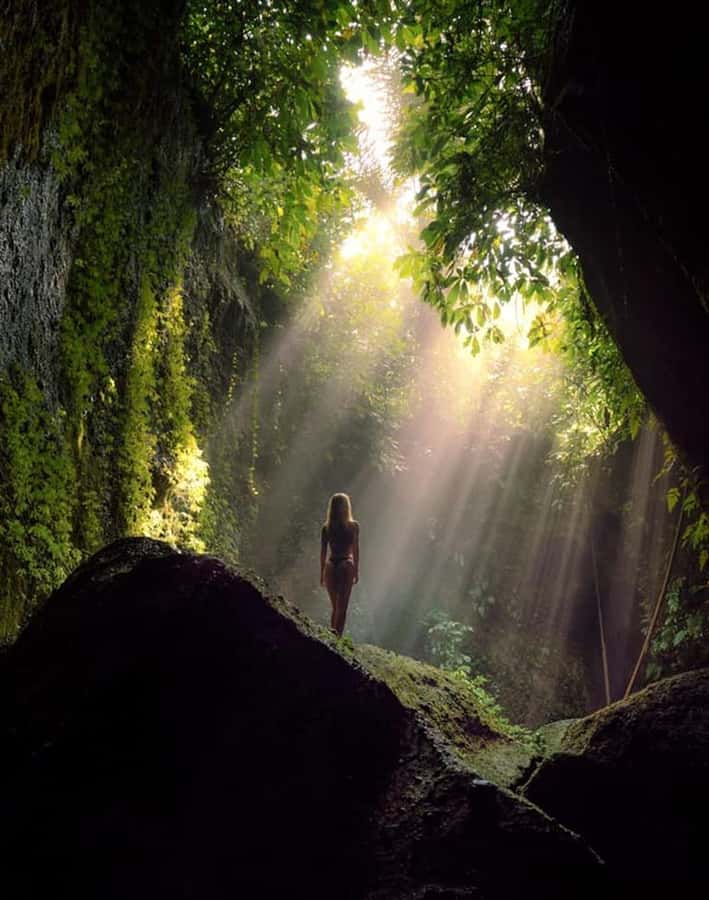
Then you go to Tukad Cepung, a waterfall tucked inside a cave. The wow factor is sunlight streaming down through the cave opening, creating beams that hit the waterfall and pool area—so even a short visit feels special.
The visit includes a guided walk and time to sightsee, with a walk through uneven cave terrain as you approach. There’s also a swim opportunity listed, and you’ll want a swimsuit and towel if you plan to get in.
What I love about this stop: it’s atmospheric. A cave waterfall doesn’t feel like the open-air tourist waterfall you can find anywhere. You’re in a sheltered space, listening to water and watching light hit the scene, and that changes the whole feeling of the place.
The drawback to remember: weather can affect this stop. On rainy days, you might find it hard or impossible to access the waterfall due to closure. If this is your top priority, build flexibility into your expectations.
Tirta Empul Temple: Purification at the Holy Spring Water
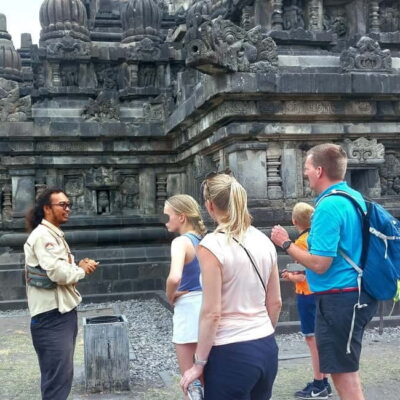
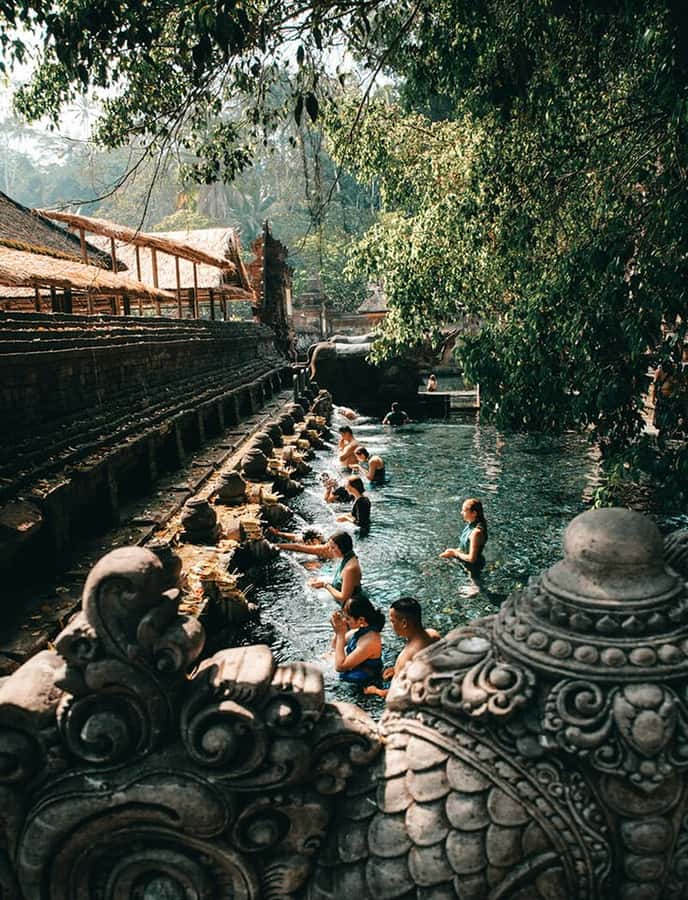
After the cave waterfall, you move into Tirta Empul Temple, which is known for its holy spring water. This is one of Bali’s most meaningful spiritual stops on the route, because locals and visitors come here for purification rituals.
You’ll get guided time here, plus photo time. The tour notes also include swimming, but even if you don’t plan to participate fully, the architectural setting and the ritual focus are the main point. This is not just scenery—it’s a living practice that you’ll watch and understand through the guide’s explanations.
My practical tip: treat this stop like a temple, not a photo studio. Modesty matters, and you’ll move through an active ritual environment. If you want to join the purification process, listen first and follow what the guide suggests so you don’t feel awkward stepping into something that has its own etiquette.
Abian Desa Rice Terraces: Subak Irrigation and a Photo-Walk Finale
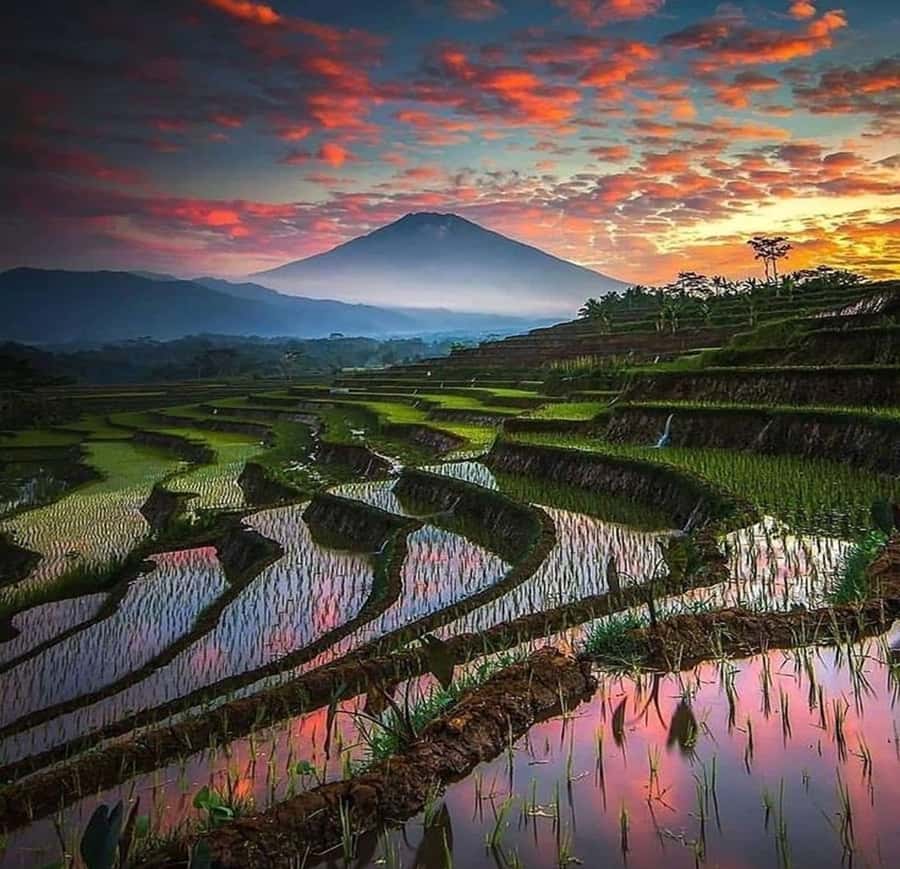
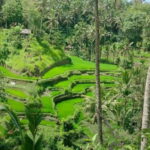
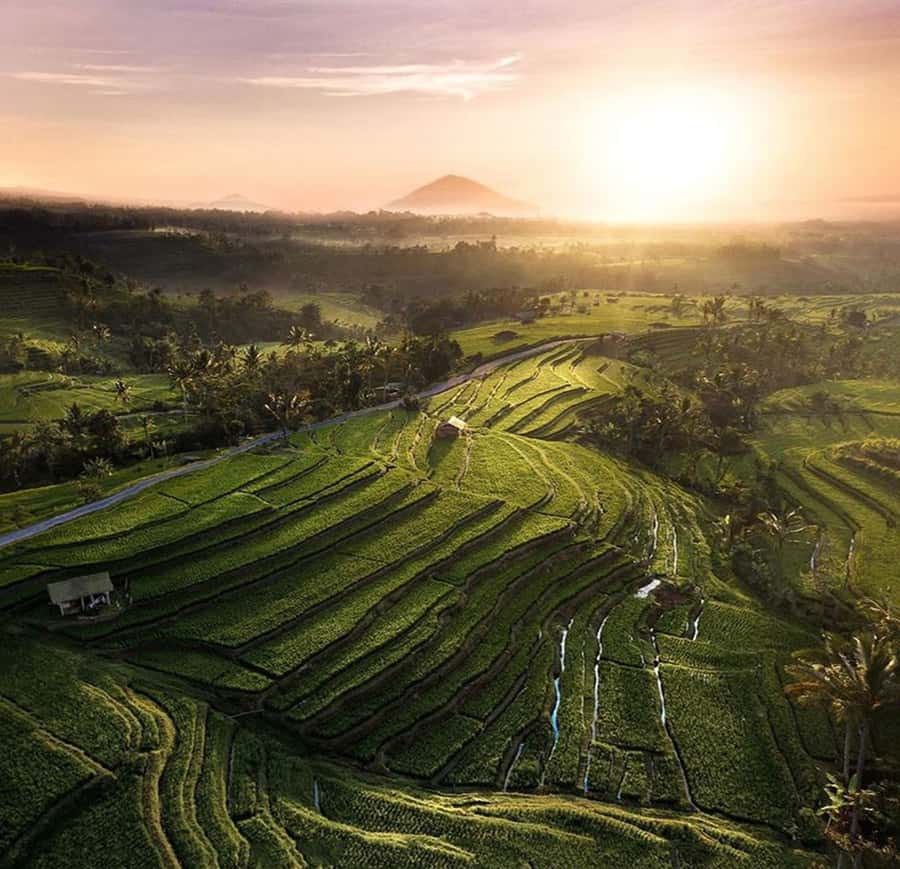
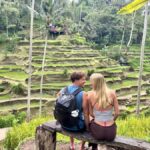
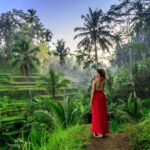
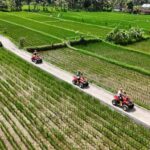
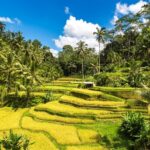
Your final major stop is rice terraces at Abian Desa. This is where the day shifts from water to agriculture, and it’s also where you’ll get the “why” behind the beauty. You’ll be shown lush green cascades and you’ll learn about the Subak irrigation system, the traditional method Bali uses to sustain rice farming.
You’ll get time for guided touring and sightseeing, plus sunset. The timing is handy if you like golden-hour color, but even without that, the terrace arrangement gives you plenty of angles.
What I like here: it helps your brain connect what you see to how it’s maintained. Instead of only taking photos, you also walk away with a farming lesson you can actually repeat later—because it’s about water management and community coordination, not just farming trivia.
What to consider: some walking is on uneven terrain. Wear shoes you trust and expect dirt paths and steps.
Price and Value: Is $61 a Good Deal?
At around $61 per person for a 9-hour private-group day with pickup and a photographer, the transport + guided routing part can feel like decent value. You’re getting an air-conditioned car, an English-speaking guide, and help connecting multiple major sites without having to organize each hop yourself.
But the main value question is cost after the fact. Entrance tickets are not included, and lunch isn’t included either. One guest feedback that matters here: after paying for the tour, they found that each stop required extra payments, bringing the total close to double what they expected. That doesn’t mean this will happen to you exactly, but it’s a strong reminder to budget for admissions.
How I’d handle it: before you go, ask the operator what entrance fees you should expect across the listed stops. Then compare that all-in number to booking a similar day with entrances included, if available.
Also consider that you’re paying for a lot of driving and photo timing. If you want slow, deep temple study at one or two places only, this might feel like too many checkpoints.
Timing and Logistics: Early Pickup, Tight Stops, and the Best Prep
This tour runs about 9 hours and pickup timing depends on your location. Pickup is offered from nine areas, including Denpasar, Kuta, Ubud, Tegalalang, Amlapura, Manggis, Sukawati, North Kuta, and Kuta Selatan. Drop-off mirrors those areas, which helps if you don’t want to figure out your own return transport.
One practical note from experience on similar schedules: the start can be early. If you’re used to breakfast at a normal hour, plan for a quick bite before pickup so you’re not hungry during the first temple stretch.
What to bring (based on what the tour asks for):
- Passport or ID card
- Sunglasses and sunscreen
- Power bank (you’ll take lots of photos)
- Internet access (handy for maps or confirming plans)
- Sunscreen and insect repellent are recommended for outdoor time
- Swimsuit and towel if you want to swim at Tukad Cepung and Tirta Empul
What to Wear and What’s Not Allowed (So You Don’t Get Stopped)
You’ll want modest clothing for temple visits and comfortable walking shoes for uneven ground. Avoid high-heeled shoes, and don’t plan on wearing jewelry—this is listed as not allowed. Bare feet aren’t allowed either.
There are also standard rules: no smoking indoors or in the vehicle, and no alcohol or drugs. Weapons or sharp objects are not allowed. If you’re bringing a day bag, keep it practical—no tricky items that can cause delays.
Who This Bali Day Trip Fits Best
This tour fits best if you want a compact sampler of Bali: temple icons, royal water gardens, a dramatic cave waterfall, a purification spring temple, and rice terraces with an irrigation lesson. It’s also a good fit if you like structure and don’t want to piece together routes and entry logistics.
You might love it if:
- You’re prioritizing photos at Lempuyang and the cave beams at Tukad Cepung
- You want a guided cultural layer, not just walking between attractions
- You prefer the ease of an AC car and pickup/drop-off
You might want to skip it if:
- You use a wheelchair (not suitable)
- You have vertigo (not suitable)
- You have respiratory issues (not suitable)
- You’ve had recent surgery (not suitable)
- You want a slow day with fewer transfers and more free time
Should You Book This Tour?
I’d book it if you want a one-day hit list that includes both famous Bali landmarks and practical cultural context, with the comfort of private transportation and an included photographer. It’s especially strong if Tirta Gangga and Tukad Cepung are on your list and you’re ready for a full day.
Hold back or think twice if you dislike surprises in total price, because entrances and lunch are extra. Also, if weather could derail Tukad Cepung for you, decide whether that risk is acceptable—this day is too packed to rewrite on the fly.
If you’re okay planning for admissions and dressing correctly for temples, this is a solid way to see a lot of Bali without doing all the logistics yourself.
FAQ
How long is the Bali trip to Tirta Gangga and Tukad Cepung?
The tour duration is 9 hours. Starting times vary, so you’ll need to check availability for the exact pickup time.
What areas do you pick up and drop off in?
Hotel pickup and drop-off are offered in a list of areas: North Kuta, Sukawati, Denpasar, Kuta, Ubud, Amlapura, Manggis, Tegalalang, and Kuta Selatan.
Is this a private group tour?
Yes. The group type is private group.
What’s included in the price?
Included items are hotel pickup and drop-off (depending on option selected), an air-conditioned car and petrol, a driver, an English-speaking tour guide, a photographer, parking tickets, an express security check, and a welcome drink (mineral water).
Are entrance tickets and lunch included?
No. Entrance tickets are not included, and lunch is not included. You’ll have lunch break time at a local restaurant, but you’ll pay for your own meal.
Can I swim during the tour?
Swimming is listed for Tukad Cepung Waterfall and Tirta Empul Temple. Bring a swimsuit and towel if you want to swim.
Is it suitable for people with mobility or health limitations?
It’s not suitable for wheelchair users, people with vertigo, people with respiratory issues, or people with recent surgeries. The tour also involves moderate walking on uneven terrain.