Java, packed into six days.
This tour lines up Java’s biggest hits in one sweep, starting in Yogyakarta with Borobudur and Prambanan, then swinging east for caves, a major waterfall stop, and sunrise on Mount Bromo before ending with the night hike to Ijen blue fire and a ferry drop-off to Bali. It’s the kind of itinerary that’s busy, yes, but it also saves you from the “which island, which day, which guide” stress.
I especially like the tight organization from your hotel pickup to the final drop at Bali port, and the hands-on moments that actually get you close: a 4WD jeep for Bromo sunrise and the use of safety gear for Ijen so you can reach the blue fire area.
One real consideration: the schedule is intense, with long drives and an overnight-style start for Ijen, so you’ll want a good travel rhythm and comfortable hiking shoes.
In This Review
- Key things to know before you go
- Why this Yogyakarta-to-Bali route makes sense
- Price and what you get for $790
- Entering Central Java: Borobudur, Merapi, and Prambanan
- Jomblang and Pindul caves: ropes, helmets, and float-tire magic
- Tumpak Sewu waterfall: the “curtain” effect with cave and cliff time
- Bromo sunrise: why the 4WD jeep is worth paying for
- Ijen blue fire: night hiking with respirator and flashlight
- Where you sleep: three bases that reduce wasteful driving
- Transport, guides, and your group setup
- Timing intensity: what might feel like a lot
- Tips to make this Java all-in-one trip feel easier
- Should you book this tour?
- FAQ
- How long is the Borobudur & Prambanan to Bromo and Ijen tour?
- Where does the tour start and where does it end?
- What’s included in the tour price?
- Is Bromo sunrise covered with special transport?
- What do I need for Ijen blue fire?
- Are tips included?
Key things to know before you go
- Temple-to-volcano route: you hit Borobudur and Prambanan early, then move to East Java for caves, waterfalls, Bromo, and Ijen
- Safety kit included for Ijen: a gas respirator mask and a flashlight, plus a permit to reach the blue fire area
- Meaningful early mornings: Bromo sunrise and Borobudur timing are built around dawn conditions
- Cave day is hands-on: Jomblang includes rappelling gear, and Pindul is done by float-tire inside the cave system
- Ferry to Bali is part of the package: you don’t have to figure out the last logistics at the end
Why this Yogyakarta-to-Bali route makes sense
If you want a “Java highlights” trip without turning it into a logistics project, this is built for that. You start in Yogyakarta, then work across Central Java and East Java, and finish by getting you to Bali port with the ferry ticket included.
The big value here is that the tour takes responsibility for the chain: transport, entry fees, guiding, and where you sleep. That matters on Java, where travel times can be long and the day-to-day planning can quickly turn into spreadsheet work.
And you’re not just doing one theme. You get religious landmarks (Borobudur and Prambanan), nature adventures (Merapi), caves (Jomblang and Pindul), a major waterfall area (Tumpak Sewu), then two volcano experiences (Bromo and Ijen). If that sounds like a lot, that’s because it is. But the pacing is arranged so each “big moment” gets a dedicated block of time.
You can also read our reviews of more tours and experiences in Yogyakarta.

Price and what you get for $790
At $790 per person for about six days, the cost can feel steep until you look at what’s actually bundled. This package includes a lot that usually becomes expensive when you book it separately.
Here’s what’s clearly included:
- Lunch (included on the program)
- Accommodation at three bases: 1 night near Tumpak Sewu, 1 night at Bromo, 1 night at Banyu Wangi
- Entry fees for the sites on the itinerary
- 4WD jeep for Bromo sunrise
- Ferry Java to Bali
- Ijen gear and permissions: gas respirator mask, flashlight, and a permit to go to the blue fire
- Guides: a trekking guide for Ijen and Tumpak Sewu, plus an English-speaking driver who acts as guide and a tour guide
- Breakfast (3)
Not included: tipping for guides and driver (optional).
So the “value” angle is mostly about reduced friction. You’re paying for a coordinated route, not only for transport between points. For me, that’s the right way to budget for a trip like this—especially when you’re dealing with early departures, night hiking, and multiple ticketed attractions.
Entering Central Java: Borobudur, Merapi, and Prambanan
This start day is designed to stack three iconic sites without wasting time.
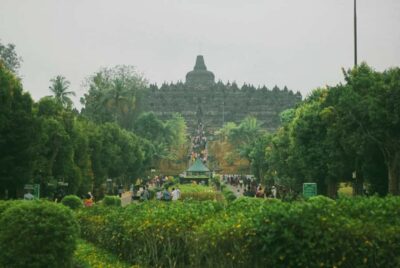
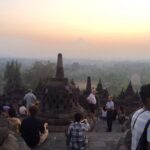
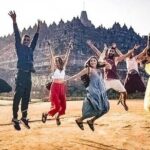
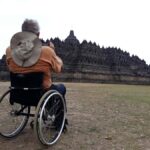
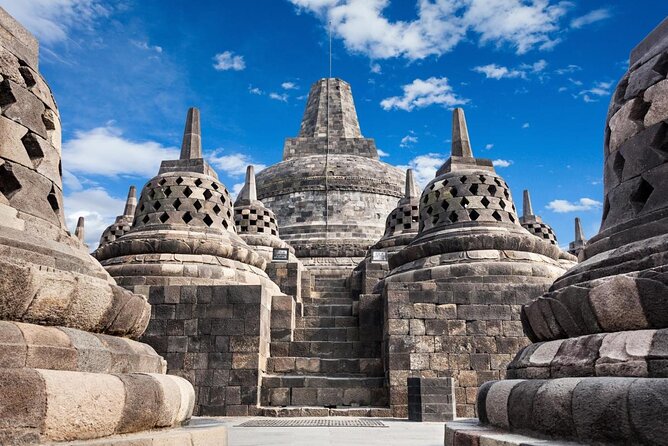
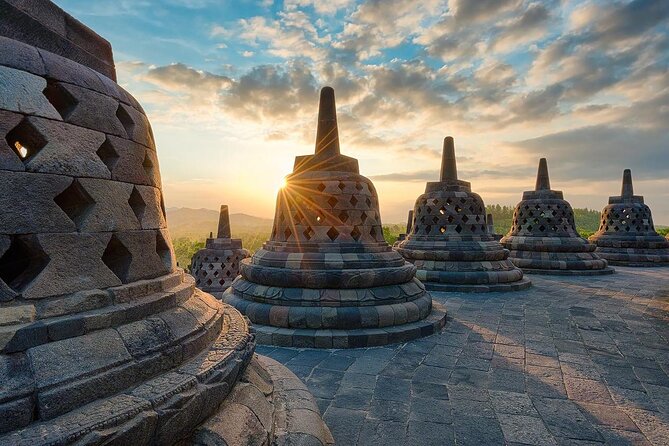
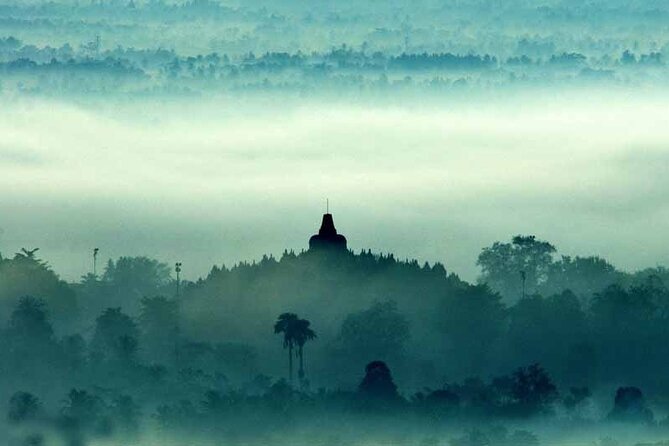
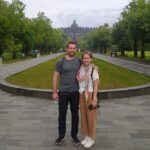
You begin with a hotel pickup in Yogyakarta and head to Borobudur, the massive Buddhist monument known as the largest single Buddhist monument in the Southern Hemisphere. The plan is built around a dawn visit, so you’re on the site early when the air is cooler and the light is friendlier for photos and walking the levels.
From there, you continue to Merapi Volcano. The experience here is done by 4×4 jeep with off-road travel. Merapi is one of the most active volcanoes in the world, and the jeep portion matters because it gets you into viewpoints you can’t reach as easily on regular roads.
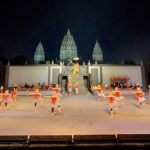
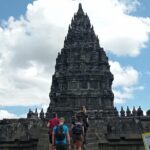
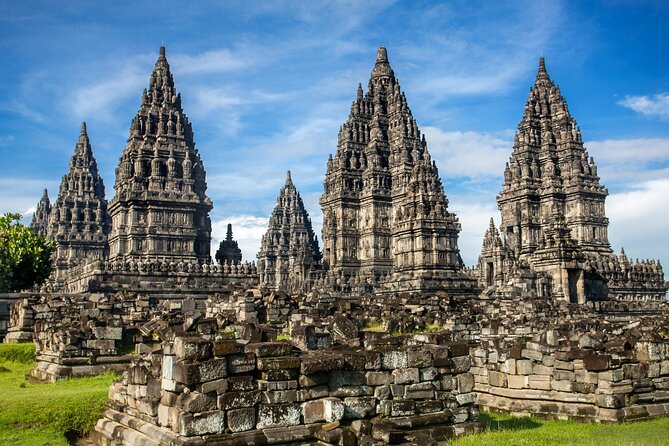
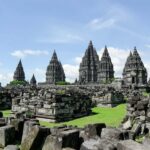
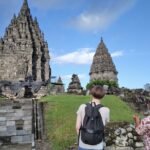
Then you close the day at Prambanan, a huge Hindu temple compound dedicated to Shiva. It’s known for its dramatic stonework and the way the main structures sit together as one big complex rather than a lone ruin.
Practical note: if you’re the type who hates being rushed, this day is still manageable, but your energy has to be ready for early starts and back-to-back stops. Pack a light layer for dawn and keep water handy.
Jomblang and Pindul caves: ropes, helmets, and float-tire magic
Day two shifts gears from temples to caves, and it’s one of the most “do it yourself” feeling parts of the tour.
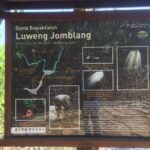
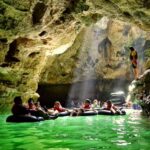
First up is Jomblang Cave. You’ll be outfitted with rappelling gear, then head into the cave as part of a guided adventure through the underground world. Jomblang is famous for vertical cave passages, and what makes it worth doing on a tour is simple: the gear and the technique are handled for you.
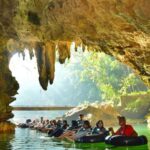
Next is Pindul Cave. Instead of ropes, you experience it by going down the cave on a float tire. That means you get a slower, more relaxed feel than the vertical challenge of Jomblang, while still being active inside the cave system.
What to consider: caves can mean damp conditions, and you’ll want shoes you can get wet. You’ll also likely want to keep a phone and camera protected even if you’re careful—water has its own plans.
Tumpak Sewu waterfall: the “curtain” effect with cave and cliff time
Day three is a long travel day toward the Tumpak Sewu area (Lumajang route). The itinerary gives you time to settle into accommodation, and then day four is where the real waterfall block happens.
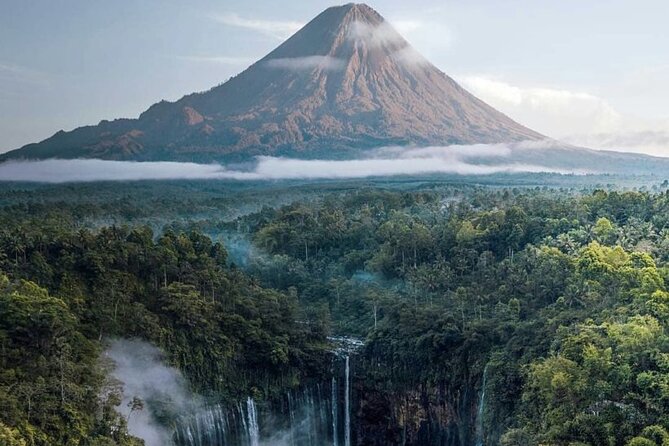
At Tumpak Sewu, the famous feature is the waterfall’s “curtain-like” flow, widening as it drops. The tour describes it as a tiered waterfall type, and your time in the area also includes exploring beyond the main view—there’s mention of a cave and Nirwana Cliff within the Tumpak Sewu zone.
This matters because it’s easy to treat waterfalls like a quick photo stop. Here, you get time in the wider area, with a local trekking guide leading the way, which helps you move through viewpoints without guessing.
You also have a full night stay near this region, which is smart. Without that, you’d lose daylight hours to driving.
Practical note: waterfall areas can be slippery. Go slow on wet surfaces and keep your footing in mind more than your photo angles.
Bromo sunrise: why the 4WD jeep is worth paying for
Bromo day is structured around one thing: being at the right place at dawn. You start early, and you use a 4WD jeep for the sunrise portion. That’s important because it’s part of how you access sunrise viewpoints around the crater area.
Mount Bromo is described as the most popular volcano in Indonesia, and the way the tour handles it is with a dedicated block of time that’s focused on the sunrise experience, not a rushed “drive-by.”
What you should know before you go: sunrise at Bromo can feel surprisingly cold, even if the rest of the trip is warm. Bring something for wind and early-morning chill, and expect dust on volcanic terrain. If you’re sensitive to dust, have a scarf or layer you can pull up.
Also, you’ll want to eat and hydrate before you head into the early day, since timing at volcanoes doesn’t care about your breakfast preferences.
Ijen blue fire: night hiking with respirator and flashlight
Day six is the big finale, and it’s built for the blue fire moment. Your day starts in the middle of the night as you head toward the Ijen Crater area (the drive is listed as around two hours), then you hike up to the top with a trekking guide.
The tour specifically includes the gas respirator mask and flashlight, plus a permit to go to the blue fire point. That’s one of the strongest reasons to book a package like this instead of winging it—getting the right equipment and having the logistics handled is part of how you safely access the area.
The hike block is long (the day is listed around six hours total), and it’s the kind of hike where steady pacing beats speed. Expect darkness at parts of the trek, uneven ground, and cold air.
Realistic expectation: the blue fire is a distinctive phenomenon, but visibility and conditions are weather-dependent. Bring patience and focus on the experience as a whole—night hiking, crater atmosphere, and the guided route to the permitted area.
Where you sleep: three bases that reduce wasteful driving
Accommodation is included at three different Java Island bases:
- 1 night at Tumpak Sewu area
- 1 night at Bromo
- 1 night at Banyu Wangi
This setup is practical. It reduces backtracking and lets you start the next day’s key activity earlier. You’re not spending your evenings far away from the sites that matter.
The listing doesn’t describe room style or star level, so I’d treat this as functional lodging that supports early starts and recovery after busy days. If you want a “spa trip,” this itinerary isn’t that.
Transport, guides, and your group setup
This is a private tour/activity, meaning only your group participates. That’s a real comfort advantage when you’re juggling long days, early mornings, and night travel—less waiting around for other people’s pacing.
You also get:
- English-speaking driver who acts as a guide
- Tour guide
- Local trekking guides for Ijen and Tumpak Sewu
On an itinerary like this, a good driver and a clear guide plan the little timing decisions that keep the day from spiraling. The positive reviews you’ll see for this sort of route usually point to how well the handoffs are managed. For this package, the emphasis is clearly on “pickup to port drop-off” continuity, with a tour team that stays in the loop from start to finish.
Timing intensity: what might feel like a lot
Let’s be honest: the itinerary is packed. You’re moving between Central Java and East Java, and you’re doing early starts more than once.
The two biggest “intensity flags” are:
- Dawn days (Borobudur and Bromo)
- Night hiking (Ijen)
If you’re traveling with someone who gets cranky after poor sleep, bring earplugs and plan for tiredness. If you like action and early mornings, you’ll probably love the rhythm because it keeps the days from feeling empty.
Tips to make this Java all-in-one trip feel easier
A few practical moves can make a big difference:
- Wear grippy shoes for caves and crater hikes. You’re walking on wet or uneven terrain more than once.
- Bring a light layer for dawn and night. Java mornings can feel much cooler than midday.
- Pack for dust and damp. A scarf helps with dust around volcanic areas; a waterproof pouch helps for electronics near water.
- Save small cash for optional tipping. Tipping for guides and driver isn’t included, even if it’s optional.
- Don’t underestimate fatigue. This trip is designed around big scheduled moments; taking it slower on meals and hydration helps you keep up.
Also, the experience needs good weather. If conditions aren’t right, you might be offered a different date or a refund.
Should you book this tour?
Book it if you want one organized package that strings together Borobudur, Prambanan, Jomblang, Pindul, Tumpak Sewu, Bromo sunrise, and Ijen blue fire, ending with an included ferry to Bali. It’s built for travelers who don’t want to plan between islands and ticketed stops.
Skip it if you want a slower, more flexible trip or if night hiking is a hard no for your group. This route rewards people who can handle early wake-ups, long travel days, and a serious climb on Ijen.
If your goal is to see the major Java highlights in a single go with guidance, safety gear, and transport handled, this is one of the more straightforward ways to do it.
FAQ
How long is the Borobudur & Prambanan to Bromo and Ijen tour?
The standard option is about 6 days. There’s also an option that includes 3 days hotel in Yogyakarta, which makes the overall trip about 7 days.
Where does the tour start and where does it end?
It starts with pickup from your accommodation in Yogyakarta and ends with drop-off at Bali port, with the ferry ticket included from Java to Bali.
What’s included in the tour price?
The package includes lunch, accommodation (1 night at Tumpak Sewu area, 1 night at Bromo, and 1 night at Banyu Wangi), entrance fees, ferry ticket Java to Bali, Bromo sunrise 4WD jeep, Ijen gas respirator mask and flashlight, Ijen blue fire permit, trekking guides, a tour guide, an English-speaking driver, and 3 breakfasts.
Is Bromo sunrise covered with special transport?
Yes. The itinerary includes a 4WD jeep for the Bromo sunrise portion.
What do I need for Ijen blue fire?
You’re provided with a gas respirator mask and flashlight, and the tour includes the permit to go to the blue fire area, along with a trekking guide for Ijen.
Are tips included?
No. Tipping for tour guides and the driver is not included, and it’s described as optional.