Goa Gajah feels like Bali’s time machine. This guided Elephant Cave & Pakerisan UNESCO tour pairs dramatic stone carvings with quiet riverside atmosphere, all wrapped into a practical 2–4 hour outing. I love how the guide handles both the story and the on-site respect rules without turning it into a lecture.
I also like the pacing: you get a guided walk through the cave complex, then a slower, scenic second stop connected to the Pakerisan area. It’s the kind of tour where details actually matter—like why you’ll wear a sarong and how the bathing pools fit into the spiritual setup. One thing to consider: you’ll be doing stairs down and back up, and the paths can be damp and slippery in warm, humid jungle conditions.
In This Review
- Key Things to Know Before You Go
- Goa Gajah: The Elephant Cave and Its Demon-Face Entrance
- The Cave Interior: Spiritual Design You Can Actually Notice
- Sacred Bathing Pools: Purification, Statues, and Garden Quiet
- Petanu River Atmosphere and the UNESCO World Heritage Feel
- What the Walking Actually Feels Like (And What Could Trip You Up)
- Pickup Options in Ubud: Easier Than You Think, If You Plan the Timing
- Guided Tours: Why Sana and Sukar Make a Difference
- Price and Value: Why $18 Can Actually Make Sense
- When to Go: Morning Calm Beats Afternoon Heat
- Respect Rules That Help You Enjoy the Day More
- Practical Packing List for Goa Gajah Steps and River Humidity
- Should You Book the Elephant Cave & Pakerisan Tour?
- FAQ
- How long is the Elephant Cave & Pakerisan tour?
- Do I get hotel pickup in Ubud?
- What’s included in the price?
- What should I bring with me?
- Can I enter the sacred areas if I’m on my period?
- Is this tour wheelchair accessible?
Key Things to Know Before You Go
- Goa Gajah’s 9th-century cave: you’ll see Hindu-Buddhist elements and meditation-style niches in the dim interior
- Sacred bathing pools: six female statues pour water from urns, tied to purification beliefs
- Three meeting options in Ubud: start at Goa Gajah, at Ubud Palace, or with a central hotel pickup
- Pakerisan river area focus: the tour includes a guided nature-and-culture walk in the UNESCO World Heritage zone
- Guide quality is a standout: people praise guides like Sana and Sukar for clear explanations during the day
Goa Gajah: The Elephant Cave and Its Demon-Face Entrance
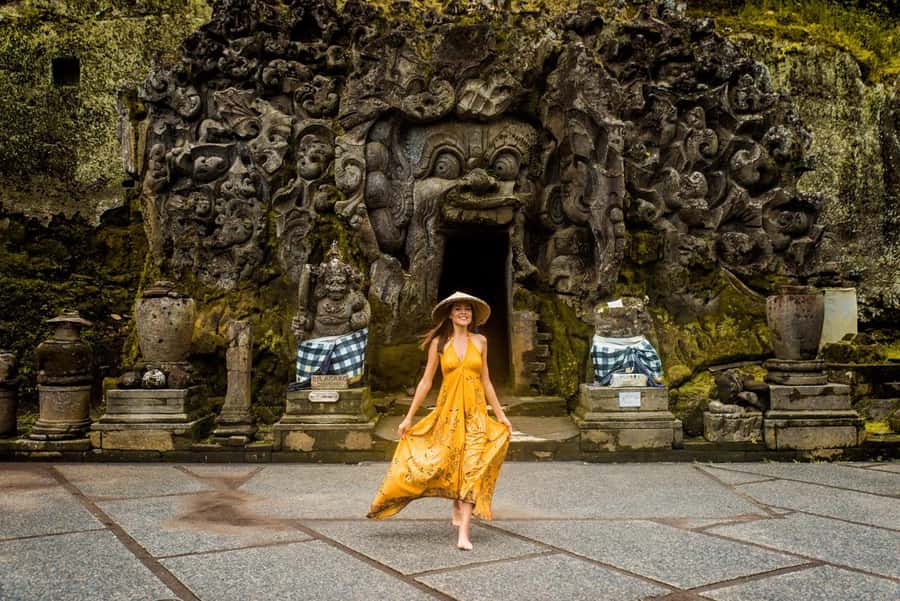
Goa Gajah, the Elephant Cave, starts with mood. You approach through a ravine setting where the sounds of the Petanu River and dense greenery set a calm, almost ceremonial tone before you ever reach the stone steps.
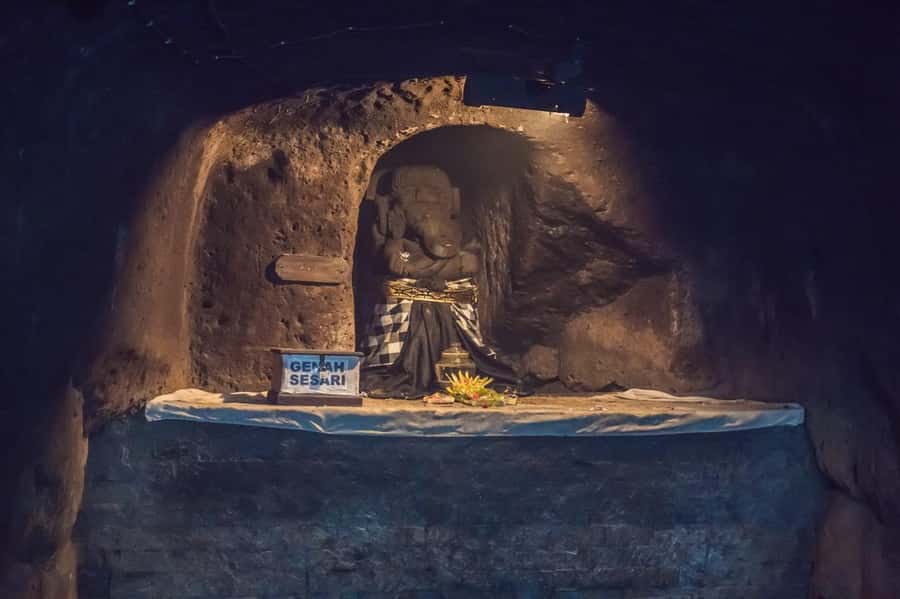
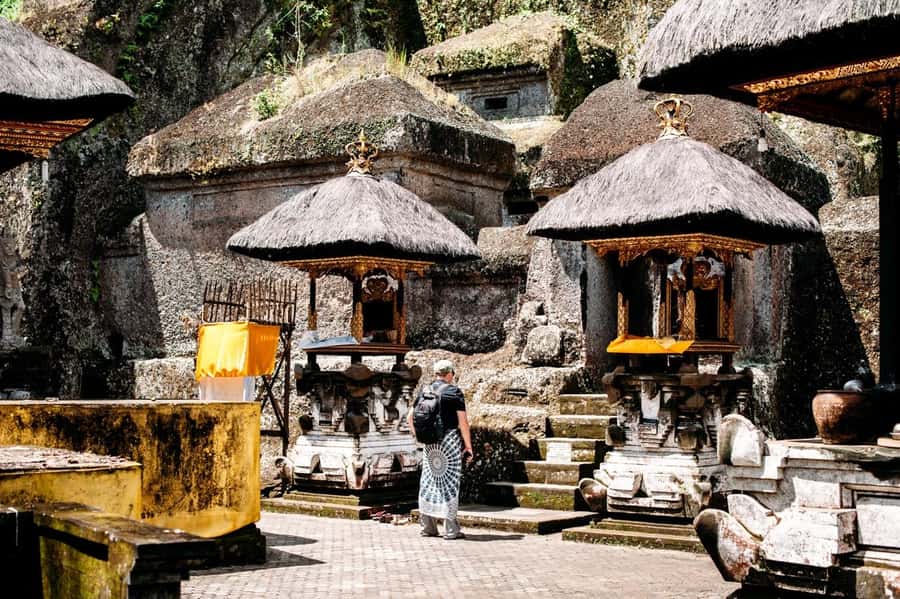
At the entrance, the complex does not do subtle. The cave face is carved into the rock—menacing-looking, but unmistakably designed to make you slow down and look. When you step inside, the interior stays dim, with stone idols and small meditation niches that feel intentionally placed for quiet practice rather than sightseeing-by-checklist.
What I love most here is the balance between awe and clarity. A good guide helps you see what you’re looking at: older carvings, spiritual design choices, and the mix of Hindu and Buddhist influences that shaped the site. You’re not just counting sights. You’re understanding why the place feels the way it does.
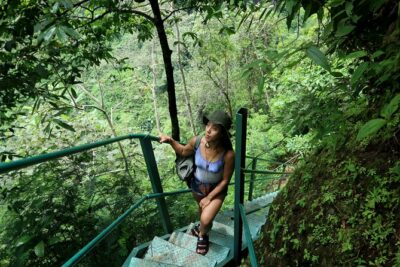
One practical note: this is not a flat, easy walk. You go down and then back up several stone steps, so you’ll want basic mobility and careful footing, especially in wet patches.
You can also read our reviews of more tours and experiences in Ubud.


The Cave Interior: Spiritual Design You Can Actually Notice
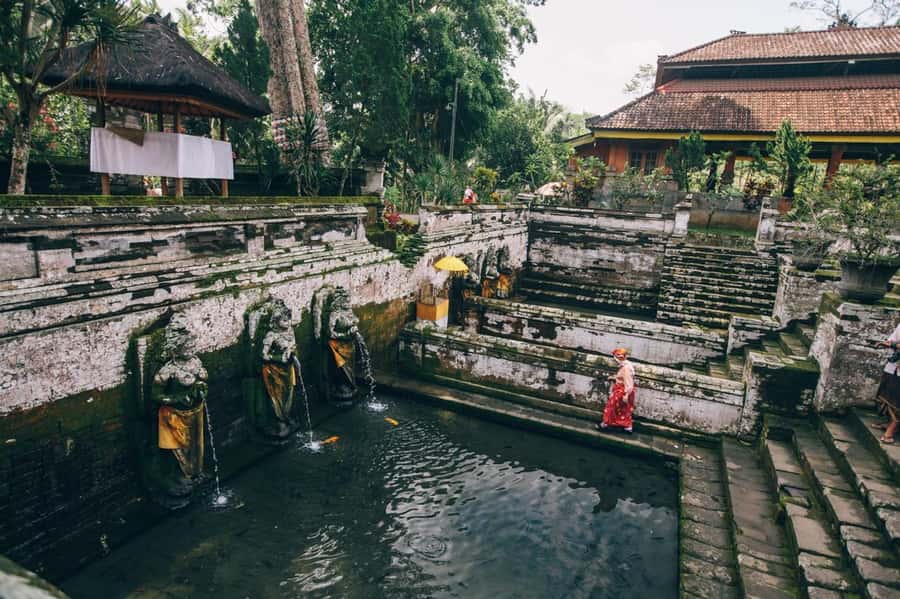
Inside the cave, the details are what make it memorable. You’ll pass the carved demon’s face and then move through an area that reads like a sanctuary—spiritual, intentionally quiet, and grounded in centuries of worship.
The site’s origins are described as mysterious, but the function is still tangible. The cave complex is believed to have served as a sanctuary for both Hindu and Buddhist monks, and that blended identity shows up in the way parts of the space are arranged.
If you’re the type who likes to connect visuals to meaning, you’ll appreciate what a guide can point out: where niches appear like meditation spots, how stone idols fit the mood of the interior, and how the cave feels like a retreat rather than a monument. In the review notes, guides like Sana are praised for being friendly and teachy in a way that helps you grasp Balinese Hindu culture without drowning you in terms.
And yes, it’s still worth visiting even if you’re not a “temple person.” The cave has enough atmosphere to work like a story you can walk into.
Sacred Bathing Pools: Purification, Statues, and Garden Quiet
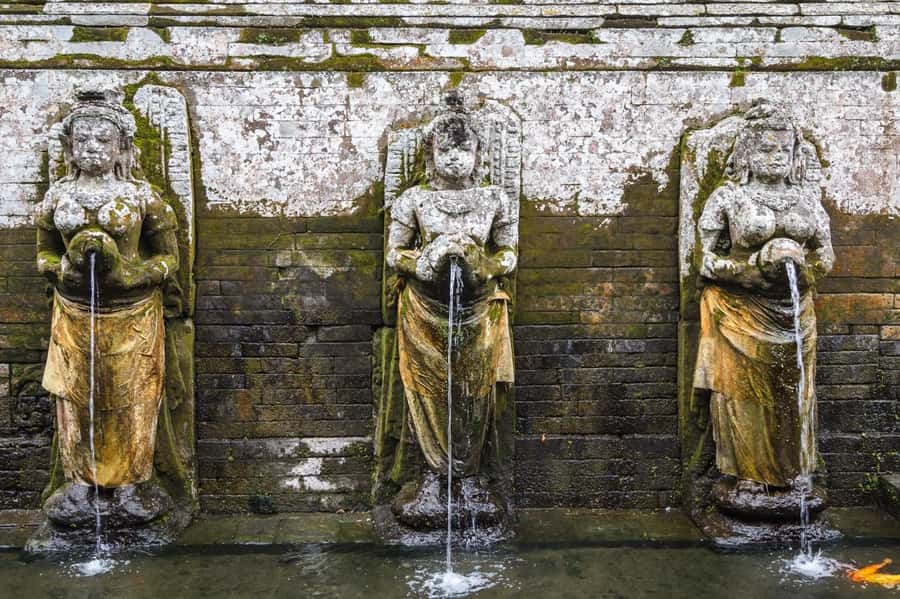
The cave is only part of the experience. The outdoor gardens are where the tour slows down and lets you breathe.
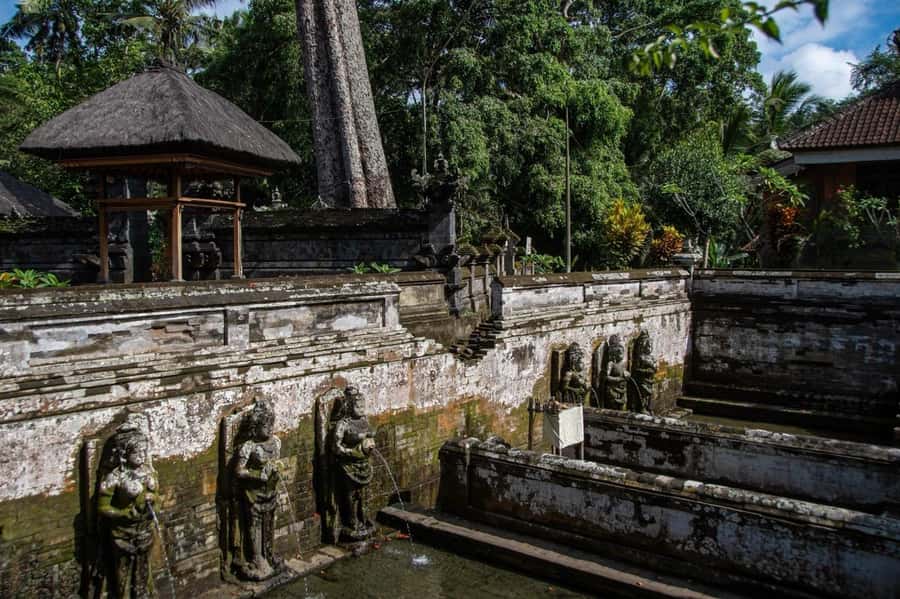
Right near the complex, you’ll find sacred bathing pools—classic temple landscaping with water features and statues built into the spiritual flow of the site. The star of the pools is a set of six elegant female statues, each pouring water from urns. The belief is that these waters help purify and bless visitors.
What makes this section feel special is the contrast. The cave interior is dim and enclosed. The gardens and pools are open-air, shaded by trees, scented with tropical flowers, and calmer in sound. You’ll also notice that the pools weren’t always visible in modern times. They were rediscovered in the 1950s after being lost to jungle overgrowth, which adds a real sense of rediscovery to the place.
Here’s a smart tip: don’t rush photos of the statues. Spend an extra minute just watching water move and reading the space. The quiet is the point.
Petanu River Atmosphere and the UNESCO World Heritage Feel
After the cave area, the tour shifts toward the Pakerisan River zone, guided and calmer. This is where the experience becomes less about one dramatic monument and more about the surrounding sacred landscape.
The UNESCO World Heritage context matters, even if you’re not trying to win an architecture contest. When you’re walking in a protected area, the place feels different—like it’s meant to be held together, not stripped for views. The river-side atmosphere helps you understand the setting as part of the spiritual geography, not just a backdrop for selfies.
Your guide will likely connect the cultural dots as you move—how offerings, devotional habits, and temple etiquette show up across the area. The goal is to help you see how people live alongside these sacred spaces, not just pass through them.
What the Walking Actually Feels Like (And What Could Trip You Up)
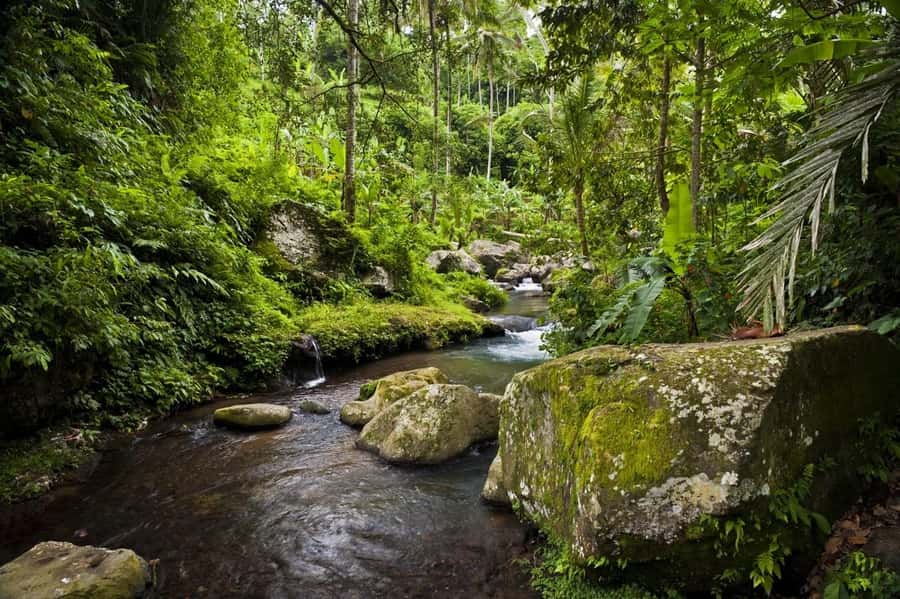
This tour is short in time, but it’s not weightless on the body. You should expect stone steps at Goa Gajah, plus walking around uneven temple grounds and garden paths.
The climate is warm and humid, and the dense forest can make pathways damp. That’s not a deal-breaker, but it does mean you should treat footwear like it matters. Comfortable shoes with grip beat flip-flops every time.
One other factor: the dress rules are real here. You’ll be asked to wear a sarong and keep shoulders and knees covered. Bring clothing that stays comfortable in heat—light layers that still cover.
And if you’re thinking ahead about access and age: this tour is not suitable for people with mobility impairments, wheelchair users, or those over the listed age limits. It’s also not a good idea if you’re trying to do it with fragile knees or balance issues. The cave steps and slippery spots are the reason.






Pickup Options in Ubud: Easier Than You Think, If You Plan the Timing
One reason I like this tour format is the flexibility in where you start. You can meet at Goa Gajah, meet at Ubud Palace, or choose a hotel transfer from central Ubud.
That matters because Ubud can be traffic-chaotic depending on time of day. If you want a smoother start, the central pickup option helps. If you prefer control and independence, meeting at Goa Gajah can work well and keeps you from adding transfer time.
Either way, you’ll want to be ready for the schedule. The driver contacts you via WhatsApp for confirmation, and you should be in the hotel lobby about 15 minutes before pickup. Late arrivals can affect the tour timing, which makes sense for a place with steps, entrances, and a second stop.
My practical advice: decide which option fits your energy level. If you like a zero-planning morning, pick transfer. If you’re already out near Ubud Palace or on that side of town, meeting points can save time and hassle.
Guided Tours: Why Sana and Sukar Make a Difference
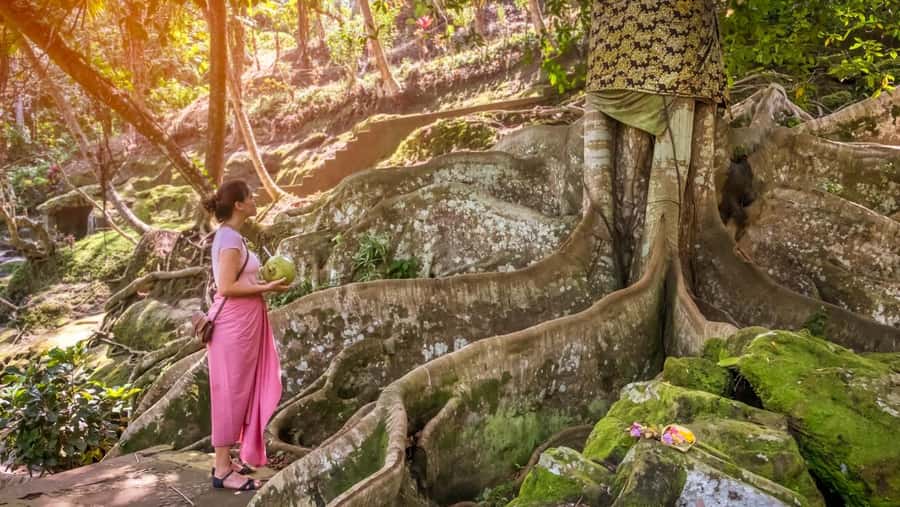
The sites here are old and meaningful, but you won’t get the best experience without a guide who knows how to explain them clearly.
In the feedback for this tour, two guide names come up in a big way: Sana and Sukar. Both are described as informative and engaging, with an emphasis on culture and Hindu traditions. That’s important because Goa Gajah isn’t just a scenic stop. It’s a spiritual space with Hindu and Buddhist elements, and your understanding changes what you notice.
A well-run guide also helps you navigate the social side of temples: where to stand, when to move, and how to behave respectfully while still seeing everything at an enjoyable pace. For you, that means less awkward guessing and more “oh, that’s why this is here.”
Price and Value: Why $18 Can Actually Make Sense
At about $18 per person with entrance fees and a guide included, this is a strong value if you treat it like a cultural mini-course rather than a quick photo lap.
What you’re getting that would otherwise cost extra:
- a guided visit inside Goa Gajah
- entrance fees included
- mineral water provided
- optional hotel transfer from central Ubud
Meals aren’t included, so you’ll plan your food separately. But for a 2–4 hour outing, you can often pair this with an easy lunch afterward and still keep the day affordable.
The key is to match the tour to your style. If you love temples and want a guided interpretation, the price feels fair. If you prefer independent wandering with no rules, you might find a self-guided day more comfortable. Still, the guide is a big part of the experience here.
When to Go: Morning Calm Beats Afternoon Heat
Even without a “secret timing hack,” timing changes everything. The tour info recommends early morning or late afternoon for the most tranquil experience, and that’s exactly what you’ll feel on-site.
Goa Gajah is in a humid, shaded ravine, but the sun outside still builds heat fast. Starting earlier helps you avoid that sweaty mid-day burn, and you’ll likely find the whole complex feels more peaceful when there are fewer people around.
Also, the damp paths can feel worse as the day goes on. If you’re choosing between a hot midday slot and a cooler early one, take the cooler slot.
Respect Rules That Help You Enjoy the Day More
Temple rules aren’t there to slow you down. They keep the experience smooth and respectful.
You’ll need to:
- wear a sarong and sash as a sign of respect
- dress modestly with covered shoulders and knees
- avoid touching idols or entering restricted areas
- be mindful with photography, especially around worshippers doing rituals
There’s also a clear rule about sacred-area access: women who are on their menstrual period are not allowed to enter the sacred areas, following Balinese Hindu custom. Plan for that if it applies to you.
This is also one of those places where showing basic respect actually earns you a better vibe from everyone around you—less friction, fewer misunderstandings, and a more peaceful feel.
Practical Packing List for Goa Gajah Steps and River Humidity
You’ll thank yourself for packing for warm, humid jungle conditions.
Bring:
- comfortable shoes with grip
- a sun hat and sunglasses
- sunscreen
- insect repellent
- camera
- cash
- water (mineral water is provided on tour, but extra doesn’t hurt)
- a sarong if you want to make sure you’re set (the tour notes mention bringing one)
Keep in mind:
- paths can be damp and slippery
- you’ll do some walking and stairs
- you’ll be outdoors for portions of the visit
And no pets, alcohol, or drugs are allowed.
Should You Book the Elephant Cave & Pakerisan Tour?
Book it if you want a guided, value-minded way to see Goa Gajah and experience the sacred Pakerisan UNESCO area without spending hours planning logistics. This is especially worth it if you like your temple visits explained, not just photographed.
Skip or reconsider if:
- stairs and damp footing are a problem for you
- you want a strictly independent, self-paced day
- you’re looking for a short “view from the car” kind of outing
If you do book, go in ready to follow the respect rules and take your time in the cave and gardens. The best part isn’t speed. It’s noticing how the space is designed for quiet spirituality—and how the guide turns that into something you can understand quickly.
FAQ
How long is the Elephant Cave & Pakerisan tour?
The tour duration is listed as 2 to 4 hours.
Do I get hotel pickup in Ubud?
Pickup is optional. You can choose a hotel transfer from central Ubud, or meet at Goa Gajah or Ubud Palace depending on your booking option.
What’s included in the price?
The tour includes a guided visit of Goa Gajah, entrance fees, mineral water, and hotel transfer from Ubud Central if you select the transfer option.
What should I bring with me?
Bring comfortable shoes, a sarong, sunglasses, a sun hat, sunscreen, a camera, cash, and water.
Can I enter the sacred areas if I’m on my period?
Women who are on their menstrual period are not allowed to enter the sacred areas, according to Balinese Hindu customs.
Is this tour wheelchair accessible?
No. It is not suitable for wheelchair users or people with mobility impairments.