You’ll plan your day around one famous view. This Lempuyang circuit earns its name with the Gates to Heaven photo frame on a mountaintop temple, then strings you onward to Tirta Gangga and the cave-based Goa Lawah bat temple. What I like most is the practical flow—an air-conditioned vehicle with wet towels and bottled water—and the fact that admission tickets are built in for each main stop. The one drawback to keep in mind: the Lempuyang photo area is tightly managed and can mean a long wait, even when you’re there early.
If you’re traveling with moderate stamina, this is a solid day because the temples are spread out just enough to make it feel like you’re getting multiple “Bali moods” in one go: dramatic mountaintop views, royal-water garden energy, and then a darker, bat-filled cave temple. A guide can make a real difference too—one standout example is Wayan, who’s described as helpful and kind when guiding guests through these major sites.
In This Review
- Key things to know before you go
- Gates to Heaven at Lempuyang: the view is real, the rules are strict
- Tirta Gangga: royal water gardens, fish pools, and stone myth creatures
- Goa Lawah: the bat cave temple that makes Bali feel older
- How the full 10-hour loop works (and why it matters for your day)
- The guide makes the difference: help with timing and temple etiquette
- Practical tips to make this day smoother (especially for Lempuyang)
- Should you book the Gates to Heaven – Lempuyang Tour?
Key things to know before you go
- Gates to Heaven is the main photo moment, and the waiting can be long once you arrive.
- The iconic reflection is not water—it’s the way the shot is taken at the right angle.
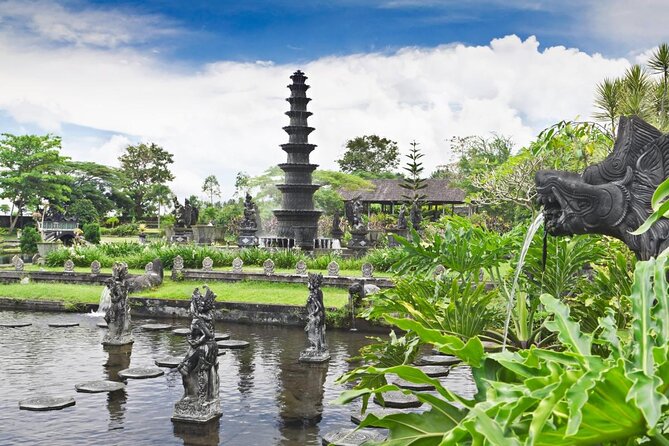
- Tirta Gangga is a royal water palace with tiered fountains, garden paths, fish pools, and stone sculptures.
- Goa Lawah is cave temple focused, built around a cave opening where bats live.
- Lunch isn’t included, so plan your food timing around a full 10-hour day.
- You’ll get an AC ride, wet towels, and bottled water, which helps when temps and queues heat up.
Gates to Heaven at Lempuyang: the view is real, the rules are strict
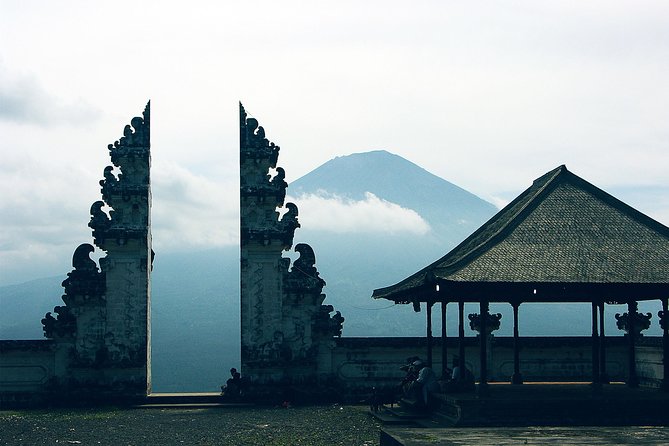
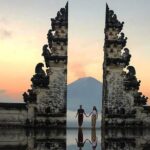
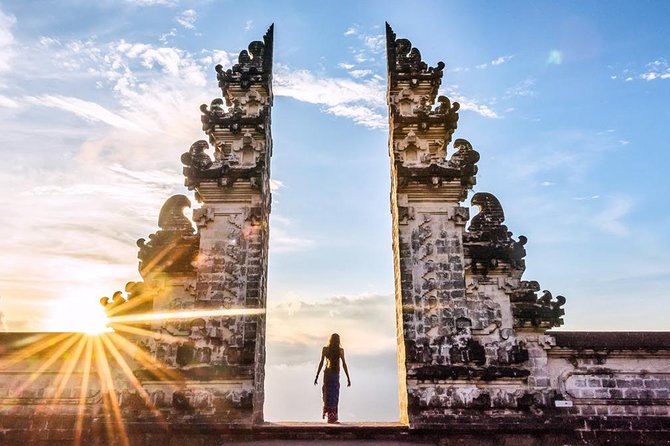
Lempuyang Temple sits high on Mount Lempuyang—about 1,175 meters above sea level—and that height is the whole point. On a good day, you get a dramatic perspective of Mount Agung framed through the gates, which is why people chase this spot so hard. The setting feels sacred, not just scenic, and it’s easy to see why it became one of Bali’s most recognizable temple icons.
Now the practical part: you need to be ready for waiting. The area tied to the famous photo setup can involve queues that stretch out, because the spot is popular and time for each group is managed. Also, temple access isn’t open to the general public—so don’t expect the kind of free-roaming temple experience you might be used to. Think of this stop more like a controlled, guided arrival to the photo viewpoint and the broader temple area than a casual wander.
One more detail that surprised many people: the online “water” look. The effect people photograph isn’t an actual pool or flowing water in front of the gates. The famous look comes from a reflection created by the photo angle and setup. When you stand there in person, you’ll likely see the trick more clearly than the Instagram version.
What to do with this information: go in mentally prepared that your time here is a mix of waiting and then a quick moment of magic. If you want calm photos, bring patience (and wear shoes you can stand in for a while). A good guide helps you stay organized and keeps the day moving even when the line slows.
You can also read our reviews of more tours and experiences in Ubud.


Tirta Gangga: royal water gardens, fish pools, and stone myth creatures
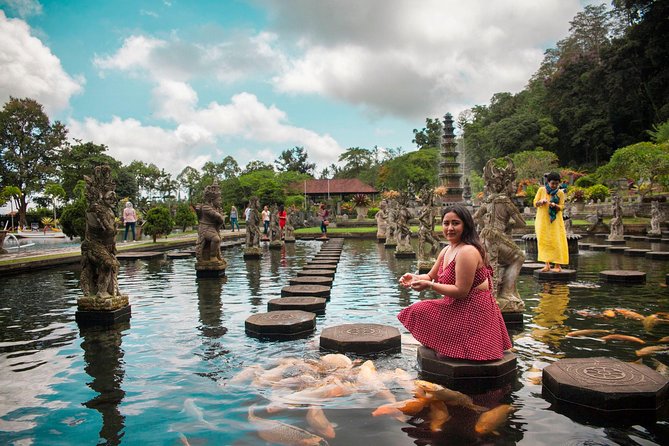
After Lempuyang, the vibe shifts. Tirta Gangga (in the village of Ababi) was a former royal water palace and it still feels like a place built for lingering. Here you’re not chasing one single viewpoint; you’re moving through a landscaped water garden with tiered fountains, gardens, and stone sculptures of mythical creatures that pour water into bathing pools.
This stop is ideal if you like detail. You can slow down and watch how water channels through the tiers, and the small layouts make it easy to find a new angle every few steps. There are also fish pools and fountains, so even if you’re not a “fountains person,” the overall composition gives you a lot to look at.
The main tradeoff: it’s a popular site too, so you’re still in “see it, photograph it, continue” mode. But compared with Lempuyang, Tirta Gangga feels more open and more naturally walkable. You’ll typically have about 1 hour 30 minutes here, which is enough time to enjoy the garden without feeling rushed—if you pace yourself and don’t get stuck only at one photo corner.
If you want value from this day, Tirta Gangga is where it pays off. It gives you a deeper sense of what the water-palace concept looks like in real life—less “one shot” and more “a whole atmosphere.”
Goa Lawah: the bat cave temple that makes Bali feel older
Then you head to Pura Goa Lawah, also known as the Bali Bat Temple. The key feature here is the cave opening at the heart of the complex. The cave is home to hundreds of bats, which is the main reason this temple has such a distinct identity among Bali’s religious sites.
This is a temple built around place and purpose. Instead of relying on a dramatic view like Lempuyang, Goa Lawah makes its statement by shaping the experience around the cave and what lives within it. If you enjoy temples where the setting is part of the worship, you’ll likely find this stop memorable. Even if you’re not focused on bats, the mood is different—darker, more sheltered, and more about the spiritual atmosphere than the scenery.
You’ll typically have about 2 hours here, which is helpful because you may want time to walk through the complex at an unhurried pace while still staying mindful of the rules of a living religious site. Since the cave and bat life are the draw, it also helps to keep your expectations simple: it’s not a museum, and it’s not a photo studio. It’s an active sacred space.
The bats can also affect comfort. If you’re sensitive to sound or movement near caves, give yourself time to adjust. A guide can help you stay pointed toward the best viewpoints without turning this into a frantic scramble.
How the full 10-hour loop works (and why it matters for your day)
This is designed as a tight loop: Lempuyang Temple → Tirta Gangga → Goa Lawah Temple, with a total duration of about 10 hours. Because the stops are in different parts of East Bali, transport time is part of the deal, not an extra. That’s why the pickup, air-conditioned vehicle, and wet towels matter. You’ll likely spend more time than you expect sitting in a vehicle waiting for the next checkpoint or absorbing heat between visits.
Price-wise, it’s $66 per person, and the value is in what’s included. You get admission tickets for the major stops (listed as included), plus bottled water, wet towels, and all fees and taxes. That can make this cheaper than it would be if you tried to piece together the same triangle of temples on your own, especially with the time pressure that comes with Lempuyang queues.
One thing to watch: lunch isn’t included. With a 10-hour day, skipping lunch can turn into a late snack scramble, which kills the whole relaxed temple vibe. If you tend to get hangry while waiting, plan ahead—either bring a simple bite for later or budget to buy food during the gaps (as long as the timing works for your group and guide).
Also, the experience lists moderate physical fitness as recommended. That usually means you should be comfortable with uneven ground, temple steps, and standing/walking between stops—especially at Lempuyang, where you’re higher up and the viewing area can mean you’re on your feet.
Finally, this is presented as private for your group (only your group participates). If you’ve ever been stuck in a large group on a tight temple schedule, you may appreciate the ability to move as a unit, ask questions, and keep your timing more under control.
The guide makes the difference: help with timing and temple etiquette
One theme that pops up in how people describe this kind of tour is that the guide isn’t just holding a ticket—they’re managing the day. In the case of Wayan, guests describe him as helpful and kind, including for arranging multi-temple days across Bali.
Even if you’re a confident independent traveler, you’ll likely appreciate this support at Lempuyang, where access rules and queue management can be confusing. The guide helps you understand where you’re supposed to go, what you can expect at the photo viewpoint, and how to keep the day running smoothly while the line moves slowly.
Think of the guide as your buffer against the stuff you can’t control: crowd patterns, time spent waiting, and the reality that temple areas often have stricter boundaries than social media suggests.





Practical tips to make this day smoother (especially for Lempuyang)
Here’s how to set yourself up for a better experience without overthinking it:
- Wear shoes you can stand in for a while. Waiting plus temple walking adds up.
- Bring a light layer if you get cold in shaded temple areas after sun exposure.
- Expect the famous reflection effect at Gates to Heaven to look different in person. Focus on the moment, not matching the exact online shot.
- Don’t plan a strict lunch schedule at the first stop. With queue time, your meal timing can shift.
- If you hate waiting, this is still doable, but you’ll want patience. The value is in getting there and letting the day unfold.
The strongest experiences in Bali often come from the moments you didn’t plan. This circuit gives you three of those moments, as long as you go in knowing that Lempuyang is the one that takes patience.
Should you book the Gates to Heaven – Lempuyang Tour?
Yes—if you want an efficient full-day temple sampler with built-in admissions and a comfortable ride. This tour is especially worth it when you value time and want the logistics handled: pickup, AC transport, wet towels, tickets, and the three key stops lined up in one day.
Skip or reconsider if you’re very image-obsessed and get annoyed by waiting. Lempuyang is famous, and that fame comes with long queues and strict access. Also, if you need a sit-down lunch, plan your own meal since lunch isn’t included.
Best match: couples, small groups, and anyone who wants to see Lempuyang’s Gates to Heaven, experience the royal-water atmosphere of Tirta Gangga, and finish at the cave-and-bat spectacle of Goa Lawah—without building the whole route yourself.
If you’re flexible with timing and go with the right expectations, this is a satisfying, well-paced way to spend a Bali day in East Bali’s temple country.