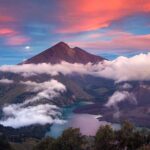
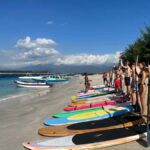
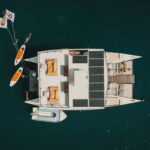
Morning water turns the whole day quieter. A sunrise stand-up paddle on Gili Trawangan lets you glide over glassy turquoise as the first light rises behind Mount Rinjani, with a drone photo added for the right sunrise slot. I love how calm it feels, and I love that you get a real start with an instructor so you’re not flailing around in front of the sea.
There is one catch to plan around: the experience can be rescheduled if sea conditions are unfavorable, so you’ll want a bit of flexibility if you’re chasing that early glassy water.
In This Review
- Key Things to Know Before You Paddle
- Sunrise SUP on Gili Trawangan: What This Really Feels Like
- Pongkor Meeting Point and the First Five Minutes of Calm
- The Guided 15 Minutes: Learn Fast Without Overthinking
- Your 100 Minutes Self-Guided: Pace, Views, and Turning Off Your Brain
- Gliding Over Glassy Water: Why Sunrise Timing Is the Whole Point
- The Drone Photo Moment: Getting Your Free Sunrise Shot (Or Not)
- What You Actually Get Included (And What You Don’t)
- Group Size and Instructor Support: Why 9 People Changes the Experience
- Coastline Views and Where You’ll Spend Your Attention
- What to Bring, What to Wear, and What to Skip
- Who This Sunrise SUP Session Is Best For
- Price and Logistics: Is It Worth $12?
- Should You Book This Sunrise Paddle With Drone Shot?
- FAQ
- How long is the stand-up paddle boarding experience?
- What is included in the price?
- Is there an instructor with you?
- Do I get a drone photo?
- Where do we meet for the activity?
- Is the tour beginner-friendly?
- What should I bring?
- What if the sea conditions are not good?
Key Things to Know Before You Paddle
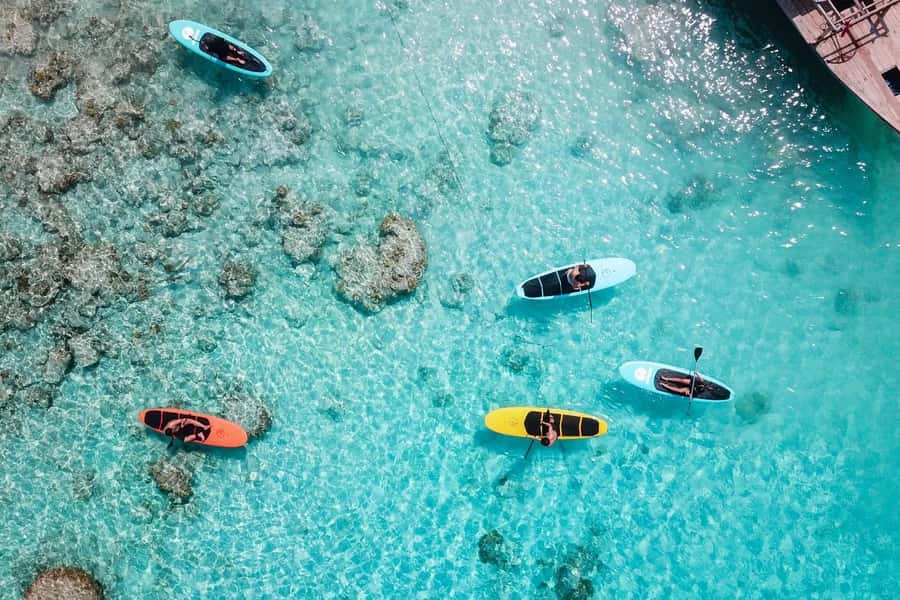
- Sunrise timing: best shot at calm, glassy water and soft colors behind Mount Rinjani
- Quick coaching: a short lesson plus an instructor-guided first 15 minutes
- Small group: limited to 9 participants, so you’re not lost in a crowd
- Free drone photo (sunrise): depends on the sunrise session option you book
- Mostly self-paced: after the first guided stretch, you paddle on your own
Sunrise SUP on Gili Trawangan: What This Really Feels Like
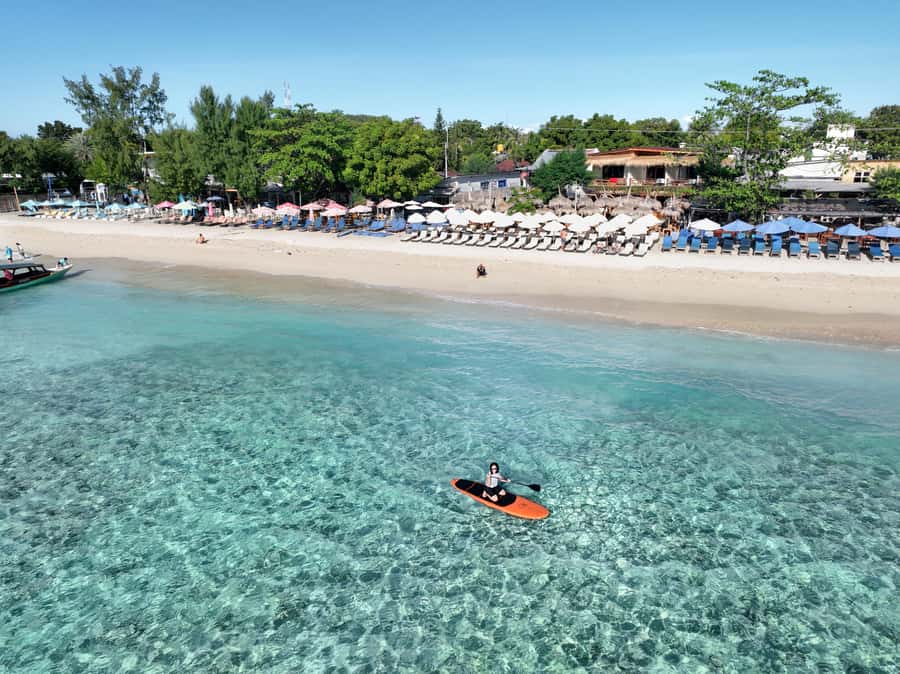
Gili Trawangan at sunrise has a special kind of quiet. Not the sleepy quiet of late mornings, but the calm that feels like the ocean is holding its breath. You’ll be out when the light is new, and that changes everything about paddleboarding. The water looks smoother, the horizon feels softer, and even beginner wobble seems less stressful.
This setup is also practical: you get a safety briefing first, then a short guided warm-up, then time to paddle on your own. It’s a good rhythm because you learn enough to stand and balance without burning half the session on instruction. And since the experience lasts up to 120 minutes, you’re not rushing through the views like a checklist.
One more thing I appreciate is the promise of the scenery: the first light rising behind Mount Rinjani. That matters because it gives you a reason to be out early that isn’t just I woke up early and now I hope it’s pretty.
You can also read our reviews of more tours and experiences in Gili Trawangan.

Pongkor Meeting Point and the First Five Minutes of Calm
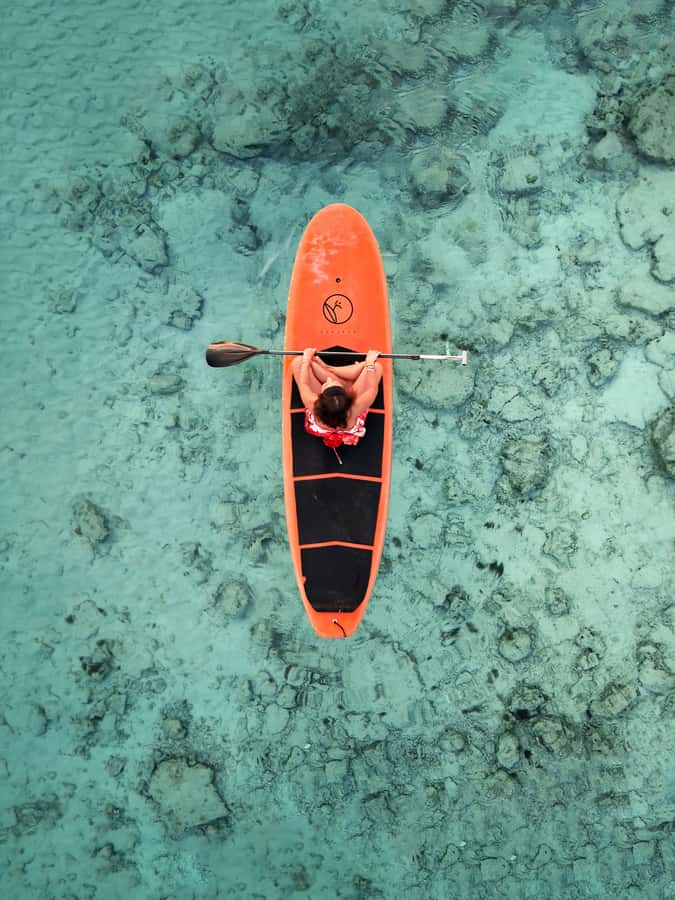
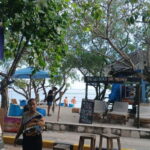
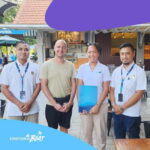
You’ll meet at Pongkor. Look for a guide wearing a GetYourGuide T-shirt, then expect a quick setup before you step onto the boards. The early part is short on purpose: a 5-minute safety briefing keeps things simple and lets you move fast without long lectures.
This is where you’ll get the baseline rules for staying comfortable and steady on the board. Even if you’re confident already, it’s still useful because SUP in coastal conditions can feel different than flatwater back home. You also need to hear what’s considered safe for your group in that moment, not what’s safe in theory.
A practical note: you should arrive wearing what you can comfortably swim in and move in. If you’re changing on the spot, you’ll feel rushed before the paddle even starts.
The Guided 15 Minutes: Learn Fast Without Overthinking
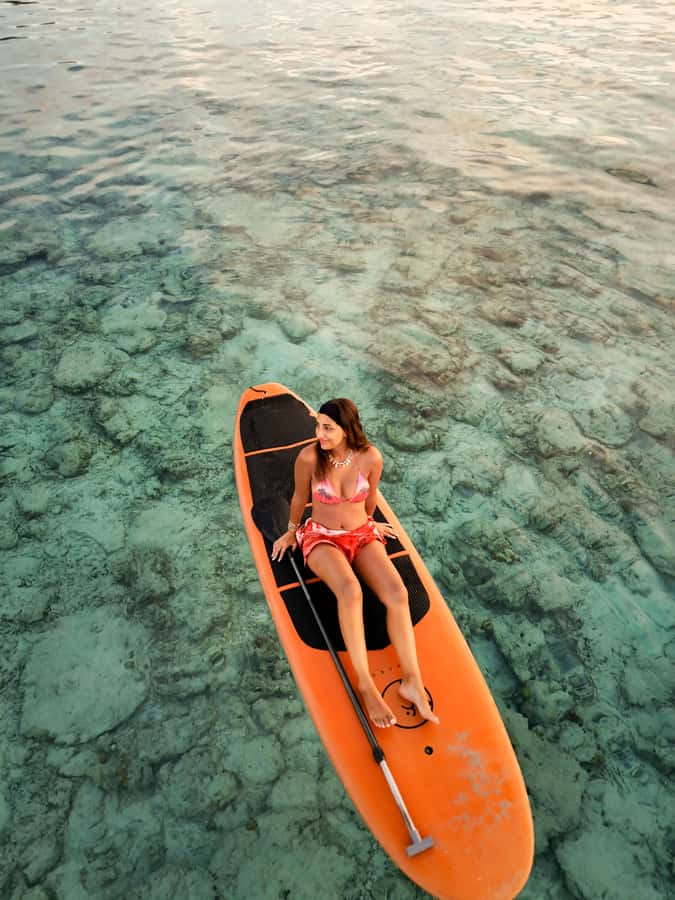
After the briefing, you get a 15-minute guided session where an instructor stays with you. This is the part I’d protect above all else, especially if you’re new. Standing on a board is one thing; staying relaxed while the water moves under you is another. That’s where the instructor helps you get your balance quicker and avoid bad habits early.
In one experience described in the guide’s feedback, a beginner said the instructor helped a lot and stayed with the group for the full time. Even if your session isn’t exactly the same, it tells you the teaching style tends to be hands-on and supportive, not distant.
What you should expect in this block:
- Basic board handling and how to keep stable
- Getting comfortable with the paddle stroke
- A first look at how the water feels once you’re moving
If you’re experienced, this still helps you reset. You’ll likely adjust stance and timing based on the feel of the sea at sunrise, not on what worked in your last rental.
Your 100 Minutes Self-Guided: Pace, Views, and Turning Off Your Brain
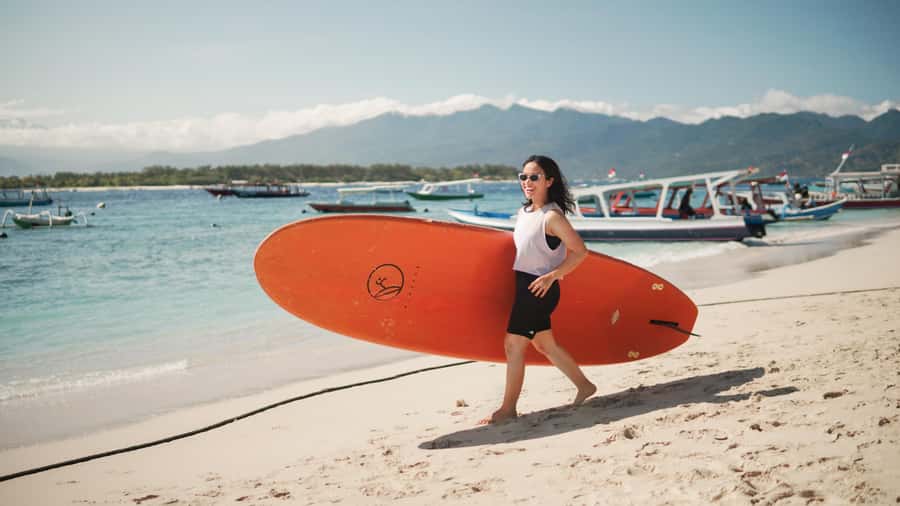
Once the guided intro ends, you’ll have about 100 minutes self-guided. This is where the experience turns from instruction into actual enjoyment. You can paddle at your own speed. You can stop and look. You can steer yourself toward calmer stretches and coastline views.
That matters because the best moments of sunrise SUP are rarely the ones where you’re thinking hard. They’re the ones where you’re quietly watching the sky shift colors while you glide. The calmer the water, the easier it is to let your attention drift to the horizon and not your wobble.
You’ll also want to keep an eye on basic paddle instincts:
- Don’t fight the board; let it find balance
- Keep your movements smooth rather than sudden
- Plan small adjustments rather than big corrections
In at least one similar session, a guide took a group farther out, even reaching toward Gili Meno. You shouldn’t assume that distance every time, but it’s a good sign that the instructors consider routes based on conditions and comfort level. So if you want more than a gentle drift, tell your guide early that you’d like a slightly longer coastline exploration.
Gliding Over Glassy Water: Why Sunrise Timing Is the Whole Point
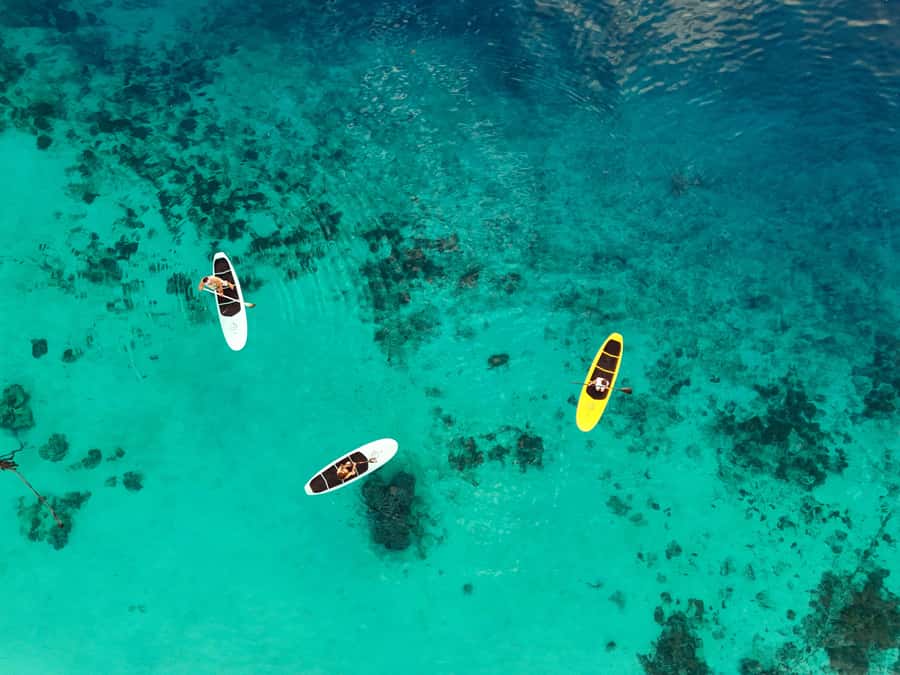
The timing isn’t just a poetic extra. Sunrise is when conditions tend to be gentlest. The session is built around that: calm, glassy waters in the early morning give you the best chance at a smooth ride and easy balance.
You’ll feel the difference quickly:
- Less wave lift under your board
- More predictability in your stance
- Better visibility of the coastline and shoreline features
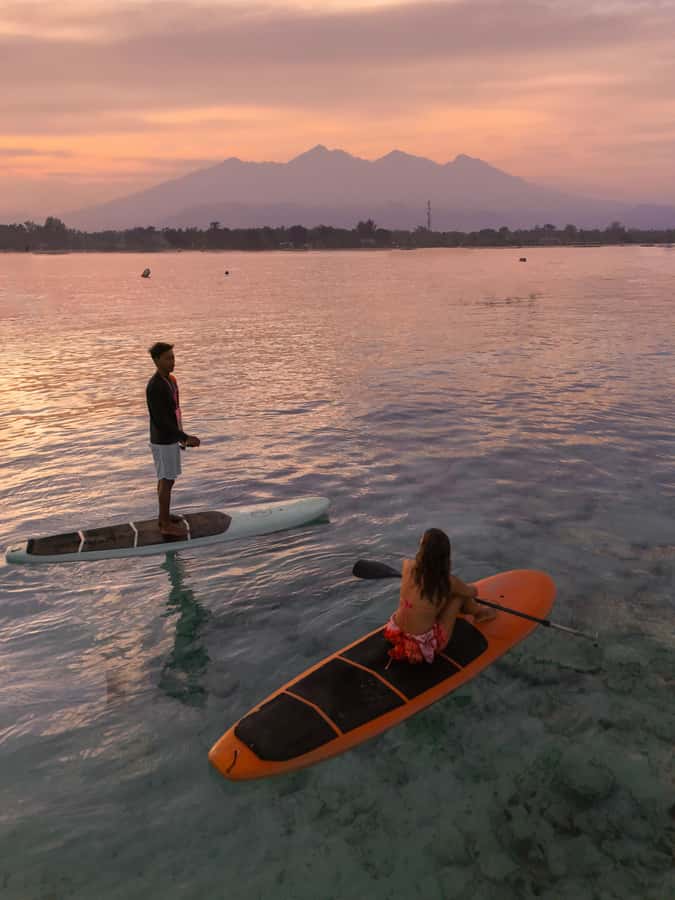
And the sky payoff is real. As the first golden light rises behind Mount Rinjani, the colors shift softly—pink, orange, and gold. It’s not the dramatic kind of sunset where everything is loud. It’s more like a slow fade in lighting, which pairs well with steady paddle strokes.
If you’re coming for photos, sunrise is also the moment when you’ll get better contrast and less glare. Your eyes do less squinting, which makes the whole experience more relaxed.

The Drone Photo Moment: Getting Your Free Sunrise Shot (Or Not)
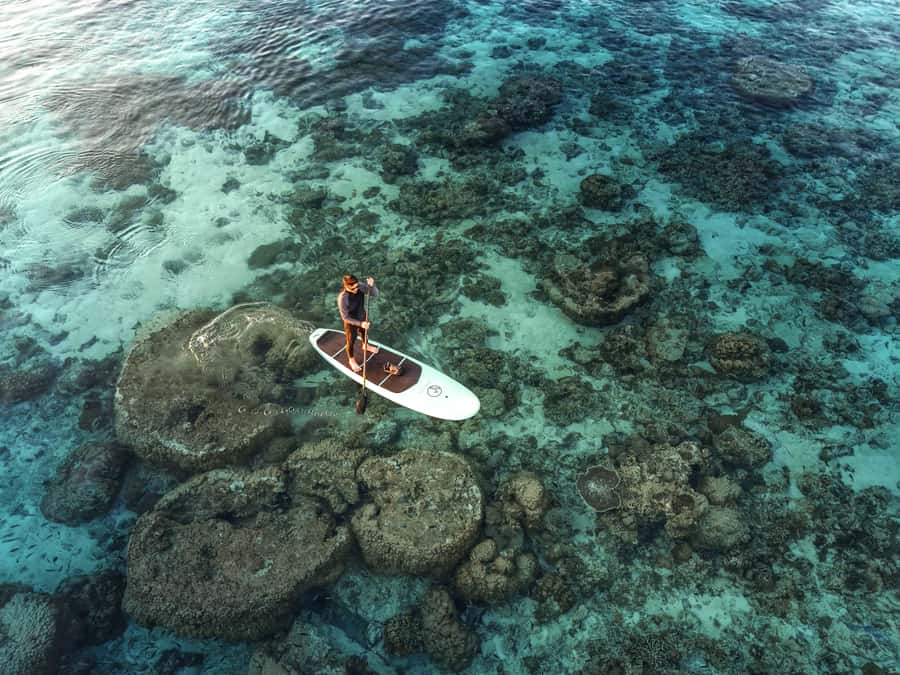
This is the part that can surprise people, so it’s worth being precise.
A drone photo shot is included for the sunrise session. That means if your booking option is truly the Sunrise session, you should expect a drone photo of your sunrise paddle. It’s free, and it’s designed for that “from above” perspective that’s hard to capture yourself.
However, there’s a wrinkle: not every session story matches the headline promise. In one account, a guest said the drone photos didn’t happen, and they also didn’t push for it. The bigger takeaway for you is simple: confirm at the start that your specific slot includes the drone photo. If it’s important to you, ask early and clearly.
If the drone part doesn’t play out, don’t assume you’re stuck with nothing. In that same case, the guide photographed the group using their own camera and the session still sounded well supported. Still, it’s smarter to clarify first so expectations match reality.
What You Actually Get Included (And What You Don’t)
For around $12 per person and up to 2 hours, the value comes from how much is handled for you.
Included:
- Paddle board
- Introductory lesson
- 15-minute guided start
- Up to 120 minutes total on the water
- Drone photo shot for sunrise session only
- Life jacket by request
- English-speaking instructor
- Small group capped at 9 participants
Not included:
- Meals
- Personal expenses
From a value standpoint, the big win is the teaching component plus time on the water. Many low-cost activities give you equipment but not coaching. Here, you get enough instruction to feel competent early, then real freedom after.
Also, check what “by request” means for you. If you want a life jacket, ask.
Group Size and Instructor Support: Why 9 People Changes the Experience
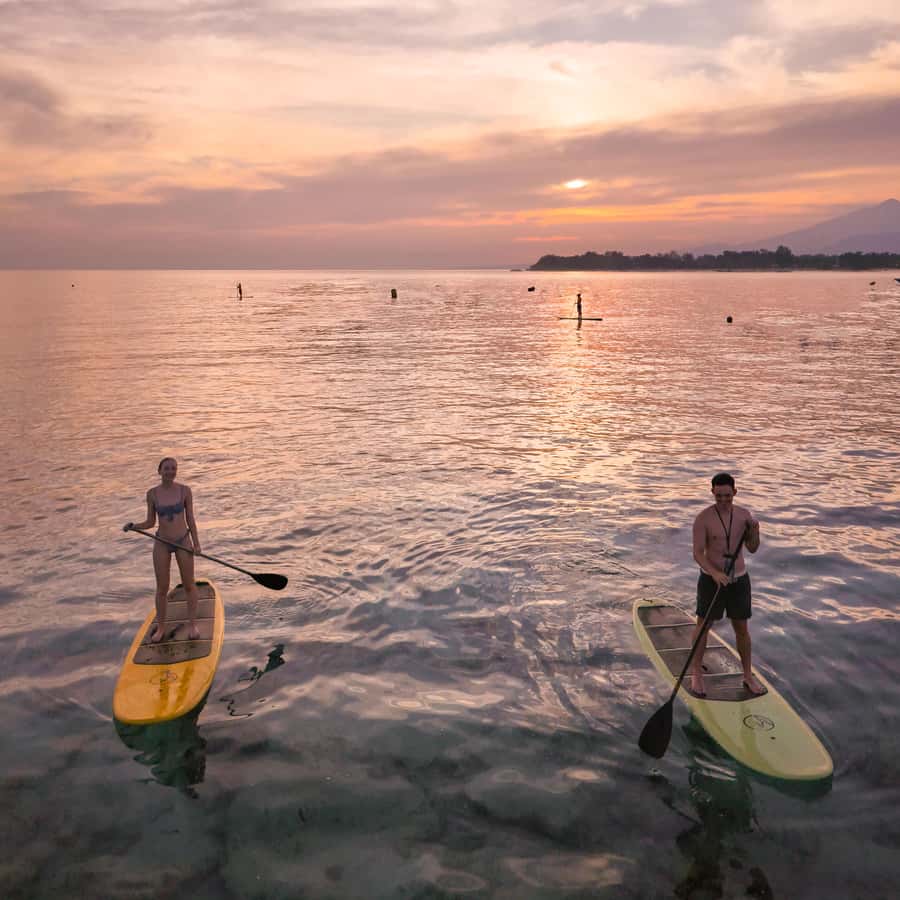
A small group capped at 9 participants changes the vibe more than you might think. You’re easier to supervise, and you’re easier to correct quickly when something feels off.
It also helps you settle faster. Instead of waiting to be noticed, you tend to get attention right when you need it. That matters for first-timers, but it matters for experienced paddlers too, because small adjustments improve comfort and safety.
Instructor language is English, so you can ask questions without guessing. And since someone guides the first 15 minutes, you’re not starting from zero alone.
In a session described by a beginner-focused comment, the instructor stayed helpful and the guide also photographed the group. That points to an overall style: friendly, present, and focused on getting you comfortable, not rushing you.
Coastline Views and Where You’ll Spend Your Attention
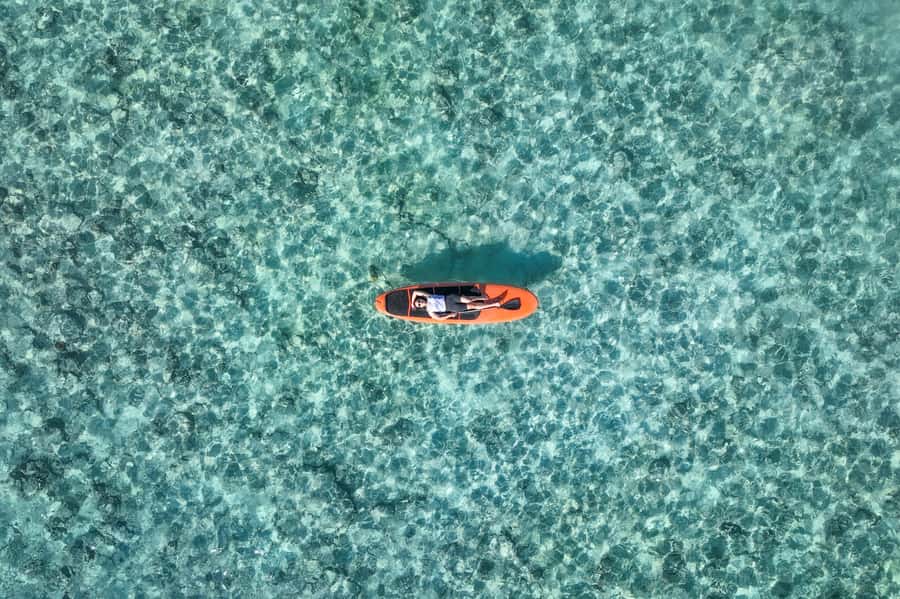
This paddle is built to be scenic, not sprinty. You’ll explore the coastline and take in the views, with a natural flow from learning → gliding → exploring.
The coastline matters because it gives you structure. Instead of only staring at open water, you’ll have shoreline reference points while you paddle. That’s another reason early calm water helps. When the sea is smooth, you can use the coastline to guide your direction without battling the elements.
If you’re the type who likes to look for small details—shapes of islands, changes in the water color near shore, the way light lands on the sea—this is a good match. If you only want action, you can still get it by paddling with intent, but the pacing is meant to feel peaceful.
What to Bring, What to Wear, and What to Skip
Keep it simple. The essentials:
- Swimwear
- Beachwear
If you want a life jacket, request it.
What’s not allowed:
- Weapons or sharp objects
- Alcohol and drugs
Why this matters: you’ll be moving on and off the board, and you’ll likely be in swim mode sooner than you expect. If you show up with bulky items or gear that you don’t want to get wet, you’ll spend your focus on logistics instead of the sea.
Also, since it’s sunrise, think about comfort before fashion. You’ll thank yourself for choosing something you can move in for two hours.
Who This Sunrise SUP Session Is Best For
This activity fits beginners and experienced paddlers. The short intro lesson plus guided start keeps it approachable, and the self-guided time gives you room to enjoy at your own speed.
You’ll probably feel happiest if you:
- Want calm, scenic water rather than rough, sporty conditions
- Like being on the water early for the light
- Appreciate a supportive start when trying something new
It’s not suitable for:
- People with back problems
- People over 70 years
If your balance is fine but your back is sensitive, that’s a different situation. The activity involves standing, shifting weight, and holding a paddle. With back limitations, it’s safer to skip this and choose something lower-impact.
Price and Logistics: Is It Worth $12?
Yes, it’s strong value for what you’re getting—if the sunrise slot matches what you want.
For $12, you receive equipment plus coaching plus real time on the water. The “included” list is the key. Many similar experiences charge more for instruction, and some don’t include the extras.
The biggest thing to watch is the drone photo. It’s free for the sunrise session only, so choose the right option and confirm at the start. If your goal is the aerial memory, that step protects your expectations.
Also, the small group and capped size mean you’re not just paying for a board. You’re paying for a smoother first experience, which is the hardest part of SUP.
Should You Book This Sunrise Paddle With Drone Shot?
Book it if you want a peaceful morning on Gili Trawangan with enough instruction to feel steady fast. The format is smart: safety briefing, 15 minutes with a coach, then plenty of self-guided time to enjoy the views and the calm water.
Consider passing or swapping plans if you’re chasing a very sporty workout. This is a serenity-first outing, timed around smooth water and soft sunrise colors behind Mount Rinjani.
If the drone photo is a must-have for you, confirm the drone part at the start, and double-check that you booked the sunrise session option. That one detail can make the difference between a nice memory and the exact memory you pictured.
FAQ
How long is the stand-up paddle boarding experience?
The experience lasts up to 2 hours, with a short safety briefing, a guided start, and then self-guided paddling.
What is included in the price?
You get a paddle board, an introductory lesson, a 15-minute guided session, and up to 120 minutes on the water. A drone photo shot is included for the sunrise session, and a life jacket is available by request.
Is there an instructor with you?
Yes. You’ll receive a free introductory lesson, and an instructor accompanies you for the first 15 minutes.
Do I get a drone photo?
You get a free drone photo shot for the sunrise session. It’s tied to the sunrise option you book.
Where do we meet for the activity?
The meeting point is Pongkor. The guide will wear a GetYourGuide T-shirt.
Is the tour beginner-friendly?
Yes. It’s designed for both beginners and experienced paddlers, with an introductory lesson and guided help at the start.
What should I bring?
Bring swimwear and beachwear. You should also be ready for water time during the experience.
What if the sea conditions are not good?
Rescheduling or cancellation may happen if sea conditions are unfavorable, since the activity depends on calm water around sunrise.