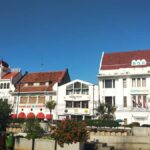
Five hours later, Jakarta makes sense. I really like how this tour connects Old Batavia with modern landmarks like Monas in one tight route, and I also love that you get a licensed English guide who explains what you’re seeing at a pace that works for your group. The one drawback to plan around is timing: traffic and site schedules can cut into time, especially if you’re on a strict departure deadline.
What makes this feel efficient is the door-to-door style—pickup and drop-off at your Jakarta hotel—and the fact that lunch and key entrance fees are wrapped in. You’ll get a real mix of neighborhoods, from Chinese market alleys in Glodok to the big interfaith sweep around Istiqlal and Jakarta Cathedral, with a puppet workshop stop that often turns into the emotional highlight.
In This Review
- Key highlights worth your attention
- A half-day route that actually fits Jakarta
- Glodok Chinatown: market alleys first, photos later
- Dharma Bhakti Temple and Kota Intan Bridge: old faiths and Dutch-era engineering
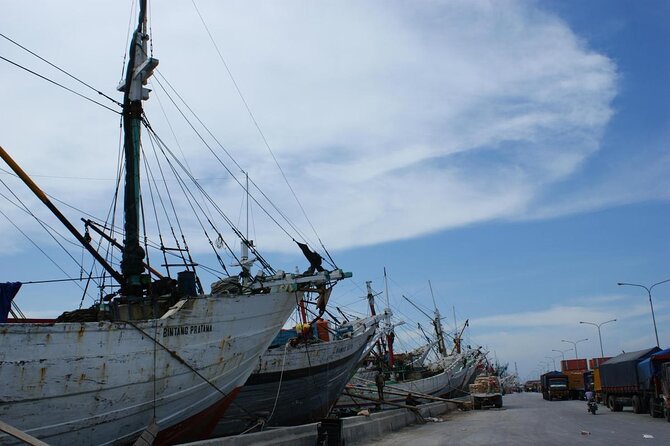
- Sunda Kelapa Old Port: where Jakarta’s maritime past still breathes
- Fatahillah Square and the wayang kulit experience you can actually watch
- Istiqlal Mosque, Jakarta Cathedral, and Merdeka Square: one walk through big ideas
- Monas and the Proclamation Monument: independence symbols in manageable time
- Price and Logistics: what you get for $70
- Who this tour suits best (and who might want a different plan)
- Should you book this half-day Batavia and Old Jakarta tour?
- FAQ
- How long is the Old City Batavia with Lunch and Souvenir excursion?
- How much does the tour cost?
- Is lunch included?
- What’s included besides the guide?
- Do I get hotel pickup and drop-off in Jakarta?
- Is this a private tour or a group tour?
- What major places will we see?
- Are entrance fees covered?
- Can I choose the departure time?
- What happens if weather is bad?
Key highlights worth your attention
- Private, licensed guide with clear explanations tuned to your group, not a loud bus script
- Door-to-door pickup and drop-off that saves you from Jakarta’s time-sink commuting
- Glodok Chinatown market walk in narrow alleys where you’ll see daily life, not just photo backdrops
- Shadow puppet culture at a workshop, including how the puppets are made with buffalo skin and spices
- Interfaith sights in close range: Istiqlal Mosque, Jakarta Cathedral, and Merdeka Square
- Monas plus the Proclamation Monument, giving you independence-era context without a full museum day
A half-day route that actually fits Jakarta

Jakarta is big, hot, and slow in the most dramatic way possible. What I appreciate about this tour is that it treats the city like a living map: you start with Chinatown-era life, move through old port and Dutch-era Batavia, then finish with national-symbol landmarks.
The pacing is built for a “get your bearings fast” day. You’re not supposed to linger for hours at each spot; instead, you get short visits that help the pieces click together. That’s a smart approach if you’re on a tight schedule, want context, and prefer a plan that stays realistic in heavy traffic.
You also have a choice of morning or afternoon departures, which matters because the city can behave differently depending on the day’s traffic mood. If you’re doing the tour from a cruise port or you have a time-sensitive plan later, you’ll want the earlier start you can manage, and you’ll want to stay flexible if the road slows down.
You can also read our reviews of more tours and experiences in Jakarta.

Glodok Chinatown: market alleys first, photos later
The day starts in Glodok Chinatown, where the focus is on walking through the traditional market streets. This is one of those places where the details are the story: you see Chinese-style food and produce, fresh fruit, and everyday commerce in tight alleyways.
This stop is short, but it’s a good use of time because it sets tone. Without this kind of lived-in entry point, Old Jakarta can feel like a museum tour. With Glodok first, the rest of the day clicks into real social history—different communities shaping the city through trade, food, and neighborhood rhythms.
If you’re the type who likes to understand how people actually buy, cook, and eat, you’ll get more out of this walking segment than you might from a purely monumental stop. And since the itinerary calls out a market stroll, you’re not expected to just stand and look.
Dharma Bhakti Temple and Kota Intan Bridge: old faiths and Dutch-era engineering
Next comes Dharma Bhakti Temple. This isn’t just a pretty stop; it’s described as the oldest Buddhist temple in Jakarta. The timeline matters here: it was built in 1755 by the Chinese captain Oei Tjhie, replacing an earlier Buddhist temple dating back to 1650.
That replacement story gives you a sense of how Jakarta’s communities adapted over time. It also helps you understand why this area matters beyond aesthetics—religious sites here are part of longer survival stories.
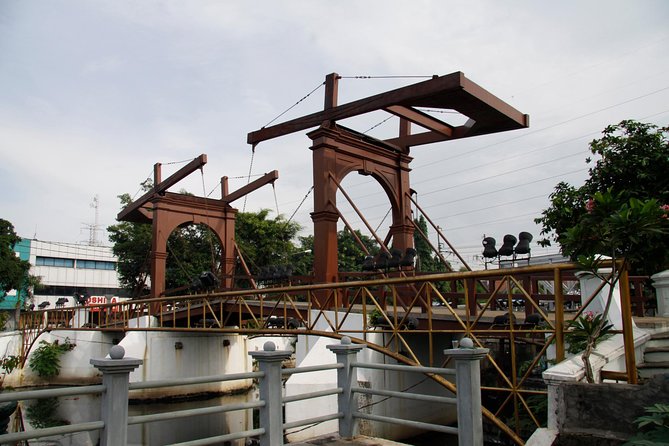
Then you move to the Kota Intan Bridge, a Dutch colonial landmark built in 1730. The standout detail is technical: it was made of wood with a leverage system that could lift the lower side when a ship or boat needed passage to reach the warehouse area below. Even if you’re not an engineering nerd, you’ll feel the logic—how built structures responded to waterways and commerce.
These two stops work together. One anchors you in a long religious timeline; the other shows you how colonial-era planning met maritime needs. That combination is exactly what makes a compact tour feel worth it.
Sunda Kelapa Old Port: where Jakarta’s maritime past still breathes
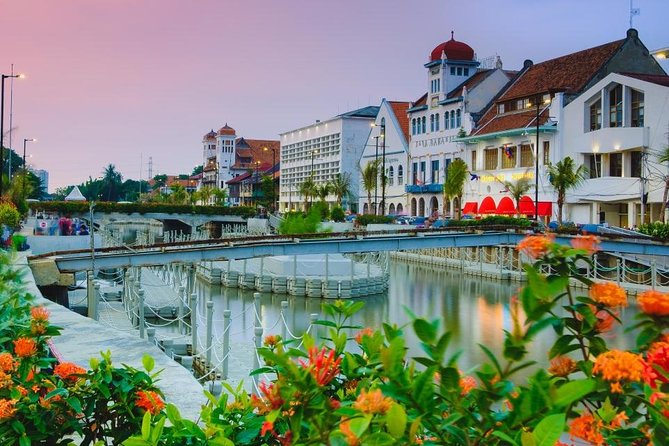
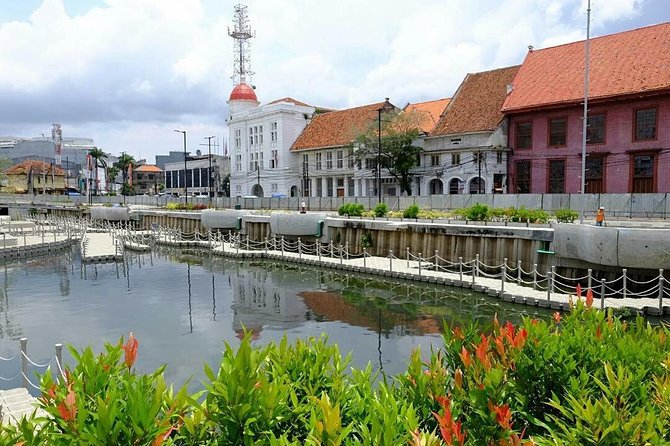
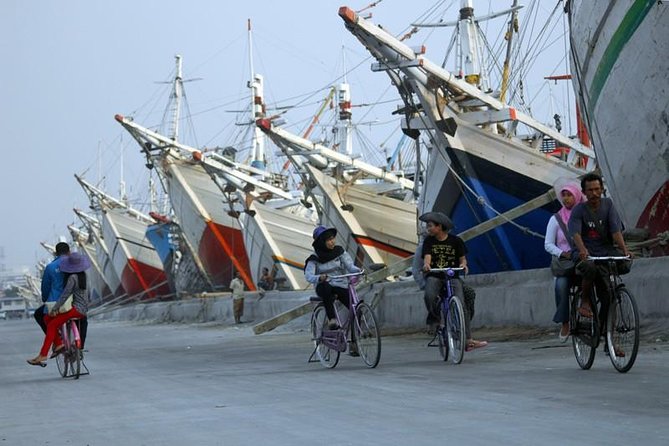
The itinerary then shifts to Sunda Kelapa (the old port), described as a 500-year-old harbor area. The big context you’re given is how it connected to outside markets during the 15th-century Kingdom of Pajajaran. In real terms, the port is presented as a living historical site—busy with tradition and daily activity.
This stop is also paired with a practical break that you’ll appreciate later: a chance to slow down with coffee in Batavia Cafe, mentioned as a 200-year-old building and described as the second-oldest building in Jakarta after the Fatahillah Museum.
If you’ve only seen Jakarta from big roads and malls, this is where you’ll start picturing the city before highways. You’ll also understand why “old town” in Jakarta isn’t just streets—it’s a network tied to ports, boats, and movement of goods.
Fatahillah Square and the wayang kulit experience you can actually watch
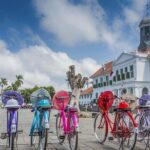
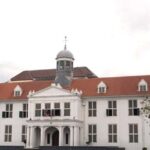
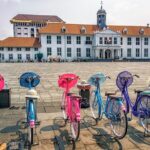
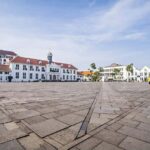
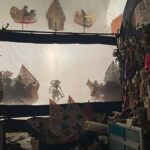
Old Town in Jakarta is where the tour feels most like a storybook, mostly because of the shadow puppet culture. At Fatahillah Square, you’ll have time to see the area and then catch a shadow puppets performance. The performance is noted as part of UNESCO’s Representative List of the Intangible Cultural Heritage of Humanity.
From there, you head to Makutharama Puppet Studio, where the stop becomes more hands-on and more specific. The description includes how puppets are made using buffalo skin that’s boiled with spices to preserve and keep the material durable. That kind of detail is what turns a show from entertainment into cultural understanding.
What I like about this two-step approach is that you get both sides: first the public performance setting, then the behind-the-scenes craft. And because you’re only here for short stretches, it’s usually enough to create a strong memory without eating your whole day.
One caution: puppet performances and workshops can depend on timing and whether the studio is operating normally. If your day is built around a cruise departure or you’re arriving in time to catch everything, ask your guide early how the schedule is likely to work.
Istiqlal Mosque, Jakarta Cathedral, and Merdeka Square: one walk through big ideas
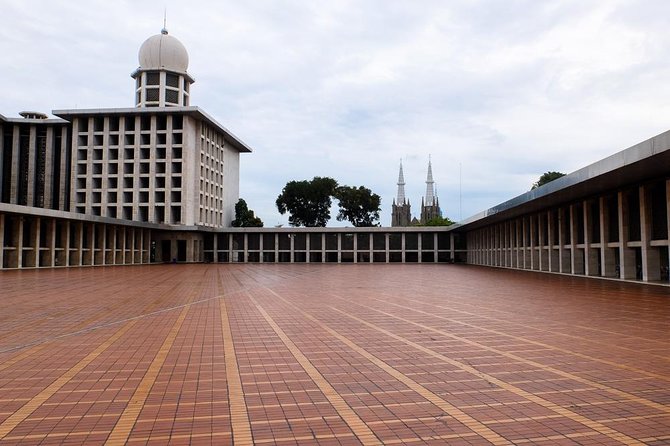
The tour then moves into the most visually dramatic part of Jakarta’s public life: Istiqlal Mosque and the nearby Christian landmark across from it. The Istiqlal visit is framed as a major scale reference point—it’s described as the largest mosque in South East Asia, able to accommodate up to 200,000 people.
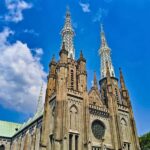
You’re also told this area reflects religious coexistence, with Jakarta Cathedral standing across the way. The cathedral is described as neo gothic and consecrated in 1901, and it’s included as a direct contrast-and-complement moment.
After that, you reach Merdeka Square (Liberty Square) and the Presidential palace. It’s a short stop, but it gives you the feeling of how the city organizes national identity in public space—open square, monumental buildings, and a view of government power all in one chunk of time.
This is also the segment where I’d keep your expectations realistic. With so many major sites stacked close together, you might spend more time at the big monuments than you’d planned, especially in traffic. One review-style pattern in this kind of tour is that long drive time and monument time can shift your “shopping” time and lunch timing. So stay flexible, and don’t schedule a second heavy activity immediately after the tour ends.
Monas and the Proclamation Monument: independence symbols in manageable time
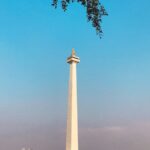
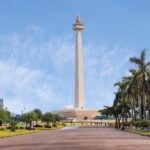
The final monuments are where the tour answers the question: what does Jakarta stand for? The big finish is National Monument (Monas), described as a 132-meter tower symbolizing the fight for Indonesia and commemorating independence.
Then you move to the Proclamation Monument, described as built in 1920 with an Art-Deco feel and designed by J.F.L. Blankenberg. The tour also notes it’s a two-floored structure over a defined plot area, and it gives the building’s later purchase by an insurance company in 1931 (the name appears truncated in the description, but the point is that the monument’s story continues beyond its original design).
These stops are not long, but they’re meaningful. Monas gives you the instant symbol. The Proclamation Monument gives you the political origin story feel—how Indonesia’s independence is not only remembered, but physically placed into the city’s center.
If you like connecting architecture to national identity, this ending lands well. If you prefer purely local neighborhoods, you might feel the last third is more “big picture” than “daily life.” Either way, it gives you a rounded half-day without needing a full-day museum plan.
Price and Logistics: what you get for $70

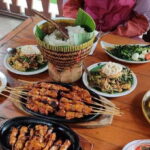
At $70 per person for about five hours, the value depends on what you compare it to. The key is that the price is presented as more than just transportation. Included are private transportation, a professional licensed English guide and driver, entrance fee tickets, lunch (Indonesia food), bottled water, travel insurance, and a free souvenir gift.
So you’re paying for convenience and structure, especially in a city where self-guided navigation can chew up time. You’re also buying a guided connection—seeing places like Kota Intan Bridge, Sunda Kelapa, and then jumping to Monas without losing the thread.
That said, the main thing to watch is whether the day fits your timing constraints. There are hints from the tour feedback that when traffic spikes or if the day’s sites are closed or operating differently, the schedule can shift. You’ll avoid most stress by doing two things:
- Keep your next commitment light after the tour.
- If you have a strict departure time, communicate that clearly at the start so the guide can manage priorities.
Who this tour suits best (and who might want a different plan)
This is a strong match if you:
- Want Jakarta essentials in one half-day loop.
- Like getting historical context with your photos, not just photo stops.
- Appreciate culture stops like the shadow puppet workshop/show.
- Prefer private door-to-door pickup to avoid Jakarta’s friction.
It can be less ideal if you’re the kind of traveler who needs long stays at each landmark. The itinerary is packed on purpose. You’ll get key stops, but not leisurely museum-style time.
Also consider your tolerance for fast pacing around big monuments and religious sites. If your ideal day is slow neighborhood wandering, you might find the structure too tight. Still, even then, Glodok and the puppet studio are often the parts that feel most human and least like a checklist.
One more practical note: this tour is private, but the guide quality can vary by person. Strong guides make a huge difference in how much you understand during short visits. If you can, confirm you’re comfortable with the guide’s communication before you commit to a tight schedule for the rest of your day.
Should you book this half-day Batavia and Old Jakarta tour?
I’d book it if you want a smart first taste of Jakarta that includes Old Batavia flavor, a port-and-colonial engineering moment, and a wayang kulit experience you can watch instead of just reading about. The combination of a licensed guide, entrance fees, lunch, and private pickup makes it a practical value for a short stay.
Skip it only if you’re extremely time-sensitive and cannot handle traffic delays, or if you know you don’t enjoy structured monument-heavy itineraries. If either of those applies, look for an alternative that spends more time in one area.
If you do book, bring an open mind, plan for heat and traffic, and let your guide know what you care about most—market life, puppet craft, or national monuments. When the day is tuned to your interests, this half-day format can feel surprisingly complete.
FAQ
How long is the Old City Batavia with Lunch and Souvenir excursion?
It runs for about 5 hours.
How much does the tour cost?
The price is $70.00 per person.
Is lunch included?
Yes. Lunch is included as Indonesia food.
What’s included besides the guide?
Included are private transportation, entrance fee tickets, a professional licensed English guide and driver, travel insurance for passengers, bottled water, and a free souvenir gift.
Do I get hotel pickup and drop-off in Jakarta?
Yes, pickup and drop-off are offered directly at your Jakarta hotel.
Is this a private tour or a group tour?
This is a private tour/activity, meaning only your group participates.
What major places will we see?
You’ll visit Glodok Chinatown, Dharma Bhakti Temple, Kota Intan Bridge, Sunda Kelapa, Jakarta Old Town including Fatahillah Square, Makutharama Puppet Studio, Istiqlal Mosque, Jakarta Cathedral, Merdeka Square, National Monument (Monas), and the Proclamation Monument.
Are entrance fees covered?
Yes. Entrance fee tickets are included in the tour.
Can I choose the departure time?
Yes. There is a choice of morning or afternoon departures.
What happens if weather is bad?
If the experience is canceled due to poor weather, you’ll be offered a different date or a full refund.