Jakarta can feel like a blur of cars and chaos—this tour gives you a better angle. I like that it uses public transport as the main tool, then layers in food, harbor life, and big cultural landmarks in a tight 3-hour arc. You’re not just looking at the city; you’re moving through it the way locals do.
My two favorite parts are the food stops in Glodok Chinatown (market energy, street snacks, and lunch options) and the chance to get inside the Istiqlal Mosque, including help from mosque staff who lend an outfit for visitors. One drawback to plan for: you’ll do plenty of walking and standing, and the transit can be crowded—especially on holidays.
You’ll also want to keep flexibility in mind. Certain sights can close on specific days (like Istiqlal Mosque on Fridays and Monas on Mondays), and the tour timing can stretch if access changes or the group pace is slower.
In This Review
- Key highlights worth your time
- Why this Jakarta tour feels like commuting, not sightseeing
- Meeting at Cikini: where the tour starts and what to bring
- Train and Trans Jakarta: the commuter lesson you’ll actually remember
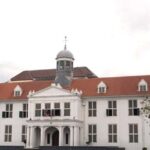
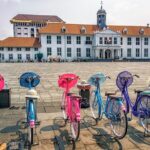
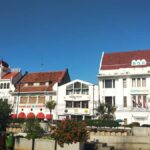
- Old Town Square and Stasiun Jakarta Kota: where Jakarta’s Dutch-era story begins
- Glodok Chinatown: market snacks, temples, and lunch you choose
- Sunda Kelapa Old Harbor: the boat ride that makes Jakarta feel like a port city
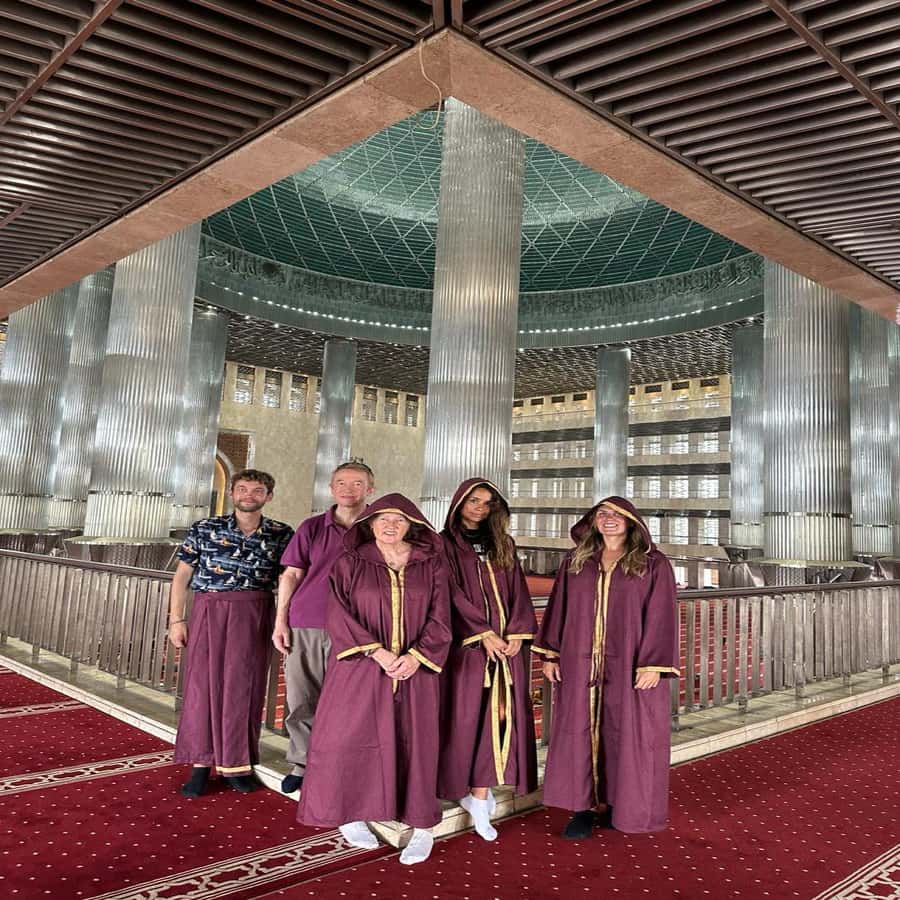
- Istiqlal Mosque: walking in, learning the rules, and seeing the building from inside
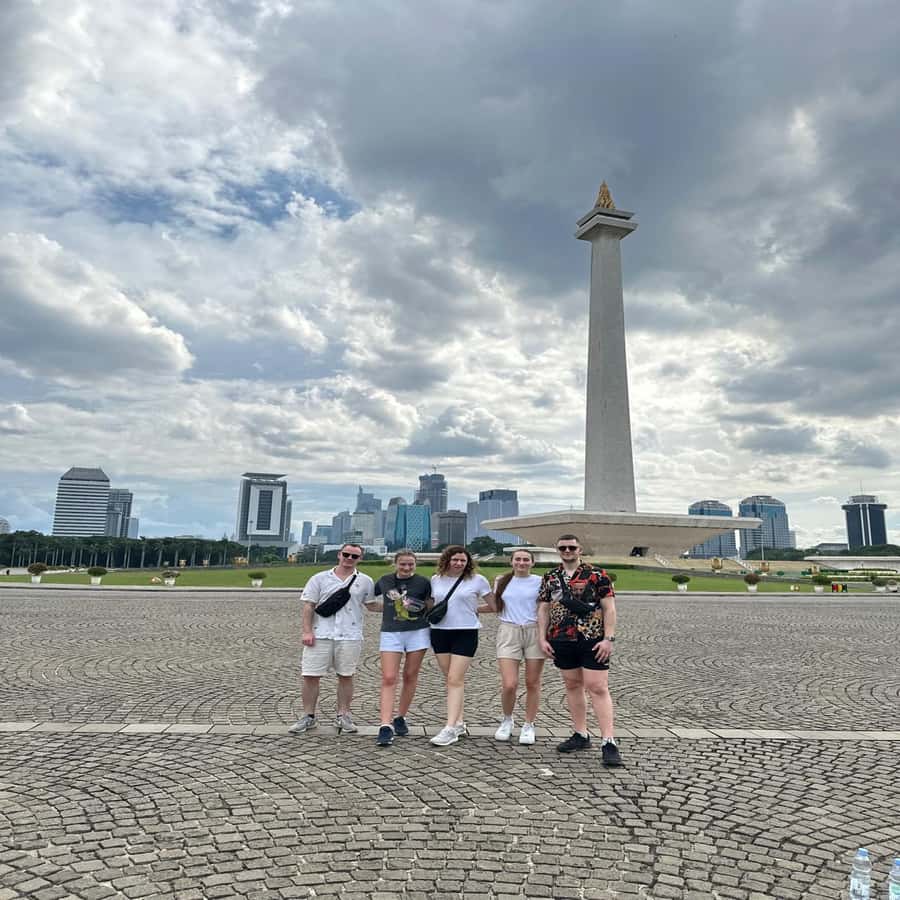
- Monas and the National Library: big symbols plus a view option
- Price and what you really pay (so there are no surprises)
- Who this tour suits best (and who should skip it)
- Should you book this Jakarta Walking Tour?
- FAQ
- What’s the meeting point for the tour?
- How long is the Jakarta Walking Tour?
- Is the tour guided in English?
- What’s included in the tour price?
- What extra costs should I expect?
- Which places might be closed on certain days?
- What should I bring?
- Who is this tour not suitable for?
Key highlights worth your time
- Commuter-style travel on the Commuter Line train and Trans Jakarta bus
- Glodok food and market time for local snacks and lunch choices
- Sunda Kelapa harbor boat ride (small boat; per-boat cost shared within the group)
- Inside Istiqlal Mosque, with staff guidance and visitor clothing provided
- Monas access to see the Diorama Historical Museum (small entry fee)
Why this Jakarta tour feels like commuting, not sightseeing
This tour is built around one smart idea: if you want to understand Jakarta fast, don’t sit in traffic all day. I like the focus on how people actually get around—boarding the Commuter Line and using Trans Jakarta buses so you feel the city’s rhythm in real time. Even if you only have a short stay, it helps you understand where the city’s energy comes from.
You also get variety without losing the thread. Old Town Square and Stasiun Jakarta Kota give you that colonial-era “Jakarta used to be a port city” feeling. Then you pivot to the water at Sunda Kelapa, and finally swing up into the religious and national symbols around Istiqlal Mosque and Monas.
The guide-led format matters. You’re not left with a list of stops and a dead phone battery. You get context as you go—history, what you’re seeing, and how each place connects to the next. In practice, that makes the day easier for first-timers who want meaning, not just photos.
You can also read our reviews of more tours and experiences in Jakarta.
Meeting at Cikini: where the tour starts and what to bring
The meeting point is the Lobby of Capsule Hotel New Batavia in the Cikini area (Central Jakarta). Your guide sits in the lobby, so it’s simple to find the group before you head out.
Arrive about 10 minutes early. Jakarta timing is real, and you don’t want to be sprinting toward the station while everyone’s already moving. Bring an umbrella—even if the sky looks fine, short tropical showers can pop up without warning.
Inside the tour, you’ll be set up with a few helpful basics: a bottle of water and face mask if you need it. The big “gear” items are really physical: comfy shoes and a willingness to walk.
Train and Trans Jakarta: the commuter lesson you’ll actually remember
Early on, you’ll ride public transportation—part train, part bus. The first transfer is short, but it’s enough to set expectations. You’ll head to Stasiun Jakarta Kota, then continue on foot into the Old Town area.
Here’s what I think this part does best for you: it helps you learn Jakarta’s scale. Stations, platforms, crowds, and signage might feel intimidating at first. But after one or two rides with a guide, you start to read the city like a system instead of a maze.
One practical point: you’re given a transport card to borrow, which saves you from buying the card. You still need to top up about Rp.10,000 per person, and your guide will tell you how to handle that. If you hate fumbling with transit payments mid-journey, this structure is a big plus.
Old Town Square and Stasiun Jakarta Kota: where Jakarta’s Dutch-era story begins
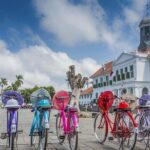
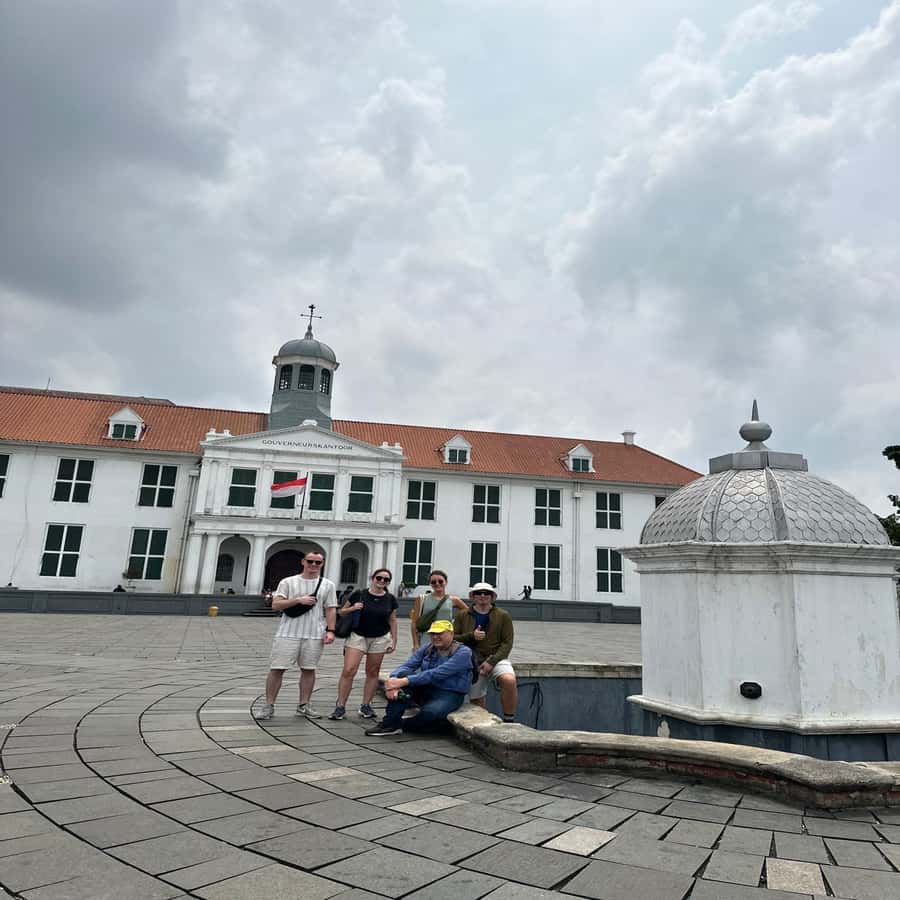
Stasiun Jakarta Kota is your “anchor” stop—an easy way to orient yourself. You’ll spend time there and then move by foot toward Jakarta Old Town Square in West Jakarta.
This is where the guide’s narration really earns its keep. You’ll get the history of the Old Town and the Dutch-era buildings around you. It’s not just trivia. It helps you notice details you would otherwise ignore—architectural cues and why this area mattered when Jakarta’s coastline life was central to trade.
The Old Town stop is also a good tempo reset. After the motion of transit, you get a steadier walking pace and guided time to absorb what you’re seeing.
Glodok Chinatown: market snacks, temples, and lunch you choose
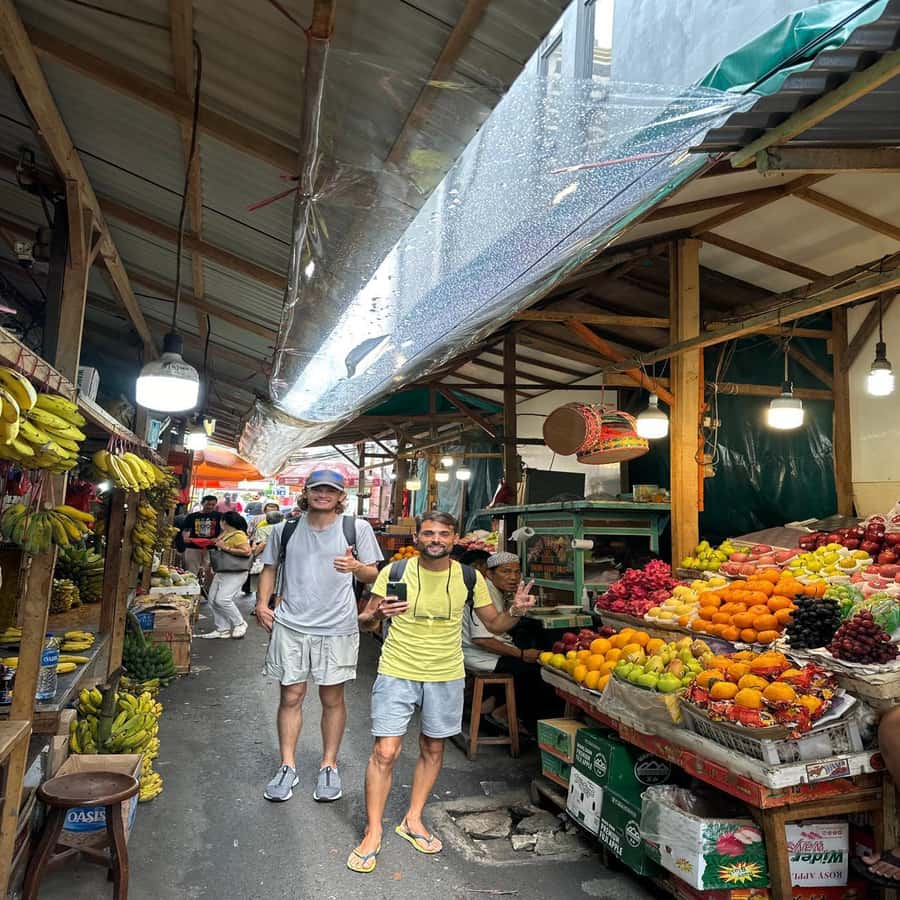
Then the tour turns toward food and everyday life in Glodok Chinatown, which is within walking distance of the earlier Old Town/harbor zone.
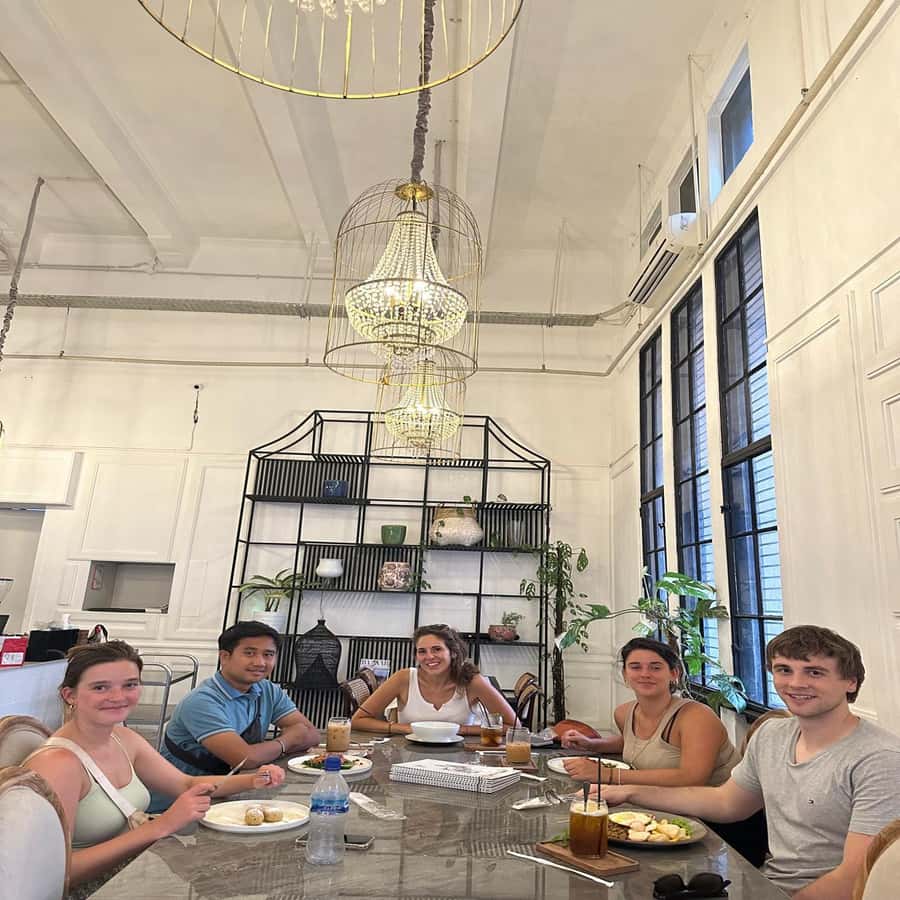
This is one of the best parts for me because it’s not a “sit and watch” segment. You get time for food tasting and a local market visit, plus flexibility to choose snacks or lunch at cafes and restaurants around the area. The guide can point you toward options that fit what you’re comfortable trying—so you’re not stuck eating something you don’t want.
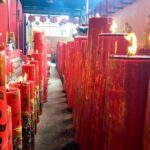
Glodok also adds cultural texture beyond the street food. You’ll visit Vihara Dharma Bhakti, a Buddhist praying temple. Even if you’re not religious, it’s a window into how faith shows up in the neighborhood, not just in tourist landmarks.
Food pacing tip: build in small tastes rather than expecting one “main event” meal right away. The market time works better when you snack along the way, then decide what you actually want for lunch.

Sunda Kelapa Old Harbor: the boat ride that makes Jakarta feel like a port city
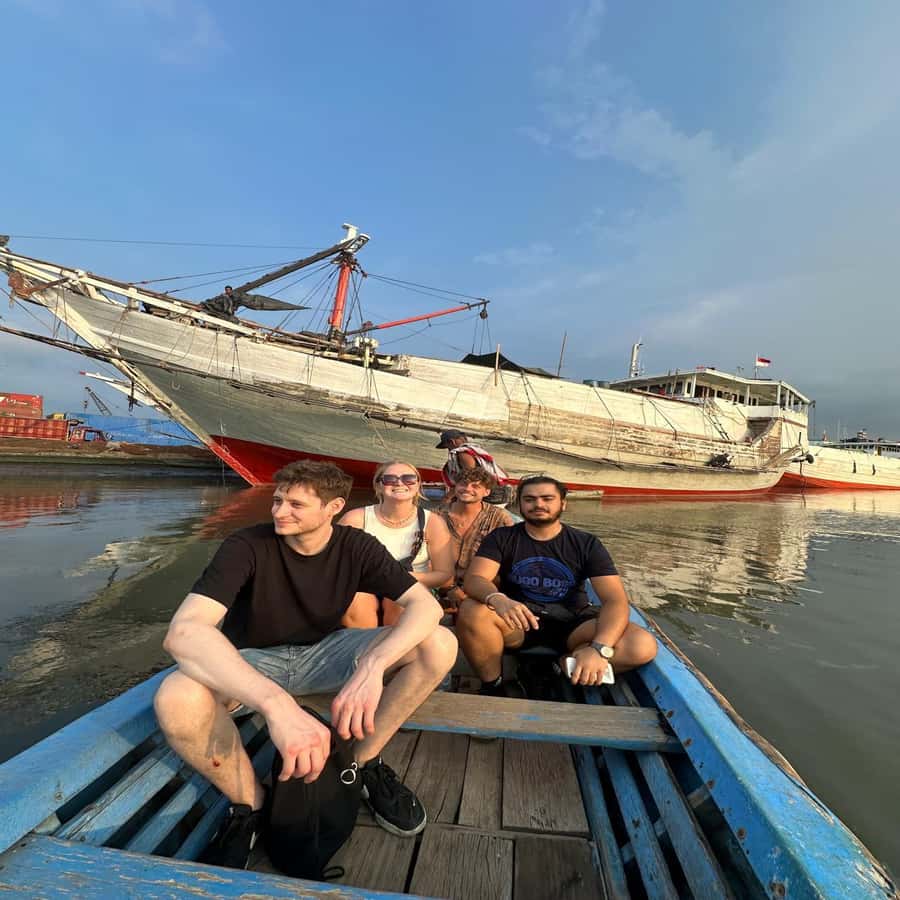
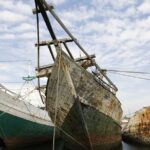
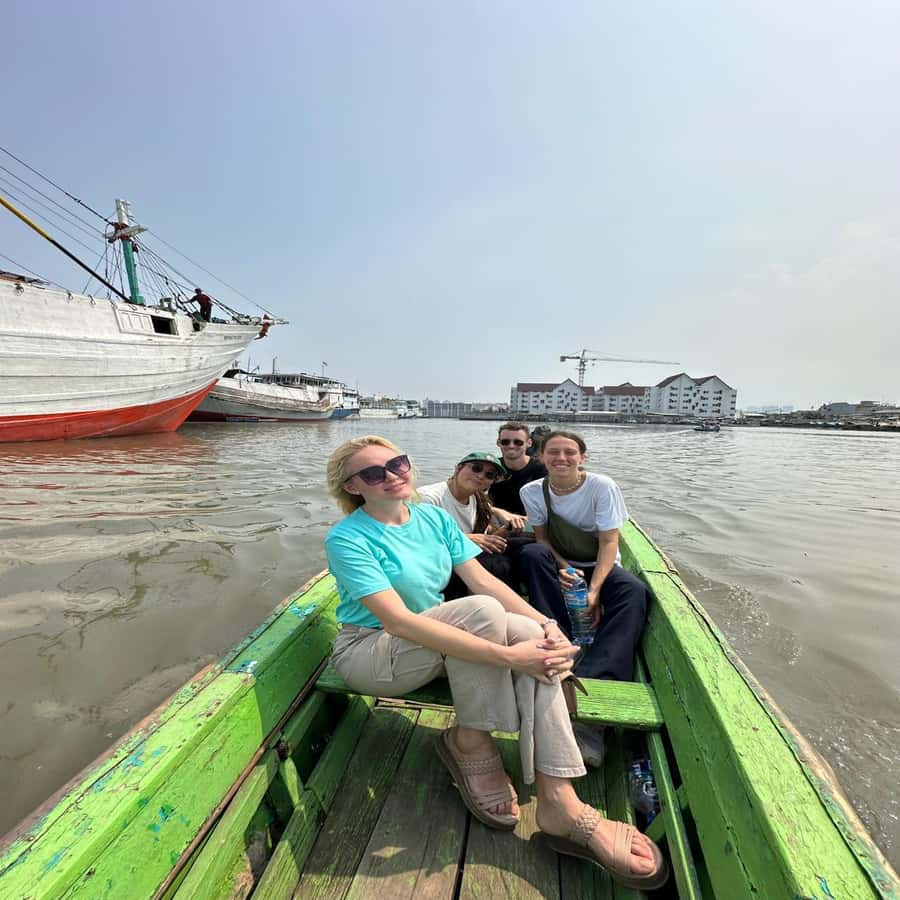
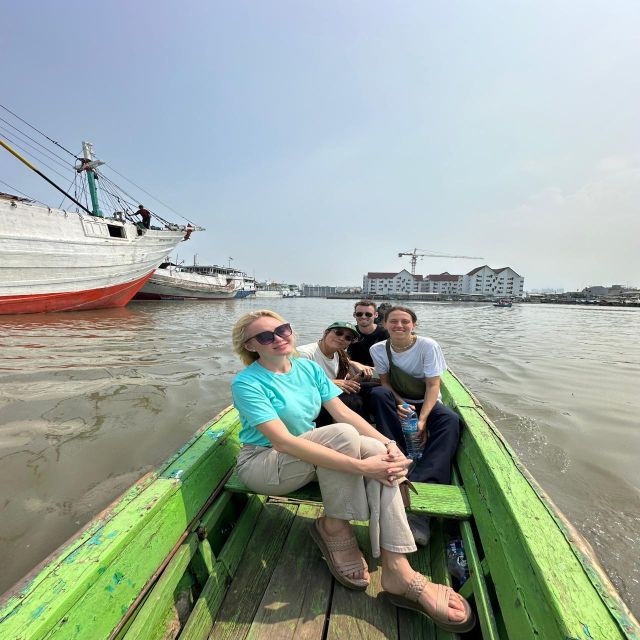
After the Chinatown segment, you head by van to Sunda Kelapa Old Harbor. This is the point where Jakarta’s geography becomes real. You’re suddenly looking at water traffic, cargo life, and the kind of working harbor scene that photographs don’t fully explain.
You’ll rent a small boat for a 20–30 minute trip around the harbor. Cost-wise: Rp.100,000 per boat, and one boat can take up to 5 people. That cost is shared, so if your group is larger, the per-person burden can feel lighter.
What I like about this segment is that it’s not just a quick photo lap. The guide explains the harbor’s history while you’re on the water, so you connect the place to why it developed the way it did.
Also, keep your eyes open. On the banks and along the water area, you might see wildlife like monitor lizards, and you may pass working boats. Not every trip will deliver that kind of sighting, but the harbor environment makes it plausible.
Istiqlal Mosque: walking in, learning the rules, and seeing the building from inside
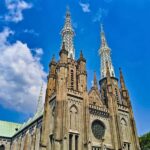
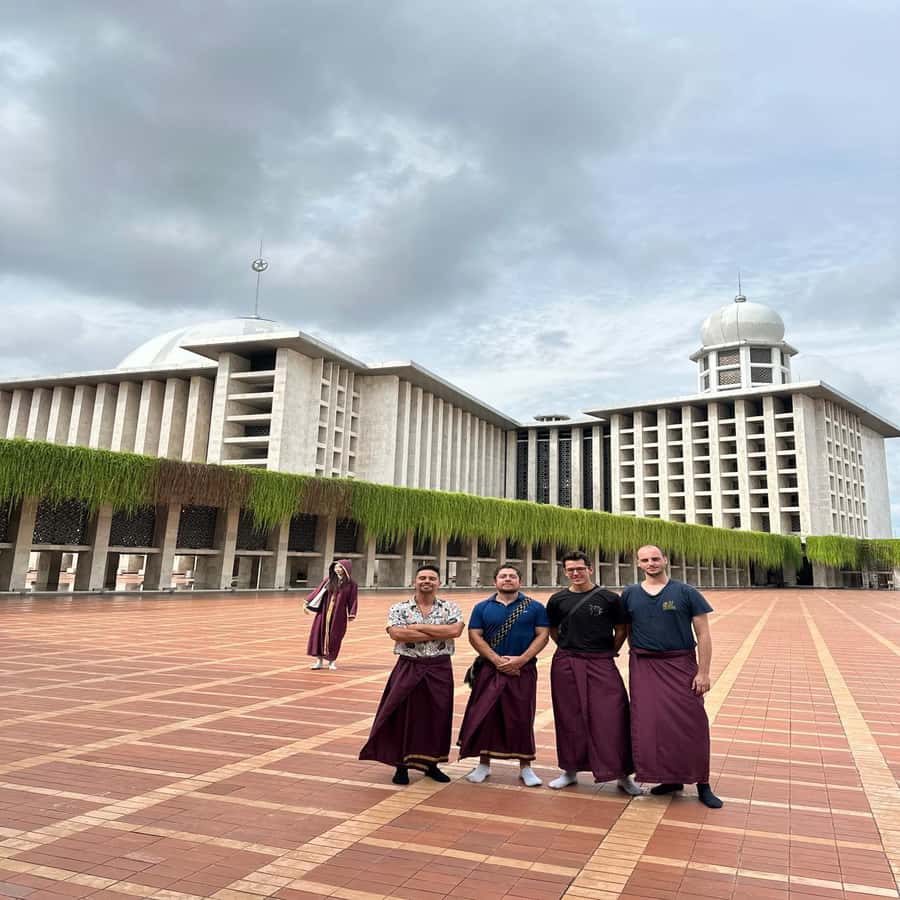
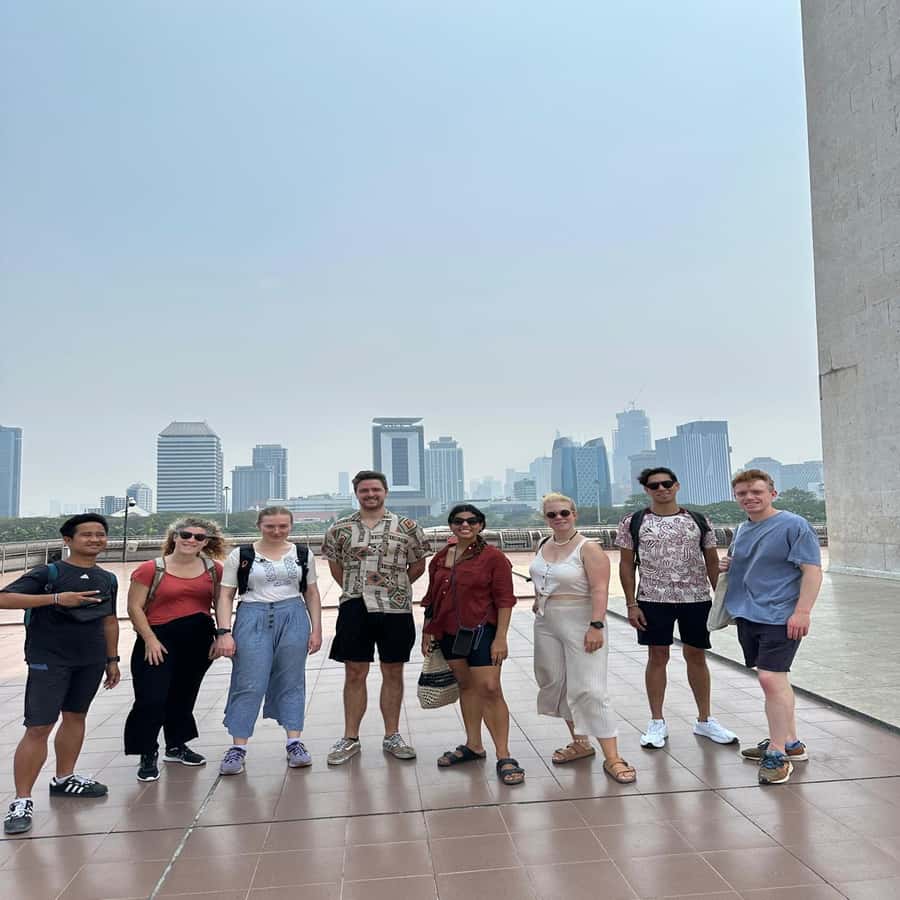
Next comes one of the biggest reasons people book this tour: entering Istiqlal Mosque, described as the largest mosque in Southeast Asia.
You get a guided inside visit (about 30 minutes), and the mosque has staff who lend visitor clothing/outfits. That’s a big deal in practice. It removes uncertainty about what’s allowed and gives you a clearer, more respectful experience.
There’s also a useful reality check: the mosque is closed to visitors every Friday. Your guide may shift the order if access is affected on your day, and you should be mentally prepared for alternative pacing if Friday falls on your schedule.
One more consideration: events can affect entry timing. Your guide may be able to help with access when an event is happening, but it’s not something to bet your whole day on. Either way, you’ll get the historical and cultural story that makes the building matter beyond its size.
If you want, you can also visit the Cathedral Church in front of the mosque.
Monas and the National Library: big symbols plus a view option
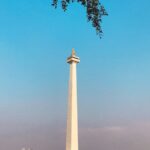
After Istiqlal, you’ll head toward Monas (Monument Nasional). There’s time for transport between stops, then you’ll visit Monas with guided explanation and sightseeing.
Monas has two practical components:
- You can enter, and ticket cost is Rp.8,000 per person.
- Inside you’ll see a Diorama Historical Museum.
For many visitors, Monas is a photo magnet. For you, the value is that it becomes a story-driven stop, not just a landmark. The guide ties the national symbolism to the bigger Jakarta picture you already saw in Old Town and the harbor.
Depending on timing, you’ll also visit the National Library of the Republic of Indonesia (about 40 minutes). One smart tip: ask your guide whether there’s a viewpoint option on/near the top floors. Some days, you may be able to get a strong city view without extra cost and without long delays.
Price and what you really pay (so there are no surprises)
The tour price is $43 per person, for about 3 hours. That’s the base. The value comes from what’s included and what’s handled for you:
Included:
- Local snacks
- A bottle of water
- Face mask if needed
Not included (and worth budgeting):
- Transport card top-up: about Rp.10,000 per person for the Commuter Line or Trans Jakarta
- Boat trip chip-in: Rp.100,000 per boat (boat holds up to 5 people)
- Lunch
- Monas entry: Rp.8,000 per person
My take: this price is usually fair if you actually use the food and the harbor portion, because those add-on pieces would cost you money anyway. The key is to treat the base fee like “guided direction + key experiences,” then set aside cash for the transit top-up, the harbor boat share, and lunch.
Also remember the tour can run longer than the listed time depending on access and pace. If you’re trying to fit it into a tight schedule, build a buffer.
Who this tour suits best (and who should skip it)
This is a great fit if you’re:
- In Jakarta for the first time and want quick orientation
- Comfortable walking and standing
- Interested in how Jakarta works day-to-day, not just historic facades
- Curious about religious architecture and local food culture
It’s not suitable if you have:
- Mobility impairments
- Pregnancy
- Altitude sickness
- Age limits listed by the operator (not suitable for people over 70, and not suitable for people over 95)
If you’re sensitive to crowds or you dislike hot weather movement, you should still go into it ready for standing on transit during busy moments.
Should you book this Jakarta Walking Tour?
If your goal is to understand Jakarta quickly, I’d book it. The combination of public transport (Commuter Line and Trans Jakarta), Glodok Chinatown food, a real Sunda Kelapa harbor boat ride, and an inside visit to Istiqlal Mosque is a strong mix for the money. You’ll come away with more than a photo album—you’ll have a working sense of where things are and how the city lives.
Skip it only if you hate walking, want a relaxing pace, or are traveling on a day when key sites are likely to close for you (Friday for Istiqlal, Monday for Monas/museums). If your schedule is flexible, this tour is a smart way to get an authentic first impression without getting stuck in traffic.
FAQ
What’s the meeting point for the tour?
It meets at the Lobby of Capsule Hotel New Batavia in the Cikini area (Central Jakarta), with your guide sitting in the lobby.
How long is the Jakarta Walking Tour?
The duration is listed as 3 hours.
Is the tour guided in English?
Yes, it’s a live tour with an English-speaking guide.
What’s included in the tour price?
Included items are local snacks, a bottle of water, and a face mask if needed.
What extra costs should I expect?
You’ll likely pay for a transport card top-up (Rp.10,000 per person), the boat chip-in at Sunda Kelapa (Rp.100,000 per boat), and lunch (not included). Monas also has an entry fee of Rp.8,000 per person.
Which places might be closed on certain days?
Istiqlal Mosque is closed to visitors every Friday. Monument Nasional (Monas) and all museums in Jakarta are closed every Monday.
What should I bring?
Bring an umbrella.
Who is this tour not suitable for?
It’s not suitable for pregnant women, people with mobility impairments, people with altitude sickness, and older travelers beyond the listed age limits (not suitable for people over 70 and over 95).