Jakarta, minus the hassle, in one day. This private Old Batavia heritage tour strings together the big names—Istiqlal Mosque, Monas, Glodok Chinatown, and Sunda Kelapa harbor—plus the quieter stuff like the Fatahillah Museum and a puppet studio stop.
What I like most is the mix: you get both the headline landmarks and the street-level, working-history feel of Kota Tua and Glodok. And you’re not doing it alone—guides I’ve heard highlighted again and again (like Haidar, Enok, Fitri, and Saleh) tend to make the day feel like an organized story, not a checklist. The main drawback to consider is that Jakarta traffic (and rain) can mess with tight timing—so a tuk-tuk ride or the harbor visit may get adjusted if conditions are rough.
In This Review
- Quick take: what makes this tour work
- Private Door-to-Door in Jakarta Traffic (the real value)
- Fatahillah Museum (Old Batavia’s City Hall Memory)
- Istiqlal Mosque and Jakarta Cathedral: Two Faiths, One Photo-Rhythm
- Monas in Merdeka Square: Short Stop, Big Meaning
- Glodok Chinatown: Markets, Old Pagoda Energy, and Real Street Life
- Kota Tua and Fatahillah Square: Where Old Batavia Feels Tangible
- Makutharama Puppet Studio: Art, Culture, and the Shopping Question
- Sunda Kelapa Harbor: Wooden Ships and the Maritime Side of Jakarta
- Lunch in Jakarta: Local Food Included, with a Real Choice
- What You’re Really Paying For (and how it adds up)
- Who This Tour Is Best For (and when it’s not)
- Should You Book Jakarta Heritage of Old Batavia?
- FAQ
- How long is the Jakarta Heritage of Old Batavia Private City Tour?
- What’s the price per person?
- Is hotel pickup and drop-off included?
- What sites will I visit during the tour?
- Is lunch included?
- Are tickets included?
- Will I always get a tuk-tuk ride?
- What days are closed?
- Is tipping required?
- What is the cancellation policy?
Quick take: what makes this tour work
- Private door-to-door pickup in an air-conditioned vehicle, so you spend energy on sites, not navigation
- Tuk-tuk + walking through Old Town for that period-in-your-face contrast
- One-two-faith punch: Istiqlal Mosque and Jakarta Cathedral, close enough to compare side by side
- Old harbor stop at Sunda Kelapa for a look at the city’s maritime roots and wooden ships
- Guides with strong city context, with names like Enok, Fitri, Saleh, and Haidar showing up in standout reviews
- Timing gotchas to plan around: Istiqlal closes Fridays; museums often close Mondays; puppet studio closes at 4 pm
Private Door-to-Door in Jakarta Traffic (the real value)
If you’ve never done Jakarta before, here’s the catch: the city is huge, traffic can be unpredictable, and public transit isn’t the easiest way to move efficiently between Old Batavia, central monuments, and Sunda Kelapa. This tour tackles that head-on with pickup and drop-off at hotels, rentals, ports, or airports, plus a licensed driver and a guide in a private, air-conditioned vehicle.
That matters for more than comfort. It changes what you can actually see. On a normal day, you’d burn hours figuring out routes, waiting, and backtracking. Here, your guide helps you keep the day coherent—what to see first, what can wait, and how to shift if timing gets tight.
One more practical point: the tour is private, meaning it’s just your group. That’s a big deal in places like Glodok and Kota Tua, where crowds can get intense and personal pace matters. If someone needs extra time for photos, a slower walk, or a bathroom stop, the guide can usually build it into the flow.
You can also read our reviews of more tours and experiences in Jakarta.
Fatahillah Museum (Old Batavia’s City Hall Memory)
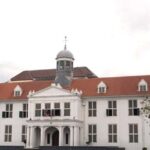
Your first major “set the stage” moment is the Jakarta History Museum, also known through the Fatahillah Museum name. The building itself used to be the Batavia City Hall (Stadhuis van Batavia), dating to the early 1700s. Even if you’re not a museum person, the payoff is that it gives you context before you wander into older neighborhoods.
Inside, you’re not just collecting random facts. The guide’s job here is to connect what you’ll see later—Dutch-era influence, urban layout, and the way power shaped this part of town. It’s the kind of stop that helps the rest of the day click into place. The museum time is ticketed and typically around an hour, which is long enough to feel like you learned something without dragging you into a full afternoon.
A small consideration: if you’re arriving on a day when museums are closed (you’ll want to check for Mondays), you’ll likely get a different balance of time among the outdoor heritage stops.
Istiqlal Mosque and Jakarta Cathedral: Two Faiths, One Photo-Rhythm
Next comes Istiqlal Mosque, described as the biggest in Southeast Asia with a modern design. Expect the day to shift from colonial-era streets to a contemporary national symbol. You can take photos outside, and then—depending on access rules at the time—you’ll go inside. The tour is built to let you experience both sides: the architecture from outside and the interior once you’re allowed in.
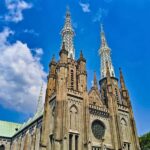
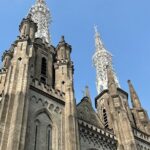
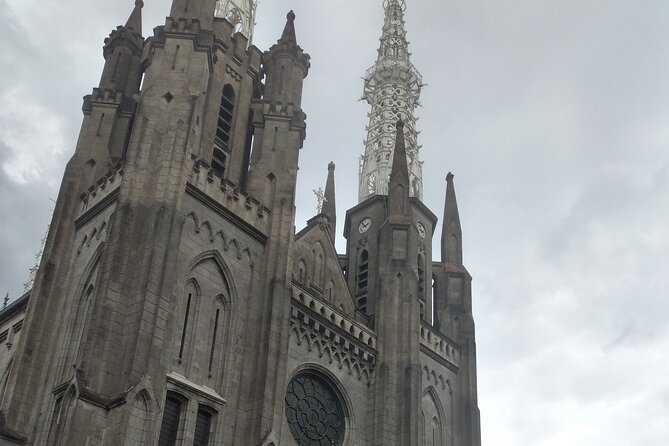
Then you’ll hit Jakarta Cathedral. It’s quick—more photo-focused than an all-session visit—but the location is the point. The mosque and cathedral sit opposite each other, and that makes your comparisons immediate: style, atmosphere, and how people move through the space.
A key timing note: Istiqlal closes every Friday. If your trip lands on a Friday, don’t panic, but do expect the day to rearrange. This matters because it’s one of the major “anchor stops” for many first-time visitors.
Monas in Merdeka Square: Short Stop, Big Meaning
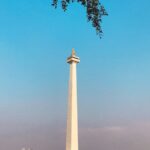
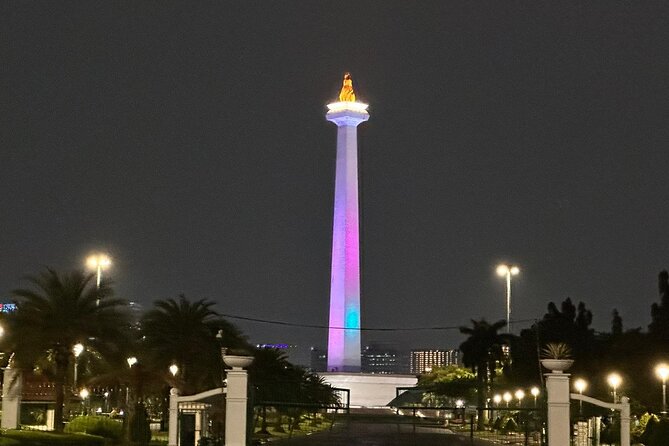
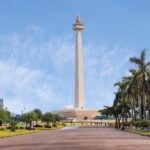
National Monument, Monas, is the 132-meter obelisk in Merdeka Square. On this tour, you’re mostly there for the outside view and photos rather than a long time inside. That’s actually a good use of time on a packed day. You get the landmark moment without losing half your tour window to a queue or a slower-than-expected interior.
The guide typically frames it so it isn’t just a tall object. Monas is positioned as a symbol tied to Indonesia’s fight for independence, which helps the stop feel grounded rather than generic. Even a quick photo break becomes meaningful when you understand what you’re standing in front of.
Glodok Chinatown: Markets, Old Pagoda Energy, and Real Street Life
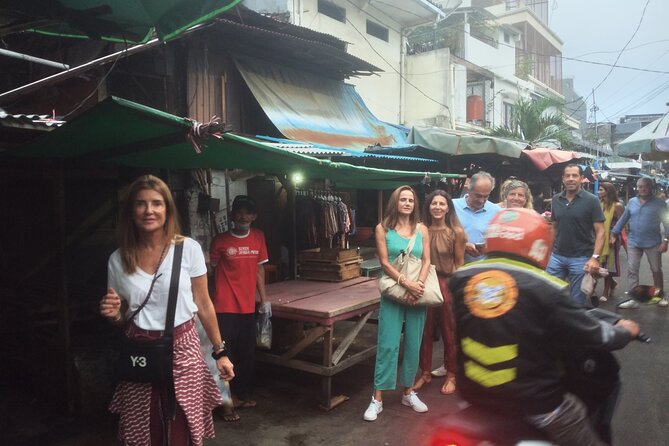
Glodok Chinatown is where the tour shifts from monuments to daily texture. You’re in one of Jakarta’s busiest areas, and it shows—in a good way. The pace here feels more lived-in: people shopping, snack stops, and the city’s old-world layer still visible even as the streets modernize.
Glodok also connects to older roots. The area includes an old pagoda dating to around 1650. Add in the market atmosphere and it becomes a sensory history lesson. You’re not just walking past buildings; you’re seeing how the neighborhood functions now, which is often more useful than reading plaques.
The time here is usually brief—about 20 minutes—so the trick is to let your guide choose the most worthwhile corners and focus on seeing what’s different rather than trying to cover every street. If you want to linger for photos or a snack, you can often do that with a guide adjusting the schedule.

Kota Tua and Fatahillah Square: Where Old Batavia Feels Tangible
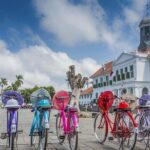
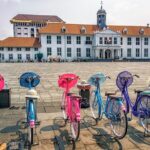
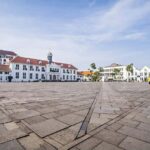
After Glodok, the day moves into Kota Tua (Old Town) and the heritage spine around Fatahillah Square. This is the part where the tuk-tuk experience matters. Even if the driving feels a little wild (Jakarta isn’t exactly a slow-and-smooth city), the contrast is real: colonial-era architecture and open heritage squares, with the city’s present-day movement around it.
Your guide explains what you’re looking at while you walk through the area, including ruins and key remnants. The “why” behind the place is the real benefit here—how European dominance shaped the urban form and why the city’s old center became a landmark in its own right.
One practical note from real-world experience: if traffic is brutal on the day you book, there can be adjustments to the tuk-tuk segment. That’s not ideal, but it’s usually a trade-off to keep you on schedule for the other core stops.
Makutharama Puppet Studio: Art, Culture, and the Shopping Question
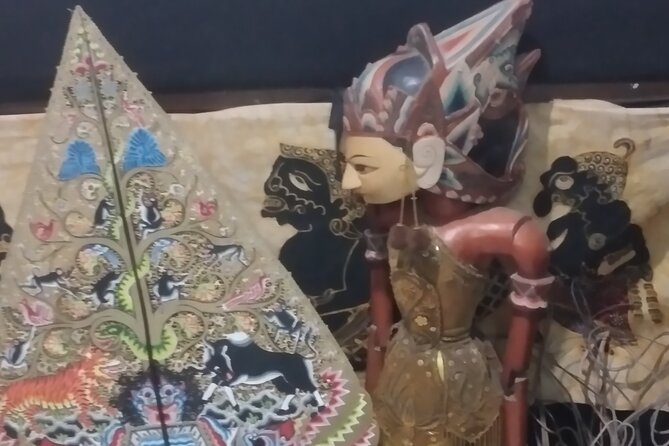
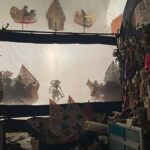
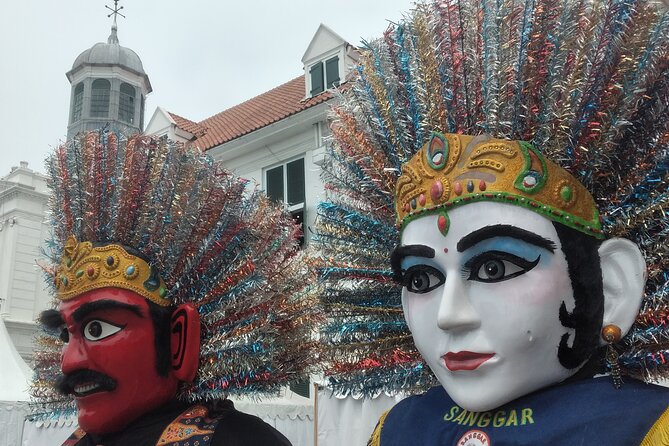
Then comes the puppet stop: Makutharama Puppet Studio. In an Old Batavia-style setting, puppet traditions make sense, and the timing is usually set to fit into the Kota Tua complex. You’ll spend around half an hour here.
This is one area where expectations should be managed. The puppet studio is often described as a highlight—some people love it as a window into Indonesian puppet play. But there’s also a valid consideration: some visits may feel more retail-forward than tradition-focused, depending on the staff and what’s happening that day. If you’re specifically seeking a hands-on, story-rich cultural presentation, you’ll want your guide to set expectations early and ask what’s possible during your time slot.
Timing matters too: the puppet studio closes at 4 pm. Late afternoon bookings can push you toward a shorter visit or skip risk if you arrive after closing time.
Sunda Kelapa Harbor: Wooden Ships and the Maritime Side of Jakarta
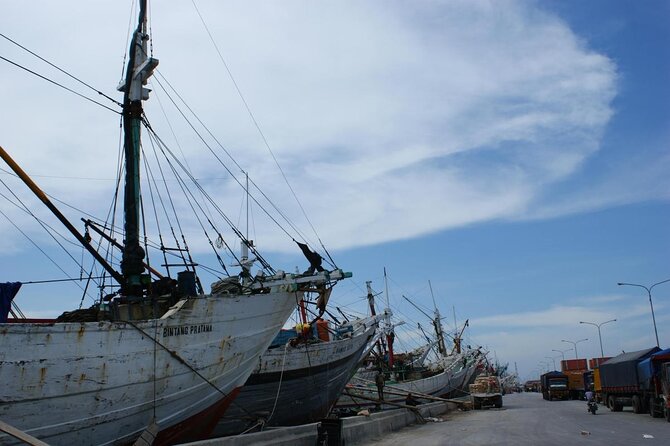
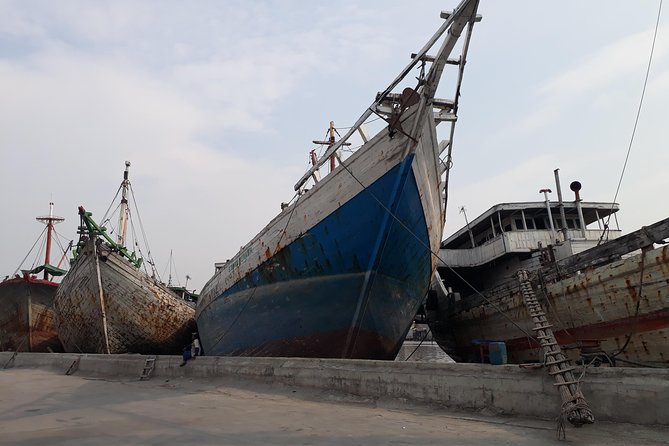
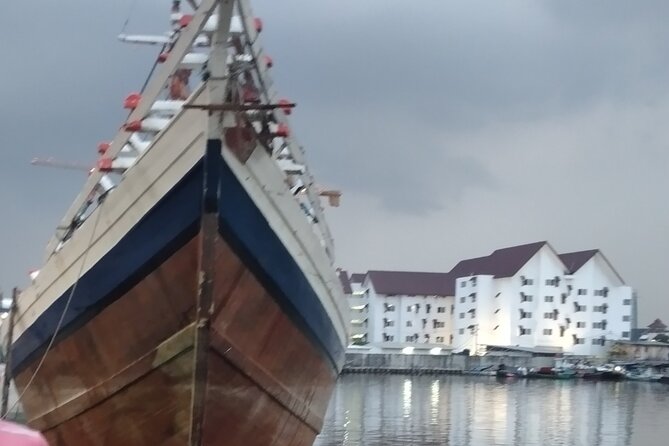
Sunda Kelapa is the maritime stop that changes the mood again. This is where Old Batavia becomes a port-city story. The harbor area is associated with the early movement of traders and sailors—basically the entry point where people and commerce shaped the place.
You’ll typically spend around 45 minutes here, including time to see the harbor scene and get explanations from your guide. The focus is on the atmosphere and the history tied to the port rather than a long expedition. If you want photographic drama, harbor light usually helps, and the wooden ship visuals give you a strong sense of time and place.
Weather can affect this part. In rainy season, the harbor can flood in spots, and that can limit access or cause last-minute schedule changes. If your travel dates are in a wet stretch, go in with flexibility. A good guide will protect your day by shifting to what’s possible.
Lunch in Jakarta: Local Food Included, with a Real Choice
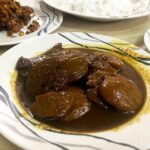
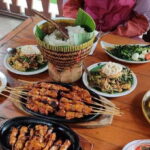
Lunch is one of the better “value” levers in this tour. It’s included as local food at a local experience best-food taste style lunch stop. The idea is simple: after museums, walking, and market air, you want a meal that feels like Jakarta, not a generic tourist setup.
From what I’ve seen in feedback, the included lunch often gets praised for being filling and varied. Still, you may have personal preferences (diet, spice level, or what you like to try). In cases where you don’t want the included lunch, the tour structure also mentions the ability to choose an alternative like Cafe Batavia for personal expenses, depending on the option you select.
A practical tip: if you’re sensitive to spice or you’re unsure, ask your guide to help you order something safe. You’re paying for the whole day’s organization—use them.
What You’re Really Paying For (and how it adds up)
At $65 per person for a 5 to 6 hour private experience, the headline price looks straightforward. The value is in what you’re not doing yourself:
- You don’t have to coordinate transport between multiple zones of the city
- Museum and key site admission pieces are built in (like the national museum ticket component and museum admission)
- Bottled water is included
- Guide time is focused on connecting locations, not just reading out facts
- You get tuk-tuk and heritage walking as part of the route
- Pickup and drop-off is covered, which is often the hidden cost if you try to DIY
The other value is risk reduction. Jakarta’s traffic can turn a plan into a puzzle fast. Having a guide and driver working the puzzle for you means you arrive at the right places without burning your whole day in a ride-wait-switch spiral.
Yes, it can feel pricey for a solo traveler compared to cheap public transit. But if you’re visiting briefly, the math often flips: paying more buys time, clarity, and less stress.
Who This Tour Is Best For (and when it’s not)
This tour is a strong fit if you:
- are short on time in Jakarta and want Old Batavia + major landmarks in one organized loop
- don’t want to wrestle with transit on your own
- like a mix of outdoor walking and indoor context (museum + faith sites)
- want a guide who can explain why the places matter, not just where they are
It may not be ideal if you:
- want only museums and deep academic-style presentations for hours at a time
- are booking late afternoon, because the puppet studio closes at 4 pm
- plan to travel on a Friday (Istiqlal is closed) or Monday (many museums are closed), unless you’re okay with rearrangements
If you’re traveling with mobility needs, you can also benefit from the private format and the ability to adjust pacing—some guides in the feedback list were noted for flexibility.
Should You Book Jakarta Heritage of Old Batavia?
I’d book this tour if you want a guided, door-to-door day that actually stitches Jakarta together: old harbor + Chinatown + Kota Tua + faith landmarks + Monas. It’s built for getting your bearings fast, and the private guide approach keeps the experience from becoming a chaotic sprint.
Skip or rethink it if you’re allergic to crowds, you’re arriving late (puppet studio timing), or your dates land on Friday or Monday without flexibility. In those cases, you can still go—but you should expect a schedule shuffle around closures.
If your goal is a first taste of Jakarta with minimal friction and maximum context, this is a solid pick.
FAQ
How long is the Jakarta Heritage of Old Batavia Private City Tour?
The tour runs about 5 to 6 hours, and the exact duration is flexible based on the program option and traffic.
What’s the price per person?
The price is $65.00 per person.
Is hotel pickup and drop-off included?
Yes. You’ll get pickup and drop-off service at Jakarta hotels, rentals, ports, and airports.
What sites will I visit during the tour?
You’ll visit Jakarta History Museum (Fatahillah Museum), Istiqlal Mosque, Jakarta Cathedral, National Monument (Monas), lunch stop, Glodok Chinatown, Kota Tua area including Fatahillah Square, Makutharama Puppet Studio, and Pelabuhan Sunda Kelapa.
Is lunch included?
Lunch is included as part of the experience with local food. If you choose not to include lunch, the tour mentions you can use personal expenses at a recommended cafe.
Are tickets included?
Yes for the museum portion. The tour includes a ticket to the museum national, and admission ticket at the Fatahillah Museum stop.
Will I always get a tuk-tuk ride?
The experience includes a tuk-tuk component, but traffic can affect timing on the day, so the driver and guide may adjust what’s possible.
What days are closed?
Istiqlal Mosque is closed every Friday, and every museum is closed on Monday. The puppet studio can also be affected by time because it closes at 4 pm.
Is tipping required?
Tipping is optional. You can tip if you want, but it’s not mandatory.
What is the cancellation policy?
You can cancel for free up to 24 hours in advance for a full refund. Within 24 hours of the start time, the amount paid is not refunded.