Downhill bikes, real village life, and a great lunch. I love the small, family-led vibe and how the guide turns ordinary stops into clear stories about daily Balinese culture. I also love the hands-on six-course lunch at a real Balinese home, not a buffet line that feels like a pit stop. The only drawback to keep in mind is that the tour needs good weather, so if conditions are poor you’ll have to shift plans.
The day runs about 6 to 7 hours, usually with hotel pickup to get you moving in the morning. I’ve seen guide names like Made and Mardy tied to this experience, and that matters because you’re not just being transported from one photo spot to the next—you’re getting context while you ride. With a maximum of 30 people, it feels closer to a shared day out than a conveyor belt.
In This Review
- Key highlights at a glance
- Downhill through Ubud’s countryside, not a theme-park ride
- Tegalalang Rice Terrace: ticket included and time to look properly
- Bangli back roads and a short rice paddies walk
- Temple stops and Balinese compounds: understanding what you’re seeing
- The ride setup: mountain bikes, helmets, and heat-proof comfort
- Bali lunch at a home: six courses and a cooking learning program
- Price and value: why $56 can feel like a bargain in Ubud
- Who this tour is perfect for (and who should skip)
- Should you book Halo Bike downhill cycling in Bali?
- FAQ
- Is hotel pickup offered on the Halo Bike downhill cycling tour?
- How long does the tour last?
- What is included in the tour price?
- Do I need to bring a bike or helmet?
- What happens at the main stops during the ride?
- Is the tour group size small?
- What if it rains or the weather is bad?
- Is it suitable for most travelers?
- Can children join, and is there a seat for them?
Key highlights at a glance
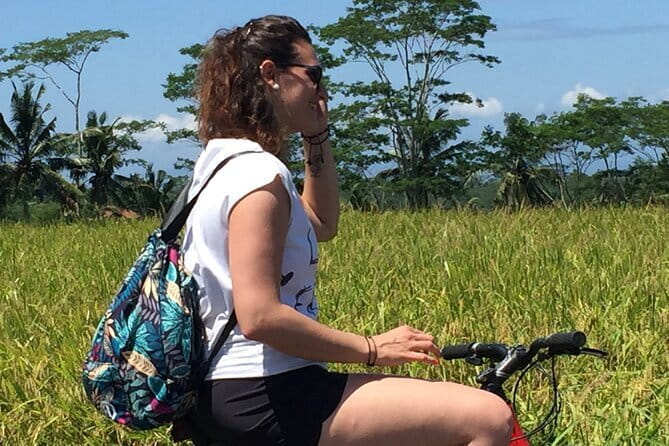
- Downhill cycling through rural back roads with a guide keeping things organized and easy to follow
- Tegalalang Rice Terrace with admission ticket included, so you’re not doing extra payments mid-day
- Bangli countryside stops that focus on rice paddies, village life, and simple walking breaks
- Temple and Balinese compound explanations that connect what you see to how people live
- Cold water and cold face towel during the ride, a small detail that makes a big difference in heat
- A true Balinese home lunch: buffet-style with a short cooking learning program and a six-course meal
Downhill through Ubud’s countryside, not a theme-park ride
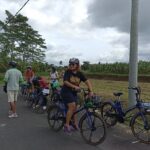
This is a downhill cycling tour based out of Ubud that prioritizes countryside routes and guided cultural context. The goal isn’t to race downhill or turn it into a stunt show. You’ll spend your time riding, pausing, and learning, with the day paced like an actual outing rather than a checklist of “next, next, next.”
What really makes it feel worth the money is that the ride is only one part. You’re also visiting rice terraces, going through village areas around Bangli, and stopping at temple sites where the guide explains what you’re looking at. That combination is hard to fake, and it’s exactly why people tend to rate this kind of tour so highly: you leave with photos and also with understanding.
You can also read our reviews of more tours and experiences in Ubud.

Tegalalang Rice Terrace: ticket included and time to look properly
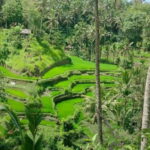
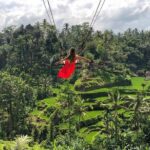
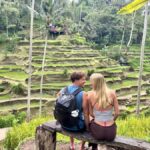
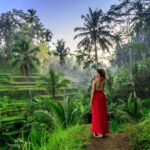
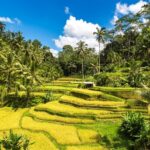
Your first stop is the Tegalalang Rice Terrace, about 20 minutes from Ubud. This is one of the most famous views in the region, and the tour gives you a full stop (around an hour) plus admission ticket inclusion. In practice, that means fewer small frictions like scrambling for cash or trying to figure out entry on the spot.
The terraces are often photographed from angles that hide how steep and layered the farmland really is. With a guide-led stop, you’ll get a better sense of how the terraced system works and why this area draws so many visitors. It’s also a good moment to slow down and take in the details before the day shifts back toward riding.
Practical tip: Wear sunscreen and bring something for sun glare. Even if the day stays comfortable, rice terrace light can be intense.
Bangli back roads and a short rice paddies walk
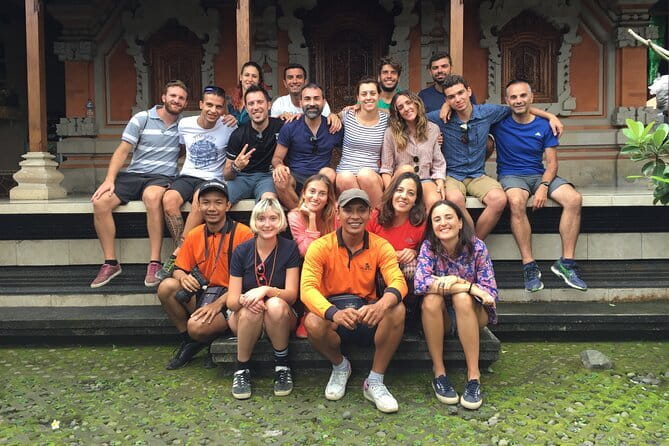
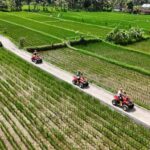
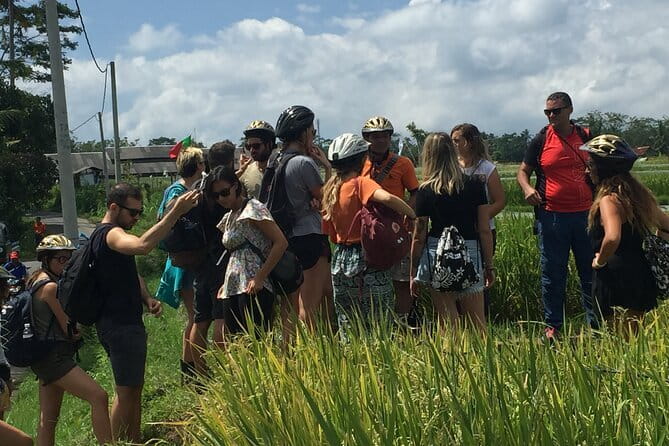
After Tegalalang, the route moves into Bangli for quiet countryside riding. The tour includes time riding through small villages and rice paddies, which is where you get a more local feel than you find in central Ubud. You’ll also have a short walk into the rice paddies, giving you a chance to stretch your legs and see the working farmland up close.
The best part here is the everyday rhythm. The tour is designed to show rural life rather than just pass by it from a vehicle. You’ll get guided explanations of what you’re seeing and how rice farmers live and work in this part of Bali.
This is also one of the most “value-per-minute” parts of the itinerary. The riding isn’t rushed, and you’re not paying extra entry for this segment (it’s described as free for the walk stop).
What to watch for: paths near rice fields can be uneven. You don’t need hiking boots, but you do want shoes with grip.
Temple stops and Balinese compounds: understanding what you’re seeing
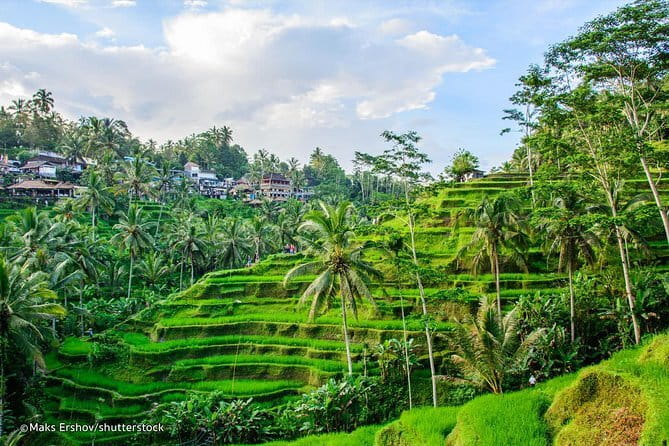
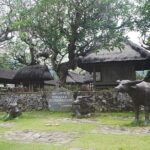
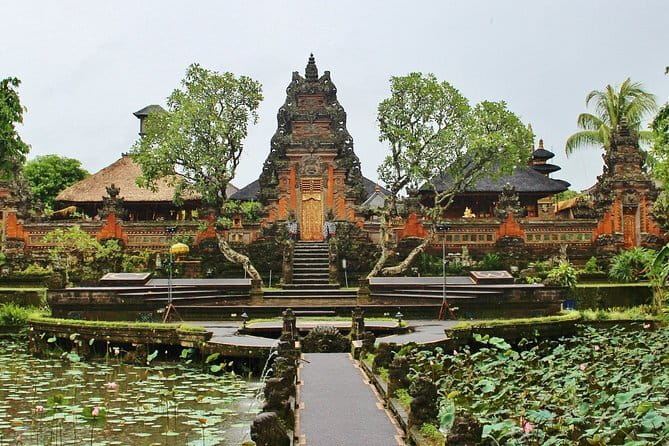
One of the smartest things about this tour is that it uses temples as more than a photo backdrop. You’ll stop at village temple areas and be given details about Balinese culture and lifestyle. The tour highlights the idea of a Balinese compound as a key feature of daily life, and the guide helps connect the setting to the culture behind it.
This is where your trip stops feeling like a scenic cycling day and starts feeling like a guided cultural experience. If you’ve ever visited Bali and felt like you were looking at places without knowing what they mean, this is the portion that helps your brain click into place. The guide’s English commentary is built into the experience, so you’re not guessing your way through.
There’s also a stop identified as Bali Go Bike, which is described similarly as a temple/culture stop. That usually means more guided explanation and another chance to see how locals structure sacred space within everyday village life.
Respect note: you’ll likely want to dress appropriately for temple areas. If the tour provides guidance on what to wear, follow it. If not, bring a light cover-up just in case.
The ride setup: mountain bikes, helmets, and heat-proof comfort
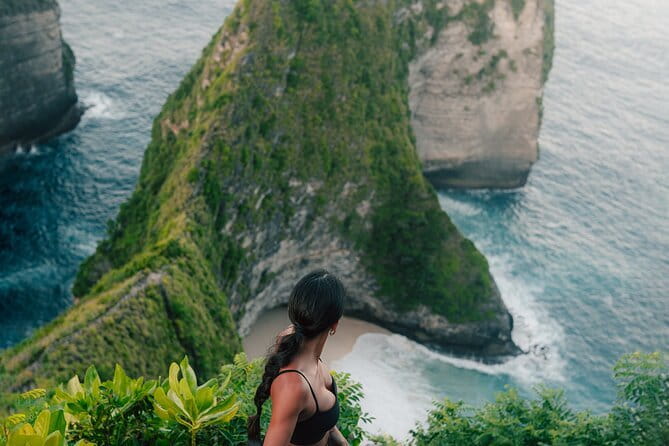
The tour provides mountain bikes and safety helmets. That’s the baseline you want to see for a cycling day, especially when you’re riding through roads near villages. Rain coats are also listed as available if needed, which matters in Bali because showers can be sudden.
During the ride, you get cold water and a cold face towel. Those two items sound basic, but in warm weather they really help you stay comfortable without slowing the day down. It also signals the tour team thinks about the practical side, not just the route.
If you’re traveling with a child, baby seats are provided upon request. And if you’re wondering about group energy, the tour caps at 30 travelers, which usually means your guide can actually keep track of the group.
What to pack (simple but useful):
- sunscreen and sunglasses
- a light layer for shade or sudden rain
- closed-toe shoes with grip
- a small dry bag for your phone


Bali lunch at a home: six courses and a cooking learning program
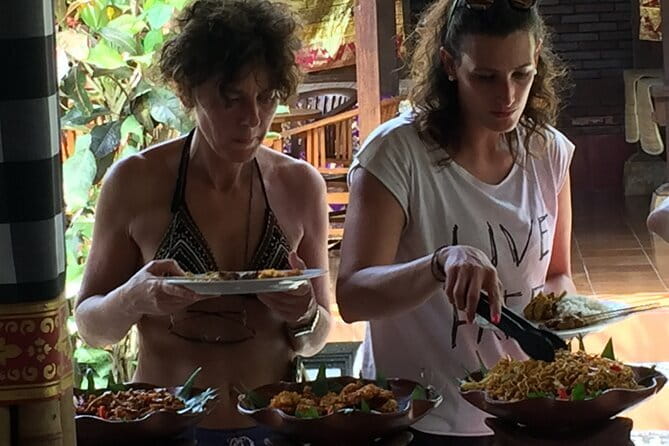
Here’s the part that tends to turn a good tour into a great one: the lunch. Instead of sending you to a restaurant that could be anywhere, the experience includes lunch at an authentic Balinese home (described as Yoga’s Home). You’ll get a buffet-style meal plus a short cooking learning program where you help prepare part of the food.
The highlight is that it’s a six-course lunch. Even if you don’t eat every course equally, the structure makes it feel like a real Balinese meal rather than a single plate you forget later. The cooking component is also a confidence booster: you come away knowing a little about flavors and technique, not just swallowing a meal and moving on.
A couple of guide-led details can make this lunch better than it sounds on paper. One review-style description emphasizes that the food is outstanding and that the team puts heart into the experience. That lines up with the idea of a small family-led tour where the meal isn’t an afterthought.
There may also be time added for a coffee plantation visit and tasting of teas/coffees, including mention of Luwak coffee. That part isn’t spelled out in the short stop list you might see, but it appears as part of the experience timing for at least some departures. If coffee is your thing, it’s worth noting when you book.
Price and value: why $56 can feel like a bargain in Ubud
At $56 per person, this tour competes in the mid-range. The key is what you get for that price. You’re not just buying a bike rental. Your day includes guided cultural storytelling in English, mountain bikes, helmets, and practical ride comfort items like cold water and a cold face towel. You also get a paid admission included for the Tegalalang Rice Terrace stop.
Then you add the most expensive-feeling part: a six-course Balinese lunch with a cooking learning program at a real home. A real home lunch plus structured courses costs money even when it’s done simply. When it’s paired with cycling and multiple guided stops, the total value adds up quickly.
There’s also a timing clue: this experience is commonly booked about a month ahead. That suggests people plan around it, especially because the day’s schedule is built for mornings and relies on good weather. If you like having a clear anchor day in Ubud, booking earlier helps.
Real talk drawback: transfers can take longer than you expect. Even when the ride itself stays on track, slow-moving traffic in the area can stretch the day. If you’re counting minutes for dinner plans, build in breathing room.
Who this tour is perfect for (and who should skip)
This tour is ideal if you want three things in one day:
1) downhill cycling without turning it into an endurance challenge
2) countryside Bali views with rural village stops
3) culture you can understand, not just stand in front of
It also fits well if you care about food. The six-course lunch with a short cooking lesson is a rare pairing with cycling, and it’s the part that most people remember.
You might want a different style of activity if you dislike cycling entirely or want a mostly seated tour. Also, because the experience requires good weather, it’s not the kind of plan you want to treat as guaranteed if your schedule is extremely tight.
Should you book Halo Bike downhill cycling in Bali?
If your idea of a good Bali day is riding through rice-country scenery, getting temple context, and finishing with a real Balinese meal you actually help cook, this is an easy yes. The price is fair for what’s included, and the structure makes the day feel full without being frantic.
Book it if you:
- want small-group energy (max 30 people)
- like guided culture explanations in English
- care about lunch as part of the experience, not just fuel
Consider a different option if you:
- have weather-sensitive plans and can’t shift dates
- don’t want to ride at all, even at an easy downhill pace
- need zero waiting time for the return trip
If you do book, show up with sunscreen, comfortable shoes, and a good attitude. This tour rewards curiosity. You’ll come away with more than photos.
FAQ
Is hotel pickup offered on the Halo Bike downhill cycling tour?
Yes. Pickup from your accommodation is offered, and the day is designed around getting you moving in the morning.
How long does the tour last?
The tour runs about 6 to 7 hours.
What is included in the tour price?
The tour includes an English tour guide with in-depth explanations of Balinese culture and tradition, plus mountain bike and safety helmets. It also includes cold water and a cold face towel during the ride, and admission ticket inclusion for Tegalalang Rice Terrace. Lunch is included as a Balinese home meal with a six-course buffet format and a short cooking learning program.
Do I need to bring a bike or helmet?
No. Mountain bikes and safety helmets are provided by the tour.
What happens at the main stops during the ride?
You’ll visit Tegalalang Rice Terrace, then ride through Bangli areas with rice paddies and villages, including a short walk into the rice paddies. You’ll also have temple and Balinese compound culture stops, plus a stop labeled Bali Go Bike.
Is the tour group size small?
Yes. The experience caps at a maximum of 30 travelers.
What if it rains or the weather is bad?
The tour requires good weather. If it’s canceled due to poor weather, you’ll be offered a different date or a full refund.
Is it suitable for most travelers?
Most travelers can participate.
Can children join, and is there a seat for them?
A baby seat is provided upon request.