A live flame show in the dark sounds wild. This Ijen Crater join-group night trip is built around seeing the famous blue fire, plus big crater-and-lake views and a shot at sunrise if conditions line up.
I like two things right away: the pick-up timing and organization, and the way the tour handles the hard parts for you (transport, tickets, and the right gear). You also get an English-speaking guide, which matters a lot when you’re moving through a very specific, safety-focused environment.
The main consideration is the crater rules—especially the requirement for a healthy certificate (with an extra cost) and the fact the hike is not for everyone. This tour also isn’t suitable for people over 70, and you’ll want to skip anything flashy like jewelry.
In This Review
- Key Highlights at a Glance
- The Blue Fire at Kawah Ijen: What You’re Actually Chasing
- Zero-Hour Pickup From Bali or Banyuwangi and the Overnight Grind
- How the Join Group Tour Works for Solo Travelers
- Gear, Safety Rules, and the Healthy Certificate Requirement
- The Descent and Blue-Flame Photo Moments With English Guides
- Sunrise Timing, Breakfast, and Getting Back Around 9 AM
- Price and Value for an Ijen Blue Fire Sunrise Day Trip
- Should You Book This Ijen Crater Blue Fire & Sunrise Tour?
- FAQ
- How long is the Ijen Crater Blue Fire & Sunrise tour?
- Can I join if I’m traveling alone?
- Where does pick-up happen?
- Do I need a healthy certificate?
- What gear is included?
- What should I bring, and what is not allowed?
Key Highlights at a Glance
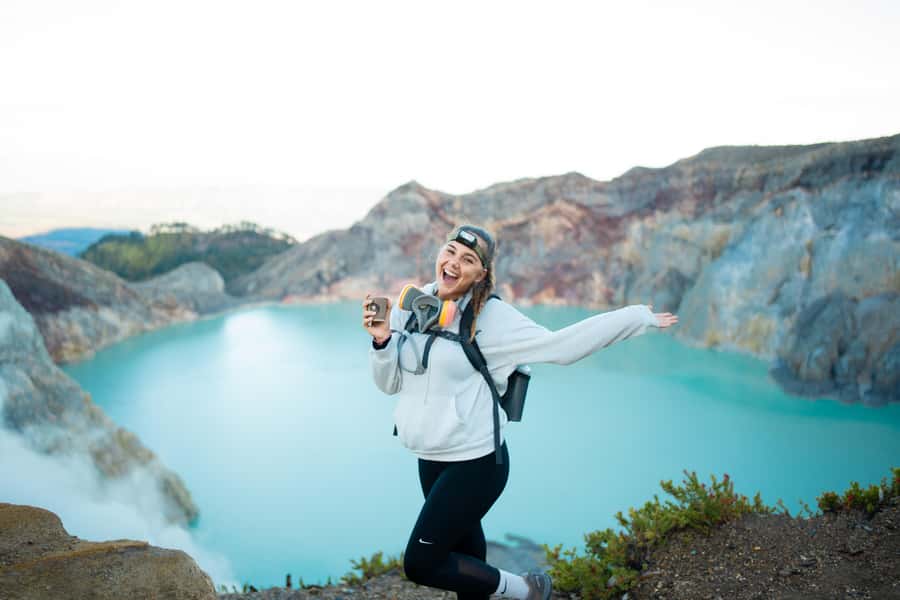
- Blue fire at Kawah Ijen plus views over the blue lake area
- English-speaking guides to help you understand what you’re seeing
- Join-group format that still works well if you’re traveling alone
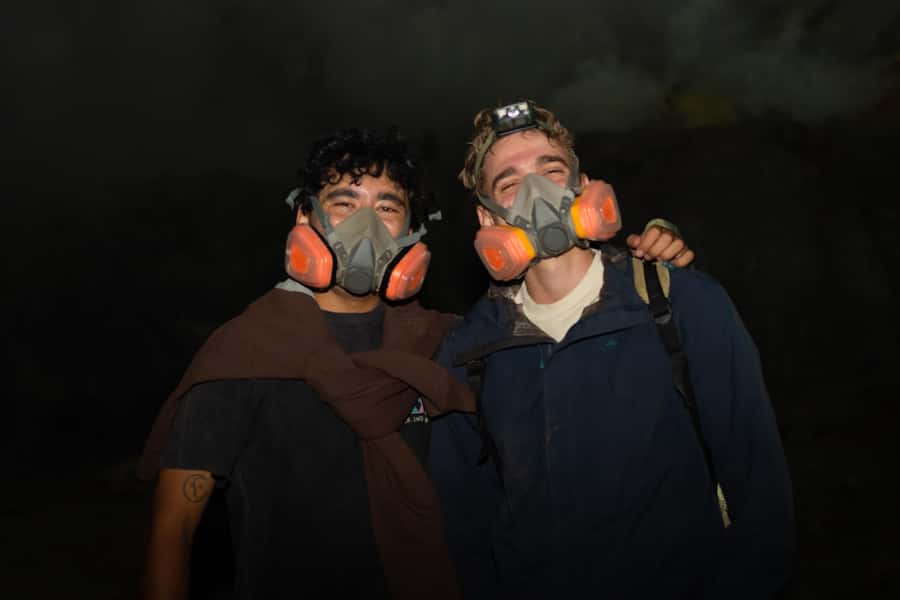
- Gas mask and torch light provided, plus first aid and insurance
- Zero-hour logistics: pick-up starts at 00:00 and returns around 09:00
- Health certificate requirement, with a 24-hour clinic stop on the way
The Blue Fire at Kawah Ijen: What You’re Actually Chasing
The headline is the phenomenon called blue fire at Ijen Crater. The operator frames it as a rare event found only in two places in the world, and the whole night climb is planned around your best chance to experience it at the crater.
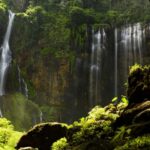
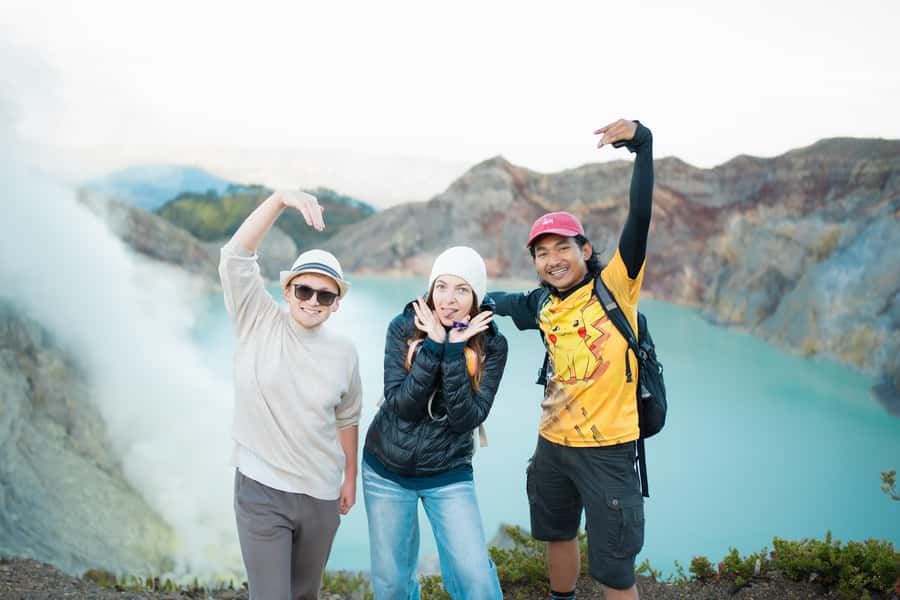
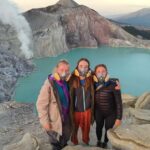
You’re not just hiking to say you went. You’re walking toward a place where visibility, timing, and caution all matter. The crater area also gives you the chance to take in the blue lake view, which is part of why people rate this trip so highly even if sunrise doesn’t happen.
If you’re hoping for sunrise, treat it like a bonus. The tour runs early-morning hours, and the guide will be managing the flow of the group for safety and timing, but weather can always change what you see. Still, the program is structured so you’re in the right zone as morning approaches.
You can also read our reviews of more tours and experiences in Indonesia.
Zero-Hour Pickup From Bali or Banyuwangi and the Overnight Grind
This is a night-start tour. Pick-up begins at 00.00, and the day ends around 09.00. That means you’re trading a normal night’s sleep for a shot at the crater experience when it matters most.
You’ll move from Bali or the Banyuwangi area toward the ferry crossings, then up to the Ijen parking area. Since the tour includes transport to and from the parking zone, you don’t have to figure out the last-mile transfer at the most stressful hour.
Two practical things I’d plan for. First, you’ll likely feel sleepy at some point—bring the mindset that this is a short, focused mission, not a slow sightseeing day. Second, the cold at night in this kind of volcanic region can sneak up on you, so pack smart. The operator’s note is simple: bring a jacket.
How the Join Group Tour Works for Solo Travelers
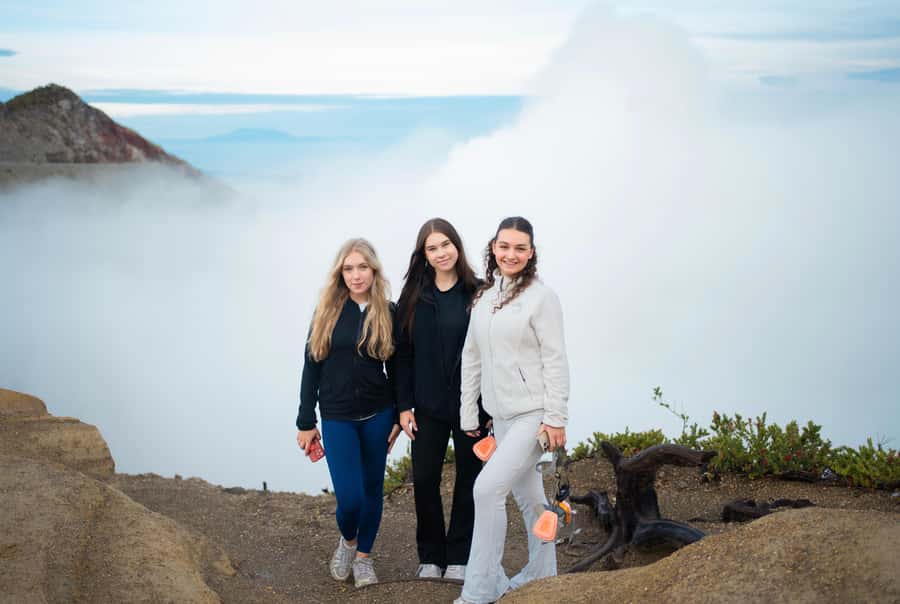
This is a join group experience, meaning you go with other participants who are doing the same trip schedule. The good news: it’s set up so one person can join with the group, and you’re not stuck doing everything alone.
One helpful detail is the way they handle solo travelers moving across Bali and the ferry. The setup can include a designated driver to get you to the port, and then another driver takes you onward after the crossing. That matters because the hardest part of DIY here is often the handoff between modes of transport—ferry to land routes, then land route to the crater-side parking area.
Guides are also part of what makes the group style work. The operator states the guide can guide you in English so you can interact during the climb and at the crater area. In practice, that’s the difference between watching random activity and actually understanding what you’re looking at, step by step.
Gear, Safety Rules, and the Healthy Certificate Requirement
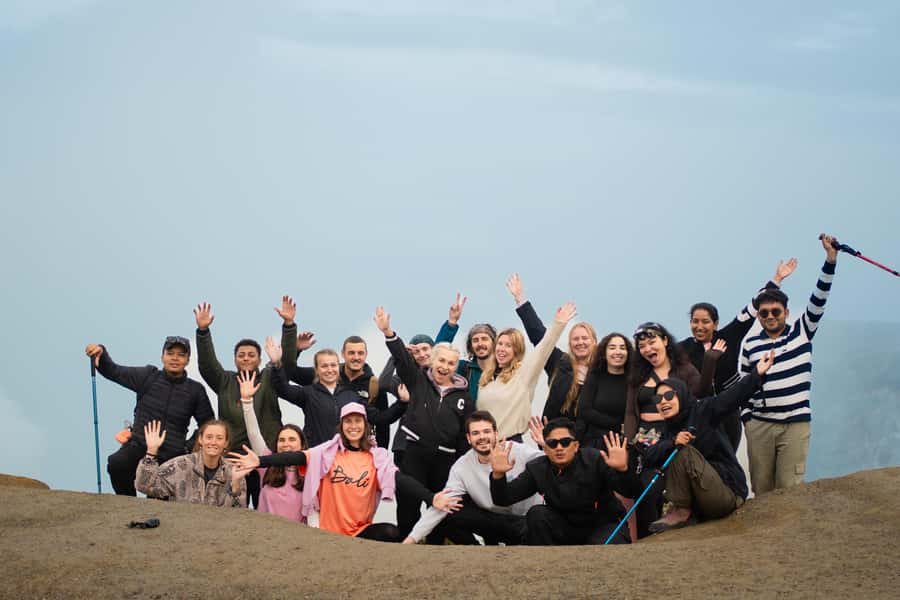
The tour provides key safety gear: a gasmask + torch light, along with first aid and insurance. That’s not just comfort. Ijen is a sulfur-heavy environment, and the provided mask and the torch are there because the route and air conditions are not made for improvising.
You also have some clear rules that you should treat like non-negotiable. No jewelry is allowed. The reason is practical—items can catch, get in the way, or create issues in a place where people are moving carefully in low light. If you like watches, rings, or chains, leave them off for this one.
Then there’s the healthy certificate rule. The tour states you must have one, and it’s priced at 35,000 IDR (not included in the base tour cost). The operator says you can get it at a clinic either on your own or with their support, and that there’s a 24-hour clinic stop along the route to Ijen.
Age matters too. This tour is not suitable for people over 70. Also, you’re doing a climb in the dark. Even with a guide, you should expect effort and a steady pace.
The Descent and Blue-Flame Photo Moments With English Guides
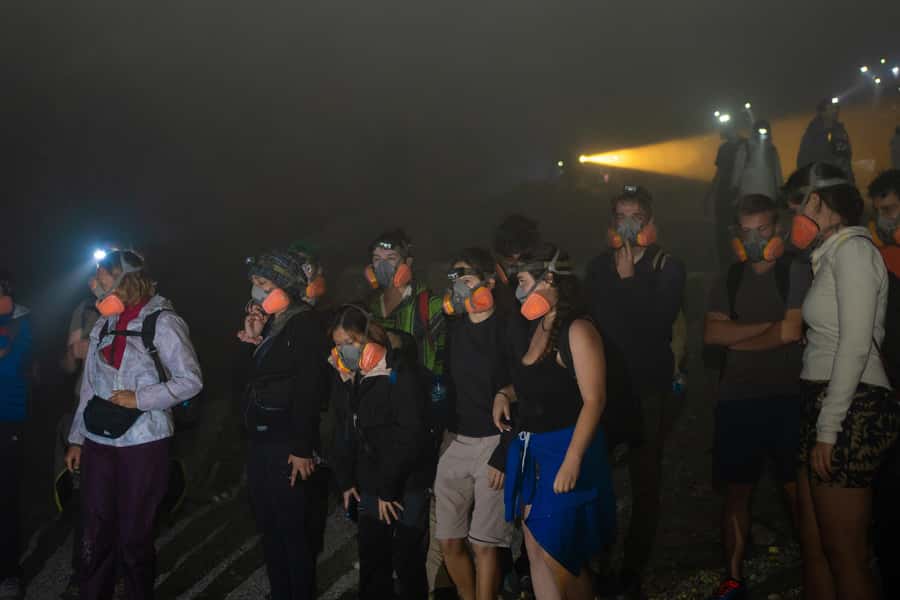
Once you’re at the crater-side area, the guide becomes your main advantage. The operator promises an English-capable guide, and multiple guides are noted for strong communication skills. That’s important because at Ijen you’re often moving where safety is the priority, and you want to understand instructions fast.
You’ll also benefit from how guides manage the group on the way down. One of the most praised safety moments shared with the group style is that guides like Suleiman (also seen spelled Souleyman) can actively help participants stay stable—down to holding a child’s hand along the descent. Even if your situation is different, it tells you they’re paying attention, not just walking ahead.
On the fun side, this is where the blue fire moments happen. The guide’s role includes helping you time where to stand, and helping people take pictures of the blue flames. If you’re the type who wants both views and photos, the guide helps you do that without turning the crater into a chaotic photo line.
One more practical note: the tour includes mineral water. You’ll still feel the effort, and having water provided takes one more decision off your plate.

Sunrise Timing, Breakfast, and Getting Back Around 9 AM
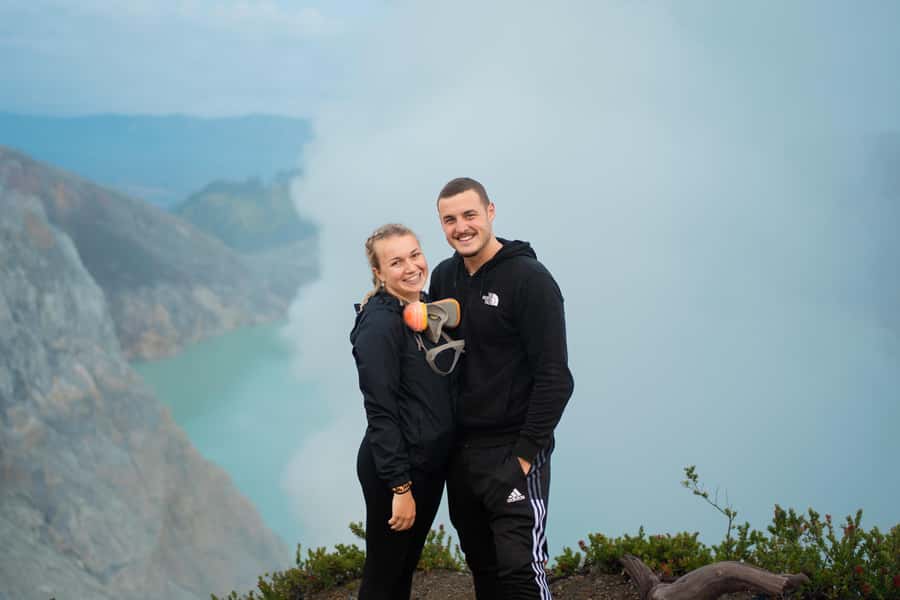
The program is designed so you start at midnight and finish around 09:00. That schedule matters because it positions you for both the blue fire window and the morning light that can lead into sunrise views.
If you’re lucky, you’ll catch sunrise. If you’re not, you still get the crater experience plus the blue lake views during the morning hours. Either way, you’re not rushing out immediately after the main moment.
Another thing I like in a tour like this is the recovery at the end. There’s mention of a simple breakfast after getting down the mountain. That’s a small detail, but it changes how you feel when you’re done—especially if you started the night running on whatever energy you had before the 00:00 pick-up.
Then you head back by the reverse route: from the crater-side area to the port, and then back toward Bali. The tour’s structure is about keeping you moving with a plan, not dropping you into confusing transfer gaps after an early-morning hike.
Price and Value for an Ijen Blue Fire Sunrise Day Trip
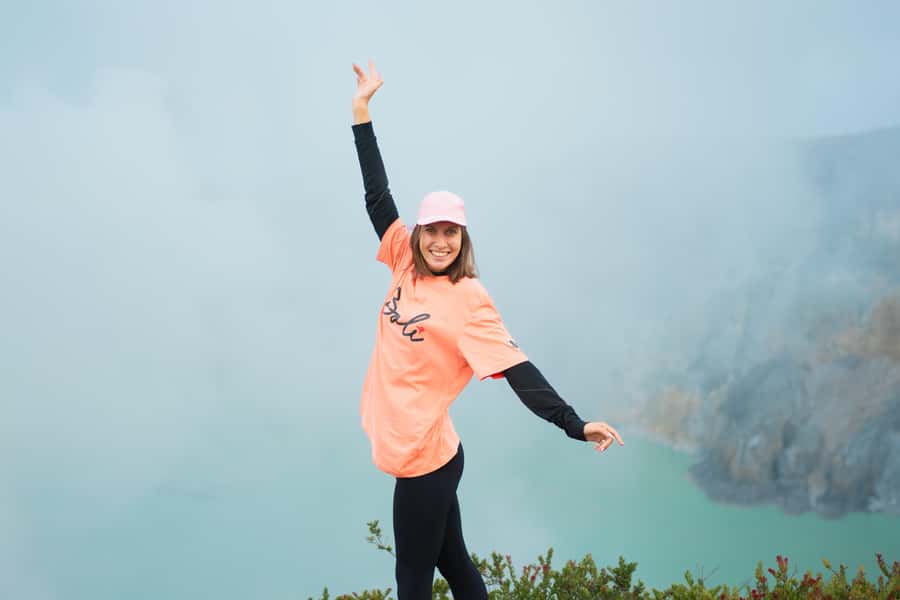
At $14 per person, this join-group tour is priced in the budget-friendly range for Ijen. The real value comes from what’s included, not just the sticker price.
Included items you’d otherwise have to source yourself: pick-up/drop-off from the Bali/Banyuwangi area, transport to the Ijen parking area and back, entrance ticket, guide, insurance, first aid, gasmask and torch light, mineral water, and two ferry tickets (for the crossing both ways).
What’s not included is equally important. You’ll pay extra for the healthy certificate, and personal expenses are on you. That extra fee is manageable, but it’s the one line item that can surprise people if they forget the crater regulation before the trip.
When I look at the total package, the value makes sense for people who want a guided Ijen experience without doing the ferry + transport + gear hunting themselves. It’s also a good fit if you want English guidance for safety and understanding the scene at the crater.
Should You Book This Ijen Crater Blue Fire & Sunrise Tour?
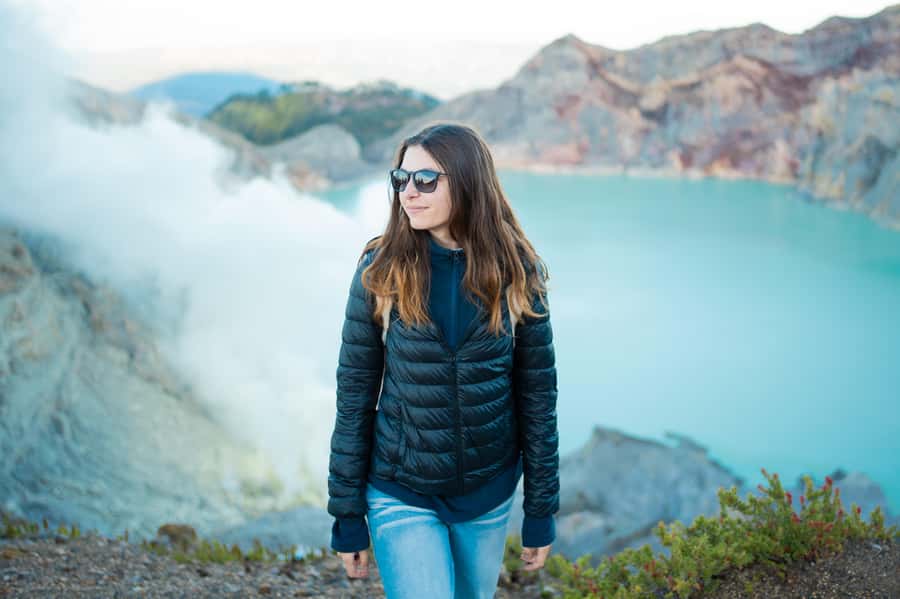
Book it if you want a guided night trip with blue fire as the goal, you don’t want to juggle ferry logistics, and you’re comfortable with an early start and a hike in the dark. The join-group setup also works well for solo travelers because you’ll still have dedicated transport support and an English-speaking guide.
Consider skipping (or asking extra questions before committing) if you’re sensitive to the cold, you don’t want to deal with the healthy certificate requirement, or you’re in the tour’s not-suitable age range. Also, if you hate rules around what to wear, remember the no-jewelry instruction and pack accordingly.
If you’re aiming for an efficient, safety-minded Ijen experience with the right gear handled for you, this is one of the most straightforward ways to do it—especially at the budget price point.
FAQ
How long is the Ijen Crater Blue Fire & Sunrise tour?
The tour starts with pick-up at 00.00 and finishes around 09.00.
Can I join if I’m traveling alone?
Yes. This is a join group tour, and one person can join with the group.
Where does pick-up happen?
Pick-ups cover the Banyuwangi city area and also Bali city area, plus hotels, train stations, terminals, and Banyuwangi city ports.
Do I need a healthy certificate?
Yes. The Ijen area requires a healthy certificate, and it costs 35,000 IDR. You can get it at a clinic on the way (there is a 24-hour clinic stop) or on your own.
What gear is included?
The tour includes gasmask and torch light, plus mineral water, entrance ticket, a guide, first aid, and insurance.
What should I bring, and what is not allowed?
Bring a jacket. Jewelry is not allowed.