Few places in Bali feel this close to the fields.
This full-day e-bike ride starts at Batukaru Temple and rolls through bamboo forest, jungle paths, quiet roads, and working villages before you reach the UNESCO Jatiluwih rice terraces. Then you swap pedals for trekking with a local guide for 2 to 2.5 hours, heading through rice paths and down toward a river. The big win for me is that it’s active without being punishing, and the pacing keeps the scenery front and center. One thing to consider: you do a full 7-hour day outdoors, and the afternoon walk still takes real effort even if the e-bike does the heavy lifting.
I also like how the day is built around local knowledge. The guides are from the area, so you’re not just moving through photo spots—you’re learning how people farm and live in this valley. If you want a less crowded-feeling experience, the afternoon trek is where the day calms down a lot (some guides like Agus or Koman are known for making that time feel special). Bring sunscreen and comfortable shoes, because this is a real outing, not a quick drive-by.
In This Review
- Key points to know before you go
- Batukaru Temple to Jatiluwih: the e-bike ride you actually look forward to
- Why Jatiluwih UNESCO rice terraces feel different when you cycle through the middle
- Green Cafe lunch: nasi camour in the rice fields before the walk
- The 2–2.5 hour trek: rice paths, river terrain, and fewer tourist moments
- Getting there and staying comfortable: pickup, minivan, helmets, and small groups
- Price and value: what $88 covers (and why it feels fair)
- Who should book: the best fit for Bali’s e-bike + rice terrace trek day
- Should you book this Jatiluwih full-day e-bike and trekking tour?
- FAQ
- What time does the tour start?
- How long is the full-day experience?
- Is pickup offered in Ubud?
- What’s included in lunch?
- Do I need my own bike or helmet?
- Is there a minimum height requirement?
- Can I cancel for free if plans change?
Key points to know before you go
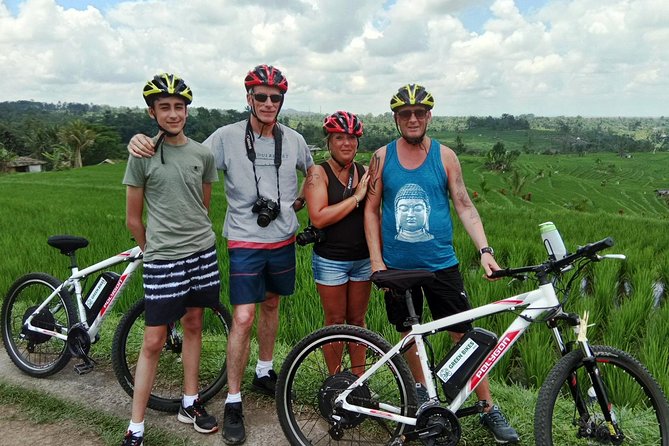
- Batukaru Temple start: you begin in a quieter, less-touristy area and ride into Jatiluwih through working countryside.
- Electric mountain bikes: the e-bike format makes the route manageable, even if you are not a cyclist.
- UNESCO Jatiluwih ride-through: you cycle through the center of the rice-terrace zone in the valley of 4 extinct volcanoes.
- Green Cafe lunch in rice fields: traditional Balinese nasi camour is served with water plus coffee or tea.
- 2 to 2.5 hours trekking off the main paths: you head into rice paths and down toward the river terrain.
- Small group size: capped at 12 people, so it feels organized without feeling like a parade.
Batukaru Temple to Jatiluwih: the e-bike ride you actually look forward to
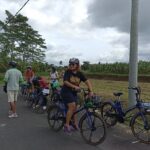
Your day begins at 10:00 am with a pickup option from your area in Ubud, then transport by air-conditioned minivan to the start. From Batukaru Temple, the ride is designed to feel smooth and scenic rather than strenuous. You’ll use electric mountain bikes provided by the operator, and you’ll also get a helmet before you roll out. The result is a ride where you can enjoy the view instead of constantly thinking about your legs.
This matters because Bali’s best scenery is often spread out, and a regular bike can turn into a sweat-fest fast. Here, the e-bike changes the equation. You still get the freedom of cycling—small turns, quiet roads, and stopping when something catches your eye—but you keep enough energy for the next step of the day: trekking.
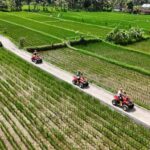
The route heads toward Jatiluwih, and along the way you pass through the kind of scenery that makes you slow down even if you’re trying to keep going. Expect dense jungle sections, a giant bamboo forest, and chances to see small rivers and streams cutting through the green. You’ll also ride through areas where local villages and rice farming meet the road.
One more practical detail I appreciate: the guides are locals, and they’re genuinely able to explain what you’re seeing. On days where you get guides like Agus or Koman, you’ll likely hear helpful context about how the landscape is managed and why certain areas are farmed the way they are. That kind of talk makes the ride feel like more than a transport route.
You can also read our reviews of more tours and experiences in Ubud.

Why Jatiluwih UNESCO rice terraces feel different when you cycle through the middle
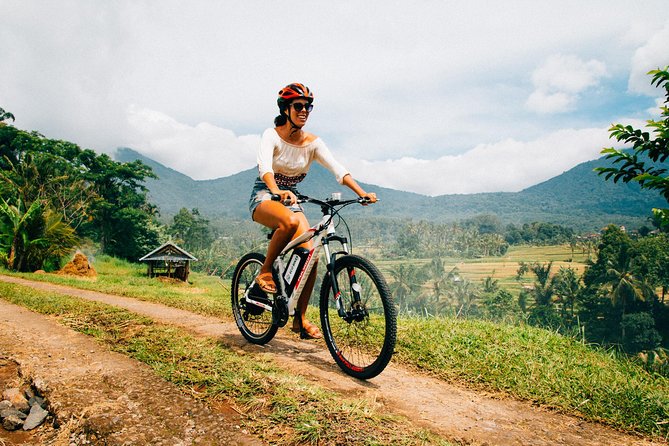
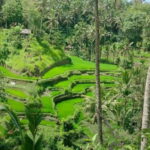
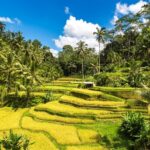
Jatiluwih covers more than 300 hectares of rice terraces and tropical vegetation, and it sits in a valley formed by 4 extinct volcanoes. If you’ve seen rice terraces only from viewpoints, cycling through them changes your sense of scale. You’re not just looking at a pattern—you’re moving through it, level by level.
The tour’s routing is built around going beyond the main roads. You ride through the center of the UNESCO site, so you’re surrounded by rice fields and farming activity rather than standing behind a fence. You’ll pass spots where farmers tend their crops using traditional methods. That’s one of the most satisfying parts of the day for me: you get the feeling that this is not staged scenery. People work here.
The biking also means you experience Jatiluwih in layers. One moment you’re in a greener, shaded stretch with jungle tones; next you’re watching open terraces spread out across slopes and valleys. You’ll see how the terraces step down, and you get a steady sense of depth as you ride forward.
There’s also a psychological benefit: because you’re on a bike with e-assist, you can take in what’s around you instead of focusing entirely on speed. You can ride at a pace that feels right for you. If you’re the kind of person who likes photos, you’ll have chances, but more importantly you’ll have time to just look.
Green Cafe lunch: nasi camour in the rice fields before the walk
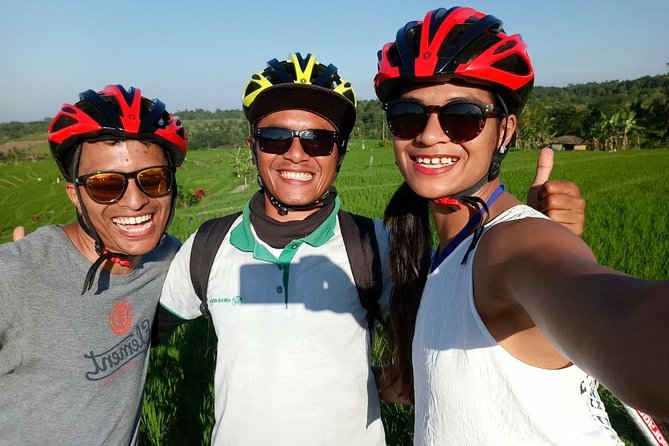
After the cycling portion, you shift gears with lunch at Green Cafe, served in a setting surrounded by rice fields. This is where the day gets comfort-food energy. The meal is traditional Balinese nasi camour, and it includes water plus coffee or tea. Beverages are included overall, and bottled water is part of the package too.
Why this lunch choice works: it’s timed after your first physical effort. You’re not eating when you’re already drained. You also have a proper sit-down moment before trekking, which is smart because the second half of the day is where your feet take over.
Alcohol isn’t included, but you can purchase it on-site. I’d treat that as a choose-your-own-adventure decision. If you want to feel good for the afternoon walk, keep it light or skip it.
Also, since it’s served in the rice-field environment, this lunch is part of the experience, not just a line on the schedule. Sitting there gives you a mental reset and helps you appreciate how the terraces look from a different angle than the one you had on the bike.
The 2–2.5 hour trek: rice paths, river terrain, and fewer tourist moments
After lunch, you’ll go trekking for 2 to 2.5 hours. The point of this part is to get you off the main paths and into areas where you’ll spend more time with the scenery and less time in crowds. You’ll trek through rice fields, and then you’ll go down toward a river and continue through natural terrain that feels less like a built attraction.
The “off the beaten path” idea matters because Jatiluwih can be busy in some areas, especially around popular viewpoints. A quieter trekking route changes the atmosphere. You’re moving through farming areas and natural sections where the day feels more local and less staged.
You’ll follow your local guide, who can explain what you’re walking through. Guides like Agus and Koman are known for making this segment feel unforgettable, and that’s usually because they pay attention to what matters to people on the trail: safe footing, good pacing, and honest context about what you’re seeing.
What to expect from the trekking itself: it’s outdoors, and it continues the “rice terraces meet nature” theme. Even though the e-bike makes the morning easier, the trek still counts as a workout. If you’re deciding whether you’re a good fit, think about whether you’re comfortable walking for a couple hours on uneven ground.
Simple gear advice helps here. Wear comfortable shoes and clothes you can move in. You’ll also want sun protection, because you’re in exposed outdoor areas at times. The tour explicitly advises sunblock, and I agree with that. Don’t treat it as optional if you burn easily.
Getting there and staying comfortable: pickup, minivan, helmets, and small groups
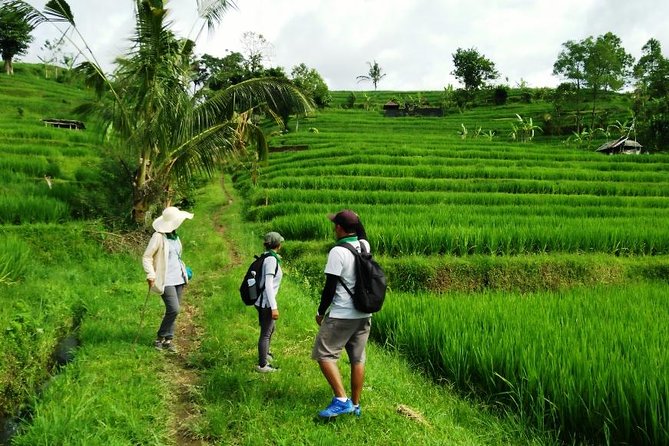
One reason this day runs well is the logistics are built for a calm experience. Pickup and drop-off are included, and you travel by air-conditioned minivan between activity parts. That helps a lot in Ubud, where traffic and distance can turn a “small” tour into a long one if you’re using your own transport.
The group is kept small: the max is 12 travelers. That matters for comfort. You’ll have more room for your pace, and the guide can pay attention without the group splitting into chaos.
You also get practical safety and comfort items:
- Helmet for the e-bike portion
- Bottled water and beverages
- Insurance included
- Use of the e-bike (electric mountain bikes)
One constraint to note: guests should be at least 150 cm tall, because there are no small bikes available. If you’re shorter than that, this exact option may not work for you.
The tour says most people can participate, and that matches the structure: morning cycling with e-assist, then an afternoon hike. Still, be honest about your fitness. If you dislike walking on uneven ground, plan to take it slow on the trek.
Finally, the itinerary is about timing. The start time is 10:00 am, and the whole day is around 7 hours. That length is normal for a combo cycling-and-trekking program, but it’s long enough that you’ll want to show up rested and prepared.


Price and value: what $88 covers (and why it feels fair)
At $88 per person, this tour sits in a mid-range price spot for Bali. What makes it feel reasonable is what’s wrapped into that number. You’re not paying only for a ride or only for lunch. The package includes:
- Hotel pickup and drop-off
- Transport by air-conditioned minivan
- Electric bike use plus helmet
- Local guide
- Lunch (traditional Balinese nasi camour) with water and coffee or tea
- Trekking tour
- Insurance
- Bottled water and beverages
When you price those components separately, the deal starts to look more like a bundled day out than a single activity with add-ons. The lunch location also helps value perception. Eating in a rice-field setting after riding through the terraces is part of the point of the day, not filler.
One practical note on spending: alcoholic drinks aren’t included, and they can be purchased. If you budget for that up front, you won’t get surprised at the end.
In short, the price makes sense if you want a full-day experience: UNESCO cycling + a guided hike + a real lunch.
Who should book: the best fit for Bali’s e-bike + rice terrace trek day
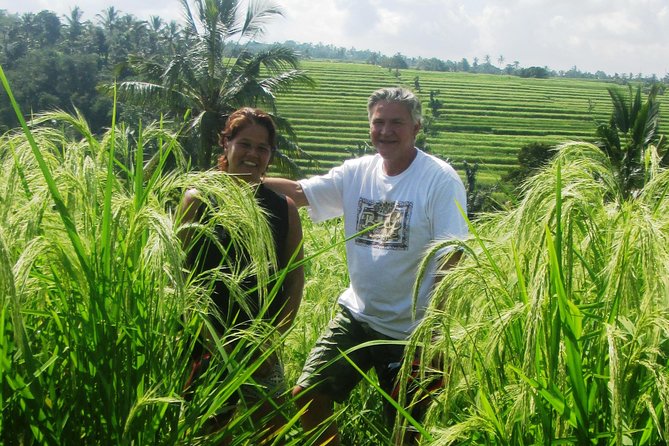
This is a strong choice if you want to see Jatiluwih in a way that feels active but not extreme. The e-bike format makes it easier to experience long scenic stretches without having to be a hard-core cyclist.
It also suits you if you like learning while you move. Local guides can turn the day into a story: rice farming, village life, and what makes Jatiluwih’s valley feel the way it does.
This is less ideal if:
- you cannot or don’t want to walk for 2 to 2.5 hours outdoors, or
- you need a bike smaller than the tour’s 150 cm minimum.
If you’re traveling as a couple, solo, or with a friend, the small group size keeps it friendly. If you’re a family member traveling with someone who loves nature but struggles with long effort, the e-bike can help you keep everyone together better than a standard cycling tour.
Should you book this Jatiluwih full-day e-bike and trekking tour?
If you’re deciding between doing Jatiluwih quickly versus experiencing it as a full day, this leans toward the second option—in a good way. I’d book it if you want cycling through UNESCO terraces and then a real trek that gets you to quieter terrain by the river.
Do it especially if you like practical comfort: lunch included, bottled water included, helmets provided, and a route that doesn’t require advanced cycling fitness. The highlights—e-bike ease, the rice-terrace experience from close range, and the afternoon trek when things feel calmer—are exactly the kind of day that sticks.
I’d skip it only if you know you’re not up for a couple hours of hiking after already spending the morning riding.
If you want, tell me your travel dates and fitness level (and whether you prefer cycling or hiking). I can help you decide if the schedule fits your pace and priorities.
FAQ
What time does the tour start?
The start time is 10:00 am.
How long is the full-day experience?
It’s about 7 hours.
Is pickup offered in Ubud?
Yes. Hotel pickup and drop-off are included.
What’s included in lunch?
Lunch is traditional Balinese nasi camour, including water and coffee or tea.
Do I need my own bike or helmet?
No. The tour provides electric bikes and helmets.
Is there a minimum height requirement?
Yes. Guests should be at least 150 cm tall because no small bikes are available.
Can I cancel for free if plans change?
Yes. Free cancellation is available, and you can cancel up to 24 hours in advance for a full refund.