Volcano views meet temple rituals in one day. This Kintamani Lake & Volcano Tour packs Bali’s classic mix of culture and scenery into one long but well-paced day, from a Barong dance performance through Ubud-area craft stops to the Mount Batur and Lake Batur viewpoints.
I love the two-part culture focus: the Barong Dance in Batubulan and the carved stone atmosphere of Goa Gajah before you head to the highlands. I also like that you’re traveling as a small group (up to 15) in an air-conditioned minivan with an English-speaking licensed guide.
One thing to plan around: weather. If clouds or mist roll in, you may get a softer Mount Batur view than you hoped, and the day includes multiple craft/shop stops where buying is optional—but some visitors feel the push.
In This Review
- Key highlights worth your attention
- A circuit that strings Bali’s biggest hits together
- Morning logistics: what the pickup really means
- Barong Dance at Uma Dewi: myth, masks, and a guide who explains the why
- Mas carving workshops: watching craftsmen at work
- Goa Gajah (Elephant Cave): stone carvings with temple-ground atmosphere
- Kintamani highlands: Lake Batur plus Mount Batur views (clouds included)
- Holy Springs: healing stories, not a miracle guarantee
- Celuk Village: gold and silver craft in Ubud’s orbit
- Guides make or break this kind of day
- Price and value: what $67.95 buys you
- Shopping stops: how to stay in control of your day
- Weather and visibility: the volcano is the gamble
- Who should book this tour (and who should reconsider)
- Should you book the Kintamani Lake & Volcano Tour?
- FAQ
- How long is the Kintamani Lake & Volcano Tour?
- Is hotel pickup and drop-off included?
- What are the main stops on the tour?
- Is lunch included?
- Are admissions included?
- How big is the group?
- What’s the cancellation policy?
- Will I definitely see Mount Batur clearly?
Key highlights worth your attention
- Barong Dance at Uma Dewi (Batubulan): a full ritual-style performance with myth-based drama
- Mas woodcarving center: watch carvers work on intricate blocks (not just a showroom)
- Goa Gajah (Elephant Cave): 11th-century carved entrance and temple grounds
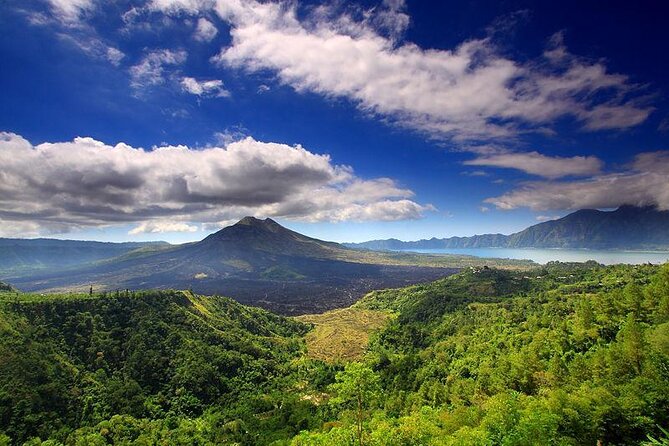
- Kintamani highlands viewpoints: Lake Batur + Mount Batur views, plus lunch with scenery
- Celuk gold and silver village: Bali’s metal-craft hub on the Ubud side
- Holy Springs stop: a final story-driven cultural stop on the return ride
A circuit that strings Bali’s biggest hits together
This tour is for people who want a lot of Bali in one day—without having to plan the route, coordinate transport, or negotiate with drivers. The route leans heavily into two themes: performance and craftsmanship, then ends with the highland scenery people actually come for.
The start is calm and cultural: a drive through the Batubulan area for the Barong Dance. Then you move into workshop territory (Mas) and a sacred stone site (Goa Gajah). After that, it’s into cooler mountain air for the Kintamani highlands and the Mount Batur / Lake Batur region. Finally you swing back through Ubud’s craft economy with Celuk, where gold and silver work is the main event.
The “value” here is the logistics. You get hotel pickup and drop-off across many south Bali areas (Kuta, Seminyak, Sanur, Jimbaran, and Nusa Dua). You also get a licensed English guide, which matters on days when carvings, ceremonies, and symbolism are the point—not just photos.
You can also read our reviews of more tours and experiences in Ubud.

Morning logistics: what the pickup really means
You’ll depart around 8:30 am from your hotel area in a comfortable air-conditioned minivan. That early start is key because the route is long and roads in Bali can be slow. Plan to be ready a bit early. This isn’t the kind of day where you can casually stroll out at 9:05 and hope the schedule still works.
The tour is structured as a group outing (max 15). That has two practical benefits:
- It’s big enough to keep costs reasonable.
- It’s small enough that your guide can still answer questions and help with photos.
One review detail to take seriously: pickup can sometimes involve an extra charge depending on where you’re staying. If you’re in a less-covered area, I’d confirm upfront whether your hotel is in the standard pickup zone and what happens if it’s not.
Barong Dance at Uma Dewi: myth, masks, and a guide who explains the why
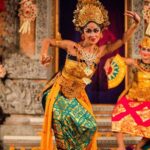
The first major stop is the Barong Dance performance at Uma Dewi in the Batubulan area. This isn’t just a random stage show. It’s rooted in Balinese ritual storytelling—the classic eternal struggle between good and evil, with a dramatic ending that keeps attention even if you don’t know the myth beforehand.
What makes this stop work (even for first-timers) is the way the guide frames what you’re seeing. A good guide makes the dance feel like meaning, not just movement. One standout theme from guide feedback: people liked guides such as Guside, Anto, and Radi for being friendly, present for photos, and quick to explain cultural context.
Practical tips for the dance:
- Wear something comfortable; you’ll sit and stand depending on the show setup.
- Bring a light layer if you’re sensitive to air-conditioned comfort breaks or cooler morning shade.
- If you’re hoping to capture good photos, aim to position yourself early and don’t wait until the “exciting parts.” Those moments move fast.
Timing note: the dance stop runs about an hour with admission included.
Mas carving workshops: watching craftsmen at work
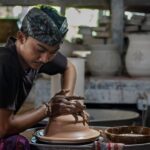
After Batubulan, the tour goes to Mas, the woodcarving village. Here, you’re not only meant to look. You watch artisans chip and shape wooden blocks into detailed designs.
This is one of my favorite kinds of tour stops because it’s closer to the craft process than the final product. If you like understanding how things are made—rather than just browsing souvenirs—Mas fits the bill. And if you’re not interested in buying anything, you can still enjoy it as a live demonstration of skill and patience.
The practical downside: it can blur into the “shopping zone” depending on how your day flows. The best mindset is to treat it like a workshop visit, not a sales appointment. You can watch, ask questions, and decide later if anything is worth the price.
This stop also runs about an hour, with admission included.
Goa Gajah (Elephant Cave): stone carvings with temple-ground atmosphere
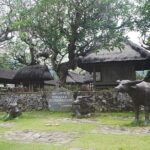
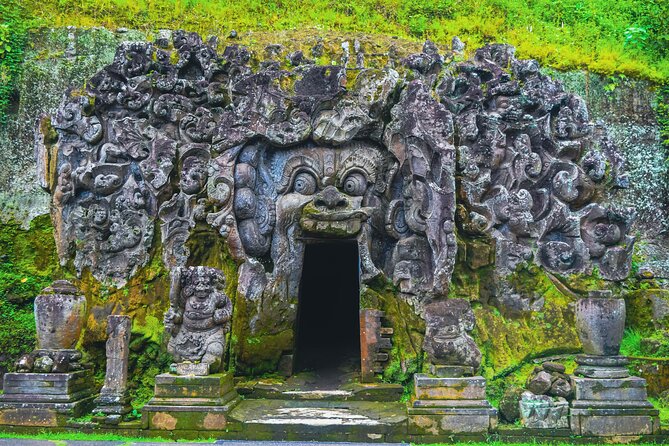
Next comes Goa Gajah, the Elephant Cave. It dates back to the 11th century and features a dramatic carved entrance set into rock, plus temple grounds you walk through once you’re inside.
The carvings are the star: entangled leaf patterns, wave-like motifs, animals, and local spirit imagery. Even if you’re not a history buff, the setting helps. You’re in a sacred space with stone details that feel made for slow looking.
What you should expect:
- A short walk through temple grounds.
- Time to view the carvings at your own pace.
- A guide who can point out symbolism so it doesn’t feel like random decoration.
This stop runs about an hour and is another one with admission included.
If you’re the type who wants only “big name” sights, Goa Gajah might feel more contemplative than flash. But that’s exactly why it works in a day like this: it gives your brain a break before the highlands.

Kintamani highlands: Lake Batur plus Mount Batur views (clouds included)
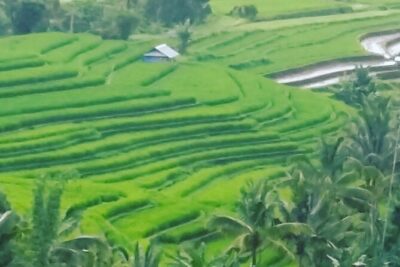
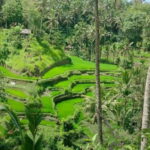
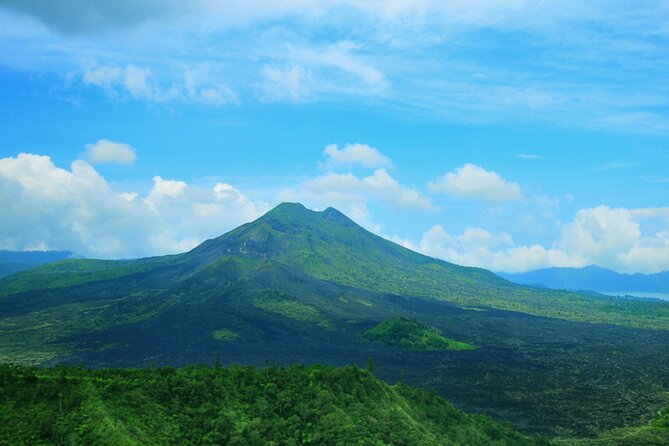
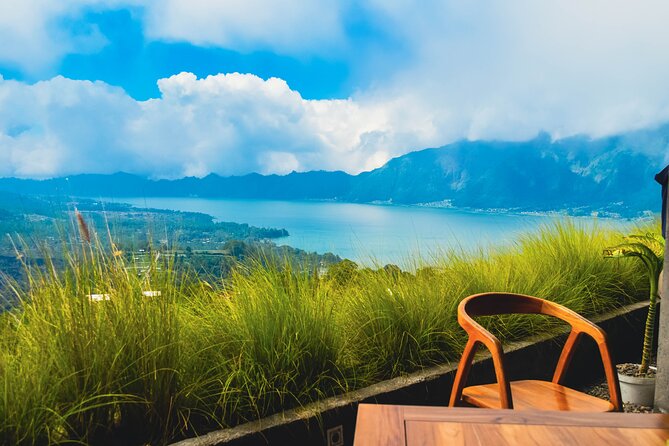
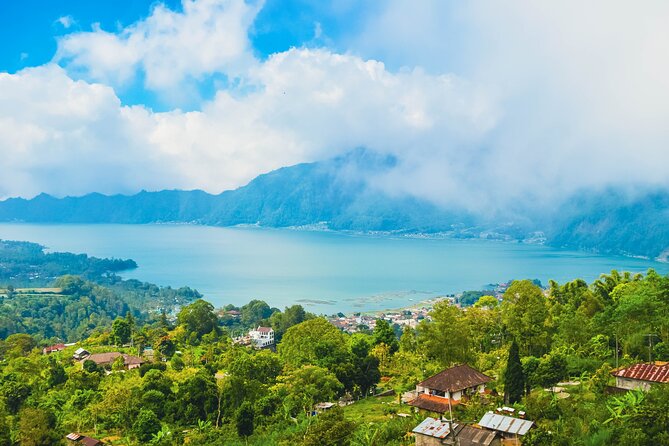
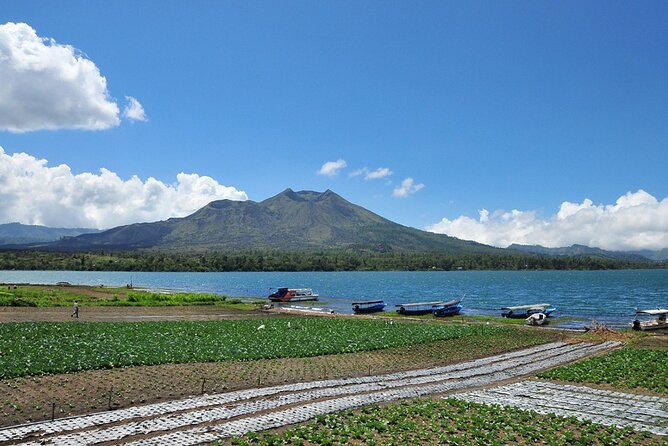
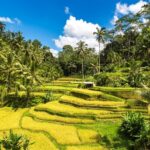
Now for the main reason most people sign up: the Kintamani highland region, with Mount Batur and Lake Batur. You’ll be driven to a viewpoint where you can see the volcano’s slopes and the lake below.
Here’s the reality check: the view depends on the weather. One of the most common frustrations from past visitors is mist and cloud swallowing the mountain. If you show up on a clear day, you’ll understand why this is such a famous route. If not, the scenery can still be beautiful, but it may feel less dramatic than the postcards.
On the tour, you’ll also stop for lunch in a restaurant with mountain views. Lunch is at your own expense, and I recommend setting a budget for it. Some visitors flagged that the lunch buffet can be pricey. Also, one caution from reviews: the lunch stop may not take card reliably due to signal issues, so bring cash if you can.
In other words, this stop gives you two things:
- A strong chance at one of Bali’s most iconic scenic panoramas.
- A lunch break where you’re not stuck eating in a random strip-mall vibe.
Plan for it to be the emotional peak—then the day cools down into the return ride.
Holy Springs: healing stories, not a miracle guarantee
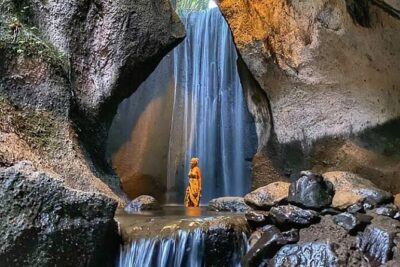
On the way back, there’s a stop at the Holy Springs. This part is less about physical action and more about the story: the waters are reputed to have therapeutic and healing properties.
I’d treat this stop as a cultural moment. Listen to the guide’s explanation, walk around if the site allows, and then keep your eyes on what matters for you. If you came for volcano views and dances, this is a bonus. If you love spiritual themes, it’s a nice bridge back into Ubud’s spiritual side.
Celuk Village: gold and silver craft in Ubud’s orbit
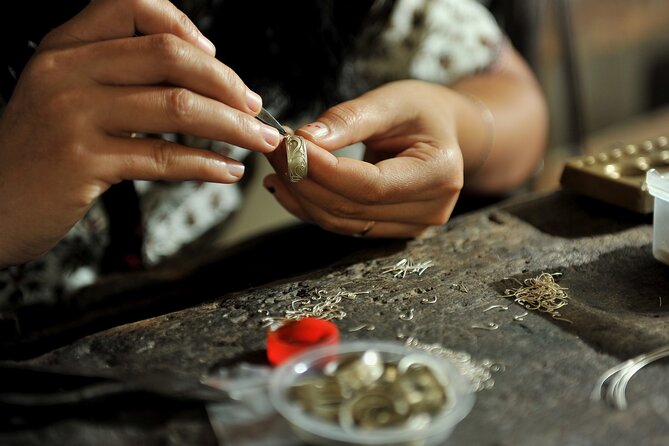
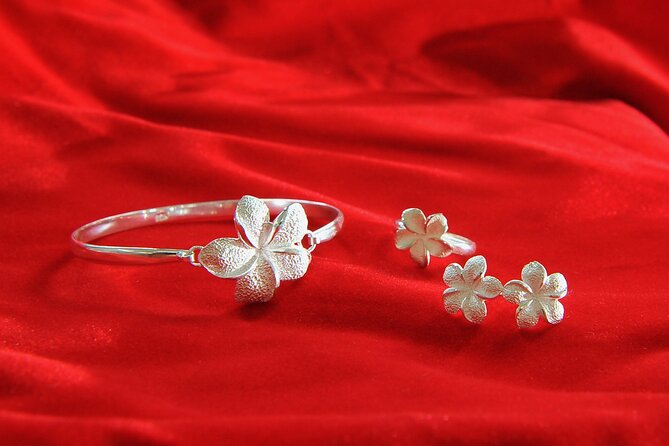
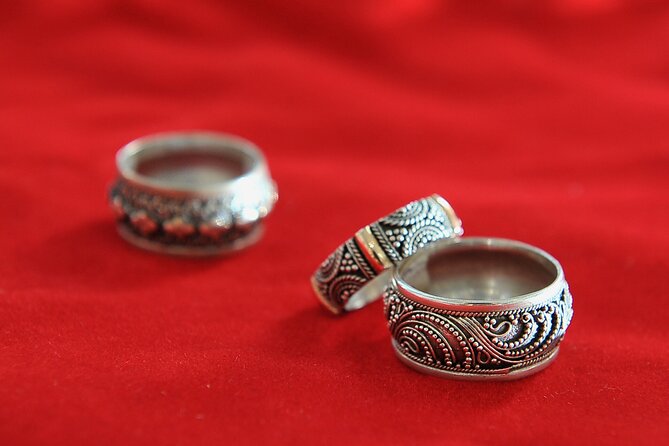
After the highlands, the tour heads into the Ubud area’s craft economy, specifically Celuk Village, known for gold and silver making. This is the place where you’ll see metalwork culture on display—more industrial than Bali’s wood and temple carving scene.
What I like about this stop is that it gives the day a clear “craft finale.” After watching dance symbolism and wood carving process, you get a different material language: metal shaping and finishing.
Again, this stop can involve sales pressure. If shopping isn’t your thing, you can still enjoy watching how artisans work and focus on photos and questions. Just don’t let the day turn into a guilt-driven spending contest. (It’s okay to admire and walk away.)
This stop runs about an hour and is included with admission.
Guides make or break this kind of day
Because the tour covers so much ground, the guide really sets the tone. The best days feel like you’re traveling with a person who knows the stories behind each stop and can translate what you’re seeing into something meaningful.
Past participants praised guides for being:
- Fun and friendly
- Ready to help with photos
- Well prepared with island context
Names that popped up in positive feedback include Guside, Anto, and Radi. Even if you don’t get the same guide, use that as a guide signal for what “good” looks like: present, explanatory, and easy to talk to.
If your guide is more low-key, you can still get value by asking one simple question at each stop: What is the key thing I should notice right now?
Price and value: what $67.95 buys you
At $67.95 per person, this tour is priced in the “good deal if it fits your goals” range. Here’s why the price can feel fair:
- You get hotel pickup and drop-off across major south Bali areas.
- You get an English-speaking licensed guide.
- Admission is included for the major paid-entry stops (dance, Mas, Goa Gajah, and Celuk).
- The route includes multiple distinct experiences in one day: performance, crafts, a sacred carved cave site, and major scenic viewpoints.
So when does it stop feeling like a deal? When your spending habits get pulled into the workshop/shop rhythm. If you buy at every stop, you can easily overspend what you saved on the ticket. Also, lunch is extra, and if your group spends more on shopping add-ons than planned, the “value math” changes fast.
My advice: treat the tour ticket as covering transport + curated time. Then decide separately how much you want to spend on items.
Shopping stops: how to stay in control of your day
This is the biggest “watch out” theme in feedback. Multiple stops can feel like they blur into shopping factories: woodcarving, batik-style extras, jewelry, paintings, and more.
You can handle this in two ways:
- Set a spending rule before you arrive. For example: you only buy if you find something you absolutely love.
- Use the “admire, then step back” strategy. You can look, ask about materials, and walk away when the conversation turns sales-heavy.
If you really dislike shopping-oriented stops, a private driver could fit better. But if you’re okay with browsing and keeping your wallet closed until you’re confident, you’ll likely enjoy the overall day.
Weather and visibility: the volcano is the gamble
The Mount Batur view is the headline, but it’s not guaranteed in every way. Clouds and mist can reduce visibility. That can be disappointing if your expectations are based on clear-day photos.
So, go in with a flexible expectation:
- Even if the volcano is softened by weather, the lake and highland atmosphere still create a solid scenic break.
- If the mountain is visible sharply, it’ll feel like the payoff you hoped for.
Also, bring your patience. This day moves. You’re trading long wandering time for a packed day of variety.
Who should book this tour (and who should reconsider)
Book this tour if you want:
- A one-day sampler of Bali’s culture plus highland scenery
- A guided route that reduces driving stress
- A small-group experience (max 15) rather than a huge bus crush
- The Barong Dance as your first major performance in Bali
Consider a different plan if you:
- Hate shopping stops or feel easily pressured
- Want only the volcano viewpoint and not multiple workshop/cultural stops
- Are traveling with very tight timing and dislike long days (this is about 8 hours)
Should you book the Kintamani Lake & Volcano Tour?
Yes, if your goal is a balanced day: dance + carvings + volcano-lake views with pickup handled for you. The guide support and the variety are the real strengths, especially if you pick up tips from a friendly guide like Guside, Anto, or Radi.
I’d book with eyes open about two issues: weather visibility and the shopping-heavy flow. If you bring cash for lunch, keep your shopping expectations realistic, and accept that the mountain may hide behind clouds, you’ll likely feel you got your money’s worth.
If you want a more relaxed day with fewer sales stops, compare it to a private driver. But if you’re after a guided, classic Bali route in one shot, this one earns its place.
FAQ
How long is the Kintamani Lake & Volcano Tour?
It runs about 8 hours.
Is hotel pickup and drop-off included?
Pickup and drop-off are included for many south Bali areas (Kuta, Seminyak, Sanur, Jimbaran, and Nusa Dua). Your exact pickup terms depend on where you’re staying.
What are the main stops on the tour?
You’ll see the Barong Dance performance, Mas woodcarving area, Goa Gajah (Elephant Cave), the Kintamani highlands viewpoint for Mount Batur and Lake Batur, Celuk gold and silver village, plus a Holy Springs stop on the return.
Is lunch included?
No. Lunch is at your own expense at a restaurant with views.
Are admissions included?
Yes. Admission is included for the Barong Dance, Mas, Goa Gajah, Kintamani viewpoint area stop, and Celuk.
How big is the group?
The tour has a maximum of 15 travelers.
What’s the cancellation policy?
You can cancel for free up to 24 hours before the experience starts for a full refund.
Will I definitely see Mount Batur clearly?
You’ll get the viewpoint experience, but visibility can be affected by clouds or mist.