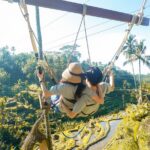
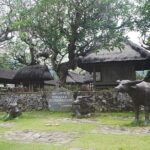
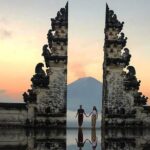
Cliff temples and volcano views in one day. This Kintamani Volcano Tour strings together historic temples and big Lake and Mount Batur scenery, with time in the rice terrace world that surrounds Ubud. I like how the day mixes spirituality (Gunung Kawi and Tirta Empul) with real photo-worthy countryside, instead of just rushing from viewpoint to viewpoint.
I also like the way the tour is set up for an easy, low-stress day: pickup, an air-conditioned vehicle, bottled water, temple support with a sarong, and tickets handled for you. One possible drawback is that lunch isn’t included, so you’ll want a plan for food to avoid getting cranky mid-day.
In This Review
- Key things to know before you go
- Why this Ubud-to-Kintamani route feels like a reset
- Pickup, comfort, and how to not lose the day to logistics
- Market stop: the quick way to understand local daily life
- Gunung Kawi: cliff carvings and rice terraces up close
- Tirta Empul: the holy spring and the Melukat purification moment
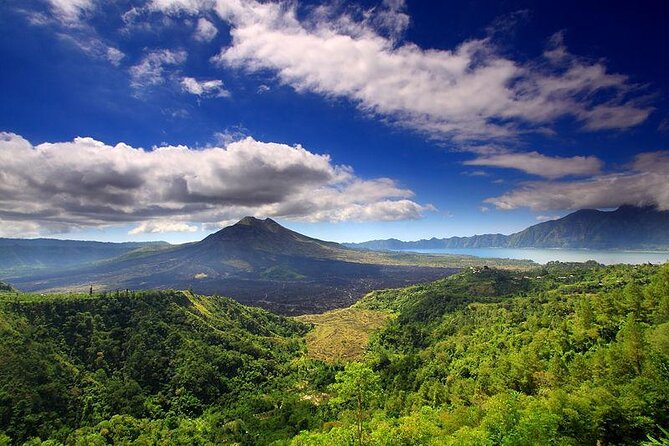
- Kintamani highlands and the pull of Mount Batur views
- Tegalalang rice terraces: subak irrigation in action
- A note on extra stops: coffee plantation moments
- Price and value: what you’re really paying for
- Temple manners and timing tips that keep the day smooth
- Who this tour suits best
- Should you book the Kintamani Volcano Tour?
- FAQ
- What time does the tour start?
- How long is the Kintamani Volcano Tour?
- What’s included in the price?
- Is lunch included?
- Is this tour private or shared?
- Can I cancel and get a full refund?
Key things to know before you go
- Cliff carvings at Gunung Kawi: you’ll see ancient rockwork in a rice-terrace setting.
- Tirta Empul’s holy spring: the courtyard spring is used for the Hindu Melukat purification bath scene.
- North Bali viewpoints around Batur: you’ll spend time in the Kintamani highlands for Lake and Mount Batur views.
- Tegalalang rice terraces: famous paddies tied to the traditional subak irrigation system.
- Temple-ready with a sarong: it’s provided for temple visits.
- A driver matters: guides named Dewa and Kadek came through in reviews with clean cars, good timing, and clear explanations.
Why this Ubud-to-Kintamani route feels like a reset
Ubud is great, but after a few days you may crave something less boutique and more “Bali beyond the center.” This tour pushes north into the heart of Bali’s temple belt and highland scenery, so the day feels like a true change of pace.
What I like here is the balance. You get spiritual stops that make you slow down, then you get open views where you can just look out at the volcano and lake. That mix tends to land well for people who want culture and nature in the same package.
You can also read our reviews of more tours and experiences in Ubud.

Pickup, comfort, and how to not lose the day to logistics
The tour starts at 9:00 am, and it runs about 9 hours. That long block matters because Bali traffic can be unpredictable, especially when you’re moving between Ubud, Gianyar, and the Kintamani region.
Good news: you’re not driving yourself. You’ll have an air-conditioned vehicle, private transportation, and bottled water. If you’re the kind of person who hates figuring out transport between multiple sites, this setup is the point. Reviews also highlight that cars were very clean, and drivers like Dewa and Kadek arrived on time and drove safely.
One more small win: a mobile ticket is used. It may sound minor, but it reduces the amount of back-and-forth you deal with on the ground.
Market stop: the quick way to understand local daily life
Before the temples, the tour includes a visit to a traditional produce market that serves local villages. This isn’t an extra detour meant for shopping. It’s there to give you a grounded sense of what people do every day, right before you move into the more ceremonial sides of Bali.
If you’ve mostly seen markets as tourist stops, this one can feel different. You’re getting a real working rhythm, and it helps the later temple visits make more sense, because you’re seeing the everyday life that temples support.
Gunung Kawi: cliff carvings and rice terraces up close
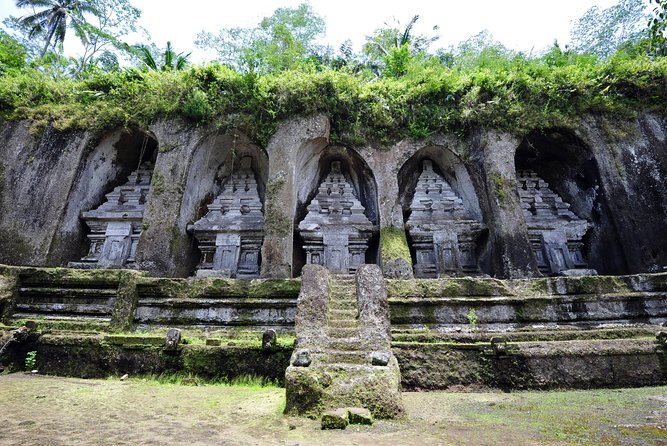
Gunung Kawi is the first big temple stop, and it’s an easy one to remember. You’ll see large old carvings carved into cliffs, and the setting is in beautiful rice terraces. The site is built in the late 11th century, which gives it that rare “this has been here for a long time” feeling.
In practice, this stop works because it offers variety in one frame. You get rockwork details on the cliff face, but you also get surrounding green terraces. It’s not just one flat “photo wall,” so you can take your time without feeling like you’ve seen everything in five minutes.
The drawback to keep in mind is simple: you may be moving around a bit at a temple site that’s built into the landscape. Wear something comfortable for walking and be ready for uneven surfaces.
Tirta Empul: the holy spring and the Melukat purification moment
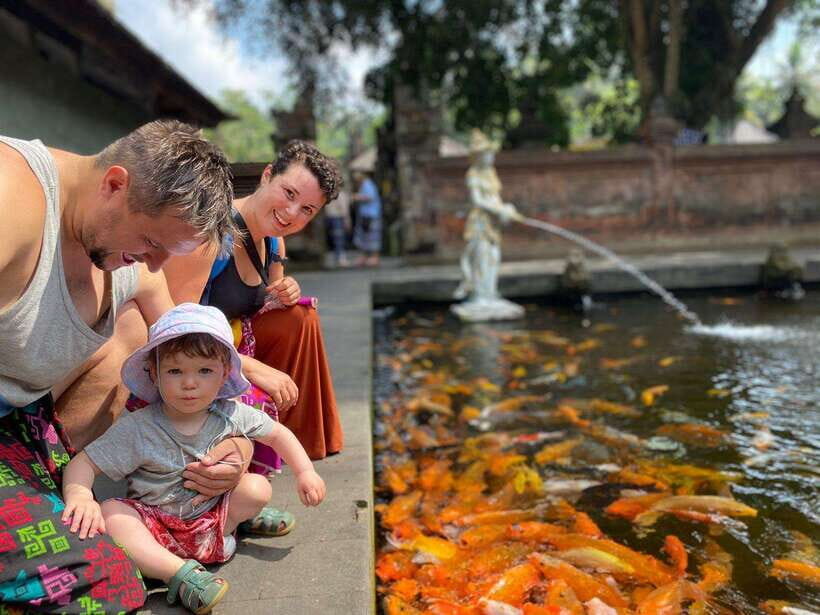
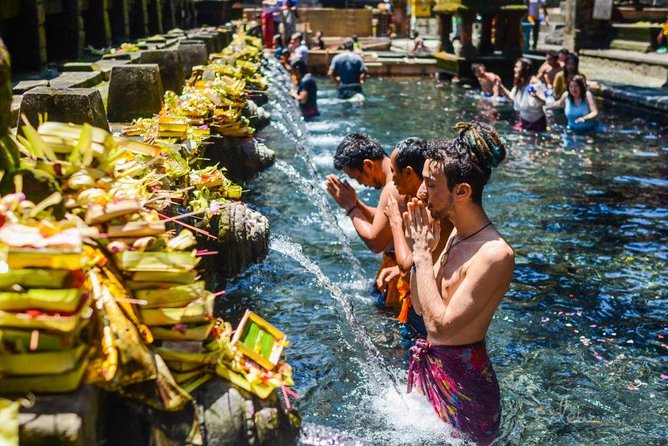
Next comes Tirta Empul Temple, centered on a sacred spring at Tampak Siring. The holy water bubbles up in the inner courtyard, and it’s believed to have magic curative power. Even if you don’t treat that belief literally, the setting makes it feel meaningful, not staged.
You’ll also have the chance to watch the Hindu Melukat procession, the purifying bath ceremony. This part is powerful because it’s not just architecture; it’s people practicing faith in a space that’s meant for it. You’ll likely notice different roles and routines as the ceremony moves along.
Two practical notes for this stop:
- Dress matters. The tour provides a sarong for temple visits, which makes it much easier than scrambling for one last minute.
- Be respectful with photos. This is a worship moment. Keep your distance when needed and follow any instructions from staff.
If your group is sensitive to crowds or constant movement, you may appreciate that this tour route can feel calmer in some spots. One review specifically said temples were very few people around, which can make a big difference at places like Tirta Empul.


Kintamani highlands and the pull of Mount Batur views
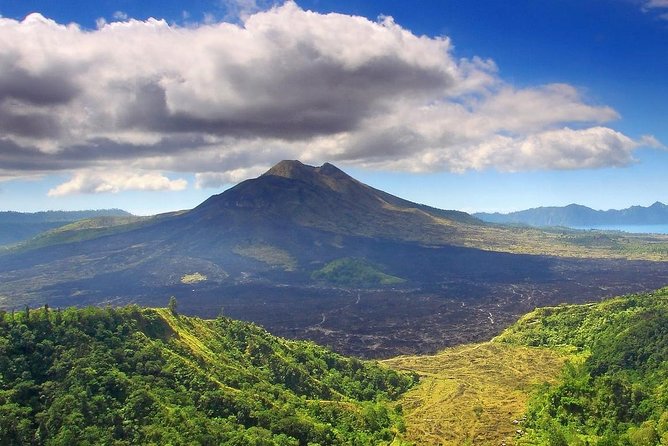
After the temples, the tour heads north into the Kintamani highlands, an area around the Mount Batur caldera. You’ll likely stop in viewpoints such as the wider Penelokan/Toya Bungkah/Batur/Kedisan zone, because those areas are commonly used to access the best looking directions toward the volcano and lake.
This is where the day turns “wow.” The views around Lake and Mount Batur give you a sense of scale that temples alone can’t provide. It also helps that the tour gives you time to actually look, not just a 30-second pull-over and back in the car.
One thing I’d plan for: weather and visibility. Bali can be clear one moment and hazy the next, especially in the highlands. If you’re chasing a crisp volcano view, being present at the best-looking window in the route is key.
Tegalalang rice terraces: subak irrigation in action
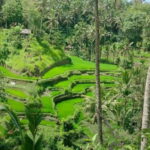
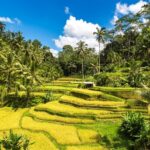
Then you get the famous Tegalalang Rice Terrace section of Ubud. This is known for the sight of rice paddies shaped by the subak irrigation system, a traditional Balinese cooperative method that’s part of how farmers manage water and grow rice.
What’s useful for you as a visitor is this: rice terraces are often shown like a postcard. Here, the context you get about how irrigation works can make you look at the terraces differently. Instead of just “pretty green steps,” you start thinking about how water management built the whole view.
The main practical consideration is also obvious: it can be slippery or muddy after rain, and viewpoints may involve uneven ground. Sturdy sandals or shoes help, and keep an eye on where you step, especially if you’re trying to get photos.
A note on extra stops: coffee plantation moments
One review mentioned a coffee plantation stop where the driver explained more about local life, and another review praised guide support from Dewa (with an on-time arrival and a clean car). This matters because some drivers do add small educational stops if time and route allow.
Don’t count on it as guaranteed, since it isn’t spelled out as a fixed item in the core plan you’re given. But if your driver suggests a short coffee add-on, it can be a nice way to connect the day’s culture to what people do on the ground.
If you want to keep the day tight, simply say what you prefer. Your guide can’t read your mind, and this is one area where a quick clarification saves time.
Price and value: what you’re really paying for
The price is $52.62 per person for an approximately 9-hour day. That sounds reasonable on paper, but the real value comes from what’s included.
You get:
- Pickup offered and private transportation in an air-conditioned vehicle
- Bottled water
- All fees and taxes
- Admission tickets included for the temple stops
- A sarong for temple visits
You don’t get lunch, plus personal expenses. That’s typical for Bali day trips, and it’s the one clear “budget gap” you’ll want to handle.
Here’s how I’d judge value if you’re deciding: if you were to arrange transport plus paid entry across multiple sites on your own, you’d spend time coordinating, and you’d risk paying more in the form of missed entrances or last-minute fixes. This tour reduces that friction by bundling transport and admissions. For a one-day swing from Ubud into north Bali, that’s often worth it.
Temple manners and timing tips that keep the day smooth
You don’t need to be an expert on Balinese rituals to have a great time. But a little preparation helps your day feel respectful and easy.
Dress and basics:
- The tour provides a sarong, but wear clothing you’re comfortable walking in.
- Bring sunscreen and a hat if the sun hits during the highland viewing breaks.
- Comfortable shoes matter most at places like Gunung Kawi and Tegalalang, where footing isn’t always flat.
Timing:
- You start at 9:00 am, so plan to be ready before pickup time.
- Since this is a full day, bring a small snack or plan where you’ll eat since lunch isn’t included.
Behavior:
- At Tirta Empul during purification and procession moments, keep a respectful distance and avoid blocking paths. Treat it like you would a live ceremony anywhere—quiet, patient, and aware.
If you do those things, the tour’s structure works in your favor: you get a steady flow of sites, instead of the chaos that sometimes comes with independent travel.
Who this tour suits best
This is a strong fit if you want:
- Multiple major sights in one day without transportation headaches
- A mix of temples and scenery, not just one or the other
- A guided day where admissions and fees are handled
It may be less ideal if you hate long days. With around 9 hours on the schedule, you’ll be on the move, even though you’ll have comfort in the car.
It also suits first-timers to Bali who want a structured taste of north Bali. And it works well for couples, friends, or families who prefer a private group experience where you can stay together and move at the pace your guide sets.
Should you book the Kintamani Volcano Tour?
If your goal is a single-day Ubud escape that covers cliff temples, Tirta Empul purification, and Kintamani’s Lake and Mount Batur views, I think this is a smart buy. The inclusion list is the real reason: admissions, all fees, sarong support, and air-conditioned private transportation turn a complicated route into a straightforward plan.
I’d book if you’re excited by the idea of seeing temple rituals up close and then switching gears to big highland views. I’d hesitate only if you strongly rely on having lunch taken care of, because you’ll need to manage that gap yourself.
FAQ
What time does the tour start?
The tour start time is listed as 9:00 am.
How long is the Kintamani Volcano Tour?
The duration is approximately 9 hours.
What’s included in the price?
It includes bottled water, an air-conditioned vehicle, private transportation, all fees and taxes, admission tickets for the stops, and a sarong for the temple visit.
Is lunch included?
No, lunch is not included.
Is this tour private or shared?
It’s described as private, meaning only your group participates.
Can I cancel and get a full refund?
Yes. Free cancellation is offered, and you can cancel up to 24 hours in advance for a full refund.
If you tell me your travel dates and whether you prefer a longer viewpoint time or a tighter schedule, I can suggest how to handle lunch and what to prioritize during the Kintamani and Tegalalang stops.