Sasak villages and beaches in one tight loop. I love the hands-on feel of watching pottery and hand-weaving made in people’s homes, and I love how the day ends with big southern-coast views from Merese Hill at Tanjung Ann. The main drawback to plan around is sun and walking time: even with stops and guides, you’ll be outdoors a lot.
Because this is a private-group tour with hotel pickup, you get an air-conditioned car and a licensed English-speaking guide to keep things organized. You’ll also get practical extras like cold towels in the car, fresh fruit, and mineral water, so you’re not spending the day scrambling. If your schedule is extremely tight or you hate beach crowds or litter (some beach areas can be messy), you’ll want to set expectations early.
In This Review
- Key things to know before you go
- Why this Lombok day tour works: villages, beaches, and a sunset viewpoint
- Pickup, private AC car, and why the logistics matter
- Banyumulek Pottery Village: watching clay become everyday art
- Sukarara Hand-Weaving Village: sarongs, blankets, and a tradition tied to family life
- Ende Traditional Village: understanding Lombok tribe homes and daily culture
- Tanjung Aan’s sand time: a beach stop that’s about cooling off
- Kuta Mandalika Beach lunch: where you eat and then linger
- Merese Hill at Tanjung Ann: the southern-coast payoff
- The guide and driver: what “good service” looks like on this kind of day
- Price and value: does $70 for 8 hours make sense?
- What to pack and how to pace yourself in Lombok sun
- Who this tour is for (and who should skip it)
- Should you book this Lombok tour?
- FAQ
- FAQ
- How long is the Lombok Sasak Traditional Villages and Beaches Tour?
- Where does the tour pickup start?
- What villages does the tour visit?
- Which beaches are included?
- Is lunch included?
- Does the tour include hotel pickup and drop-off?
- What transportation is provided?
- Is there an English-speaking guide?
- What’s included besides entrance fees?
- Is it wheelchair accessible?
- What should I bring for this day?
Key things to know before you go
- Banyumulek pottery village on real household streets: you see work happening where people actually live
- Sukarara weaving traditions: cloth, blankets, and sarongs made the slow, skilled way
- Ende traditional village: Lombok tribe homes and everyday cultural context
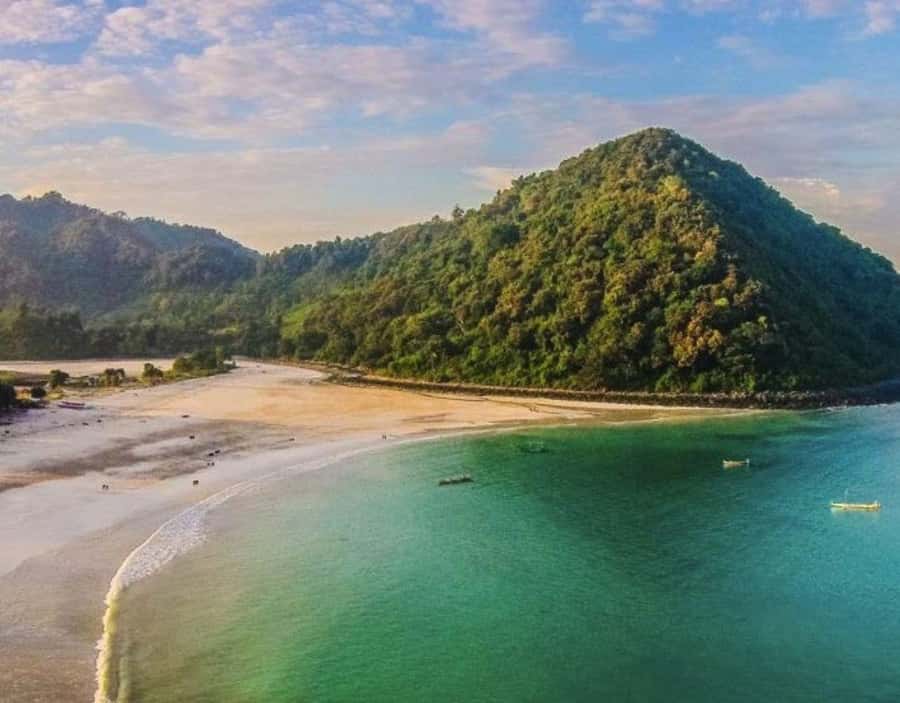
- Two beach stops: Tanjung Aan for sand time and Kuta Mandalika for lunch plus a stroll
- Merese Hill at Tanjung Ann for the best payoff: southern Lombok views aimed at sunset
- Included comfort touches: cold towels, fresh fruit, water, private driver, and entrances/donations
Why this Lombok day tour works: villages, beaches, and a sunset viewpoint
This tour is built like a good day in Lombok: start with culture you can actually see being made, add beach time where you can cool off, then finish with a view that makes the whole day feel worth it. The rhythm matters. Instead of jumping between random viewpoints, you get a clear cultural arc across the Sasak villages of Banyumulek, Sukarara, and Ende, and then the day shifts to coastline at Tanjung Aan and Kuta Mandalika, capped by the big panoramic sweep from Merese Hill.
For many travelers, the “culture” part can feel like a museum visit. Here it’s different because you’re watching artisans work inside the flow of daily life. That’s the real value: you’re not just looking at finished products. You’re seeing the making process and hearing local context from your guide.
The other big benefit is logistics. With hotel pickup from West Lombok Regency and private transport, you lose less time to finding your way around. You’re also not worrying about where to park, how to order transport, or how to manage entrances. All of that is handled.
You can also read our reviews of more tours and experiences in Lombok.



Pickup, private AC car, and why the logistics matter
Your day starts with pickup from your hotel in West Lombok Regency. You ride in a private AC car with a professional driver, and your licensed English-speaking guide keeps the schedule moving while still giving you time to look and ask questions.
Those details sound small, but in Lombok’s heat they matter. When you’re moving between villages and beaches, being able to cool down in the car, drink mineral water, and get a cold towel is the difference between enjoying the day and feeling fried. The tour also includes fresh fruit served during the drive, which is a nice buffer if you’re not eating much before lunch.
One practical note: this is listed as an 8-hour experience. That’s long enough to feel like a full day, but short enough that you should plan to keep your pace steady. Wear shoes you can walk in for real, not just “standing around” shoes.
Banyumulek Pottery Village: watching clay become everyday art
Banyumulek is a pottery center, and the point of the stop is simple: you see how the local potters make pottery in household settings. You don’t just admire objects behind a counter. You walk through the village and observe the process up close, with your guide explaining what you’re seeing as you go.
I like this kind of cultural stop because it’s practical. Pottery is not a performance for visitors. It’s something people do because it’s useful, needed, and part of how families earn and express themselves. Watching that makes it easier to understand why the items you might buy are the result of real skill, not just souvenirs.
What to consider:
- Expect slower, more observational pacing than a quick photo stop.
- If you’re planning to buy pottery, take your time. Look at how pieces are finished and how they’re made, not just how they look from a distance.
- Bring a camera if you’re into process shots, but also be ready to respect the space of the workshop areas.
Sukarara Hand-Weaving Village: sarongs, blankets, and a tradition tied to family life
Sukarara is known for hand-weaving. This is one of the most interesting parts of the day because textiles are where craft shows up in daily life: cloth, blankets, and sarongs are all part of what people use and produce.
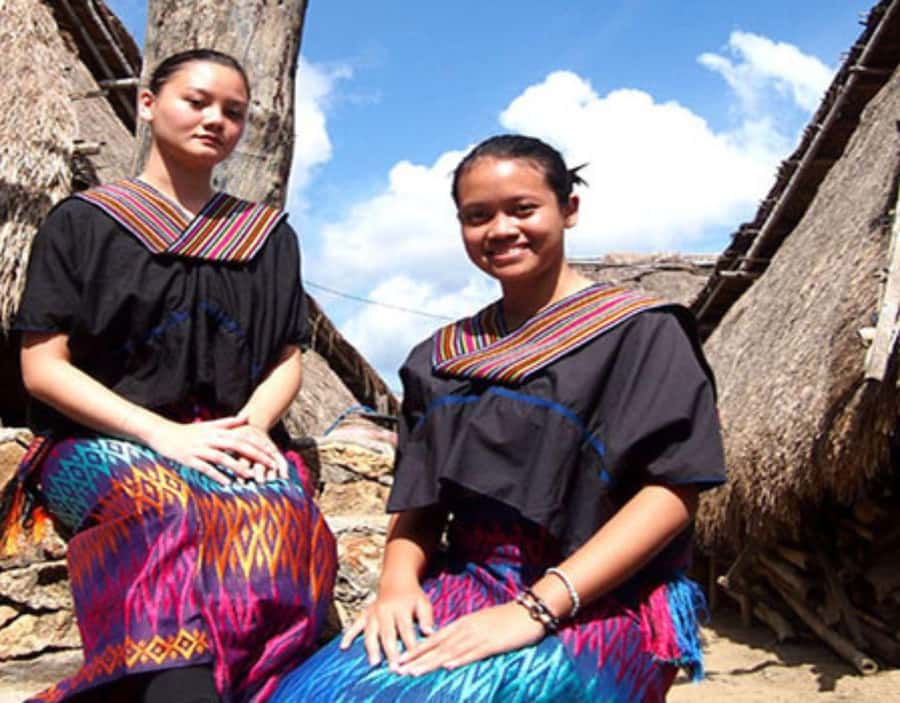
The standout cultural detail here is that you can still find the old tradition where girls learn to weave before marriage. Even if you don’t know the language, you can see how weaving connects to family roles, skill-building over time, and community expectations. Your guide’s cultural context makes the visit feel less like a sales pitch and more like a living tradition.
What you’ll likely notice as you look:
- Patterns and textures matter, and the fineness of work is easier to appreciate when you see the method and materials used.
- Weaving is slow by nature, so patience pays off during this stop. It’s not a “60-second photo and out” stop.
A practical tip: if you want to take home a woven item, consider how you’ll transport it. Fabric is easier than clay, but it can still take space. If you buy something, ask how it should be cared for and how to pack it.
Ende Traditional Village: understanding Lombok tribe homes and daily culture
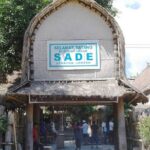
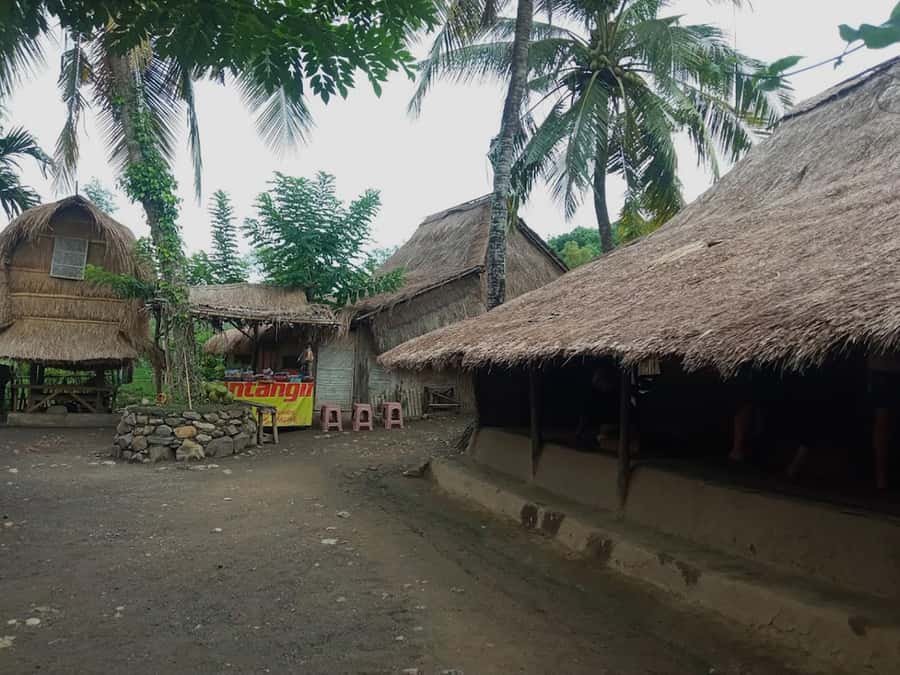
Ende adds a different kind of insight. Instead of focusing on a specific craft, you see a traditional village where the Lombok tribe still lives in traditional houses. This is where the day shifts from making objects to understanding how people live.
I find this stop valuable because it gives context. After watching craft in Banyumulek and Sukarara, Ende helps you connect the dots: where traditions live, how homes function, and why culture isn’t separate from everyday life. Your guide will explain key cultural traditions so you can interpret what you’re seeing rather than only viewing it as scenery.
What to watch for:
- Traditional villages can involve close interaction with locals, so be mindful with photos and respect household boundaries.
- Some days and guides may emphasize donations at destinations (entrance fees and donations are included), but you may also encounter requests for extra tipping behavior. If you’re not a big tipper, keep your decision simple: you can say yes or no, and bringing small cash can help you handle it calmly.



Tanjung Aan’s sand time: a beach stop that’s about cooling off
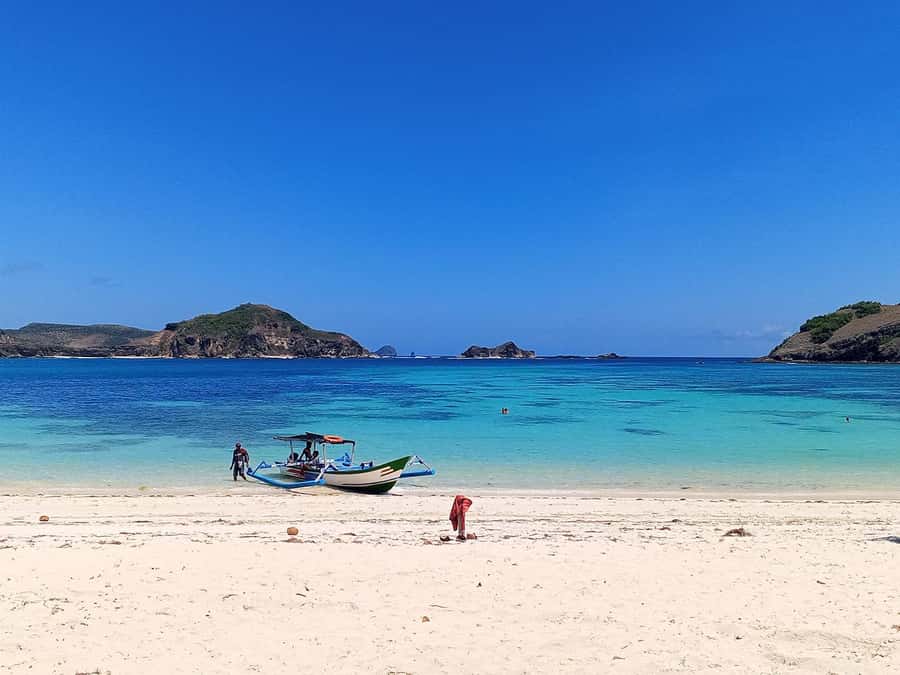
After the village portion, the schedule brings you to Tanjung Aan Beach. This is a clear break in the day. You get sand time, views, and a chance to reset before lunch and the evening viewpoint.
Tanjung Aan is also part of a two-beach plan, so the goal here isn’t to do everything possible. It’s to relax, walk the sand, and enjoy the coastal air. If you’re heat-sensitive, use this as your breathing space. Drink water, reapply sunscreen, and give your feet a rest.
One honest consideration: beach cleanliness can vary. I’d bring a small mindset of flexibility. If the public beach areas aren’t spotless, you can still enjoy the waves and views, but don’t expect a postcard-clean shoreline everywhere.
Kuta Mandalika Beach lunch: where you eat and then linger
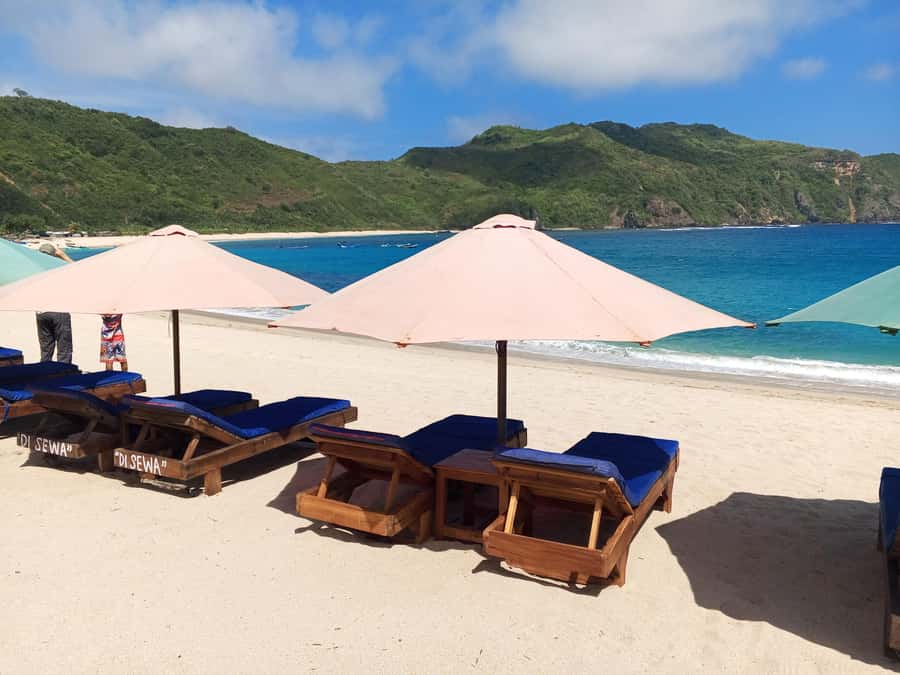
Lunch happens at Kuta Mandalika Beach, followed by time to stroll the sand. This is a smart pairing because you’re not just eating and leaving. You get a proper break, then you can walk it off.
Even though lunch is included in the general day plan, the tour info specifically says meals are not included. That means you should be ready to pay for your lunch if the setup doesn’t cover it in your booking details. Double-check with your provider at confirmation so there are no surprises.
What I like about this stop:
- It’s placed mid-to-late day so you’re less likely to feel rushed during the best daylight.
- A beach stroll after eating helps you transition from the cultural villages into evening views.
If you’re planning to buy beach snacks, bring a bit of cash. You’ll also want water, even though mineral water is included earlier in the day, because beach time can quietly turn into long sun exposure.
Merese Hill at Tanjung Ann: the southern-coast payoff
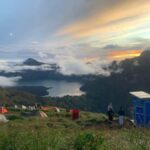
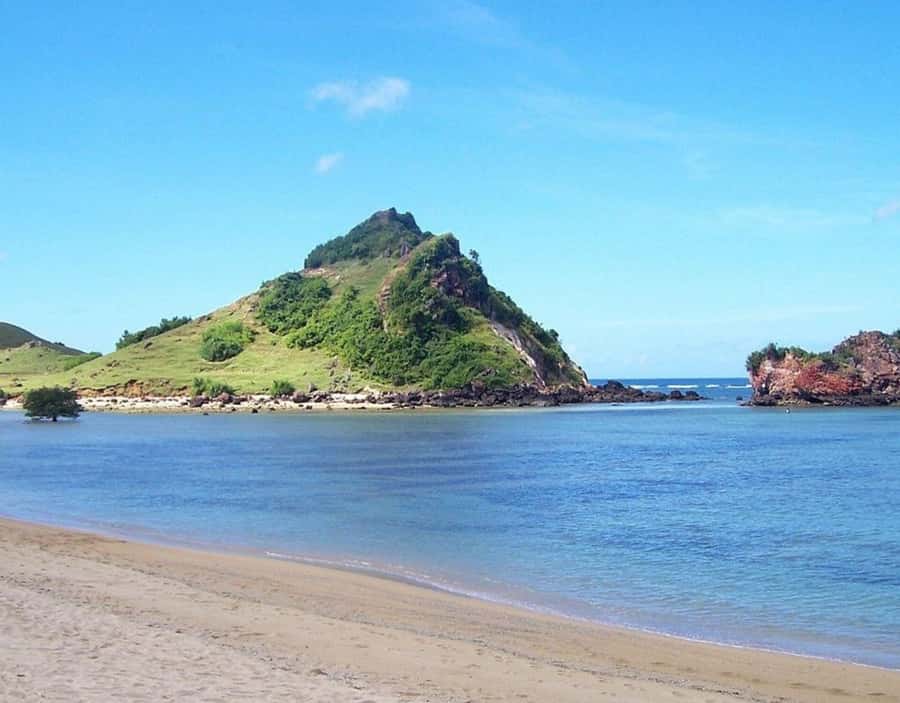
This is where the tour earns its reputation. You visit Merese Hill at Tanjung Ann, described as the best spot for scenery over southern Lombok beaches and a prime place to watch the sunset.
For me, a sunset viewpoint should do two things: it should show you something you can’t get on a simple beach walk, and it should justify the time. Merese Hill does both because it gives you a wide overview of the coastline. You’re looking out across multiple beaches and coastal angles, which makes the late-day photo results better than the “standing in the sand” shots.
Practical advice:
- Sunset means it can get cooler, but you’ll still be outdoors. Bring a light layer if you run cold.
- Bring your camera settings ready. It can be busy near viewpoints, so get your footing early and take a few test shots before the light shifts.
The guide and driver: what “good service” looks like on this kind of day
This tour is set up for a smooth flow, but what makes it really work is how your guide handles the day. A great sign is responsiveness to your needs and pace. One past experience highlighted that the driver and guide were very attentive and adapted to requests, which is exactly what you want on a cultural-and-beach itinerary.
A licensed English-speaking guide also matters because the value isn’t just in the places you visit. The value is in how you interpret them. Your guide helps connect:
- pottery-making to local life,
- weaving to tradition and family roles,
- traditional housing to the continuing Lombok tribe presence,
- and the best viewing logic for the coast.
The car service adds a big layer of comfort too: fresh cold towels in the vehicle are a simple detail, but they help a lot when your day includes multiple outdoor stops.
Price and value: does $70 for 8 hours make sense?
At $70 per person for an 8-hour private-group tour, the value is best understood by what’s included.
You’re getting:
- hotel pickup and drop-off,
- private AC car with a professional driver,
- a licensed English-speaking guide,
- visits to multiple villages and both beaches,
- entrances and donations at every destination,
- cold towels, fresh fruit, and mineral water,
- and a private group setup.
Meals are not included, and that’s the one item that can affect your total cost. But even with that, $70 often compares well to piecing together separate transport and paying guide/entrance fees on your own. The big reason: you’re buying time saved and organization done for you, plus the guide context that turns a village walk into a meaningful visit.
If you’re the kind of traveler who likes to go independently and you already know the area well, you might pay less doing it on your own. But if you want an efficient day with less stress, this pricing model is pretty fair.
What to pack and how to pace yourself in Lombok sun
This day runs outdoors across villages and beaches, so your packing list is simple but important.
Bring:
- comfortable shoes for walking on uneven village paths and beach edges,
- a hat and sunscreen (sun is the real enemy),
- a camera if you want to capture pottery and weaving details,
- water, and use it consistently even though mineral water is included,
- comfortable clothes that work for heat and modest village visiting.
If you’re prone to getting sore feet, consider thicker socks or supportive footwear. You’ll be doing enough walking that foot comfort pays off fast.
Also, pack a small bag for trash and personal items at beaches. If the beach areas have litter, carrying your own small responsibility helps you keep the day pleasant.
Who this tour is for (and who should skip it)
This experience is ideal if you want a single-day mix of culture and coastline without planning transport between stops. It suits:
- people who like craft and watching artisans at work,
- travelers who enjoy guided context rather than solo wandering,
- anyone who wants a sunset viewpoint payoff without stressing over timing and directions.
It might not be for you if:
- you have mobility limitations or rely on wheelchair access. The tour information includes both a wheelchair-accessible note and a warning that it isn’t suitable for wheelchair users and people with mobility impairments, so you should confirm directly with the provider before booking.
- you hate beach areas that may not be perfectly clean. Even though the beaches are part of the charm, public areas can be messy.
Should you book this Lombok tour?
I’d book it if you want one structured day that covers the best “repeatable” parts of Lombok: Sasak craft villages, a couple of beach breaks, and a strong late-day viewpoint at Merese Hill. The included guide support and transport reduce the friction that often ruins a cultural day.
I’d think twice if your priority is only pristine beaches or if you’re very sensitive to heat and walking. This itinerary is sunshine-heavy and outdoor-heavy, and the beach cleanliness can vary.
If you book, do these two things and your day improves a lot:
- wear real walking shoes and use sunscreen early,
- and keep an open mind about the pace. Village craft visits are more about watching and learning than racing through photos.
FAQ
FAQ
How long is the Lombok Sasak Traditional Villages and Beaches Tour?
The tour duration is 8 hours.
Where does the tour pickup start?
Pickup is from West Lombok Regency.
What villages does the tour visit?
You visit Banyumulek Pottery village, Sukarara Hand weaving village, and Ende traditional village.
Which beaches are included?
The tour includes stops at Tanjung Aan Beach and Kuta Mandalika beach.
Is lunch included?
The tour info lists meals as not included, so you should expect to handle lunch payment unless your specific booking says otherwise.
Does the tour include hotel pickup and drop-off?
Yes, hotel pickup and drop-off are included.
What transportation is provided?
You’ll travel in a private AC car with a professional driver.
Is there an English-speaking guide?
Yes, the tour includes a licensed English-speaking guide.
What’s included besides entrance fees?
Cold towels in the car, fresh fruits, mineral water, and entrance fees and donations at each destination are included.
Is it wheelchair accessible?
The information includes a wheelchair-accessible note, but it also says it is not suitable for people with mobility impairments and wheelchair users. You should confirm with the provider before booking.
What should I bring for this day?
Bring comfortable shoes, a hat, sunscreen, water, and a camera, plus comfortable clothes for walking in the sun.