Two days can feel like a lifetime. This Mount Rinjani 2D1N Senaru Crater Rim trek in Lombok gives you a rainforest start, a steep climb, and camp on the crater rim with views stretching toward the Gili Islands and Bali’s Mount Agung. I like that the route is framed as beginner-friendly, so you’re not signing up for a long multi-day ordeal.
I especially like the way the trip handles the logistics: guides and porters manage the trek equipment and camp setup, while you focus on walking, resting, and taking photos. The included meals are full board (breakfast, lunch, dinner) with coffee or tea, snacks, and fresh fruit—exactly what you want when you’re climbing instead of shopping.
One consideration: park entrance fees are not included, and the trek can still feel physically demanding because the trail gets steeper as you gain elevation. Also, since it’s a camping trek, you should expect simple camp comfort, not a hotel routine.
In This Review
- Key highlights you’ll care about
- Rinjani in two days: why Senaru works for first-timers
- The route on paper: Day 1 to the crater rim
- Morning start and check-in
- Pos 1 and Pos 2: rest breaks that keep you moving
- Pos 3 lunch and the shift in scenery
- Camp on the Senaru Crater Rim
- Day 2: sunrise, breakfast, and the return walk
- What you’re really buying: views from the rim
- Camp and meals: included comfort vs real trekking life
- Guides and porters: the safety and flow that make it work
- Price and fees: where the $165 really goes
- What to pack and how to plan your effort
- Best timing before the hike: waterfalls in Senaru
- Who should book this Rinjani 2D1N trek
- Should you book this trek?
- FAQ
- What time does the trekking start?
- Where does the trek start and end?
- Is hotel pickup and drop-off included?
- What meals are included during the trek?
- What camping gear is provided?
- Do I have to pay the national park entrance fee?
- Can you carry my personal luggage for me?
- What if the weather is bad?
- Is the tour private or shared?
- Is it easy enough for most people?
Key highlights you’ll care about
- Crater rim camping at Senaru with a sunset scene, then sunrise the next morning
- Rainforest-to-grassland trail change that keeps the hike visually interesting
- Full board meals included plus coffee or tea, snacks, and fresh fruit
- Porters set up and pack camp so you carry less (no personal-item porter included)
- Views toward Mount Agung and the Gili Islands from the rim area
- Simple, beginner-focused structure with planned rest breaks at Pos 1, Pos 2, and Pos 3
Rinjani in two days: why Senaru works for first-timers
If you’re new to trekking, this route’s big advantage is that it’s designed around a short, clear goal. You don’t have to spend days acclimating to a complicated multi-stage itinerary. Instead, you get a straightforward rhythm: hike uphill through changing vegetation, reach the crater rim for your overnight, then return the next day with a similar pace.
Another reason it fits beginners: the day is broken into named stops with rest and food built in. You’ll pause at Pos 1 and Pos 2, then stop longer at Pos 3 for lunch. That structure matters when your goal isn’t speed—it’s finishing comfortably while still earning those rim views.
You also get the “good stuff” at the right times. Camping on the crater rim is what sets this trek apart from a simple waterfall hike: you’re in position for sunset on day 1 and sunrise on day 2, with a view line that can reach across the region toward Bali’s Mount Agung and the Gili Islands.
Finally, the support system is part of the appeal. Guides lead the way, while porters carry the logistics and camping gear. If you’re the kind of person who wants to hike, not manage gear and meals, this is a solid match.
You can also read our reviews of more tours and experiences in Lombok.


The route on paper: Day 1 to the crater rim
Morning start and check-in
Your day begins around 7:00 am in Senaru. You’ll register at the Rinjani Trek Centre before the hike starts. Expect an early start in a place where the trail will only feel tougher as the day warms up.
The first hours are through dense tropical forest. This is a good thing for first-timers: the shade helps, and the terrain starts off manageable before the real elevation work begins later.
Pos 1 and Pos 2: rest breaks that keep you moving
On the way up, you’ll stop at Pos 1 and Pos 2 for rest breaks and snacks. These stops aren’t just “for fun.” They help you maintain steady effort, which is key on volcanic slopes where going too fast early can hit you hard later.
If you’re nervous about endurance, focus on this mindset: the hike is paced so you can keep going even if you’re not a mountain athlete.
Pos 3 lunch and the shift in scenery
At Pos 3, you get a longer break for lunch. After that, the scenery changes. Forest gives way to grassland, and the trail becomes increasingly steep.
That transition is important. In the forest you can feel like you’re walking “normally.” Once you hit grassland, wind and exposure can come into play (depending on conditions), and your legs feel the grade more clearly. This is where the route earns its “rewarding” label. The climb is the work—but it’s also the setup for what you see from the rim later.
Camp on the Senaru Crater Rim
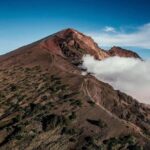
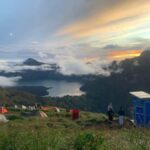
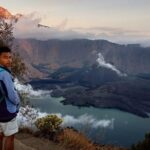
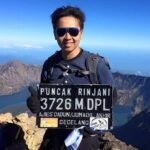
By the end of day 1, you camp at the Senaru Crater Rim. This is your main payoff point: views at sunset of Mount Agung in Bali, the Gili Islands, the Rinjani summit area, and the crater features below.
At camp, you’ll have a good chance to take in how volcano terrain looks up close. The crater includes Lake and a small volcanic cone within the crater, so it’s not just “a view,” it’s a whole scene. The sunset timing also helps: the light tends to flatter distances, so far-off landmarks feel closer.
Day 2: sunrise, breakfast, and the return walk
You’ll enjoy sunrise from the rim area, then take a more relaxed breakfast before heading back down.
After that, it’s a return trek to Senaru. You’ll still stop for rest and snacks along the way, and you’ll get lunch at Pos 2.
The big difference from day 1 is that you’re moving downhill (still not easy, but easier on breathing). Downhill can still be tough on knees, so plan for careful footing.
The trek typically brings you back to Senaru around 1:00 pm. That timing is practical: you still have time to eat, shower (where available), and recover without losing your whole afternoon.
What you’re really buying: views from the rim
This trek’s value is tied to the location of your overnight. If you’re choosing between “a hike” and “a hike with a crater-rim viewpoint,” this one clearly leans into the second option.
From the crater rim, you’re set up to see:
- Sunset and sunrise over the surrounding islands and peaks
- Mount Agung in Bali in the distance
- The Gili Islands on clear days
- The Rinjani summit area and the crater’s features, including the lake and a small cone
Even if you’re not an expert photographer, the scene makes sense. You’ll feel like you’re looking out from the top of a natural amphitheater. The rim acts like a stage: it frames what’s below and what’s beyond.
Just keep one reality in mind: weather matters here. The experience requires good conditions, and if conditions aren’t right, the operator may offer a different date or a full refund.
Camp and meals: included comfort vs real trekking life
The tour includes all camping gear, so you’re not scrambling for rented sleeping bags or an extra tent. You’ll get a double-size camping tent, plus a mattress, sleeping bag, and pillow, along with a table and chair setup at camp.
That table-and-chair detail is worth noting for comfort-minded trekkers. It’s a small thing, but on a steep hike it changes how you feel after dinner. It’s easier to eat, reset, and relax without eating straight from your pack.
Meals are set up as full board:
- Dinner and breakfast
- Lunch on the trail (Pos 3 on day 1 and Pos 2 on day 2)
- Coffee or tea
- Snacks and fresh fruit
This is the kind of included food that helps you keep your energy steady. It also means you don’t have to manage snacks like a day hike, which is helpful if you’re new and still learning what your body needs.
There’s also a toilet tent with paper. It’s not glamorous, but it’s included—so you can plan without improvising.
One more note: some people find written descriptions can sound more comfortable than the reality of camp trekking. So keep expectations grounded. You’re sleeping in a tent, walking on a volcano trail, and eating as part of a camp routine. The comfort is there, but it’s camping comfort, not resort comfort.
Guides and porters: the safety and flow that make it work
On Rinjani, support isn’t optional. The trail and timing matter, and you want people who keep the group steady and safe.
This trip is led by guides and backed by porters who carry equipment and food and handle camp setup and packing. That means you’re not wrestling a big load on steep sections, and camp doesn’t turn into a half-day project.
From the guide names praised during this trek, you’ll often see people like Djordy (praised for safety and skill), Eddie, Madhy, and Anci. What these standout names have in common is simple: they keep the day moving well and make sure you’re taken care of from the trek centre to camp.
If you value a calm, well-run hike over a chaotic adventure, you’ll like this style. It’s not just about views. It’s about arriving at camp without stress and knowing the next day will be organized too.
Price and fees: where the $165 really goes
At $165 per person, this package looks budget-friendly for a two-day, one-night trek with full board meals, camping gear, and transport from Senaru hotels.
Here’s the cost logic you should keep in mind:
- What’s included: hotel pickup and drop-off in Senaru, guide and porters for trek equipment and camp gear, meals (breakfast/lunch/dinner plus snacks), and camping equipment.
- What’s not included: national park entrance fees of IDR 250,000 per day, which totals IDR 500,000 per person for the two days.
- Not included: trekking shoes, trekking jacket, and long pants/trousers.
So the all-in cost is the $165 plus the park fee, and then whatever you need to buy or pack for clothing and footwear.
Where the value shines is the “invisible work” you get: porters carrying logistics, camp setup and breakdown, and the meal plan. If you had to arrange those things yourself, the convenience factor would quickly eat up the savings.
What to pack and how to plan your effort
Your personal load matters here because porters carry logistic and trek equipment, but they do not carry your personal bag by default. If you bring items you want carried, you’ll need extra porters (not included).
For most people, the smartest plan is:
- Bring what you truly need for two days.
- Keep a small day pack manageable.
- Wear appropriate hiking footwear (trekking shoes are not included).
- Bring a trekking jacket and long pants/trousers (also not included).
Even though this is described as beginner-friendly, you’re still hiking through forest and then steep grassland. So pack like it’s a real workout: layers for temperature swings, and clothes you don’t mind getting dusty or damp.
Also, plan your energy around rest breaks at Pos 1, Pos 2, and Pos 3. Don’t treat the trek like a forced march.
Best timing before the hike: waterfalls in Senaru
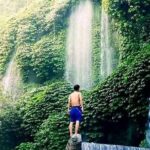
If you arrive early, you don’t have to spend your first day sitting around. This area is known for waterfall stops, including:
- Sendang Crazy
- Tiu Kelep Waterfall
These are suggested as attractions you can visit before climbing or on your arrival day. They’re a nice way to stretch your legs gently after travel and build excitement for the more intense trek the next morning.
Who should book this Rinjani 2D1N trek
This one is a strong fit if you:
- Want a short, structured volcano trek instead of a long multi-day challenge
- Like the idea of camping on the crater rim with sunrise and sunset views
- Prefer a tour where porters handle most of the heavy lifting and setup
- Are okay paying extra for park entrance fees, and packing your own footwear and trekking layers
It may be less ideal if you:
- Need a strictly easy hike with minimal steep sections
- Expect restaurant-style comfort and want a more luxury camping experience
- Travel with lots of personal luggage and don’t want to manage your own bag (because extra personal-item porting is not included)
Should you book this trek?
If your goal is the crater rim experience in a two-day format, I think this is the kind of tour that makes Rinjani accessible without turning it into a weak experience. The combination of rainforest walking, a well-timed climb to camp, and the sunrise and sunset setup is exactly what makes this route worth choosing.
I’d book it if you’re prepared for a real trek pace, you pack the basics (shoes, jacket, long pants), and you’re comfortable paying the park fee on top of the advertised price. If you want a guided, organized camping adventure with strong safety focus and serious views, this Senaru Crater Rim trek does the job.
FAQ
What time does the trekking start?
The meeting start time is 7:00 am in Senaru.
Where does the trek start and end?
It starts in Senaru, Bayan, North Lombok Regency, West Nusa Tenggara, Indonesia and ends back at the meeting point.
Is hotel pickup and drop-off included?
Yes. Pickup and drop-off from your hotel is included (in the Senaru area).
What meals are included during the trek?
Full board meals are included: breakfast, lunch, and dinner, plus coffee or tea, snacks, and fresh fruit.
What camping gear is provided?
All camping equipment is included, including a double-size camping tent, mattress, sleeping bag, pillow, table, and chair. A toilet tent and paper are also included.
Do I have to pay the national park entrance fee?
Yes. The national park entrance fee is not included: IDR 250,000 per day, totaling IDR 500,000 per person for two days.
Can you carry my personal luggage for me?
Porters carry trek equipment and logistics, but extra porters for personal items/luggage are not included.
What if the weather is bad?
The experience requires good weather. If it’s canceled due to poor weather, you’ll be offered a different date or a full refund.
Is the tour private or shared?
It’s private, meaning only your group participates.
Is it easy enough for most people?
Most travelers can participate, and it’s recommended for beginner trekkers, but the trail does become steeper as you climb.