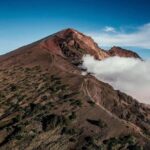
Crater-rim camping feels like a movie set. From Senaru, you’ll climb to the rim (2,641m) with a private, English-speaking guide, camp overnight with real comfort, and watch the Gili Islands and Bali’s Mt. Agung at sunset and sunrise. It’s the easier way into Rinjani’s drama—though “easy” still means serious altitude climbing.
What I like most is the private pacing. You set the rhythm, and guides and porters are there to keep the day moving without turning it into a suffer-fest contest. I also love the camp setup: mattresses, pillows, a toilet tent, plus sleeping gear that makes night on the rim feel manageable instead of primitive.
One key consideration: Rinjani national park fees are not included. Budget IDR 250,000 per person per day on top of the tour price, and that adds up if you’re traveling with others.
In This Review
- Key things you’ll notice on the Senaru Crater Rim Trek (2D1N)
- Why the Senaru Crater Rim feels like the “right” Rinjani compromise
- Day 1: Senaru forest, rest points, Pos 3 lunch, then up to 2,641m
- Day 2: Sunrise, breakfast, snacks on the descent, lunch at Pos 2
- Camping comfort on the rim: the difference between tough and unforgettable
- Private guide names you might hear on the trail
- The hike difficulty: moderate fitness, but expect a real climb
- What’s included vs. what you must bring yourself
- Price and value: what $156 covers (and what it doesn’t)
- Where it starts and ends (and why that helps your schedule)
- Who should book this trek—and who might want another option
- Should you book the 2D1N Senaru Crater Rim Trek?
- FAQ
- How hard is the Senaru crater rim trek?
- What’s included in the 2 days and 1 night package?
- What is not included?
- Where do we start and when?
- How much extra should I budget for the park permit?
- Is this a private tour?
Key things you’ll notice on the Senaru Crater Rim Trek (2D1N)
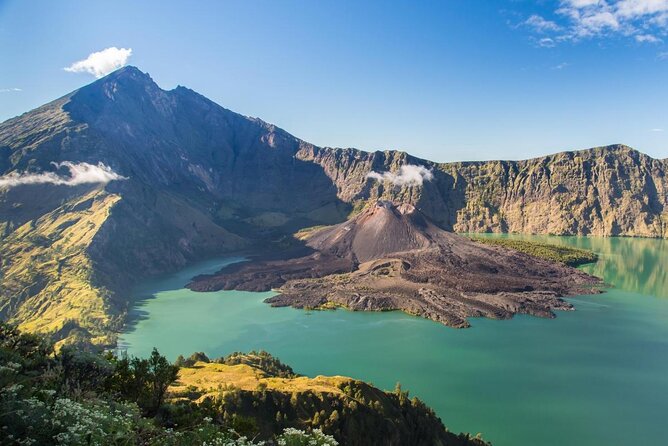
- Private guide + porters carrying the heavy stuff so you can focus on the climb
- Forest-to-grassland hike with built-in rest breaks at rest points
- Lunch at high altitude (including lunch at Pos 3 around 2,000m on Day 1)
- Rim camping with comfort: mattress, pillow, sleeping bag, and toilet tent
- Big visual payoffs: Mt. Agung (Bali), the Gili Islands, Rinjani summit views, Segara Anak, and Gunung Baru (weather permitting)
- A relaxed Day 2: sunrise, breakfast, snacks on the way down, and back to Senaru by about 1pm
Why the Senaru Crater Rim feels like the “right” Rinjani compromise
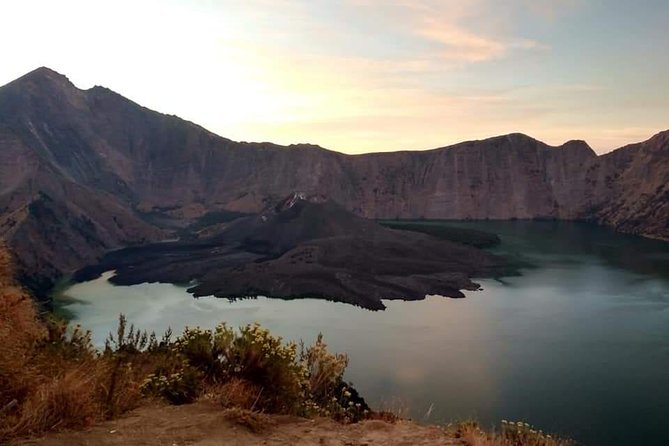
If you’ve heard Rinjani stories, you already know the routes can be brutally hard. This trek is designed for people who want the crater rim experience without aiming for the far end of the mountain that takes longer and adds more strain.
You still climb more than 2,000 meters in a day. So think of it as a “crater rim first” plan—worth it for the views, the camp, and the feeling of standing at the edge of something active and enormous.
You can also read our reviews of more tours and experiences in Lombok.
Day 1: Senaru forest, rest points, Pos 3 lunch, then up to 2,641m
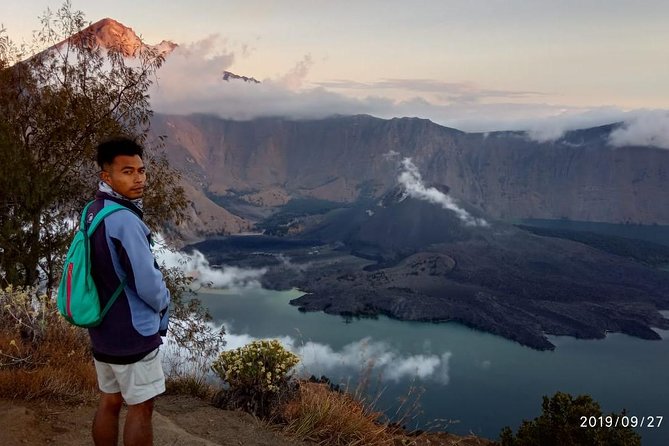
You start in Senaru at about 7:00am after registering at the Rinjani Trek Centre (Senaru sits at 601m). The first part goes through dense tropical forest, which helps break up the effort early on. It’s also nice because the trail feels like it’s leading you gradually upward instead of launching you straight into high altitude breathing.
Along the way, you’ll pause at rest points (Pos 1 and Pos 2). This is where your guide earns their salary—adjusting pace, answering questions, and helping you keep steady instead of sprinting for the next view.
Then comes lunch at Pos 3 (around 2,000m). After that, the trail turns steeper and you climb through grassland. This is the part where you’ll feel the altitude more, even if you’re moving at a comfortable pace with a private guide.
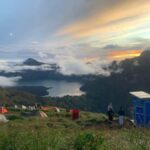
You finish Day 1 at the Senaru Crater Rim (2,641m) and set up camp for the night. From the rim, you get a dramatic sunset setting over the Gili Islands and Mt. Agung (Bali), and on clear nights you may also see Rinjani’s summit, Segara Anak Lake, and the Gunung Baru volcanic cone. Expect the best payoff when the weather cooperates.
Day 2: Sunrise, breakfast, snacks on the descent, lunch at Pos 2
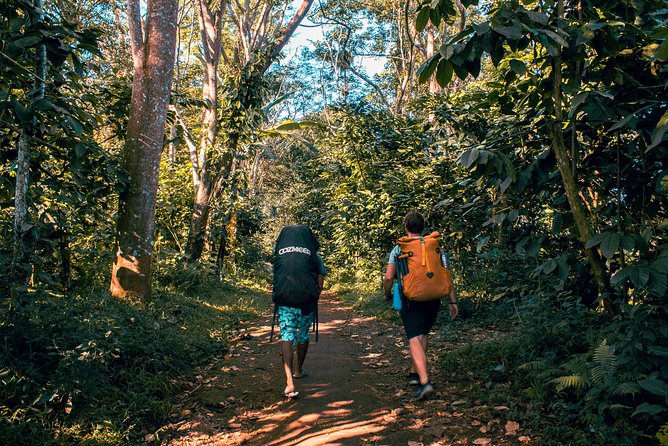
Day 2 starts with an early wake-up for sunrise, followed by a more relaxed breakfast. You’re not rushing to “make it” to something today—you’re enjoying it, because you’ve already put in the hard climb yesterday.
As you descend back toward Senaru, you’ll stop for snacks and continue down through the trail sections with a lunch break at Pos 2. This mid-route meal helps break up the last stretches so the hike doesn’t feel like one long, unbroken downhill grind.
You typically arrive back in Senaru around 1pm. That timing matters: it gives you enough daylight to reset, eat a proper meal, and avoid feeling wiped out all evening.
Camping comfort on the rim: the difference between tough and unforgettable
A lot of volcano treks in Indonesia sell the adventure and then quietly skip the comfort. This one doesn’t. Your package includes a tent, mattress, pillow, and sleeping bags—plus a toilet tent with paper. That means you’ll actually sleep enough to enjoy sunrise the next morning.
In the field, comfort tends to show up in small ways. One detail people appreciated is how thick the mattresses felt compared with other treks (a big deal when you’re spending the whole night on the ground at altitude). Another recurring theme is that the campsite setup helps you focus on the views rather than the basics of survival.
Also, porters handle the cooking gear and camping equipment. You’ll still do the walking, but you’re not the one hauling your own camp on your back. That’s one reason this trek feels doable even when the climb itself is challenging.
Private guide names you might hear on the trail
The trek is private, and that changes the feel fast. You’re not dodging other groups, and your guide can adjust to your pace and questions. If you want a calm, guided climb with the chance to learn what you’re seeing, this style fits.
From past experiences, guides you might be paired with include Mario, Anton, Lim, Benji, Rudi (also called Speedy), and Jo in organizer roles. I like knowing names because it helps you picture how personal and human the experience can be, not some anonymous “tour machine” moving people along.
Guides also help with morale. More than once, feedback highlights that the guide’s encouragement makes the toughest sections feel less intimidating. That matters because Rinjani doesn’t care how confident you feel on day one.
The hike difficulty: moderate fitness, but expect a real climb
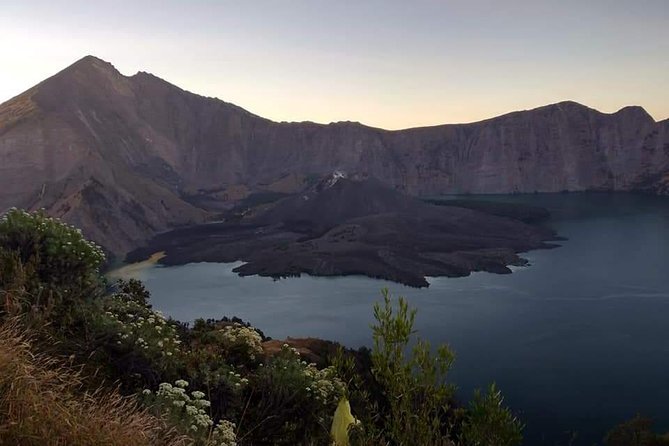
The trek is listed for people with moderate physical fitness. That’s accurate in spirit—especially compared with summit routes—but it’s still a serious hike.
Here’s the reality check: you’re ascending more than 6,500 feet (2,000 meters) in a day, and you’ll spend time at high elevation. If you go in expecting it to be a casual nature walk, you’ll be disappointed. If you go in expecting effort, you’ll enjoy it more.
A useful takeaway from the vibe of the experience: you don’t need to go all-in on the hardest possible Rinjani route to get the full “wow.” The rim camp delivers the drama.
Rain can happen. When it rains, you’ll want your gear to handle it, and you’ll want a guide who keeps you safe and moving. One thing I’d do if you’re planning ahead: bring clothing that you’ll be comfortable hiking in for hours and that won’t leave you miserable when conditions change.
What’s included vs. what you must bring yourself
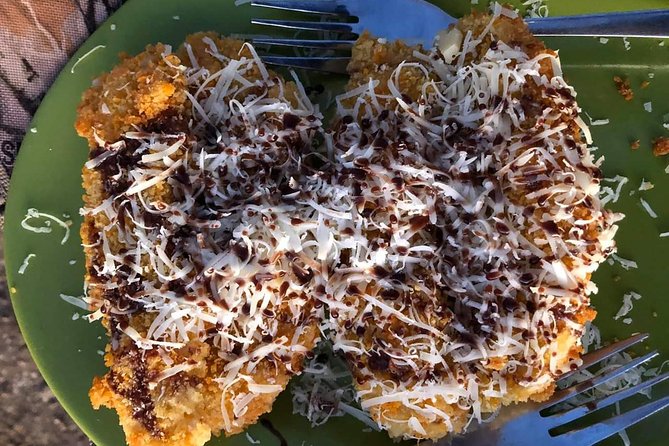
The package includes a lot of the stuff that usually gets people into trouble: food, water, and the camping setup.
Included:
- Trekking guide and porters (including those carrying cooking gear and camping equipment)
- An English-speaking guide and professional porters
- Food and drinking water: 3 litre mineral water per day/person
- Tent, toilet tent and paper, sleeping bags, mattress, and pillow
- Luggage storage available at the Lombok Volcano Trekking office
Not included (bring or arrange):
- Rinjani national park permit/tickets: IDR 250,000 per person per day
- Accommodation before the trek
- Transportation before pickup and after transfers back (the trek ends back at the meeting point)
- Trekking shoes, rainjacket, long pants, gloves, and a head lamp/hand torch
If you’re the type who forgets one small item and then suffers all day, write this checklist down. A headlamp matters because you’ll likely need light around camp and morning routines.
Price and value: what $156 covers (and what it doesn’t)
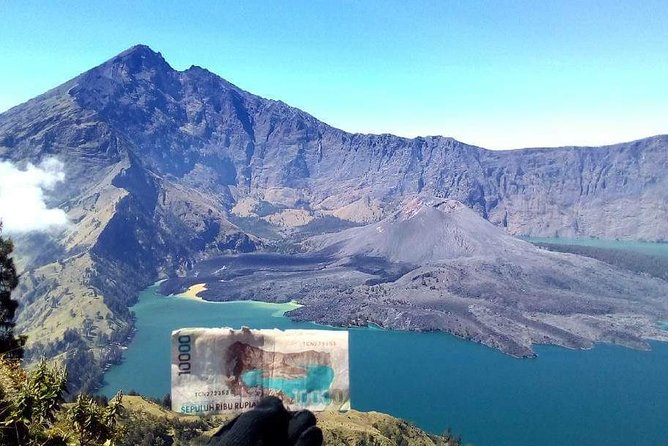
At $156 per person, you’re paying for a well-supported 2D1N trek experience: private guiding, porters, meals, and camping comfort. That’s the core value—someone else carries the logistics, and you get to treat the rim as a destination instead of a DIY problem.
But don’t miss the two biggest “on top” items:
- National park fees: IDR 250,000 per person per day
- Transport: pick-up and transfers aren’t included, so you’ll need to plan how you get to the Senaru start point and how you’ll return afterward
Also think about what’s not included: shoes, rain gear, gloves, and a headlamp. Those aren’t deal-breakers, but you’ll either have to pack them or buy/borrow them locally.
If you want a quick way to judge value: if you’d rather pay for comfort, organization, and porters than spend energy managing gear and timing, this price sits in a reasonable zone for that kind of supported climb.
Where it starts and ends (and why that helps your schedule)
The meeting point is at Lombok Volcano Trekking, Jl. Pariwisata, Senaru. The trek starts at 7:00am, and it ends back at the meeting point, around 1pm on Day 2.
One practical win: the office offers luggage storage. That’s helpful if you arrive early on Lombok and don’t want to haul extra bags around Senaru before the trek.
Who should book this trek—and who might want another option
This trek is a strong fit if you want:
- Rinjani crater rim views without targeting a longer, harder summit itinerary
- Private guiding and a pace that suits your group
- A camping experience that includes real comfort items like mattresses and pillows
It can also work for kids, as long as your family is ready for effort and you’re comfortable with the idea of camping on the rim. Solo hikers also tend to do fine here because the staff structure (guide + porters + included food and gear) takes pressure off you.
Who might not love it:
- People seeking a very easy hike (this isn’t that)
- Anyone who’s sensitive to high-altitude effort and needs a gentler route
- Folks who refuse to climb with a guide and porter team logistics (because the whole point here is supported trekking)
Should you book the 2D1N Senaru Crater Rim Trek?
I’d book it if you want the rim, the sunset and sunrise, and a camp setup that lets you actually enjoy the night. The private format and porter support make the experience feel human, not rushed, and the included sleeping gear is a big quality-of-life upgrade.
I wouldn’t book it if you’re budgeting tightly and already know you’ll struggle with extra costs like park fees, or if you need fully included transport from your lodging. Also, be honest about your fitness. This hike asks for real effort, even on the “easiest” Rinjani option.
One last practical note: this experience is non-refundable and can’t be changed once you cancel. If your plans are fragile, wait until you’re confident.
FAQ
How hard is the Senaru crater rim trek?
It’s considered suitable for moderate physical fitness, but it still involves ascending more than 6,500 feet (2,000 meters) in a day. The hike is challenging, especially after lunch as you continue upward toward the rim.
What’s included in the 2 days and 1 night package?
You get a trekking guide and porters, food and drinking water (3 litre mineral water per day/person), and full camping support including a tent, toilet tent with paper, sleeping bags, mattress, and a pillow.
What is not included?
Not included are Rinjani national park permit/tickets (IDR 250,000 per person per day), accommodation before the trek, transport (pick up/transfer not included), and personal hiking items like trekking shoes, a rain jacket, long pants, gloves, and a head lamp/hand torch.
Where do we start and when?
The trek starts at 7:00am from the Lombok Volcano Trekking office in Senaru. The trek ends back at the same meeting point, around 1pm on Day 2.
How much extra should I budget for the park permit?
The permit/tickets for Rinjani national park cost IDR 250,000 per person per day. Since this is a 2-day trek, plan for that daily fee.
Is this a private tour?
Yes. This is a private tour/activity, meaning only your group participates.
If you want, tell me your current fitness level and whether you’re going as a couple, family, or solo. I can help you sanity-check if the rim trek is the right intensity for you on Lombok.