Blue fire at Ijen starts in the dark. This Bali-to-Java day trip is all about the blue fire sunrise moment and the roundtrip ferry transfer that keeps it organized. You’re also right on the edge of daily life in the sulfur mines, where miners carry heavy rock like it’s part of the routine.
I especially like how the schedule is built around getting to the crater viewpoint before sunrise, with time to actually watch the scene unfold. I also like the small details that make the hike more doable at night, like a provided headlamp and mask, plus a local trekking guide focused on getting you safely through the crater area.
The big drawback is the trade-off: it’s a long 18-hour grind with a cold, challenging hike, and the blue fire is never guaranteed. If you have knee issues, sleep deprivation hits hard, or you’re not comfortable with respiratory exposure, this may not be your best Bali add-on.
In This Review
- Key points before you go
- Why this Bali-to-Ijen sunrise trip feels like a mission worth doing
- Bali to Java: the real start happens at Gilimanuk Port
- The night hike: climbing for about 1.5 hours toward the crater viewpoint
- Sunrise, the acid lake, and the chance of blue fire
- The crater walk back: where stamina and knees get tested
- What’s included, what’s not, and how to pack smart for an 18-hour day
- Price and value: is $98 fair for Ijen from Bali?
- Who this Ijen tour suits best (and who should skip it)
- Should you book this Bali-to-Ijen sunrise hike?
- FAQ
- How long is the Ijen sunrise hike trip from Bali?
- Where do you travel from in Bali, and where do you return to?
- Do you include ferry tickets for the Bali to Java crossing?
- How long is the hiking portion at Ijen?
- Is the blue fire at Ijen guaranteed?
- What hiking equipment is provided?
- Is food included?
- Is the tour guide available in English?
- Is Ijen ever closed?
- What are the cancellation and payment options?
Key points before you go
- Blue fire is weather-dependent, so you need a backup mindset for sunrise and crater views
- Roundtrip ferry route (Gilimanuk ↔ Ketapang) is included to reduce stress on a long day
- Headlamp and mask are provided, but you still need warm layers and sturdy shoes
- You hike up in the dark (about 1.5 hours), then spend time near the crater for sunrise and photos
- Miners carrying sulfur rock are a real part of what you’ll see at Ijen
- Small group size (max 12) means easier pace control and more attention on safety
Why this Bali-to-Ijen sunrise trip feels like a mission worth doing
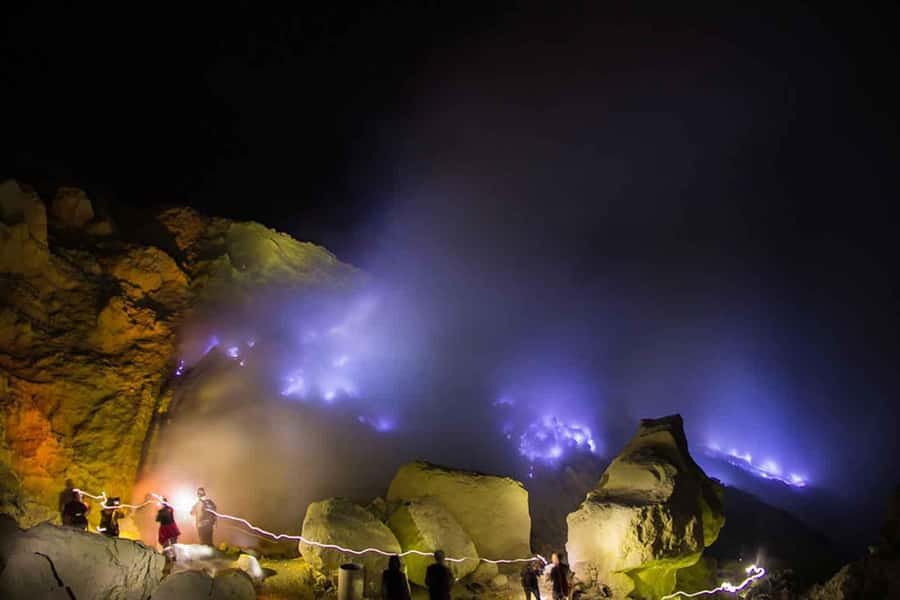
If you like your travel plans to have a clear goal, Ijen is built for that. You leave Bali at night, cross to Java, climb toward the crater when it’s cold and dark, and then wait for sunrise over the acid lake. And if conditions line up, the famous blue fire appears in the sulfur area below.
What makes this tour stand out is the combo of big spectacle and practical support. You’re not just dropped at a mountain trailhead. You get hotel pickup and drop-off in Bali, plus the ferry tickets and drivers that handle the long crossing.
The other reason it works: Ijen isn’t just scenery. You’re walking into a working landscape, where miners carry sulfur rock as part of their nighttime routine. That human element turns the hike into more than a photo stop.
You can also read our reviews of more tours and experiences in Bali.
Bali to Java: the real start happens at Gilimanuk Port
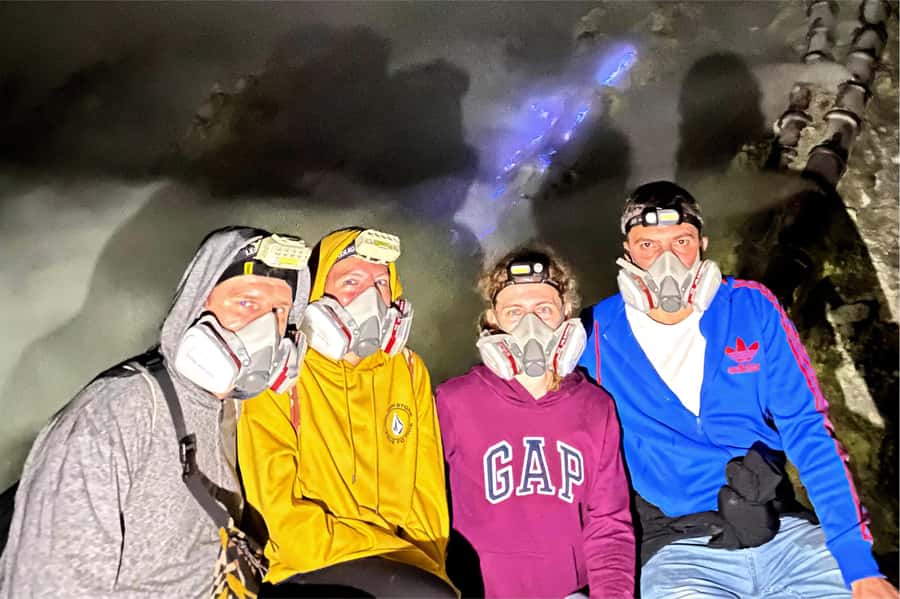
The day begins with nighttime pickup from your accommodation in Bali. From there, you travel roughly 180 kilometers to the ferry area, with the sea crossing being the hinge that gets you from Bali to Java.
The route goes like this: you head to Gilimanuk Port, cross by ferry for about 1 hour to Ketapang Port, and then continue by car to the Ijen basecamp area. Another driver meets you after the ferry so you’re not stuck switching things around.
Why this matters: Ijen is far from most of Bali. Without organized transfers, you’d be figuring out timing on your own at midnight. With this tour setup, you’re on a known path with set timing, which matters when you’re trying to hit the crater before sunrise.
One practical tip: this is the kind of long drive where sleep helps more than coffee. Plan for low-quality sleep and bring what you need to stay comfortable during the ride.
The night hike: climbing for about 1.5 hours toward the crater viewpoint
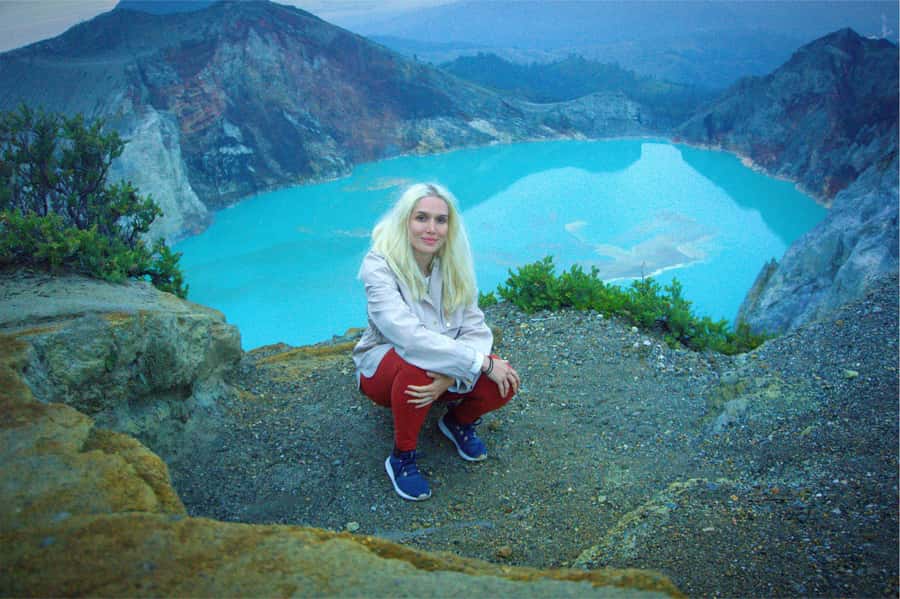
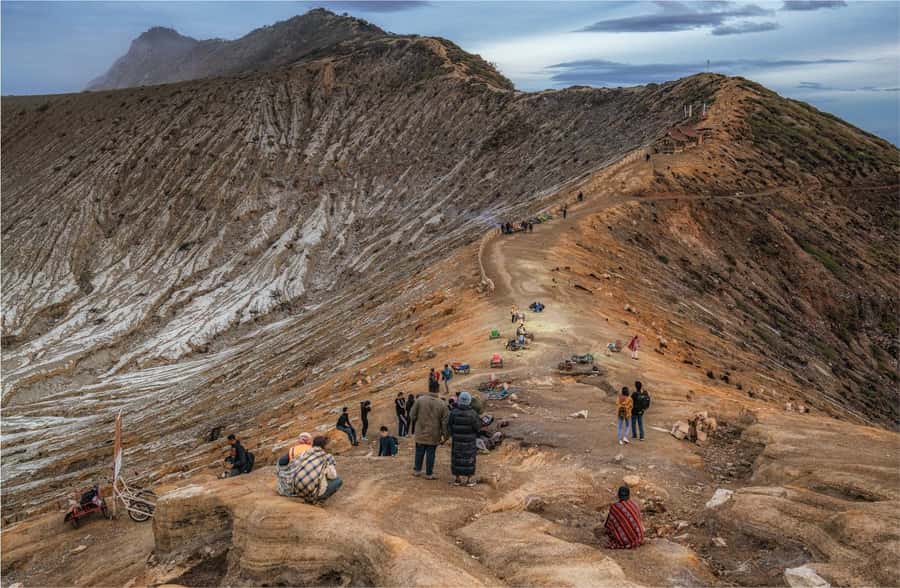
Once you reach Ijen basecamp, the hike starts. Expect around 1.5 hours climbing toward the crater viewpoint, with the early hours happening in darkness. The provided headlamp is a big deal here, since you’ll be navigating rocky ground and steep edges where you really want clear footing.
You’ll also want warm clothing. Even if the ride through Bali and Java feels hot, Ijen can feel brutally cold near the top, especially before sunrise. The tour specifically flags this, and it’s consistent with what you can infer about a nighttime volcanic trek.
How hard is it? The itinerary breaks it into segments: climb to the viewpoint, time at the crater area, then walk back down. Reviews also describe it as steep and rocky, so treat this as a real hiking day even if the hike segments are time-bounded. If your knees don’t like downhill, you’ll feel it on the return.
What I like about the setup is that you have a local trekking guide with you. Several guides (names like Yanto, Rafi, Sopi, and Nido show up in guide credits) are repeatedly highlighted for helping with safety and pacing during the descent. That matters because the climb up is tough, but the descent is where sloppy movement can turn into a bad moment.
Sunrise, the acid lake, and the chance of blue fire
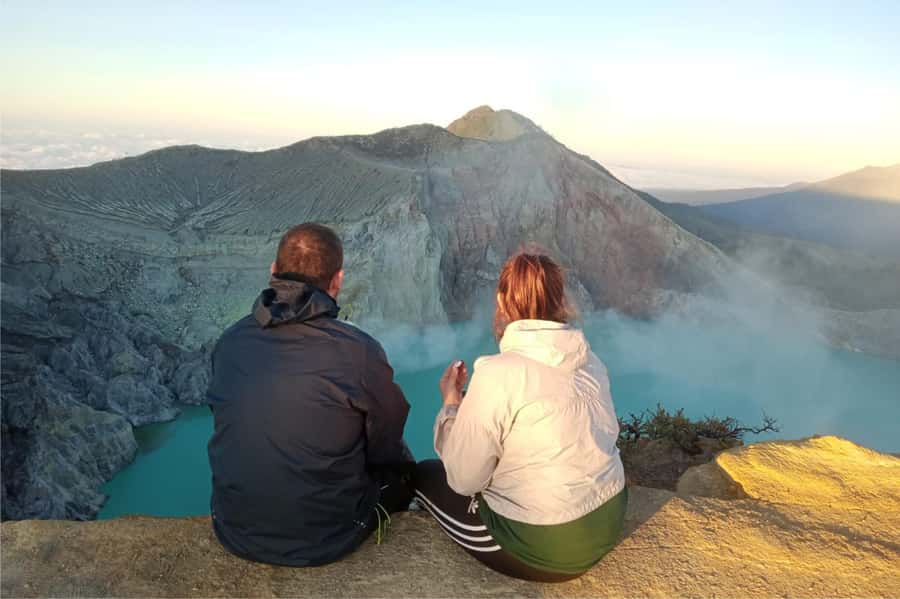
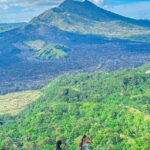
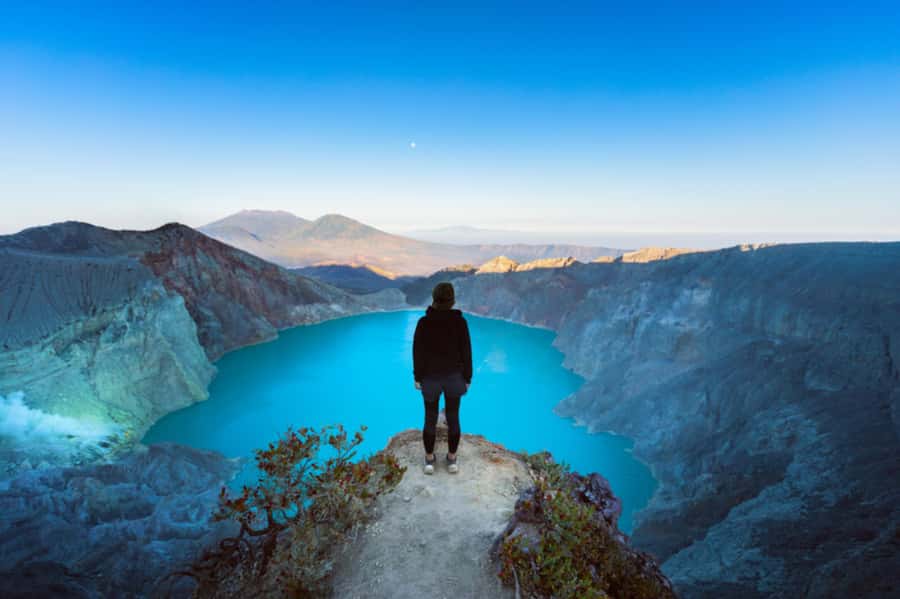
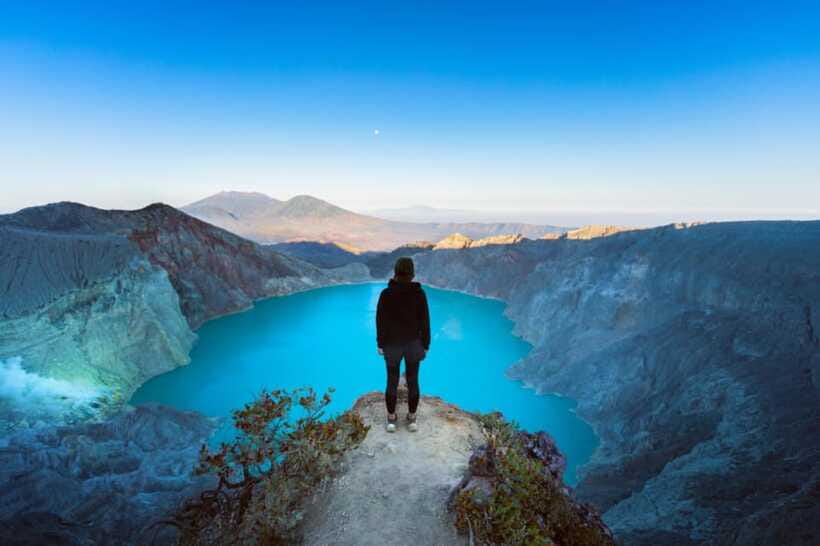
The top payoff arrives at sunrise over the crater area, including views of the largest acid lake on Java. You’re not just climbing and leaving. The schedule builds time for sightseeing once you reach the crater viewpoint, roughly 1.5 hours to take it in.
Now for the part everyone wants: blue fire. This phenomenon is not guaranteed. It depends on natural conditions, including weather. Your best move is to treat blue fire as a bonus, not a requirement.
If you do see it, it’s the kind of visual that makes you stop talking because your brain can’t file it under normal volcano vibes. But even without blue flames, the sunrise over the crater and the scale of the mining area can still feel intense.
And then there are the miners. You’ll witness local workers carrying sulfur rock, which is part of daily life in the area. In other words, Ijen is not a clean, sanitized nature show. It’s a working site, and that reality adds weight to the experience.
One extra nuance: a review notes that seeing sunrise specifically from the lake area is best from June to August. Even outside that window, the views are still meaningful, but if your heart is set on that exact sunrise angle, that seasonal timing is worth remembering.
The crater walk back: where stamina and knees get tested
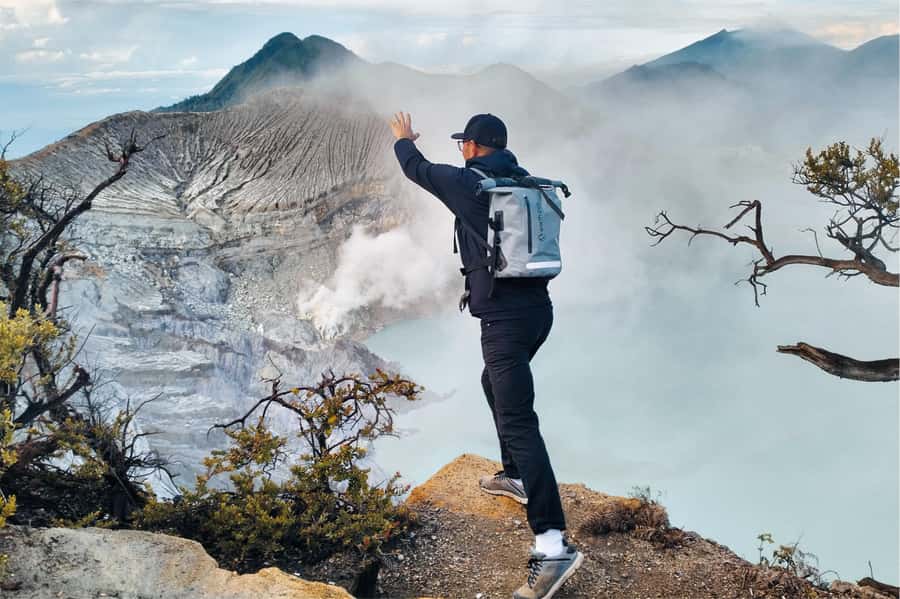
After the crater time, you trek down. The itinerary calls for about 1 hour walking back toward the parking lot area. Even though the time looks shorter than the climb, don’t let the clock fool you. Volcanic terrain often punishes you differently on the way down.
This is also the stretch where a guide’s role becomes practical: keeping your group moving safely, managing footing on darker or uneven sections, and helping people adjust pace. The tour emphasizes safety through a local trekking guide, and the best guide behavior here looks like calm direction, not speed.
My practical advice: plan for slow and steady. If you rush, you’ll burn energy twice—once on the descent effort and again on catching your breath afterward. Bring trekking-focus shoes you trust on rock, and keep your steps short.
What’s included, what’s not, and how to pack smart for an 18-hour day
This is an 18-hour operation, and that long duration changes what “included” feels like. You’re not paying for a short hike; you’re paying for transport, timing, and entry components that would be annoying to assemble yourself.
Included items:
- Hotel pickup and drop-off in Bali
- Entry fees
- Health check certificate
- Local trekking guide
- Roundtrip ferry tickets
- Donations and tax fees
- Mask and headlamp
Not included:
- Food or drink
So yes, you should bring your own food. The itinerary is tight, so don’t count on meal breaks turning into proper refueling stops. Snacks you can eat fast are your friend.
Pack essentials that matter for this specific trail:
- Comfortable shoes with real grip
- Warm layers for the top (cold at night is part of the reality here)
- Passport (a copy is accepted) since you’ll need to send a copy after booking
Also bring a bit of calm patience for the travel day. Ferry crossing plus long land transfer is not a “quick early morning” plan. It’s an all-day commitment, and that’s exactly what makes the sunrise window possible.
Price and value: is $98 fair for Ijen from Bali?
At $98 per person, you’re paying for more than a guide. You’re paying for a full Bali-to-Java transfer structure with ferry included, plus entry fees, trekking support, and basic equipment like a mask and headlamp.
Here’s the value logic: Ijen is far, and sunrise timing is unforgiving. If you tried to DIY it, you’d spend time solving ferry timing, meeting points, and transport back to Bali while also worrying about being late for the hike start window. That’s hard to do smoothly without local logistics.
You also get a small group experience limited to 12 participants, which tends to make it easier for guides to manage pacing, headlamps, and safety on tricky segments. I like that more than the idea of being crammed into a large van where you can’t hear instructions clearly in the dark.
Is it expensive? For Indonesia standards, it’s not budget-level. But given the ferry, transfers, and included entrance/fees, it’s easier to see as paying for time and certainty. For many people doing Ijen from Bali, that certainty is the main reason the tour is worth it.
Who this Ijen tour suits best (and who should skip it)
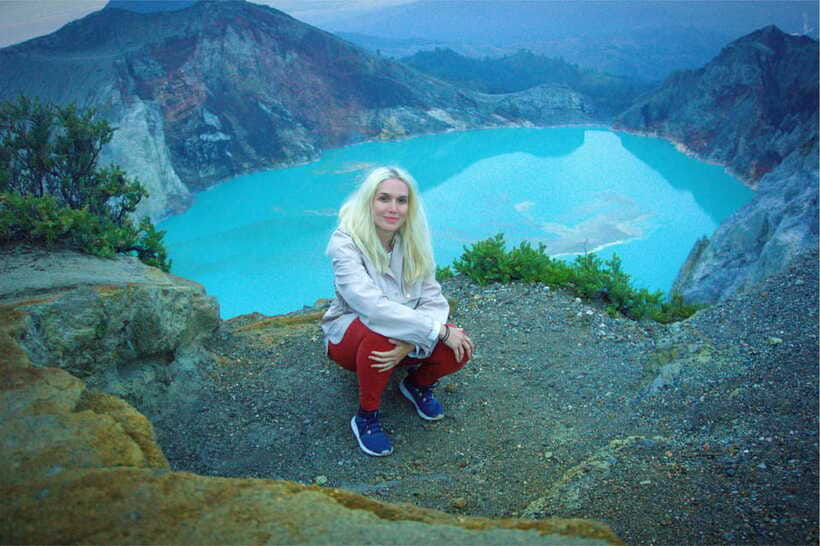
This is a hike in low light with cold conditions and a descent that can be rocky. It’s not just for people who can walk; it’s for people whose knees and lungs can handle a volcanic trek.
It’s not suitable for:
- Pregnant women
- People with heart problems
- People with respiratory issues
Beyond that, be honest with yourself about stamina. Several accounts describe the hike as challenging, and even when it’s broken into segments, the conditions at night plus low sleep make it harder.
Who will likely love it:
- You want sunrise plus a crater viewpoint with a chance at blue fire
- You enjoy guided hikes where safety direction is part of the experience
- You’re okay with long travel and want it handled for you
- You want to see the miners’ sulfur work as part of the story, not just the views
Should you book this Bali-to-Ijen sunrise hike?
Book it if you can handle a long day and want a ready-made route to Ijen that includes ferry transfers, guide support, and sunrise timing. The biggest rewards here are the sunrise crater views and the possibility of blue fire, plus the human reality of miners working in the sulfur area.
Skip it if you’re sensitive to cold nights, have knee issues that flare on steep descents, or you fall into the health categories listed as not suitable. And keep your expectations grounded: blue fire is a bonus, not a promise.
If you’re aiming for value, bring your own food, wear your most reliable hiking shoes, and dress for cold even if Bali feels warm. Do those basics well, and you give yourself the best chance to enjoy Ijen as more than a checkmark.
FAQ
How long is the Ijen sunrise hike trip from Bali?
The total duration is listed as 18 hours.
Where do you travel from in Bali, and where do you return to?
The tour includes hotel pickup and drop-off in Bali.
Do you include ferry tickets for the Bali to Java crossing?
Yes. Roundtrip ferry tickets are included.
How long is the hiking portion at Ijen?
You’ll hike about 1.5 hours up to the crater viewpoint, spend about 1.5 hours sightseeing, then walk back down for about 1 hour.
Is the blue fire at Ijen guaranteed?
No. The tour notes that blue fire is not guaranteed because it’s a natural phenomenon.
What hiking equipment is provided?
A mask and a headlamp are included.
Is food included?
No. Food or drink is not included, and you’re advised to bring your own.
Is the tour guide available in English?
Yes. The live tour guide is English-speaking.
Is Ijen ever closed?
Yes. Ijen is closed on the first Friday of every month.
What are the cancellation and payment options?
You can cancel up to 24 hours in advance for a full refund, and there is a reserve now & pay later option.