One sentence is enough: water, temples, and waterfall stops in a day. This full-day Ubud outing is built around the Melukat purification experience at Tirta Empul Temple, then strings together classic sights like Tegalalang Rice Terrace and multiple waterfalls. I like that it’s structured (so you’re not guessing between sites), and I like the way the route keeps you moving without feeling rushed.
One thing to plan for: you’ll pay extra temple and waterfall admission fees on the day, and you may also encounter a temple guide cost at Tirta Empul, depending on what you choose to do at the ritual area.
In This Review
- Key Highlights at a Glance
- Melukat at Tirta Empul: what the purification ritual is all about
- How the 10-hour route flows across Ubud (and why it matters)
- Stop 1: Tukad Cepung Waterfall and the misty walk to the falls
- Stop 2: Tegalalang Rice Terrace views (and the small entry fee)
- Stop 3: Elephant Cave (Goa Gajah) and what to expect
- Stop 4: Tirta Empul Temple Melukat pools (the main event)
- Stops 5 and 6: Kanto Lampo and Tibumana waterfalls
- Price and value: what $35 covers, and what you should budget on top
- Pickup, AC rides, and the guide factor that actually changes the day
- What to bring (so the day feels easy instead of exhausting)
- Who should book this Melukat day trip
- Should you book it or choose something simpler?
- FAQ
- What does the $35.00 per person price include?
- Which additional admission fees should I budget for?
- Is this tour private or shared?
- How long is the tour?
- Is pickup available from Ubud hotels?
- Do I need to worry about weather?
- How far in advance should I book?
Key Highlights at a Glance
- Melukat at Tirta Empul as the day’s main spiritual-and-water moment
- Private format for your group, with an English-speaking driver
- Big Ubud “see-more” value: waterfalls, rice terrace views, and Goa Gajah
- Stop-by-stop pacing that’s designed for photos, breaks, and cool down time
- Good-weather dependency for a smooth experience
Melukat at Tirta Empul: what the purification ritual is all about
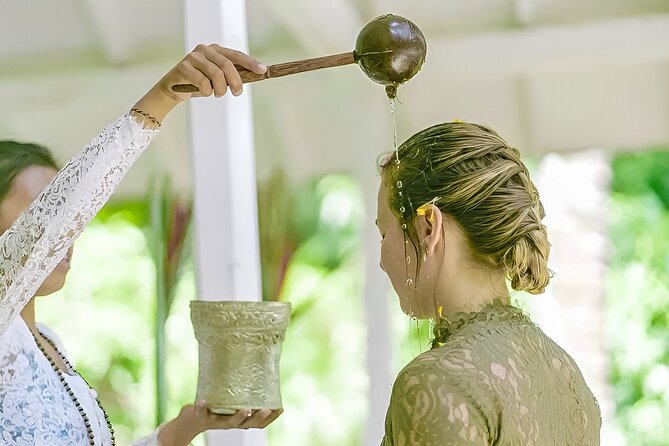
Tirta Empul is famous for a cleansing ritual where people gather at pools fed by sacred spring water. The spirit of it is simple: you slow down, pay attention, and use the water for purification. This tour puts you right where the action is, with time to experience it and take photos.
What makes this stop work well on a tour is that it’s not just a quick look at a temple. It’s a process. You’re guided through the day’s route, and Tirta Empul becomes the emotional anchor of the itinerary. If you like cultural experiences that feel grounded in place—not staged—you’ll probably appreciate the tone.
You should also know this: the day includes several temples and natural sites. That means you’ll want to be ready for a mix of quiet ritual moments and active walking. Comfortable footwear helps more than you’d think.
You can also read our reviews of more tours and experiences in Ubud.


How the 10-hour route flows across Ubud (and why it matters)
This is an approx. 10-hour day with hotel pickup and return transfers, plus private transportation with an air-conditioned vehicle. That matters because Ubud traffic can turn a “short trip” into a long one. Having the ride sorted means you spend your energy on the sights, not on logistics.
The flow goes like this: Tukad Cepung Waterfall, then Tegalalang Rice Terrace, then Elephant Cave (Goa Gajah), then Tirta Empul Temple for Melukat, and finally Kanto Lampo Waterfall and Tibumana Waterfall. The route is basically a greatest-hits sampler of Ubud’s best-known scenery types: water, rice fields, and temple heritage.
One practical tip: expect the day to mix early-morning freshness (best for waterfalls) with warmer midday conditions. You’ll want water, a hat, and sunscreen. The tour includes bottled water, which is a nice baseline.
Stop 1: Tukad Cepung Waterfall and the misty walk to the falls
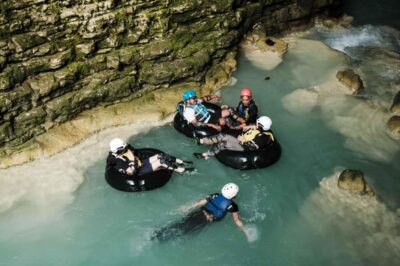
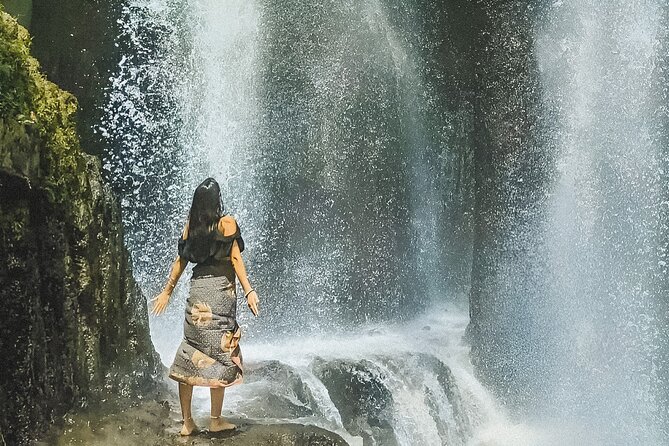
Tukad Cepung Waterfall is first on the list, and it’s a strong choice to start with. Waterfall mornings tend to feel calmer, and the light is often more forgiving for photos. The description of this part of the day focuses on hiking through forest and following a gentle river path to reach the waterfall’s serene spot.
The big drawback here is weather. Waterfalls are dramatic when they’re running well, and that depends on conditions. The tour provider also states this experience requires good weather, which is your clue to keep your plan flexible.
Budget-wise, Tukad Cepung admission is not included. Plan for $3.00 per person for entry to this stop.
Stop 2: Tegalalang Rice Terrace views (and the small entry fee)
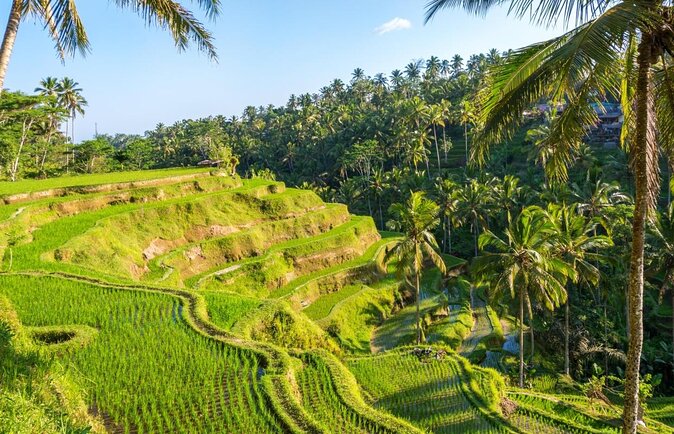
Tegalalang Rice Terrace is the classic Bali “green steps” view. The good news: it’s one of those places where your photos actually look like what you expected. The day’s flow gives you a dedicated stop here, so you’re not grabbing a look from the roadside.
You’ll pay an entry fee here too: $2.00 per person. That’s not a deal-breaker, but it is part of the budgeting math for the day.
What I like about placing this stop before Goa Gajah and the temple ritual is that it shifts your day from water to height and views. Rice terraces also tend to be slightly easier to pace than more intense walking sections. You can linger where the viewpoints open up.
Stop 3: Elephant Cave (Goa Gajah) and what to expect
Elephant Cave, or Goa Gajah, is part of the route and comes with its own admission fee. In the fee list, it’s $4.00 per person.
This is one of those stops where you’ll get more from it if you pay attention to the details, like the layout of the area and the temple setting. The tour description frames it as part of the broader cultural route of the day—moving you from scenic nature into temple history and atmosphere.
Practical note: this is still a temple site. So dress and behavior matter. You’ll likely want clothes that feel respectful and easy to move in, and you’ll want to keep your schedule calm so you don’t rush through.





Stop 4: Tirta Empul Temple Melukat pools (the main event)
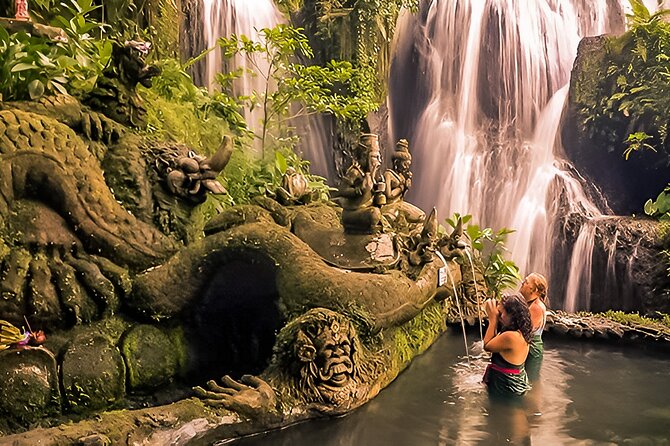
This is the reason most people book the day: Melukat at Tirta Empul Temple. The experience is centered on sacred spring water and purification, and the tour description emphasizes the calm feel—cool mist, soothing water sounds, and time to take photos or meditate by the pool.
Now for the real-world part: you should budget for entry. The admission fee for Tirta Empul Temple is $6.00 per person and is not included. One review also mentions having to pay a guide at the temple, so here’s the takeaway:
- Have some extra cash or payment method ready for anything not baked into your booking.
- If you want extra explanation at the ritual area, you may run into a temple guide cost.
If you’re the type who likes meaning behind what you see, this is your moment. If you’re only looking for scenery, you might find the ritual part slower than the waterfalls. But that’s also why people remember it.
Stops 5 and 6: Kanto Lampo and Tibumana waterfalls
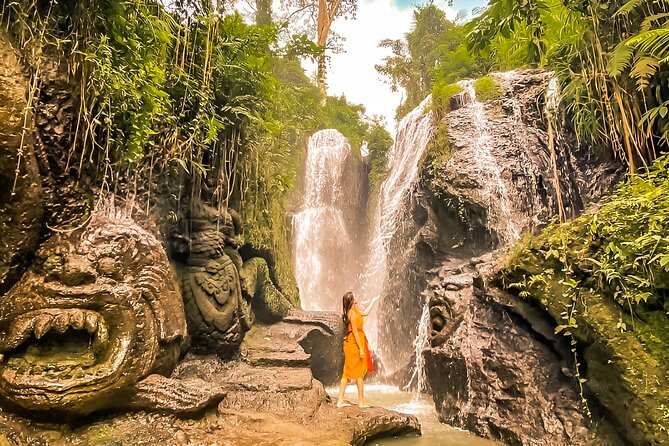
After Tirta Empul, the itinerary shifts back to water again with Kanto Lampo Waterfall and Tibumana Waterfall. This is a smart way to end the day because waterfalls help you decompress. They’re also a nice payoff if you kept your energy for the cultural center earlier.
Tibumana Waterfall has an admission fee listed: $2.00 per person. Kanto Lampo’s fee is not listed in the provided breakdown, so you’ll want to plan to check what you may need to pay on arrival.
A practical reality: by late afternoon, you’re usually warmer and more tired. Bring a small towel if you have one. Wear shoes that can handle wet ground. The tour includes bottled water, but it won’t magically refill your energy after a long day of walking and sun.
Price and value: what $35 covers, and what you should budget on top
Base price is $35.00 per person, and that covers a lot of the “comfort layer”:
- Hotel pickup and return transfers
- Private transportation with air-conditioned vehicle
- Bottled water
- English-speaking driver
- Admission ticket to attractions labeled as Price A only
The catch is the day-of fees. The not-included list spells them out for several stops:
- Tirta Empul Temple: $6.00
- Tegalalang Rice Terrace: $2.00
- Goa Gajah (Elephant Cave): $4.00
- Tibumana Waterfall: $2.00
- Tukad Cepung Waterfall: $3.00
That’s $17 total per person in listed admission fees. So in practical terms, you’re likely looking at around $52-ish per person before any optional costs (like a temple guide at Tirta Empul, mentioned in one review).
Is that value? I think it is, if you want a full day of major sights without doing the driver-hunting yourself. The price works best when you treat it as a convenience deal plus a route you can’t easily stitch together smoothly.
If you’re traveling super light and already have a car, you might question the premium. But if you’d rather not spend your day in traffic or coordinating tickets between locations, this pricing makes sense.
Pickup, AC rides, and the guide factor that actually changes the day
This tour includes hotel pickup and return transfers, and you travel in an air-conditioned vehicle with an English-speaking driver. That’s not just comfort—it’s time-saving and stress-saving.
The reviews also highlight the difference a strong guide makes. One standout is Widi, praised as phenomenal, super knowledgeable, kind, and attentive to comfort. Another guide, Agus, earned a strong recommendation and is credited with making the experience feel smooth and worth it.
What you should take from those names, even if you don’t know who you’ll get: this isn’t a “stick you in a car and good luck” setup. It’s the kind of day where local tips can help you make the most of each stop, including how to move through crowded areas and when to pause.
What to bring (so the day feels easy instead of exhausting)
You’ll be mixing temples and waterfalls in one long day. That means you’ll want gear that handles both water and respectful temple conditions.
Bring:
- Comfortable, grippy shoes (wet paths happen)
- A hat and sunscreen (sun hits before you’re done)
- A light layer for AC rides
- Any small cash you might need for day-of temple admission or temple guide costs
If you’re the type who likes quiet moments at ritual sites, also bring patience. This is not a “run through and leave” itinerary.
Who should book this Melukat day trip
This tour fits best if you want:
- A single-day sampler of Ubud’s signature experiences
- A guided, hassle-free route with hotel pickup
- A mix of nature and culture (waterfalls plus purification ritual)
It may not be ideal if you:
- Hate long days (this is approx. 10 hours)
- Expect every cost to be fully included with no surprises (admissions are listed as not included)
- Are sensitive to weather changes (the experience requires good weather)
If you’re traveling with someone who loves photos, this itinerary gives you plenty of angles and variety: rice terraces, temple pools, and waterfall backdrops.
Should you book it or choose something simpler?
I’d book this if you’re short on time in Ubud and you want a structured day that covers the headline experiences without you playing transport planner. The value is strongest when you accept that you’ll pay a bit extra for admission fees and possibly a temple guide option at Tirta Empul.
Skip it (or choose a lighter option) if you’d rather not spend a full day moving between sites, or if you prefer to travel at your own pace with fewer stops. Waterfall days are weather-dependent, so keep a backup mindset.
If you do book, do it with the right expectations: this is a full-day route that’s equal parts Melukat meaning and outdoor scenery payoff.
FAQ
What does the $35.00 per person price include?
It includes hotel pickup and return transfers, private air-conditioned transportation, bottled water, an English-speaking driver, and admission ticket coverage for attractions at the Price A level.
Which additional admission fees should I budget for?
Tirta Empul Temple is $6.00 per person, Tegalalang Rice Terrace is $2.00 per person, Goa Gajah is $4.00 per person, Tibumana Waterfall is $2.00 per person, and Tukad Cepung Waterfall is $3.00 per person.
Is this tour private or shared?
It’s private for your group, meaning only your group participates.
How long is the tour?
The duration is approximately 10 hours.
Is pickup available from Ubud hotels?
Yes, hotel pickup and return transfers are included.
Do I need to worry about weather?
Yes. The experience requires good weather. If it’s canceled due to poor weather, you’ll be offered a different date or a full refund.
How far in advance should I book?
On average, this is booked about 10 days in advance.