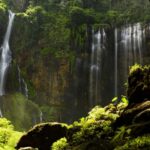
This 12-hour Senaru Crater Rim camping trek is the kind of plan where the best moments line up like clockwork: climb for big panoramas, then watch the light change over Rinjani from your camp spot. I really like two things here: you get a true local guide + porter setup (so you’re not hauling camp cooking gear), and the camp experience is built around the views, including sunset-focused timing and evening campfire stories. The one consideration: you’re hiking to higher elevation (up to 2000 m above sea level), so altitude sickness can be a deal-breaker for some people.
I also like that the meal plan isn’t treated like an afterthought. You’ll eat food and beverage in local recipes, plus there’s enough variety to keep you moving, even when the schedule is demanding. And because this is a private group, you should get more attention and easier pace control than on bigger group treks.
One more practical note: alcohol is not allowed on the trek, and you’ll want clothes that can get dirty. That means pack like you’re expecting dust, rain (Rinjani weather can flip), and a little mud on the way down.
In This Review
- Quick key points (worth knowing before you go)
- Entering the Senaru Crater Rim plan: what makes this trek special
- Day-by-day flow: how the 12 hours turn into a real Rinjani story
- Camp on a volcano rim: the part you’ll actually remember
- Food on Rinjani: local recipes that keep you moving
- Guides and porters: the real difference-maker on Rinjani
- Gear and comfort: what’s included vs what you must bring
- Price and logistics: is $160 good value for a premium Rinjani camp?
- Who this trek suits best (and who should skip it)
- Tips to pack smarter and handle the elevation up to 2000 m
- The small details that make a big difference
- Should you book this Mount Rinjani Senaru Crater Rim camping trek?
- FAQ
- What does the $160 per person price include?
- Where do you sleep during the 1 night?
- Is the guide language English?
- How long is the trek?
- Is a trekking ticket included?
- Who should not join this trek?
Quick key points (worth knowing before you go)
- Best for sunset camp positioning at or near the Senaru Crater Rim
- Camp under the stars with campfire stories in the evening
- English live guide plus audio guide available in English and Dutch
- Guide and porter included, with camp gear carried and set up for you
- Tent, mattress, sleeping bag, and even folding camp furniture are part of the package
Entering the Senaru Crater Rim plan: what makes this trek special
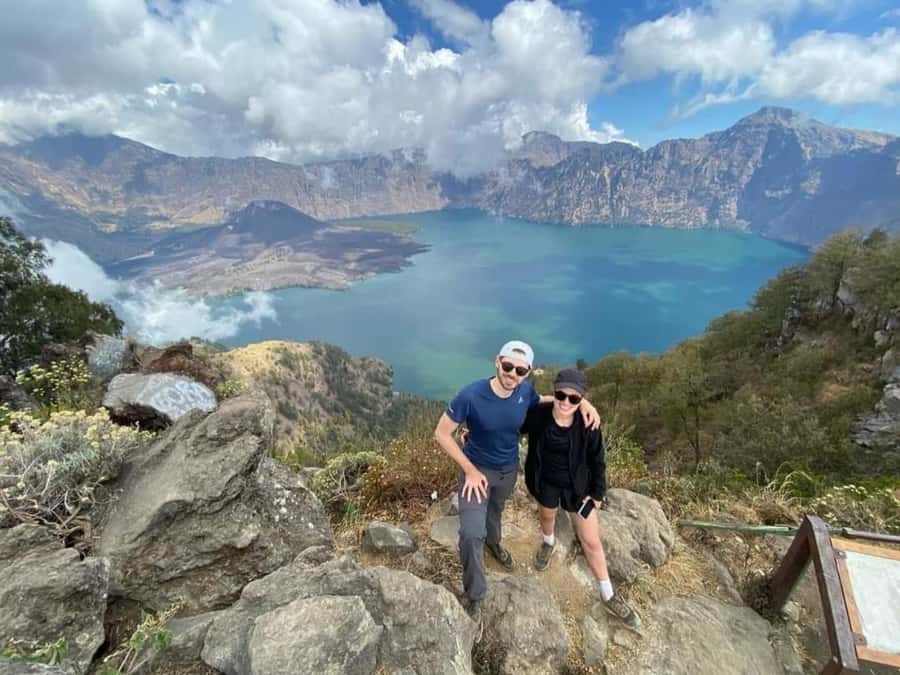
Mount Rinjani is famous for a reason: it’s dramatic, active, and always changing with the weather. This specific trek package aims you at the Senaru Crater Rim, which is where the experience clicks for most people. Instead of treating the hike as just a workout, the trip is designed around staying there—long enough to see the sunset and sunrise vibe from a camping spot.
The other smart choice is the camp focus. The itinerary is built so your overnight isn’t just a random place to sleep. It’s the place you’ll remember: setting camp, watching the sky shift, and getting a full feel for the mountain from that elevated viewpoint. If you’re the type who likes a “one big moment per day” trip, this delivers.
This is also a 2-day, 1-night structure that fits well into short Lombok trips. You’ll still feel like you left the city world behind, but you’re not committing to a week of trekking.
You can also read our reviews of more tours and experiences in Indonesia.
Day-by-day flow: how the 12 hours turn into a real Rinjani story
The tour runs for about 12 hours from pick-up through drop-off, packaged as 2 days and 1 night. What matters is the rhythm, not a minute-by-minute script.
Day 1: Trek upward toward the crater rim
You’ll start from the meeting point with hotel pick up (within the free range), then move to the trek start. From there, you climb toward the Senaru Crater Rim. Along the way, the experience is all about building views: panoramic looks that keep expanding as the slope turns you toward the mountain’s grand scale. Expect the trek to feel “alive” with changing light, cooler air higher up, and stops that are more about pacing than sightseeing checklists.
Sunset timing and the camp moment
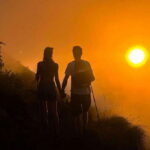
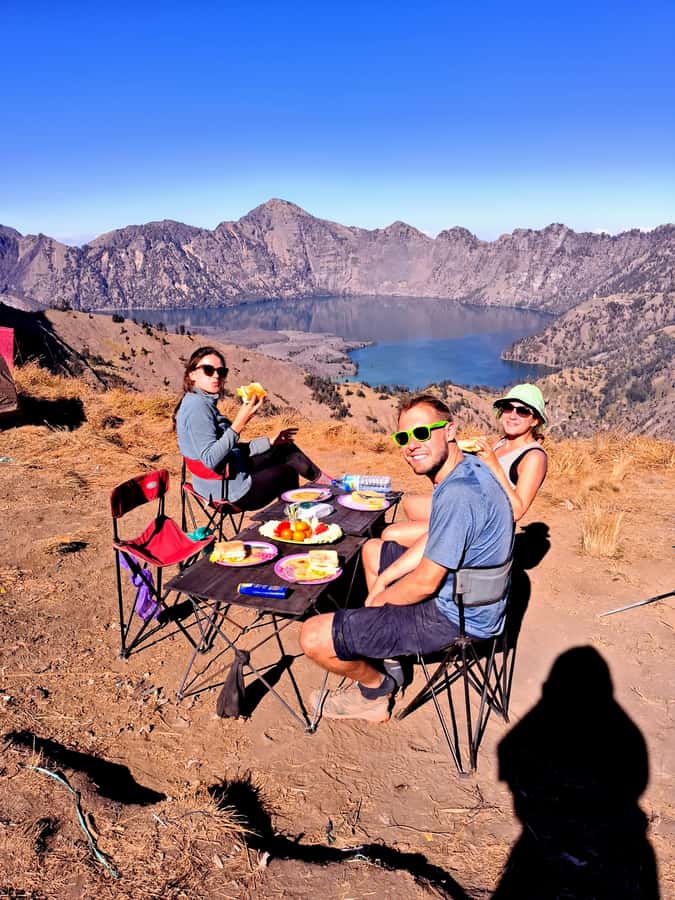
This is a sunset-focused plan. Once you reach your camp spot (the package can be on jungle or the crater rim), guides help you set up. Then the mountain takes over: the air cools, shadows stretch, and you get the kind of wide view that makes phone cameras forget their own settings.
Camp night: campfire stories and stargazing
After camp setup, you’ll have dinner and then gather around the campfire for stories. It’s not just entertainment—it’s a good way to understand the local connection to Rinjani while you’re sitting in the environment that created those stories. Sleeping arrangements are handled for you with a tent and proper bedding, so you’re not trying to improvise comfort at altitude.
Day 2: Morning views, then the return
The package is designed so you get the “morning light over Rinjani” experience too. After the night at the rim, you’ll take in sunrise views from your vantage point, then head back down. The descent is where you’ll feel the difference between a smooth trek and one that wasn’t paced right. Since private-group pace can be adjusted by the guide, you’re more likely to stay comfortable.
Camp on a volcano rim: the part you’ll actually remember
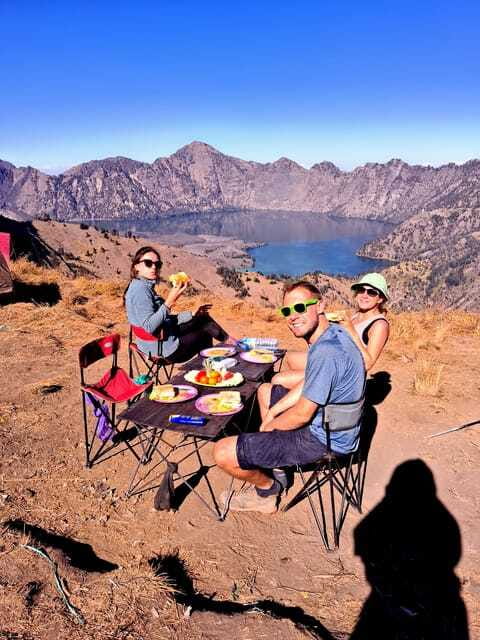
The camp setup is one of the strongest parts of this package. You’re not just provided with a sleeping bag and wished luck. You get camping equipment (tent, mattress, sleeping bag) plus extra camp comfort items like a foldable hiking chair and table. That small detail matters more than it sounds. After a full day hiking, being able to sit properly (instead of only squatting on uneven ground) makes the whole evening feel calmer.
There’s also the “campfire stories” component. It’s the sort of thing that turns the night from weather-dependent into experience-dependent. When you’ve got a view, your evening matters. Sitting with a fire while the mountain quiets down is how you remember Rinjani, not just your sore calves.
One note about location: the package says camp can be on jungle or the crater rim. Since the highlights focus on the best sunset camp spot, you can assume the goal is to place you where the views are strongest, but you should still be prepared that the exact campsite feel might vary.
Food on Rinjani: local recipes that keep you moving
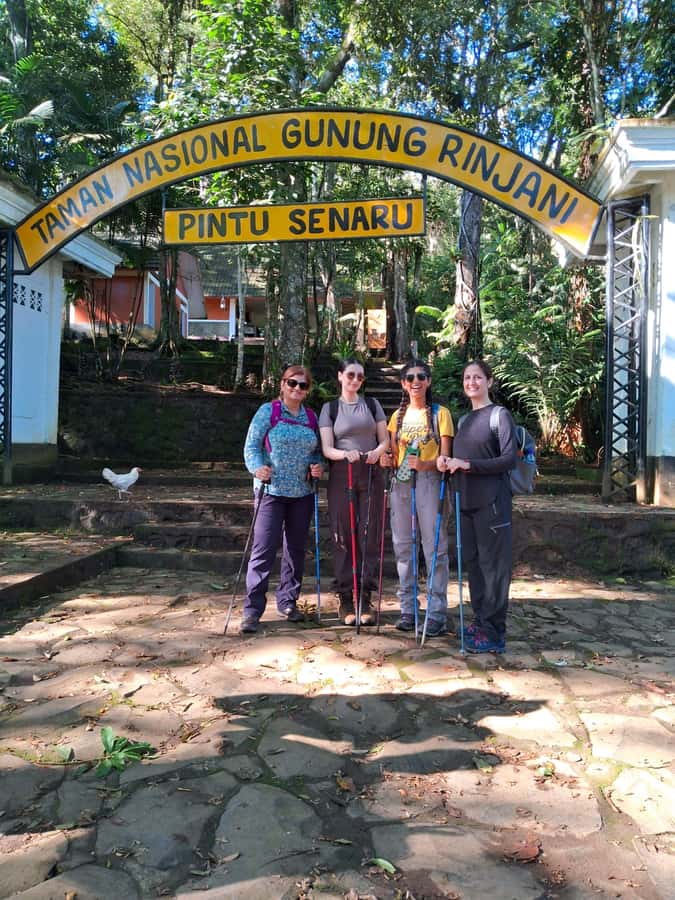
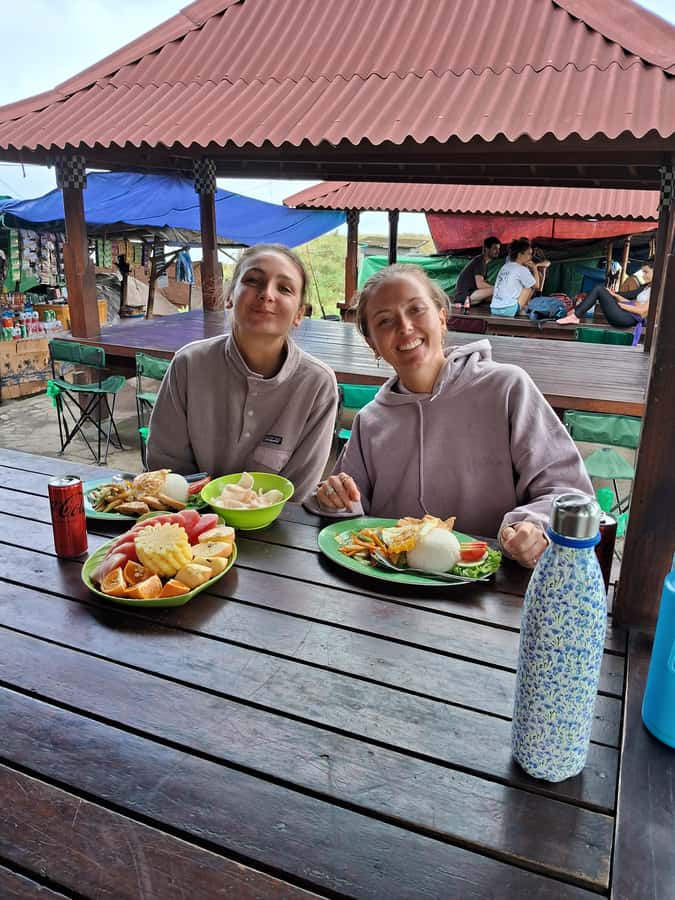
Hunger at altitude is no joke. This trek handles food in a way that’s built for energy, not just for survival. You’ll get food and beverage by local recipes, and the included meals are described as plentiful and good.
A big practical point: the menu includes fresh items like vegetables and fruit, served at meals throughout the trip. That’s helpful because it keeps your body from crashing on day two when everyone expects to be running on pure carbs.
From a value angle, I also like that drinks and meals are covered rather than you guessing what you’ll have to buy on-site. When you’re trekking, “I’ll just grab a snack later” turns into “I’ll skip dinner” fast.
Guides and porters: the real difference-maker on Rinjani
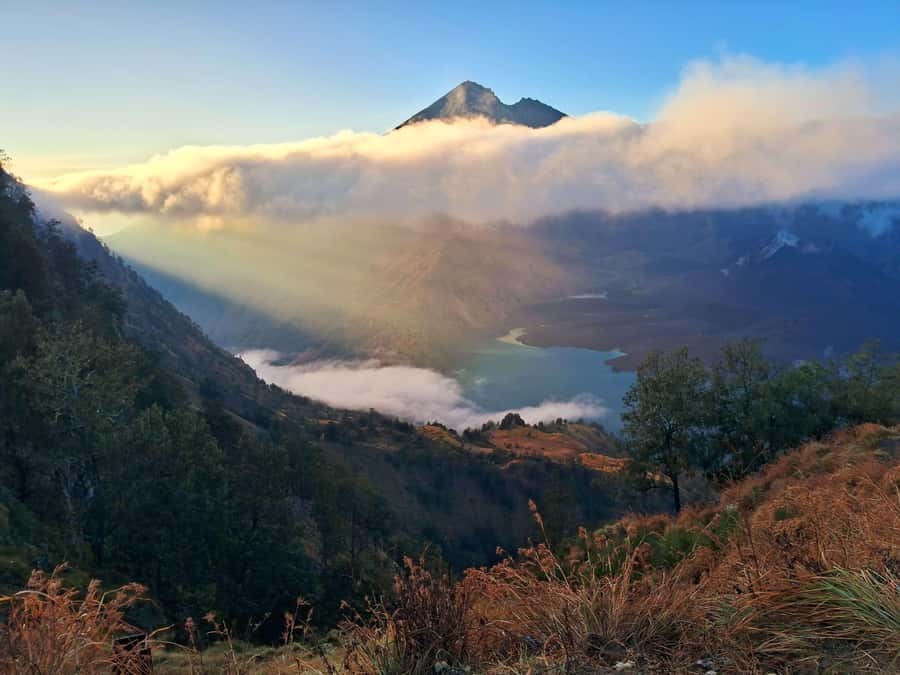
On Rinjani, the people running the show matter as much as the scenery. This package includes a guide and porter. That means your camp cooking and gear logistics are handled, while your job is hiking and staying safe.
In one example, a guide named David took care of a small private group and provided lots of information. That kind of guide attention is what turns a trek into an actual story—understanding the mountain’s geography, reading weather changes, and keeping you on a pace that makes sense for your body.
You’ll also want to appreciate the porters. The trek includes equipment movement and camp setup, and the reviews make it clear they work hard and get you fed and comfortable. If you’re considering tips, consider it a sincere thank-you for carrying more than most people would ever want to carry.
Gear and comfort: what’s included vs what you must bring
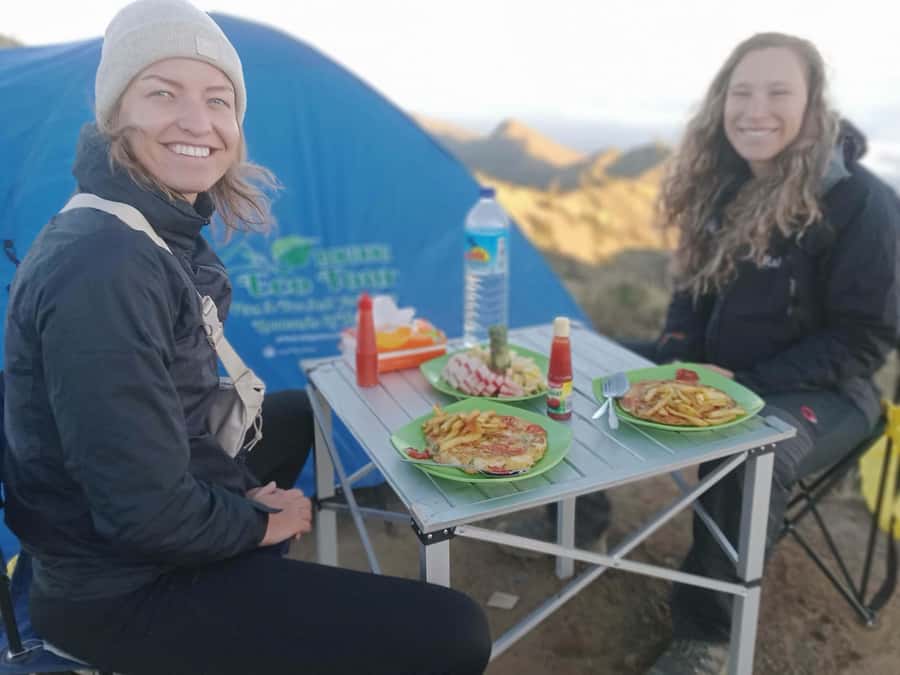
The package supplies most of the “tough-to-lug” items, which is exactly where tour operators should help.
Included camp items:
- Tent, mattress, sleeping bag
- Foldable hiking chair and table
- Toiletries (like tissue)
- Guide and porter to bring and set up camp cooking needs
So what should you bring?
- Clothes that can get dirty
- A daypack
- Comfortable shoes
Practical comfort tip: bring layers. The trek climbs to higher elevation (up to 2000 m above sea level), and conditions can shift quickly. Even if it’s warm when you start, you may want something warmer later—especially around sunset and sunrise when temperatures drop.
Price and logistics: is $160 good value for a premium Rinjani camp?
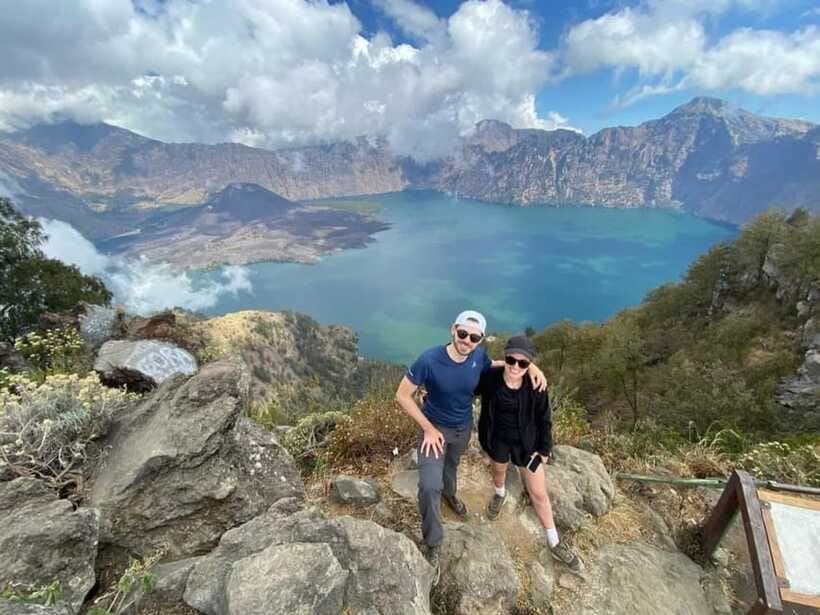
$160 per person sounds like a lot until you break down what’s included. Then it starts to look reasonable for what you’re actually getting:
- Private-group format
- English live guide
- Porter support
- Camp gear (including sleeping setup and basic camp furniture)
- Food and beverage during the trek
- Hotel pick up and drop off within the free range
The big value booster is the porter. On a volcano trek, having camp cooking gear handled for you can change how you experience the day. Instead of thinking about weight and balance, you can focus on the trail and pacing.
What’s not included (so don’t get surprised):
- Trekking ticket
- Transportation outside the free pick-up area
- Hotel stays before and after the trek
- Personal expenses, including an extra porter if you add extra baggage
If you’re comparing options, don’t just compare prices. Compare what you carry and what’s already paid for. This package is priced like a “premium trekking service on the mountain,” and the inclusion list backs that up.
Who this trek suits best (and who should skip it)
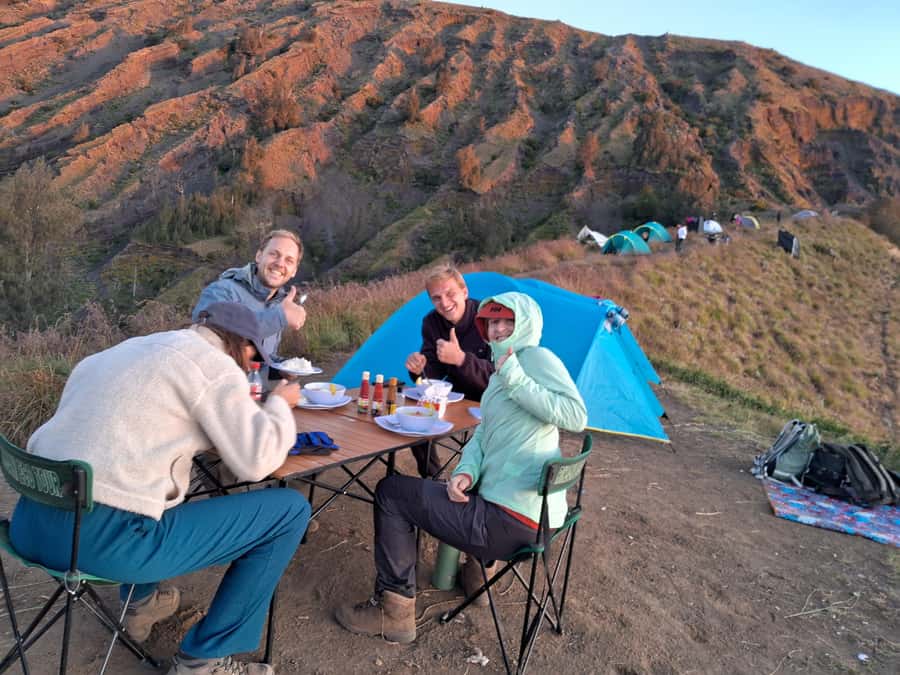
This trek is not for everyone, and the restrictions make sense.
Best fit:
- Adults who can handle a challenging hike
- People who want sunset + sunrise views from a crater rim camp
- Travelers who prefer a private group and hands-on guide care
Not suitable:
- Children under 10
- People with altitude sickness
- People over 70
- Pregnant women
Also keep rules in mind:
- Alcohol and drugs are not allowed
One more “real life” thought: the trek climbs to higher elevation. Even if you’re young and fit, altitude reactions can be individual. If you’re unsure, ask your doctor before booking.
Tips to pack smarter and handle the elevation up to 2000 m
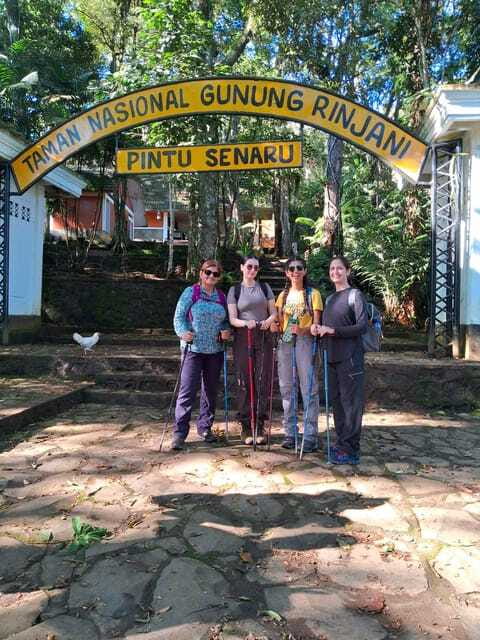
You’re going up to 2000 meters above sea level, so pack like it’s a real hike, not a casual walk.
I’d prioritize:
- Comfortable shoes with grip (you’ll be stepping on uneven ground)
- A daypack that stays stable while hiking
- Dirty-friendly clothing (you’ll likely want to wash these later)
- Layers for cooler rim air around sunset and early morning
Also: bring a calm mindset. The pace is supposed to be adjusted by the guide to your comfort, but Rinjani is still a mountain. If you go too hard early, day two can feel harder than it needs to.
The small details that make a big difference
A few things here are easy to miss until you’re on the trail:
- Private group helps you move at a pace that matches your body, not a crowd’s tempo.
- An English live guide plus an audio guide (English and Dutch) gives you extra context without turning the trip into a lecture.
- Camp seating (foldable chair/table) is more than comfort. It makes the whole evening routine feel smoother.
- Toiletries like tissue are included, which is a small but real relief when you’re dealing with outdoor conditions.
And yes, you’ll get that “look at the whole mountain from your camp” effect. It’s one of the reasons this trek is so popular for people who want photos, but also want the experience behind the photos.
Should you book this Mount Rinjani Senaru Crater Rim camping trek?
If your goal is a sunset-and-stars Rinjani night at the Senaru Crater Rim with real camp setup, you’ll probably love this. The value is strong because you’re paying for the guide + porter service and camp gear, not just movement from point A to point B. At $160 per person, it’s a straightforward way to buy the hard parts already handled.
I’d skip it if:
- You’re altitude-sensitive
- You’re in a restricted group listed by the operator
- You hate hikes that get physically challenging
- You’re expecting a luxury comfort trip (it’s camping, just with better support)
If you can handle the elevation and you want a guided, camp-centered Rinjani experience, this is a solid choice.
FAQ
What does the $160 per person price include?
It includes hotel pick up and drop off from the meeting point to the start point (within the free pick up range), a guide and porter, food and beverage by local recipes, camping equipment (tent, mattress, sleeping bag, plus foldable chair and table), and toiletries like tissue.
Where do you sleep during the 1 night?
You’ll camp either on the jungle or on the crater rim of Mount Rinjani, depending on the camp location used for your trek.
Is the guide language English?
Yes. The live tour guide is English, and the audio guide is available in English and Dutch.
How long is the trek?
The activity runs for about 12 hours, arranged as 2 days and 1 night.
Is a trekking ticket included?
No. The trekking ticket is not included, so you’ll need to budget for it separately.
Who should not join this trek?
It’s not suitable for children under 10, people with altitude sickness, people over 70, and pregnant women. Alcohol and drugs are also not allowed. You’ll be hiking up to 2000 meters above sea level.