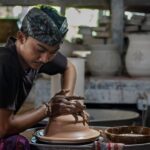
Clay, wheels, and calm in Ubud. This 3-hour pottery class at Tana Ampo Pottery Studio on the outskirts of Ubud in Gianyar pairs handbuilding with a pottery wheel session, then gives you the option to paint your own piece. It’s a hands-on way to slow down and make something real, not just watch.
I like that the class is built around making two pieces with real studio support, and you get to make choices rather than follow one rigid plan. I also like the value: for $40, you get about 2 kg of clay split between techniques, plus tools, kiln firing, and a glaze finishing layer. One possible downside: the studio can be tricky to find because it’s in a backyard setting, so you’ll want to contact the organizers early in case they help with pickup.
In This Review
- Key things to know before you go
- A 3-hour Ubud clay workflow that actually makes sense
- Handbuilding first: learn clay texture and shape control
- Wheel time with an instructor close by
- Painting, glaze, and firing: what happens after your class ends
- Price and inclusions: is $40 actually good value?
- Getting to the studio on Ubud’s outskirts (and avoiding stress)
- Teaching style: English support and patient guidance
- Who should book this Ubud pottery class
- Should you book? My practical call
- FAQ
- How long is the pottery class?
- What is the price per person?
- Does the class include handbuilding and wheel techniques?
- Can I paint my pottery?
- What’s included with the clay and finishing?
- What should I bring?
- Is it a private group?
- What languages are offered?
- Is it suitable for children?
Key things to know before you go
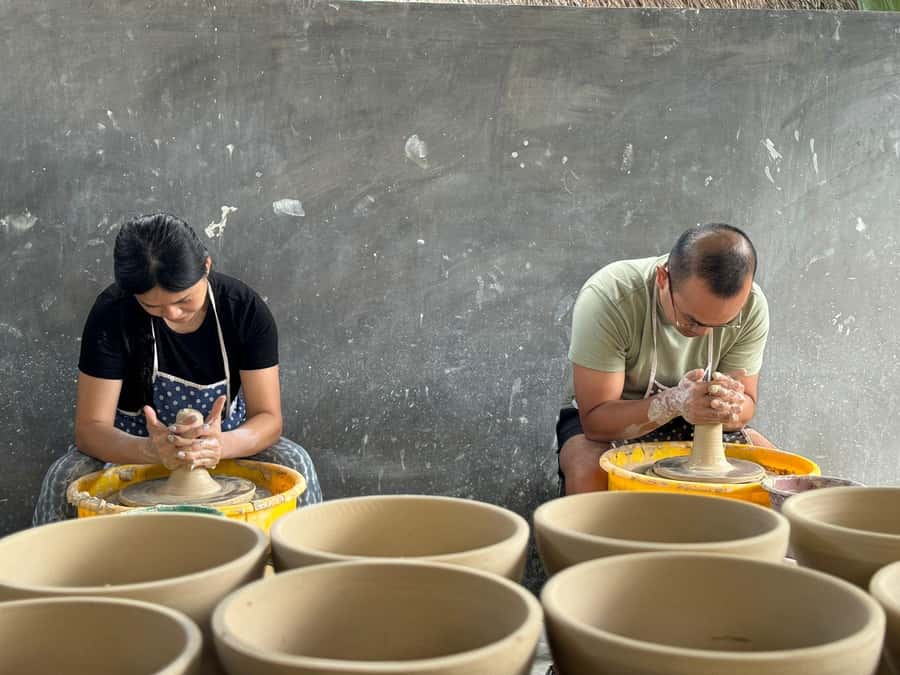
- Handbuilding first: learn clay feel and shape techniques before touching the wheel
- Wheel time included: get guided instruction so you can try forms like cups, bowls, and vases
- Optional painting: you can paint your pieces to match your design ideas
- Studio finishing is part of the deal: firing and a glaze layer are included
- Private group vibe: more attention and a calmer pace than big group workshops
- Location needs a plan: it can be hard to spot, so confirm how to arrive ahead of time
A 3-hour Ubud clay workflow that actually makes sense
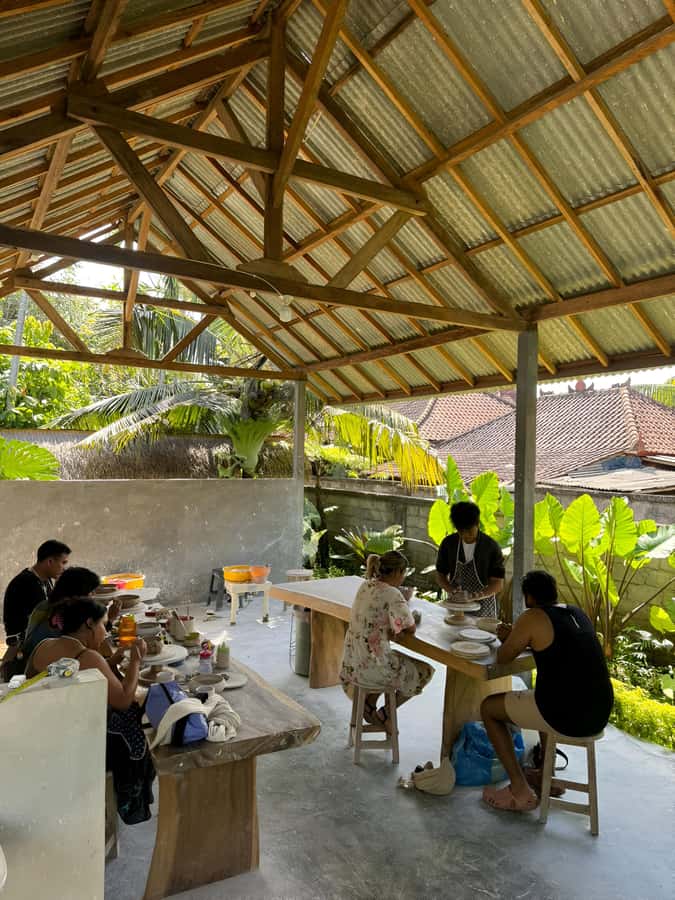
Tana Ampo Pottery Studio runs a focused 3-hour course that moves in a practical order: handbuilding, then wheel technique, then a chance to paint your work. That structure matters because handbuilding teaches you the “feel” of the clay first, so when you switch to the wheel later, you’re not starting from zero.
The class is designed for beginners, but it still feels hands-on. You’re not only shaping a lumpy souvenir disk; you’re learning how to create forms and details with instructor help, then taking a shot at wheel-made pieces like cups, bowls, and vases.
It’s also a nice change of pace from the usual Ubud routine of temples, rice terraces, and scooters. Here, you’re working with your hands for the whole session, and the studio handles the hard timing part after class—firing and glazing.
You can also read our reviews of more tours and experiences in Ubud.



Handbuilding first: learn clay texture and shape control
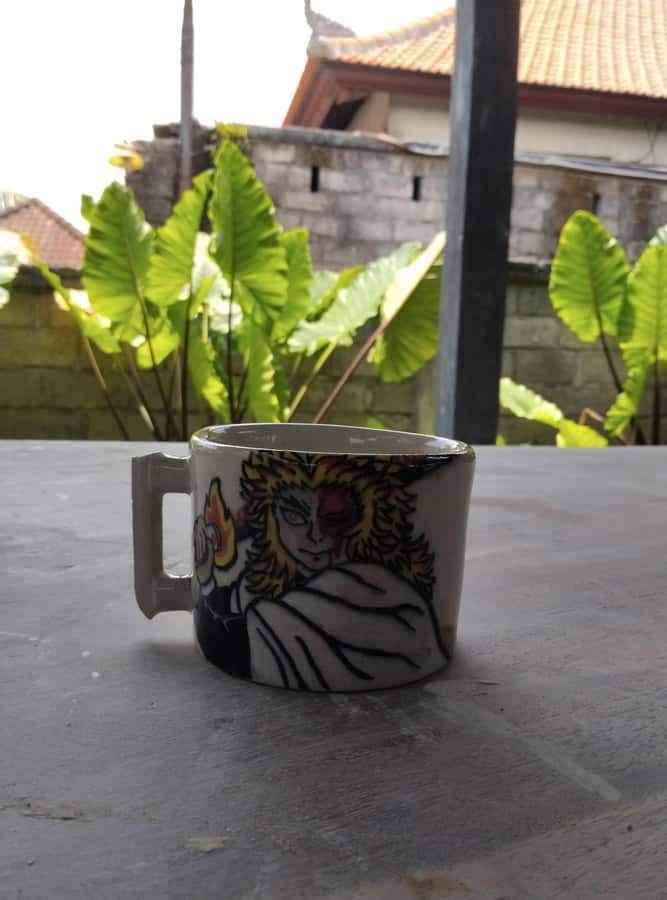
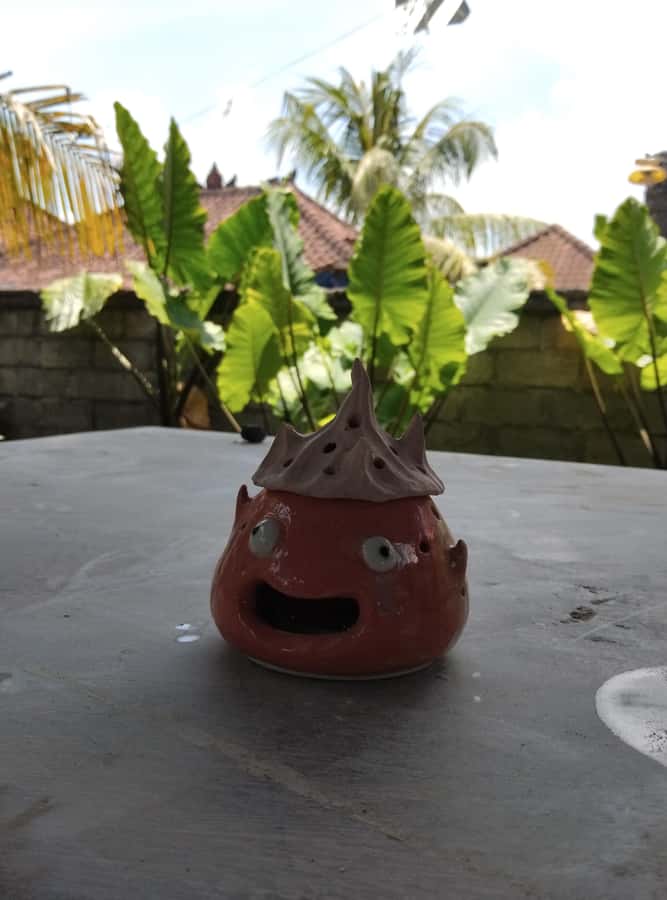
The first stretch is handbuilding, using part of your clay (the class includes 2 kg total, divided between handbuilding and wheel). This is where the course earns its keep: you get time to notice how the clay behaves—texture, firmness, and how forms hold together.
Handbuilding is also where you’re usually most free to try the kind of shapes that are hard to manage on a wheel. The class specifically calls out the ability to make intricate shapes and designs with hand techniques, which is great if you like detail work or you want something that looks more personal than a basic cylinder.
A big plus is that you’re not forced into one generic output. You can choose what to make, and the instructor supports questions as you go. If you’re the type who gets stuck when the instructions are vague, this phase helps because you learn by doing, with guidance when you need it.
Wheel time with an instructor close by
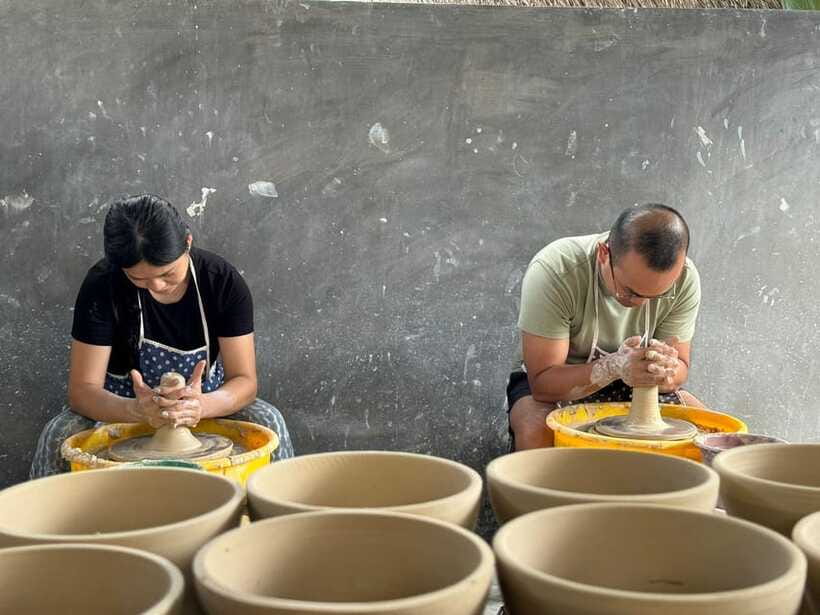
After handbuilding, you move to the pottery wheel. The studio includes wheel time and tools, and the lesson is structured around learning the basics of how to make pieces correctly on the wheel—so you’re not left guessing.
On the wheel, the class commonly focuses on forms like cups, bowls, and vases. That’s practical because those shapes teach key concepts (opening, shaping, symmetry) without requiring you to make a complicated sculptural object.
The teacher support is the difference-maker. In this kind of workshop, the wheel can feel intimidating at first, mostly because beginners can overthink the motion. Here, the instructor actively guides you as you work, so you can actually get to a finished-looking piece rather than spinning clay frustration for an hour.
Painting, glaze, and firing: what happens after your class ends
Once the forming is done, you get the fun part: the optional painting. The class says you’ll have a choice to paint your pieces so your designs come through the way you imagined. Even if your first attempt at decoration isn’t perfect, it’s a chance to personalize your work without needing advanced artistic skills.
Here’s what’s especially valuable: the workshop includes glaze finishing and firing. That means you aren’t responsible for the kiln schedule or the tricky chemistry of making the surface food-safe or glossy (the course includes the glaze layer for finishing touches). From a traveler’s standpoint, this is huge because it turns a hobby attempt into an object the studio finishes for you.
One practical tip: plan your timing so your pieces have time to dry at the studio before you leave Bali. I’d recommend booking at least 5 days before your departure to allow drying time, especially if you want your work ready when you’re back on the move.
Price and inclusions: is $40 actually good value?
At $40 per person for a 3-hour class, the value comes from what’s included—not just the teaching. You get:
- 2 kg clay total, split between handbuilding and wheel time
- Tools and pottery wheel
- Water (but not a water bottle or cups)
- Firing for the pieces
- Glaze layer for finishing
Those items add up fast if you have to pay separately. In many workshops, materials might be cheap but firing and glaze are extra, or the session is shorter than advertised. Here, the cost lines up with the full process: make the pieces, then the studio handles the kiln and surface finish.
To compare realistically: you’re paying for instruction plus the “invisible labor” after you leave—the drying, firing steps, and glazing that turn clay into a usable ceramic object. That’s what makes this class feel like a full experience instead of a casual one-off craft stop.
The only extra you should expect is the small stuff you bring yourself—most notably a reusable water bottle. The studio provides water, but it’s still a good idea to show up ready.






Getting to the studio on Ubud’s outskirts (and avoiding stress)
This pottery class sits on the outskirts of Ubud in Gianyar, and the studio setup can be unusual. One concern that comes up often is that it’s not super easy to find because it’s located in a backyard/behind a house setting.
So don’t treat arrival like a last-minute guess. Message the organizers early and ask for a clear way to reach the studio. If you end up running late, the class leader support seems forgiving—starting the session after a delay has happened—so communication is your best friend.
If you’re coming by taxi, build in extra buffer time. Ubud roads can surprise you with detours, and small delays matter when your class is only 3 hours. If your schedule is tight, check where you’re being dropped off and confirm the meeting point before you set off.
Because this is a private group, you’ll usually feel less rushed. Fewer people means more instructor attention, and it helps your wheel attempts go more smoothly (wheel classes can spiral into chaos if everyone is waiting in the same small space).
Teaching style: English support and patient guidance
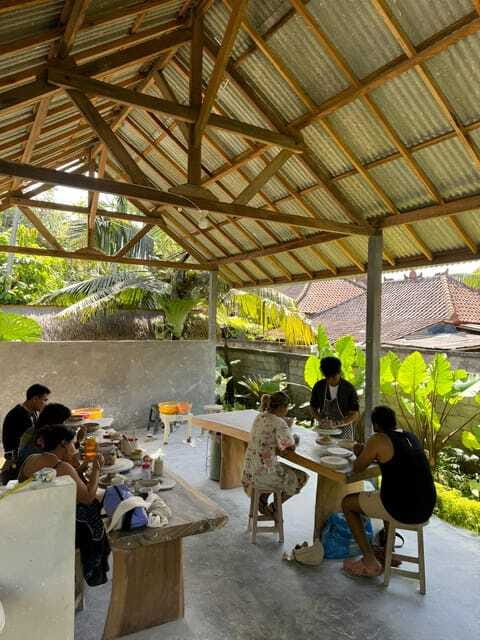
The course includes instruction in English and Indonesian, which is ideal if you don’t want to worry about translation while you’re learning clay techniques. It also makes it easier to ask questions in real time, especially during handbuilding when you’re shaping details.
Instructors you might meet include Wigus and Putra, and the tone that comes through is calm and supportive. The class is described as informative, relaxed, and genuinely fun—so it doesn’t feel like a strict art school where beginners get judged.
That matters more than you might think. When you’re learning a new craft, the biggest barrier isn’t skill—it’s stress. A patient teacher who helps you when you have questions keeps the learning curve reasonable and makes the wheel session enjoyable instead of frustrating.
Who should book this Ubud pottery class
This pottery class is a strong match if you want a creative activity that still feels grounded and practical. I’d especially recommend it if you like hands-on learning, want to try both handbuilding and wheel techniques, and want your effort finished for you with firing and glaze.
It’s also a good option for teens and older kids, since the workshop’s structure is clear and the pace stays focused over 3 hours. The class isn’t meant for very young children: it’s not suitable for children under 5, and children under 10 should be accompanied by an adult.
If you’re traveling solo or as a couple, a private group format can be a nice way to get more guidance. If you’re on a packed Ubud itinerary, this is also a rare activity where the payoff is physical and personal—you leave with handmade ceramics rather than another photo stop.
Should you book? My practical call
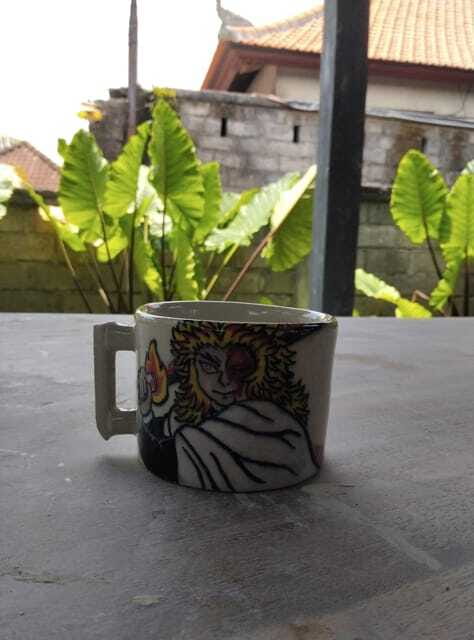
If you want a pottery experience in Ubud that feels complete—make clay pieces, try the wheel, paint designs, and then get them fired and glazed—this one is worth your time.
Book it if:
- You want two different techniques in one session: handbuilding plus wheel
- You care about finished results, not just a craft hour
- You value included materials and studio finishing (clay, firing, glaze)
Skip it or reconsider if:
- You strongly prefer fully guided, pre-made templates only (this class includes choice, so you’ll make more decisions yourself)
- You hate finding places that are hard to locate—just plan ahead and message for directions
If you do book, give yourself a buffer for arrival and aim to schedule it several days before you leave so your pieces can dry at the studio.
FAQ
How long is the pottery class?
The class lasts 3 hours.
What is the price per person?
The price is $40 per person.
Does the class include handbuilding and wheel techniques?
Yes. The class includes handbuilding first, then wheel technique.
Can I paint my pottery?
Yes. After handbuilding and wheel work, you have the option to paint your pieces.
What’s included with the clay and finishing?
You get 2 KG of clay, tools and a pottery wheel, water, firing, and a glaze layer for finishing.
What should I bring?
Bring a reusable water bottle. Water is provided, but a bottle and cups are not included.
Is it a private group?
Yes. The activity is listed as a private group.
What languages are offered?
The instructor(s) speak English and Indonesian.
Is it suitable for children?
It’s not suitable for children under 5. Children under 10 should be accompanied by an adult.