A full day in Ubud can feel like a checklist—this one feels like a story, with spiritual culture and nature in the same route. I like that you get a private guide, so the day doesn’t drag or feel generic, and you also get that hands-on ceremonial offering lesson in a local home. I also like the practical flow: wildlife in the morning, rice terraces and market breaks mid-day, then coffee and temples. One possible drawback: it’s a long day (about 10 hours), so the sun, walking, and temple etiquette can be a lot if you’re easily tired.
What makes this experience more meaningful than the usual sightseeing loop is the personal touch. In the best feedback, the guide Dewa gets highlighted for strong English and for making the day feel humble and real by bringing visitors to his home to meet his heavily pregnant wife and his mother. Still, because you’re visiting sacred spaces and homes, expect a bit of quiet respect and flexibility, not a rigid tourist script.
In This Review
- Key Highlights You’ll Actually Feel
- A Full-Day Ubud Mix of Sacred Rituals and Wild Things
- Morning Start at the Sacred Monkey Forest Sanctuary
- Tegalalang Rice Terraces: More Than Pretty Photos
- Ubud Traditional Art Market: Bargaining Without Stress
- Temples and Sacred Spaces: A Day With Spiritual Timing
- Coffee Plantation and Luwak: The Price Question, Answered
- Lunch by Rice Fields: Fuel for the Back Half of the Day
- The Traditional Offering Lesson at a Local Home
- Pickup, Private Guide, and Small-Group Limits: How the Day Runs
- Price and Value: What You’re Paying For
- Who Should Book This Ubud Day Tour
- Who Might Want to Skip It
- Should You Book This Ubud Day Tour With Offering Lesson?
- FAQ
- How long is the Ubud day tour?
- What time does the tour start?
- What’s included in the price?
- Is this tour private or group-based?
- Are there any minimum booking requirements?
- What is the cancellation policy?
Key Highlights You’ll Actually Feel

- Traditional offering lesson at a local home that turns a photo stop into something you can understand
- Sacred Monkey Forest Sanctuary with long-tailed macaques and a temple sanctuary in the same area
- Tegalalang rice terraces walk that shows how rice farming shapes daily life
- Ubud Traditional Art Market time with free entry and built-in bargaining guidance
- Luwak coffee experience that explains how the most expensive coffee gets made
- Lunch included with bottled water, so you’re not scrambling midday
A Full-Day Ubud Mix of Sacred Rituals and Wild Things
This is the kind of tour that gives you more than one Ubud flavor. You’ll do the classic sights—monkey forest, temples, rice terraces—and you’ll also touch the cultural side people often skip because it sounds hard to schedule.
I like that it’s private with hotel pickup and drop-off. That matters in Ubud, where short distances can still take time because of road traffic and the stop-and-go rhythm of sightseeing. You’ll also be on a tight timetable for about 10 hours, which helps you fit a lot without feeling like you’re always traveling.
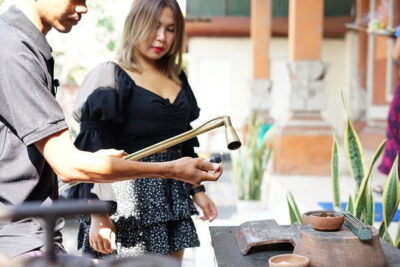
The tour’s most distinctive element is the ceremonial offering lesson with a local family. It’s not just a stop to look at something. You learn the idea behind it: offerings are part of everyday spiritual life, and the structure of the ceremony makes more sense when you’re guided by someone who does it at home.
You can also read our reviews of more tours and experiences in Ubud.


Morning Start at the Sacred Monkey Forest Sanctuary
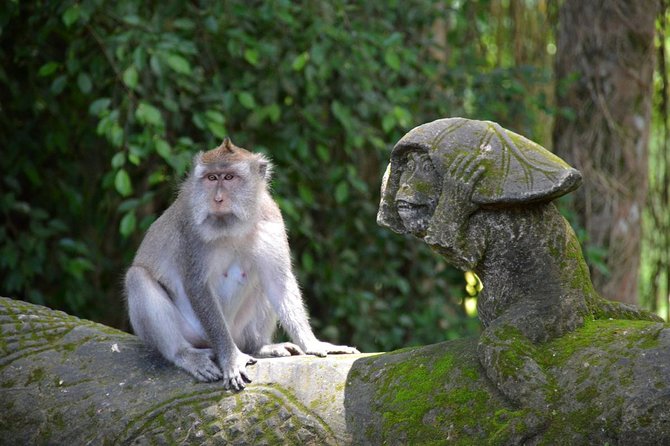
You begin with the Sacred Monkey Forest Sanctuary, a tropical green zone near the center of Ubud. The headline is simple: you’re walking around a forest home to more than 600 long-tailed macaques, and they’re close. The sanctuary also includes a sacred temple sanctuary that the monkeys guard, so it’s a nature visit with a religious edge.
Here’s the practical side. Monkey forests can be chaotic when people crowd the wrong spots. You’ll enjoy it more if you follow your guide’s lead on where to walk and how to move. I’d also treat this like a wildlife encounter, not an attraction where you control the moment. Keep bags secured and stay aware around the macaques, especially if you’re holding snacks or anything shiny.
What I like: this stop gives you instant Ubud energy. Even if you’ve seen monkeys elsewhere, the combination of forest path, temple space, and active animals makes it feel different.
Possible consideration: it can get loud and warm under the canopy. Wear breathable clothes and plan for basic sun protection, even if the trees make it feel cooler.
Tegalalang Rice Terraces: More Than Pretty Photos
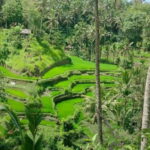
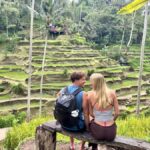
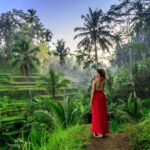
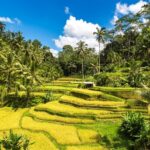
Next up is Tegalalang Rice Terrace, one of Ubud’s best-known views. This time, though, you’re not just looking from above. You get time to walk around and understand how traditional farmers cultivate rice—so you see the working logic of the terraces, not only the postcard angles.
The terraces are a social system. Water management, farming timing, and land layout all connect. A guide can help you notice small details: where water routes tend to flow, how terraces create manageable sections for planting, and why the shape of the land matters for daily work.
Why it’s valuable: rice farming is one of the best ways to understand why Ubud feels the way it does. The land isn’t scenery here—it’s labor, food, and tradition. When you understand that, later temple and offering moments feel more grounded.
Time note: you’ll have about 45 minutes. That’s enough for a loop and a few viewpoints, but not enough to slow down like a hiking day. Wear shoes with grip if the paths feel slick after any mist or humidity.
Ubud Traditional Art Market: Bargaining Without Stress
Ubud Traditional Art Market is a chance to slow down and shop with context. You’ll spend about an hour wandering local crafts and handcrafts, and admission is free.
This is also where bargaining comes in. The tour’s built for it: your guide can help you navigate what’s fair to ask and how to speak to sellers without turning it into an awkward negotiation. I don’t think the market is about winning a price. It’s about learning the rhythm—what to look for, what quality varies, and how quickly sellers react to your interest.
What to keep in mind: art markets can be hit-or-miss depending on what you’re buying. If you’re serious about one item type—baskets, wood carvings, textiles—ask questions about materials and process. If you’re browsing, set a budget in your head before you start. That single step keeps the market fun.
Temples and Sacred Spaces: A Day With Spiritual Timing
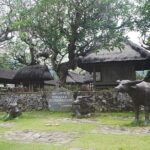
Some parts of this tour are described as temple time and sacred sanctuary moments, and they matter because this isn’t just architecture sightseeing. In Ubud, temples often function as active spiritual spaces with daily routines. That changes the vibe. You’re not only looking; you’re observing how people move, pray, and treat the space with respect.
When temples are on the schedule, a good guide helps you act appropriately without making you feel like you’re guessing. Even when you don’t know every rule, you’ll do better if you follow cues on modest clothing, how to behave in quiet areas, and when to pause for explanations.
Why I like this mix: putting temple stops next to wildlife and rice terraces prevents the day from feeling like one long “look at this, next.” Instead, it creates a set of themes. Nature, farming, and spirituality are linked here, and you see that connection over time.


Coffee Plantation and Luwak: The Price Question, Answered
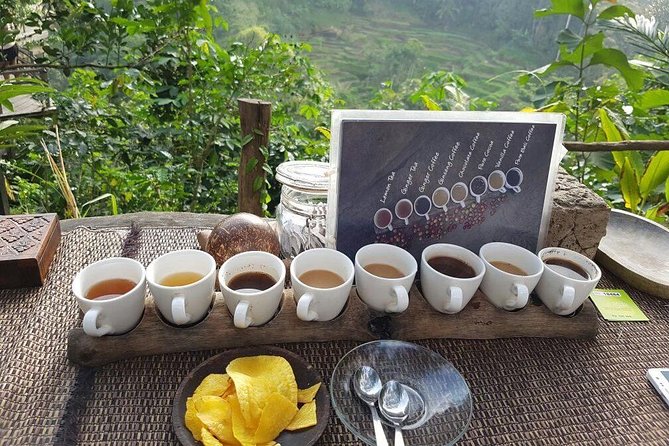
Ubud has coffee culture, but this tour targets the specific story behind luwak coffee—the one tied to an elusive process and expensive beans. You’ll visit a coffee plantation and see how locals work with luwak to create some of the world’s most expensive coffee.
I’d treat this stop like an explanation station. The tour is most valuable when you leave knowing what’s different about the process and why it’s priced the way it is. Coffee tasting and buying can follow, but the bigger win is understanding the chain of steps and the role of local knowledge.
Practical tip: plantation stops can mean more outdoor time and more chances to buy drinks or snacks on the spot. Since lunch and bottled water are included, you can manage spending. If you do want coffee, decide before you’re standing there tired and tempted.
Lunch by Rice Fields: Fuel for the Back Half of the Day
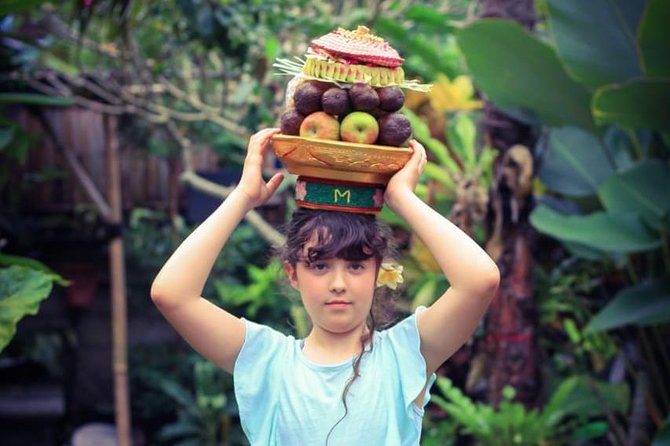
Lunch is included, and it’s designed to keep you from losing time (or turning the day into a scramble). You’ll dine with lush rice-field views, which is a smart use of time: it’s a visual break and a slow-down before the later cultural moments.
I appreciate that bottled water is included. Long days in the heat turn small inconveniences into big ones. Water included means fewer stops and a smoother rhythm.
Food-wise, the tour focuses on classic Balinese dishes. If you’re adventurous, you’ll likely enjoy the chance to taste what locals eat in their own style rather than sticking only to Western menu standards.
The Traditional Offering Lesson at a Local Home
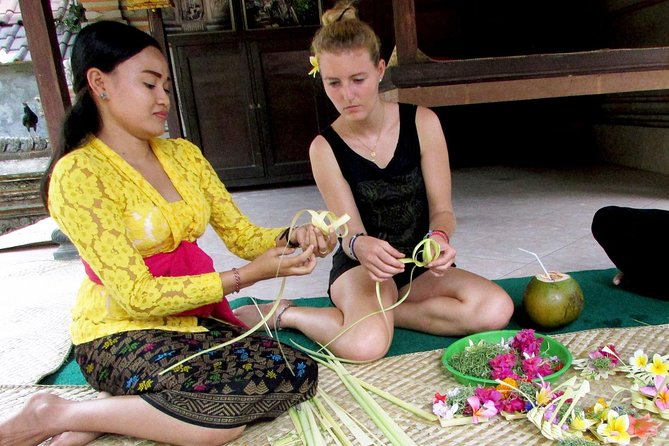
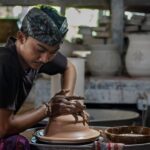
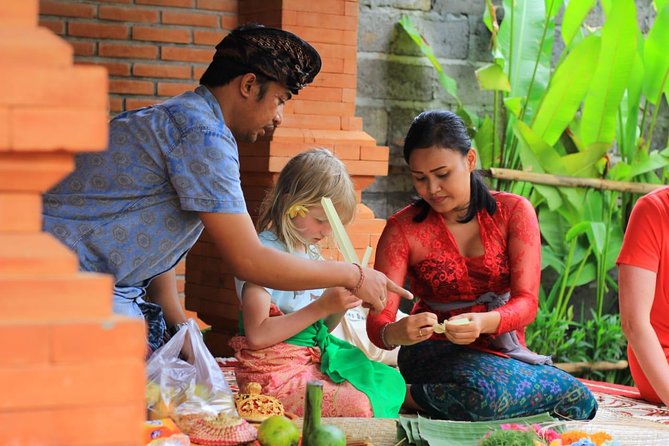
This is the heart of the experience. You go to a local home and take part in a spiritual ceremony by learning how to make a ceremonial offering.
Why this is special: offerings aren’t souvenirs. They’re expressions of belief, and they follow practical steps that a family knows through repetition. A private tour format helps here because your guide can translate not only the how, but the meaning behind it—what the materials are, why certain steps happen in a certain order, and how the ceremony fits into everyday life.
In the strongest feedback, the guide Dewa is specifically praised for how personal this felt. His home visit made the experience feel human and respectful rather than staged. The fact that he shared time with his family—meeting his heavily pregnant wife and his mother—was part of what made people feel humbled and connected to the culture.
Possible consideration: this part of the day can make you feel more like a visitor in someone’s life than a customer at an attraction. If you’re uncomfortable around homes, family spaces, or ceremonies that require quiet attention, this may feel intense. If you like learning cultural practices with sensitivity, it’s the highlight.
Pickup, Private Guide, and Small-Group Limits: How the Day Runs
The tour is private, with hotel pickup and drop-off, and it’s capped at a maximum of 15 travelers. That small cap matters even on a private tour because it often keeps timing more predictable. You’re not stuck waiting for a huge bus rhythm at every stop.
Start time is 8:00 am, and the day runs about 10 hours. That schedule is built to cover the major Ubud themes in one go: wildlife, farming, markets, temples, coffee, and the offering lesson.
Why pickup is worth it: Ubud is easy to get around in theory, but without a plan you can spend energy negotiating rides between scattered neighborhoods. Hotel pickup cuts decision fatigue and keeps you on a consistent timeline.
Price and Value: What You’re Paying For
At $61.54 per person, this tour sits in a mid-range category for Ubud. The price feels fair because the day includes several high-effort components that are usually extra on other tours: lunch, bottled water, a local guide, and hotel pickup/drop-off. Admission for at least key stops (like the monkey forest) is also covered per the included details.
Where the value really shows up is in the offering lesson. A private full-day with a cultural home experience plus multiple major stops costs more when you build it yourself. This package organizes transport, sequencing, and translation into one bill.
One caution on value: if you only want one or two Ubud sights, this might feel like paying for parts you won’t care about. But if you want a balanced day—nature plus culture plus coffee—then the price starts to make sense quickly.
Who Should Book This Ubud Day Tour
This is a great fit if you want:
- A family-friendly day that mixes fun nature moments with cultural learning
- A guide who can explain what you’re seeing, not only where to stand
- A full-day plan that reduces indecision and transportation stress
- People who enjoy hands-on cultural experiences, especially the offering lesson
It’s also a good choice if you’re only in Ubud for a short window. The schedule hits the major icons without making you feel like the whole day is just temples or just markets.
Who Might Want to Skip It
Consider skipping if:
- You’re avoiding wildlife encounters and prefer quiet sightseeing
- You want an ultra-relaxed pace (this day is about 10 hours and includes walking time)
- You don’t like being in sacred or family spaces and prefer attractions-only days
Should You Book This Ubud Day Tour With Offering Lesson?
I’d book it if you want Ubud with a point of view. The reason this works is the blend: monkeys and rice terraces are your daytime grounding, while temples and the offering lesson give the day meaning. If you love culture you can touch—learning the steps of an offering, not just watching—this is one of the better ways to do it.
If you’re price-sensitive and only want one attraction, you might feel like it’s too much. But for most first-timers and culture-minded travelers, the included lunch, transport, guide time, and the home ceremony lesson make it feel like real value, not just another day of driving.
FAQ
How long is the Ubud day tour?
The tour runs for about 10 hours.
What time does the tour start?
It starts at 8:00 am.
What’s included in the price?
Included are a local guide, private tour, hotel pickup and drop-off, lunch, bottled water, and the relevant admission tickets listed for stops. Alcoholic drinks are not included.
Is this tour private or group-based?
It’s described as a private tour, with a maximum of 15 travelers.
Are there any minimum booking requirements?
Yes. A minimum of 2 people per booking is required.
What is the cancellation policy?
You can cancel for free up to 24 hours in advance for a full refund. If you cancel less than 24 hours before the start time, the amount paid is not refunded.