Morning starts in the mountains, not on the strip. This Pure Bali Village Experience gets you out of the usual Bali routine and into a real working village where you pick herbs and learn how to make jamu herbal tonics. I especially liked how practical it is: you cook your lunch in the open-air Paon Bali kitchen, including Sate Lilit on a bamboo grill.
One thing to plan around is the early 7:30 am start, plus a short downhill trek (about 30 minutes) after lunch. If you’re not comfortable with group pacing, and you prefer a specific language, note that the guide is listed as English or German (other languages cost extra), with a max group size of 12.
In This Review
- Key highlights you’ll actually feel during the day
- Why This Bali Village Day Feels Different Than the Usual Stops
- Hotel Pickup, The 7:30 am Start, and the Drive You’ll See
- Rindik Music First: A Practical Welcome to Balinese Culture
- The Herb & Spice Garden with 40+ Plants (And Why It’s Worth It)
- Jamu Pavilion: Make Two Types, Taste, and Learn the Health-Drink Angle
- Paon Bali Cooking Class: Nasi Campur Tumping, Sate Lilit, and Lak Lak
- Rice Planting, Balikaru Farm, Stingless Bees, and a Short Downhill Walk
- Traditional House Tour (Asta Kosala) and the Belulang Hot Spring
- Group Rhythm, Languages, and Food Rules
- Price and Value: What $89 Buys You in a Full 8 Hours
- Should You Book This Pure Bali Village Experience?
- FAQ
- What time does the tour start?
- How long is the experience?
- Is pickup and drop-off included?
- How big is the group?
- What will I do in the jamu and cooking parts?
- Can the tour accommodate dietary needs?
- What if the weather is bad or I need to cancel?
Key highlights you’ll actually feel during the day
- Pick herbs and make jamu at the Jamu Pavilion, then taste two types plus fruit
- Paon Bali cooking class with chef guidance, including bamboo-grill Sate Lilit and Lak Lak dessert
- Rindik music lesson to get your hands on a traditional Balinese instrument
- Rice planting time plus a short downhill soft trek and mountain views
- Balikaru farm visits featuring animals and stingless bees (Trigona beehives)
- Belulang hot spring stop for optional bathing, and sometimes a purification-style moment at the springs
Why This Bali Village Day Feels Different Than the Usual Stops
If you’ve ever done Bali day tours where you mostly sit in traffic and snap photos, this one plays a different game. The focus is village life: gardens, kitchens, small farm tasks, and the kind of learning that makes you look around and ask better questions.
The small group size matters. With a maximum of 12 travelers, you get time to work, taste, and ask follow-ups instead of watching from the sidelines. It also keeps the day moving at a human speed—active, but not frantic.
You also get a rare combo: herb-and-jamu lessons plus hands-on Balinese cooking, then farm and nature time. That mix is a big part of why people leave feeling like they learned something real, not just collected souvenirs.
You can also read our reviews of more tours and experiences in Bali.



Hotel Pickup, The 7:30 am Start, and the Drive You’ll See
The day starts early, at 7:30 am, with an air-conditioned vehicle and hotel pickup. You’ll spend time on a scenic drive through tropical scenery and get at least one photo stop along the way.
This matters more than it sounds. Starting in the morning helps you reach the mountain village before the day gets too hot, and it gives you cooler light for the downhill walk and village views later. Just be ready for a long but steady 8-hour day, not a short half-tour.
Also keep an eye on weather. The experience is listed as requiring good weather, and if it’s canceled due to poor conditions you’ll be offered a different date or a full refund.
Rindik Music First: A Practical Welcome to Balinese Culture
The tour begins with a mountain-village walk and an introduction to Rindik, a traditional Balinese instrument. The way it’s set up is approachable: you’re not just shown something behind a fence—you’re taught the instrument as part of the experience.
This opening matters because it changes how you’ll interpret everything later. When you start with sound and craft, the rest of the day feels connected: herbs become part of everyday life, and cooking becomes more than “a class.” It’s culture, but taught in a way you can participate in.
The village walk itself is leisurely, so you’re not immediately exhausted. Think of it as a warm-up so you can settle in before the more hands-on stages.
The Herb & Spice Garden with 40+ Plants (And Why It’s Worth It)
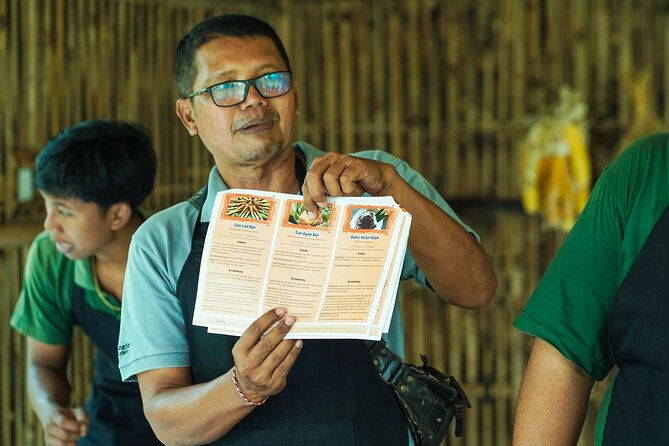
Next comes a guided tour through the herb and spice garden with over 40 varieties of plants. This is where the day becomes genuinely useful for you—even after the tour ends.
You’ll learn plants you can actually name and recognize, not just smell and move on. That matters for jamu and cooking later because you’re connecting ingredients to meaning. If you’ve ever tried to recreate a Balinese flavor at home and wondered what you missed, this kind of garden education gives you a starting point.
Tip for your day: wear something light but cover your shoulders and arms if you can. It’ll make the garden time more comfortable, especially in warmer weather.
Jamu Pavilion: Make Two Types, Taste, and Learn the Health-Drink Angle
At the Jamu Pavilion, you craft and taste two types of jamu, plus you’ll have fruit tasting included. Jamu is a Bali tradition that many visitors skip—so when you actually do it, you get that “I learned a thing I can’t easily fake” feeling.
Two types is a sweet spot. It gives you contrast without turning it into a long, complicated food science lesson. And because you’re working with the plants you saw in the garden, the flavors make more sense in your head.
What to expect from the taste: jamu is typically herbal and not always sweet like you might expect. If you’re sensitive to strong flavors, this is still manageable, but go in with an open mind.
If your goal is to bring something home, the real takeaway is the method and ingredient logic—not necessarily a copied recipe. You’ll better understand how herbal tonics are built.






Paon Bali Cooking Class: Nasi Campur Tumping, Sate Lilit, and Lak Lak
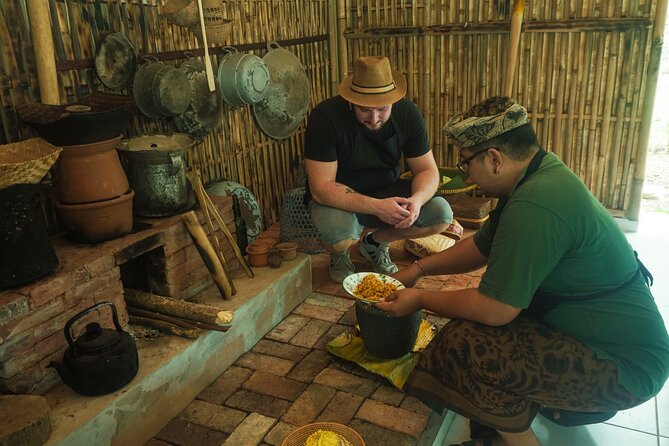
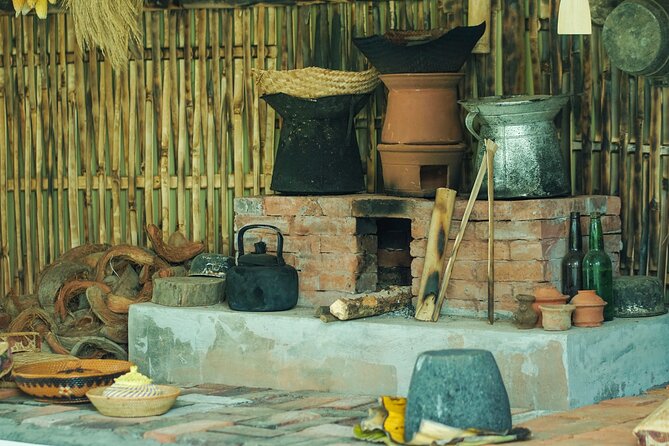
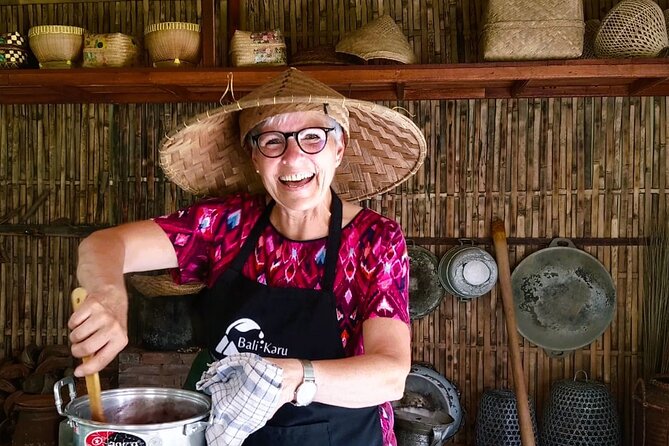
This is the heart of the day for many people, and the structure is built for participation. You’ll move to Paon Bali, the open-air Bali kitchen, and cook an authentic Balinese meal with chef guidance.
Here’s what stands out:
- You make Nasi Campur Tumping for lunch, plus dessert you cook yourself.
- You’ll learn Sate Lilit at a live bamboo grill station, which is fun and very hands-on.
- You also learn to make Lak Lak using a traditional clay pot.
This is more than “watch and taste.” You’re actively preparing components and learning technique. If you enjoy cooking with your hands, you’ll feel engaged the whole time.
Practical tip: eat slowly during lunch. After jamu, cooking, and heat, it’s easy to rush. Pace yourself so you enjoy the meal you made instead of just powering through.
Also, because vegetarian options are mentioned as accommodatable, ask for your needs when booking. The experience lists dietary needs (including vegetarian) as something they can handle with advance notice.
Rice Planting, Balikaru Farm, Stingless Bees, and a Short Downhill Walk
After lunch you’ll help with rice planting, which gives you a real sense of how farm work fits into the day-to-day rhythm. It’s not just a photo op. You’re physically doing a task, even if it’s a brief helping-hand moment.
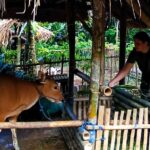
Then there’s a farm visit at Balikaru, including animals and stingless Trigona beehives. Stingless bees are not a typical Bali stop for everyone, so this feels specific and memorable. You also get a chance to notice how locals manage animals and observe nature as part of routine.
Next is a soft trekking segment of about 30 minutes downhill. It’s described as soft, not extreme, but it’s still a walk—so pack shoes you can trust on uneven ground. The downhill part is part of the magic because you’ll see village views along the way, not only from a vehicle.
Wear sunscreen and bring water. The schedule gives you active stretches and walking, and drinks are not included in the tour price.
Traditional House Tour (Asta Kosala) and the Belulang Hot Spring
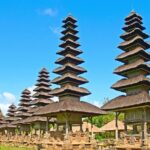
Later you’ll stroll through the village and visit a traditional compound to learn about Asta Kosala architecture, which is described as influenced by Balinese Feng Shui. This part is valuable if you like how spirituality shapes everyday design. It’s also a good cultural counterpoint to the cooking and farm tasks—you get thinking and meaning, not only doing.
Then the day ends at the Belulang hot spring. Bathing is labeled as optional, so you can choose your level of participation. Some guests also mention a purification-style ceremony connected with the springs, which is often the kind of spiritual moment that makes the day feel more than a lesson.
If you do soak, bring a small towel and be mindful of slip risk on wet stone. Even a short hot spring stop can feel longer if you’re relaxing, so plan to return at a comfortable pace.
Group Rhythm, Languages, and Food Rules
This is a group tour with a max of 12 travelers, and the schedule has a clear sequence: music and garden, jamu tasting, cooking class, lunch, farming help, village walk and house visit, then the hot spring.
That rhythm is good if you like structure. It can feel less ideal if you prefer free time to wander at your own pace. You’re trading flexibility for depth, and the day is designed to keep you actively learning and moving.
Language is also something to note. The guide is listed as English- or German-speaking, and other languages require a surcharge. If you want strong explanations and not just basic instructions, it’s worth matching your expectations to that.
For food, dietary needs are mentioned as manageable, including vegetarian. Don’t wait until you arrive—indicate your needs during booking so the kitchen can plan.
Price and Value: What $89 Buys You in a Full 8 Hours
At $89 per person for roughly 8 hours, this tour includes a lot that many separate Bali activities charge for individually: pickup by air-conditioned vehicle, Rindik instruction, herb garden tour, jamu production and tasting, a chef-led cooking class (including lunch and dessert), rice planting help, a farm visit with animals and stingless bees, a village compound visit, and the hot spring stop.
What you still pay for: tips and drinks, plus any personal expenses. So bring some cash or a card ready for water and extras.
The value angle here is the combination. You’re not just doing cooking, and you’re not just doing a nature walk. You’re getting jamu + cooking + farm life in one day with a small group and door-to-door transport.
If you’re comparing options, treat this as a “full-day village learning experience,” not a budget half-day. If that’s your style, $89 can feel like fair pricing.
Should You Book This Pure Bali Village Experience?
Book it if you want a Bali day that focuses on hands-on learning: herbs and jamu you make yourself, a Balinese lunch you actually cook, a rice-planting helping hand, and time with stingless bees. It’s also a strong choice if you like small groups and want your guide to spend more time teaching than herding.
Skip it or think twice if you’re not into an early start, don’t enjoy walking (there’s an included downhill trek), or you need a specific language other than English or German. Also consider that you may not get the same schedule feel if weather is poor, since the experience depends on good conditions.
One last practical point: go in curious, not strict. This is village life with real tools, real gardens, and real routines. The best day comes when you’re willing to try what’s put in front of you—especially the herbal jamu and dessert cooked on-site.
FAQ
What time does the tour start?
The start time is 7:30 am.
How long is the experience?
It runs for about 8 hours.
Is pickup and drop-off included?
Yes. Hotel pickup is offered, and the experience is described as including hotel pickup and drop-off.
How big is the group?
The tour has a maximum of 12 travelers.
What will I do in the jamu and cooking parts?
You’ll tour the herb and spice garden, make and taste two types of jamu at the Jamu Pavilion, then join a chef-led cooking class at Paon Bali where you prepare your lunch (Nasi Campur Tumping) and dessert (Lak Lak), including Sate Lilit on the bamboo grill station.
Can the tour accommodate dietary needs?
Yes. Vegetarian is mentioned as possible if you indicate your dietary requirements at booking.
What if the weather is bad or I need to cancel?
The experience requires good weather. If it’s canceled due to poor weather, you’ll be offered a different date or a full refund. You can cancel for a full refund up to 24 hours before the experience starts.