Spices, markets, and a cooking feast—four hours.
This Seminyak Balinese cooking class starts with a guided trip to a local market, where your chef points out the herbs, spices, fish, and produce you’ll use later. I like that it’s not just a demo; you get hands-on direction from a real Balinese cook in English, with names like Chef Komang popping up again and again in the class experience.
Two things I really appreciate: you cook in a small group, so it feels like a workshop rather than a conveyor belt, and you return home with a recipe book plus a certificate of completion. One consideration: the pickup ride can feel crowded at times, and if the market portion starts in heavy rain, you may want to plan for a potential change in timing or approach.
In This Review
- Key Takeaways Before You Go
- How This Balinese Class Works in Real Life
- Entering Seminyak’s Morning Market With a Chef
- The Cooking Part: Hands-On, Not a Lecture
- What You Actually Cook (And Why It Tastes Like Bali)
- Small Group Size: The Difference Between Fun and Frustration
- Pickup, Travel Time, and the Morning Pace
- The Meal at the End: Your Reward Is Part of the Lesson
- Price and Value: Why $45 Can Make Sense Here
- Who Should Book This (And Who Might Skip)
- Tips to Make Your Class Smoother
- Should You Book Seminyak: Balinese Cooking Class & Market Tour?
- FAQ
- What is the duration of the Seminyak Balinese Cooking Class & Market Tour?
- How much does it cost, and what’s included in the price?
- What time does pickup start?
- Where do I meet if my hotel isn’t in Seminyak, Legian, or Kuta?
- Is the market tour part of the experience?
- What language is the instructor?
- Do I eat the food I cook?
- What should I bring?
- Is luggage allowed?
- What is not included?
Key Takeaways Before You Go
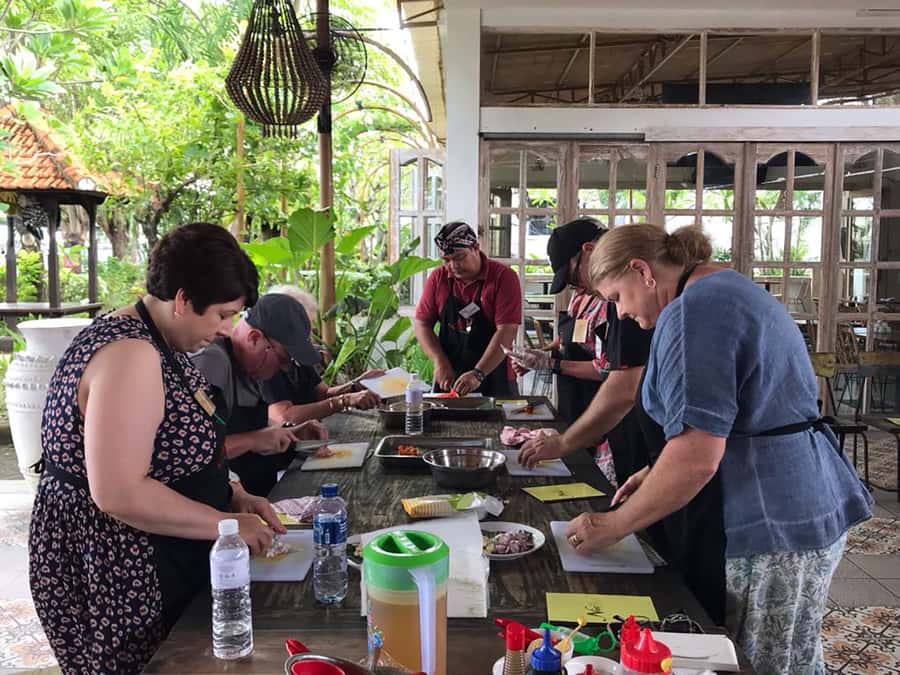
- Market-to-kitchen flow: you shop the ingredients with your chef, then cook what you bought (or what you selected).
- Small-group coaching: multiple staff members support you so you’re not stuck waiting your turn.
- So many dishes: the class often turns into a banquet, with multiple curry pastes and several cooked plates to try.
- Real ingredient practicality: you’re taught which items are easy to find abroad, especially in Asian grocery stores.
- Built-in payoff: you don’t just cook—you sit down and eat your creations.
- Recipe book + certificate: you get materials to recreate the food at home, not just photos.
How This Balinese Class Works in Real Life
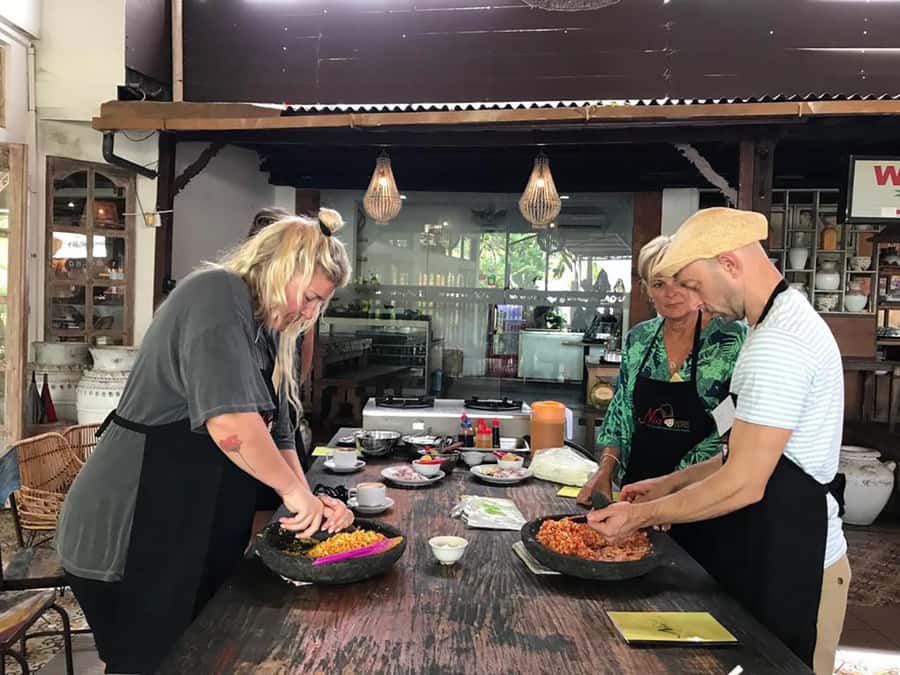
This isn’t a vague food tour where you watch someone else work. You start in the morning with hotel pickup (Seminyak, Legian, and Kuta areas) around 8:00 AM, then head to a nearby local market from the venue. From there, your chef acts as a translator, ingredient guide, and cooking coach all at once.
The market part matters because it teaches you the shopping logic behind Balinese food. Your chef walks stall to stall and helps you identify the ingredients for the dishes you’ll cook, including which herbs and spices you can reasonably track down back home. That’s the difference between a recipe that looks good online and one you can actually make without hunting for one miracle item for weeks.
After the market, you go back to the cooking venue and start preparing. The format is structured: you work at stations, staff assist with equipment and ingredient prep, and you cook dish after dish with your chef leading the process. Then you sit down to eat a meal made from what you cooked—so your reward is immediate.
You can also read our reviews of more tours and experiences in Bali.



Entering Seminyak’s Morning Market With a Chef
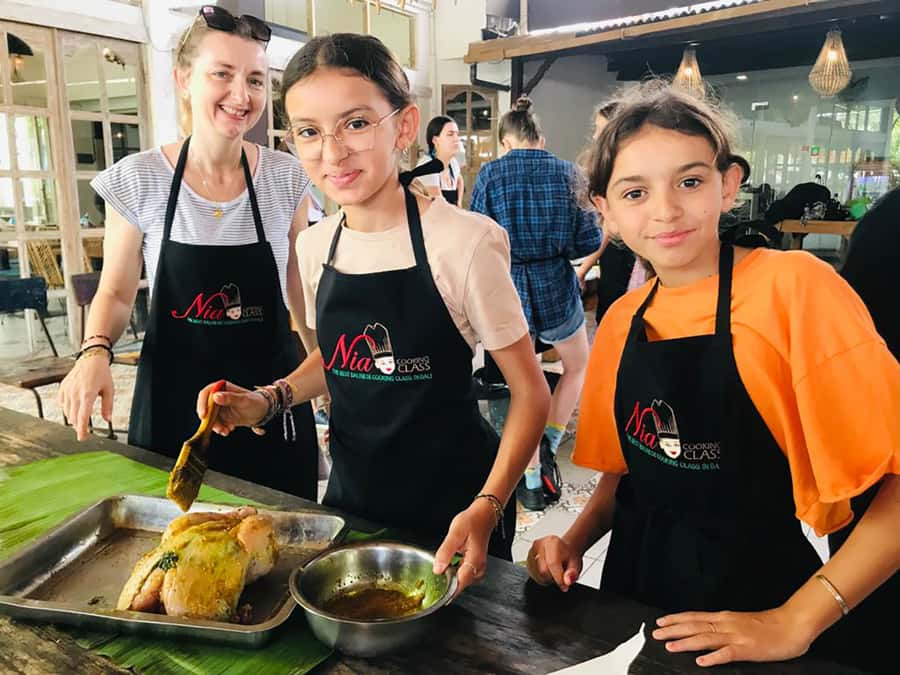
The class kicks off with a local market run. Even if you’ve wandered markets before, this one is guided for a purpose: you’re collecting the ingredients that match specific dishes, not just browsing for souvenirs.
Your mentoring chef accompanies you from stall to stall and helps you make good choices—things like:
- fresh produce you’ll need later in the cooking process
- herbs and spices used in Balinese flavor bases
- seafood and meats (including fresh fish options mentioned in the experience)
- fruits that show up in sauces, garnishes, or balancing elements
A big value here is ingredient translation. Your chef explains what each ingredient does in the dish, and they’ll point out which items are easier to find abroad, especially in Asian grocery stores. That practical “buy-list thinking” is what will save you time when you recreate the food at home.
One real-world note: some guests mention rain impacted the market part early on. The overall experience is still strong without rushing through the stalls in bad weather, but I’d plan to bring a light rain layer anyway, just in case.
The Cooking Part: Hands-On, Not a Lecture
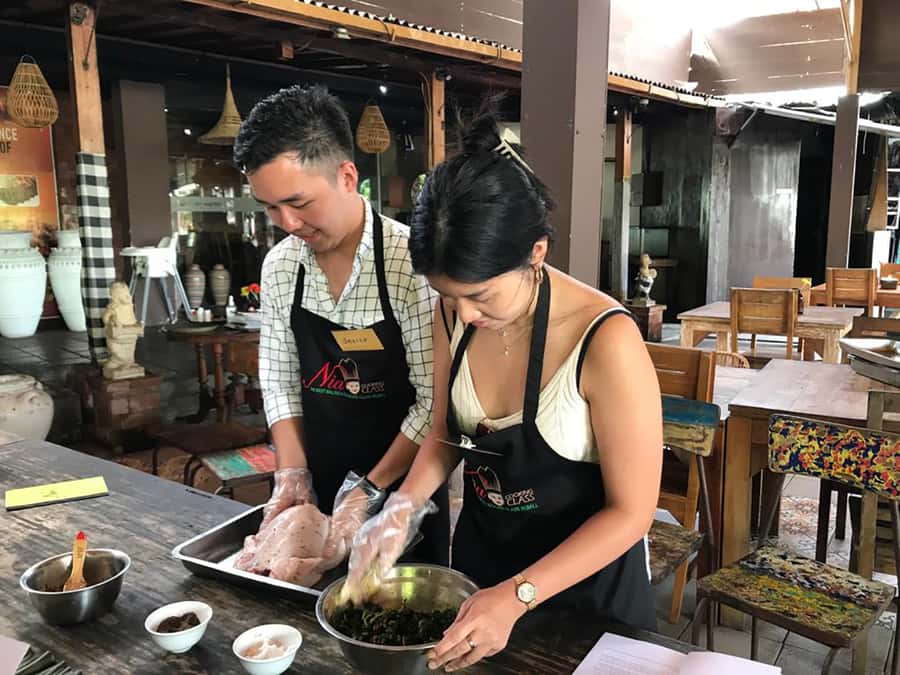
Back at the cooking venue, the teaching style is practical and interactive. The class is English-led, and you’ll get clear instructions while cooking with your group.
The most common impression from the experience is the volume of food. Many participants describe cooking a long list of dishes—often around 8 to 12, sometimes including different types of curry pastes and a mix of proteins like chicken, fish, and pork. One guest even described preparing multiple curry pastes and then turning that work into a feast of satays and other dishes.
What makes this format work is how the kitchen setup supports you. Multiple staff members help keep ingredients and equipment ready for each step. You also get frequent reminders around hygiene—like washing hands between stages—plus stations that are kept clean throughout. If you’ve done cooking classes where everything turns chaotic, this one aims to stay organized while still letting you work.
What You Actually Cook (And Why It Tastes Like Bali)
The dishes you make depend on the session, but you’ll almost certainly cover the building blocks behind Balinese cooking: spice mixes, flavor bases, and plated dishes that combine those flavors.
A few helpful details that show up in the experience:
- You may prepare curry pastes (one guest specifically mentioned making four different pastes).
- You might cook multiple courses that turn those pastes into finished dishes with different proteins (chicken, fish, pork, and satays were all mentioned).
- Presentation can include serving styles like banana leaves for certain dishes.
Even if you don’t cook professionally, you’ll learn technique. Several guests mention getting guidance on prep steps and knife technique, plus tips that change how you taste and adjust. For example, one guest said the chef could judge seasoning by smell, which is the kind of skill you rarely learn from a written recipe alone.
The practical payoff: your recipe book isn’t just a souvenir. It’s a “try again at home” tool, and some chefs also suggest alternatives if you can’t source identical ingredients. That matters because Bali ingredients won’t always match your local supermarket aisle, but the flavor logic can still carry over.
Small Group Size: The Difference Between Fun and Frustration
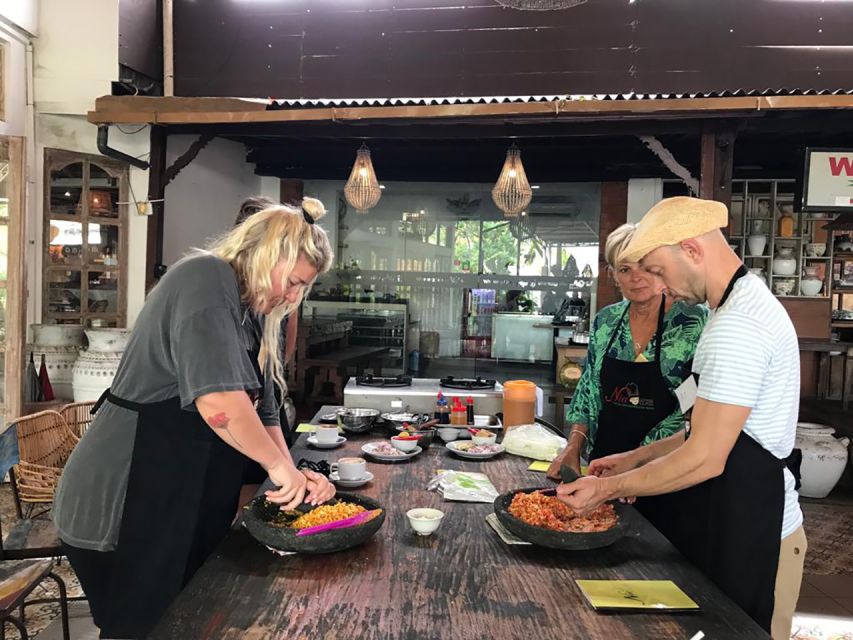
This experience keeps the group intentionally small, and that affects everything. When the kitchen is active, bigger groups mean more waiting—waiting for equipment, waiting for answers, waiting to taste or adjust. Here, support is closer and you’ll tend to get more 1:1 attention when you hit a step you don’t understand.
That’s also why people describe the class as genuinely fun and not stressful. You’re cooking, not standing around. Staff can step in quickly, and your chef prompts participation so everyone contributes rather than watching someone else do the whole thing.
If you’re going solo, this helps too. You still get a shared table meal and conversation, but you’re not stuck in a huge group where it’s hard to connect.






Pickup, Travel Time, and the Morning Pace
The class is designed around an early start. Hotel pickup is included for guests in Seminyak, Legian, and Kuta, and pickup time is listed as 8:00 AM. If your hotel isn’t in those areas, you meet at Warung Nia, Jl. Kayu Aya Square, No. 19-21, Jl. Kayu Aya, Seminyak.
Most of the experience’s timing is built around the market-to-cooking rhythm, and that’s why the schedule feels like it moves with purpose. One drawback that comes up in feedback: the ride can be overcrowded at times, and a few guests noted they could have walked from their area after the event. That doesn’t ruin the class, but it’s good to know if you’re sensitive to packed vehicles.
Also plan for light walking. Market visits involve moving between stalls, and you’ll want comfortable shoes. The experience asks you to wear comfortable shoes and clothes and notes that luggage or large bags aren’t allowed, which helps keep the process smooth.
The Meal at the End: Your Reward Is Part of the Lesson
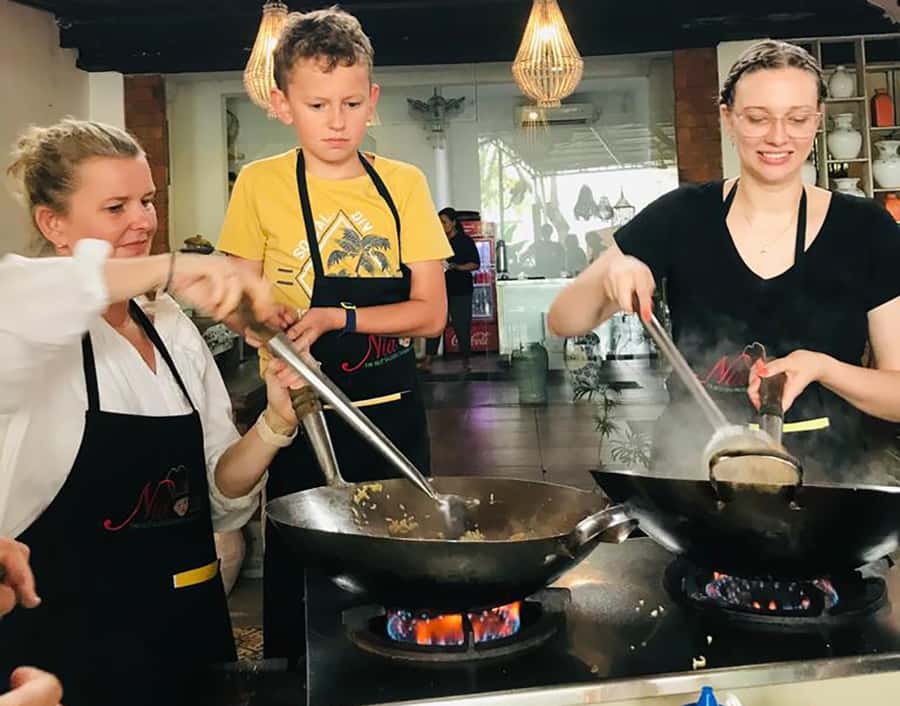
This is one of those cooking classes where the eating isn’t an afterthought. You’ll cook, then you sit down to a meal and taste what you made as a group.
Guests commonly describe the meal as a banquet. Many say they couldn’t finish everything, which tells you you won’t leave hungry. There’s also typically a small break-up moment early on—like morning tea included in the experience, plus a cold drink and sweet snack were mentioned in more than one account.
This matters for value and enjoyment. You’re paying for both the learning and the meal, so you should leave with a full stomach and practical recipes—not just a chef’s performance.
Price and Value: Why $45 Can Make Sense Here
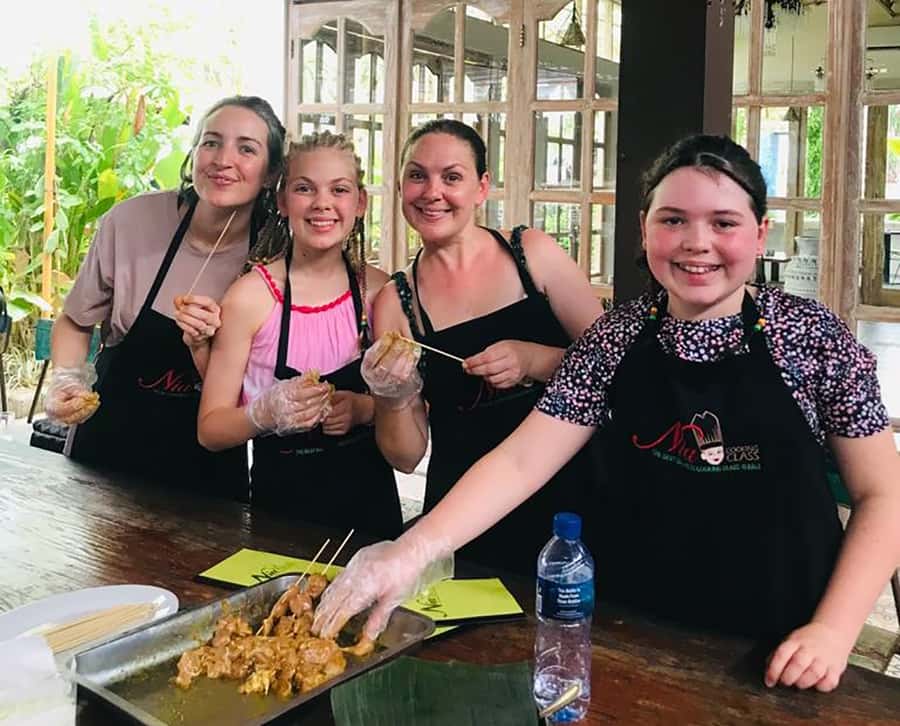
At $45 per person for 4 hours, the value is strong because the basics are covered. You get:
- Hotel pickup in key areas
- Market tour
- Cooking class
- All ingredients
- Morning tea
- Recipe book (mentioned repeatedly as part of what you take home)
- Certificate of completion
- You also eat the food you cook
Many cooking experiences charge a similar price but leave you doing less—either no market, fewer dishes, or fewer ingredients included. Here, the structure is built to justify the cost: you shop the ingredients, cook multiple dishes, and then eat. When guests describe cooking around 8 to 12 dishes, that’s a lot of output for a half-day.
If you’re the type who enjoys hands-on learning, it’s also better value than paying for a single restaurant meal. You’re leaving with something to recreate, not just a memory.
Who Should Book This (And Who Might Skip)
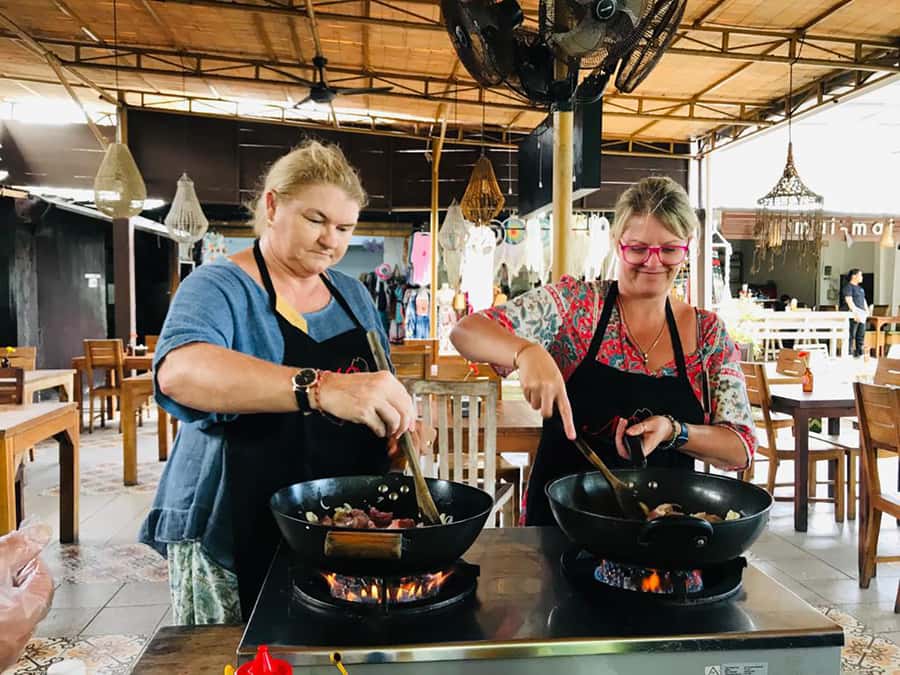
This class is a great fit if you:
- want a practical food skill (not just a tasting tour)
- enjoy market wandering with a purpose
- like learning from chefs in English
- want something social but not chaotic, thanks to a small group
- travel solo and want an easy way to connect with others during the meal
It’s also well suited for families and mixed groups—some guests described taking relatives across age ranges, and the class staff’s support style seems built for different skill levels.
You might reconsider if:
- you hate group meals or want a silent experience
- you’re very tight on schedule (it’s a full morning block with pickup)
- you’re uncomfortable with light walking in the market
Tips to Make Your Class Smoother
A few small moves can help you get more out of the experience:
- Wear non-slip, comfortable shoes. You’ll walk the market.
- Bring a simple light layer for morning air and possible rain.
- Leave extra bags behind. No luggage or large bags is part of the rules.
- If you’re serious about recreating the dishes later, take quick notes during cooking—especially on what the chef says about substituting ingredients.
Also, don’t just focus on the finished plates. Pay attention to the spice and ingredient role explanations. Those details are what make a home-cooked version taste like Bali rather than like a generic curry.
Should You Book Seminyak: Balinese Cooking Class & Market Tour?
If you want a 4-hour experience that mixes local ingredients, chef-led teaching, and a big meal at the end, I think this is a solid yes. The best part is the market-to-kitchen link, plus the fact that you’re supported throughout and leave with a recipe book and certificate.
I’d book it especially if this is your main cooking class in Bali. With the amount of food you typically cook and the ingredient guidance your chef provides, it’s one of the more effective ways to turn a holiday into a skill you can use later.
If you’re deciding between multiple options, choose the one where you’ll actually cook with guidance in a small group—this one leans into that, and it shows.
FAQ
What is the duration of the Seminyak Balinese Cooking Class & Market Tour?
The experience runs for 4 hours.
How much does it cost, and what’s included in the price?
It costs $45 per person and includes hotel pickup (Seminyak, Legian, and Kuta only), a market tour, the cooking class, all ingredients, morning tea, and a certificate of completion.
What time does pickup start?
Pickup is listed for 8:00 AM.
Where do I meet if my hotel isn’t in Seminyak, Legian, or Kuta?
The meeting point is Warung Nia, Jl. Kayu Aya Square, No. 19-21, Jl. Kayu Aya, Seminyak.
Is the market tour part of the experience?
Yes. The class begins with a visit to a nearby local market from the cooking class venue.
What language is the instructor?
The instructor is listed as English.
Do I eat the food I cook?
Yes. After cooking, you sit down to a meal to savour the flavors of your creations.
What should I bring?
Wear comfortable shoes and comfortable clothes.
Is luggage allowed?
No. Luggage or large bags aren’t allowed.
What is not included?
Hotel drop-off is not included.