Tirta Empul feels like a different Bali. This small-group visit mixes skip-the-line temple entry with a guided explanation of Balinese Hindu beliefs as you take part in a traditional cleansing at the holy springs. It’s one of those outings where the value isn’t just the ticket, it’s having the right person to help you understand what you’re seeing.
I especially like the calm, practical setup: round-trip private transfers from your Ubud lobby (so you’re not figuring out directions or parking), and a professional English-speaking guide who can steer you from the first gate through the main areas. The one drawback to plan around is the temple’s strict rule—women on their period are not allowed to visit.
In This Review
- Quick wins before you go
- Tirta Empul’s holy springs: the ritual you’re really paying for
- Skip-the-line entry and the “temple flow” that saves headaches
- Ubud private transfers: time saved that you actually feel
- What’s included at Tirta Empul: sarong, sash, offerings, and water
- Guides make the difference: what excellent explanations look like
- Timing, crowds, and how long to plan for the whole outing
- Price and value: does $29.54 make sense?
- Who this tour fits best (and when to consider alternatives)
- Should you book this Tirta Empul skip-the-line ticket?
- FAQ
- How long does the Tirta Empul temple experience take?
- Is the Tirta Empul entrance ticket included?
- Do you get pickup and drop-off from Ubud?
- Is Wi-Fi included during the tour?
- Are there any restrictions for visiting the temple?
- What is the cancellation policy?
Quick wins before you go
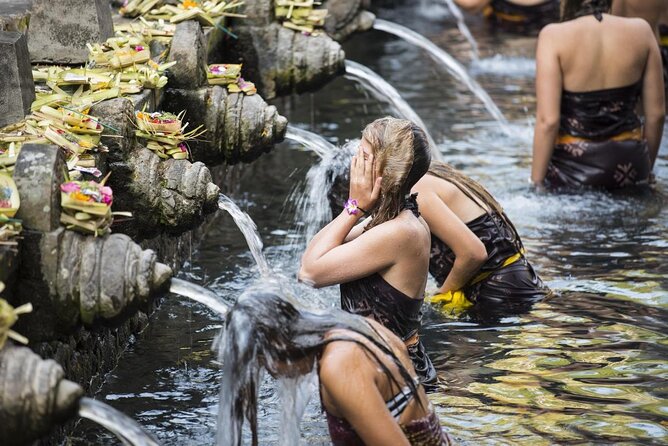
- Guided blessing ritual at the holy springs with sarong and offerings included
- Skip-the-line entry paired with an escort through the main temple areas
- Private pickup and drop-off from Ubud to save real time and stress
- Wi-Fi and bottled water included as part of the all-inclusive feel
- Small group size (max 14) keeps it from turning into chaos
Tirta Empul’s holy springs: the ritual you’re really paying for
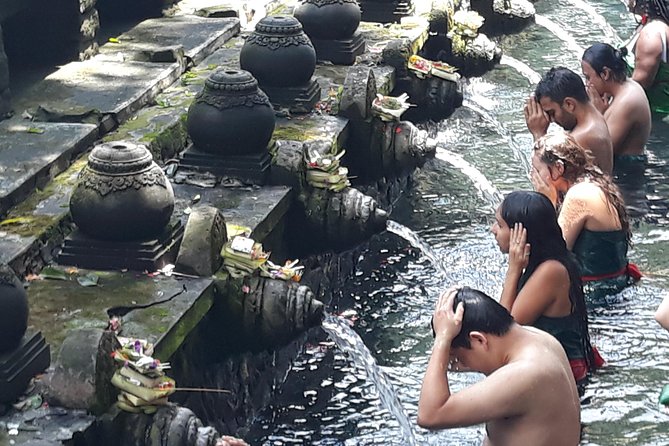
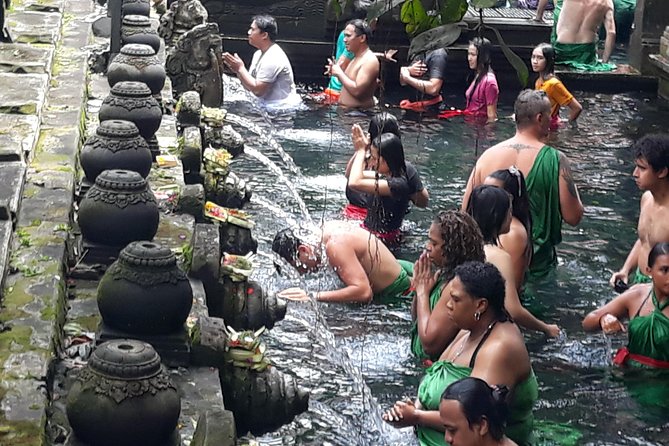
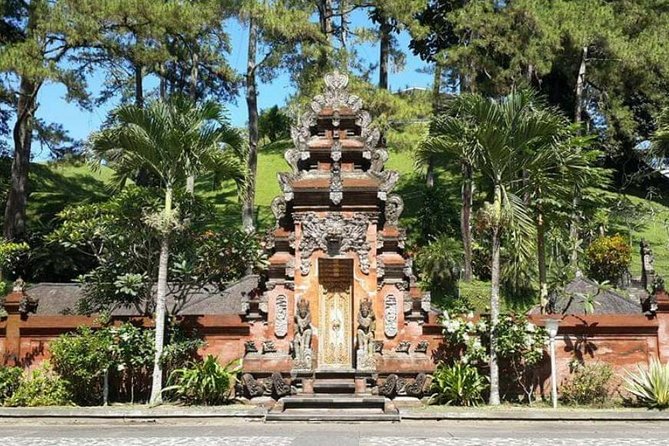
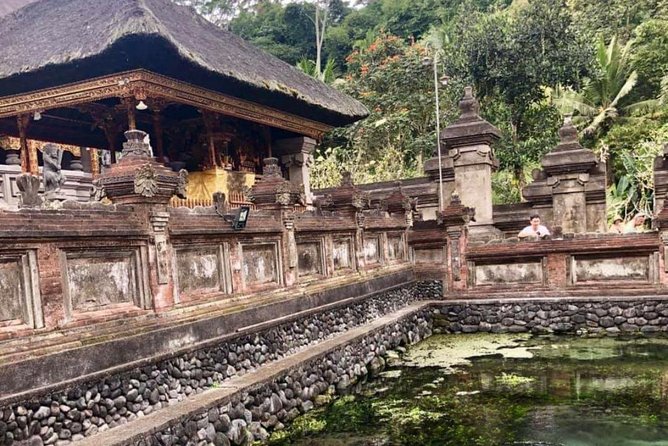
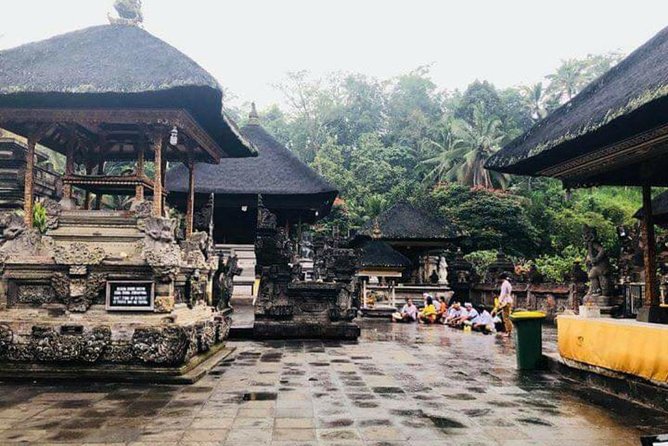
Tirta Empul is famous for its spring-water cleansing pools, and the point of this tour is to help you participate with understanding, not just show up and take photos. You’ll be escorted into the temple complex starting at the first gate, then guided toward the middle areas and the main temple area (the route is described as going toward the utama mandala).
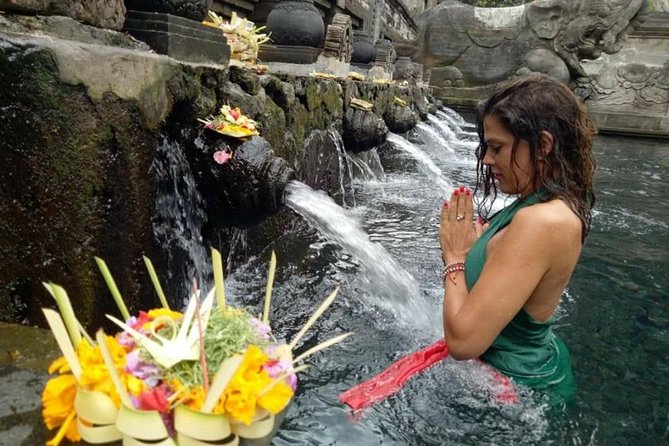
What makes the experience click is the sequence. You don’t just walk around. You’re brought to the holy water blessing area, and you receive help with the basics: how to wear the provided sarong and sash, and how to do the offering as part of the ritual process. If you like religion-and-culture travel, this is the kind of experience that turns a landmark visit into a meaningful moment.
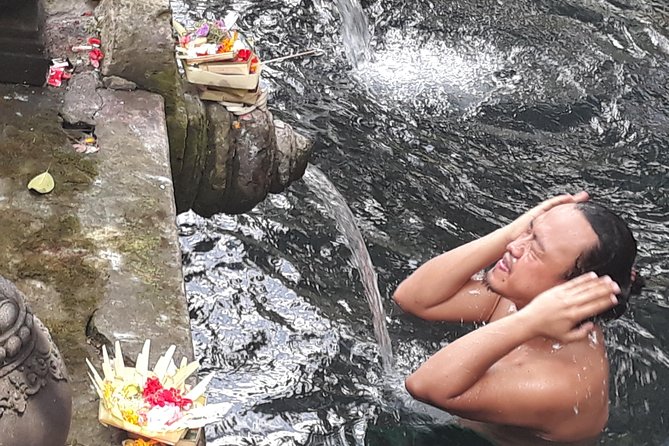
The blessing ritual itself is the heart of the visit. The holy water is described as something Balinese people have been coming to for generations, and the tour is built around helping you understand why this water matters. Even if you’re not sure what you believe (or how all the symbolism fits together), having the steps explained makes the experience feel respectful and grounded.
Practical note: the ceremony isn’t just about being in the right place. It’s also about being ready for the rules inside the temple. If you’re coming with expectation of a relaxed “walk-through,” plan for a more guided, ritual-focused experience instead.
You can also read our reviews of more tours and experiences in Ubud.



Skip-the-line entry and the “temple flow” that saves headaches
Calling it skip-the-line is useful mostly because temple entry can be slow when you don’t know the system. Even when a line seems short, the real friction often comes from figuring out where to go next, when to move, and how to avoid the wrong turns in a busy sacred space.
This is where a guided route matters. You’re escorted from the entrance gate onward, and your guide helps you move through the main temple areas in the right order rather than wandering. The tour package is also framed as starting at the first gate and going through to the middle side and main temple, so you’re not relying on guesswork.
One more reason to care: Tirta Empul can feel busy, and rules inside mean people often stop, adjust clothing, and ask questions. That’s normal. With the right guide, you’re less likely to get stuck waiting for instructions or accidentally doing something out of sequence.
If you’re the type who likes arriving early, you’ll probably appreciate that the best experience tends to happen when you have breathing room. One of the recurring themes in the feedback is that going early helps reduce the crowd pressure, so if you can choose a timing, earlier is a smart move.
Ubud private transfers: time saved that you actually feel
This is sold as a private transfer experience from your Ubud address, and that matters more than it sounds. Tirta Empul is not in central Ubud, so a DIY outing can turn into a day of logistics: getting the right driver, coordinating pickup, and then dealing with traffic on the way back.
Here, you get complimentary pick-up and drop-off from your lobby hotel. That “lobby” detail is more important than it looks. In many Bali neighborhoods, it can be easier to meet at a lobby or access point than trying to locate a specific building entrance. You’ll just want to communicate your hotel/villa/apartment location so your driver can find the right spot.
The tour duration is listed as about 1 to 3 hours, which is a huge difference-maker if you’re juggling other Ubud plans. For many people, this becomes a simple spiritual add-on rather than a half-day commitment.
Also included: bottled water and onboard Wi-Fi. There’s a slight nuance here. The experience listing says onboard Wi-Fi, and there’s also provider information noting Wi-Fi in the temple common area is online 24 hours. In practical terms, you can plan on having Wi-Fi somewhere during the outing, but don’t treat it like guaranteed high-speed everywhere inside the complex.
What’s included at Tirta Empul: sarong, sash, offerings, and water
Let’s talk about the stuff that makes the tour feel genuinely all-inclusive.
You get:
- Admission ticket included
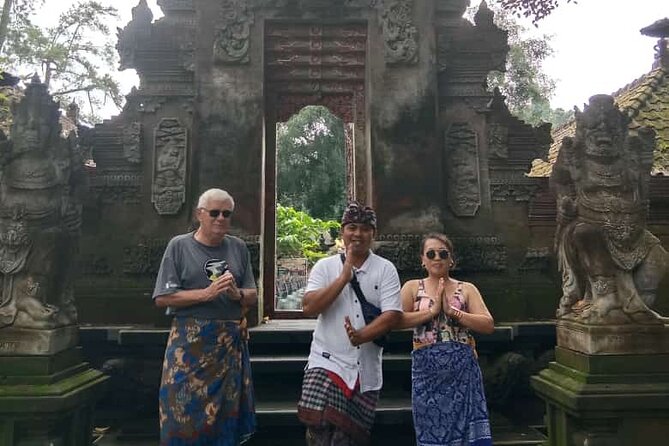
- Sarong and sash provided for the temple
- Hindu offerings provided as part of the ritual support
- Bottled water
- Skip-the-line entry
- A professional English-speaking escort for navigating the ceremony and temple route
- Round-trip private transfers from your Ubud address
- Wi-Fi (listed onboard; temple area Wi-Fi noted as available)
This is where you get real value. If you were to do Tirta Empul on your own, you’d likely spend time figuring out access to the correct entrance, where the blessing ritual occurs, and how to handle the clothing/offerings. Even if you think you can “figure it out,” a guided experience removes uncertainty at the exact moments you don’t want uncertainty.
The sarong and sash detail is also more than a costume. It helps you follow temple expectations without having to buy something or worry about using the right way to wear it. And because the guide provides the offering setup, you’re less likely to feel like you’re standing around waiting for instructions.
One rule you need to know before you book: women on their period are not allowed to visit the temple. That’s not a small note—it changes eligibility. If that applies to you, you’ll need to choose a different activity.
Guides make the difference: what excellent explanations look like
This tour lives or dies on the quality of the escort. And in the feedback tied to this type of experience, a strong pattern is clear: the guides who know the ceremony details, can answer questions, and help you take part comfortably can make the visit feel calm and meaningful.
Names that come up include Wayan, Moyo, Putu, Made, Kadek Nanda, Sudi, Gusde, Nyoman, and Jro Wiguna. The common thread across these different people is the same: clear explanations of what you’re seeing and why, plus helpful guidance so you’re not guessing your way through sacred spaces.
If you’re deciding whether a guided blessing matters, here’s an easy test: ask yourself if you’d enjoy understanding the springs, the offering, and the reason for the ritual steps while you’re doing them. If yes, you’ll appreciate having an English-speaking guide who can talk you through the meaning of the different holy springs and ceremony flow.
Practical tip: bring your curiosity. It’s okay to ask straightforward questions like what each holy spring represents, what the offering is for, or what to focus on during the cleansing. A good guide can turn those moments into something you remember long after you leave the temple pools.






Timing, crowds, and how long to plan for the whole outing
The duration is listed as about 1 to 3 hours, which is a wide window—so you should plan with a little buffer. Travel time from Ubud to Tirta Empul, plus the time needed for the ritual and moving through the complex, can easily stretch the visit toward the longer end on busier days.
What affects timing most:
- Whether you arrive early or later in the day
- Temple activity level (people adjust clothing, gather for rituals, and move between spring sections)
- How much time you spend doing the blessing process versus photo stops
If you’re the type who hates waiting, choose a start time that gives you margin. Multiple pieces of feedback emphasize the advantage of going early to avoid crowd pressure. You don’t need to be at the crack of dawn, but earlier tends to make it feel easier to stay focused during the ritual.
Also keep in mind that this isn’t framed as a “sightseeing sprint.” You’re here for the sacred water experience, so the best results come when you give it the attention it deserves and avoid rushing your own ceremony steps.
Price and value: does $29.54 make sense?
At $29.54 per person, this isn’t a budget lottery ticket, but it also isn’t a luxury-only outing. What makes the price feel reasonable is that it bundles multiple friction points into one package.
You’re getting:
- Temple admission included (so you’re not adding costs on arrival)
- Sarong and sash
- Offerings
- A guide escort through the ceremony and main temple areas
- Round-trip private transfers from Ubud
- Bottled water and listed Wi-Fi
The value is strongest when you want to avoid the “DIY stress tax.” In other words: if you’d otherwise need to hire transport, figure out where to enter, and learn how the ritual works on the spot, the package saves time and mental energy.
The all-inclusive nature also matters if you’re on a tight schedule in Ubud. A lot of visitors come to Bali with a packed itinerary. This tour gives you a focused cultural experience without swallowing an entire day.
One more detail: it’s commonly booked about 25 days in advance on average, which suggests this is a popular Ubud add-on. If your dates are fixed, booking ahead can help you lock in a time that suits your day.
Who this tour fits best (and when to consider alternatives)
This tour is a strong match if you want:
- A guided holy water blessing ritual at Tirta Empul rather than a casual visit
- Help understanding Balinese Hindu beliefs and the meaning of the springs
- Private transfers so you can stay in “on rails” mode
- A small-group experience (max 14) that won’t feel like a cattle-car
It may not be the right fit if:
- You need guaranteed flexibility to roam freely without ceremony guidance
- You’re visiting during circumstances where the temple rule applies (women on their period cannot visit)
- You don’t want anyone involved in helping you with sarong/offerings and ritual setup
If you’re a first-time Bali visitor, this is one of the cleaner ways to get respectful context quickly. If you’ve been before and you’re looking for a deeper “why this matters” experience, the guide-led route and explanations can still make it feel fresh.
Should you book this Tirta Empul skip-the-line ticket?
Book it if you want the practical benefits (private Ubud pickup, admission included, sarong and offerings taken care of) plus a guide-led ritual that helps you participate correctly. The visit is short enough to fit Ubud rhythms, and the experience focus is clear: the holy springs.
Skip it if the temple eligibility rule affects you, or if you’re looking for a self-paced stroll over a guided cleansing. Also, if you’re the sort of traveler who hates any structured religious process, you might find the ceremony guidance more intense than you want.
If you do book, I’d treat the tour like a cultural appointment. Arrive with calm expectations, wear what you can easily adapt to sarong use, and come ready to ask a few questions. That’s when the experience tends to feel genuinely meaningful—and not just like another stop on a checklist.
FAQ
How long does the Tirta Empul temple experience take?
The tour is listed as lasting about 1 to 3 hours total.
Is the Tirta Empul entrance ticket included?
Yes. The admission ticket is included in the package.
Do you get pickup and drop-off from Ubud?
Yes. The package includes complimentary pick-up & drop-off from your lobby hotel in Ubud. You’re asked to inform them of your hotel/villa/apartment location before the start.
Is Wi-Fi included during the tour?
Wi-Fi is listed as included. There is also provider information that Wi-Fi in the temple common area is online 24 hours.
Are there any restrictions for visiting the temple?
Yes. Women on their period are not allowed to visit the temple.
What is the cancellation policy?
Free cancellation is available up to 24 hours in advance of the experience start time for a full refund. If you cancel less than 24 hours before, the amount paid is not refunded.