A river blessing beats any museum day. In Ubud, you’ll blend morning scenery and biking with a private purification ceremony at an ancient Hindu temple, then finish with time with a local priest/healer.
I like how the day is guided step-by-step, so you’re not guessing what to do when the ceremony starts. I also love the pacing: cycling for views and real village life, then a quieter, spiritual reset with sacred water.
One thing to consider: the day starts at 7:30 am, and you should be ready for early-morning heat and getting involved in a water-based ritual.
In This Review
- Key highlights worth planning for
- A Morning of Bamboo Views and Bali Faith
- Kintamani Cycle Ride: Coffee Break, Bamboo, Rice Terraces
- Tampaksiring Purification Ceremony: Sacred Water, Clear Intentions
- Meeting a Local Priest or Healer (Balian) After the Cleansing
- Lunch in an Old Village Setting Near Kintamani
- Extra Temple Time and Secret Spots on the Way Back to Ubud
- Price and What Makes It Good Value at $120
- Tips for a Smooth Day: Bikes, Sarongs, and Getting Wet
- Who This Tour Suits Best (and Who Might Want Something Else)
- Should You Book This Spiritual Purification Day in Ubud?
- FAQ
- What time does the tour start in Ubud?
- How long is the spiritual purification tour?
- Is pickup included, and is the group private?
- What’s included in the price?
- Do I need to pay extra for the purification ceremony?
- Is the bike ride part safe for most people?
- What should I wear for the ceremony?
- What if the weather is bad?
- What’s the cancellation policy?
Key highlights worth planning for
- Private river-temple purification with sarong and towel provided
- Kintamani bamboo forest + volcano/lake viewpoints before you ride
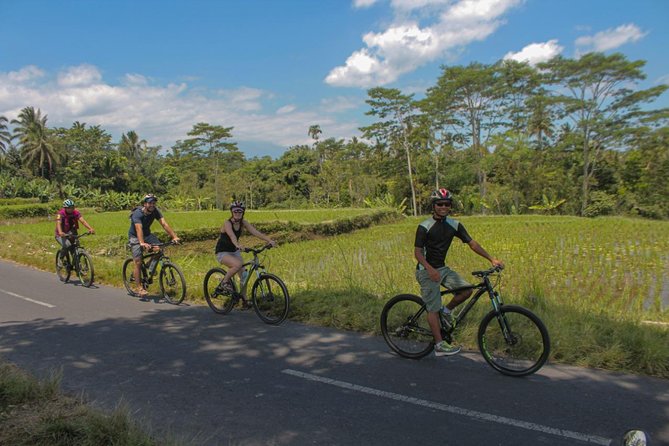
- Cycling through jungle-like lanes, rice terraces, and village spots
- Meeting a local priest/healer (Balian) and hearing how the tradition works
- Guides Eka and Gede praised for kindness, organization, and smart timing
A Morning of Bamboo Views and Bali Faith
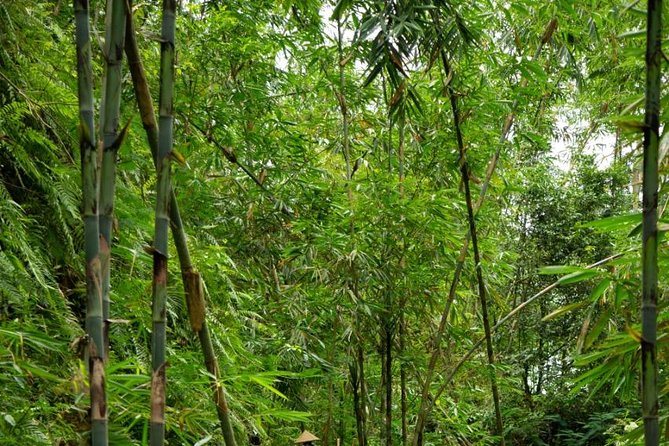
This is the kind of Ubud day that feels like you’re getting two different lenses on Bali, on the same clock. First you’re in the Kintamani area, riding through countryside that looks like it belongs to an older Bali. Then you switch gears to Tampaksiring, where the focus turns spiritual and personal.
What really matters here is the structure. You’re not dropped at a temple and left to figure it out. You’re guided through a purification ceremony (with the right clothing and gear), and you also get a follow-up conversation with a local priest/healer right after. That pairing makes the day more than just sightseeing.
You can also read our reviews of more tours and experiences in Ubud.


Kintamani Cycle Ride: Coffee Break, Bamboo, Rice Terraces
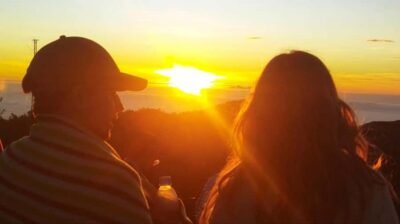
You start early, heading out from Ubud toward Kintamani. Along the way, you’ll see a big bamboo forest and get wide views over the volcano and the lake below. It’s a good warm-up: you’re awake, you’re moving, and the scenery is already doing half the work.
Breakfast stops at a coffee plantation, with coffee and/or tea tasting and a small breakfast. It’s a practical pause before you ride, and it keeps the morning from feeling rushed. You also get to ease into local life rather than jumping straight into biking.
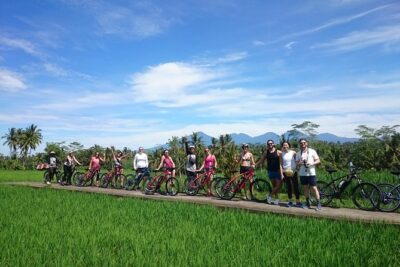
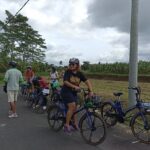
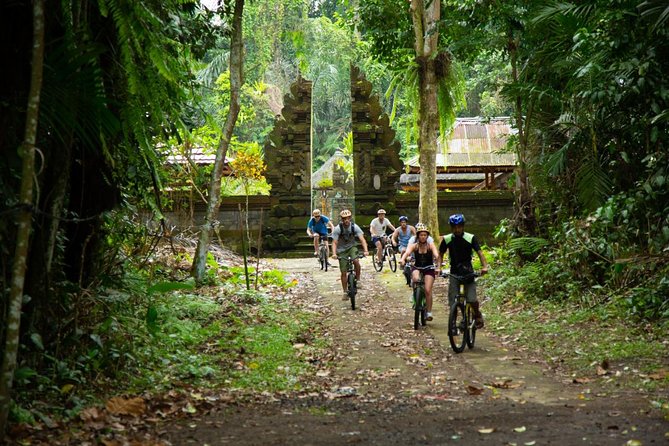
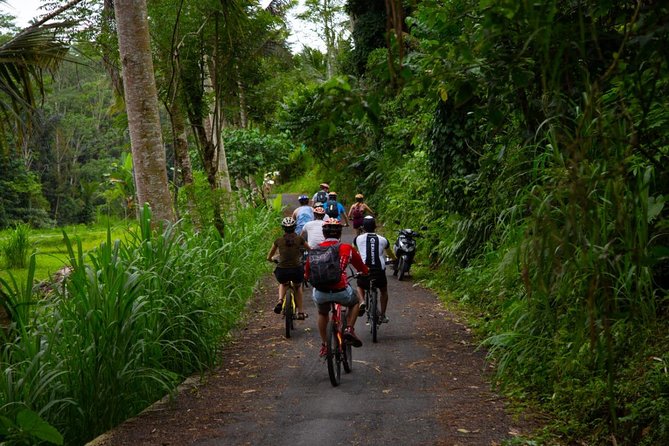
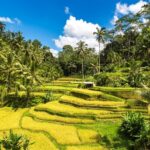
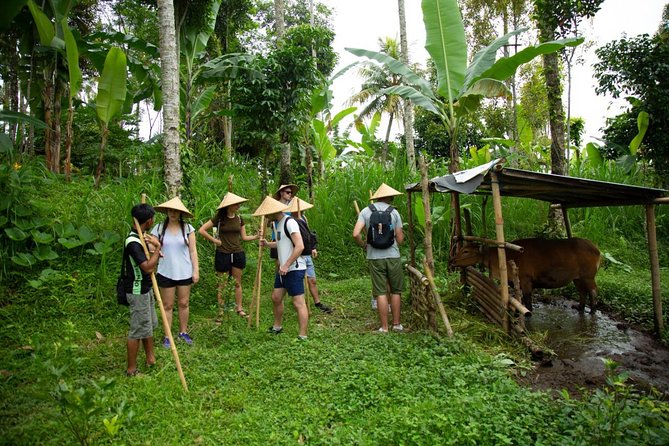
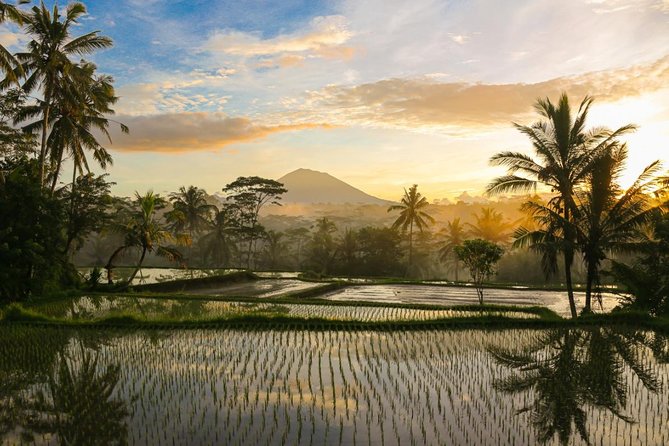
Then comes the cycling portion. You’ll ride on nearly moderate downhill paths through lush, jungle-like areas, with stops for secret temples, villages, and rice terraces. Your guide explains history and culture along the way, which turns the ride into more than exercise. Since you’re on a bike, you can slow down for details that you’d miss from a car.
Practical angle: cycling time is listed at about 2 hours, and you should assume it’s “moderate” in effort but still outdoors in the morning sun. Wear comfortable shoes you don’t mind getting dusty, and plan to keep a light layer handy in case the weather shifts.
Tampaksiring Purification Ceremony: Sacred Water, Clear Intentions
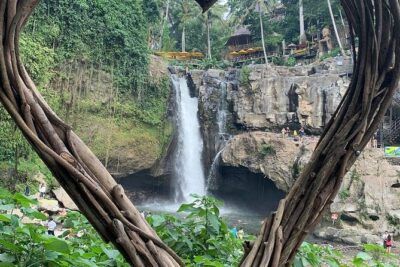
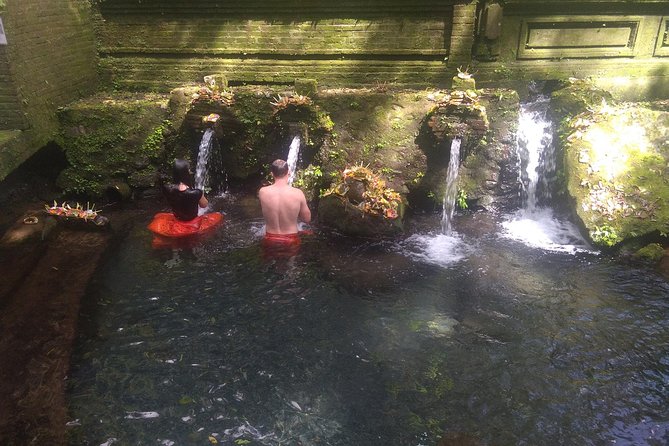
After the Kintamani ride, you head to Tampaksiring for a private water purification at an ancient Hindu temple on the river. This is the spiritual centerpiece of the day.
The ceremony uses free-flowing water, explained as a way to ward off disease and purify mind and body. You’ll be guided to wear a sarong and use a towel provided for the ritual. The water runs as part of the process, and the goal is to leave with a lighter, cleaner feeling—less mental static, more calm.
You’ll also be guided through the prayer side of the ceremony. The overview you’ll follow includes offering prayers to the gods, which helps the event feel grounded in tradition rather than staged for tourists.
One consideration: if you’re sensitive to cold water or uncomfortable with ritual washing, this is a good time to think ahead. This tour is designed for participation, not “watch only.” Still, the private format helps because your guide can set expectations and keep things moving at a respectful pace.
Meeting a Local Priest or Healer (Balian) After the Cleansing
Right after the purification, you’ll meet with a local priest/healer—often described in Balinese tradition as a Balian. This stop is different from the ceremony because it shifts from action to conversation.
You’ll hear how the healer works within the community, and you’ll have time to feel the tradition rather than just watch it. The tour description frames the outcome as leaving feeling relaxed, healthier, and rejuvenated. Even if you’re not thinking in medical terms, it’s still a moment to reset your mental state after the physical ritual.
There’s also a village component here. You stop in the area for lunch and you can chat with locals, which is where the day starts to feel real in a good way. It’s the difference between learning about Bali and actually meeting the people who live Bali every day.
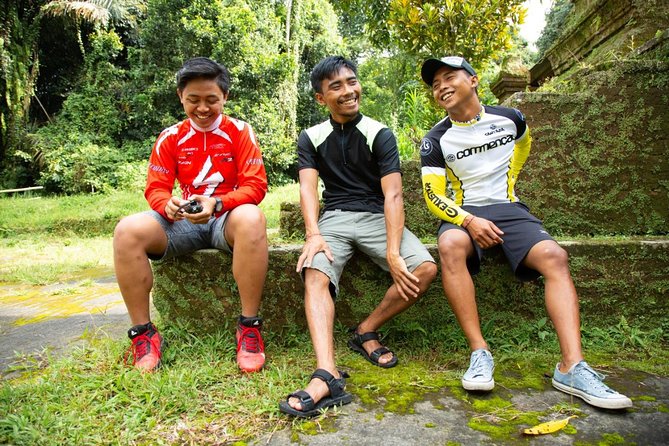
In particular, the guides behind this experience come up in multiple positive notes. Eka and Gede are praised for being kind and full of context, and they also handle small issues smoothly—like swapping bikes if something goes wrong—so your day stays on track.
Lunch in an Old Village Setting Near Kintamani
Lunch is served in a special place in an old village setting under the presence of Kintamani mountain. It’s included, and it’s not just a sit-down break. It’s part of the cultural flow of the day: you’ve already seen temples, water rituals, and local life, so the meal becomes the natural bridge to talk and observation.
The food is described as local, and that matters. When you’re on a spiritual day, the “energy” part is easier to understand if the meal is consistent with the setting. You also get bottled water, which keeps you from scrambling for hydration while you’re still in the heat.
If you have food allergies, this tour doesn’t list specific dietary accommodations. In that case, message the provider ahead of time and ask what they can do. It’s the kind of thing you want clarified before you’re hungry and ready to sit down.

Extra Temple Time and Secret Spots on the Way Back to Ubud
After lunch, the day doesn’t end when the spiritual portion finishes. You’ll visit more temples and secret spots on your way back to Ubud, with about 2 hours allocated for this portion.
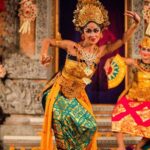
This is a helpful rhythm. The morning gets your senses going, the ceremony slows everything down, and then the final temple time gives you a last look at Bali’s religious architecture and everyday sacred space—without turning the whole day into one long “temple shuffle.”
The finish is straightforward: you return to Ubud and get dropped off at your hotel. You’ll likely arrive back with that post-day feeling: not exhausted in a bad way, but refreshed and calmer than you were at 7:30.
Price and What Makes It Good Value at $120
At $120 for a full day (about 8 hours), the value depends on what you care about. If your goal is only sightseeing, you might find cheaper options. But this day bundles several things that add up in costs and effort.
You get:
- private transportation
- a coffee plantation breakfast/tea tasting stop
- cycling with a provided bicycle
- lunch
- bottled water
- sarong and towel for the purification ceremony
- all fees and taxes
You’re also paying for guidance through a ceremonial experience, plus a conversation with a local priest/healer. That type of access takes coordination, and it’s the main reason the day feels personal rather than generic.
One small financial note: donations and gratuities aren’t included. That’s common for ceremonies, and it’s worth carrying a little cash so you can contribute if you feel it fits the moment.
Tips for a Smooth Day: Bikes, Sarongs, and Getting Wet
Plan for a day that mixes outdoor movement with ritual participation. That means packing smart.
- Wear breathable clothes for the morning ride. You’ll change into what’s appropriate for the ceremony, and the tour provides a sarong.
- Bring simple footwear you can walk in comfortably after cycling.
- Expect water. The purification involves being cleansed by free-flowing water, so don’t treat it like a photo stop.
- Use sunscreen and keep water consumption in mind. Bottled water is included, but it’s still a full day in the open air.
Weather matters, too. The experience notes that it requires good weather. If conditions are poor, the provider may offer a different date or a full refund. In practical terms, keep an eye on the forecast and avoid booking this as a “must do no matter what” day if your schedule is extremely tight.
Who This Tour Suits Best (and Who Might Want Something Else)
This tour fits best if you want more than temples with a quick photo run. You should like the idea of a spiritual purification ceremony led by a local priest and then follow it with a conversation with a healer. If you enjoy learning how people practice faith in daily life, you’ll get a lot from the village chat and the context your guide shares.
It also suits people who want a structured day without strict pacing stress. You’re moving, yes, but you’re not sprinting between stops. The day is designed to keep changing the pace for a reason: scenery, ceremony, discussion, lunch, then more sacred stops.
If your perfect Bali day is slow lounging with only optional walking, or if you dislike participating in ritual actions, this might feel too “involved.” The tour is built for participation, not observation only.
Should You Book This Spiritual Purification Day in Ubud?
If you want a Bali day that’s both practical and meaningful, I’d say yes. The combination is the selling point: Kintamani scenery on a bike, then Tampaksiring purification, then meeting a local priest/healer right after. That sequence makes the experience feel coherent instead of random.
Book it if:
- you’re open to a water-based ceremony
- you want guided cultural context, not just landmarks
- you like the idea of meeting spiritual figures and hearing how the tradition works
Think twice if:
- you’re not comfortable with getting wet in a ritual setting
- you prefer purely sightseeing days with minimal participation
If you do book, go into the day with a calm attitude. This isn’t about chasing a checklist. It’s about letting the sacred part of Bali slow your brain down for a few hours—and then carrying that calmer feeling back into Ubud.
FAQ
What time does the tour start in Ubud?
The tour starts at 7:30 am.
How long is the spiritual purification tour?
It runs for about 8 hours (approximately).
Is pickup included, and is the group private?
Pickup is offered, and it’s a private tour/activity, meaning only your group participates.
What’s included in the price?
The tour includes private transportation, coffee/tea tasting with small breakfast, lunch, bottled water, bicycle use, towel and sarong for the purification ceremony, and all fees and taxes.
Do I need to pay extra for the purification ceremony?
Admission tickets are listed as free, but donations and gratitudes are not included.
Is the bike ride part safe for most people?
The additional info says most travelers can participate, and the cycling is described as nearly moderate downhill.
What should I wear for the ceremony?
The ceremony provides a sarong and towel, and you should plan to participate in the ritual as guided.
What if the weather is bad?
The experience requires good weather. If it’s canceled due to poor weather, you’ll be offered a different date or a full refund.
What’s the cancellation policy?
You can cancel for a full refund up to 24 hours before the experience’s start time. If you cancel less than 24 hours before, the amount paid is not refunded.